
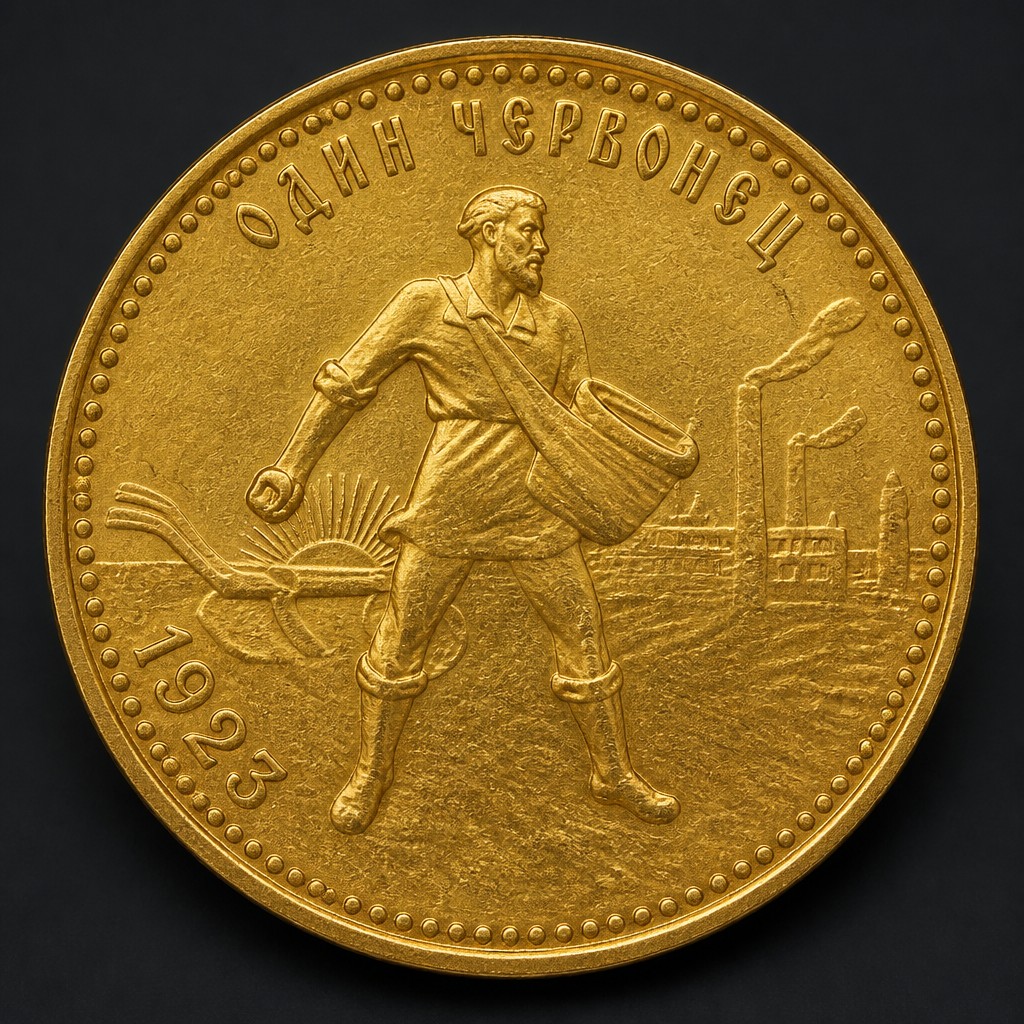
Chervonets (Soviet Gold)
A Soviet gold coin depicting a peasant sower, originally struck in 1923 to stabilize the new Soviet currency and later restruck for decades as a bullion and trade coin.
- Country
- Soviet Union
- Denomination
- 10 Rubles (1 Chervonetz)
- Metal
- Gold (.900 fine)
Got a coin like this?
Identify any coin from a photo, free.
Overview
The Soviet gold chervonets, popularly known as the 'Sower' coin for its striding peasant-farmer reverse design, is one of the more unusual gold coins of the 20th century: a Communist state issuing a coin whose size, weight, and fineness deliberately matched the tsarist-era 10-ruble gold piece. It occupies a unique niche for collectors interested in early Soviet history and monetary policy.
What makes the chervonets especially interesting is that although the coin is dated 1923, the Soviet government continued restriking it with that same 1923 date for decades afterward, well into the 1970s and 1980s, to use as a recognizable gold trade coin on international markets.
Collectors therefore distinguish between genuine original-era strikes and the later Soviet restrikes, both of which carry the same 1923 date but differ in mintage era, strike characteristics, and market context.
History & Background
The chervonets was introduced in 1922–1923 as part of Soviet Russia's New Economic Policy currency reform, intended to create a stable, gold-backed unit of exchange after the hyperinflation of the civil war years. Its design consciously echoed the pre-revolutionary 10-ruble gold coin in weight and fineness so that it would be trusted domestically and internationally as sound money, even as the government's rhetoric rejected the old imperial order.
The reverse image of a sower striding across a field, adapted from a sculptural design associated with sculptor Ivan Shadr, became one of the most recognizable symbols of early Soviet coinage. Very few of the original 1923-dated coins actually circulated among the public; most were held for international trade and reserve purposes.
Beginning in the 1970s, the Soviet State Bank resumed striking chervonets pieces using the same 1923 date and design specifically for gold bullion sales on Western markets, a practice that continued into the early 1980s.
How to Identify
The obverse of the chervonets displays the Soviet state emblem, featuring a hammer and sickle over a globe surrounded by wheat, with the words 'Proletarians of All Countries, Unite!' in Russian. The reverse shows a sower scattering seed across a field, with a rising sun and factory smokestacks in the background, and the denomination 'Один Червонец' (One Chervonetz) below.
All examples, whether from 1923 or the later restrike period, carry the date '1923' on the coin itself; distinguishing an original strike from a later restrike generally requires expert examination of strike quality, mint luster, and sometimes mintmark details rather than the date alone. The coin is small and dense, roughly comparable in size to other 10-ruble/8.6-gram gold pieces of the era, with a reeded edge.
Because the design and date are fixed regardless of actual striking year, collectors rely on provenance, surface characteristics, and dealer expertise to separate scarce original 1920s strikes from the far more common later Soviet-era restrikes sold as bullion.
Value & Collectibility
Later Soviet restrikes from the 1970s–1980s are relatively common and trade close to their gold bullion value with only a modest numismatic premium, making them a popular, affordable way to own historic Soviet gold. Original coins actually struck in the early 1920s are considerably scarcer and can command a significant premium over bullion value due to their historical importance and lower surviving population.
Because the coin's face date never changes, buyers should be cautious about claims of an item being an 'original 1923' strike and consider third-party grading or expert opinion when a meaningful premium is being asked over gold value.
Frequently asked questions
What does 'chervonets' mean?
Chervonets is an old Russian term for a gold coin or gold-based monetary unit, revived by the Soviet government for its 1923 gold coinage.
Why does a Soviet coin show a peasant sower?
The sower symbolized agricultural labor and the new Soviet order, and was chosen as an image of national productivity for the coin's reverse.
Why are chervonets dated 1923 even when struck decades later?
The Soviet government reused the original 1923 design and date for later gold restrikes intended for international bullion sales, rather than updating the date.
Is the Soviet chervonets pure gold?
It is struck in .900 fine gold, the same standard used for the pre-revolutionary Russian 10-ruble gold coin it was modeled on.
Are chervonets good for gold bullion investment?
Later restrikes are commonly bought and sold near their gold content value, similar to other historic gold bullion coins, though prices fluctuate with the gold market.
Other coins you may enjoy
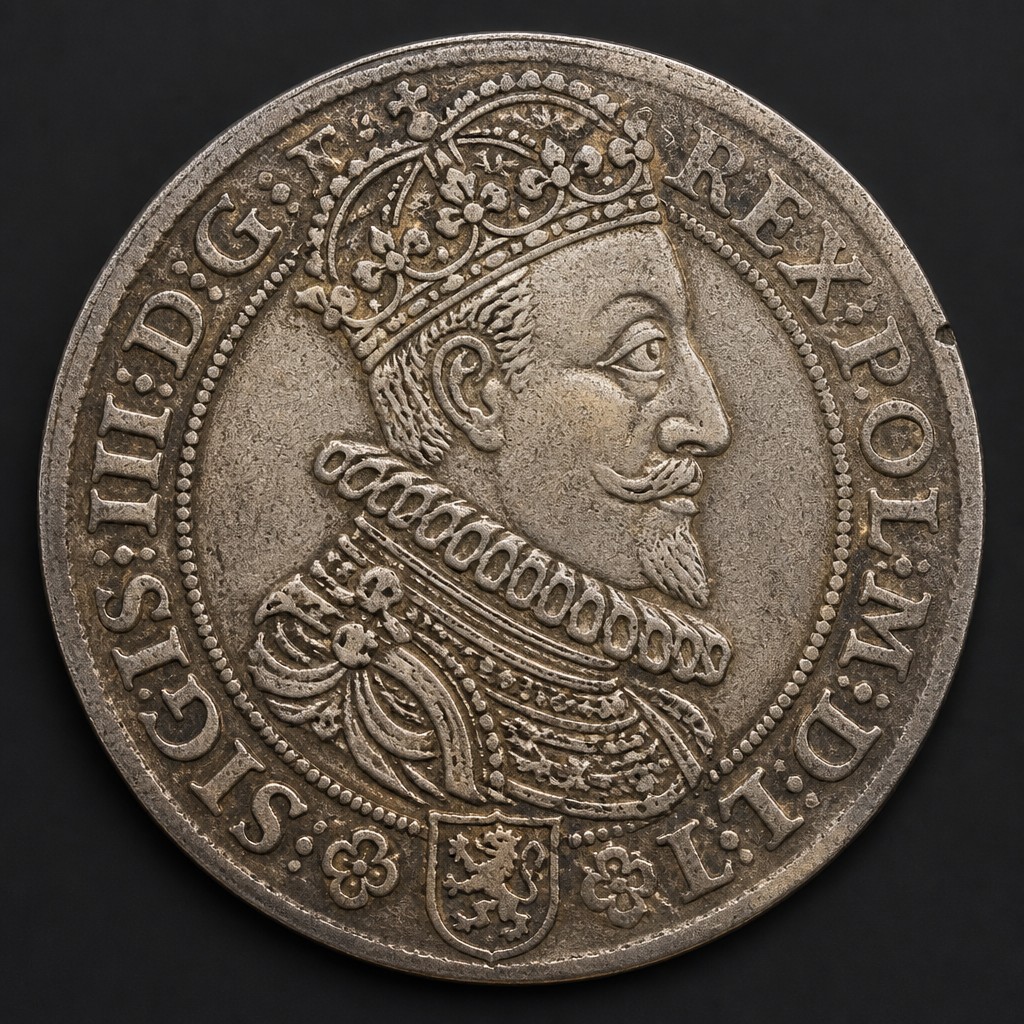
Polish-Lithuanian Thaler
circa 16th–18th century
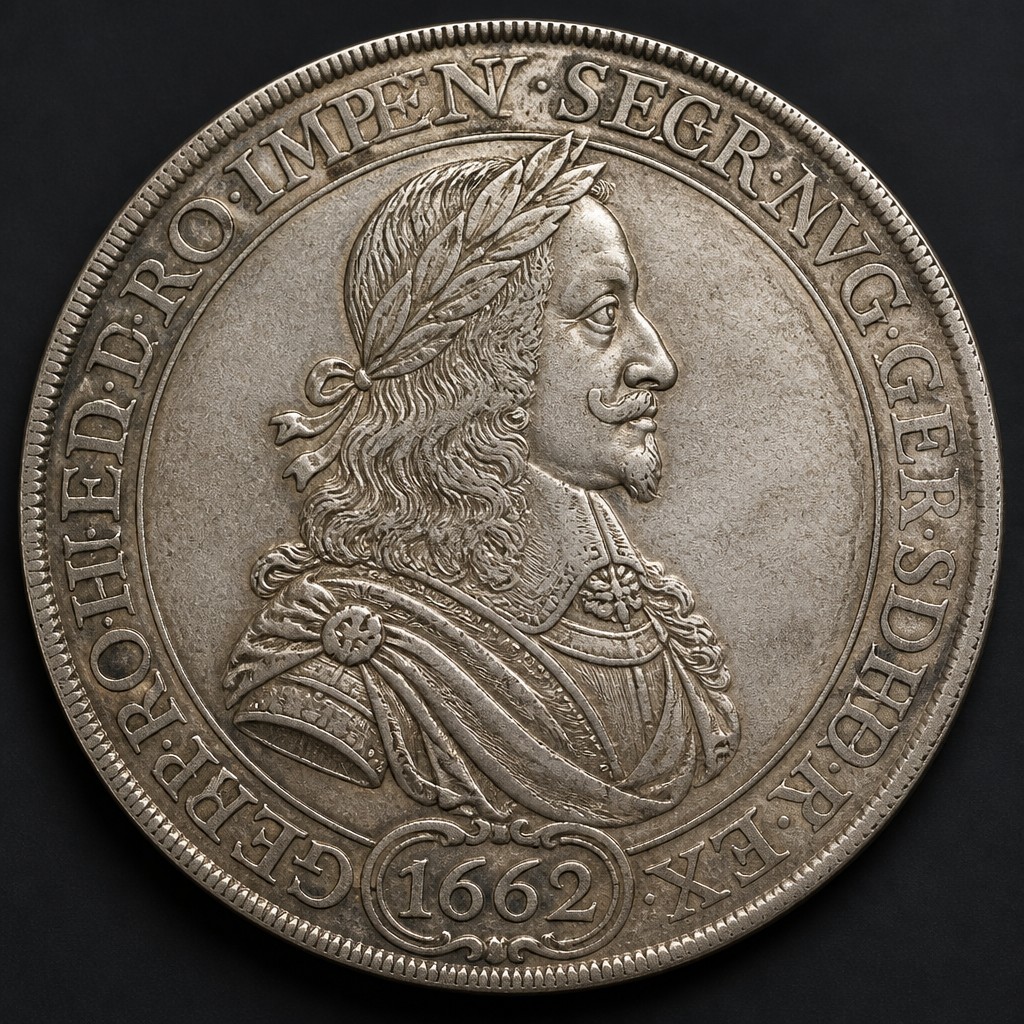
Reichsthaler
circa 1566–early 19th century
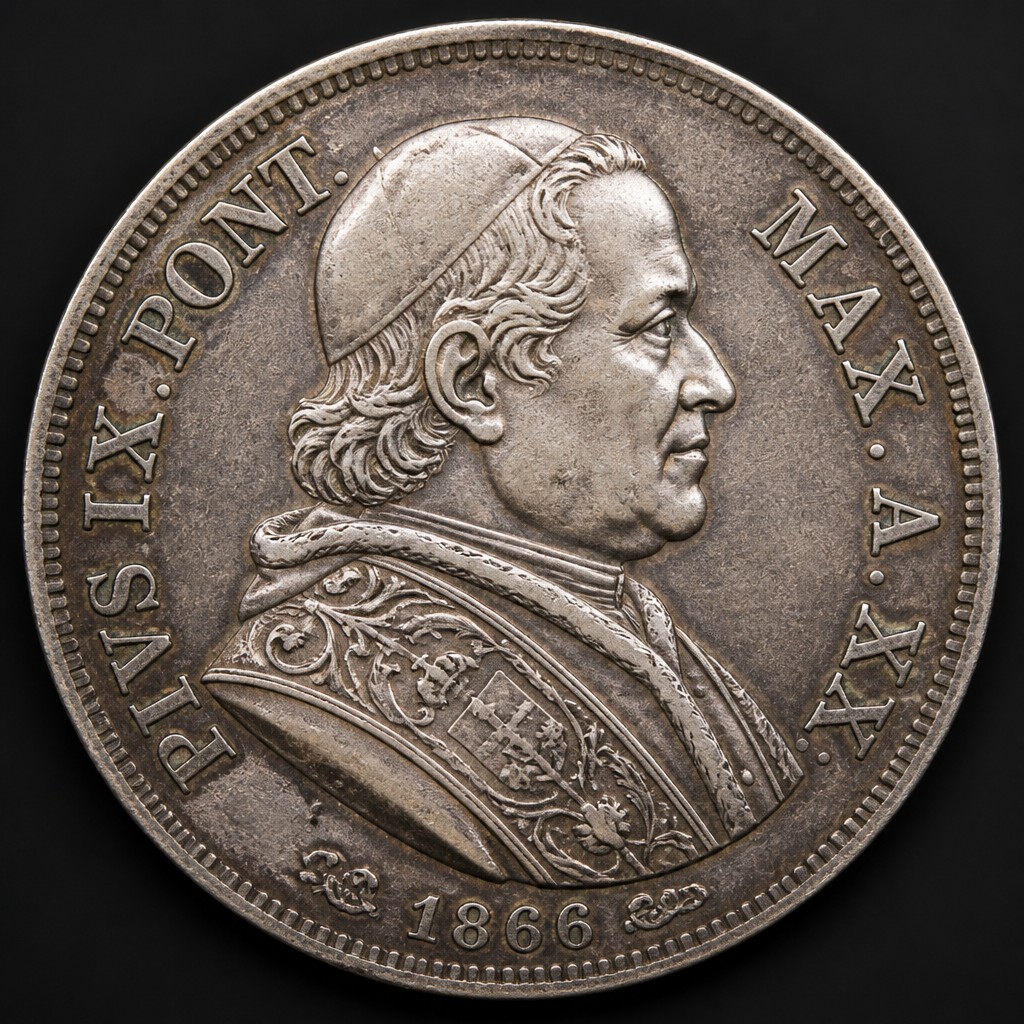
Papal States Scudo
16th century–1866
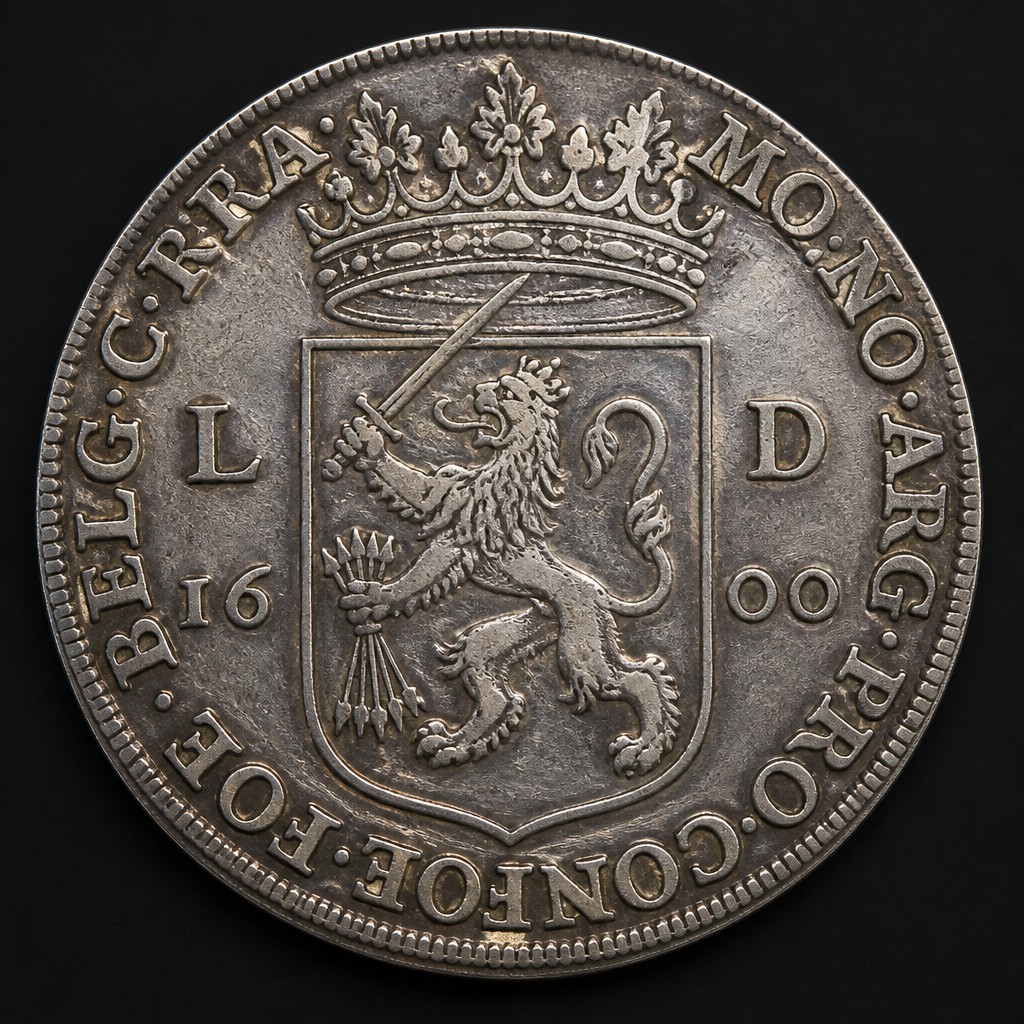
Netherlands Lion Daalder (Leeuwendaalder)
1575–1713
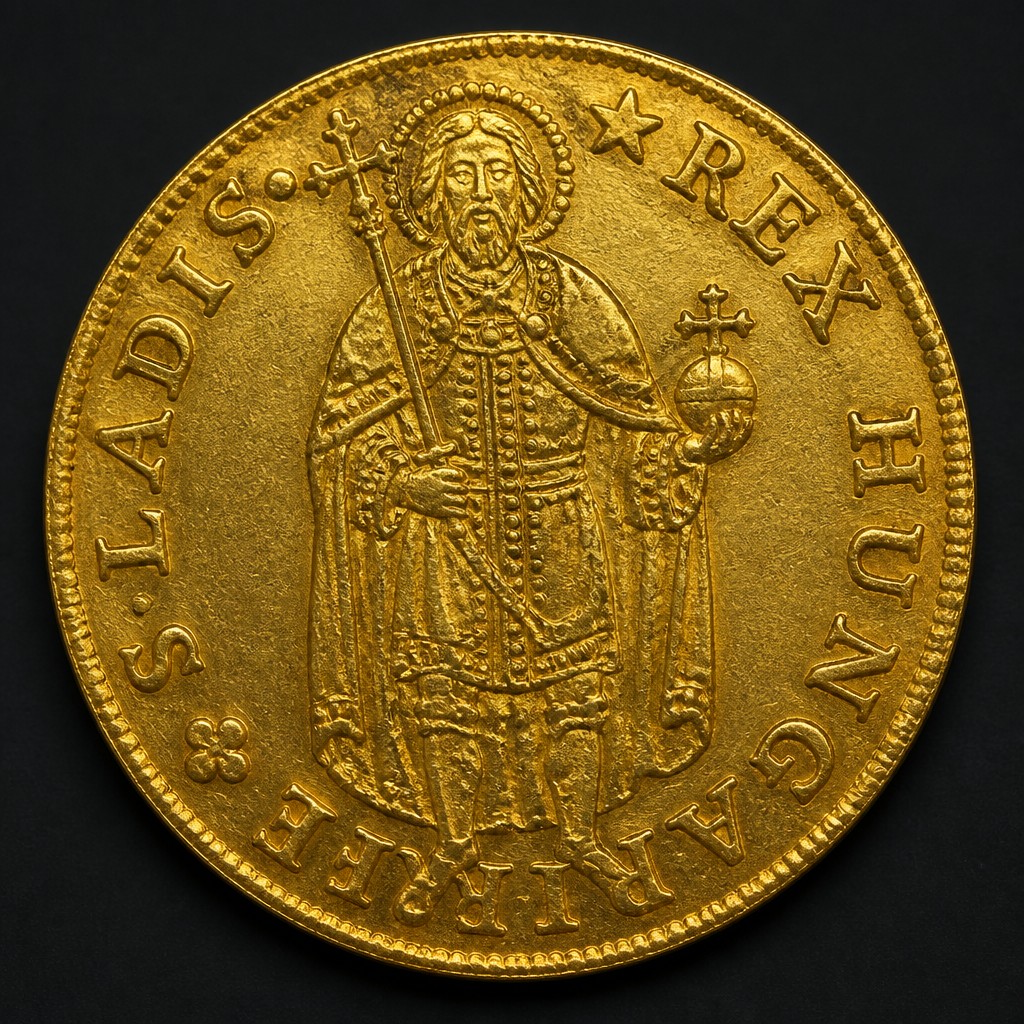
Hungarian Ducat
c. 1325–1918
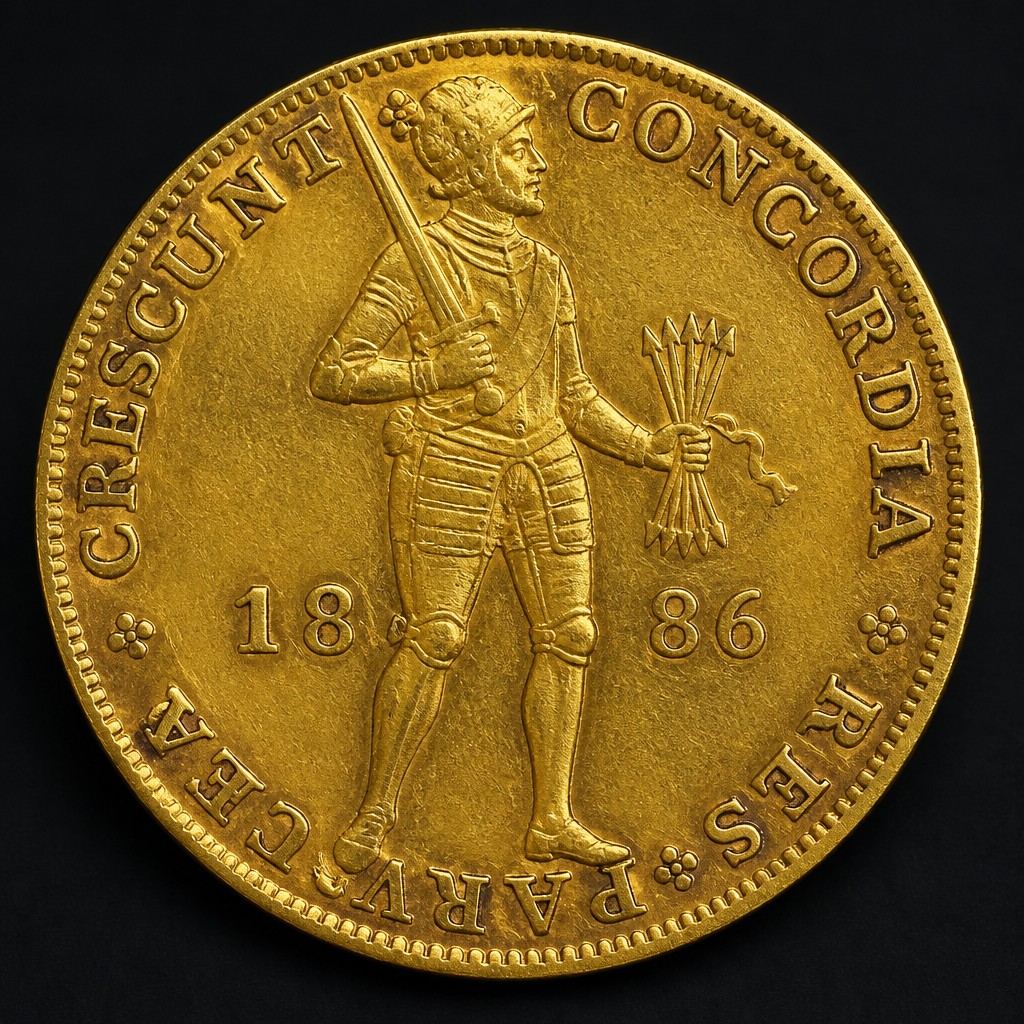
Dutch Ducat
c. 1586–present (classic type standardized after 1817)
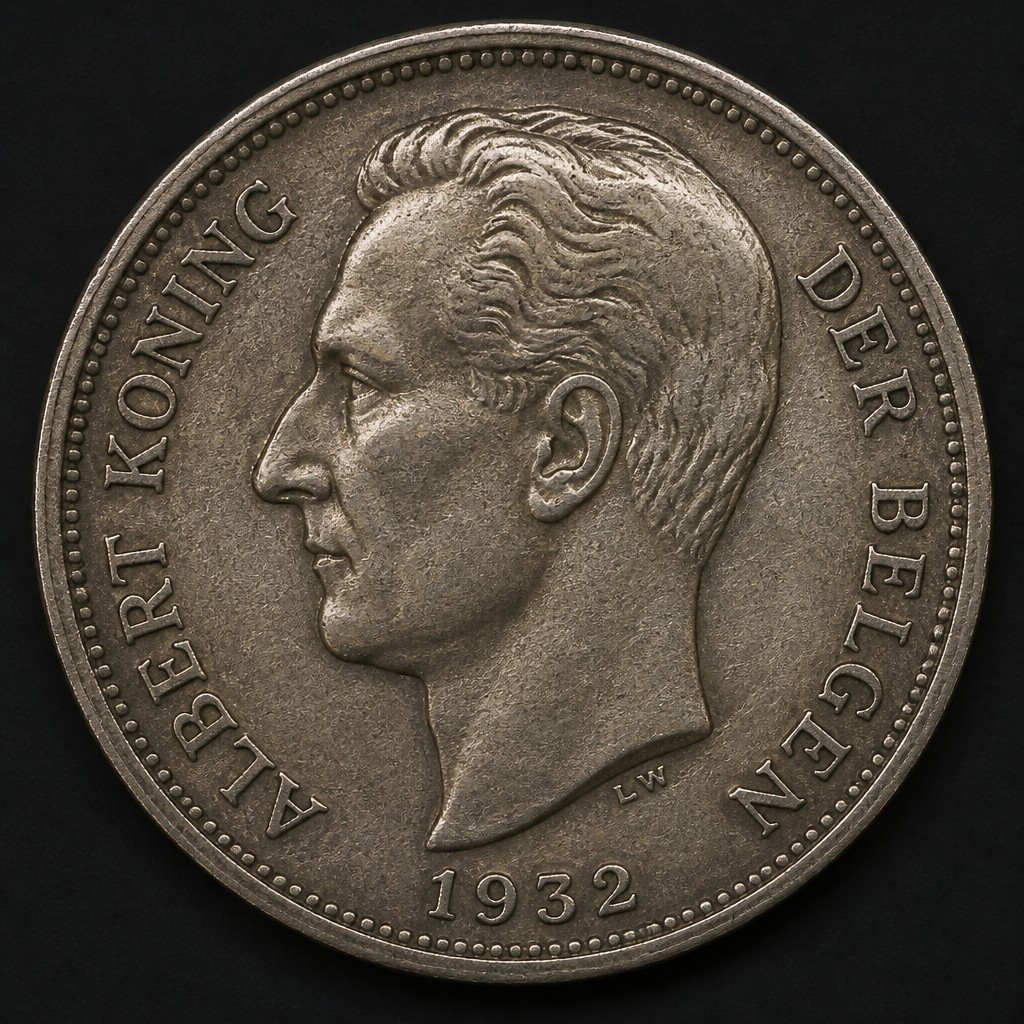
Belgian Franc
1832–2002
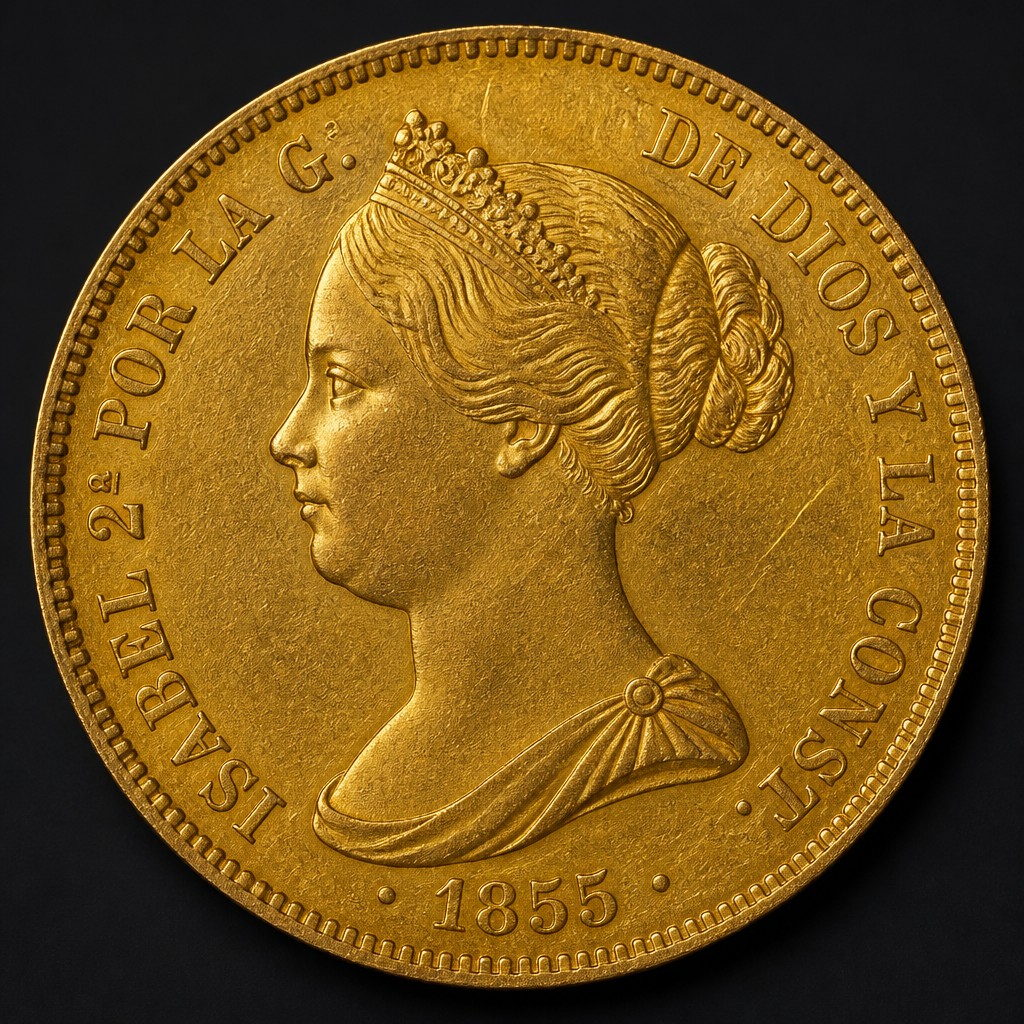
Spanish 100 Reales Gold (Isabel II)
1850s–1868
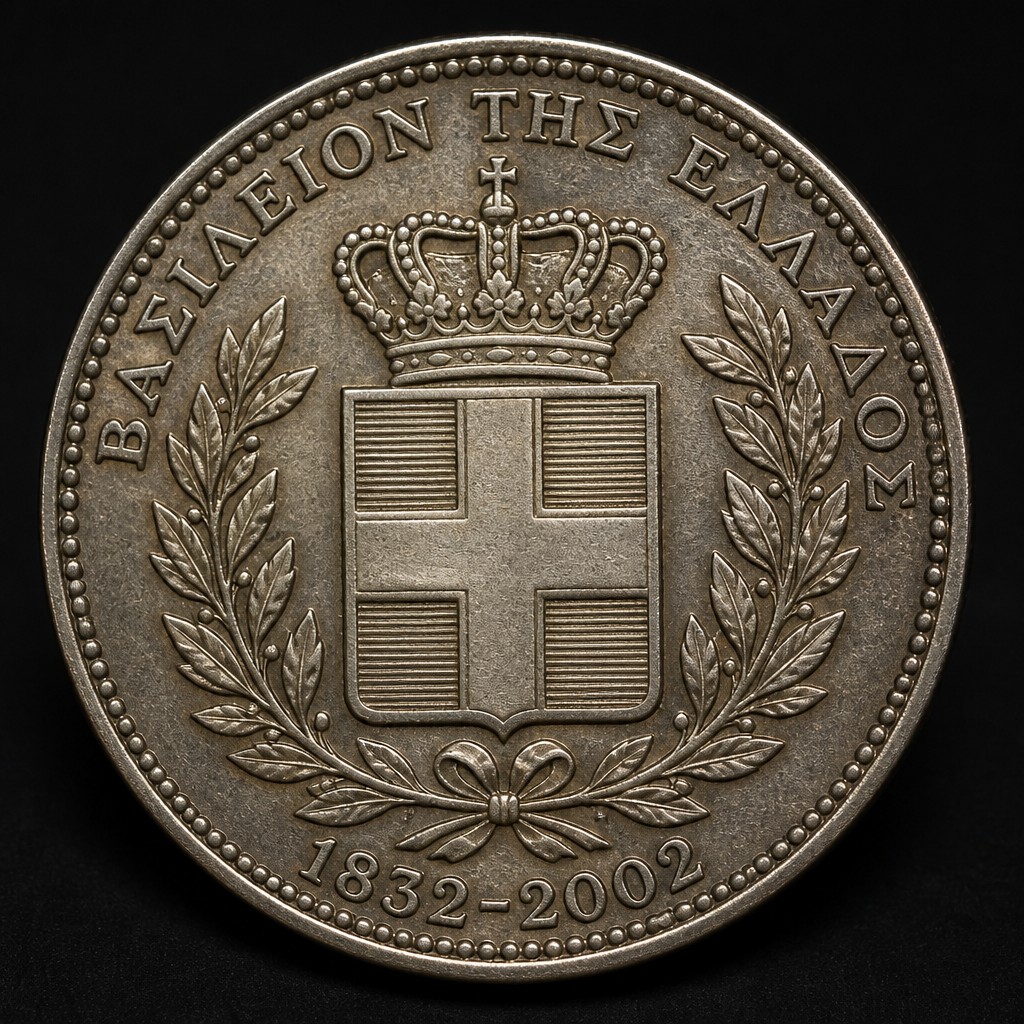
Greek Drachma
1832–2002
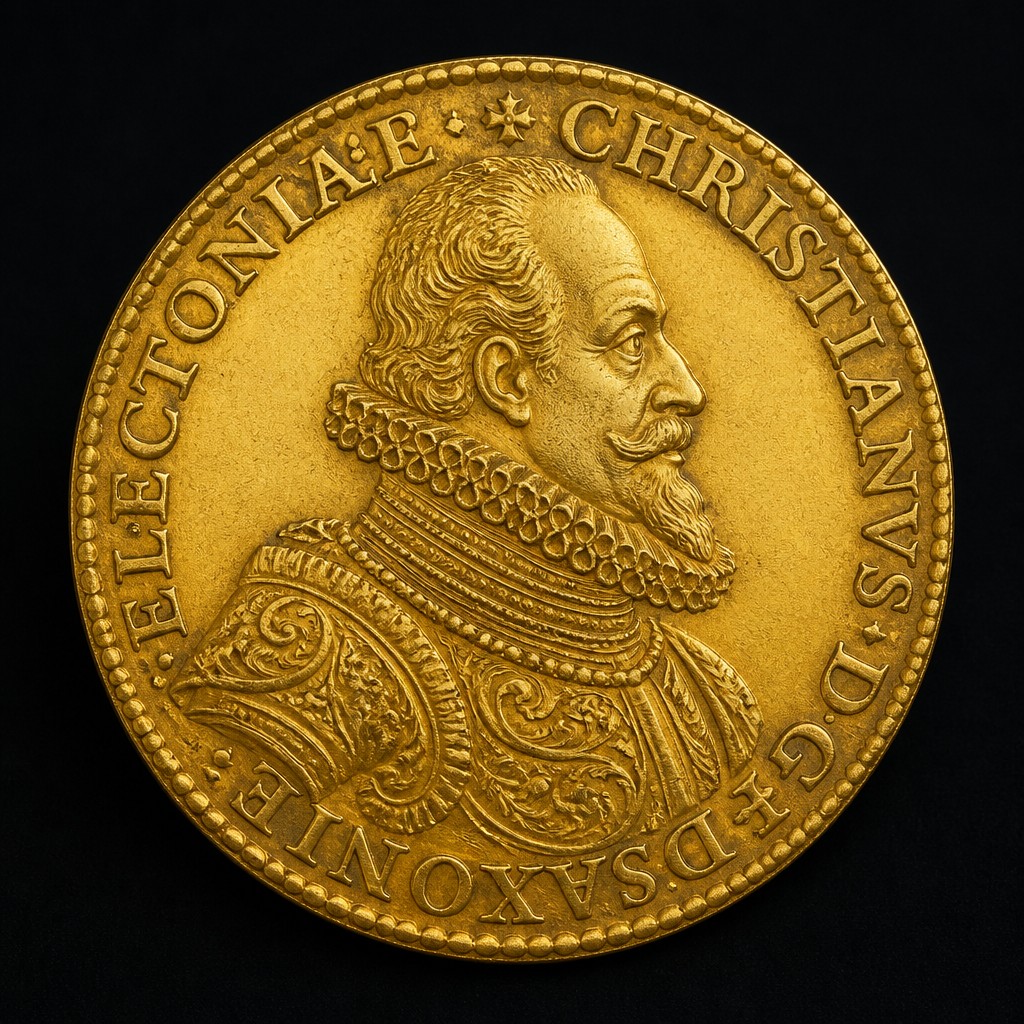
German Saxony Ducat
16th century–19th century
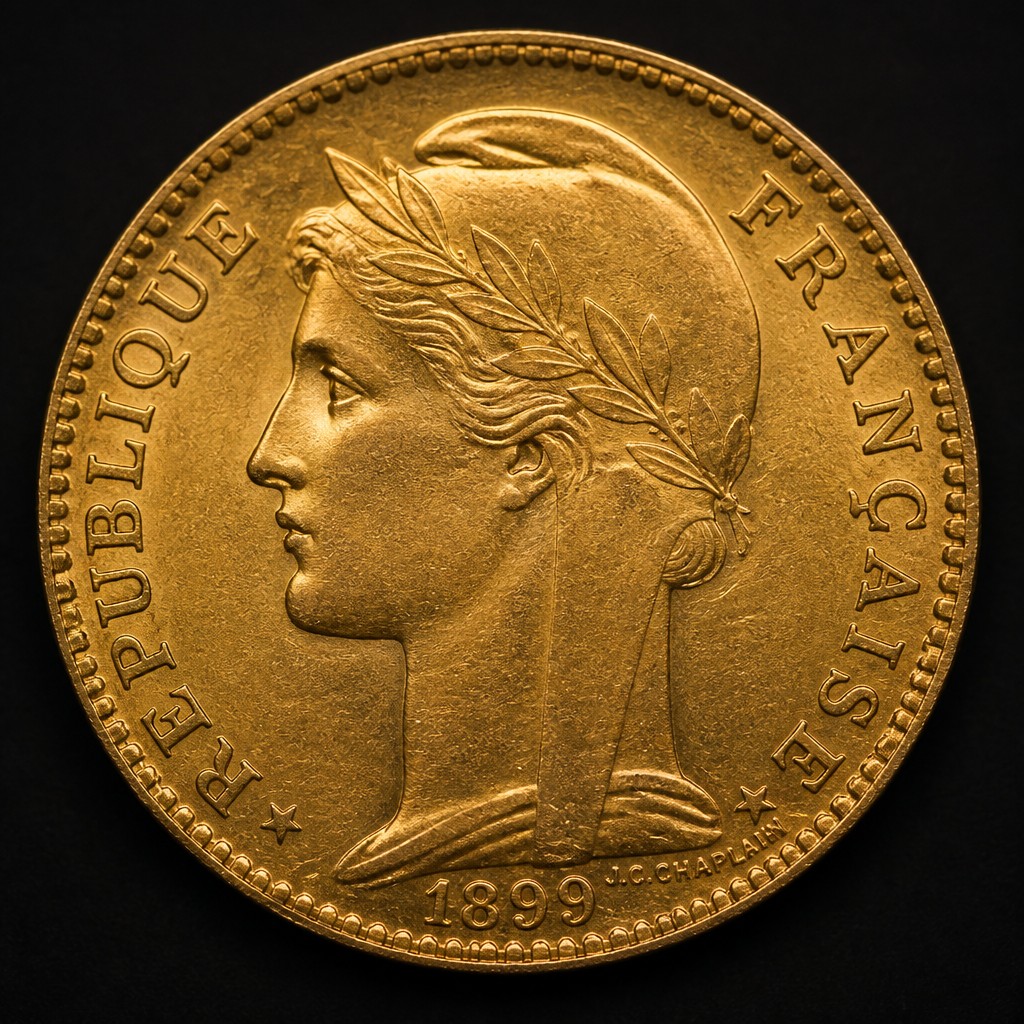
French 10 Francs Gold (Napoleon Rooster)
1899–1914
Netherlands 5 Gulden Gold
1826–1912 (intermittent)