
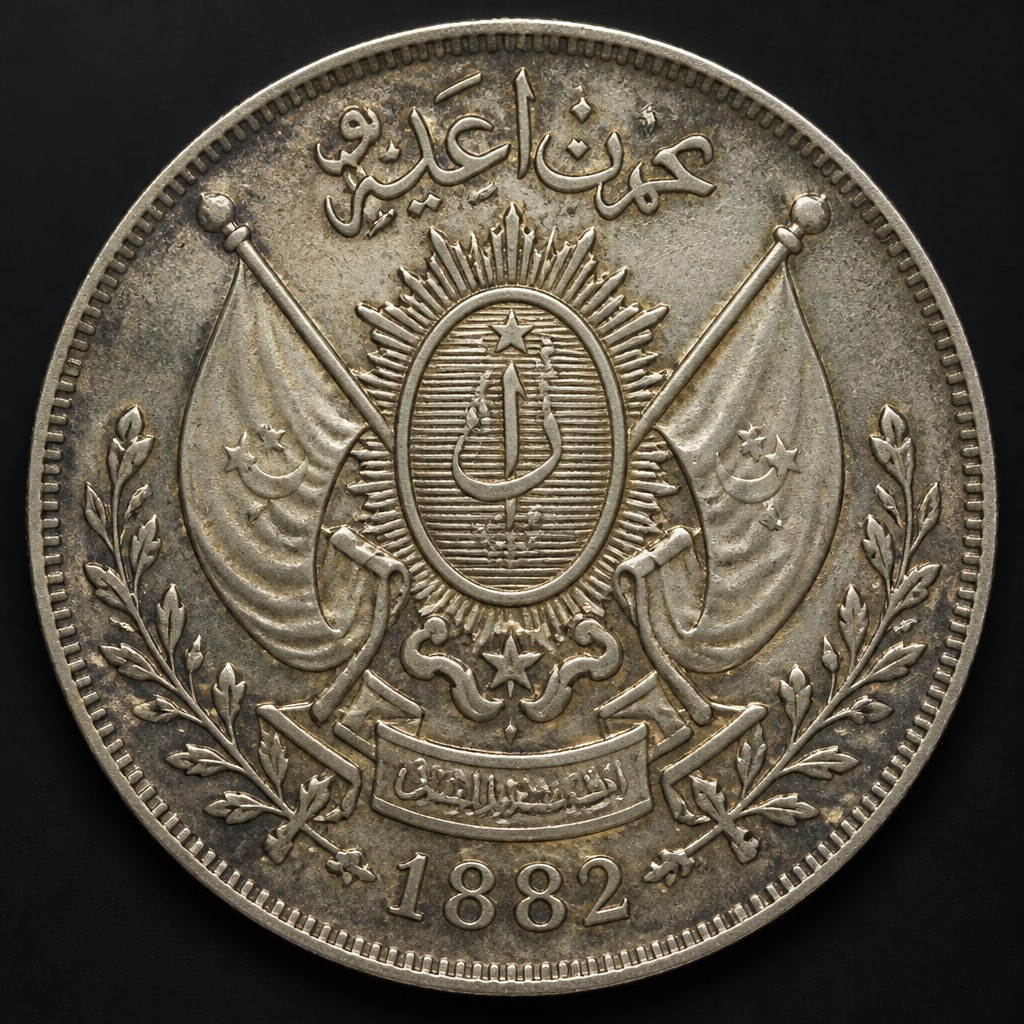
Zanzibar Riyal
Silver riyal issued by the Sultanate of Zanzibar under Sultan Barghash bin Said, designed to circulate alongside the widely trusted Maria Theresa thaler in East African trade.
- Country
- Sultanate of Zanzibar
- Denomination
- One Riyal
- Metal
- Silver
Got a coin like this?
Identify any coin from a photo, free.
Overview
The Zanzibar riyal was a short-lived but historically significant silver coin issued to give the Sultanate of Zanzibar its own trade currency comparable in weight and trust to the Maria Theresa thaler, which dominated commerce across much of East Africa and the Arabian Peninsula at the time. It reflects Zanzibar's importance as a hub of the Indian Ocean spice and trade economy in the 19th century.
History & Background
Under Sultan Barghash bin Said, who ruled Zanzibar from 1870 to 1888, the sultanate sought to modernize its currency and reduce reliance on foreign coins circulating within its territory, most notably the Austrian Maria Theresa thaler. The silver riyal, along with smaller copper pysa coinage, was introduced as part of this effort in the early 1880s, minted with the assistance of an outside mint given Zanzibar's limited industrial infrastructure.
Despite the effort, the riyal saw limited circulation before Zanzibar came increasingly under British political influence later in the 19th century, and the coinage remains a relatively scarce artifact of the sultanate's brief attempt at monetary independence.
How to Identify
In keeping with Islamic tradition, the coin bears no human portrait; instead, the obverse and reverse feature Arabic inscriptions naming the sultan and the Zanzibari state, often within decorative borders, along with the denomination and Islamic calendar date. The design intentionally echoes the size and heft of the Maria Theresa thaler to promote easy acceptance in regional trade.
The riyal is a substantial silver coin, broadly comparable in diameter and weight to other large 19th-century trade dollars and thalers of the region. Collectors distinguish it from the ubiquitous Maria Theresa thaler primarily by its distinct Arabic Zanzibari inscriptions rather than the thaler's recognizable bust of Empress Maria Theresa.
Value & Collectibility
Because production was limited and the coin's practical circulation period was brief, genuine Zanzibar riyals are relatively scarce and attract strong interest from collectors specializing in East African or Islamic numismatics. Condition, clarity of the Arabic legends, and overall eye appeal are key value drivers.
Given the coin's historical importance and scarcity relative to more common trade coinage of the era, buyers should be cautious of poorly documented examples and seek pieces with clear attribution, as well-preserved specimens can command meaningful premiums over average survivors.
Frequently asked questions
Why did Zanzibar issue its own riyal?
Sultan Barghash bin Said wanted a locally issued trade coin comparable to the widely trusted Maria Theresa thaler that dominated East African commerce at the time.
Does the coin show a portrait of the sultan?
No, following Islamic tradition it bears no human image, instead featuring Arabic inscriptions naming the sultan and state.
How does it compare in size to the Maria Theresa thaler?
It was deliberately made comparable in size and silver weight to the Maria Theresa thaler to encourage acceptance in regional trade.
Is the Zanzibar riyal rare today?
Yes, its brief production period and limited circulation make genuine examples relatively scarce compared to many other 19th-century trade coins.
Other coins you may enjoy
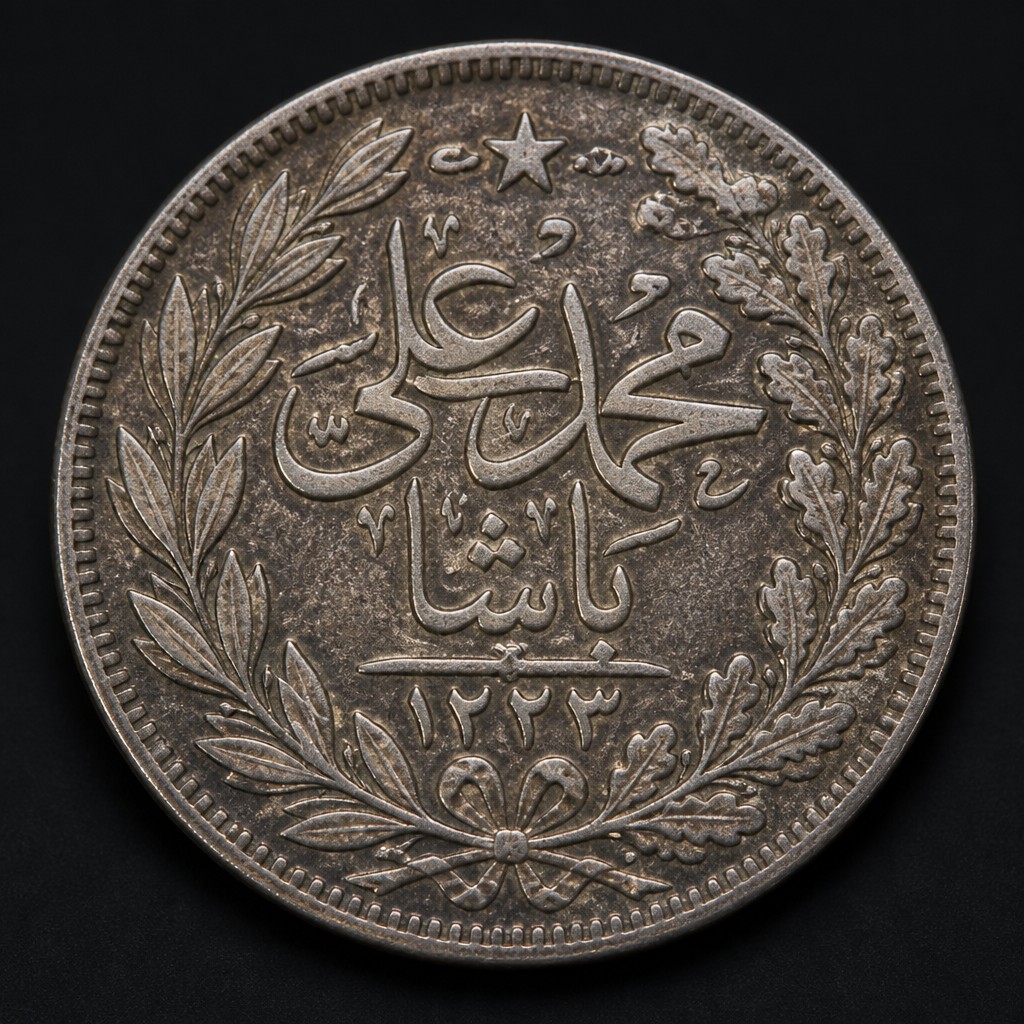
Egyptian Qirsh (Muhammad Ali Era)
Early-to-mid 19th century (c. 1805–1848)
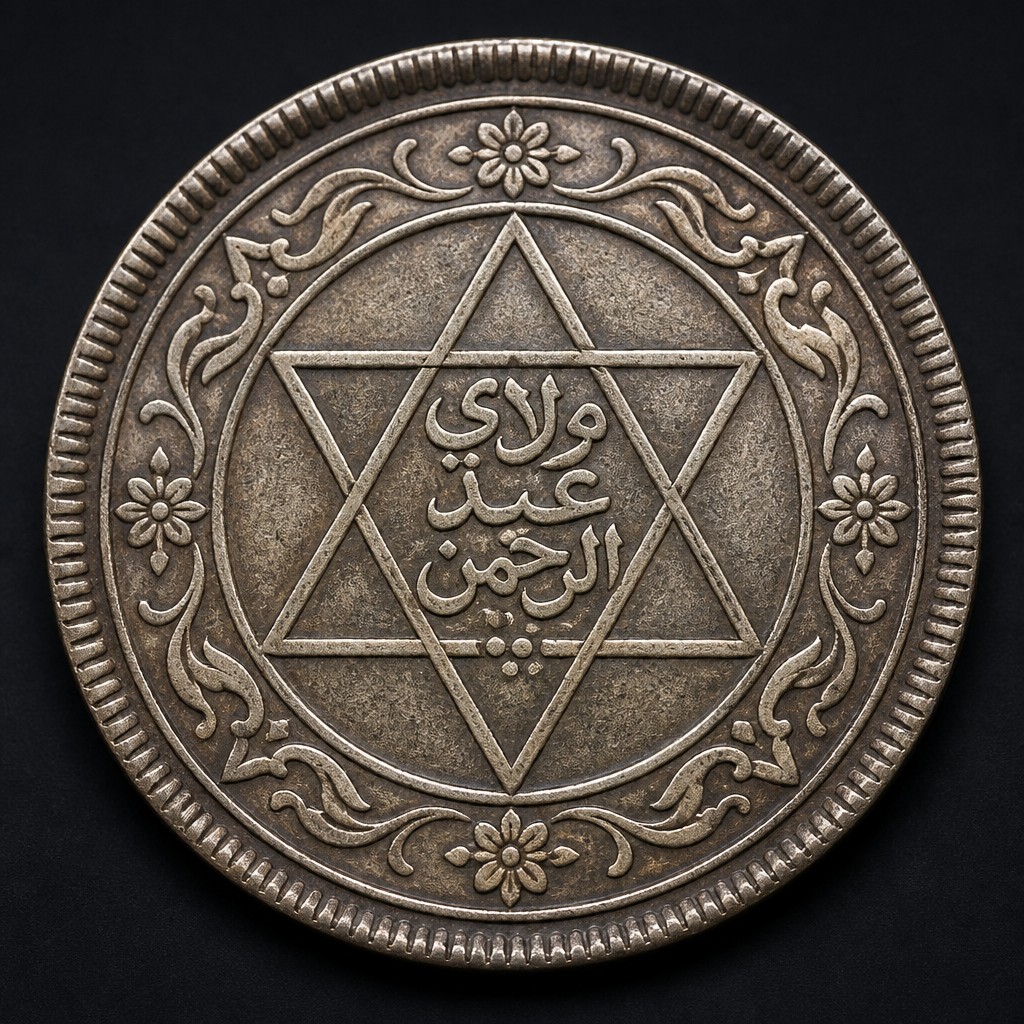
Moroccan Rial (Alawi Dynasty Coinage)
18th–19th century (pre-protectorate era)
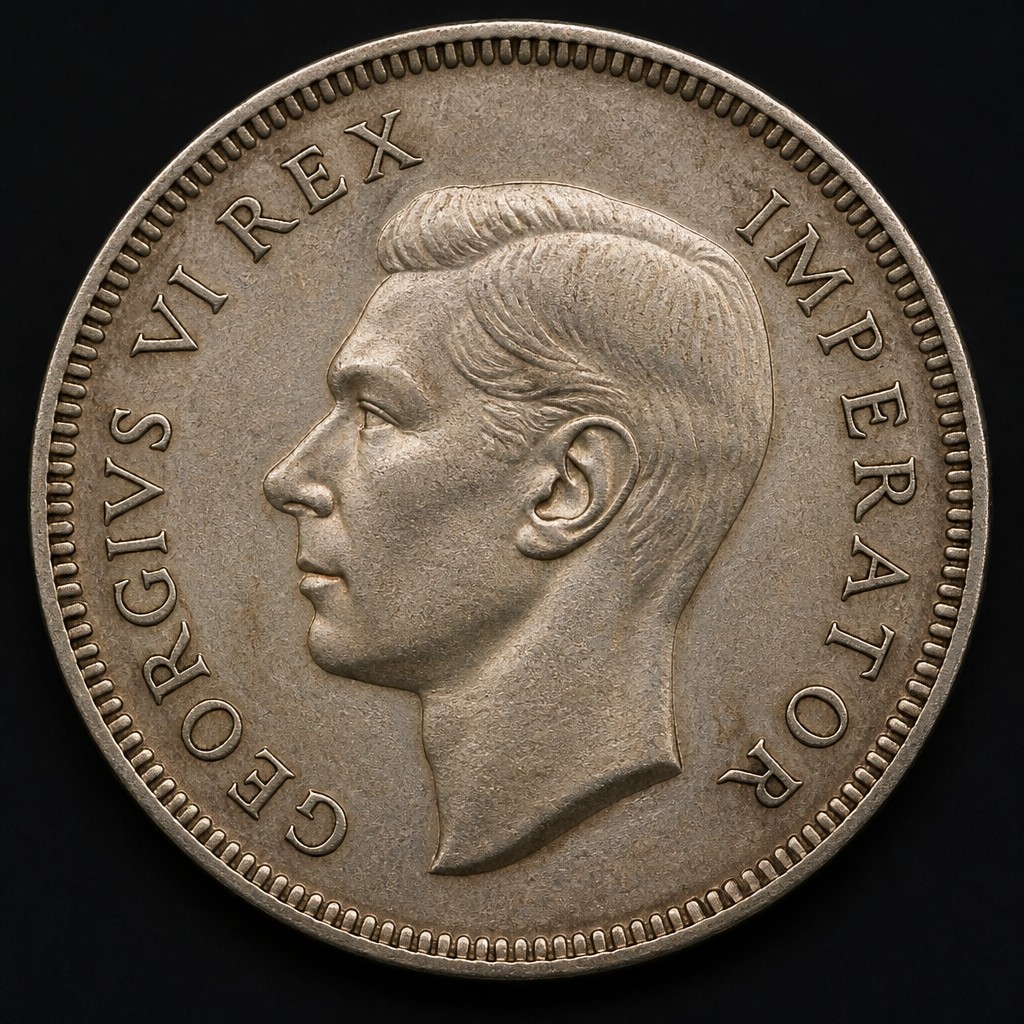
South African Sixpence (Union)
1923-1960
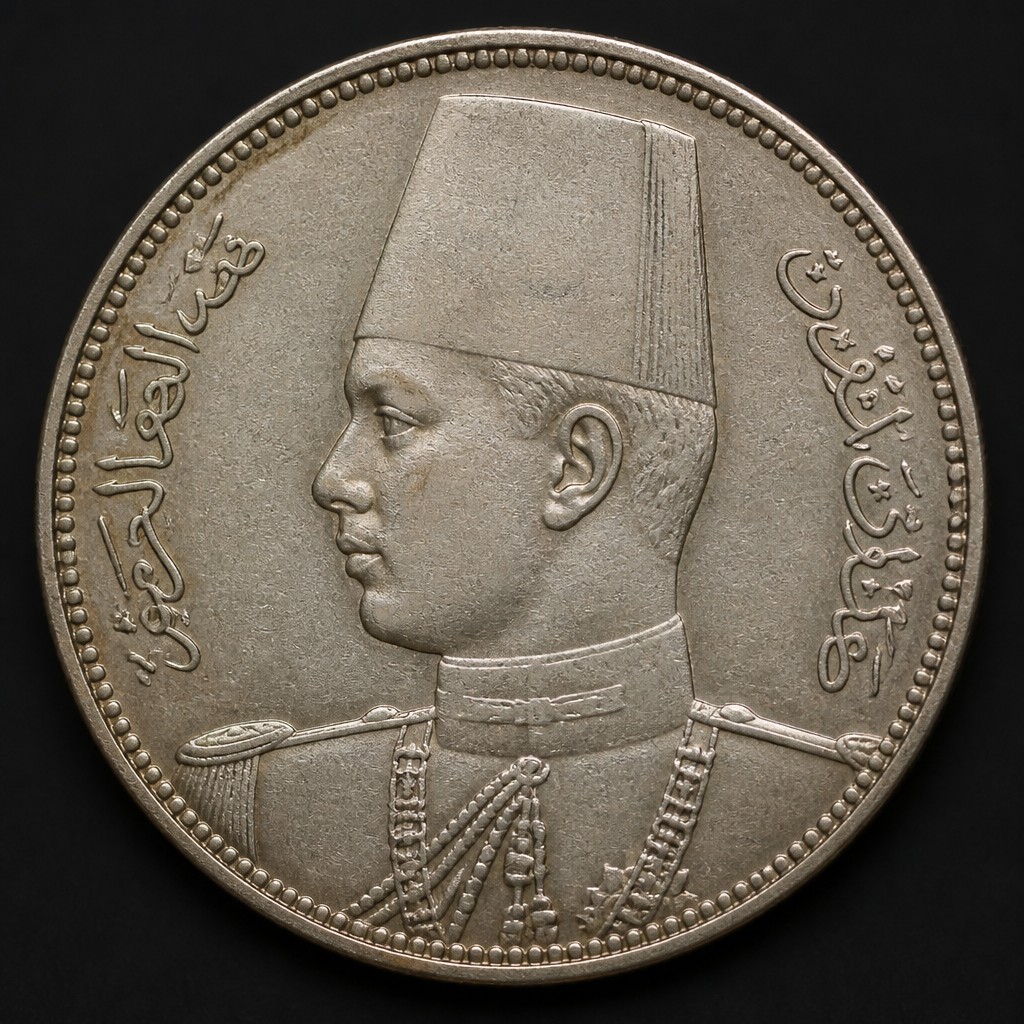
Egyptian Farouk 5 Piastres
1937-1952
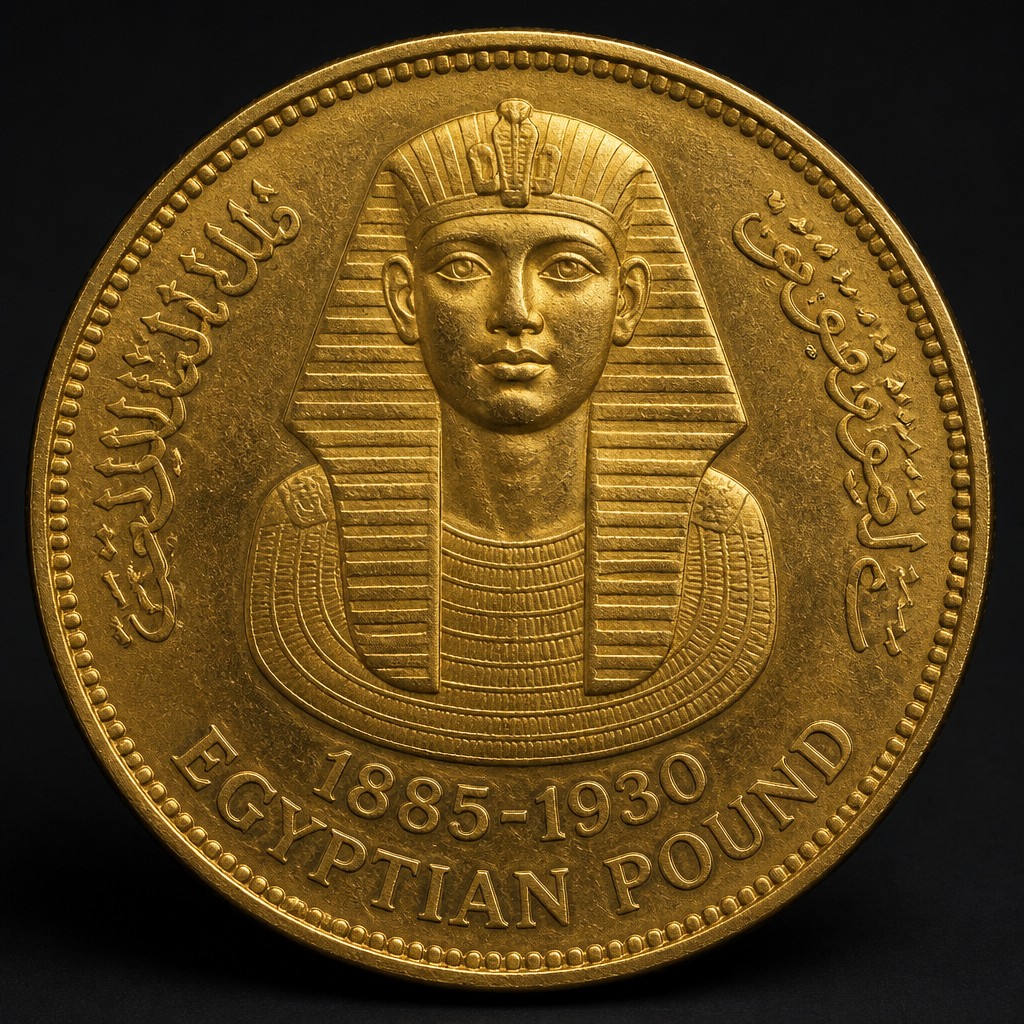
Egyptian Pound (gold)
1885–1930
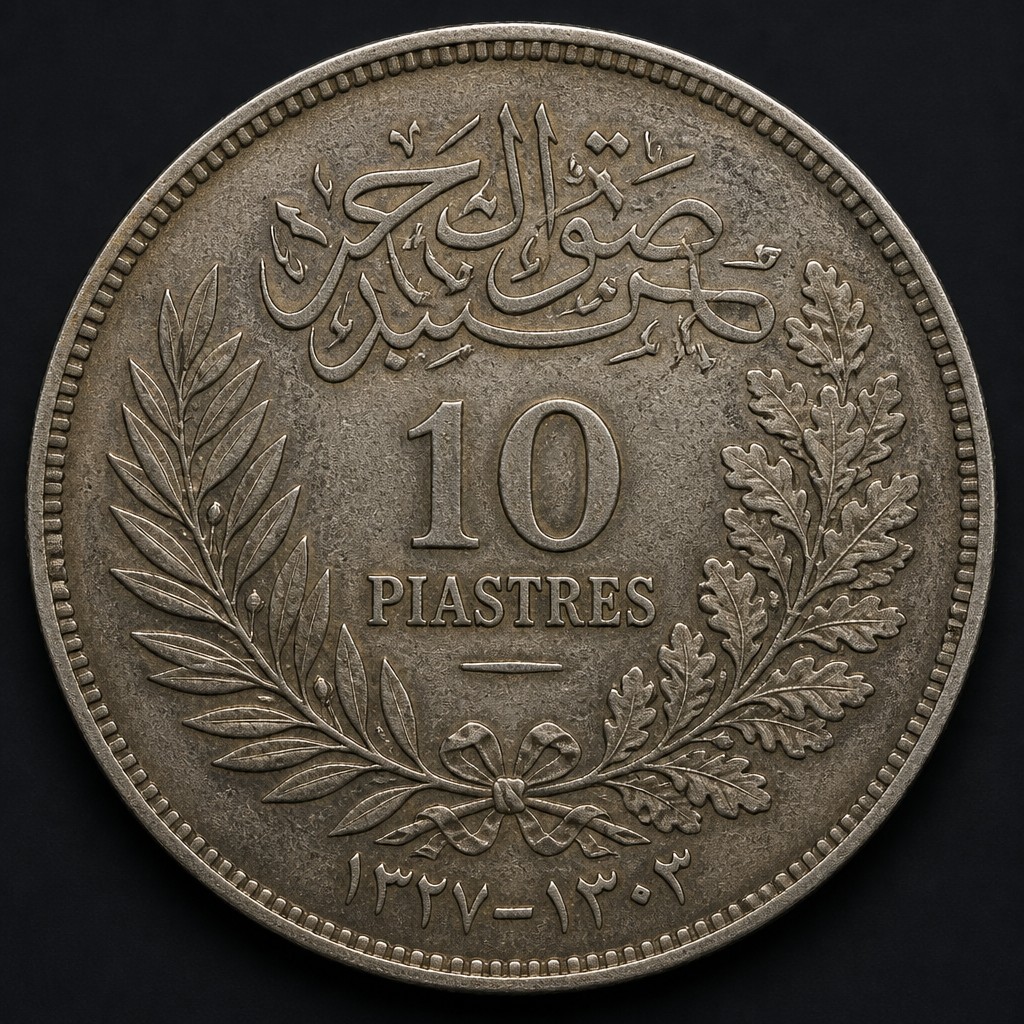
Egyptian 10 Piastres (silver)
1885–1939
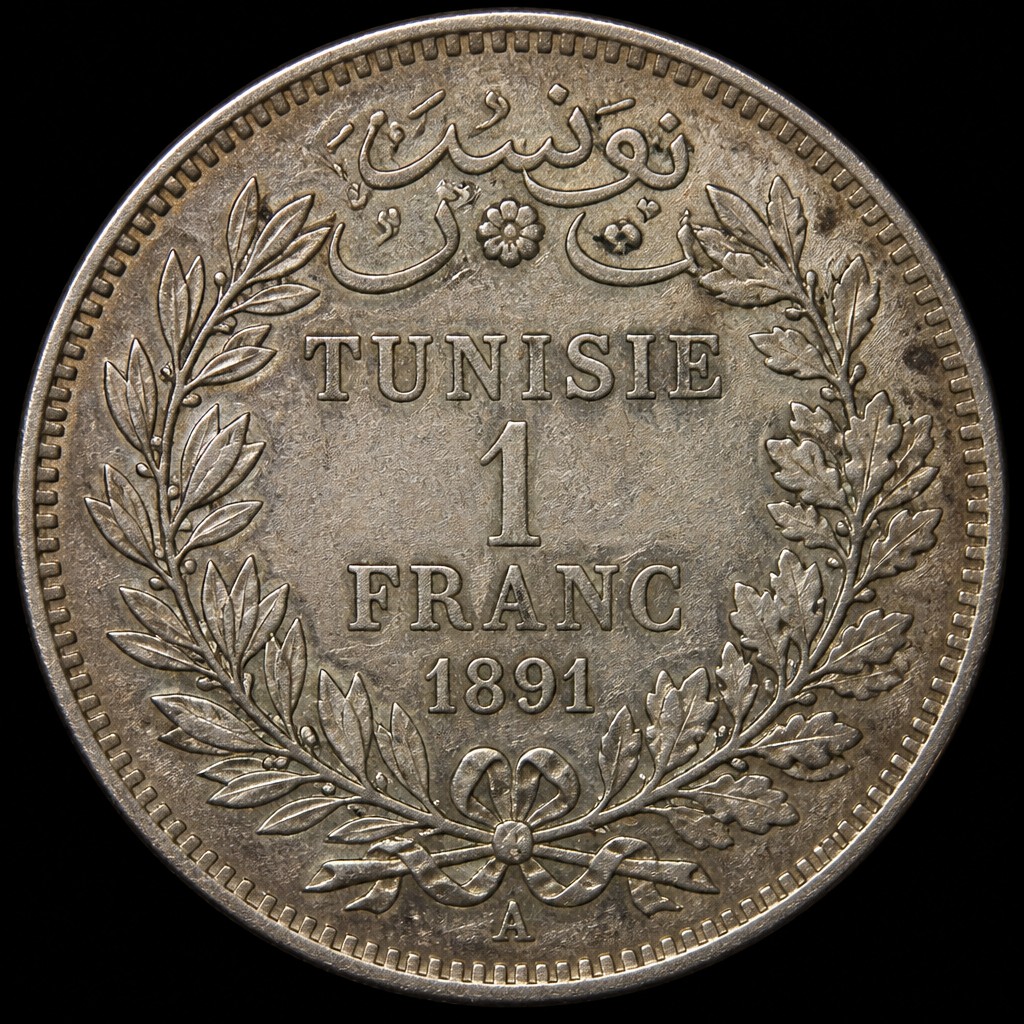
Tunisian Franc (Beylik Era)
Late 19th–early 20th century (c. 1891–1957 transition)
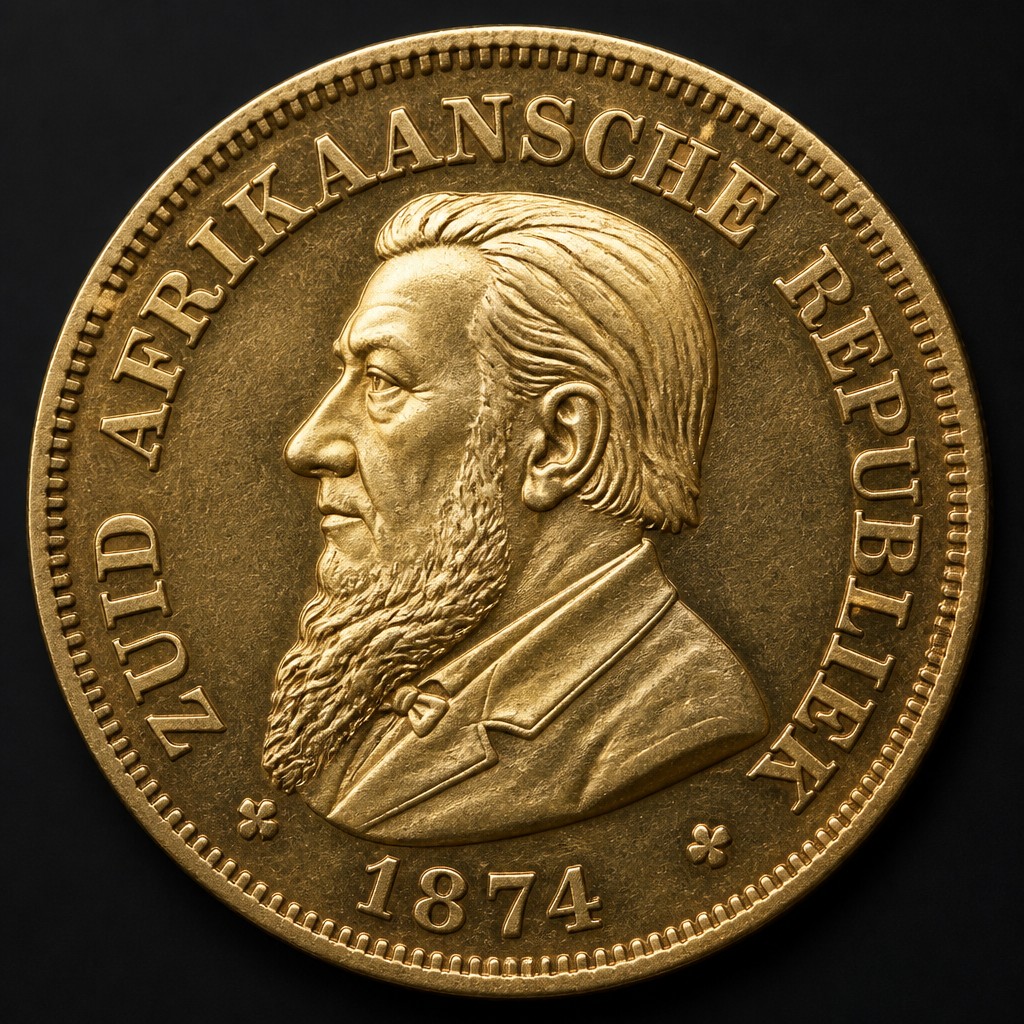
South African Republic Burgers Pond
1874
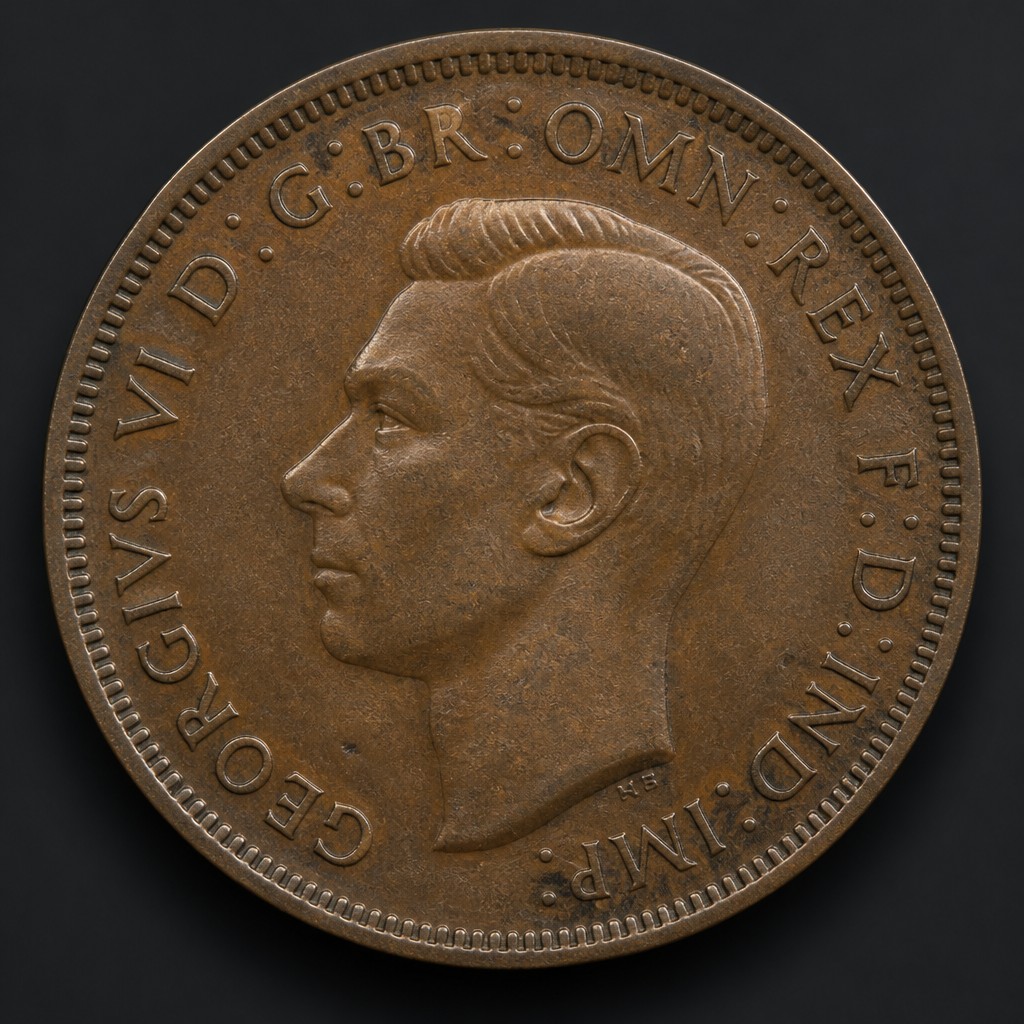
New Zealand Penny (KGVI)
1937-1952
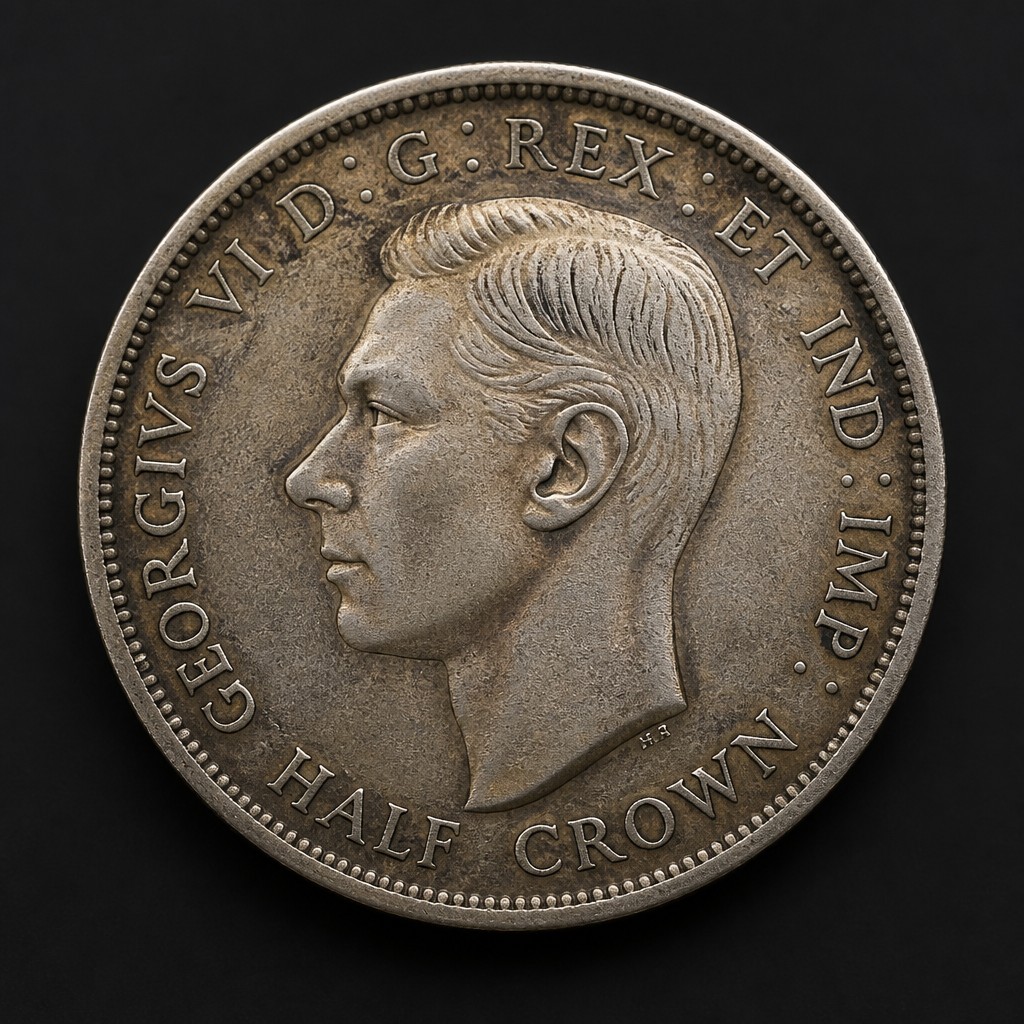
New Zealand Half Crown (pre-decimal)
1933-1965
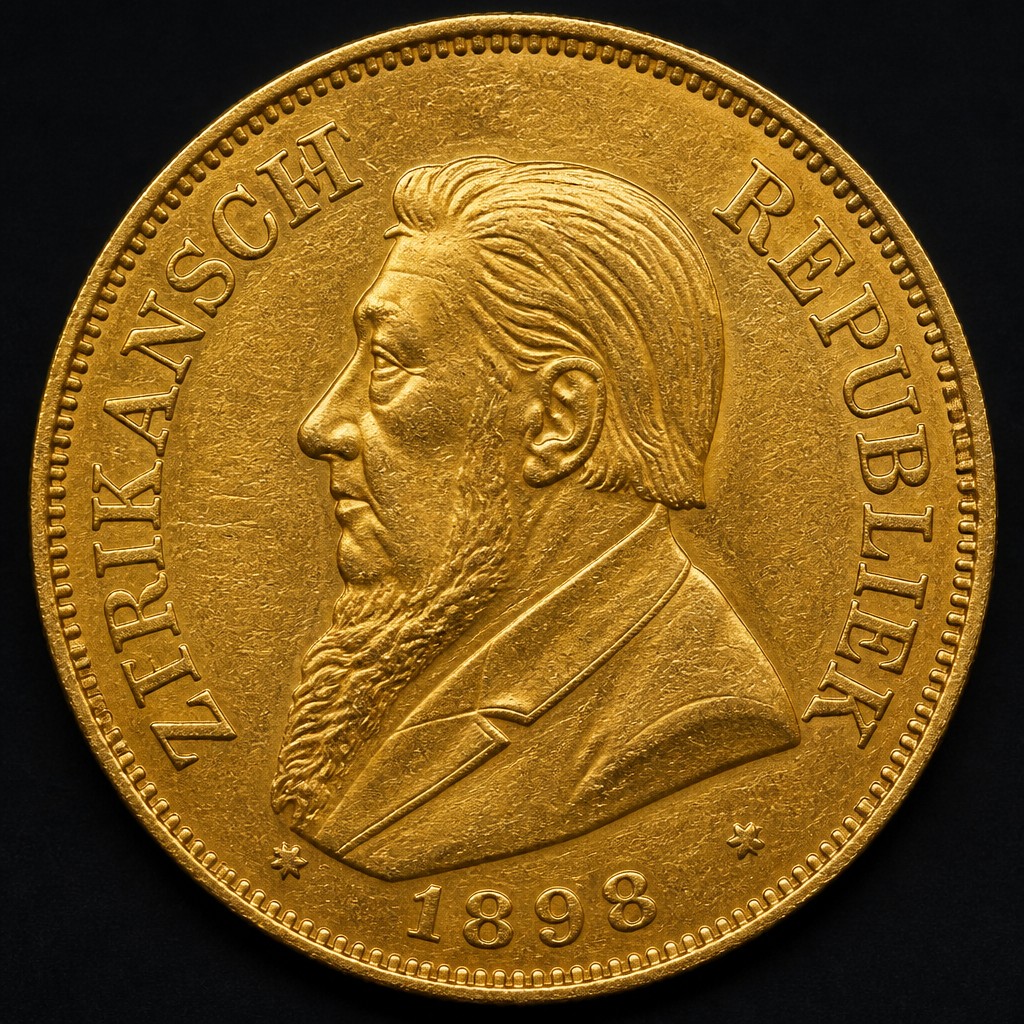
South African ZAR Kruger Pond
1892-1900
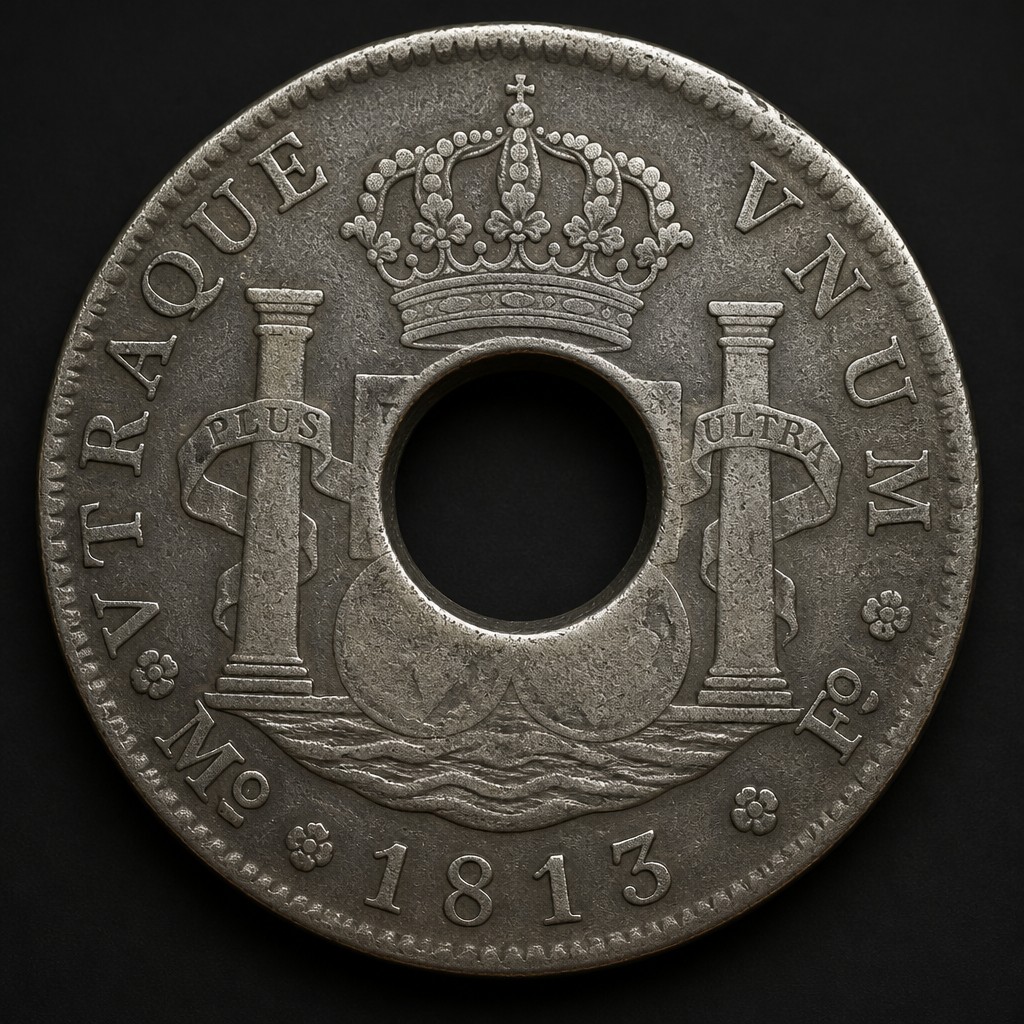
Australian Holey Dollar and Dump
1813