
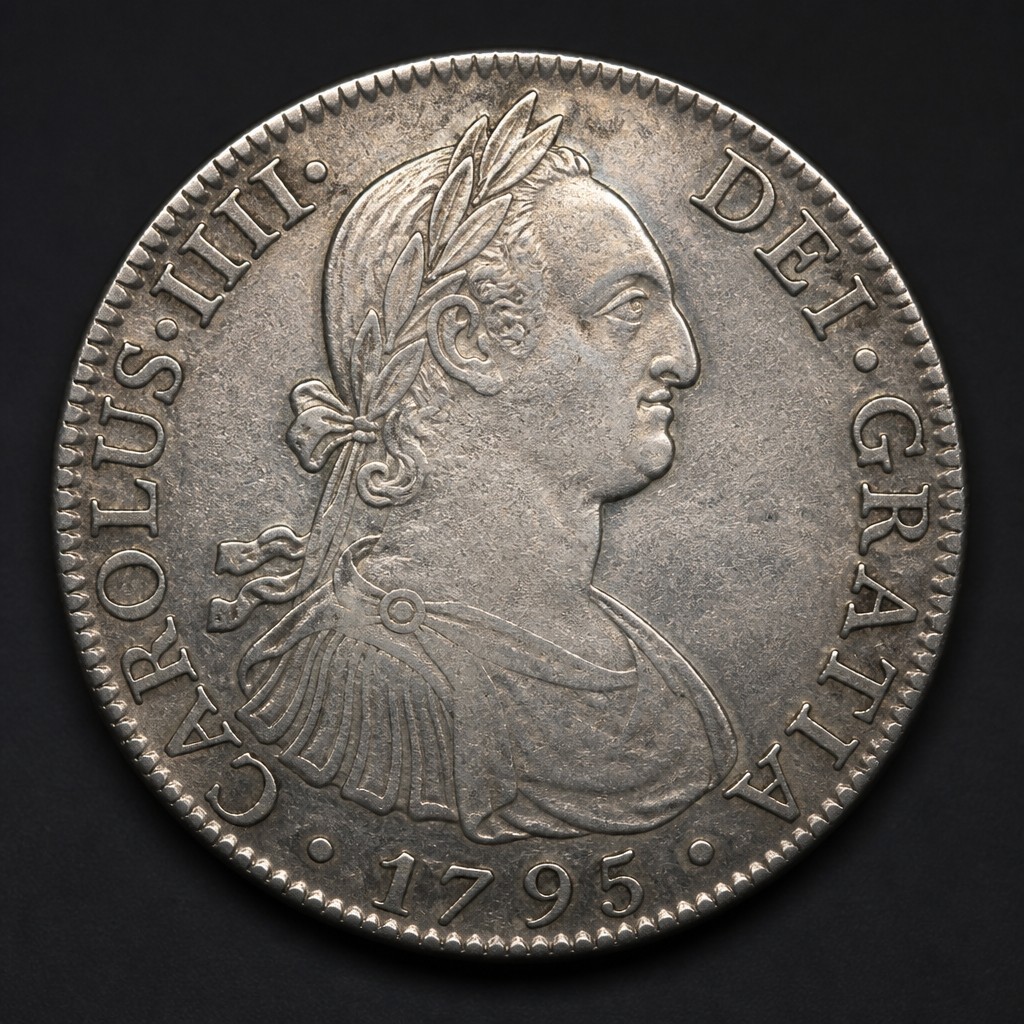
Peru 8 Reales (Lima Mint)
The flagship silver dollar-size coin of colonial and early republican Peru, struck at the historic Lima mint from cob and pillar types through crowned-shield busts.
- Country
- Peru
- Denomination
- 8 Reales
- Metal
- silver, approximately .903-.917 fine depending on period
Got a coin like this?
Identify any coin from a photo, free.
Overview
The Lima mint was one of the oldest and most important in Spanish South America, producing 8 Reales silver coins across several centuries and stylistic periods, from crude early cob coinage through the elegant 'pillar dollar' type and later portrait-bust coinage of the Spanish kings. As Peru's capital and administrative center, Lima coined silver drawn from Andean mines for both local use and export throughout the Spanish trade network.
The coin transitioned in style just as other Spanish American 8 Reales did, moving from hand-struck cobs to machine-milled round coins in the eighteenth century, and it continued to be struck at Lima even after Peru declared independence in 1821, as the new republic initially retained familiar coin weights and denominations before fully republican designs took hold.
Because of Lima's long minting history and central role in Spanish colonial administration, its 8 Reales issues are a core reference series for collectors of Spanish colonial and early Peruvian coinage.
History & Background
Lima's mint began operating in the sixteenth century to coin silver mined in the Viceroyalty of Peru, becoming one of the principal sources of Spanish colonial silver dollars alongside Mexico City and Potosí. Through the seventeenth and eighteenth centuries it produced 8 Reales coins bearing the reigning Spanish monarch's portrait or the pillars-and-waves design, depending on the period's coinage standards set by Madrid.
When Peru achieved independence in the early 1820s under leaders including José de San Martín and Simón Bolívar, the Lima mint continued striking large silver coins, gradually replacing royal Spanish imagery with republican symbols such as the sun and Andean mountain scenery. This transition period 8 Reales bridges the colonial and national eras of Peruvian coinage.
How to Identify
Colonial-era Lima 8 Reales generally show either the crowned Spanish royal arms with pillars and waves (the 'pillar dollar' type) or a portrait bust of the reigning king, with legends naming the monarch and REX in Latin abbreviation. A small L or LIMAE mint mark appears near the base of the design along with assayer initials.
Early republican Lima 8 Reales, struck just after independence, typically show a radiant sun rising over mountains on the obverse with a legend referencing the new republic, while retaining the same approximate size and silver weight as colonial issues for continuity in trade. The coin is roughly 39 millimeters in diameter with a nominal weight near 27 grams.
Collectors distinguish Lima-mint pieces from those of Potosí, Mexico City, or other colonial mints by the L or LIMAE mint mark and by subtle stylistic differences in the pillars, crown, or shield engraving unique to Lima's die engravers.
Value & Collectibility
Value depends heavily on the specific era, with early hand-struck cob types from Lima generally valued for their historical rarity and condition, while later milled bust-type coins are more common and valued mainly by grade, date, and clarity of the mint mark. Transitional early-republic pieces bridging colonial and national designs are of particular interest to specialists in Peruvian independence-era coinage.
Key dates, unusual die varieties, and exceptionally well-struck or well-preserved examples command the strongest premiums, while worn, common-date examples trade closer to their silver bullion content. As with most colonial silver dollars, well-documented provenance and third-party grading can meaningfully affect final sale prices.
Broad collector interest in Lima's long and historically significant minting output tends to keep demand steady across grade levels, from affordable circulated pieces to premium high-grade specimens.
Frequently asked questions
What does the L or LIMAE mark mean on this coin?
It identifies the coin as struck at the Lima mint in Peru, one of the principal Spanish colonial silver mints.
Did Lima keep striking 8 Reales after Peru's independence?
Yes, the mint continued producing large silver coins of similar weight and size after independence, initially blending republican symbols with the familiar colonial coin format.
What is a 'pillar dollar'?
It is a colonial 8 Reales type showing the Pillars of Hercules flanking the Spanish crowned arms, used during part of the eighteenth century before portrait-bust designs became standard.
How big is a Lima 8 Reales coin?
It is roughly 39 millimeters in diameter and weighs about 27 grams, consistent with other Spanish colonial silver dollar-size coins.
Other coins you may enjoy
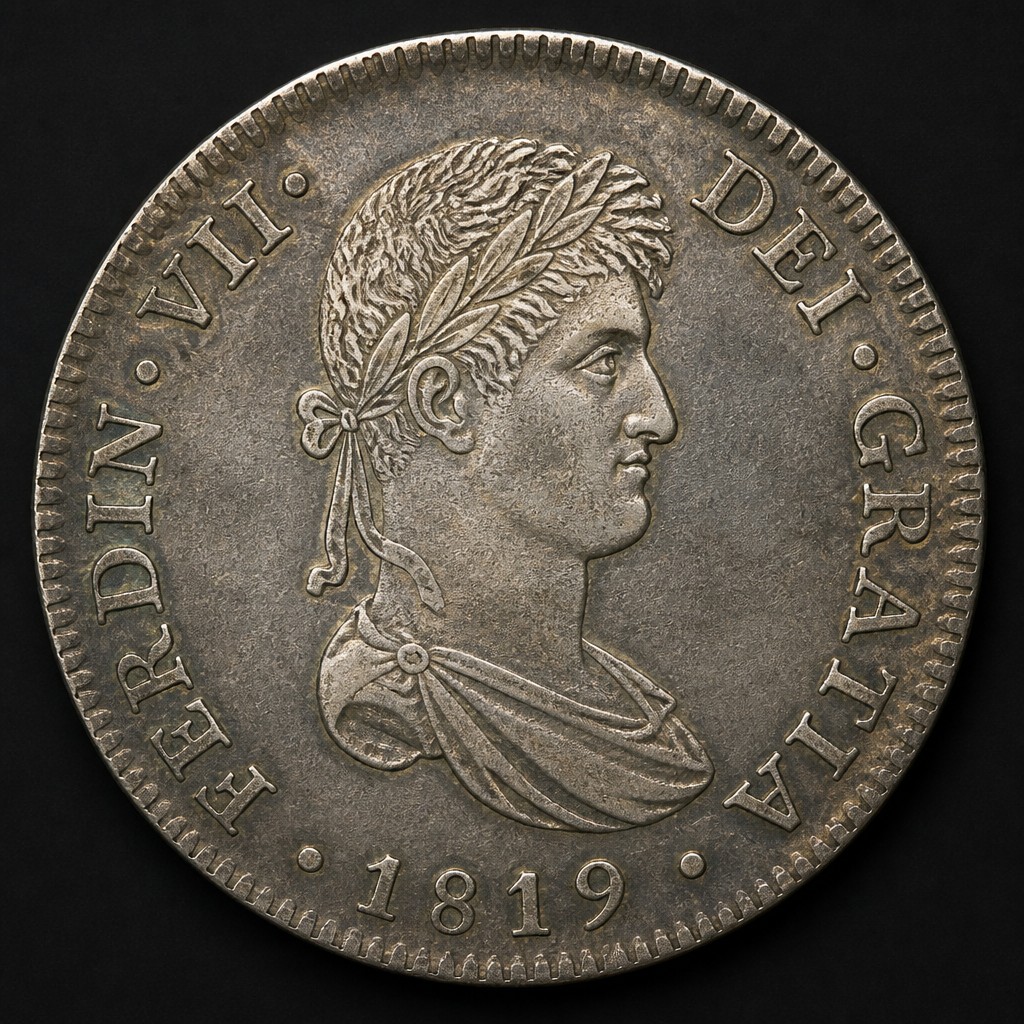
Colombia 8 Reales
Colonial issues through late 18th/early 19th century; republican issues 1820s–1830s
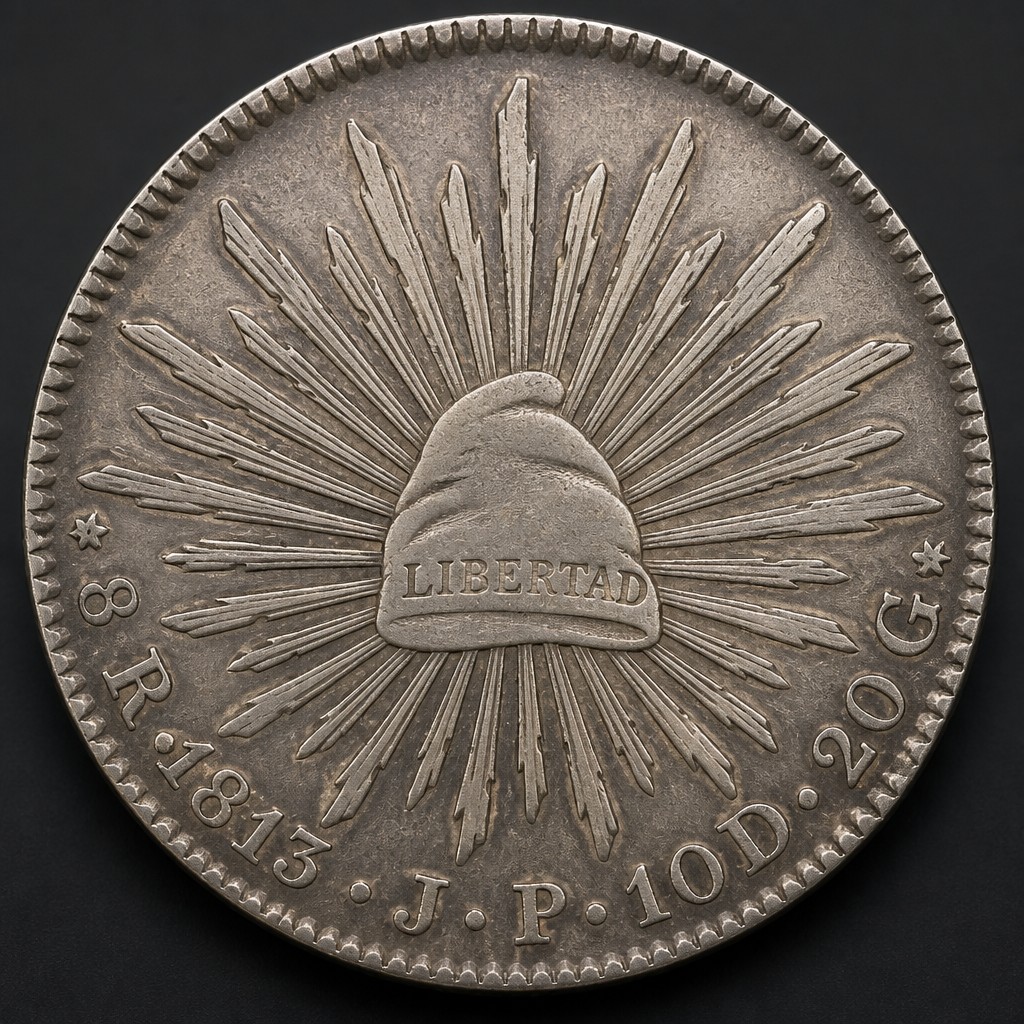
Argentina 8 Reales
c. 1813–1836
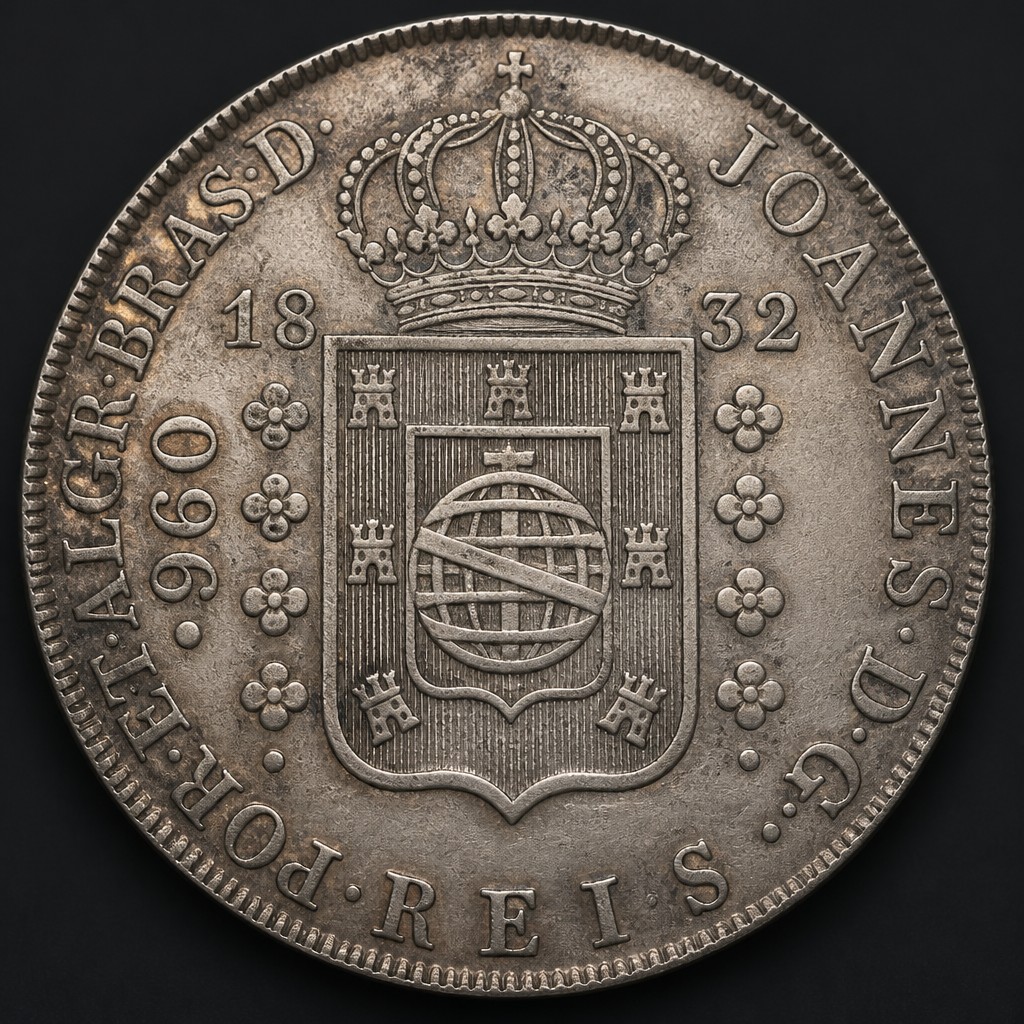
Brazil 960 Reis
1809–1832
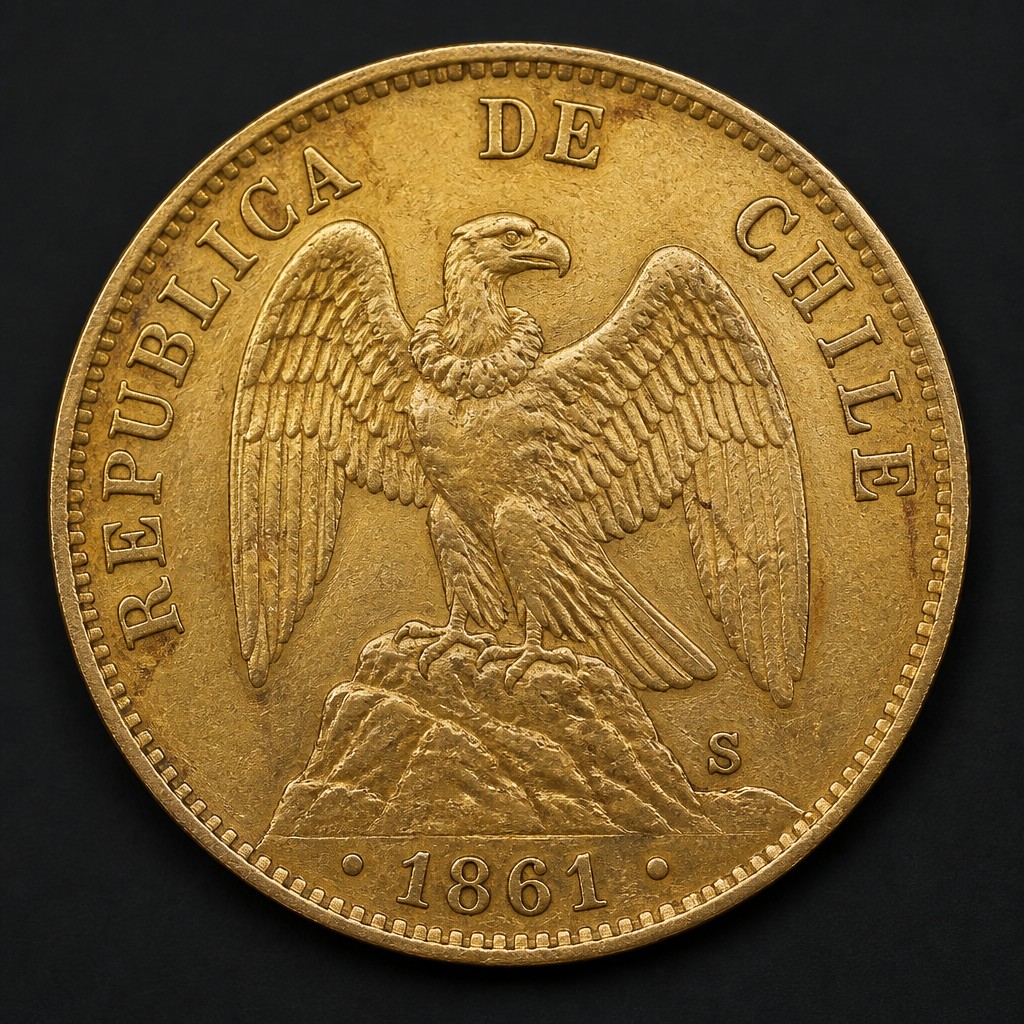
Chile Peso (Condor)
1851–1873 (gold condor series); modern base-metal peso 1990s–present
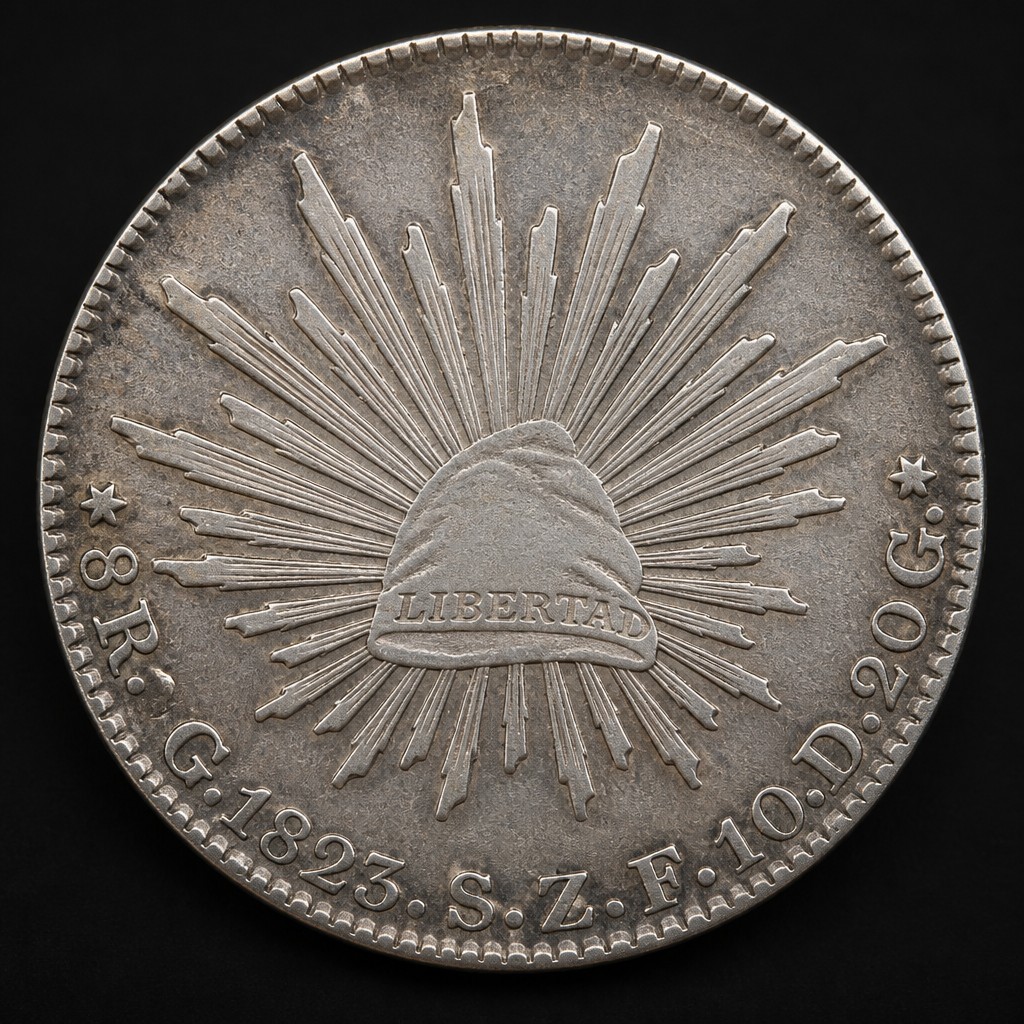
Mexican 8 Reales Cap and Rays
1823-1897
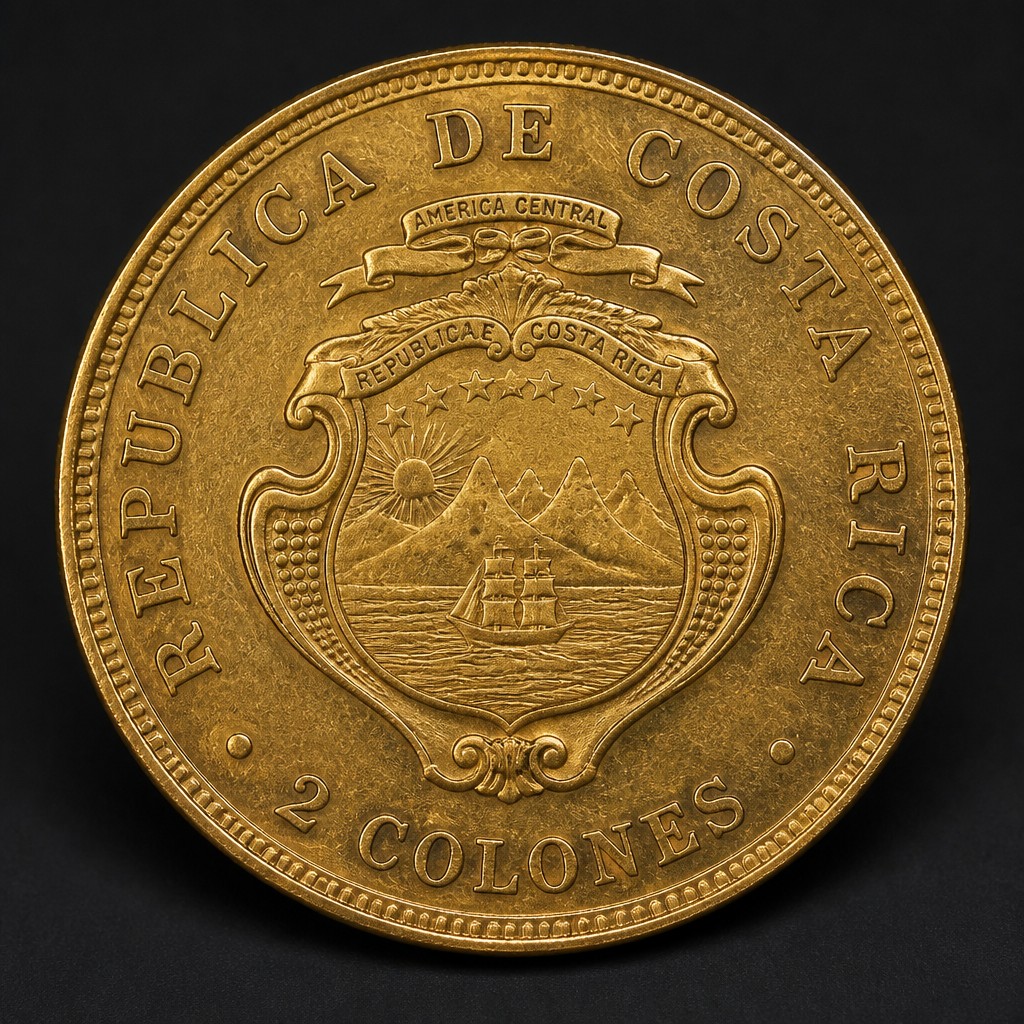
Costa Rica 2 Colones Gold
Late 1890s–early 1900s
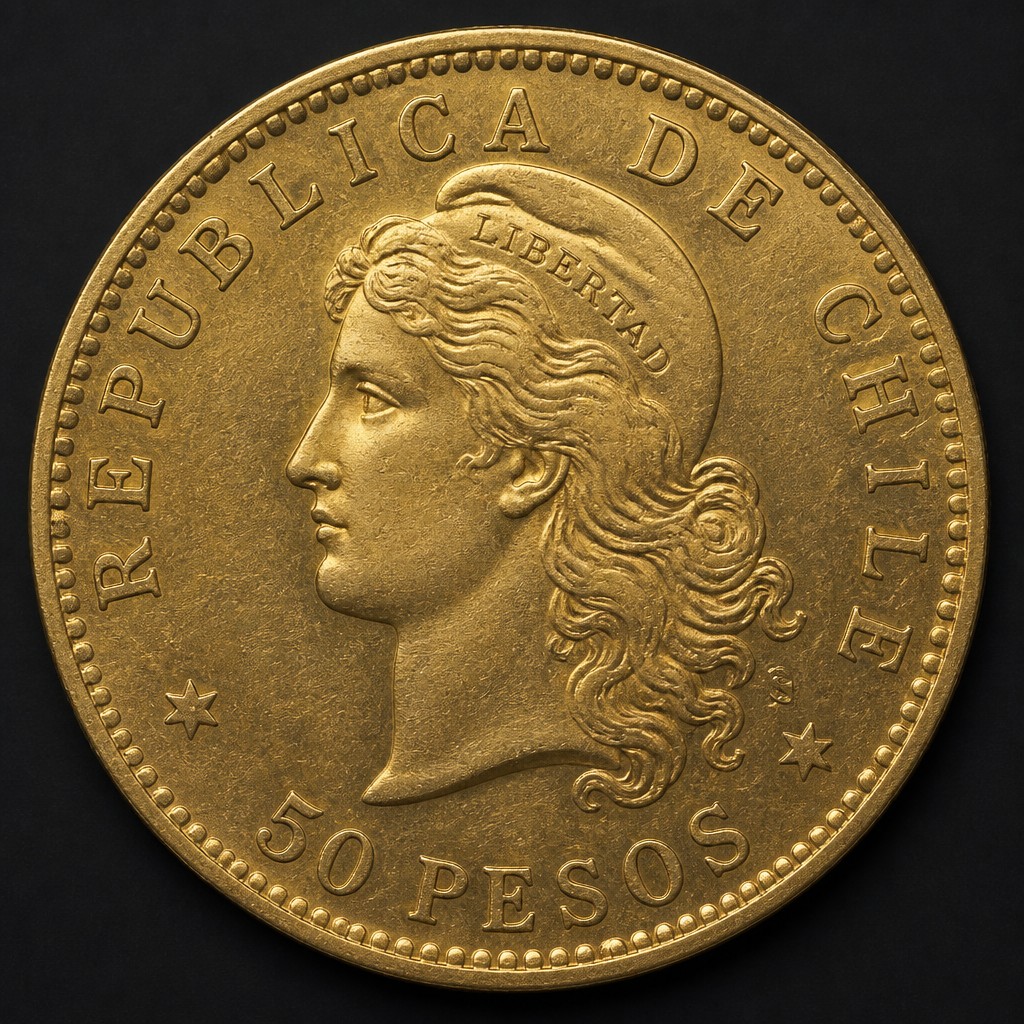
Chilean 50 Pesos Gold
1926–1980 (with interruptions)
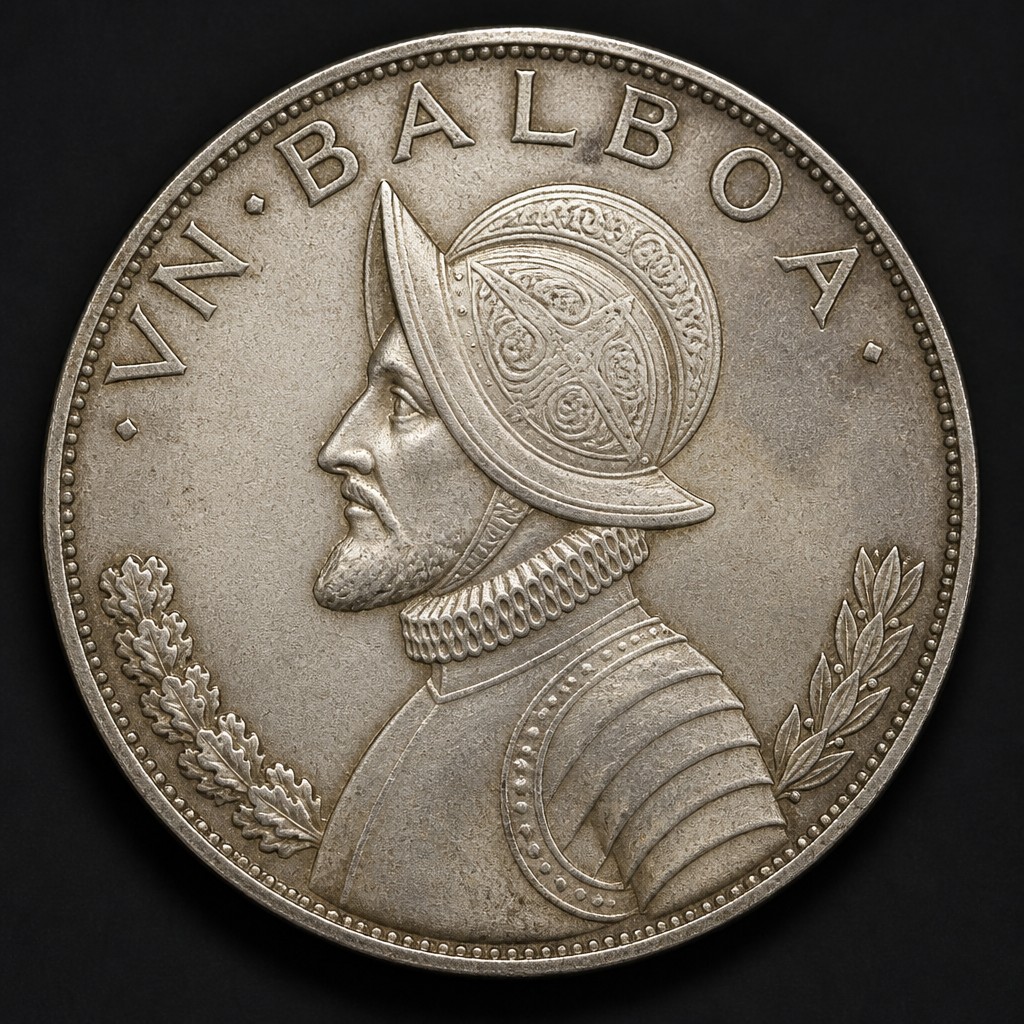
Panama Balboa Silver
1904, 1931, 1934, 1947, 1953, 1966 (various dates)
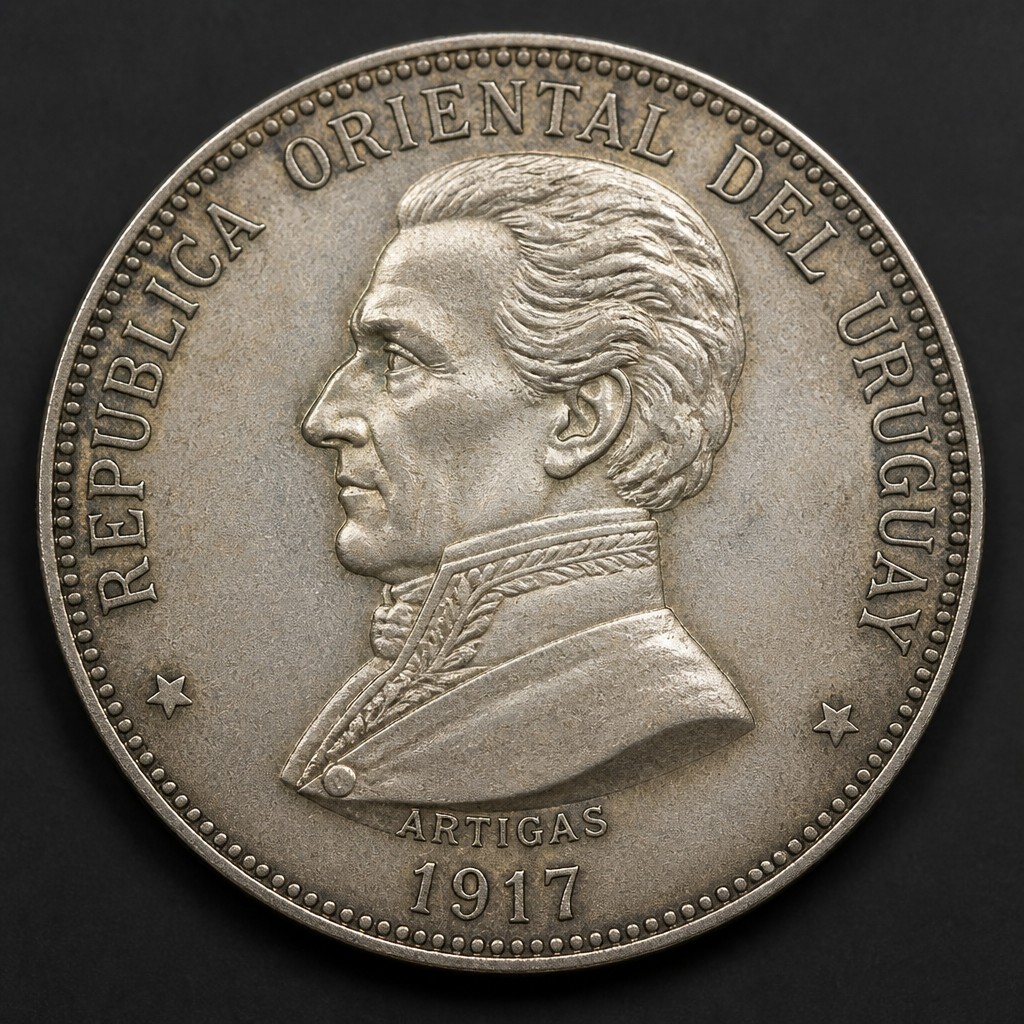
Uruguay Peso Silver 'Artigas'
1917–1920 (with related commemorative issues in later decades)
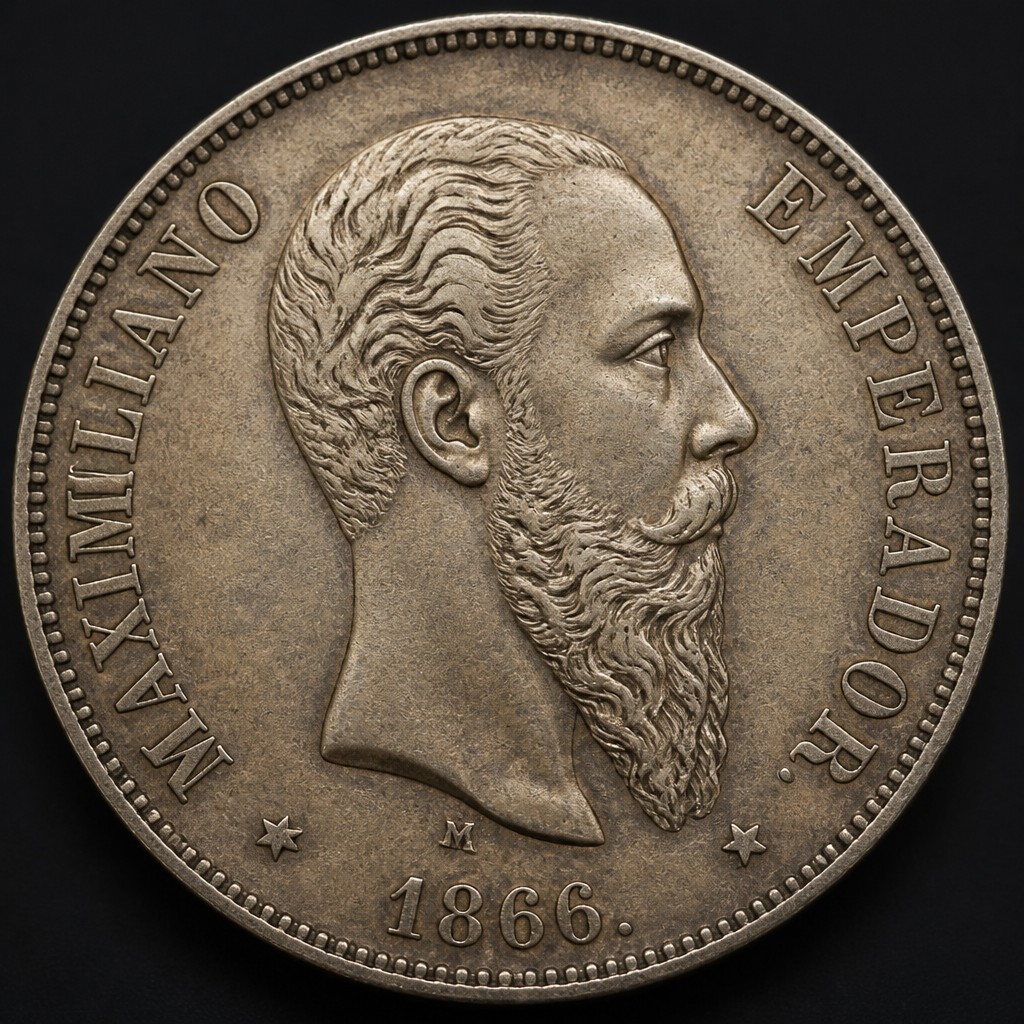
Mexican Emperor Maximilian Peso
1866–1867
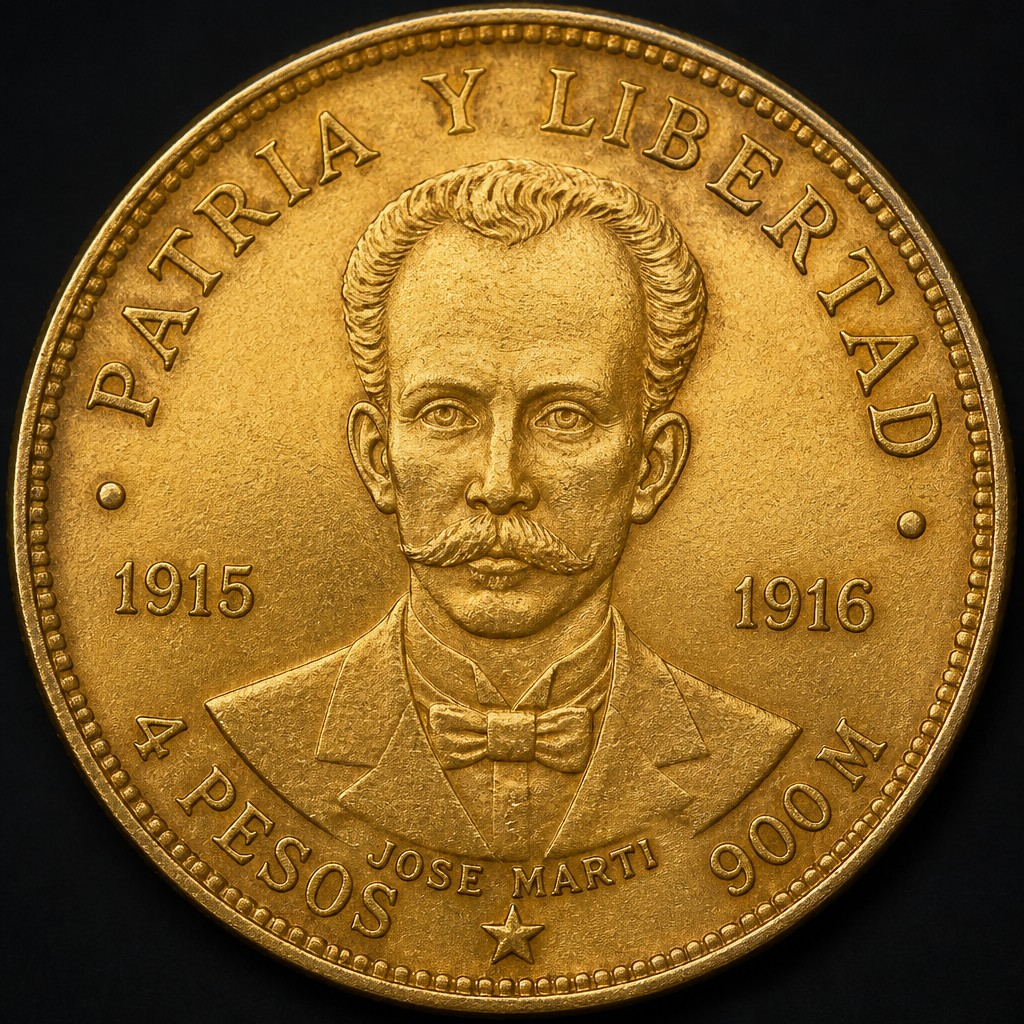
Cuba 4 Pesos Gold Jose Marti
1915–1916
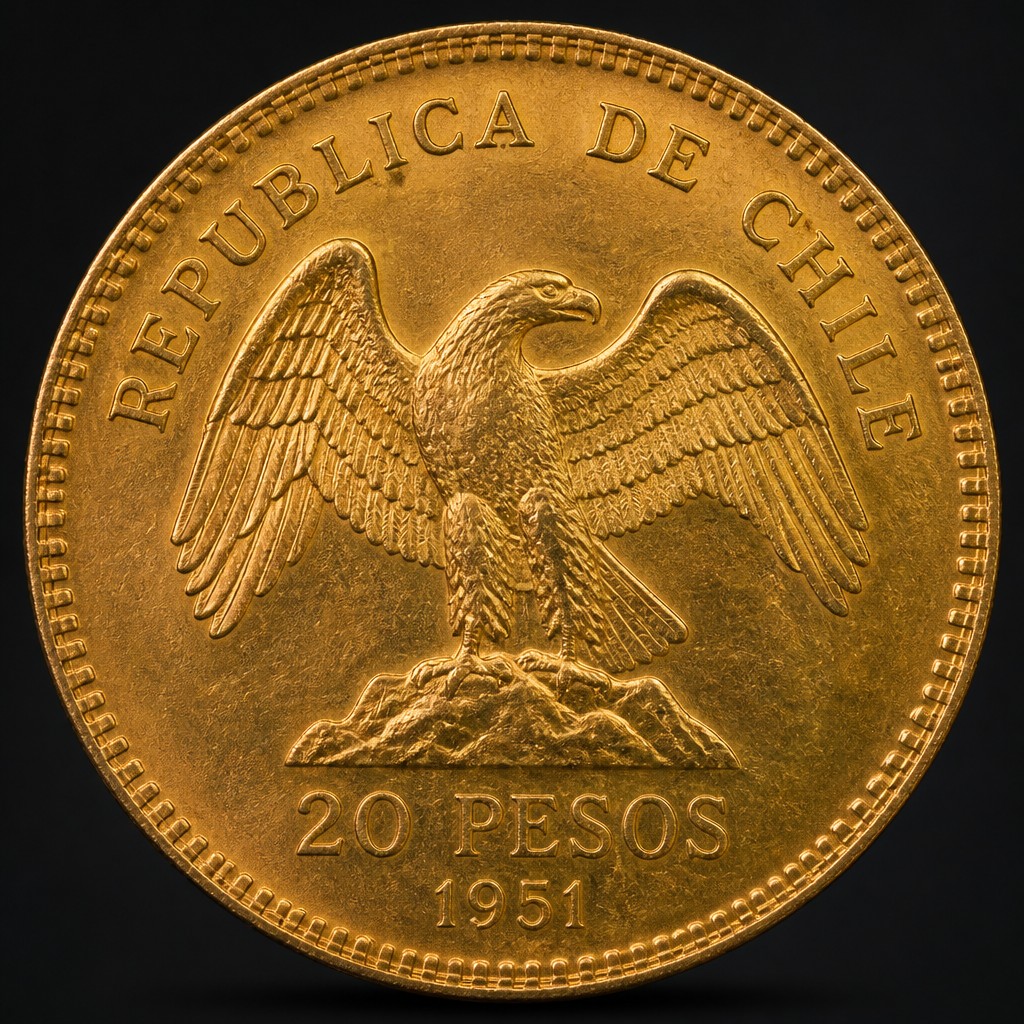
Chilean 20 Pesos Gold
19th century issues and 1926–1980 condor series