
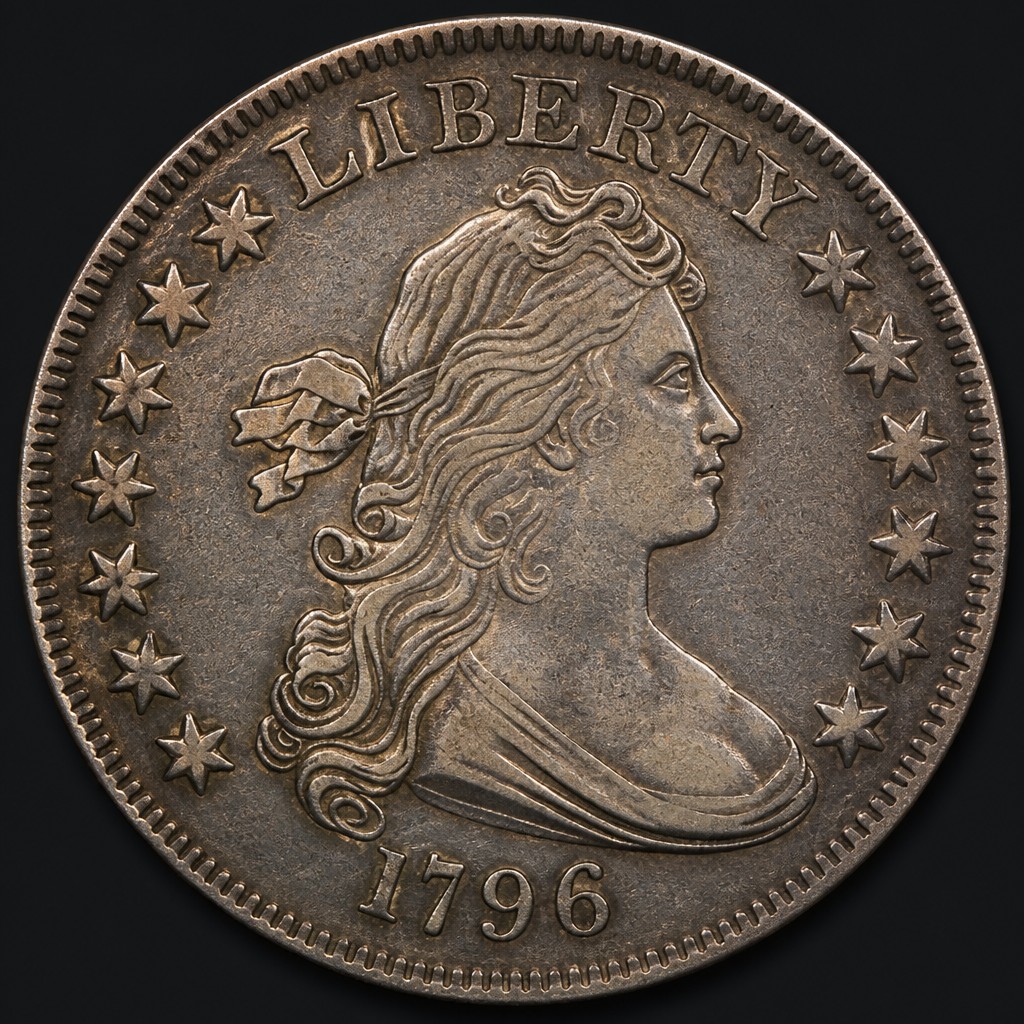
1796 Draped Bust Quarter
The very first quarter dollar struck by the United States Mint, a one-year type coin with a tiny mintage that is treasured by collectors of early American silver.
- Country
- United States
- Denomination
- Twenty-Five Cents (Quarter Dollar)
- Metal
- 89.24% Silver (early US silver standard)
Got a coin like this?
Identify any coin from a photo, free.
Overview
The 1796 Draped Bust quarter holds the distinction of being the first quarter dollar ever issued by the United States, making it a foundational coin in the history of American money. It was produced in only one year with the small eagle reverse before the denomination was not struck again until 1804, giving 1796 an unusual status as a complete one-year type unto itself.
Because of its historical importance, tiny original mintage, and status as an early type coin, it is one of the most desired and expensive coins among collectors of colonial and early federal United States silver.
History & Background
The US Mint began striking silver coinage in the 1790s under the authority of the Coinage Act of 1792, with the Draped Bust design, attributed to artist Gilbert Stuart and engraved by Robert Scot, first appearing on the dollar and other denominations in 1795 and 1796. The quarter dollar's inaugural issue came in 1796, paired with the 'small eagle' reverse used briefly across several denominations in this period.
Production was extremely limited, reflecting both the young Mint's modest capacity and the low silver bullion supplies available for coinage at the time. The Mint did not strike quarters again until 1804, when it resumed with the Draped Bust design paired with a different, 'heraldic eagle' reverse, leaving the 1796 as a distinct one-year design combination.
How to Identify
The obverse features Liberty's bust facing right, her hair draped and tied with a ribbon, with LIBERTY above and the date below, surrounded by stars representing the states. Distinctively, this early quarter has no denomination stated anywhere on the coin. The reverse shows a small, somewhat delicate eagle perched on a cloud, surrounded by a wreath, with UNITED STATES OF AMERICA around the border.
The coin was struck in the early US silver standard of approximately 89.24% silver, weighs about 6.74 grams, and has no mintmark, since only the Philadelphia Mint operated at the time. Its lack of a stated denomination and delicate small eagle reverse distinguish it clearly from the later, heavier heraldic-eagle Draped Bust quarters struck starting in 1804.
Value & Collectibility
As a rare one-year type coin and the first quarter ever struck, the 1796 commands substantial prices even in heavily worn condition, with even low-grade, well-worn examples typically valued in the five-figure range. Problem-free coins in mid and higher grades, and any coin approaching mint state, can command prices well into six figures at auction.
Given its age, value, and status as an early type coin frequently subject to cleaning, damage, or repair over more than two centuries, careful examination and certification by a specialist in early American coinage is standard practice before any purchase.
Frequently asked questions
Why is the 1796 quarter historically important?
It was the very first quarter dollar denomination struck by the United States Mint.
Was the quarter made every year after 1796?
No, production was suspended, and the next quarters were not struck until 1804, with a different reverse design.
Does the coin show its denomination anywhere?
No, like several other early US silver coins, it does not state a face value on either side.
Is the 1796 quarter affordable for beginner collectors?
Generally no; due to its rarity and historical importance, even low-grade examples are valued in the five-figure range and higher.
Other coins you may enjoy
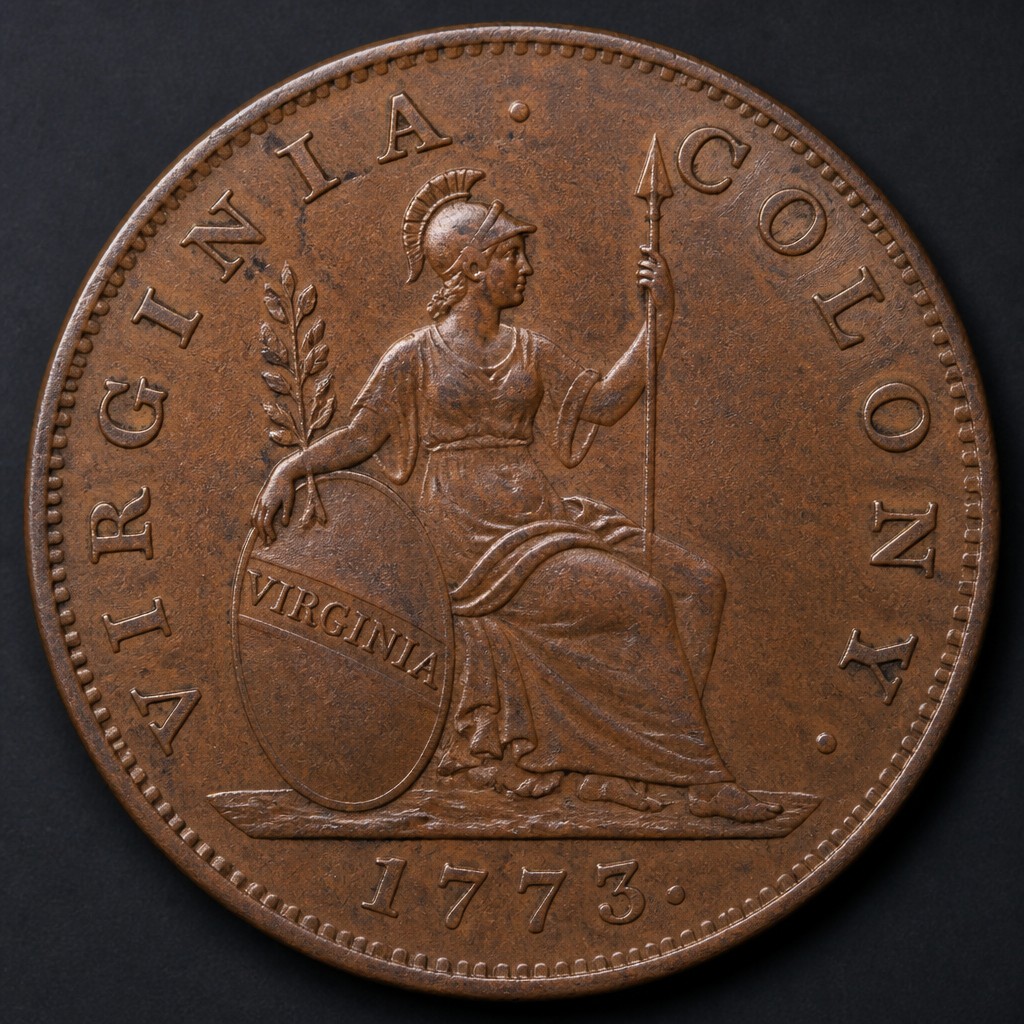
Virginia Halfpenny
1773
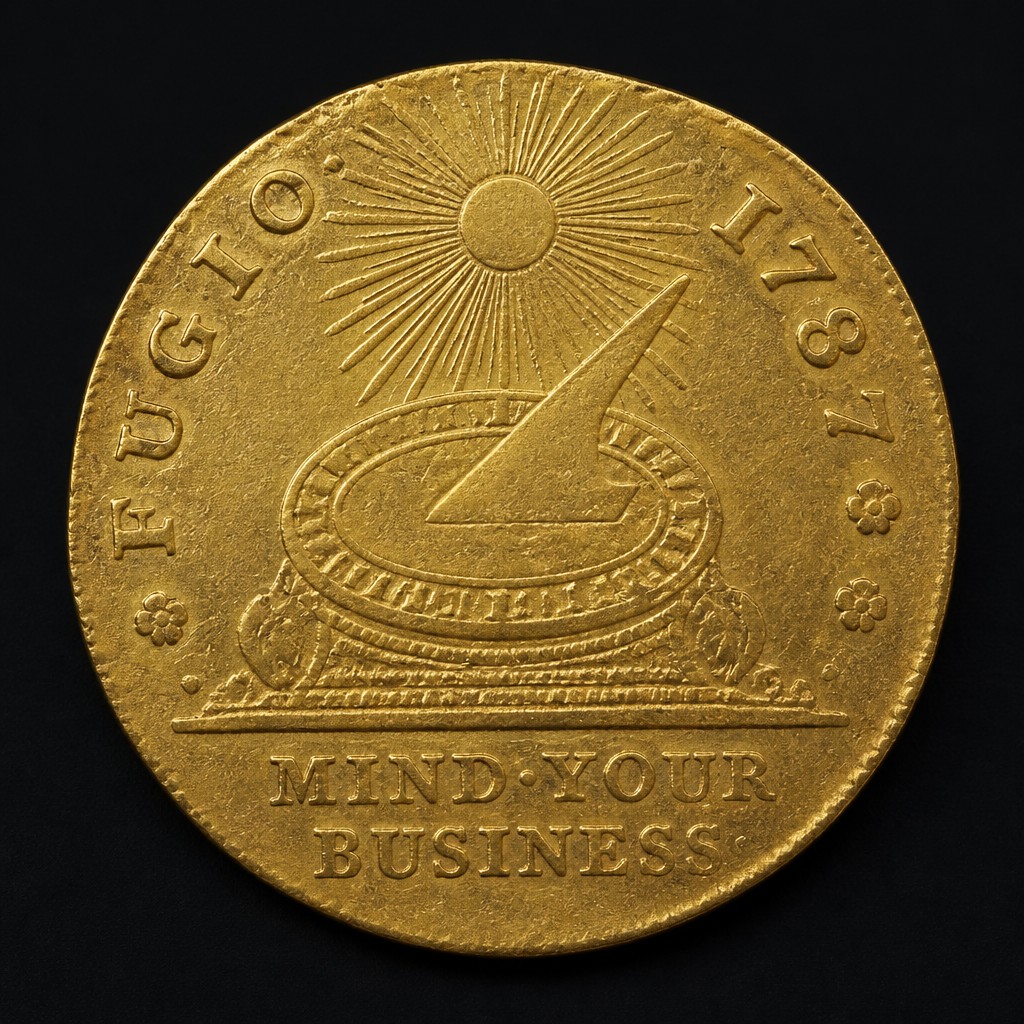
Brasher Doubloon
1787
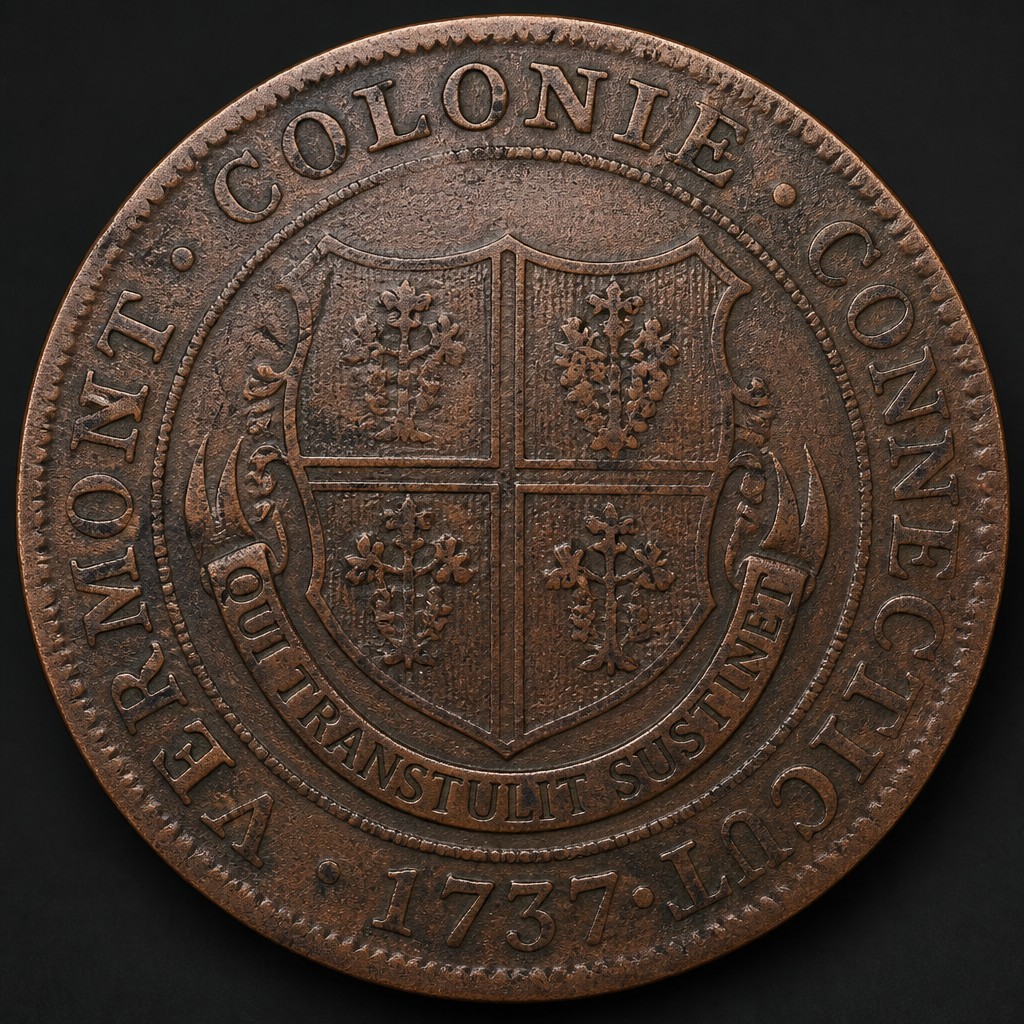
Higley Copper
1737–1739
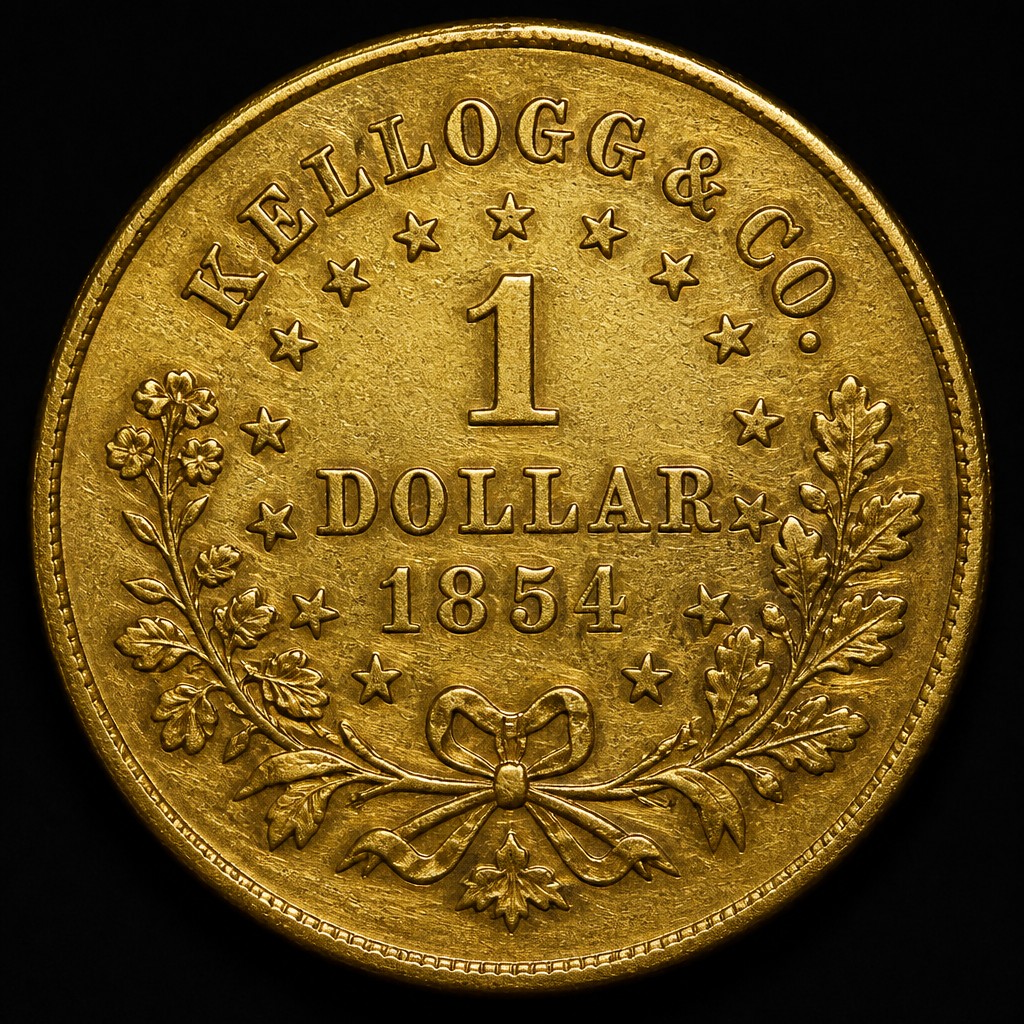
Kellogg & Co. Gold Piece
1854–1855
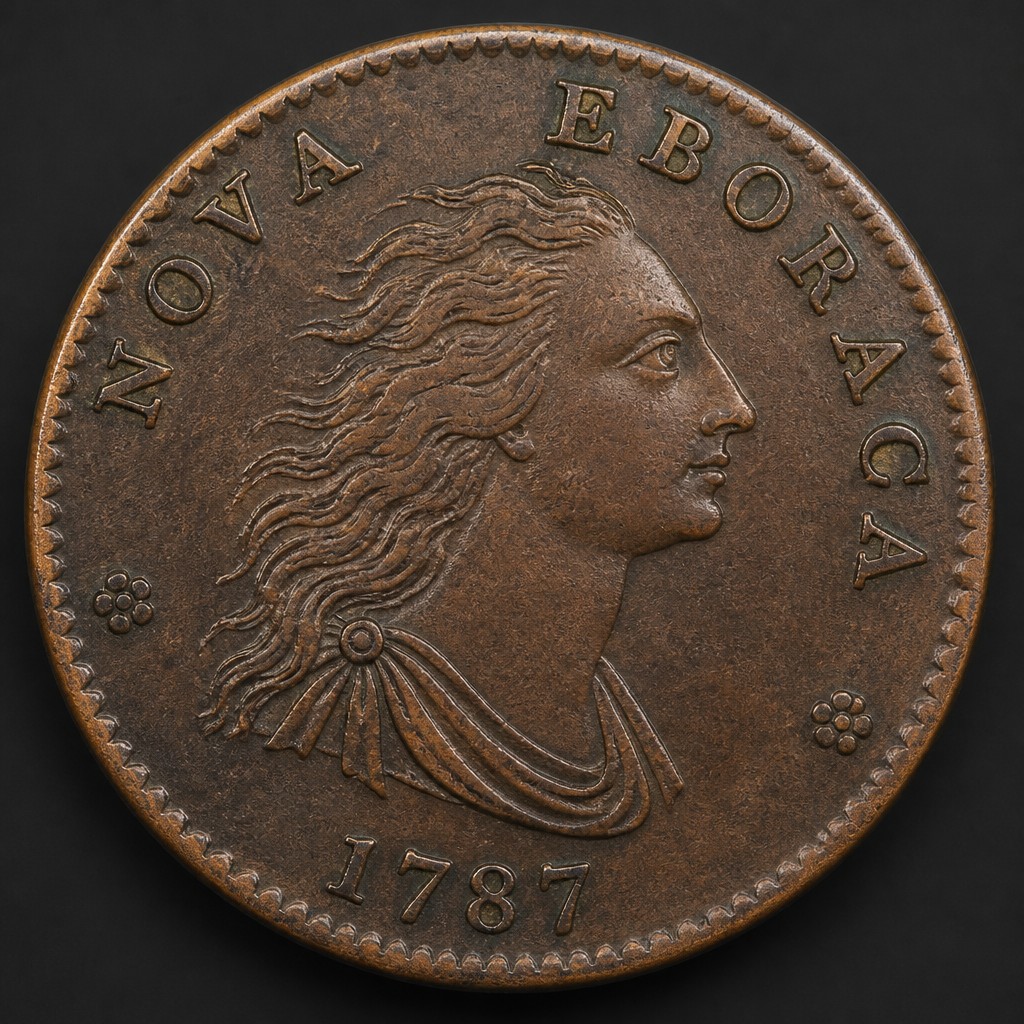
Nova Eborac Copper
1787
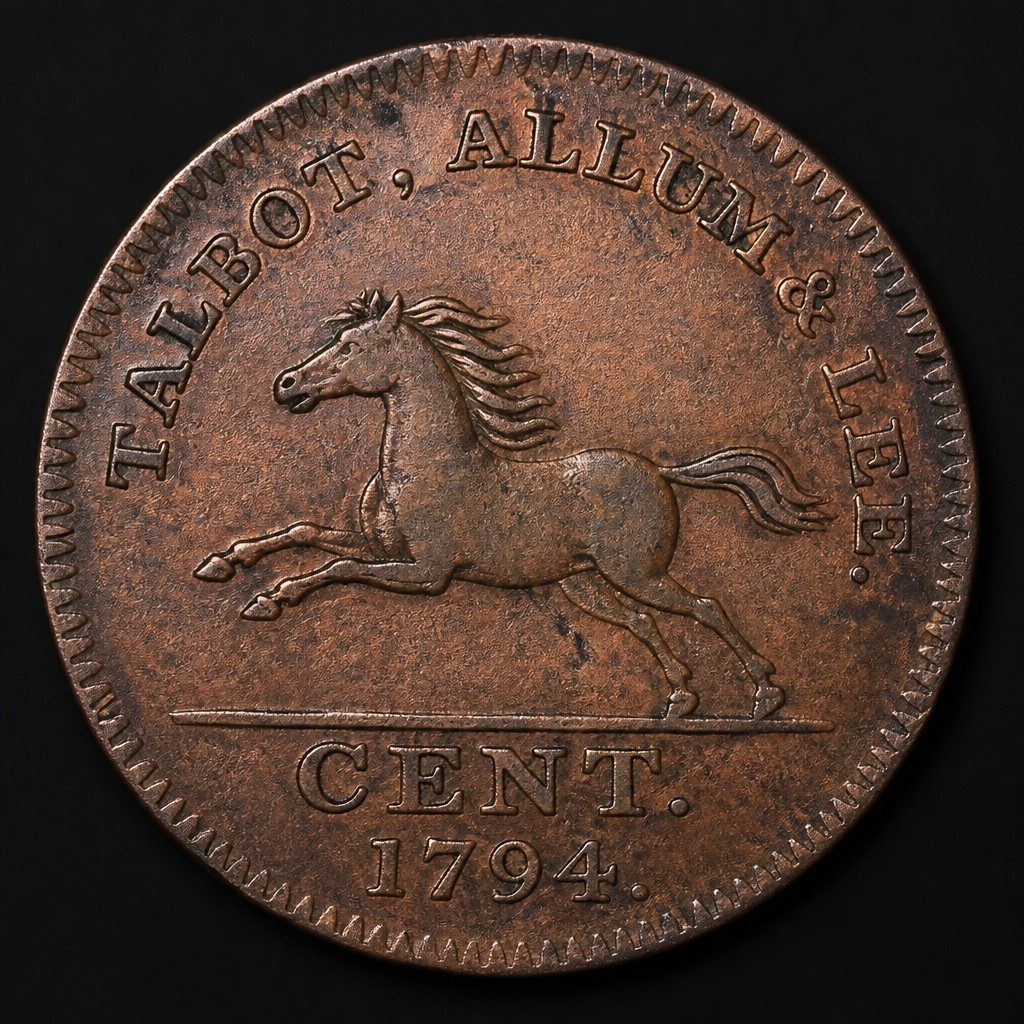
Talbot, Allum & Lee Cent
1794–1795
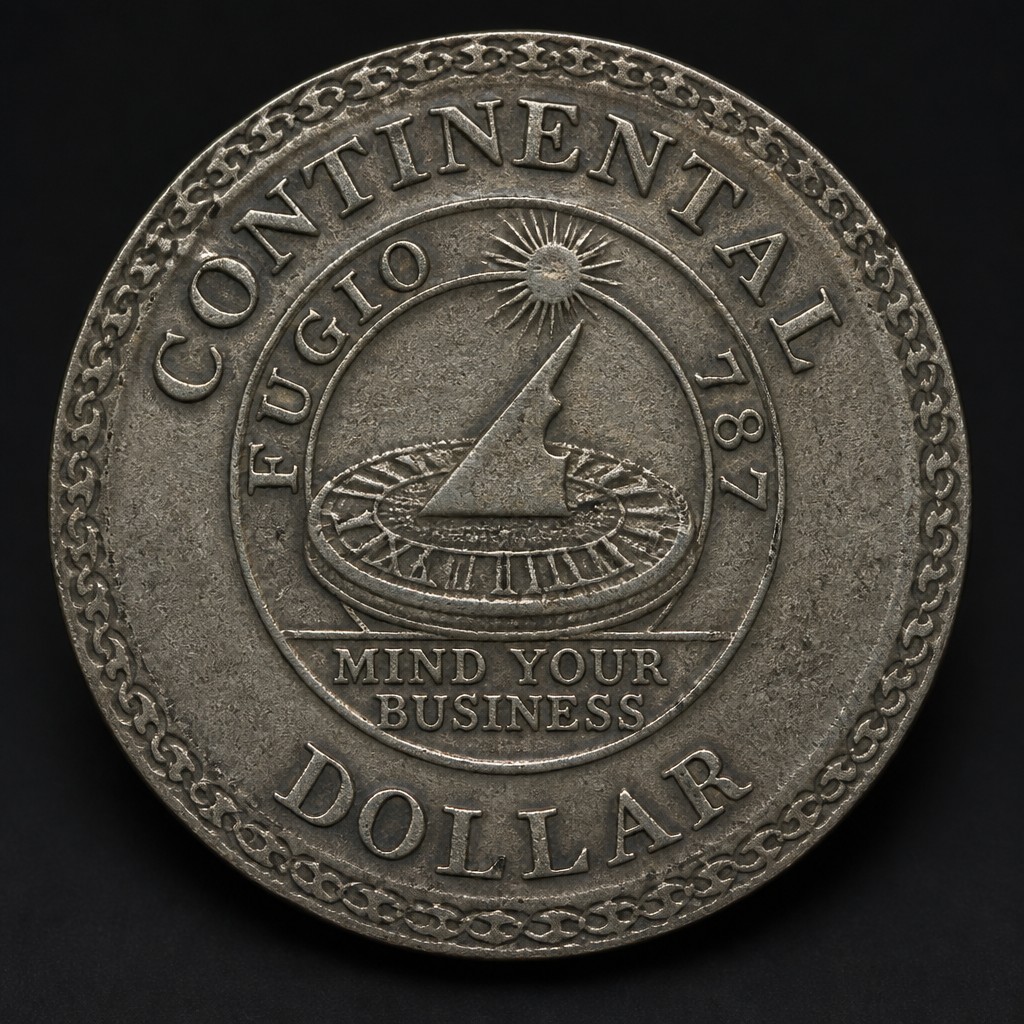
Continental Dollar
1776
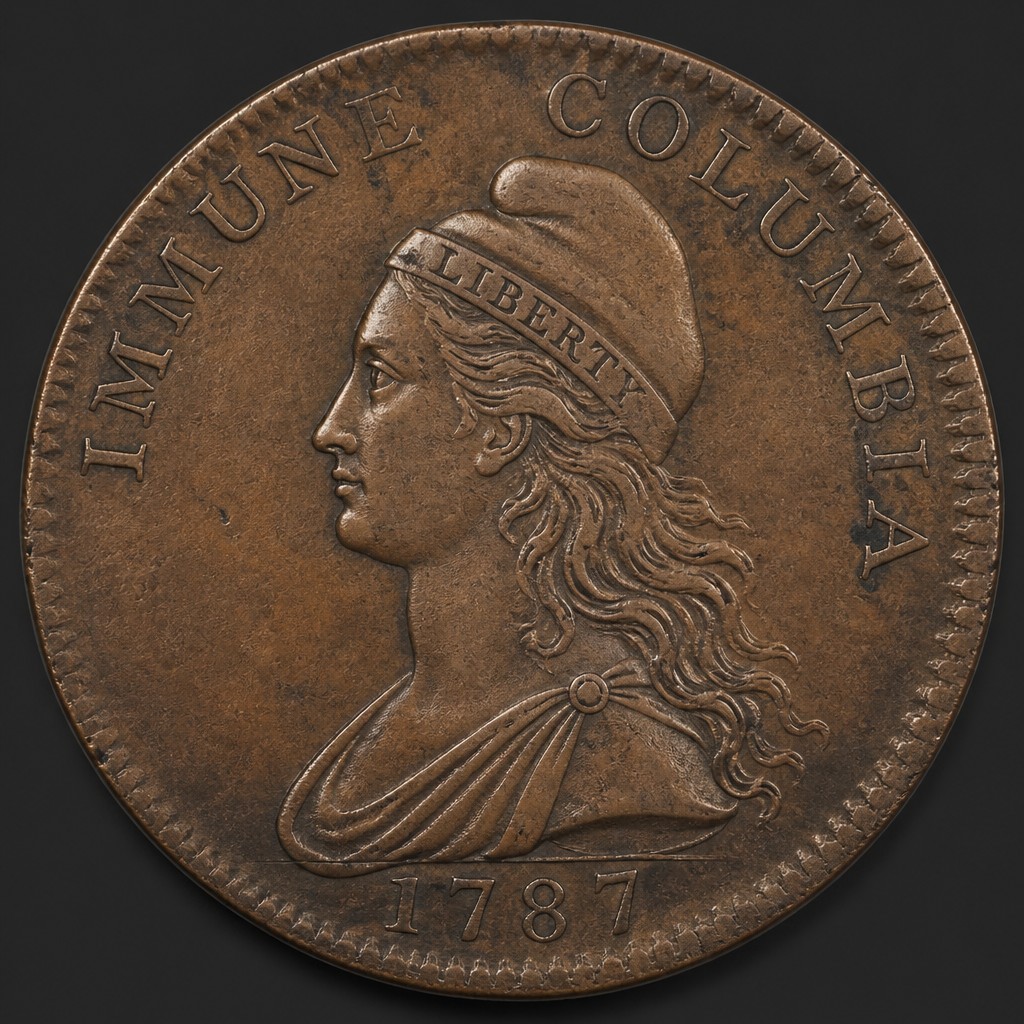
Immune Columbia Copper
circa 1785–1787
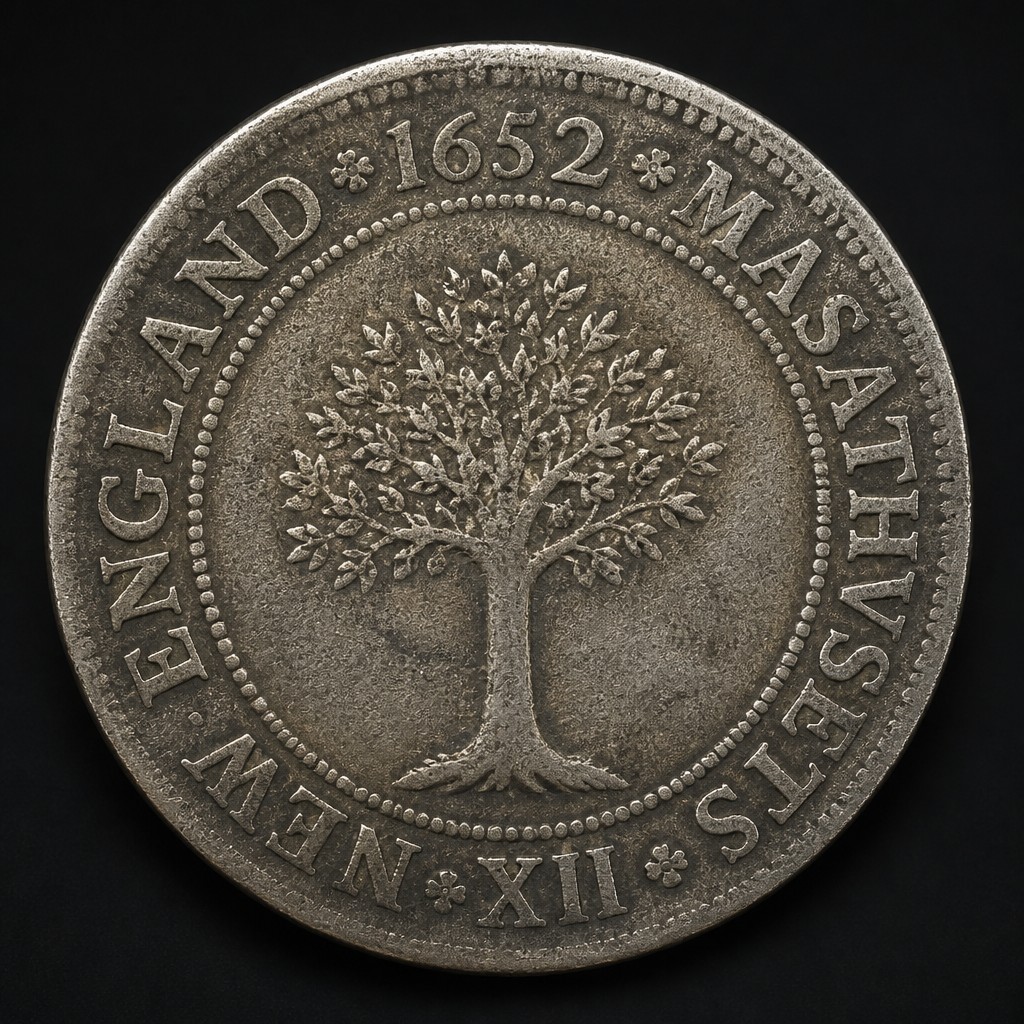
Massachusetts Oak Tree Shilling
Dated 1652, struck circa 1660–1667
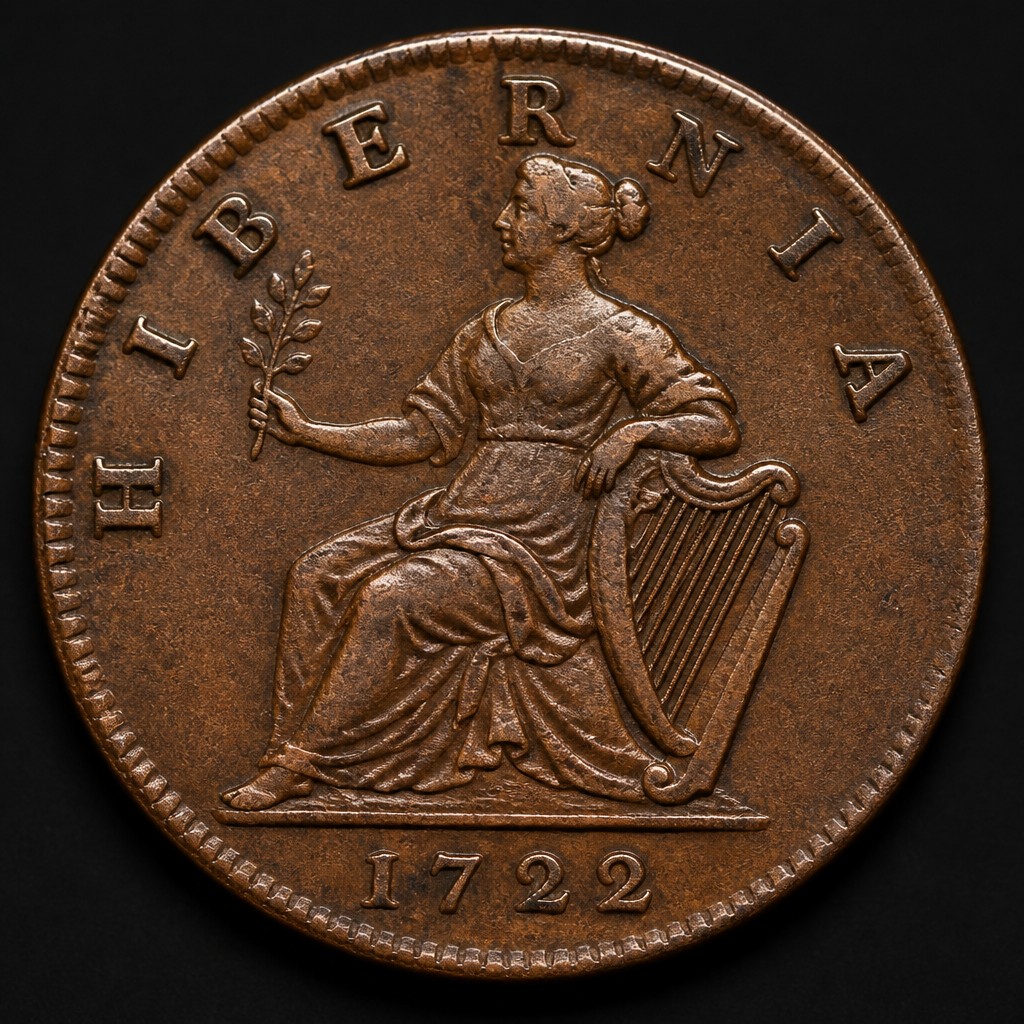
Wood's Hibernia Halfpenny
1722–1724
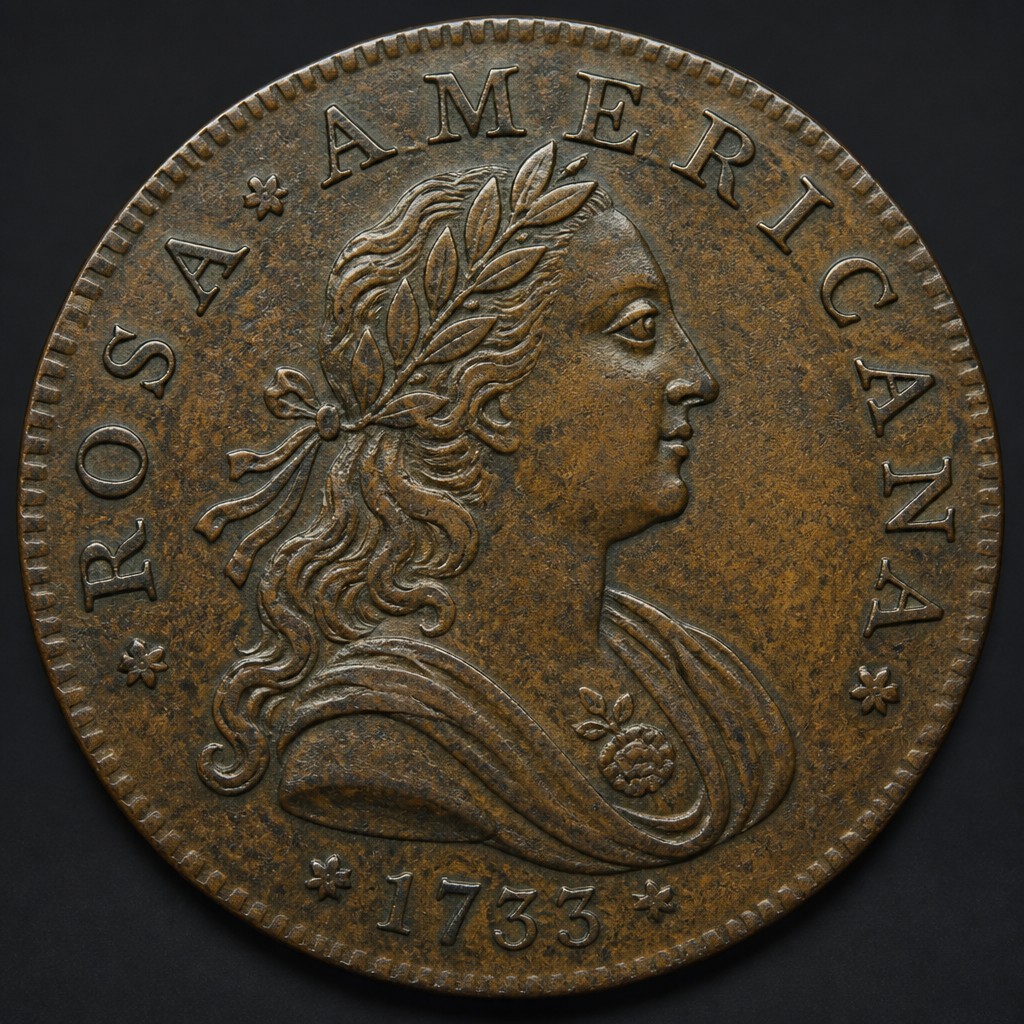
Rosa Americana Coinage
1722–1724 (with pattern issues dated 1733)
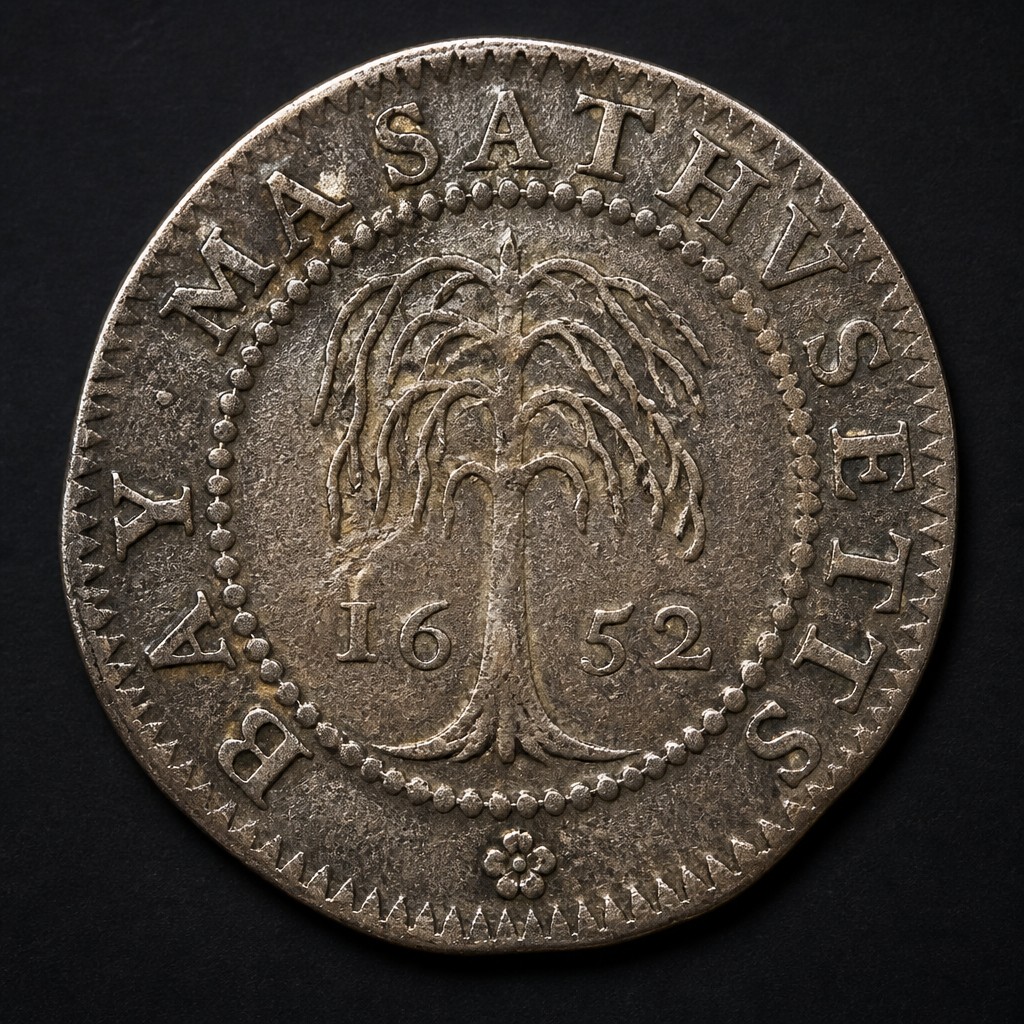
Massachusetts Willow Tree Shilling
Dated 1652, struck circa 1653–1660