
Coin Encyclopedia
Search and identify coins from around the world — with country, denomination, metal, mint, history, and how to tell them apart.
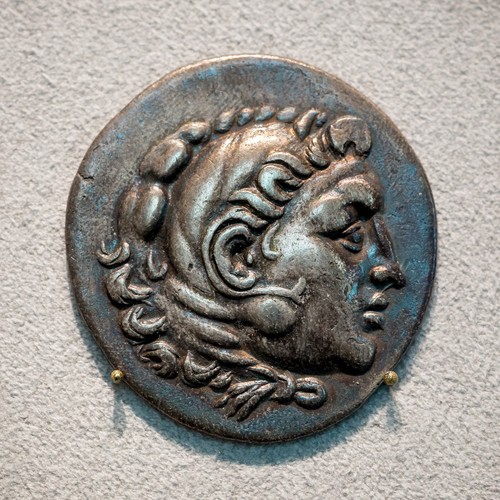
Macedonian Silver Tetradrachm
Large silver tetradrachm of ancient Macedon in the Alexander type, c. 188-170 BC, with the head of Heracles in a lion skin and Zeus enthroned holding an eagle.
Ancient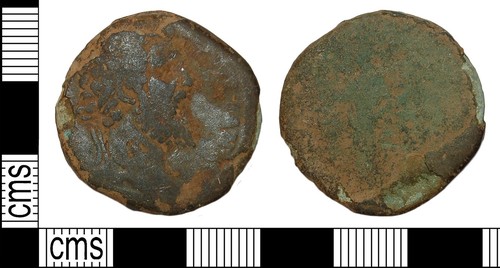
Sestertius of Didius Julianus
A large bronze/orichalcum sestertius of Didius Julianus, the emperor who reigned only weeks in 193 AD — rare, historically charged, and much sought after.
Ancient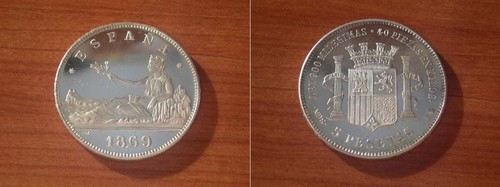
Duro (5 Pesetas)
A large .900 silver five-peseta crown struck under Spain's Provisional Government, with a profile head personifying Hispania and a crowned coat of arms reverse.
Modern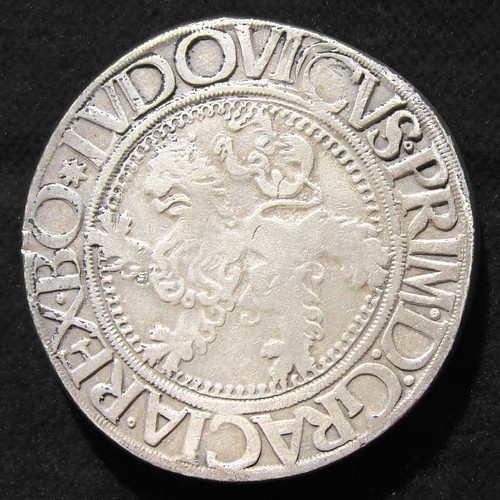
Joachimsthaler (Thaler)
A large early-16th-century Bohemian silver thaler from Joachimsthal, dated 1525; the coin whose name gave rise to the words 'thaler' and 'dollar'.
Early Modern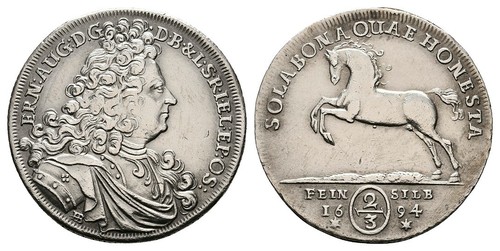
Hanover 2/3 Thaler
A large German States silver 2/3 Thaler of Brunswick-Luneburg (Hanover) dated 1694, with an ornate coat of arms and the leaping Saxon horse reverse.
German States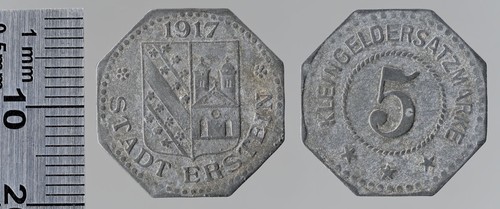
Erstein Notgeld 5 Pfennigs
A World War I emergency small-change coin issued by the town of Erstein in 1917, with the civic coat of arms on one side and a large 5 on the other.
Token/notgeld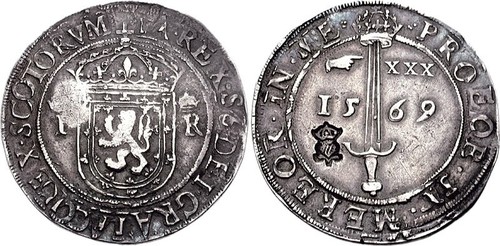
James VI Ryal
A large hammered silver Scottish ryal of James VI, showing a crowned lion-rampant shield and a mailed swordhand grasping an upright sword, dated 1569.
Hammered
Charles II Crown
Milled English silver crown of Charles II (reigned 1660-1685), a large machine-struck five-shilling piece with a laureate bust and cruciform shields.
Milled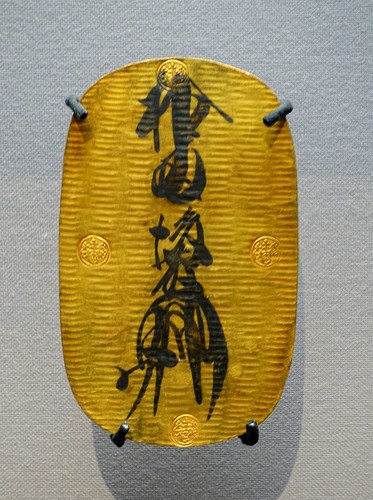
Keicho Oban
A large, thin oval Japanese gold oban of the Keicho era, hammer-marked with horizontal striations and bearing brush-inked ink signatures and paulownia crests.
Historic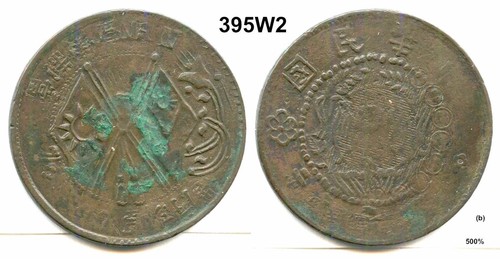
Ho-Nan 100 Cash
A large struck bronze 100-cash coin of Henan Province from Republican China, with ornate Chinese characters on one face and a decorative pattern on the other.
Cash Coin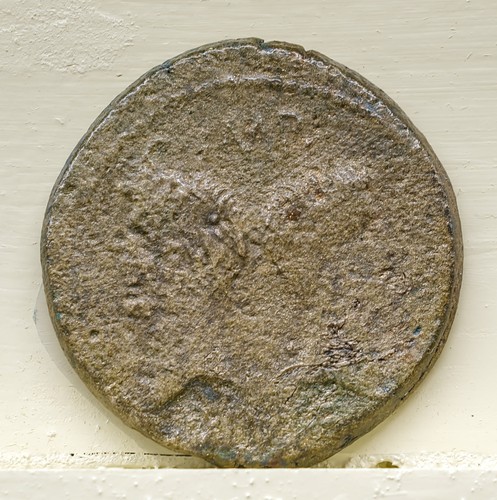
Nemausus As/Dupondius (Crocodile Type)
The famous crocodile of Nimes: a large Roman provincial bronze with paired heads of Agrippa and Augustus and a crocodile chained to a palm.
Ancient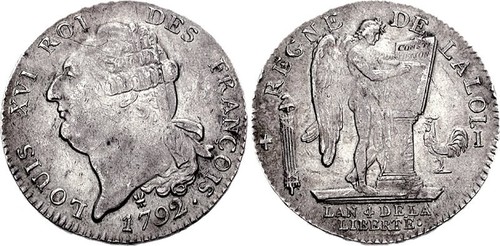
French Constitutional Ecu
A large 1792 French silver ecu of the constitutional monarchy, with a bust of Louis XVI and an allegorical figure of Liberty with fasces.
Revolutionary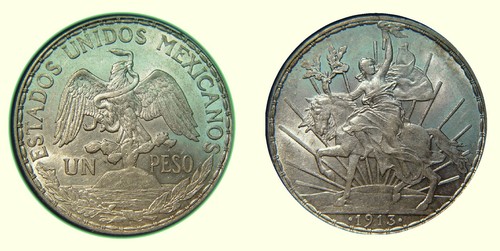
Mexican 1 Peso
Large silver Mexican peso, the famed "Caballito" type, with a winged Victory on horseback and the eagle-and-snake coat of arms.
World Coins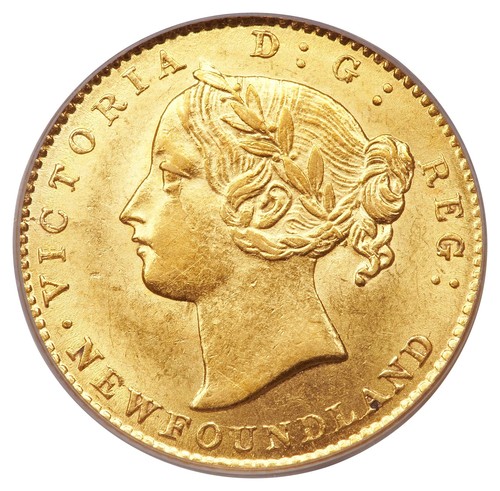
Newfoundland Two Dollars
Small gold two-dollar coin of the colony of Newfoundland; the only circulating coin ever denominated in dollars, cents, and pence together.
Canadian & Provincial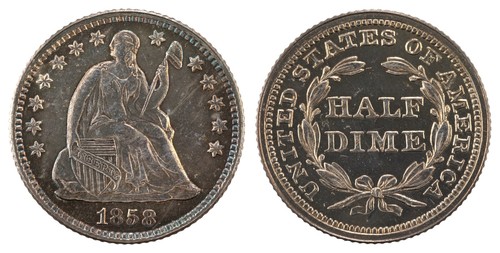
Seated Liberty Half Dime
A tiny 90% silver five-cent piece showing Liberty seated with a shield and Liberty pole; the reverse wreath frames HALF DIME. First struck 1837.
Half Dime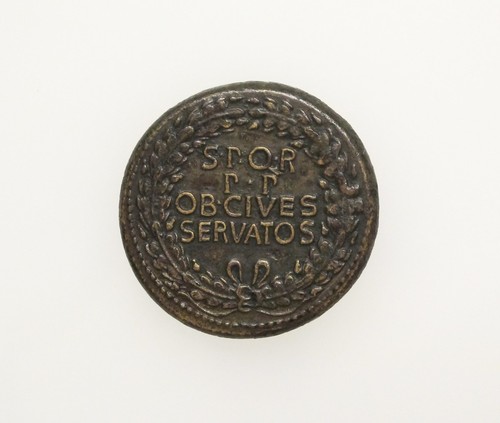
Sestertius of Caligula
Large Roman imperial bronze sestertius bearing the head of Gaius, better known as Caligula, struck during his short reign from 37 to 41 AD.
Ancient Coins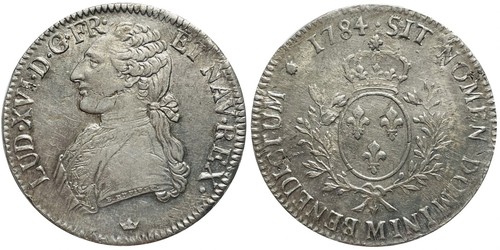
Ecu of Louis XVI
A large French silver ecu of Louis XVI dated 1784: left-facing royal bust obverse, crowned arms of France and Navarre framed by laurel on the reverse.
Royal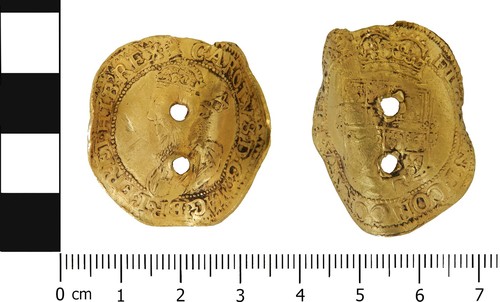
Charles I Unite
A large hammered gold coin of Charles I worth twenty shillings, showing his crowned profile and a crowned quartered shield of lions and fleur-de-lis.
Hammered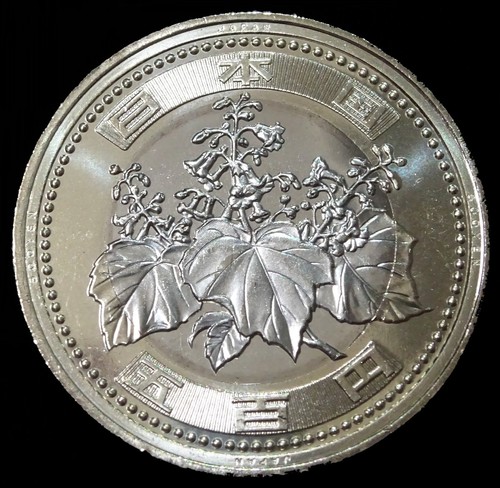
500 Yen Bicolor Clad
Japan's large two-tone 500 yen circulation coin, with a floral blossom design and pearl-like beading on one face and bold value numerals on the other.
Circulation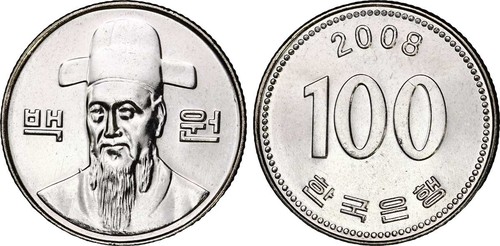
100 Won
South Korea's everyday nickel 100 won coin, showing Admiral Yi Sun-sin in his winged helmet on the obverse and a large numeral 100 on the reverse.
Circulation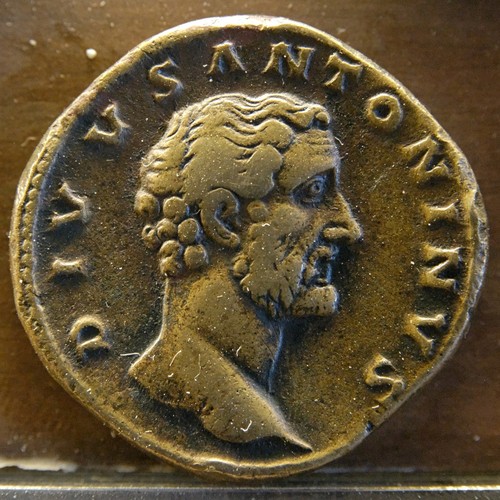
Sestertius of Antoninus Pius
Large Roman bronze coin of Emperor Antoninus Pius, with his bearded profile head and a standing deity or figure on the reverse.
Ancient Coins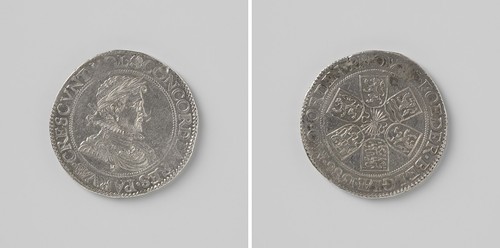
Rijksdaalder van Leicester
A large silver Dutch rijksdaalder of the Leicester type, with a helmeted armored bust and ruff on the obverse and a compartmented heraldic shield on the reverse.
Early Modern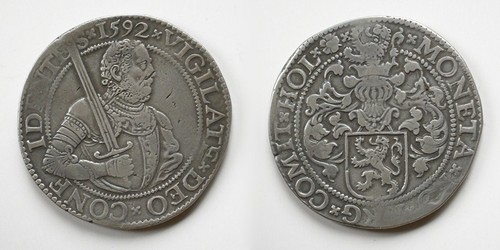
Prinsendaalder (Rijksdaalder)
A large silver rijksdaalder of the Dutch Republic showing an armored bust with sword, popularly named the Prinsendaalder after the Prince of Orange.
Early Modern
8 Reales (Portrait/Bust Type)
Large silver Spanish Empire dollar showing the bust of King Carlos III and a crowned coat of arms with lions and castles.
World Coins