
100 Won
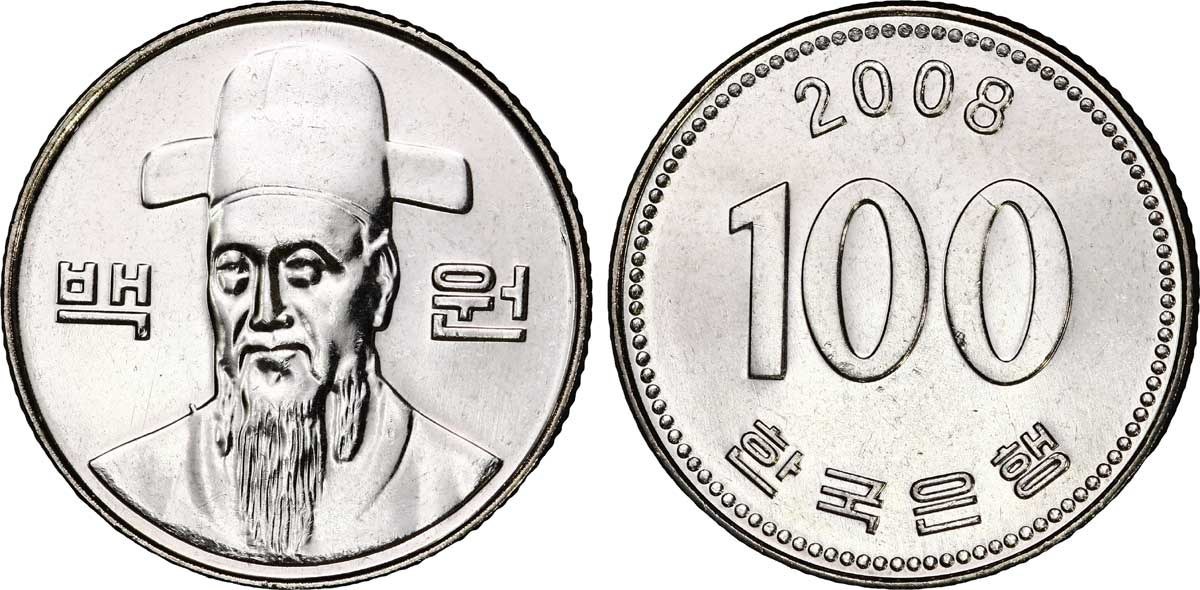
South Korea's everyday nickel 100 won coin, showing Admiral Yi Sun-sin in his winged helmet on the obverse and a large numeral 100 on the reverse.
- Country
- South Korea
- Denomination
- 100 Won
- Metal
- Nickel
Got a coin like this?
Identify any coin from a photo, free.
Overview
The 100 Won is one of South Korea's standard circulating coins, a small silvery nickel piece used in everyday commerce. The example pictured is dated 2008 and carries the modern design that has been struck since the early 1980s.
The obverse presents a portrait of Admiral Yi Sun-sin (이순신), the revered 16th-century naval commander, shown in his distinctive winged (crested) military helmet. Korean inscriptions naming the admiral and the issuing bank accompany the portrait. The reverse is dominated by a large numeral 100 inside a pearl (beaded) border, with the Western date below.
As a workhorse denomination, the 100 won is produced in large numbers and is one of the most commonly encountered Korean coins. Most examples are worth their face value, making the type more of a familiar pocket-change coin than a rarity.
History & Background
The won has been South Korea's currency since a 1962 monetary reform, but the coin seen here belongs to the third series of Korean coins introduced by the Bank of Korea beginning in the early 1980s. The current 100 won design, featuring Admiral Yi Sun-sin, entered circulation in 1983 and has continued with the same basic devices ever since, so a 2008 coin is a mature, long-running issue rather than a one-off commemorative.
Admiral Yi Sun-sin is a national hero celebrated for his naval victories during the Japanese invasions of the 1590s, and his image appears across Korean money and monuments. Placing him on the widely used 100 won coin reflects that enduring status. The coins are struck by the Korea Minting and Security Printing Corporation (KOMSCO), the state mint.
Because the type is issued year after year for general circulation, individual coins are distinguished chiefly by their date. The 2008 example is one of many annual issues sharing identical designs, and the series remains in production today.
How to Identify
Identify the 100 Won first by its portrait and denomination. The obverse shows the head of Admiral Yi Sun-sin wearing a winged, crested helmet, with Korean characters beside the portrait. The reverse carries a large numeral 100 ringed by a pearl border, with the four-digit year (here 2008) below the numeral.
The coin is a nickel piece with a silvery-gray color and a reeded (grooved) edge. It is a mid-size circulation coin, larger than the 10 and 50 won but smaller than the 500 won. The lettering is in Hangul (Korean), which helps separate it at a glance from Japanese, Chinese or Western coins of similar size.
Use the combination of Yi Sun-sin's helmeted portrait + large 100 + Korean script + reeded nickel edge to confirm the type. The date is the main variable to record, as the design itself is consistent across the series; only the year changes from one annual issue to the next.
Value & Collectibility
As a modern, high-mintage circulation coin, the 100 Won is generally worth only its face value in circulated condition. Ordinary dated examples like the 2008 piece are extremely common and are not scarce, so they carry little premium for most collectors.
Value rises mainly for coins in uncirculated (mint state) grade, pieces from lower-mintage years, or coins included in official Bank of Korea mint sets. Certain dates command more than others among date collectors, and pristine, fully lustrous examples can sell for a modest premium over face.
Because prices depend heavily on date and condition, treat the coin as a low-value everyday item unless it is a scarcer year or in exceptional preservation. Compare any specific coin against recent sales of the same date and grade rather than assuming a single figure.
Frequently asked questions
Who is the man on the South Korean 100 won coin?
It is Admiral Yi Sun-sin, a celebrated 16th-century Korean naval commander, shown wearing his distinctive winged military helmet. He is a national hero honored across Korean coinage and monuments.
What is the 100 won coin made of?
The circulating 100 won is a nickel coin with a silvery-gray appearance and a reeded (grooved) edge. It is a standard base-metal circulation piece, not a precious-metal coin.
Is a 2008 100 won coin worth more than face value?
Usually no. The type is struck in large quantities every year, so circulated examples are common and generally worth their face value. Premiums apply mainly to uncirculated coins, scarcer dates, or coins from official mint sets.
When was this 100 won design introduced?
The current Yi Sun-sin design entered circulation in 1983 as part of the Bank of Korea's third coin series and has continued with the same devices ever since, which is why a 2008 coin looks the same as much older and newer issues.
How do I tell the year of my coin?
The four-digit Western year is shown on the reverse, below the large numeral 100 and inside the pearl border. That date is the main way individual coins in this long-running series are distinguished.
100 Won guides
In-depth guides for identifying, valuing, and collecting 100 Won.
Other coins you may enjoy
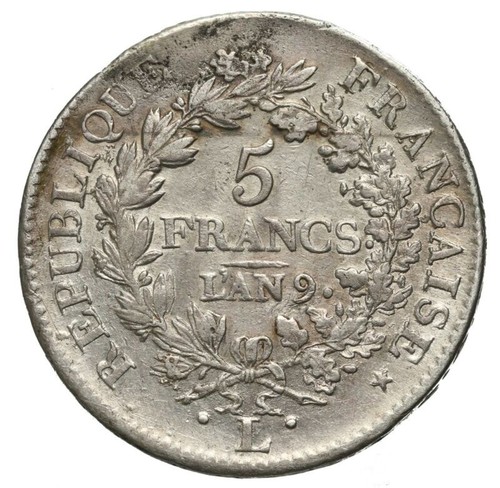
5 Francs (First Republic)
L'an 9 (1800–1801)
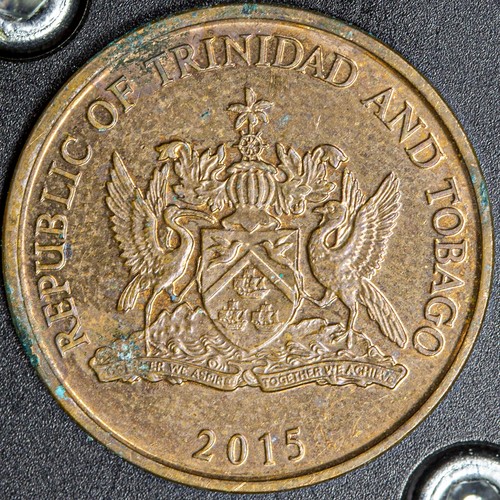
Trinidad and Tobago Dollar
2015
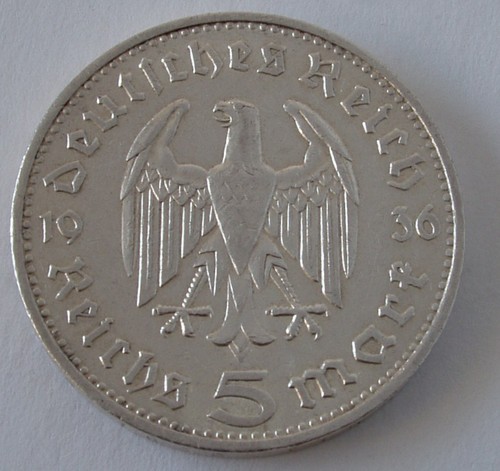
German 5 Reichsmark (Hindenburg)
1935–1936 (Hindenburg type with swastika)
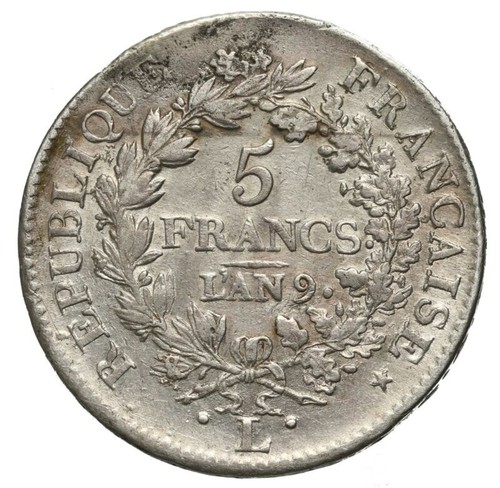
5 Francs Semeuse
1960–1969
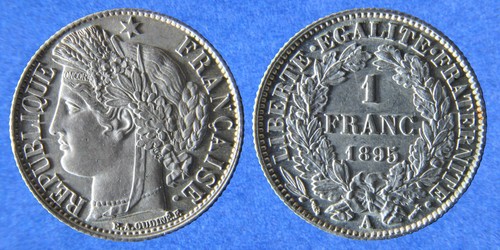
French Cérès 1 Franc
1849–1895
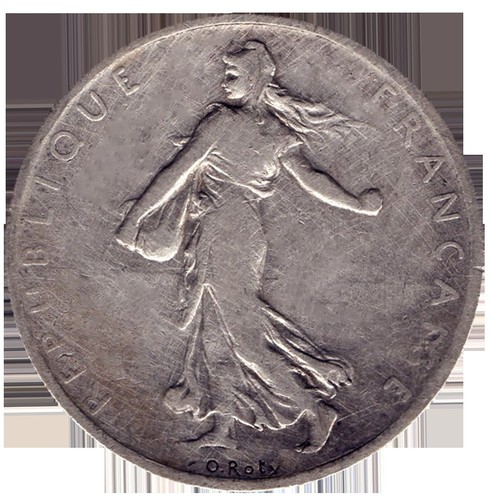
French Semeuse 2 Francs
1898–1920 (silver issues; pictured example dated 1899)
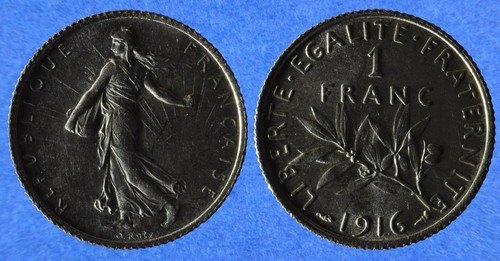
French Semeuse 1 Franc
1898–1920 (silver Semeuse 1 franc type)
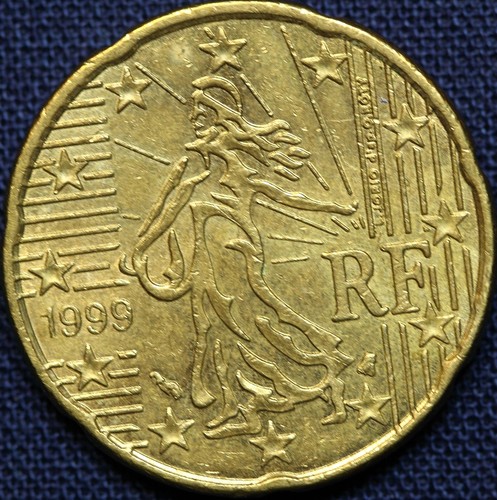
France 50 Cent Euro
1999–present
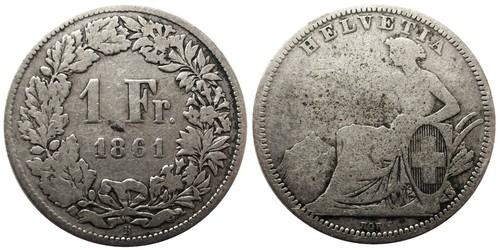
Swiss 1 Franc
1861
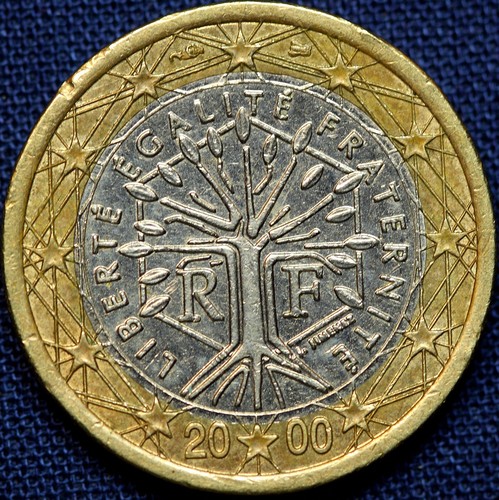
France 20 Centimes
1962–2001 (Fifth Republic, Marianne / Lagriffoul type)
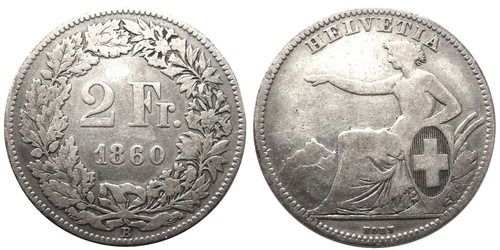
Swiss 2 Francs
1860
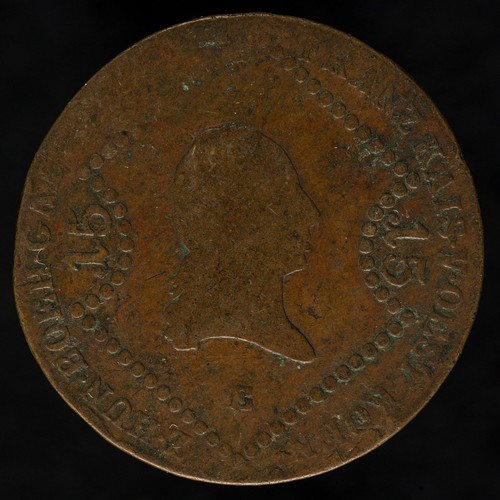
Austria-Hungary 15 Kreuzer
1807