
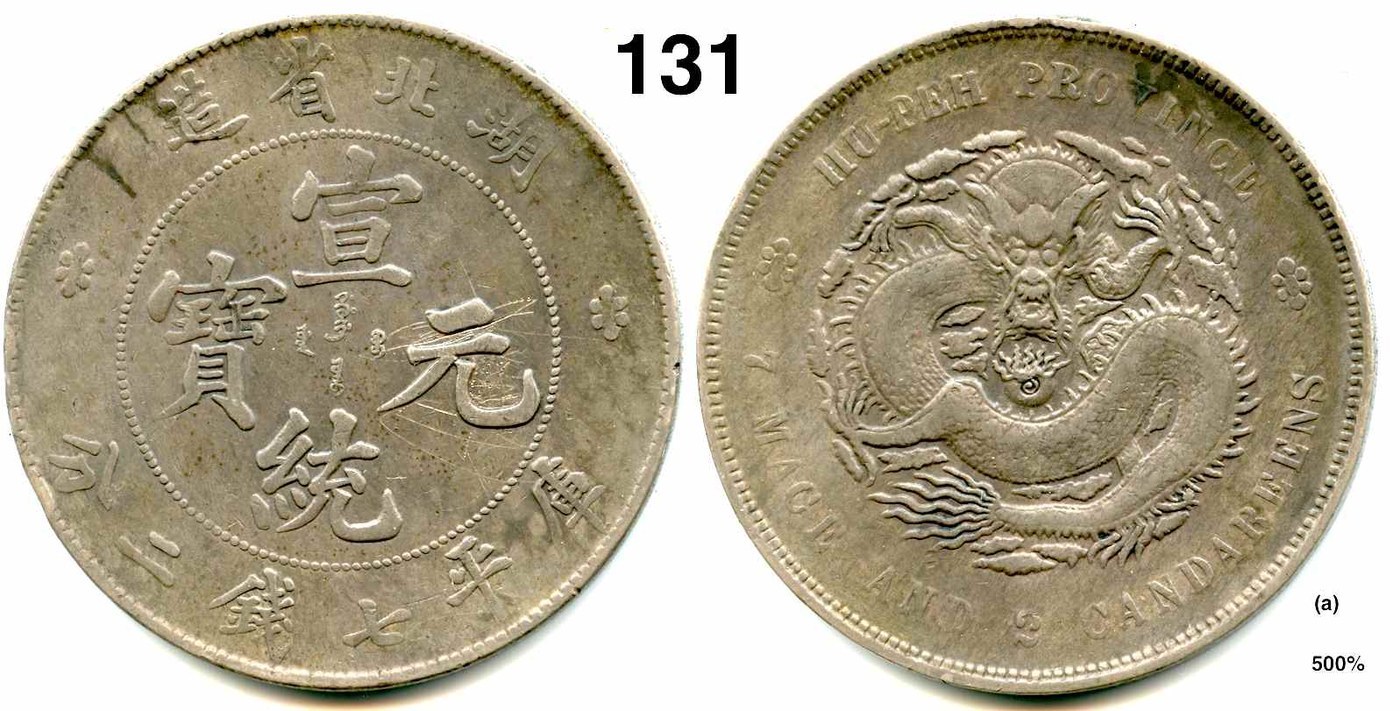
Xuantong Yuanbao 7 Mace 2 Candareens
A late Qing silver dollar-size coin of the Xuantong era (1909-1911), reading 宣統元寶 on the obverse with a Chinese dragon on the reverse.
- Country
- China
- Denomination
- 7 Mace 2 Candareens
- Metal
- Silver
Got a coin like this?
Identify any coin from a photo, free.
Overview
The Xuantong Yuanbao in the 7 mace 2 candareens denomination is a large silver coin struck during the final reign of imperial China, the Xuantong era (1909-1911) of the boy emperor Puyi. The face value of 7 mace 2 candareens (7 mace and 2 candareens, or 7 qian 2 fen) was China's standard silver dollar-size weight, roughly equivalent to the trade dollars circulating across East Asia at the time.
The example shown carries the four Chinese characters 宣統元寶 (Xuantong Yuanbao) on the obverse and a coiled Chinese dragon on the reverse, the hallmark motif of late Qing silver coinage. As a full dollar-size piece, it is the largest and most prominent denomination in its series.
These coins were among the last imperial issues before the 1911 revolution ended more than two thousand years of dynastic rule, making them a tangible relic of the end of the Qing dynasty.
History & Background
The Xuantong reign began in 1909 when the two-year-old Puyi ascended the throne, and it lasted only until the Republican revolution of 1911-1912. During this brief period the Qing government continued efforts, begun under earlier reigns, to modernize and standardize China's fragmented coinage, which had long been produced independently by numerous provincial mints.
Machine-struck silver coins bearing the 宣統元寶 legend and a dragon reverse were issued in denominations from small fractional pieces up to the 7 mace 2 candareens dollar. Both provincial mints and central authorities took part, and there were ongoing attempts to introduce a unified national standard in place of the many local varieties. The dragon, a traditional symbol of imperial authority, remained the defining reverse device.
Because the dynasty fell so soon after these coins appeared, the Xuantong silver series was short-lived. It sits at the very end of China's imperial dragon-dollar tradition, immediately preceding the Republican-era coinage that replaced imperial legends and the dragon with new national designs.
How to Identify
The primary identifier is the obverse legend 宣統元寶 (Xuantong Yuanbao), naming the Xuantong reign, paired with a Chinese dragon on the reverse. Many examples also carry the denomination expressed as 7 mace 2 candareens (or the Chinese equivalent 七錢二分), often together with a provincial or authority name in Chinese and sometimes in English or Manchu script around the rim.
At the 7 mace 2 candareens weight this is a silver coin of dollar size, so expect a broad, heavy piece with a bright-white to grey-toned surface, distinct from the smaller fractional Xuantong denominations. The dragon side typically shows a single writhing dragon amid clouds, frequently encircled by an English or romanized legend.
Because many different mints and dies were used, individual coins vary in the exact style of dragon, the arrangement of legends, and the presence of provincial names. These details, rather than the shared 宣統元寶 legend alone, are what distinguish one specific issue from another.
Value & Collectibility
As a large silver coin, the Xuantong Yuanbao 7 mace 2 candareens carries a base value from its precious-metal content, but genuine examples generally trade well above bullion because of strong collector demand for late Qing dragon dollars. Values range widely, from modest sums for worn, common pieces to substantial prices for scarce mints, varieties, and high grades.
Condition, mint, and specific variety are the main drivers. Coins with sharp dragon detail, original surfaces, and clear legends command significant premiums over worn, cleaned, or damaged examples. Certain provincial issues and die varieties are far scarcer than others and are prized accordingly.
Chinese dragon dollars are also among the most heavily counterfeited world coins, which strongly affects the market: certified, authenticated examples sell for far more with confidence than raw pieces of uncertain status. For any coin of value, an expert or third-party authentication is essential before relying on a price estimate.
Frequently asked questions
What is the Xuantong Yuanbao 7 mace 2 candareens?
It is a large silver coin from the Xuantong era (1909-1911), the last reign of imperial China. It reads 宣統元寶 on the obverse and shows a Chinese dragon on the reverse, at the standard dollar-size weight of 7 mace 2 candareens.
What does '7 mace 2 candareens' mean?
Mace and candareen are traditional Chinese weight units used for silver. 7 mace 2 candareens (7 qian 2 fen) was China's standard silver dollar weight, comparable to the trade dollars circulating in East Asia at the time.
Who was the emperor during the Xuantong era?
The Xuantong era belongs to Puyi, the last emperor of the Qing dynasty, who took the throne as a small child in 1909. His reign ended with the Republican revolution in 1911-1912.
Is this coin made of real silver?
Yes. At the 7 mace 2 candareens denomination it is a full dollar-size silver coin, so it has intrinsic precious-metal value in addition to its collector value. Fractional Xuantong pieces exist in smaller silver denominations.
How much is a Xuantong dragon dollar worth?
Values vary greatly with mint, variety, and condition, from modest sums for common worn coins to large prices for scarce, high-grade examples. Because these coins are widely counterfeited, authentication is important before relying on any figure.
Xuantong Yuanbao 7 Mace 2 Candareens guides
In-depth guides for identifying, valuing, and collecting Xuantong Yuanbao 7 Mace 2 Candareens.
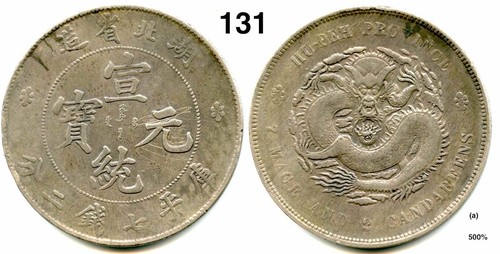
Xuantong Yuanbao 7 Mace 2 Candareens identified by the community
Real coins identified with Coin Identifier.
Other coins you may enjoy
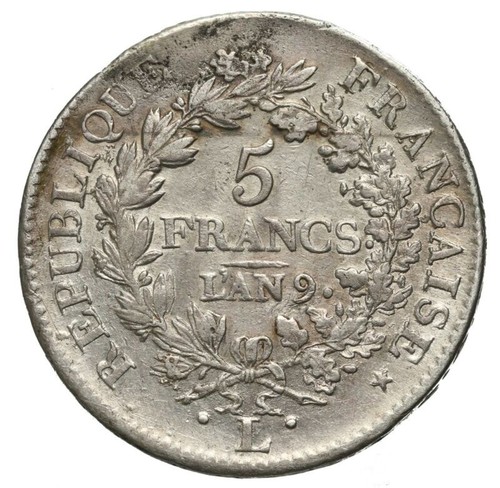
5 Francs (First Republic)
L'an 9 (1800–1801)
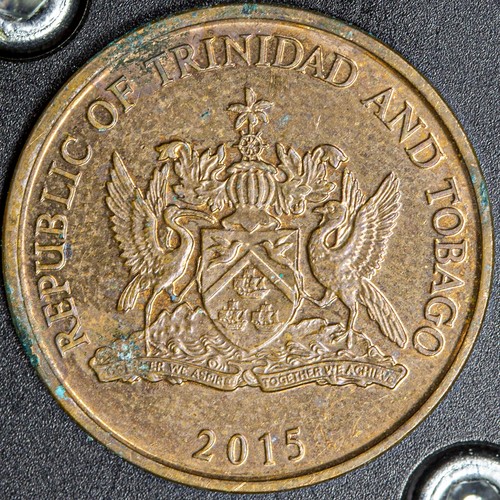
Trinidad and Tobago Dollar
2015
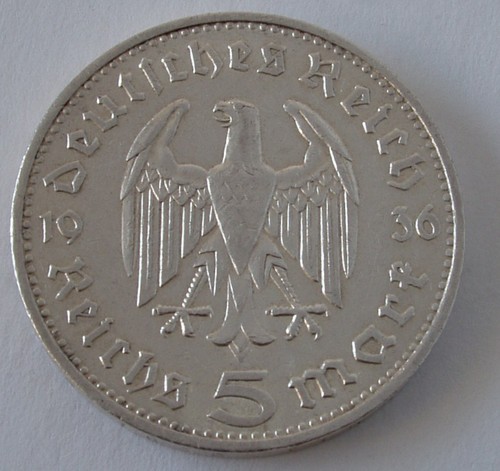
German 5 Reichsmark (Hindenburg)
1935–1936 (Hindenburg type with swastika)
5 Francs Semeuse
1960–1969
French Cérès 1 Franc
1849–1895
French Semeuse 2 Francs
1898–1920 (silver issues; pictured example dated 1899)
French Semeuse 1 Franc
1898–1920 (silver Semeuse 1 franc type)
France 50 Cent Euro
1999–present
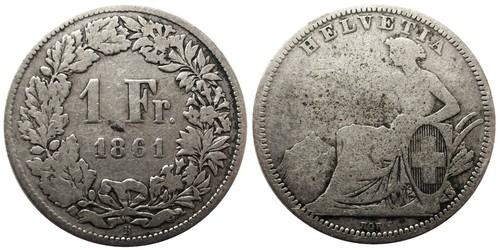
Swiss 1 Franc
1861
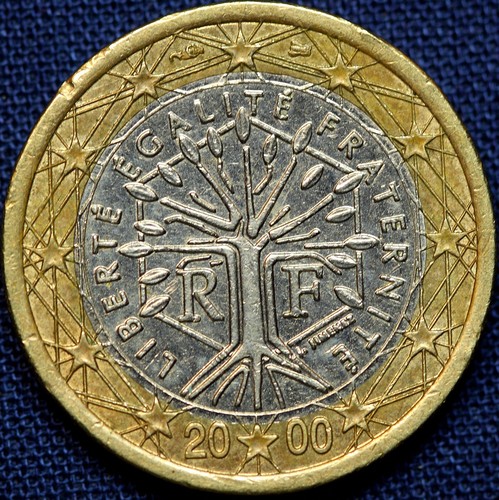
France 20 Centimes
1962–2001 (Fifth Republic, Marianne / Lagriffoul type)
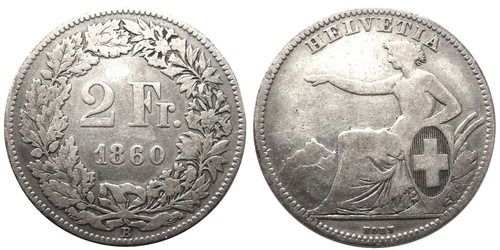
Swiss 2 Francs
1860
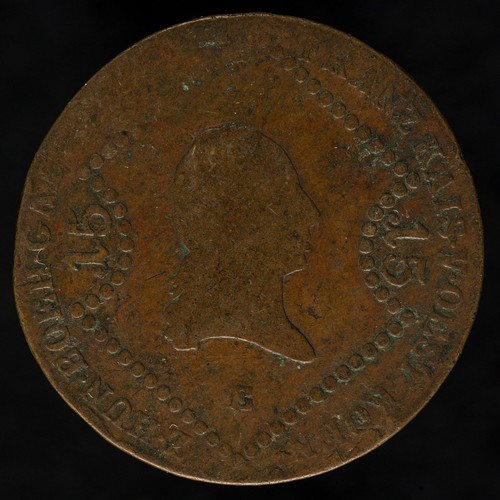
Austria-Hungary 15 Kreuzer
1807