
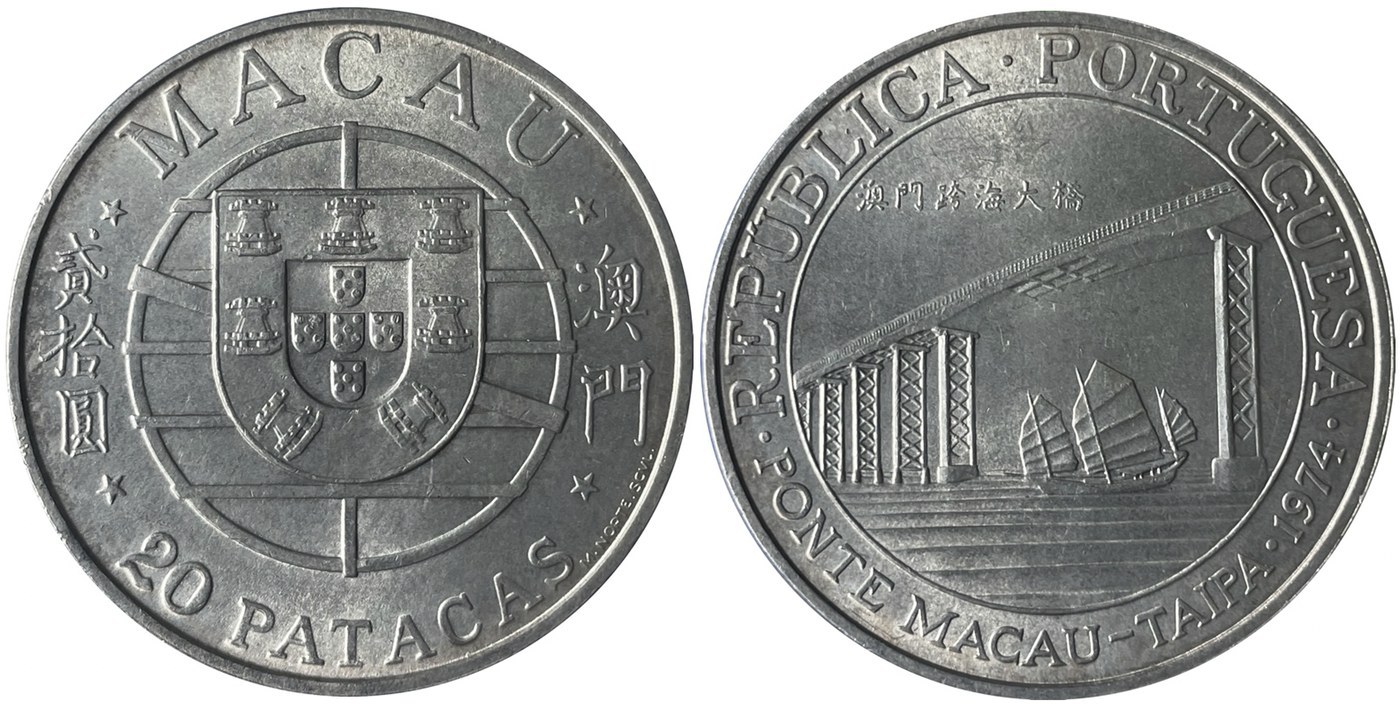
Macao 20 Patacas
A silver 20 patacas of Portuguese-administered Macau: the Portuguese coat of arms on one face and a harbor scene with a Chinese junk on the other.
- Country
- Macao
- Denomination
- 20 Patacas
- Metal
- Silver
Got a coin like this?
Identify any coin from a photo, free.
Overview
The 20 Patacas is a silver coin of Macau, issued during the long period when the territory was administered by Portugal. One face carries the Portuguese coat of arms, the familiar shield with its inner shields (quinas) and bordering castles, tying the piece to the sovereign power that governed Macau. The other face shows a harbor scene dominated by a traditional Chinese sailing vessel, or junk, set against a waterfront, an image that speaks directly to the port city's maritime character.
As a higher silver denomination in the pataca system, the coin is a substantial piece meant to carry real value. The pataca has served as Macau's monetary unit for well over a century, and a 20 patacas struck in silver sits near the top of the everyday denominations, bridging circulating money and the more presentation-oriented issues of the territory.
The pairing of Portuguese heraldry with a distinctly Chinese junk captures Macau's dual identity as a Portuguese-administered enclave on the South China coast. Today the coin is collected both for its silver content and as a compact emblem of that unusual cross-cultural history.
History & Background
Macau was governed by Portugal for centuries as a trading settlement on the Pearl River estuary, and it issued its own currency, the pataca, denominated separately from mainland Chinese money. Coins and notes struck for the territory carried Portuguese inscriptions and Portuguese state symbols while circulating in a predominantly Chinese city, and the 20 patacas belongs to this Portuguese-administration coinage.
The design language reflects that arrangement directly. The Portuguese coat of arms asserts the governing authority, while the junk-and-harbor reverse celebrates Macau itself as a working port. The junk was a recurring motif across Macau's coinage, appearing on several denominations, and its use on a silver piece of this size underscores the maritime commerce that defined the enclave.
Silver denominations of the pataca were produced in the twentieth century before Macau's transfer of administration to China in 1999. Because these coins were made for a small territory and often in limited quantities, surviving silver 20 patacas pieces are followed by collectors of both Portuguese colonial and Chinese-related numismatics.
How to Identify
Begin with the heraldic side. The central device is the Portuguese coat of arms: a shield bearing an arrangement of small inner shields (the quinas) within a border set with castles. Portuguese-language legends naming Macau accompany the arms. This heraldry is the surest sign that the coin was issued under Portuguese administration rather than by a Chinese authority.
Turn to the other side for the harbor scene. Look for a traditional Chinese junk, recognizable by its high stern and battened sails, shown on the water against a waterfront or shoreline. The denomination, written as 20 patacas, appears in the design along with the date. The contrast between European arms on one face and a Chinese vessel on the other is itself a strong identifier for Macau.
Physically this is a silver coin of substantial size and weight for its denomination. Confirm the type by the combination of the Portuguese coat of arms, the junk-and-harbor reverse, the 20 patacas denomination, and Portuguese lettering naming Macau. Check the exact date and any small marks against catalog references, since silver patacas were issued across more than one year.
Value & Collectibility
A silver 20 patacas carries value from its silver content and from its appeal as a coin of Portuguese-administered Macau, a small and historically distinctive issuing authority. Even circulated examples are worth a clear premium over face value, and the crossover interest between Portuguese colonial collectors and those drawn to Macau's Chinese context supports demand.
Condition and originality drive price. The raised detail of the coat of arms and the fine lines of the junk's hull and sails are the first areas to show wear, so coins that keep crisp devices and original, unpolished surfaces sit at the top of the range. Cleaning, scratches, and rim damage reduce desirability, as does any doubt about the date or issue.
Actual prices vary with grade, the specific year, any scarcer variety, and the silver market, so values are best checked against recent sales of comparable Macau silver patacas rather than a fixed figure. For higher-grade or higher-value examples, independent authentication is worthwhile.
Frequently asked questions
What country issued the 20 patacas?
It was issued for Macau during the period when the territory was administered by Portugal. That is why the coin combines the Portuguese coat of arms with Portuguese-language legends naming Macau, even though the enclave sat on the South China coast.
What is the ship on the reverse?
It is a traditional Chinese junk, a sailing vessel with a high stern and battened sails, shown in a harbor against a waterfront. The junk was a recurring symbol on Macau's coinage, reflecting the territory's identity as a busy port.
Is the 20 patacas made of silver?
Yes. This is a silver denomination, substantial in size and weight, so it carries intrinsic bullion value in addition to its collector appeal. Genuine examples feel heavy for their size.
What is a pataca?
The pataca is Macau's monetary unit, used in the territory for well over a century and kept separate from mainland Chinese currency. The 20 patacas is one of the higher everyday denominations in that system.
Why does it mix Portuguese and Chinese imagery?
Macau was a Portuguese-administered enclave with a largely Chinese population. The Portuguese coat of arms marks the governing authority while the Chinese junk represents the port city itself, so the coin reflects that dual identity.
Macao 20 Patacas guides
In-depth guides for identifying, valuing, and collecting Macao 20 Patacas.
Other coins you may enjoy
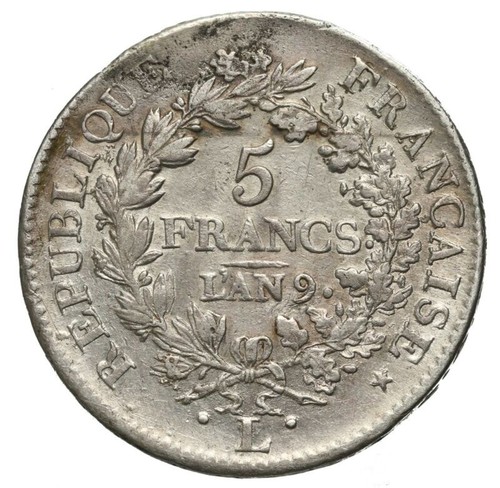
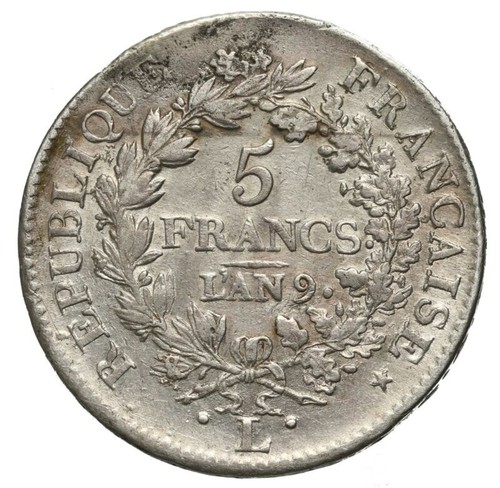
5 Francs (First Republic)
L'an 9 (1800–1801)
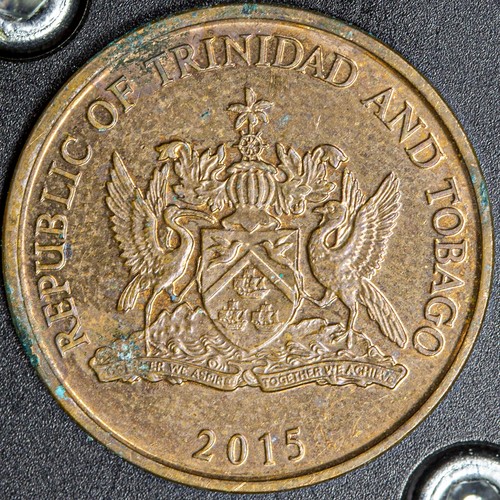
Trinidad and Tobago Dollar
2015
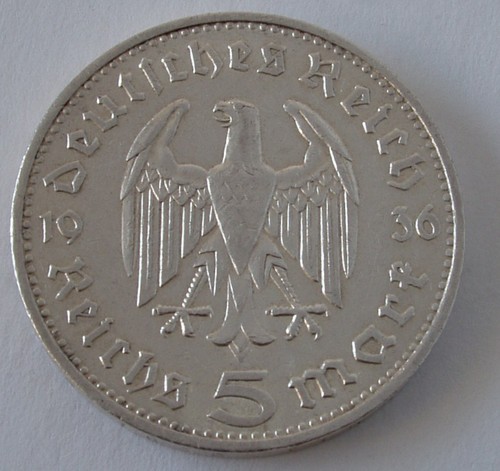
German 5 Reichsmark (Hindenburg)
1935–1936 (Hindenburg type with swastika)
5 Francs Semeuse
1960–1969
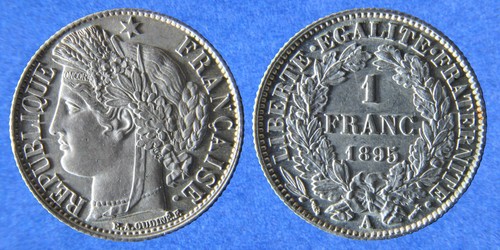
French Cérès 1 Franc
1849–1895
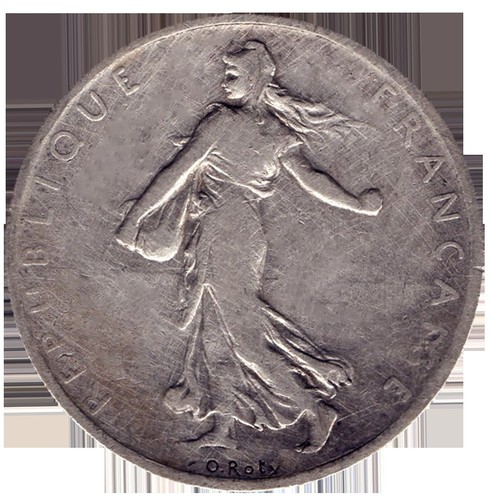
French Semeuse 2 Francs
1898–1920 (silver issues; pictured example dated 1899)
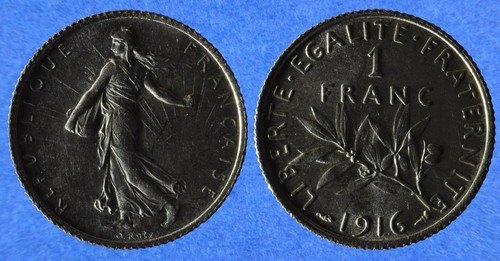
French Semeuse 1 Franc
1898–1920 (silver Semeuse 1 franc type)
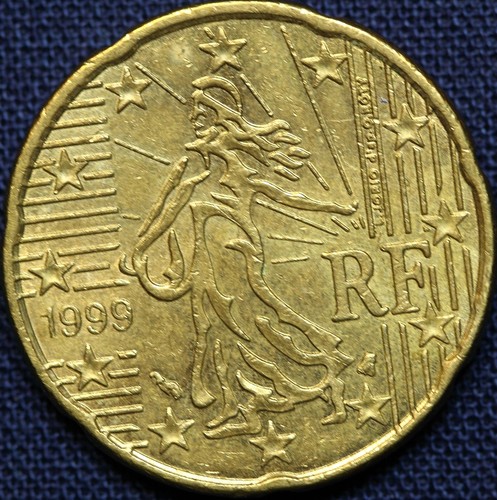
France 50 Cent Euro
1999–present
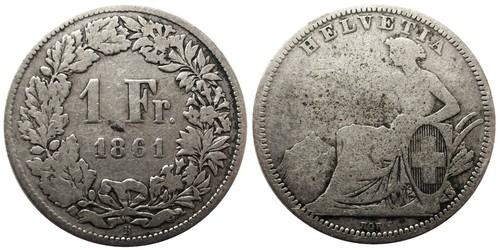
Swiss 1 Franc
1861
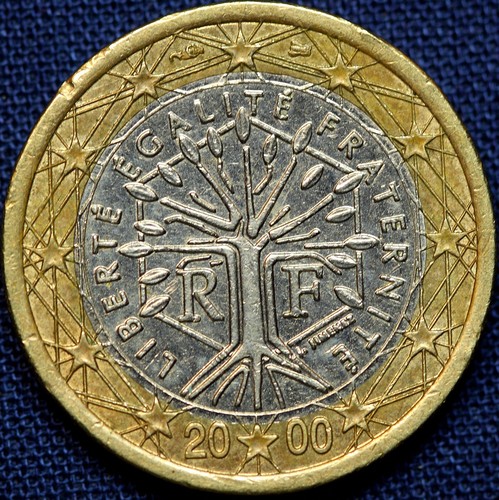
France 20 Centimes
1962–2001 (Fifth Republic, Marianne / Lagriffoul type)
Swiss 2 Francs
1860
Austria-Hungary 15 Kreuzer
1807