
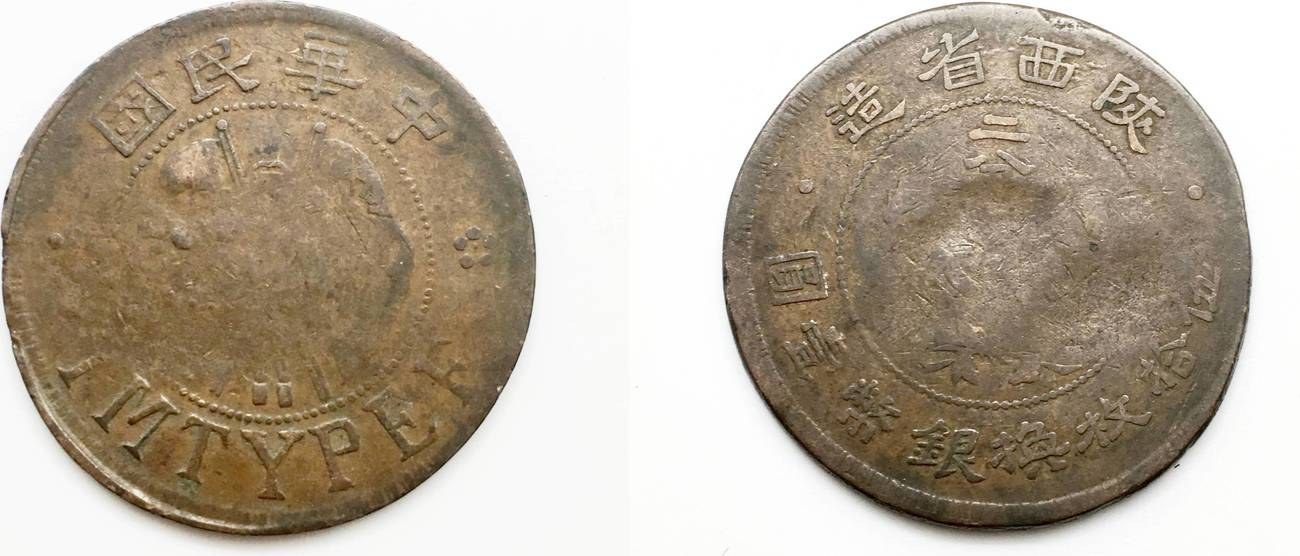
Shanxi 2 Fen
A holed Republic-era Chinese copper 2 Fen struck for Shanxi Province, dated 1931, with a numeral 2 and Chinese legends around a central hole.
- Country
- China
- Denomination
- 2 Fen
- Metal
- Copper
Got a coin like this?
Identify any coin from a photo, free.
Overview
The coin pictured is a Shanxi 2 Fen, a small copper piece struck for the northern Chinese province of Shanxi during the Republic period and dated 1931. Its most striking feature is the central hole piercing the coin, a design echoing China's ancient cash coins but applied here to a modern decimal denomination.
The obverse carries Chinese characters arranged around the hole together with the numeral 2, marking the two-fen value. The reverse shows an ornamental circular design also centered on the hole. The fen was a subunit of the Chinese yuan (dollar), so two fen represented a very small everyday value.
This is a provincial circulation coin rather than a national issue, produced under the regional administration that controlled Shanxi in the early 1930s. As base-metal small change with a distinctive holed format, it is collected today as a piece of Republican-era provincial coinage rather than for any precious-metal content.
History & Background
In the years after the founding of the Chinese Republic in 1912, coinage remained highly decentralized, and individual provinces continued to strike their own copper and silver money. Shanxi Province, in China's north, was one such region, and during the early 1930s it issued its own low-denomination copper coins, including this 2 Fen dated 1931 (Year 20 of the Republic).
The holed format is notable. While most Republican copper coins of the period were solid flans in the Western style, Shanxi's holed fen coins deliberately recalled the square- or round-holed cash that had circulated in China for over two millennia. This blend of an old form with a modern decimal denomination reflects the transitional character of Chinese money in this era.
Shanxi in this period was governed under a strong regional administration, and its provincial coinage circulated chiefly within the province and neighboring areas. Such local copper issues were eventually superseded as the national government worked toward a more unified currency later in the 1930s, leaving these holed provincial coins as artifacts of a fragmented monetary landscape.
How to Identify
Identify this coin first by its central hole combined with a modern denomination: a small copper piece with a hole through the middle and the numeral 2 indicating two fen. The obverse groups Chinese characters around the hole, naming the province and value, while the reverse bears an ornamental circular design framing the same central opening.
The date corresponds to 1931 (Republic Year 20) and, on Republican coins, is normally written in Chinese characters as a year of the Republic rather than in Western numerals. Reading the provincial name in the legend is the key step in attributing the piece to Shanxi as opposed to other provinces that also struck copper coins in this period.
Physically, expect a small, light copper coin showing the reddish-brown tone of circulated copper. The holed shape, the two-fen value, the Shanxi provincial legend, and the 1931 date together confirm the type; the exact characters and any minor variety details should be read directly from the coin and checked against a specialized Chinese coin reference.
Value & Collectibility
As a base-metal provincial coin, the Shanxi 2 Fen draws its value from collector interest rather than metal content. Ordinary circulated examples of Republican copper coins are generally inexpensive, while pieces with strong detail, even surfaces, and clear legends command more attention from collectors of Chinese provincial coinage.
Condition is the main driver of price. Copper coins of this era are often found worn, corroded, or with environmental damage, and problem-free examples with sharp characters and an intact, undamaged hole are the more desirable. Cleaned or heavily worn pieces sell at a discount.
Because values vary with grade, variety, and demand, treat any single figure with caution and compare against recent sales of the same Shanxi holed fen type. For a scarcer variety or an unusually well-preserved coin, professional grading and authentication add confidence.
Frequently asked questions
Why does this coin have a hole in the middle?
The central hole recalls China's traditional cash coins, which were holed for stringing together. Shanxi applied this old form to a modern decimal denomination, so the 2 Fen combines an ancient shape with a Republic-era value.
What does '2 Fen' mean?
The fen was a small subunit of the Chinese yuan (dollar). Two fen was a very low everyday value, making this a minor copper coin used for small change within Shanxi and nearby areas.
What is the date on this coin?
The pictured example is dated 1931, which corresponds to Year 20 of the Chinese Republic. Republican coins usually express the year in Chinese characters as a year of the Republic rather than in Western numerals.
Is the Shanxi 2 Fen valuable?
It is a base-metal copper coin, so its worth comes from collector interest rather than metal value. Common circulated pieces are inexpensive, while well-preserved examples with clear legends and an undamaged hole are more sought after.
Why did a single province issue its own coins?
In the early Republic, Chinese coinage was decentralized, and provinces such as Shanxi struck their own copper and silver money. This provincial 2 Fen circulated mainly within the region before the national currency became more unified later in the 1930s.
Shanxi 2 Fen guides
In-depth guides for identifying, valuing, and collecting Shanxi 2 Fen.
Other coins you may enjoy
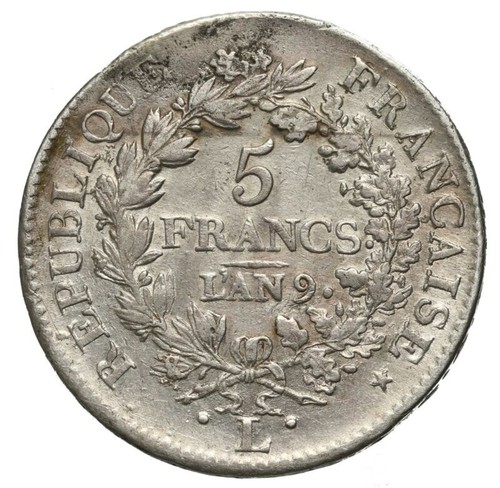
5 Francs (First Republic)
L'an 9 (1800–1801)
Trinidad and Tobago Dollar
2015
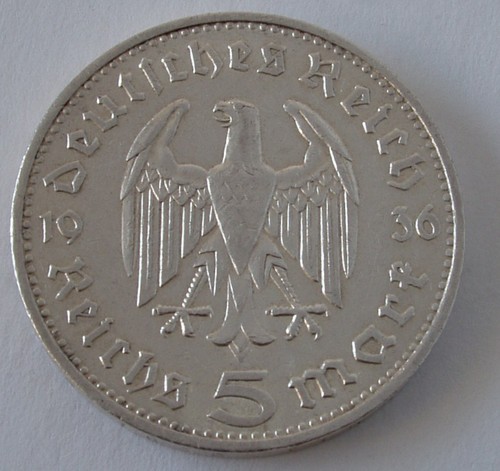
German 5 Reichsmark (Hindenburg)
1935–1936 (Hindenburg type with swastika)
5 Francs Semeuse
1960–1969
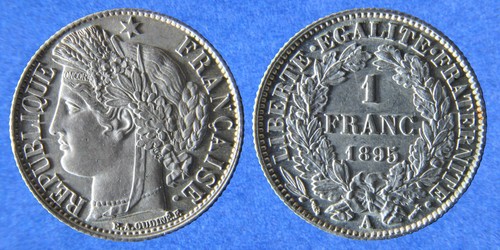
French Cérès 1 Franc
1849–1895
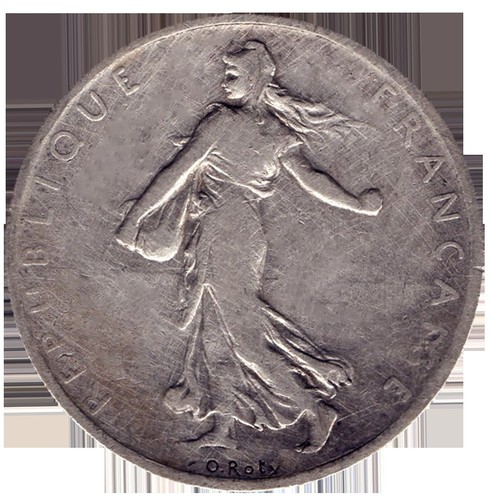
French Semeuse 2 Francs
1898–1920 (silver issues; pictured example dated 1899)
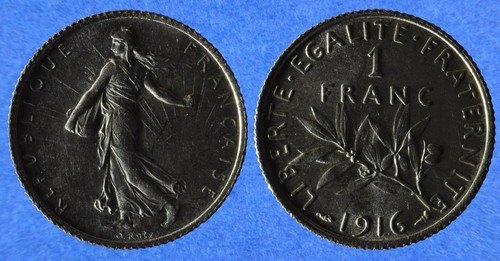
French Semeuse 1 Franc
1898–1920 (silver Semeuse 1 franc type)
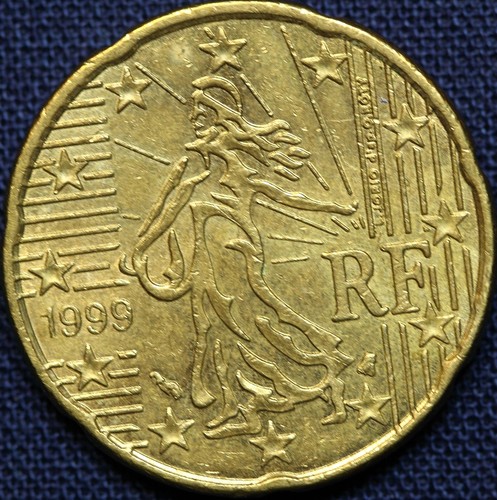
France 50 Cent Euro
1999–present
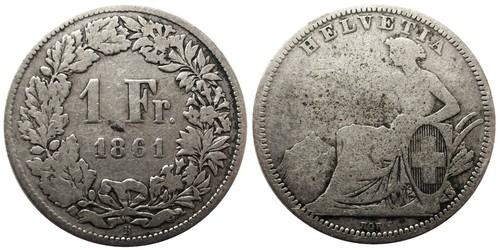
Swiss 1 Franc
1861
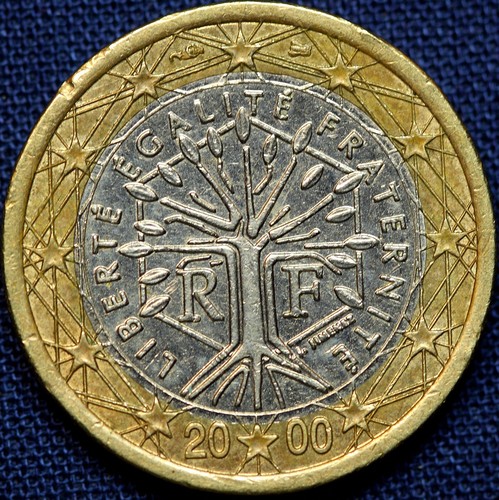
France 20 Centimes
1962–2001 (Fifth Republic, Marianne / Lagriffoul type)
Swiss 2 Francs
1860
Austria-Hungary 15 Kreuzer
1807