
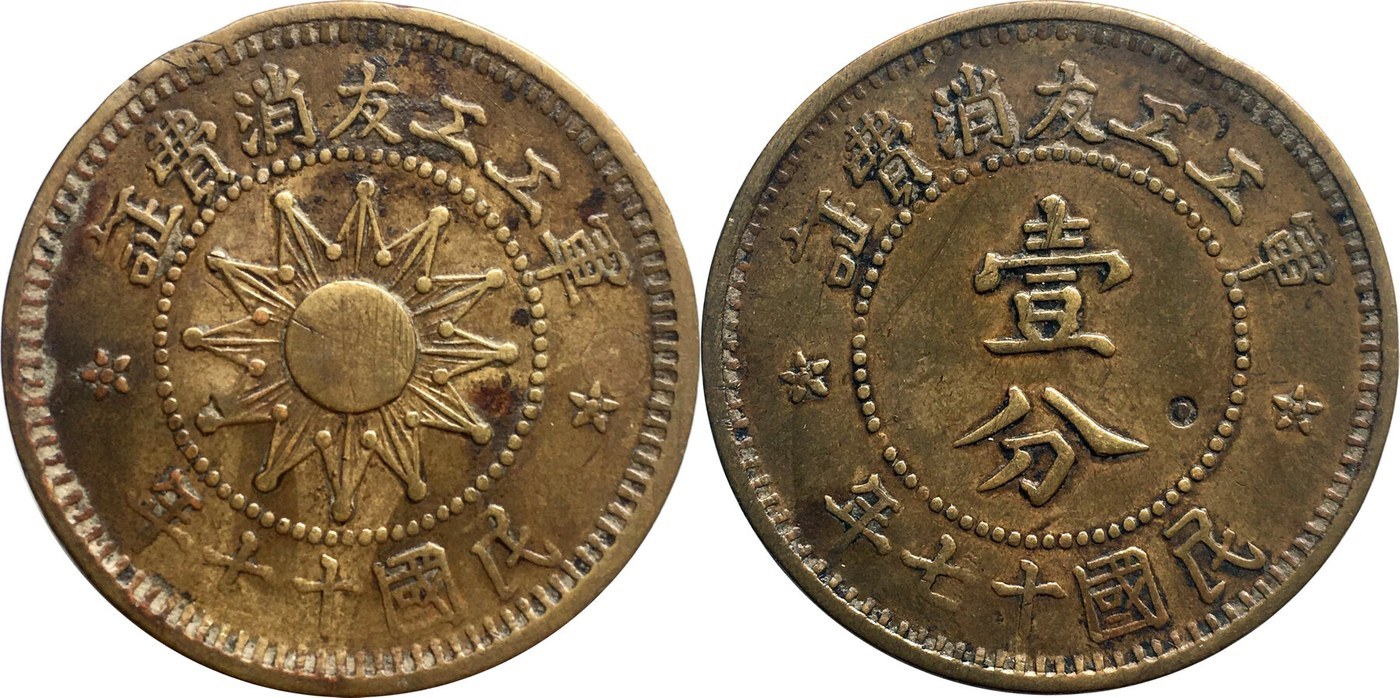
Shansi Arsenal 1 Fen
A holed copper 1 Fen struck by the Shansi Arsenal in 1928, with Chinese inscriptions and numeral '1' around a central square hole.
- Country
- China
- Denomination
- 1 Fen
- Metal
- Copper
Got a coin like this?
Identify any coin from a photo, free.
Overview
The pictured coin is a Chinese 1 Fen in copper, produced by the Shansi (Shanxi) Arsenal and dated to Republic Year 17 (1928). It is a small provincial circulation piece distinguished by a central hole, a feature that harks back to China's long tradition of holed cash coins while being struck by modern machinery rather than cast.
The obverse carries Chinese inscriptions arranged around the hole together with the numeral 1, marking the one-fen value. The reverse shows an ornamental design framing the same central hole. As a minor denomination, the fen was a fractional unit used for everyday small transactions within the province.
This issue is collected as a piece of Republican-era Chinese provincial coinage. It reflects the decentralized minting of the period, when regional arsenals and provincial authorities struck their own small change alongside the national currency.
History & Background
During the early Republic, China's coinage was highly decentralized, with provinces and regional powers issuing their own copper and silver money. Shanxi Province, under the long control of the regional militarist Yan Xishan, operated its own mint and arsenal at Taiyuan, which produced coinage and munitions for the province. The Shansi Arsenal issues of the late 1920s belong to this pattern of provincial self-sufficiency.
The Republic Year 17 (1928) date places the coin in a turbulent period, amid the shifting alliances and conflicts among regional powers and the Nationalist government. Small holed copper denominations like this 1 Fen were intended to supply low-value circulating change for the provincial economy, where older cash coins and a mix of copper pieces still changed hands.
The central hole and modest fabric tie the coin to the transition from traditional cast cash to machine-struck coinage. Provincial arsenal issues of this era are studied today as tangible evidence of China's fragmented monetary landscape before greater centralization in the following decade.
How to Identify
Identify the coin by its combination of small size, copper metal, and a central hole. Around the hole on the obverse you will find Chinese inscriptions together with the numeral 1, indicating the one-fen denomination; the reverse bears an ornamental design surrounding the same hole.
The legends and date are written in Chinese characters. The date is expressed in the Republican calendar as Year 17, corresponding to 1928. Reading the characters and matching them against a reference for Shansi/Shanxi provincial issues confirms both the issuer and the year, since several small holed coppers of the period look broadly similar.
Because this is a minor provincial issue, exact specifications such as diameter and weight should be measured from the coin in hand and compared with catalog entries. The central hole, copper color, and Republican Year 17 dating together are the most reliable diagnostics for attributing it to the Shansi Arsenal.
Value & Collectibility
Value for a small provincial copper like the Shansi Arsenal 1 Fen is driven mainly by condition and eye appeal. Well-struck examples with clear characters, a cleanly centered hole, and even surfaces are more desirable, while worn, corroded, or damaged pieces sit at the lower end. As a low denomination that circulated heavily, many surviving coins show significant wear.
These pieces generally fall in the modest collectible range typical of Republican-era provincial copper minors rather than the higher values of scarce silver dollars. Interest comes chiefly from collectors of Chinese provincial and holed coinage, for whom the Shansi Arsenal issues form a distinct series.
Because condition and specific variety swing prices, treat any single figure with caution and compare against recent sales of the same type and date. For better examples, third-party grading and attribution help confirm authenticity and support value.
Frequently asked questions
What is a fen?
A fen is a small fractional unit of the Chinese currency, used for low-value everyday transactions. This coin is a 1 Fen piece, one of the minor denominations of the Republican period.
Why does the coin have a hole in the middle?
The central hole echoes China's centuries-old tradition of holed cash coins. Even as coinage moved to machine striking, some provincial issues like this Shansi Arsenal 1 Fen kept the familiar hole.
What does Republic Year 17 mean?
It is a date in the Chinese Republican calendar, which counts from 1912 as year 1. Year 17 corresponds to 1928, the year this coin was made.
Who made this coin?
It was produced by the Shansi (Shanxi) Arsenal, the provincial mint and arsenal at Taiyuan in Shanxi Province, during the era of decentralized Republican Chinese coinage.
Is this coin made of gold or silver?
No. It is a copper coin, a minor circulation denomination. Its value to collectors comes from its historical interest as a provincial issue rather than from precious-metal content.
Shansi Arsenal 1 Fen guides
In-depth guides for identifying, valuing, and collecting Shansi Arsenal 1 Fen.
Other coins you may enjoy
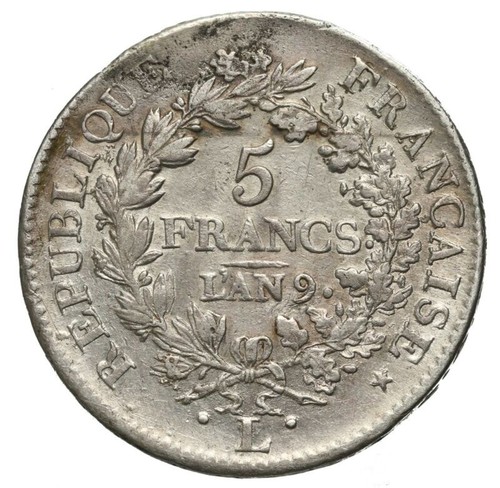
5 Francs (First Republic)
L'an 9 (1800–1801)
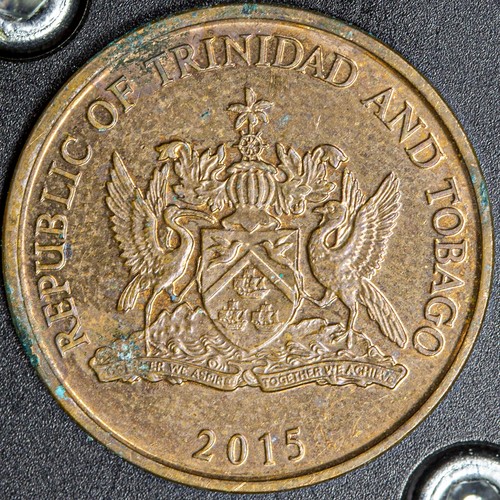
Trinidad and Tobago Dollar
2015
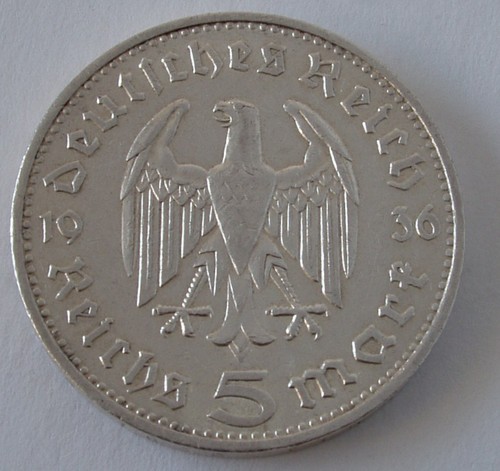
German 5 Reichsmark (Hindenburg)
1935–1936 (Hindenburg type with swastika)
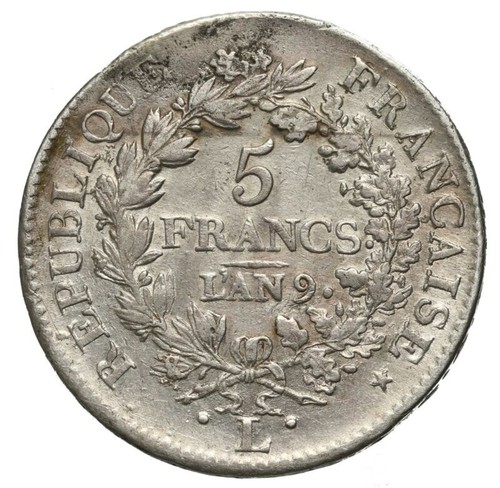
5 Francs Semeuse
1960–1969
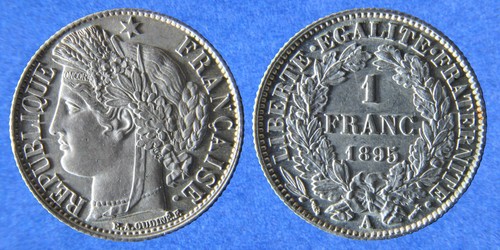
French Cérès 1 Franc
1849–1895
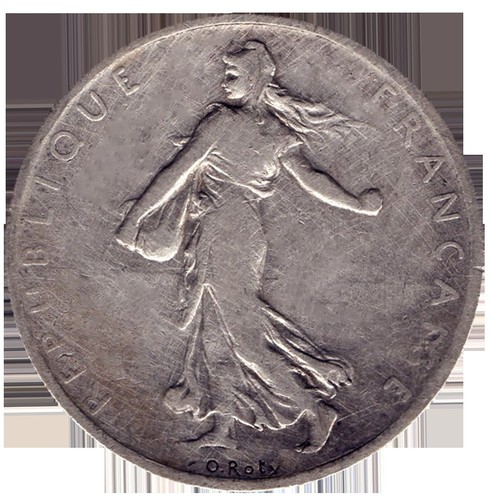
French Semeuse 2 Francs
1898–1920 (silver issues; pictured example dated 1899)
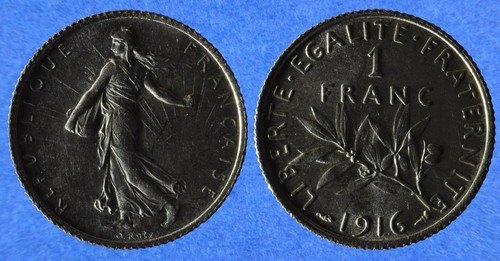
French Semeuse 1 Franc
1898–1920 (silver Semeuse 1 franc type)
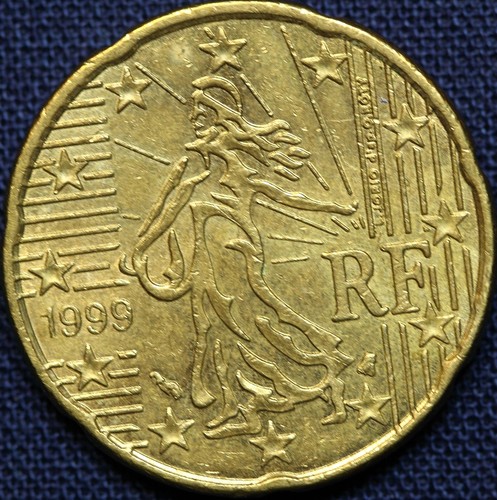
France 50 Cent Euro
1999–present
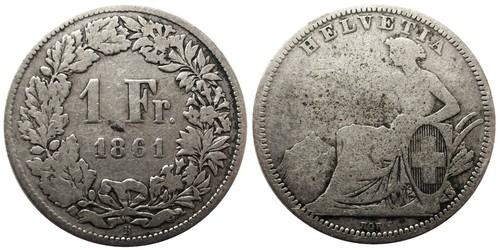
Swiss 1 Franc
1861
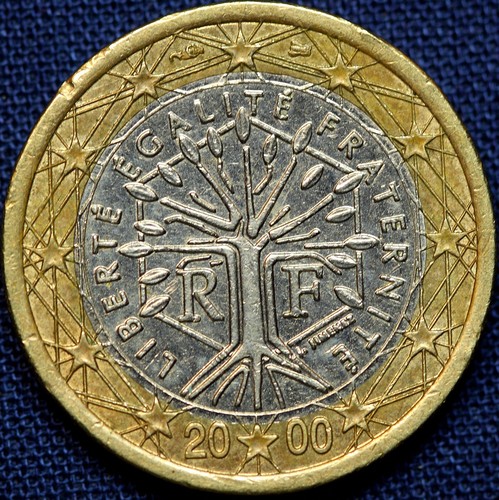
France 20 Centimes
1962–2001 (Fifth Republic, Marianne / Lagriffoul type)
Swiss 2 Francs
1860
Austria-Hungary 15 Kreuzer
1807