
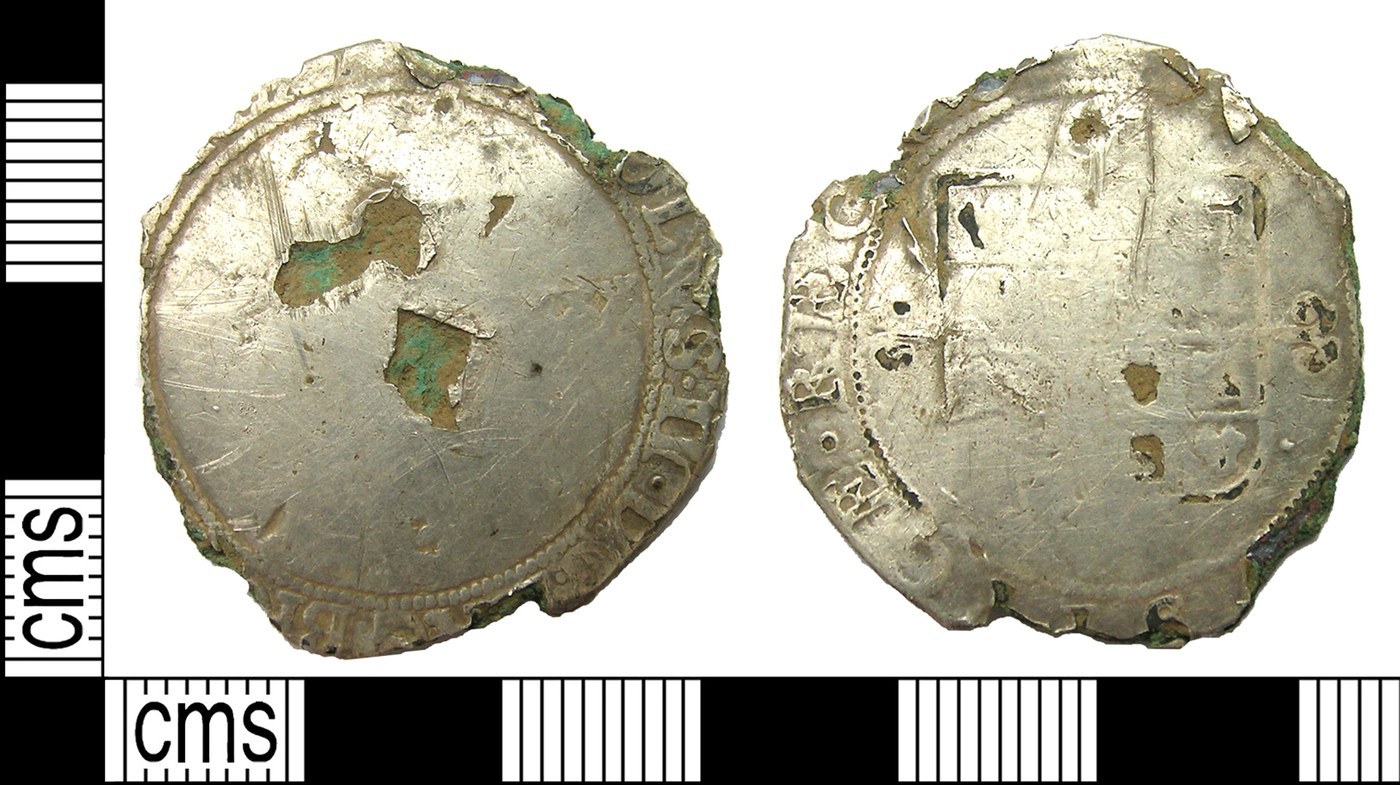
Charles II Crown
Milled English silver crown of Charles II (reigned 1660-1685), a large machine-struck five-shilling piece with a laureate bust and cruciform shields.
- Country
- England
- Denomination
- Crown
- Metal
- Silver
Got a coin like this?
Identify any coin from a photo, free.
Overview
The Charles II Crown is a large silver five-shilling coin struck during the reign of Charles II, whose Restoration reign ran from 1660 to 1685. Unlike the hand-struck crowns of earlier reigns, it belongs to the milled series, produced on machinery at the Tower Mint and struck to a regular round shape with a lettered edge.
The crown was among the largest circulating silver coins of the period and is a popular type with collectors of Stuart and early milled English coinage. Because it circulated heavily and is now several centuries old, many surviving examples show significant wear, corrosion or damage, and condition varies enormously from piece to piece.
History & Background
Charles II returned to the throne in 1660 at the Restoration of the monarchy, following the Commonwealth period. Early in the reign the old hammered coinage continued briefly, but in 1662 England adopted machine-made "milled" coinage on a permanent basis, and the milled silver crown was introduced as part of this modernized currency.
The milled crown was produced across much of the reign to about 1685, using portrait designs by the engraver John Roettier. The lettered edge, carrying the motto DECVS ET TVTAMEN ("an ornament and a safeguard") together with the regnal year, was introduced in part as an anti-clipping and anti-forgery measure. Some issues carry small provenance marks below the bust, such as a rose, plume, or an elephant (or elephant and castle), indicating the source of the silver.
How to Identify
The obverse shows a laureate, draped bust of Charles II facing right, surrounded by a Latin royal legend beginning CAROLVS II DEI GRATIA. On heavily worn or corroded coins, the right-facing laureate head is usually the most recognizable surviving feature even when finer detail is lost. The reverse displays four crowned shields of arms arranged in a cross (cruciform), with interlinked C's in the angles between them and a central star of the Order of the Garter.
The coin is a large milled silver piece, roughly 38-40 mm in diameter and weighing on the order of 29-30 grams, struck in sterling-standard silver. Being machine-struck, genuine examples are essentially round with a lettered edge, in contrast to the irregular flans of earlier hammered crowns.
The date is generally rendered on the reverse and, together with the regnal year spelled out on the edge, helps place a coin within the reign. On the corroded example shown here, edge and date detail may be difficult or impossible to read, so attribution relies on the overall bust-and-shields design and the coin's size and metal.
Value & Collectibility
Charles II crowns are collectable but were struck in quantity over more than two decades, so common dates in low grade are relatively affordable. Heavily worn, corroded or damaged examples like the one pictured typically trade from a modest premium over their silver content up into the low hundreds of pounds or dollars, depending on how much design remains.
Problem-free coins in genuinely collectable grade generally command higher sums, and attractive pieces with clear detail, scarcer dates, or desirable provenance marks (such as the elephant) can reach into the thousands. Corrosion, holes, cleaning and damage sharply reduce value, so a piece with surface pitting or perforation is worth far less than a sound example of the same date.
As a well-known and valuable large silver coin, the type has been widely copied and forged. Weight, diameter, edge lettering and metal composition should all be checked, and significant purchases are best made from reputable sources or with independent authentication.
Frequently asked questions
What is a Charles II Crown worth?
Common dates in worn or damaged condition often trade from a small premium over silver content up into the low hundreds. Better-preserved coins, scarcer dates and desirable provenance marks can bring considerably more, into the thousands.
Is the Charles II Crown hammered or milled?
It is a milled (machine-struck) coin. England adopted permanent milled coinage in 1662, so the Charles II crown is round with a lettered edge rather than the irregular flan of earlier hammered crowns.
What does the reverse of a Charles II Crown show?
Four crowned shields of arms arranged as a cross, with interlinked C's in the angles and a central Garter star. The obverse shows the laureate bust of Charles II facing right.
Why is my Charles II Crown corroded or holed?
These coins are several centuries old and often circulated or were buried, so surface corrosion, pitting and even holes are common. Such damage significantly lowers collector value compared with a clean, sound example.
Charles II Crown guides
In-depth guides for identifying, valuing, and collecting Charles II Crown.
Other coins you may enjoy
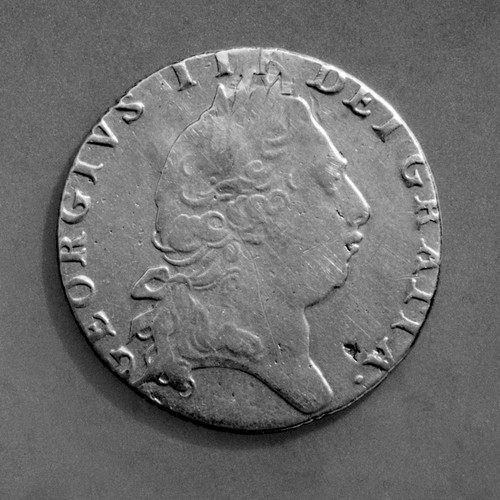
Spade Guinea
1760-1820
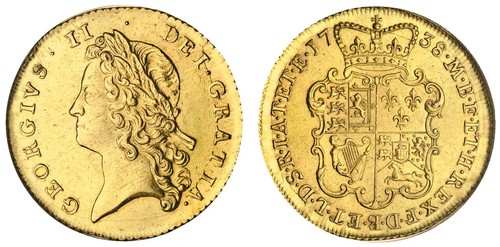
Two Guineas of George II
1738–1753
Shilling of Victoria
1838-1901
Sovereign of George IV
1821-1830
Sovereign of William IV
1831–1837
Penny of William IV
1831-1837
Shilling of George III
1816-1820
Milled Sixpence of Elizabeth I
1561-1571
Shilling of George II
1727-1758
Shilling of Anne
1702-1714
Charles II Twopence
1660-1685
Charles II Half Crown
1660–1685