
Coin Encyclopedia
Search and identify coins from around the world — with country, denomination, metal, mint, history, and how to tell them apart.
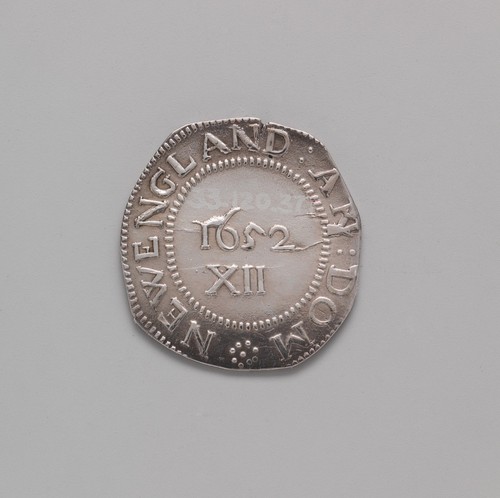
English Shilling
English silver shilling of William III, showing his right-facing laureate bust and a crowned cruciform-shield reverse; this example is dated 1692.
World Coin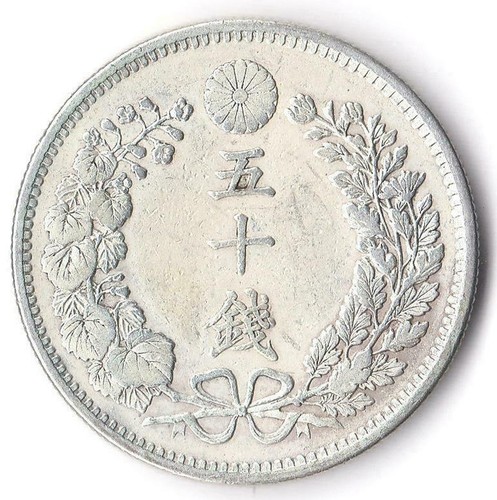
50 Sen (Dragon Type)
A Meiji-era Japanese silver 50 sen: a coiled dragon on one face, a sunburst-and-wreath value design on the other, dated Meiji 4 (1871).
Circulation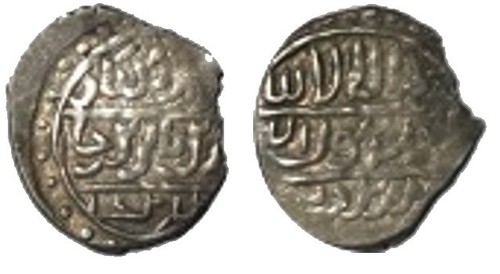
Akçe
The akçe was the tiny silver coin at the heart of the early Ottoman economy, struck with Arabic-script inscriptions and no portrait or figural imagery.
Medieval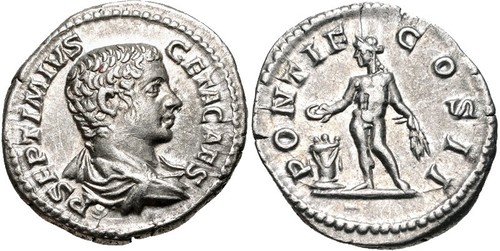
Denarius of Geta
Silver denarius of the Severan prince Geta, showing his youthful bust with a standing deity or personification on the reverse.
Ancient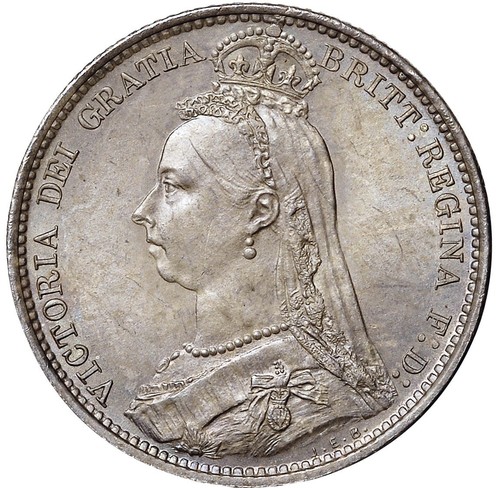
British Sixpence
Small British silver sixpence (6d); this example is an 1888 Queen Victoria 'Jubilee head' with the crowned, veiled bust.
British Isles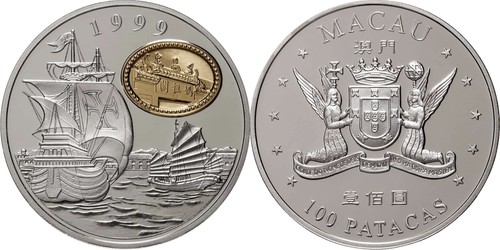
Macao 100 Patacas Return to China Commemorative
A 1999 Macao 100 patacas commemorative marking the return to China: a Portuguese ship with a gold center on one side, the Macao coat of arms on the other.
Commemorative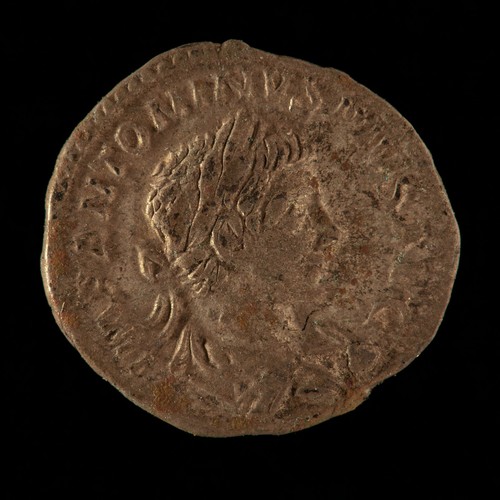
Denarius of Elagabalus
Silver denarius of the young Severan emperor Elagabalus (218–222 AD), with his laureate bust and a standing personified deity on the reverse.
Ancient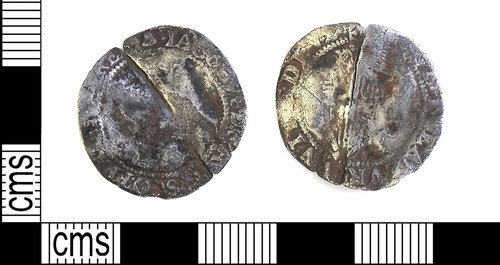
English Sixpence
A hammered silver sixpence of James I, showing his crowned profile bust and a quartered royal shield with a long cross on the reverse.
Hammered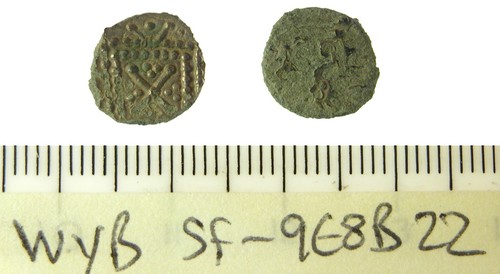
Anglo-Saxon Sceatta
Tiny thick silver coin of early Anglo-Saxon England, the example showing a stylized bird with geometric patterns and symbolic reverse designs.
Medieval Coins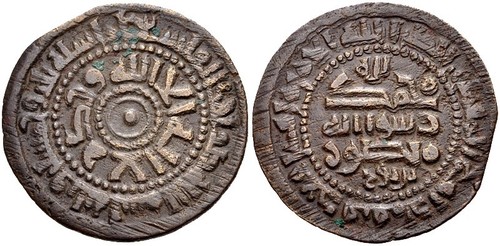
Samanid Dirham
A hand-struck silver dirham of the Samanid dynasty, covered on both sides in Arabic Kufic script naming God, the caliph and the mint — no images at all.
Islamic (Medieval)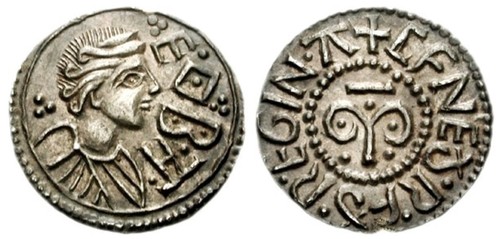
Penny of Cynethryth
Anglo-Saxon silver penny of Cynethryth, queen of Mercia and wife of Offa, and the only Anglo-Saxon queen named on her own coinage.
Medieval Coins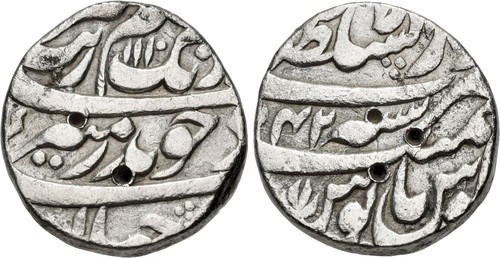
Aurangzeb Rupee
A broad, hand-struck silver rupee of the Mughal emperor Aurangzeb (Alamgir), carrying a Persian couplet and mint-and-year data rather than the usual Islamic creed.
Asian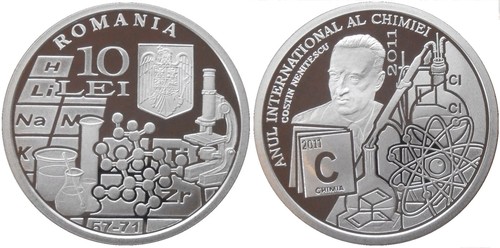
Romania International Year of Chemistry Commemorative
Romanian silver 10 lei commemorative dated 2011, issued for the International Year of Chemistry with molecular, laboratory and scientist imagery.
Commemorative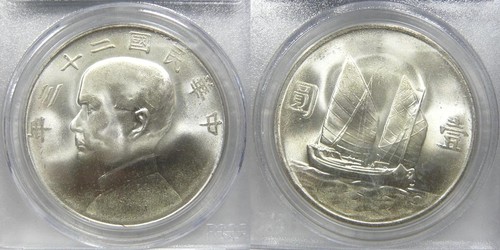
Junk Dollar
China's Republic-era silver dollar with Sun Yat-sen facing left and a Chinese junk under sail on the reverse; the pictured coin is Year 23 (1934).
Circulation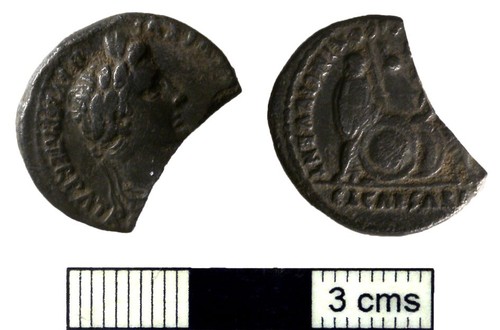
Roman Denarius
A small hammered silver coin of ancient Rome, showing an emperor's portrait and abbreviated Latin titles on one side and a deity or figure on the other.
Ancient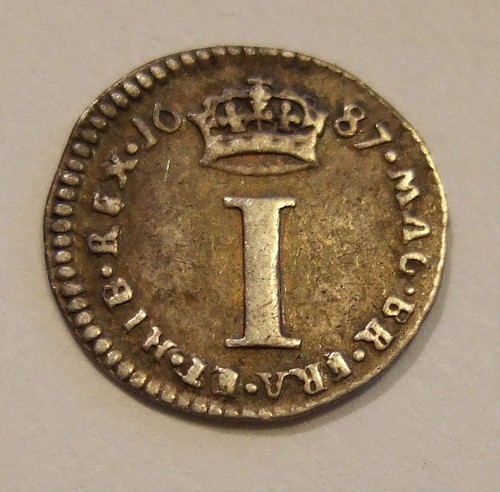
Maundy Money Penny
Tiny silver penny given as royal alms; this James II example (1687) shows a crowned bust and a crowned Roman numeral I reverse.
Maundy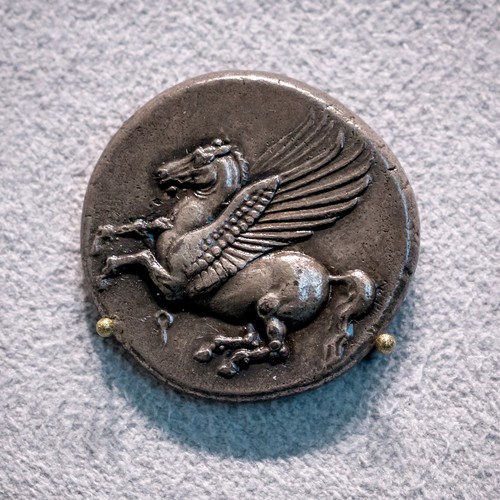
Corinthian Stater
Silver stater of ancient Corinth showing the winged horse Pegasos on one side and the helmeted head of Athena on the other.
Ancient Coins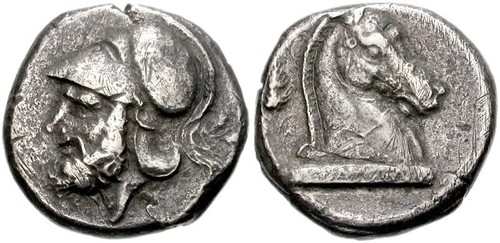
Ancient Greek Didrachm
An ancient Greek silver didrachm worth two drachms, here with a bearded male head and a horse-and-rider reverse in the tradition of Magna Graecia.
Ancient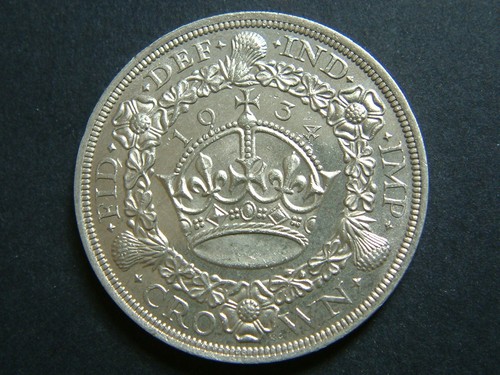
British Crown
A large George V silver crown of the 1927–1936 'wreath' type, showing the king's profile and a royal crown framed by an ornamental wreath.
British Isles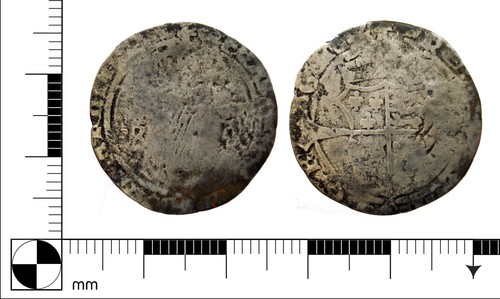
Medieval Coin
A worn hammered silver coin of the medieval era, with faded profile, legends, and a heraldic or emblematic reverse.
Hammered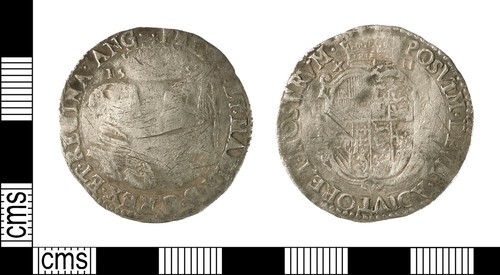
Philip and Mary Shilling
Hammered silver shilling of Philip II of Spain and Mary I (1554-1558), showing their paired royal busts and a crowned quartered shield of arms.
Hammered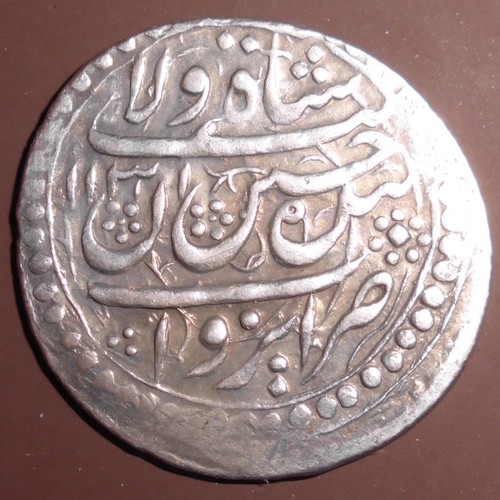
Abbasi of Shah Sultan Husayn
A hand-struck Safavid silver abbasi of Shah Sultan Husayn, covered entirely in flowing Persian-Arabic calligraphy with jeweled borders and no portrait.
Persia / Iran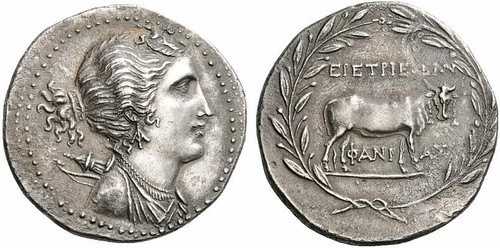
Tetradrachm of Eretria
A silver tetradrachm attributed to Eretria on Euboea, pairing the head of a female figure with a standing bull and the Greek legend EYBOIA.
Ancient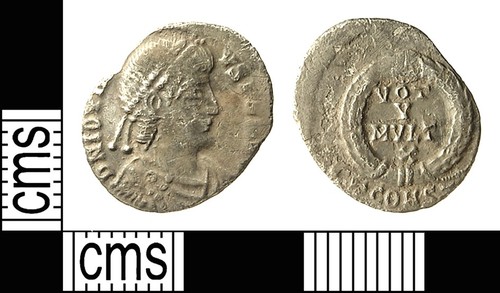
Siliqua of Jovian
Small late-Roman silver siliqua of Emperor Jovian (AD 363–364), with his right-facing portrait and a Victory or standing deity reverse.
Ancient