
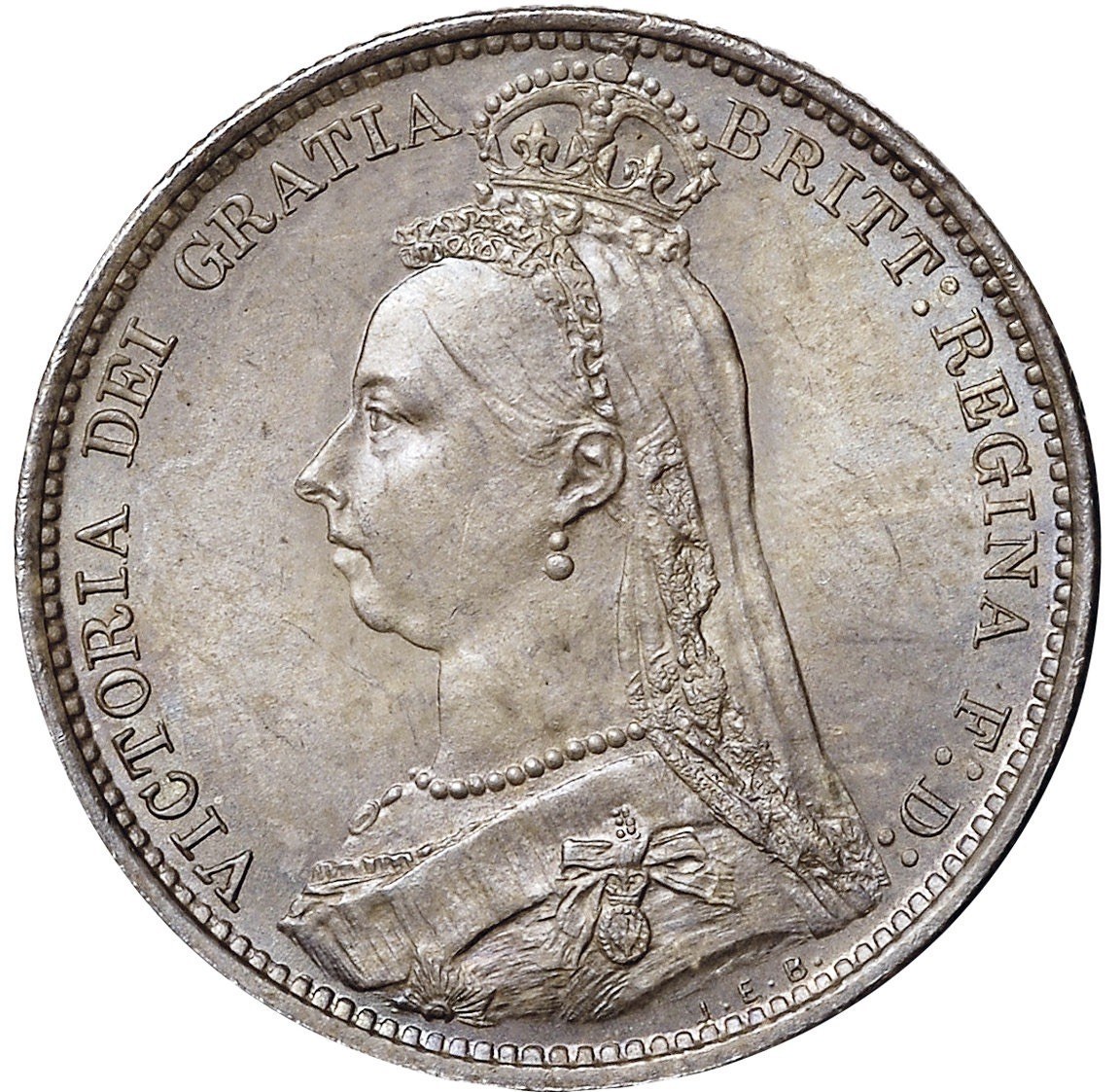
British Sixpence
Small British silver sixpence (6d); this example is an 1888 Queen Victoria 'Jubilee head' with the crowned, veiled bust.
- Country
- United Kingdom
- Denomination
- Sixpence
- Metal
- Silver
Got a coin like this?
Identify any coin from a photo, free.
Overview
The British Sixpence was a small silver coin worth six pence, one-fortieth of a pound in the old pre-decimal system. The example shown here is a Queen Victoria issue of the 'Jubilee head' type, dated 1888, on which the queen wears a small crown and veil — the elaborate headdress visible on the obverse — surrounded by the legend VICTORIA D:G: BRITT: REG: F:D: ('Victoria, by the Grace of God, Queen of the Britains, Defender of the Faith').
At this date the sixpence was struck in sterling silver (.925 fine) and is a physically small coin, roughly 19 mm across and under 3 grams. The reverse of the Jubilee-head sixpence carries the word SIXPENCE within a crowned wreath.
The sixpence was one of the most familiar coins in everyday British life for centuries and gained an affectionate slang name, the 'tanner.' It survived decimalisation only briefly and was demonetised in 1980.
History & Background
The sixpence was first struck under Edward VI in 1551 and remained part of British coinage for more than four centuries. The coin in the photograph belongs to the reign of Queen Victoria (1837–1901) and specifically to the 'Jubilee coinage' introduced in 1887 to mark her Golden Jubilee, which replaced the earlier 'young head' portrait with a crowned, veiled bust by Joseph Edgar Boehm.
The Jubilee sixpence had a troubled start. Its first 1887 reverse resembled the shield design of the half-sovereign, and gilded sixpences were passed off as gold coins, so that reverse was quickly withdrawn and replaced with a new reverse spelling out SIXPENCE within a crowned wreath. The 1888 coin shown here uses this revised, safer design.
The Jubilee portrait was itself replaced in 1893 by the 'old head' (veiled head) bust. Sixpences continued through Edward VII, George V, George VI, and Elizabeth II. The silver standard was reduced to .500 fine in 1920, silver was dropped entirely for cupro-nickel in 1947, and the last sixpences were struck in 1967 (with proofs in 1970) before the coin was demonetised in 1980.
How to Identify
Confirm the obverse first. This type shows Queen Victoria facing left wearing a small crown and veil (the Jubilee bust), with the legend VICTORIA D:G: BRITT: REG: F:D:. That legend — including the F.D. (Fid Def) title — together with the crowned, veiled portrait dates the coin to the 1887–1893 Jubilee series; the specific date 1888 appears on the reverse side.
The reverse of the Jubilee sixpence carries the denomination SIXPENCE within an ornamental wreath topped by a crown. Note that 1887 exists in two reverse styles (the withdrawn shield type and the later wreath type); from 1888 onward only the wreath 'SIXPENCE' reverse was used.
Check the physical standard as a cross-test: a Victorian sixpence of this date is sterling silver (.925), about 19.3 mm in diameter, roughly 2.83 g in weight, with a reeded edge. Its small size distinguishes it from the larger shilling (about 23–24 mm) and threepence-sized silver coins, which are smaller still.
Value & Collectibility
Most Victorian Jubilee sixpences are relatively common and, in worn circulated grades, are modest coins valued only a little above their small silver content. Condition is the main driver of value: coins with sharp, original detail and no wear command a substantial premium over well-circulated examples.
The 1887 shield-reverse variety carries some extra collector interest because of its short life, but the 1888 wreath reverse is a standard, widely available date. Exact prices vary with grade, eye appeal, and market conditions, so treat any single figure as indicative rather than fixed.
Because the coin contains sterling silver, even low-grade pieces retain a small intrinsic 'melt' value. For a specific coin, a graded or dealer opinion is the reliable way to set a value, particularly for higher-grade or lustrous examples where the premium over silver can be significant.
Frequently asked questions
What is a British sixpence worth in old money?
Six pence, which was half of a shilling and one-fortieth of a pound in the pre-decimal system of pounds, shillings, and pence.
Is the 1888 sixpence made of silver?
Yes. Victorian sixpences of this date are sterling silver (.925 fine). The silver standard was only reduced to .500 in 1920 and dropped entirely in 1947.
Why is Victoria shown wearing a small crown?
This is the 'Jubilee head' portrait introduced in 1887 for Queen Victoria's Golden Jubilee, depicting her with a small crown and veil. It was used on the sixpence from 1887 to 1893.
Why is a sixpence called a 'tanner'?
'Tanner' was long-standing British slang for the sixpence. The exact origin is uncertain, but the nickname was in common use for the small silver coin.
When did the sixpence stop being used?
Sixpences continued after decimalisation in 1971, valued at 2½ new pence, but were withdrawn from circulation and demonetised in 1980. The last were struck in 1967, with proofs in 1970.
British Sixpence guides
In-depth guides for identifying, valuing, and collecting British Sixpence.
Other coins you may enjoy
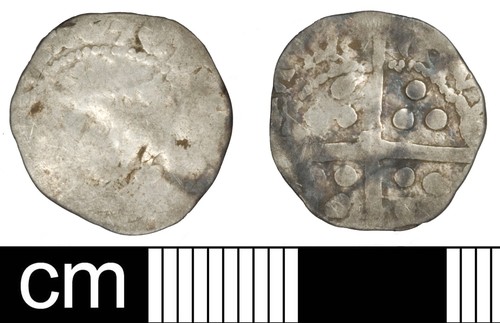
Medieval Penny of Edward III
1327–1377
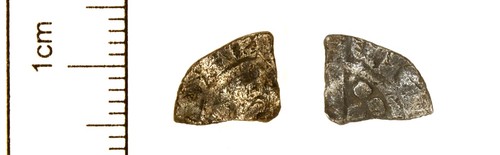
Medieval Silver Cut Farthing
1272-1509
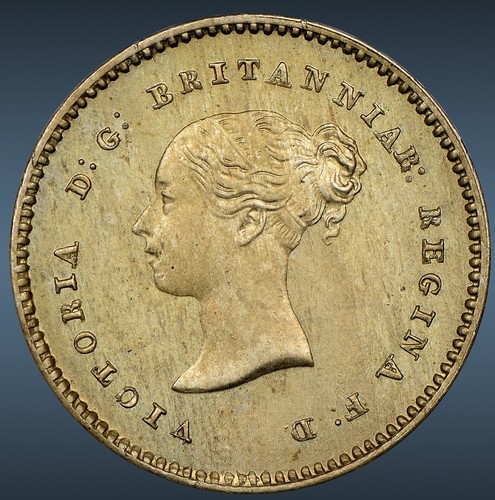
Quarter Farthing
1839-1868
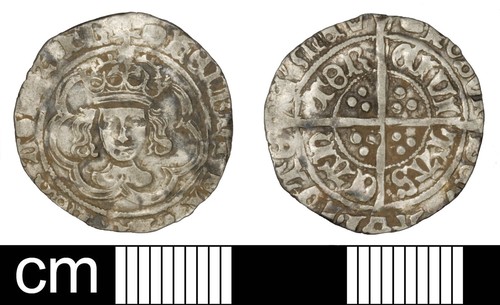
Medieval Halfgroat of Henry VII
1485-1509
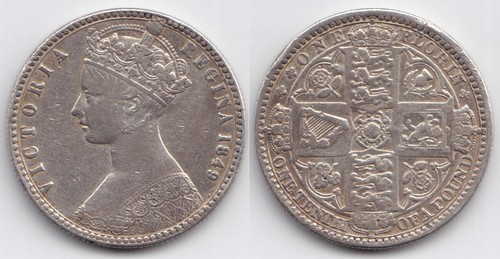
Godless Florin
1849
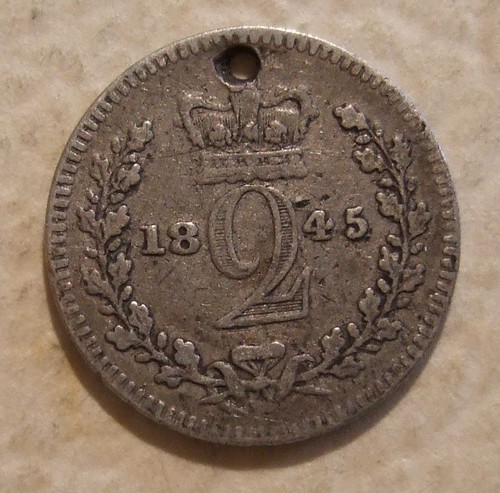
Victoria Maundy Twopence
1838–1901 (Young Head example shown: 1845)
British Silver Threepence
1838-1944
Victoria Maundy Fourpence
1838–1901 (Jubilee Head type shown: 1888–1892)
Imitation Guinea Gaming Piece
c. 1790-1900 (undated)
British Crown
1927–1936 (George V wreath crown; example dated 1934)
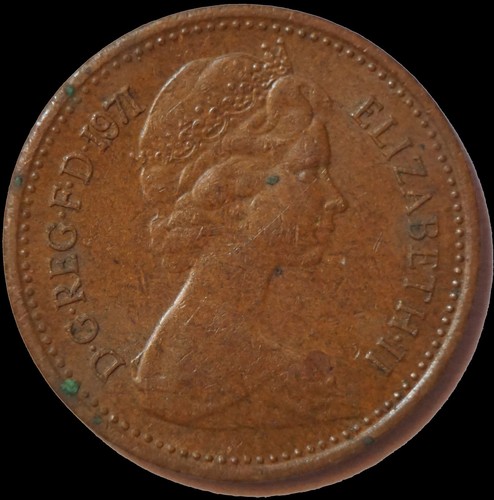
British Decimal Half Penny
1971–1984
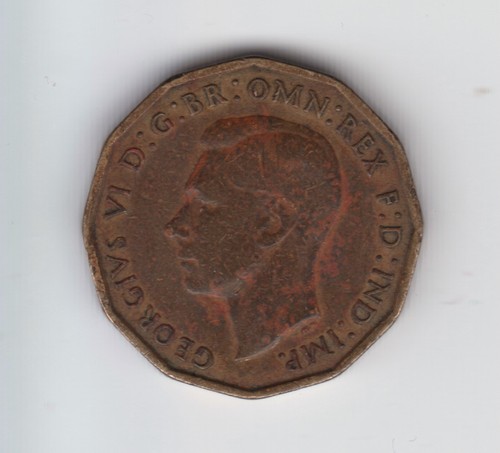
British Brass Threepence
1937-1967