
Coin Encyclopedia
Search and identify coins from around the world — with country, denomination, metal, mint, history, and how to tell them apart.
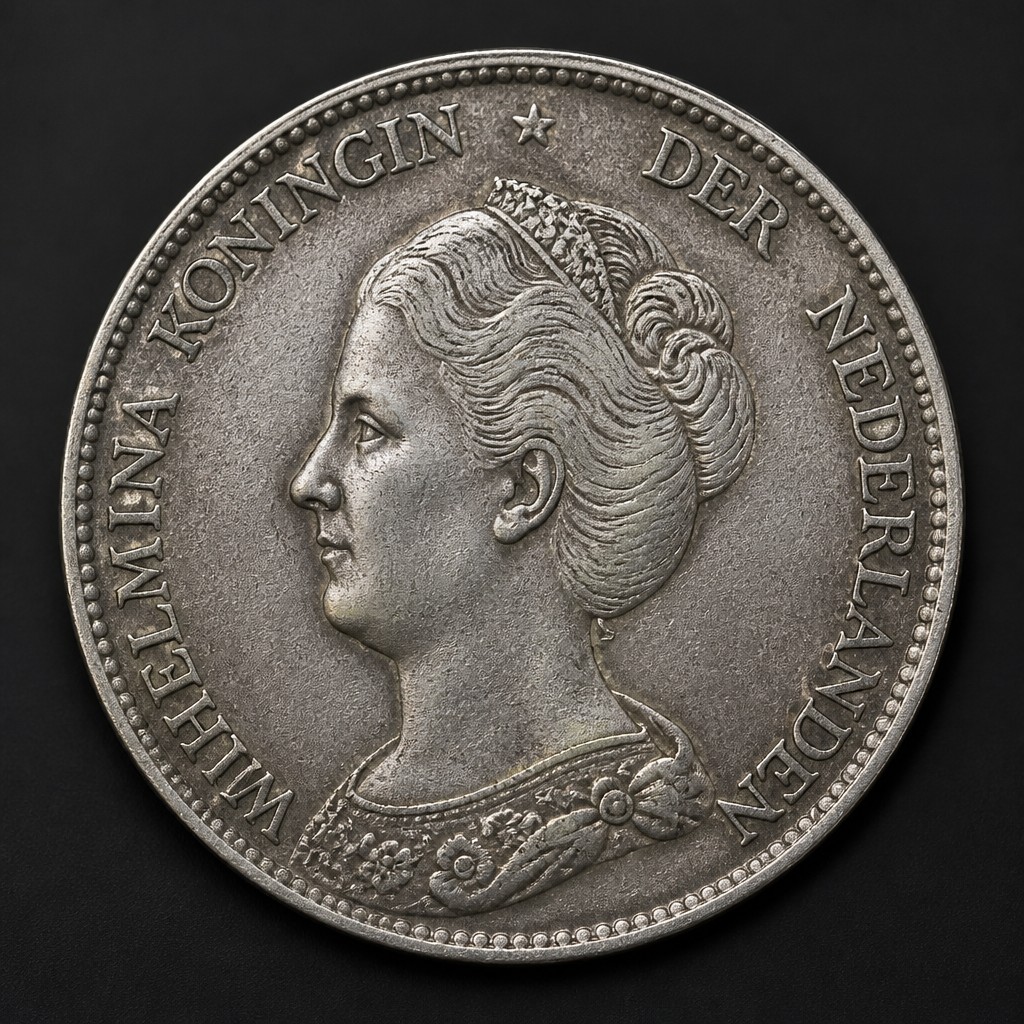
Dutch Guilder (Gulden)
The guilder was the standard currency of the Netherlands for more than three centuries, struck in silver and later copper-nickel before being replaced by the euro in 2002.
European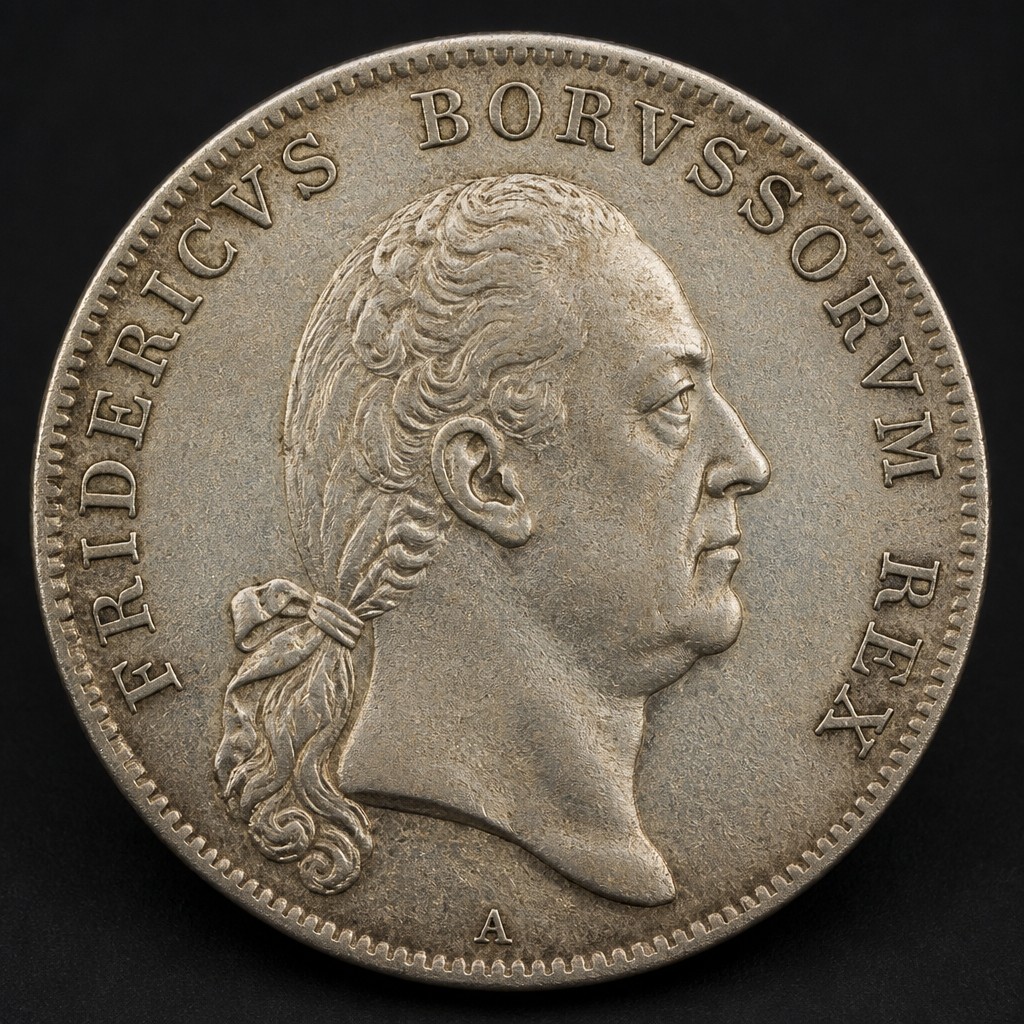
Prussian Thaler
The Prussian Thaler was the leading silver coin of the powerful Kingdom of Prussia, circulating from the mid-18th century until German unification replaced it with the mark in 1871–1873.
European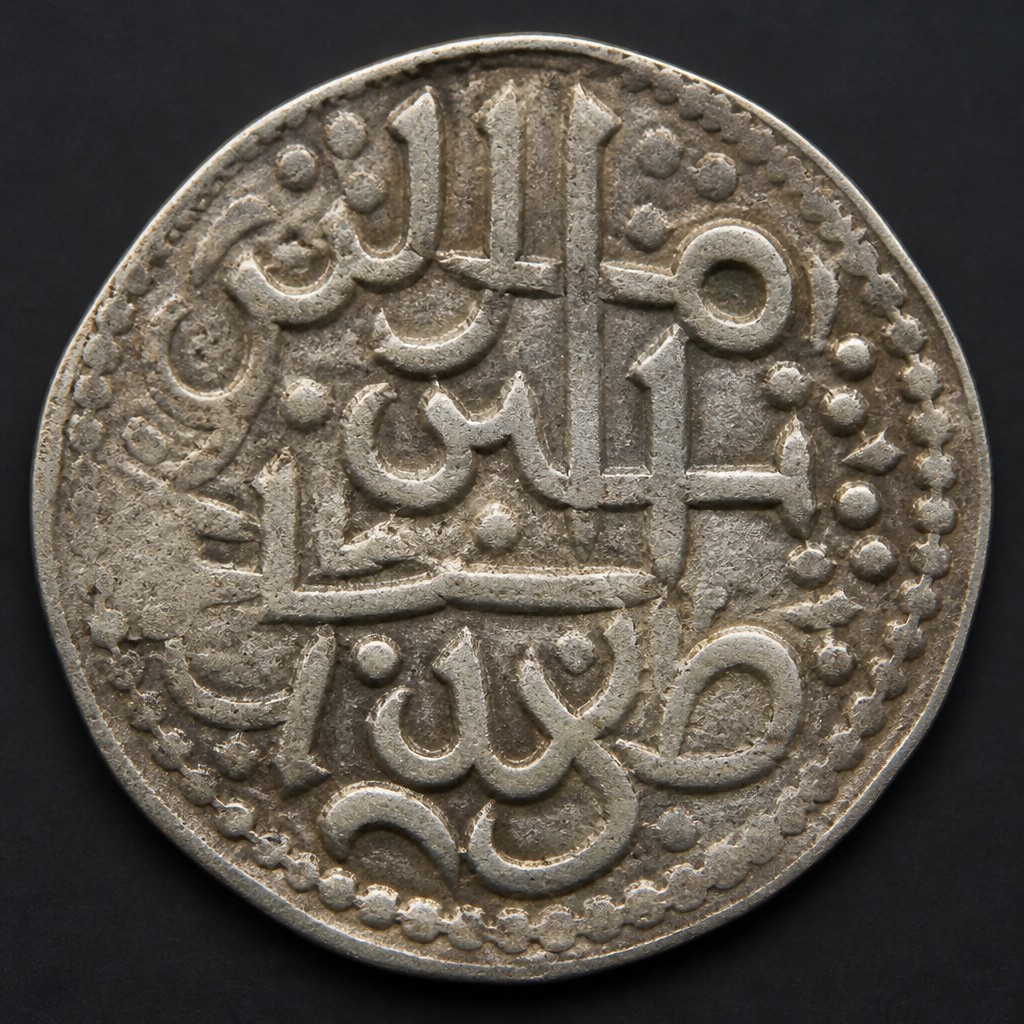
Ottoman Silver Akce
A tiny silver coin that served as the basic everyday currency unit of the Ottoman Empire for centuries, gradually shrinking in size and silver content as inflation took hold.
World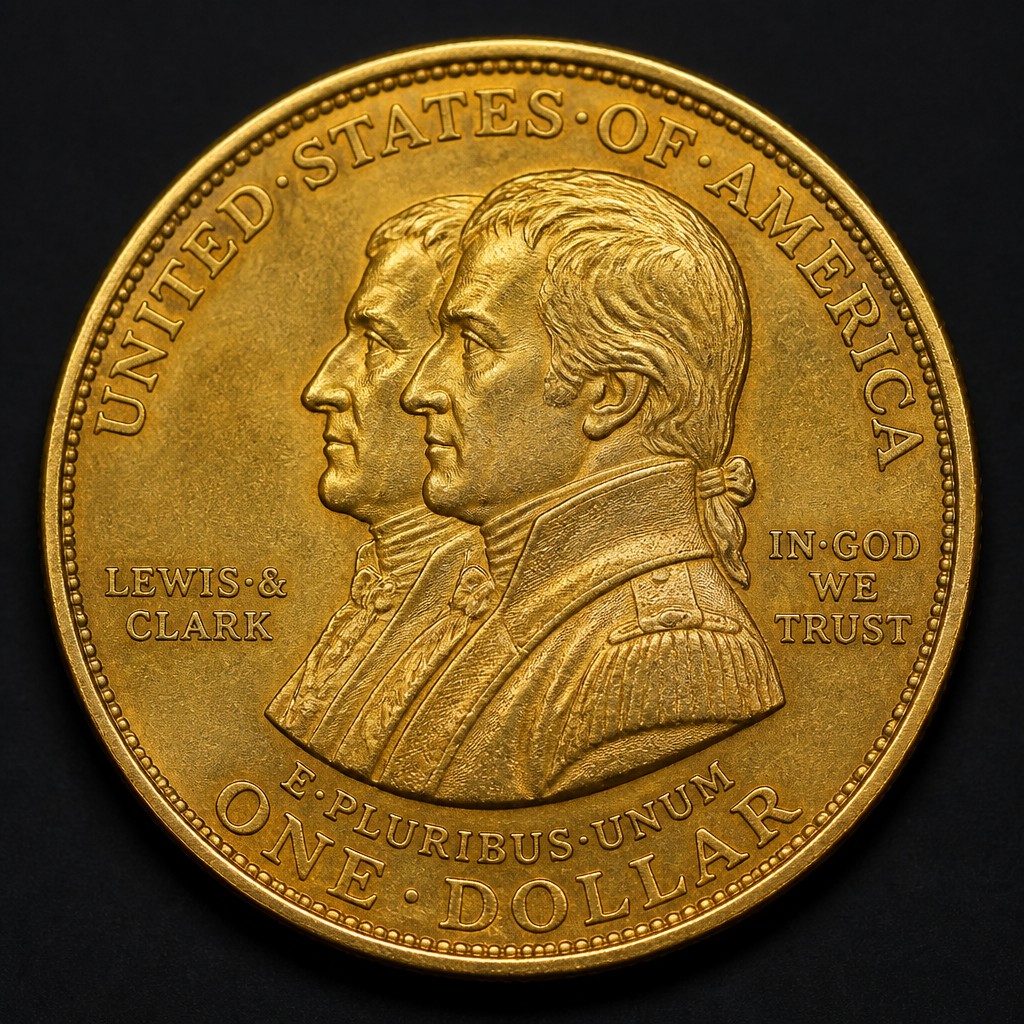
Lewis and Clark Gold Dollar Commemorative
A commemorative gold dollar honoring explorers Meriwether Lewis and William Clark, struck in 1904 and 1905 for the Lewis and Clark Centennial Exposition in Portland, Oregon.
Commemorative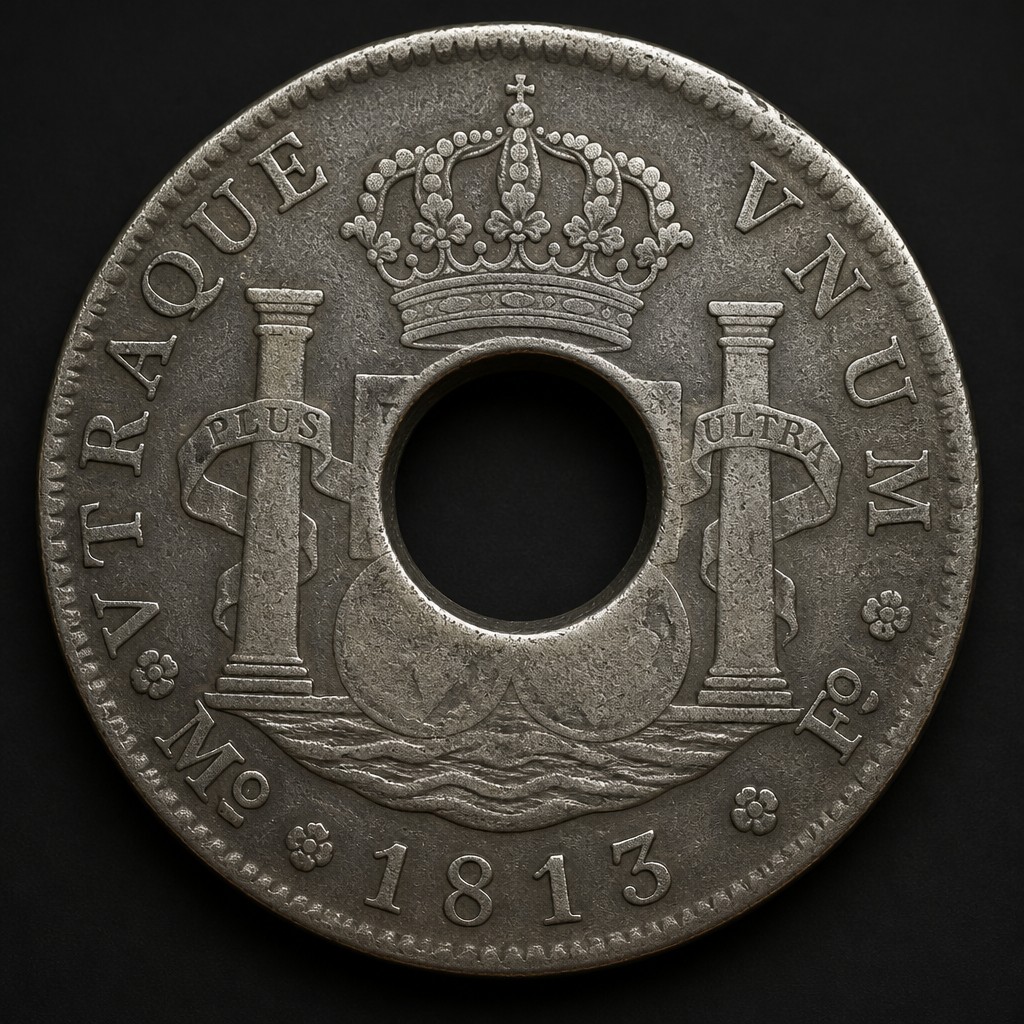
Australian Holey Dollar and Dump
In 1813, colonial authorities in New South Wales punched the centers out of Spanish silver dollars to create two coins from one, easing a severe coin shortage while preventing the silver from leaving the colony.
Africa & Oceania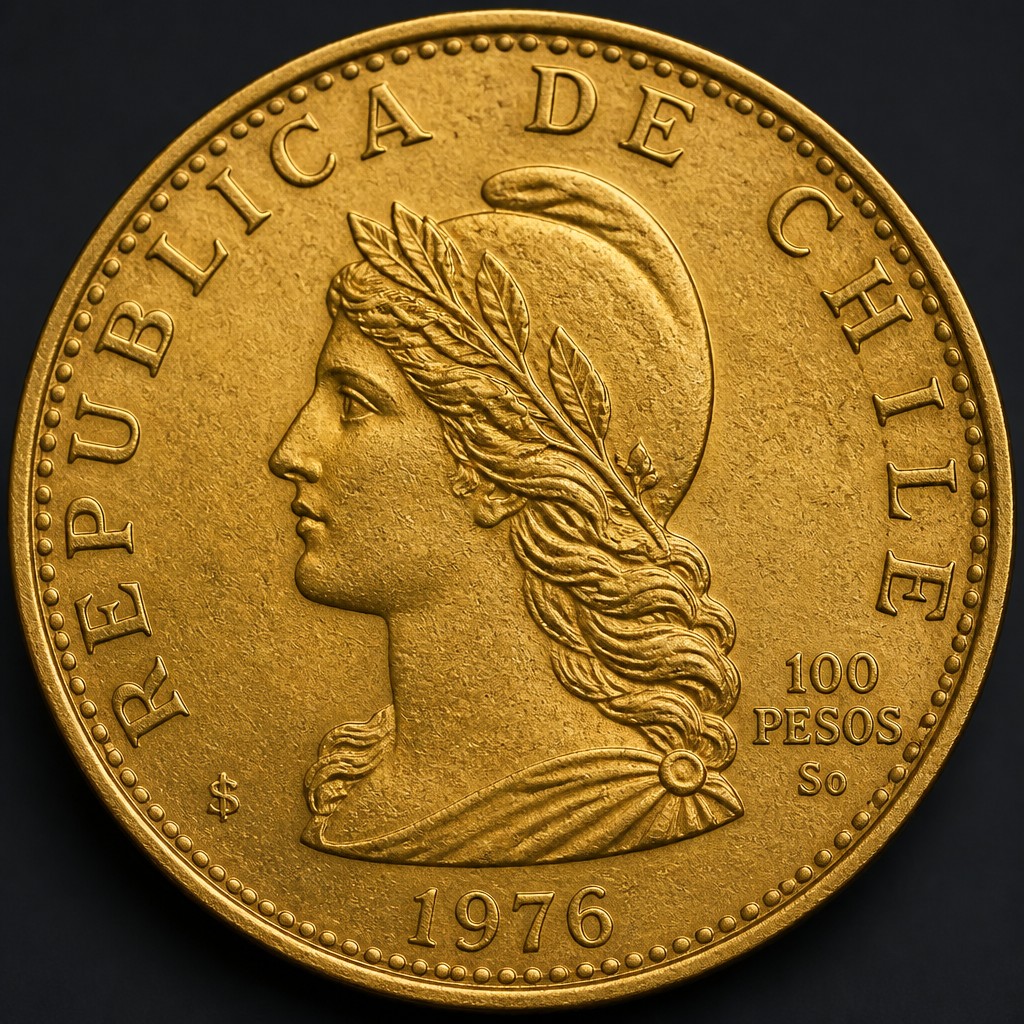
Chilean 100 Pesos Gold 'Condor'
Chile's flagship 20th-century gold coin, popularly called the "Condor" for the majestic Andean bird featured on its reverse, historically prized as an internationally recognized gold piece.
Latin American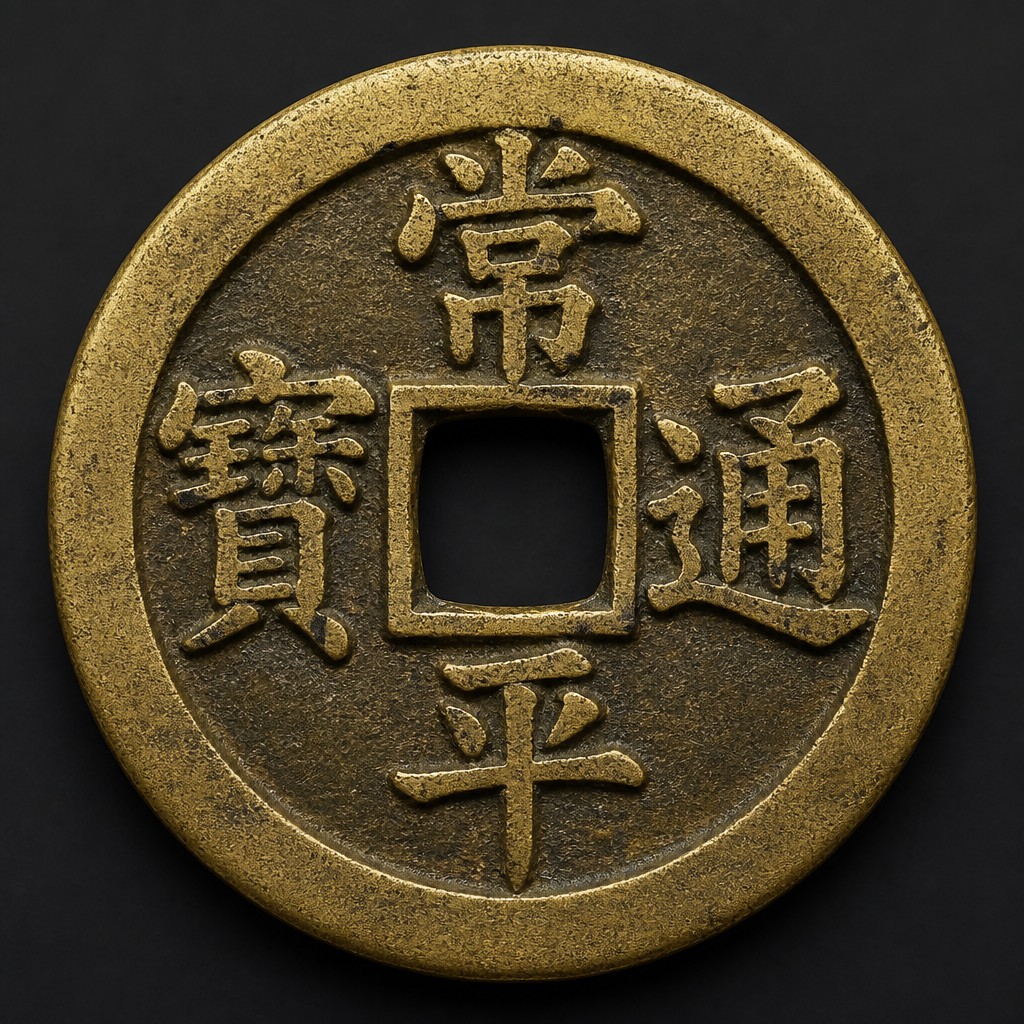
Korean Sang Pyong Tong Bo (Mun cash coin)
Traditional Korean cast cash coin with a square center hole, issued for over two centuries during the Joseon Dynasty and carrying the inscription 'Everlasting Circulating Treasure.'
Asian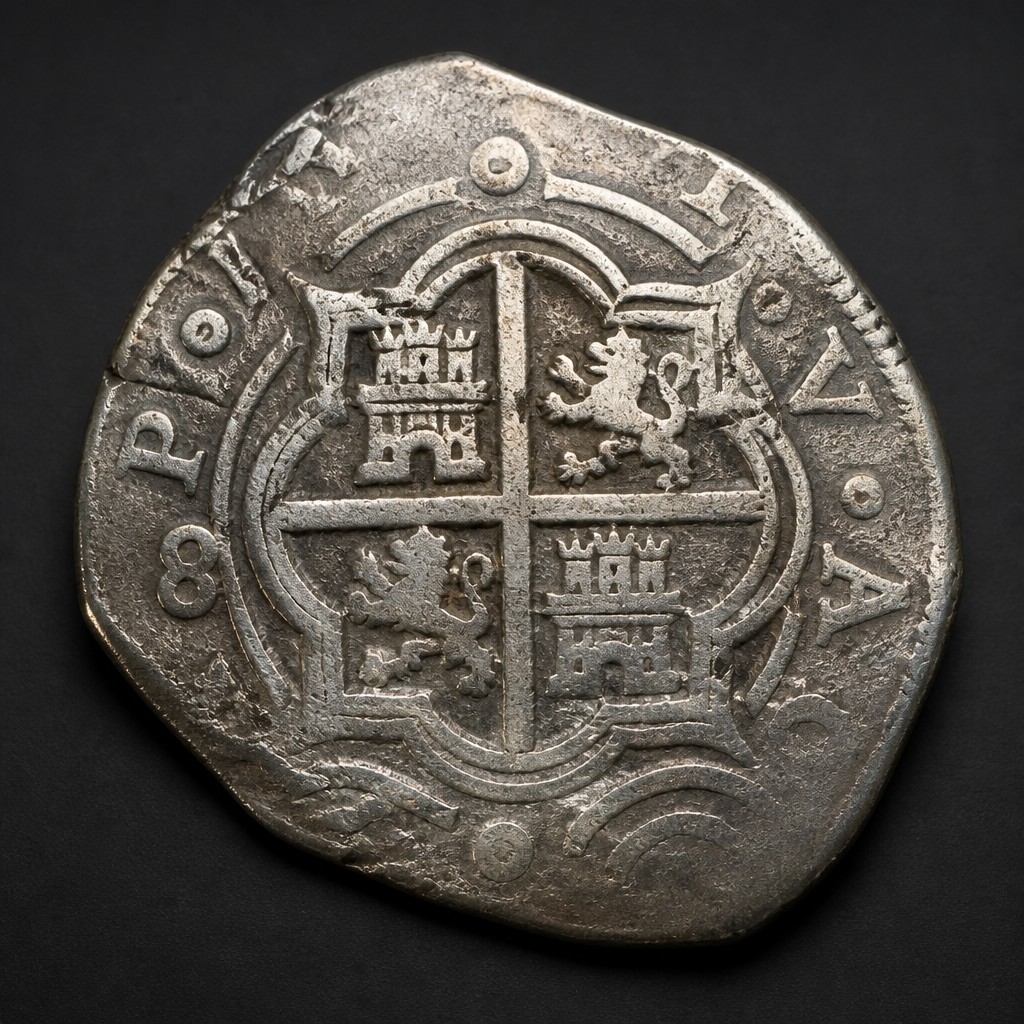
Spanish Colonial Cob (Macuquina)
Crude, irregularly shaped hand-struck coins produced at Spanish colonial mints in the Americas for over two centuries, forming the basis of the famous 'pieces of eight' that circulated worldwide.
Latin American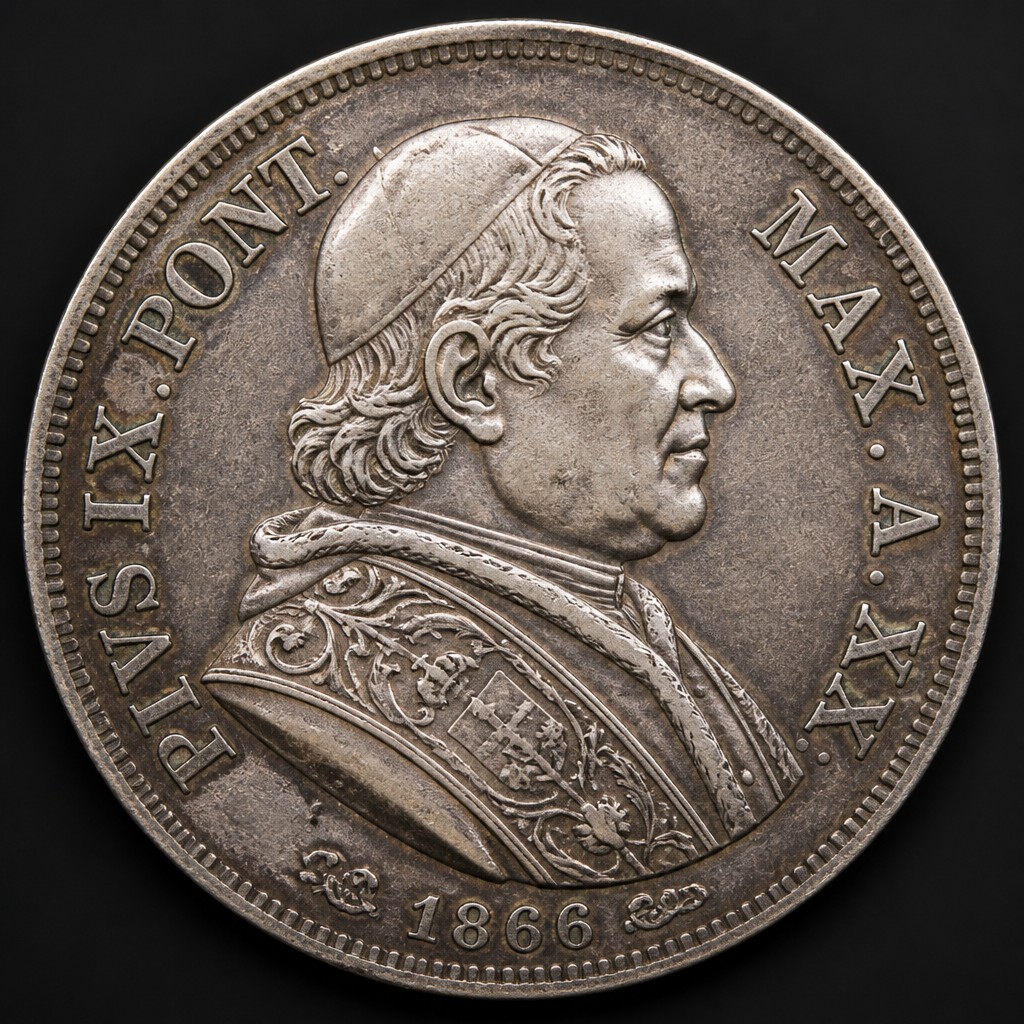
Papal States Scudo
The principal silver coin of the Papal States, bearing the portrait or arms of the reigning pope alongside religious imagery, struck for centuries until the Papal territories' loss of independence.
European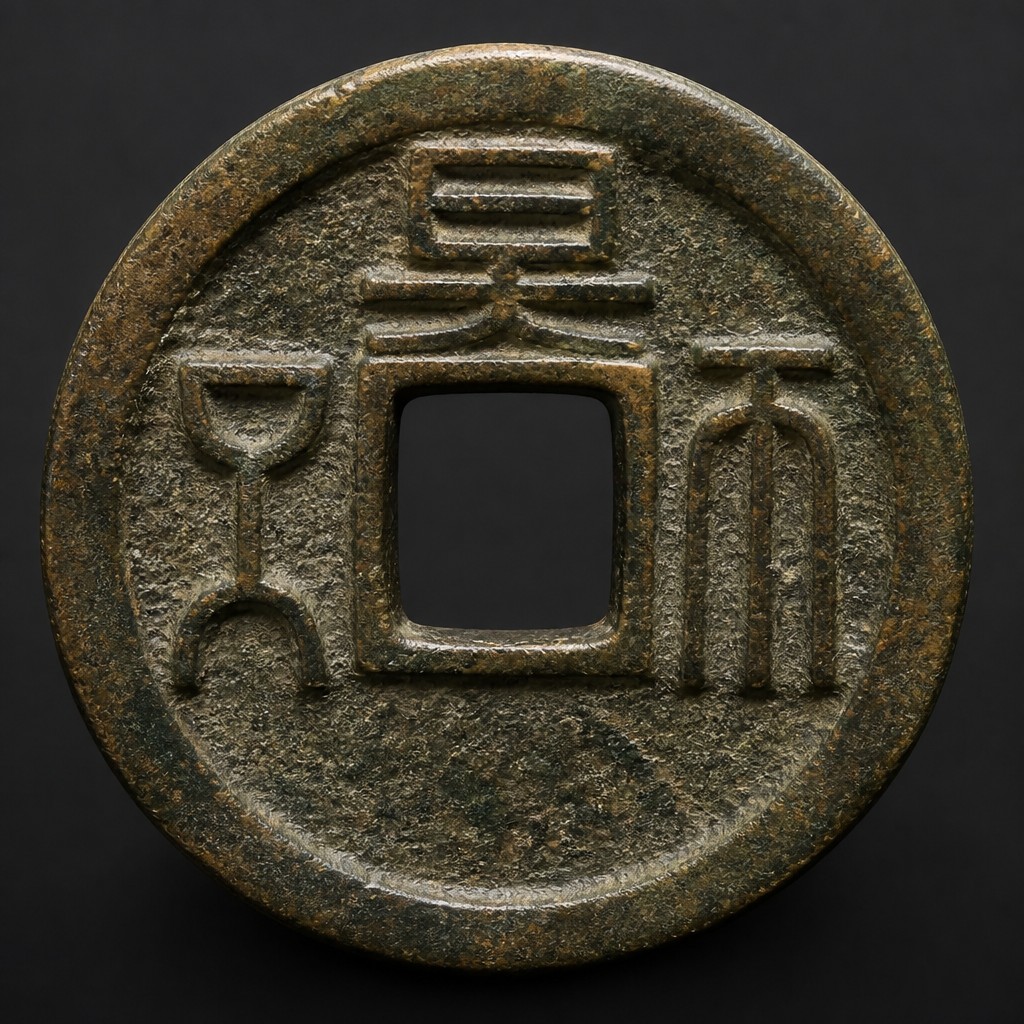
Chinese Wu Zhu Cash
One of history's longest-running coin types, cast continuously for over seven centuries across multiple Chinese dynasties after its introduction under Emperor Wu of Han.
Ancient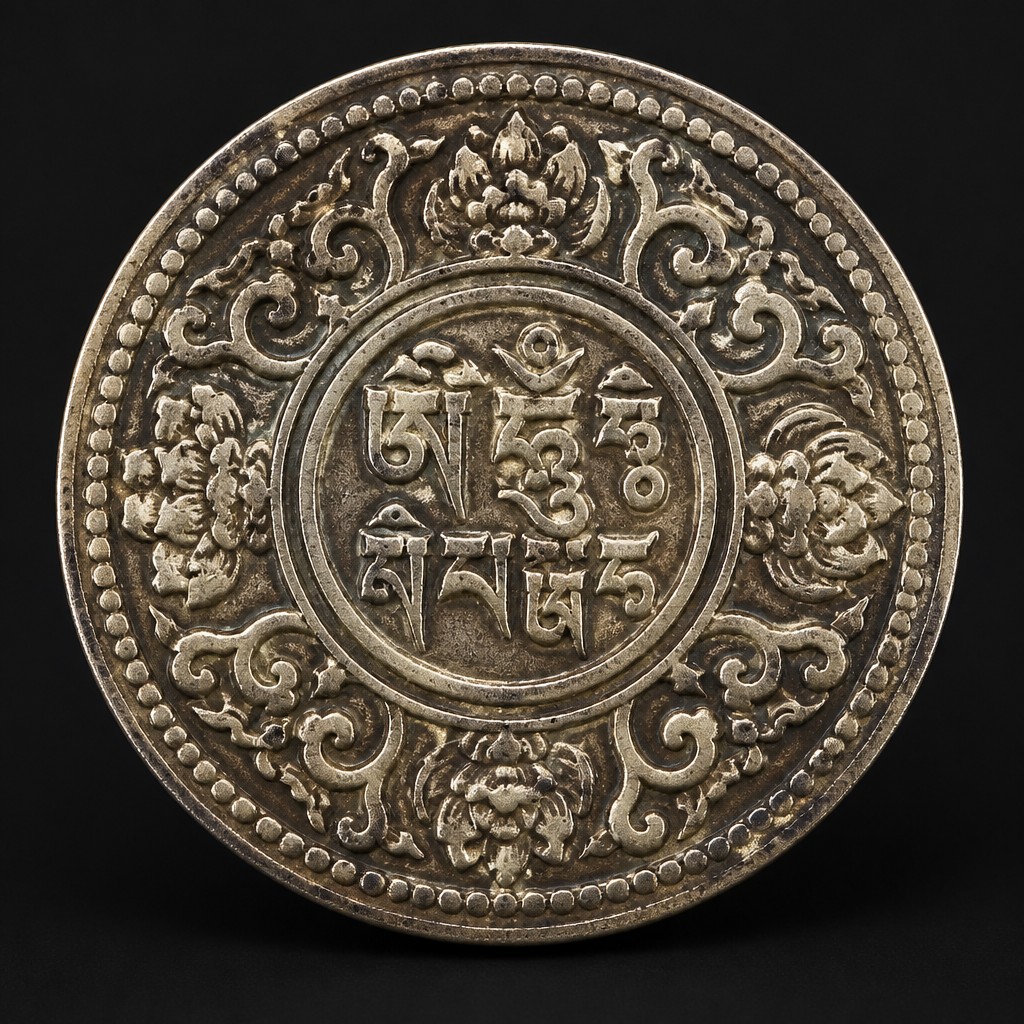
Tibetan Silver Tangka
The traditional silver coin denomination of Tibet, issued in many distinct types over roughly three centuries, from early Nepalese-struck coinage to native Tibetan and Sino-Tibetan issues.
Asian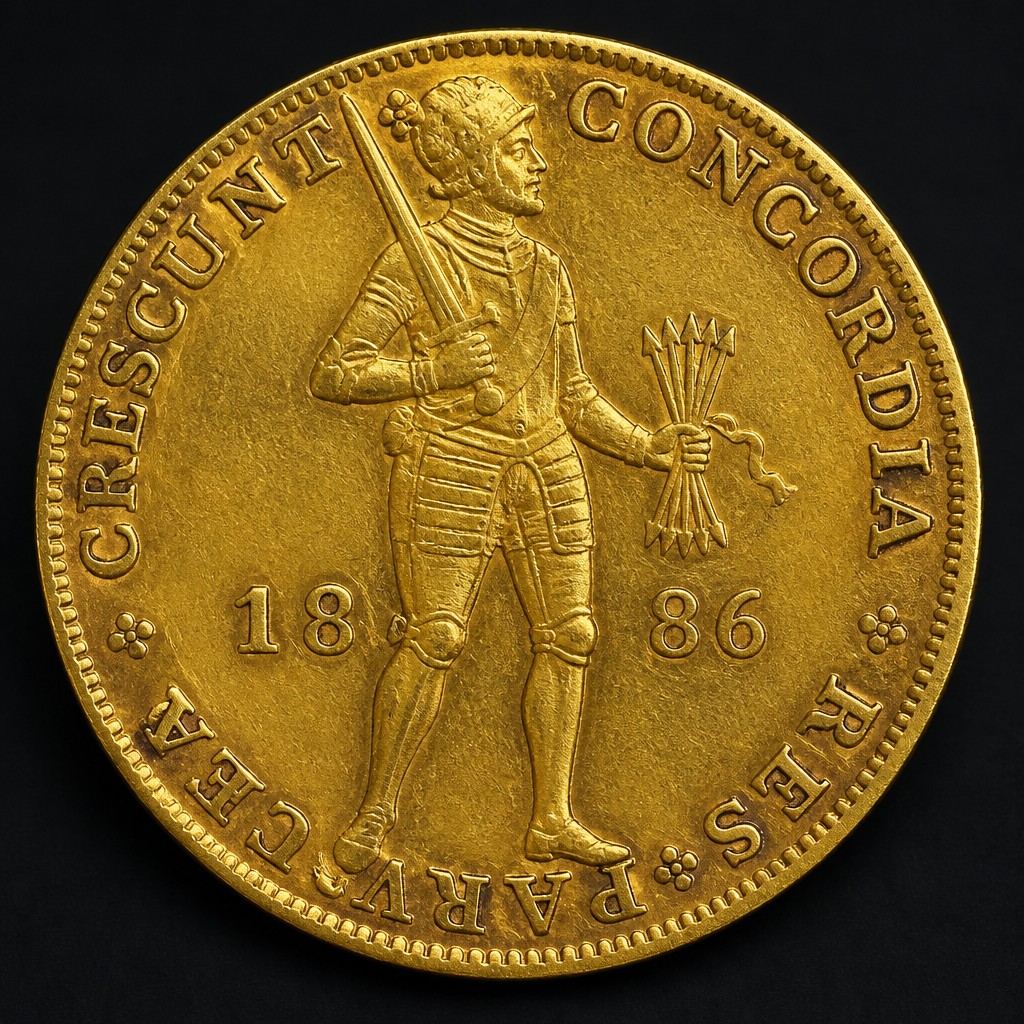
Dutch Ducat
A small, nearly pure gold coin showing an armored knight, minted for centuries by the Dutch provinces and later the Kingdom of the Netherlands as a trusted international trade coin.
European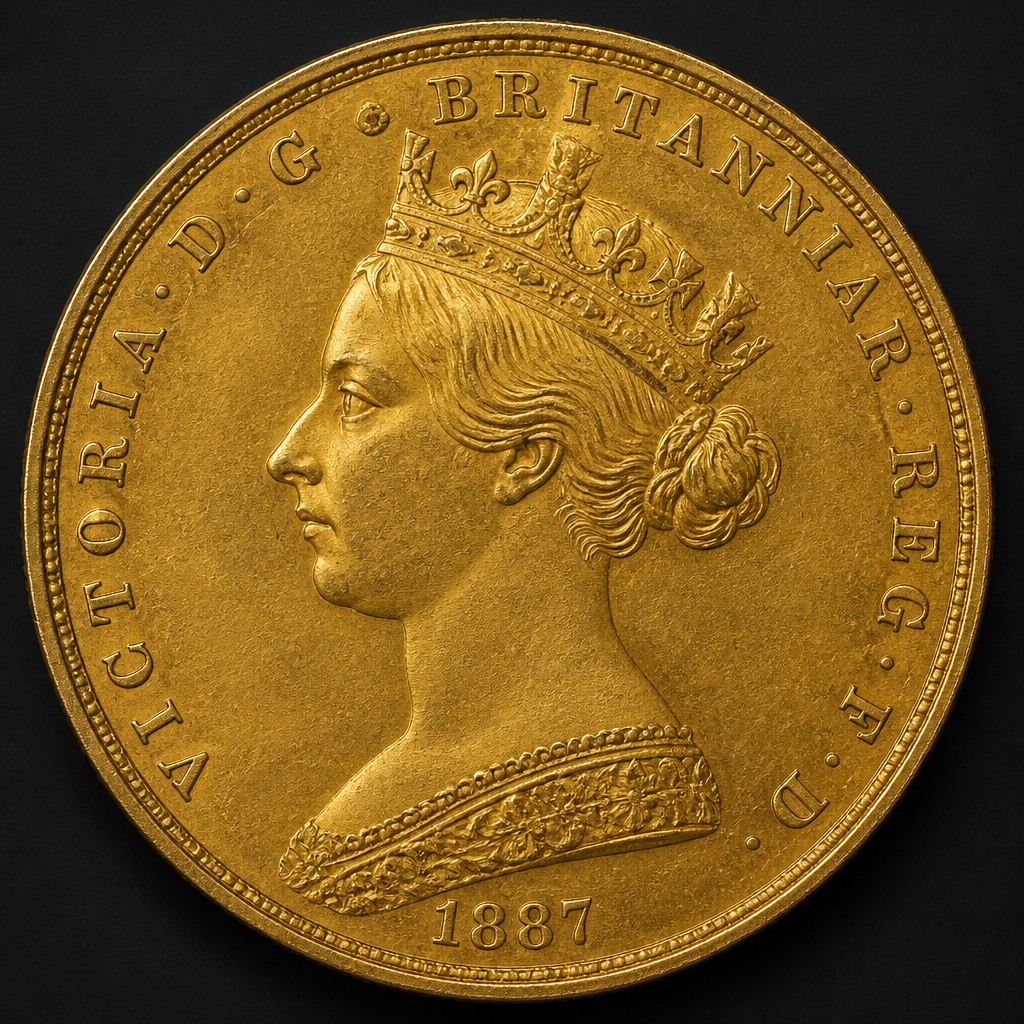
Double Sovereign
A British gold coin worth two pounds, twice the value of the standard sovereign, struck intermittently since the nineteenth century for commemorative and bullion purposes.
British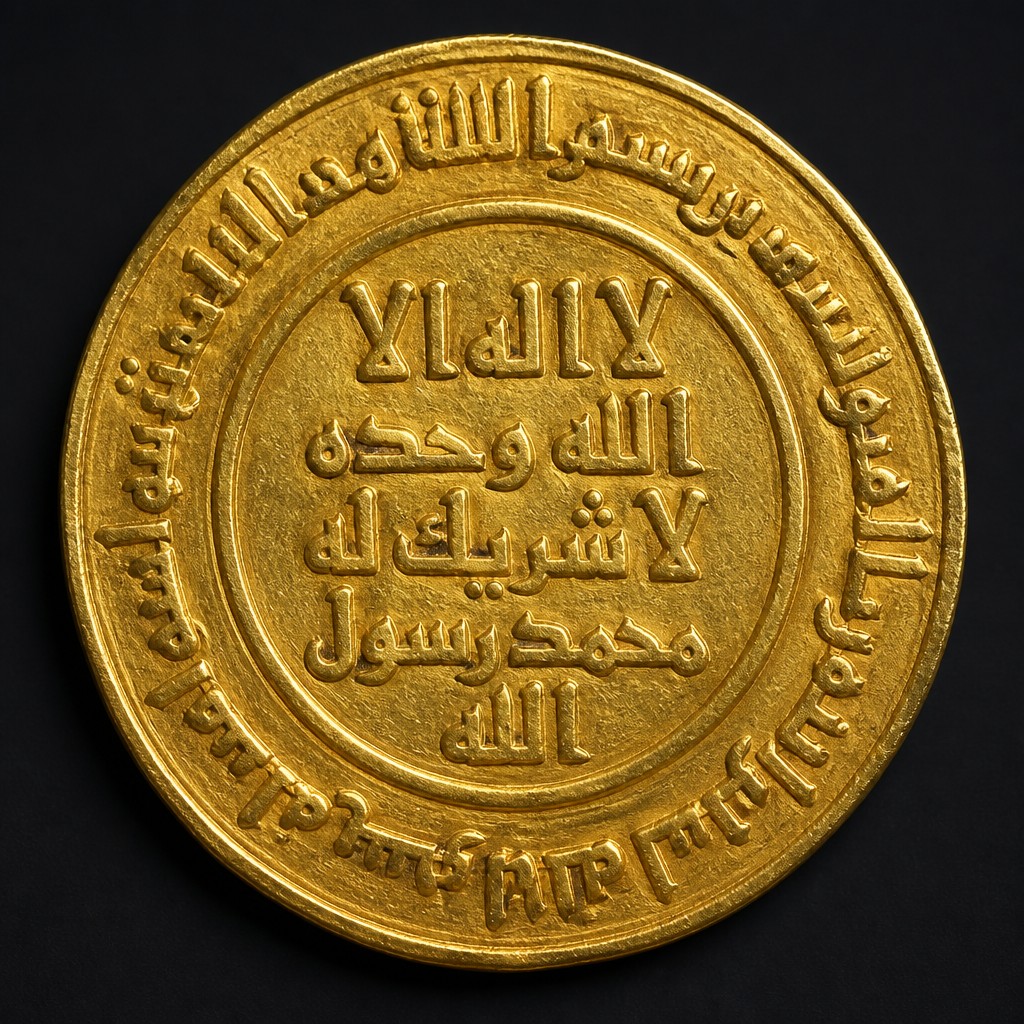
Abbasid Gold Dinar
The standard gold coin of the Abbasid Caliphate centered on Baghdad, inscribed entirely in Arabic script and struck for roughly five centuries across a vast Islamic empire.
World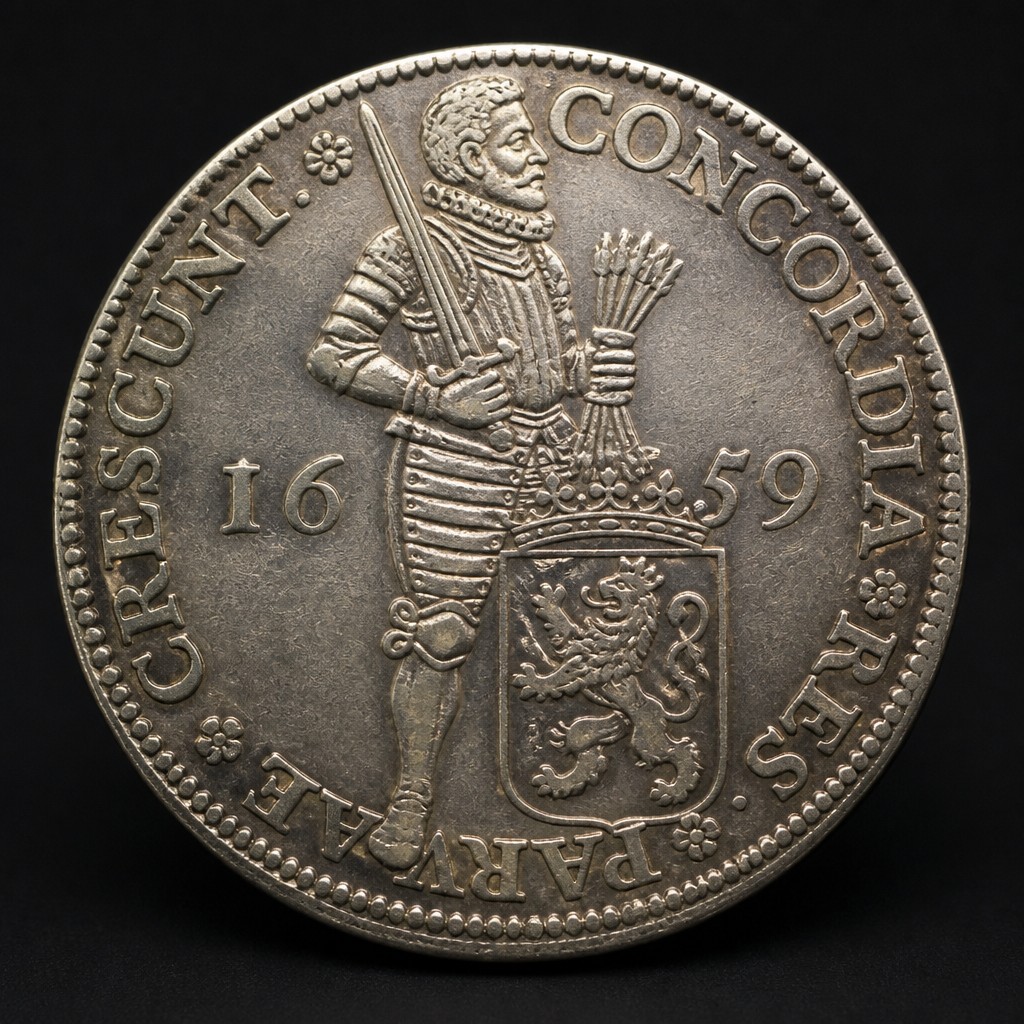
Dutch Silver Ducat
A historic Dutch trade silver coin first struck in 1659, depicting a standing knight, that has been minted continuously for centuries and remains a popular silver bullion and collector piece today.
European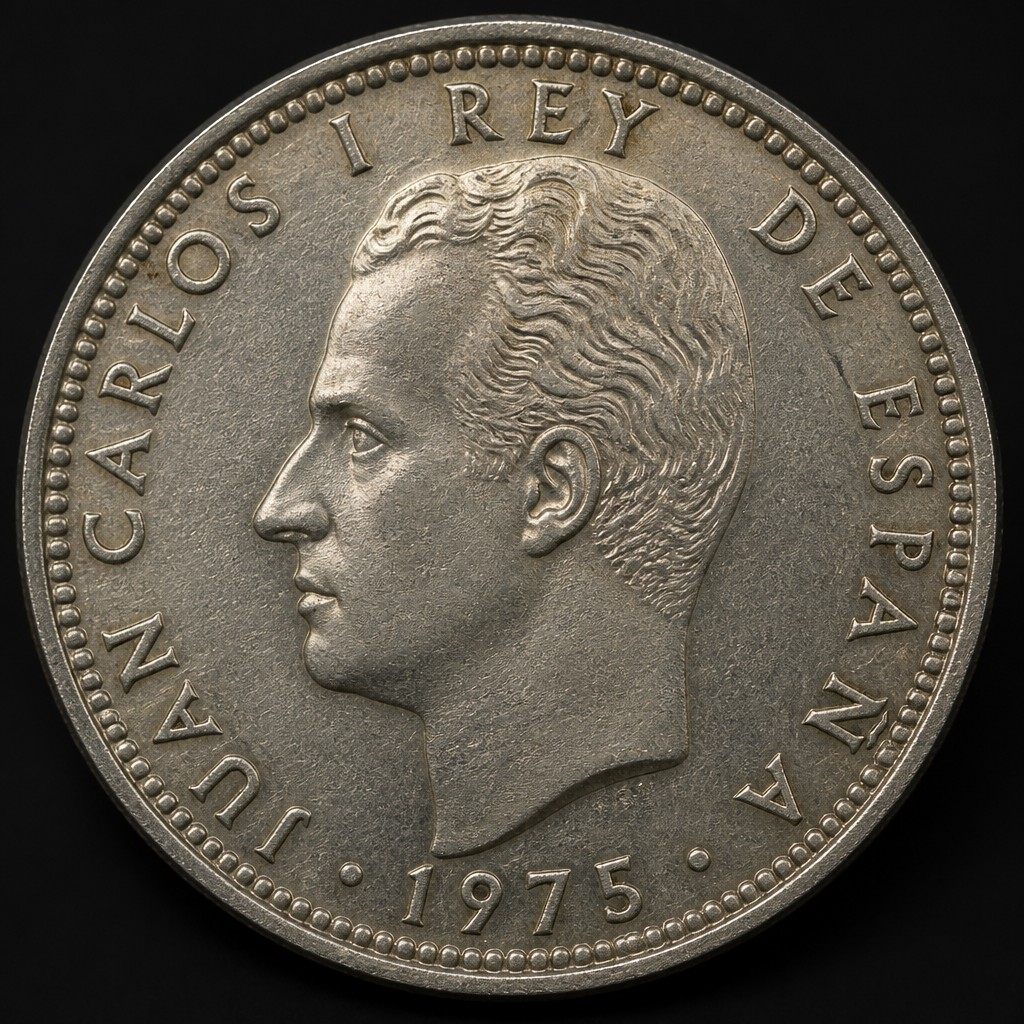
Spanish Peseta
The peseta was Spain's national currency for over 130 years, evolving from silver coinage under a provisional 19th-century government to copper-nickel coins used until the euro replaced it in 2002.
European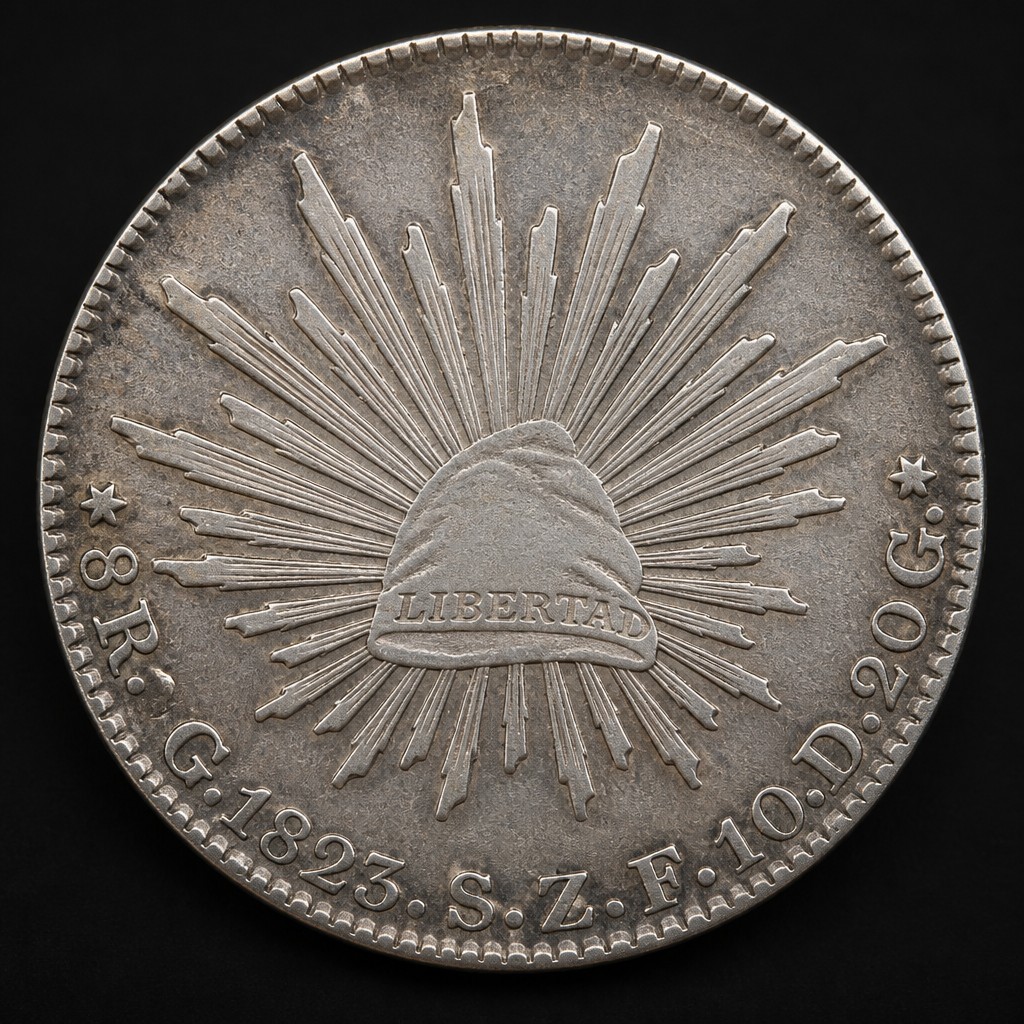
Mexican 8 Reales Cap and Rays
The classic silver dollar of independent Mexico, showing a radiant Phrygian liberty cap over mountains, widely trusted and traded across the Americas and Asia for most of the 19th century.
Latin American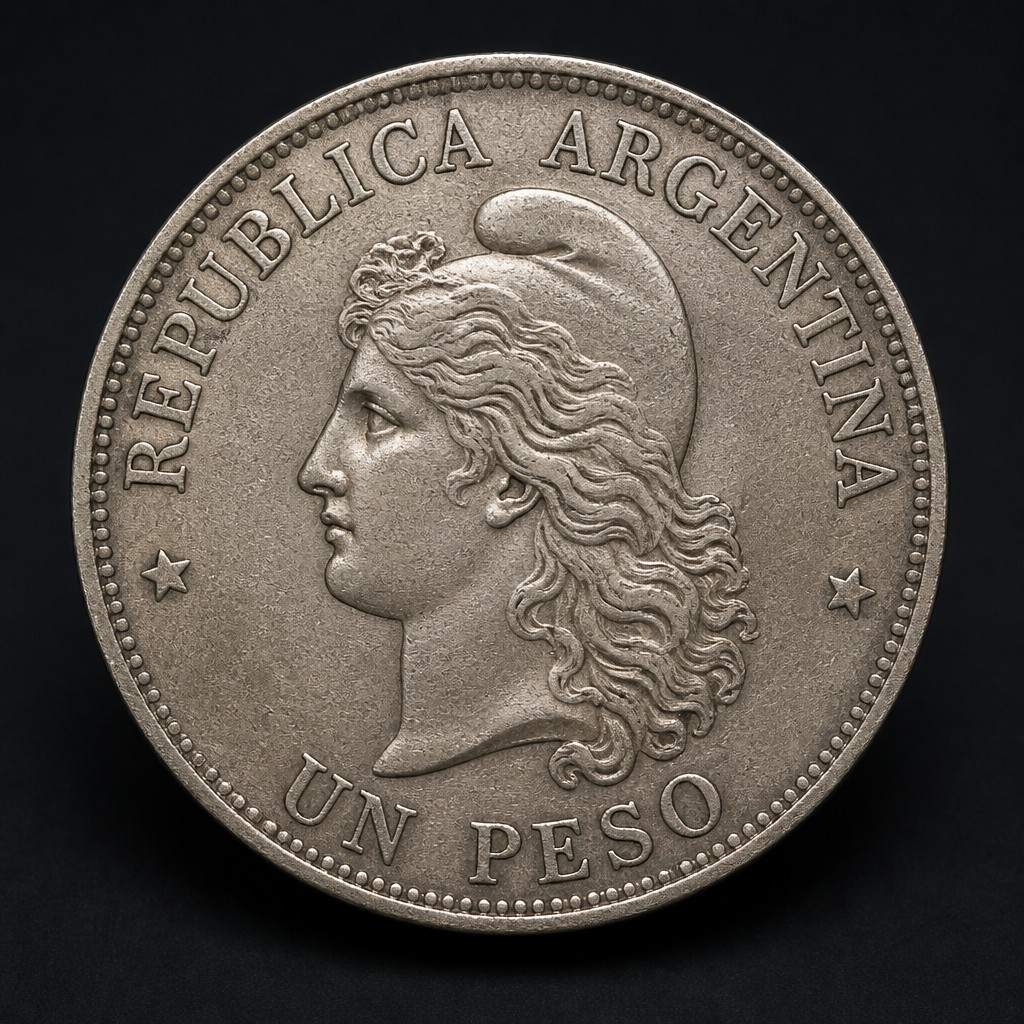
Argentine Peso Moneda Nacional (Patacón)
Argentina's long-standing peso moneda nacional coinage, informally nicknamed the patacón, formed the backbone of the country's currency from the 1880s well into the twentieth century.
Latin American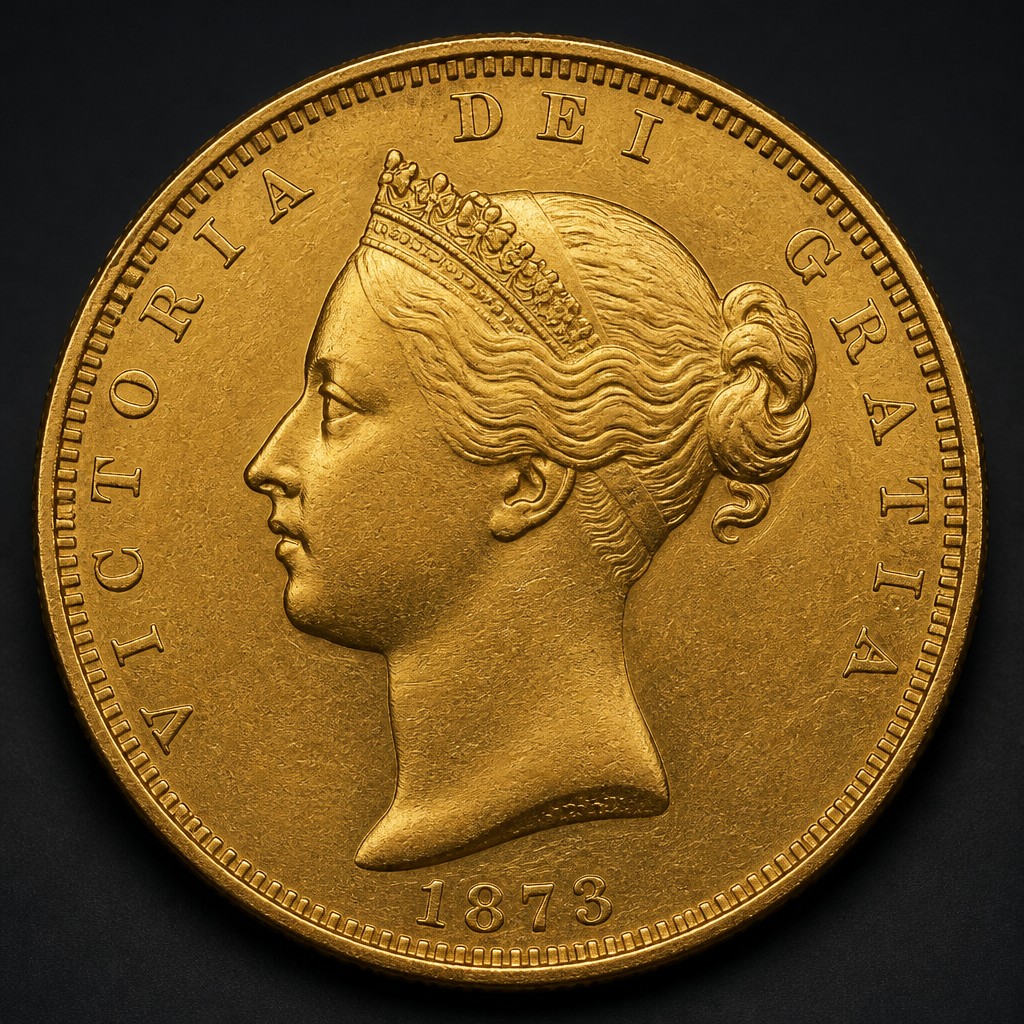
Gold Sovereign
Iconic British gold pound coin, revived in 1817 with Benedict Pistrucci's celebrated St George and the Dragon design, struck for centuries in London and branch mints worldwide.
British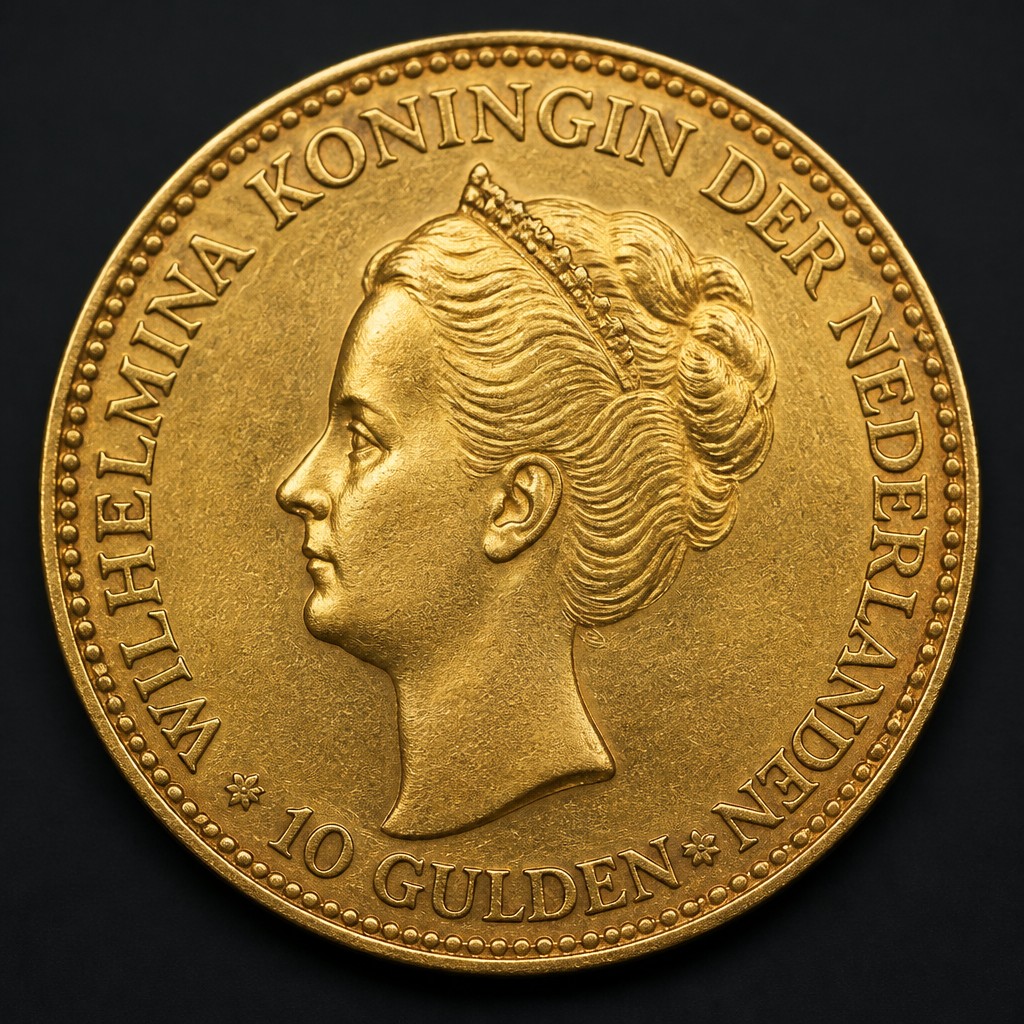
Netherlands 10 Gulden Gold (Wilhelmina)
The gold 10 Gulden coin featuring Queen Wilhelmina was the Netherlands' standard gold circulation and reserve coin in the early 20th century, later restruck as a recognized gold bullion piece.
European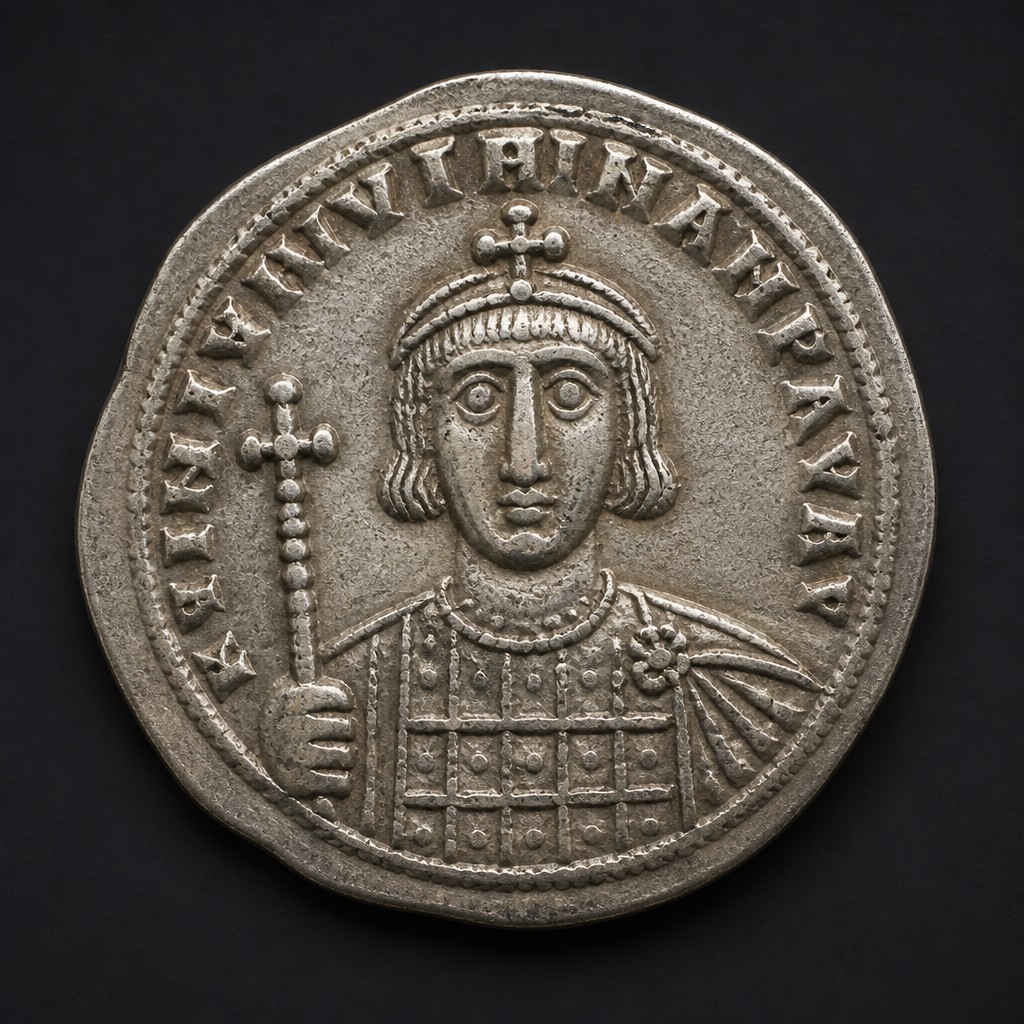
Byzantine Miliaresion
The main large silver coin of the middle Byzantine Empire, introduced in the 8th century and typically featuring a plain cross on steps, reflecting the era's Iconoclast religious tensions.
Ancient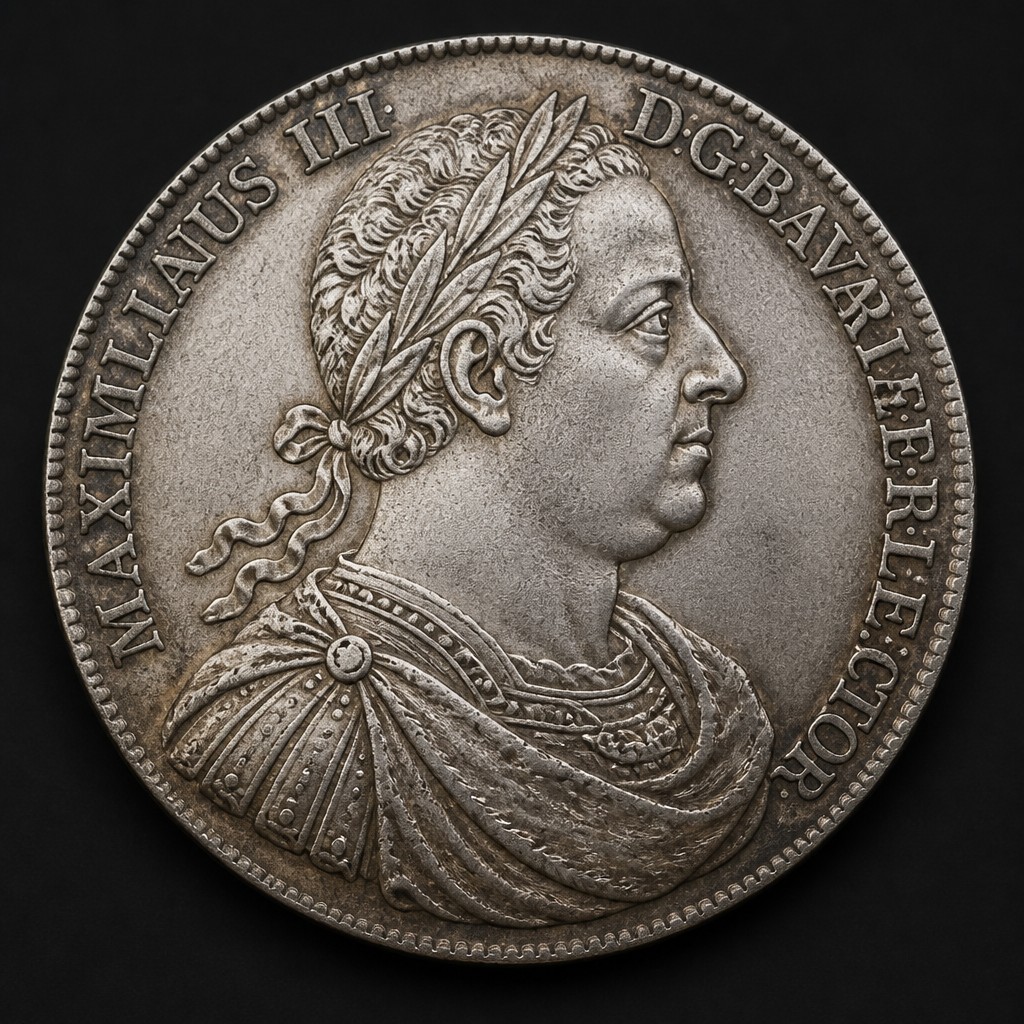
Bavaria Thaler
The historic large silver coin of Bavaria, struck across centuries by its electors and kings, capturing the state's political and artistic history until Germany's currency unification in the 1870s.
European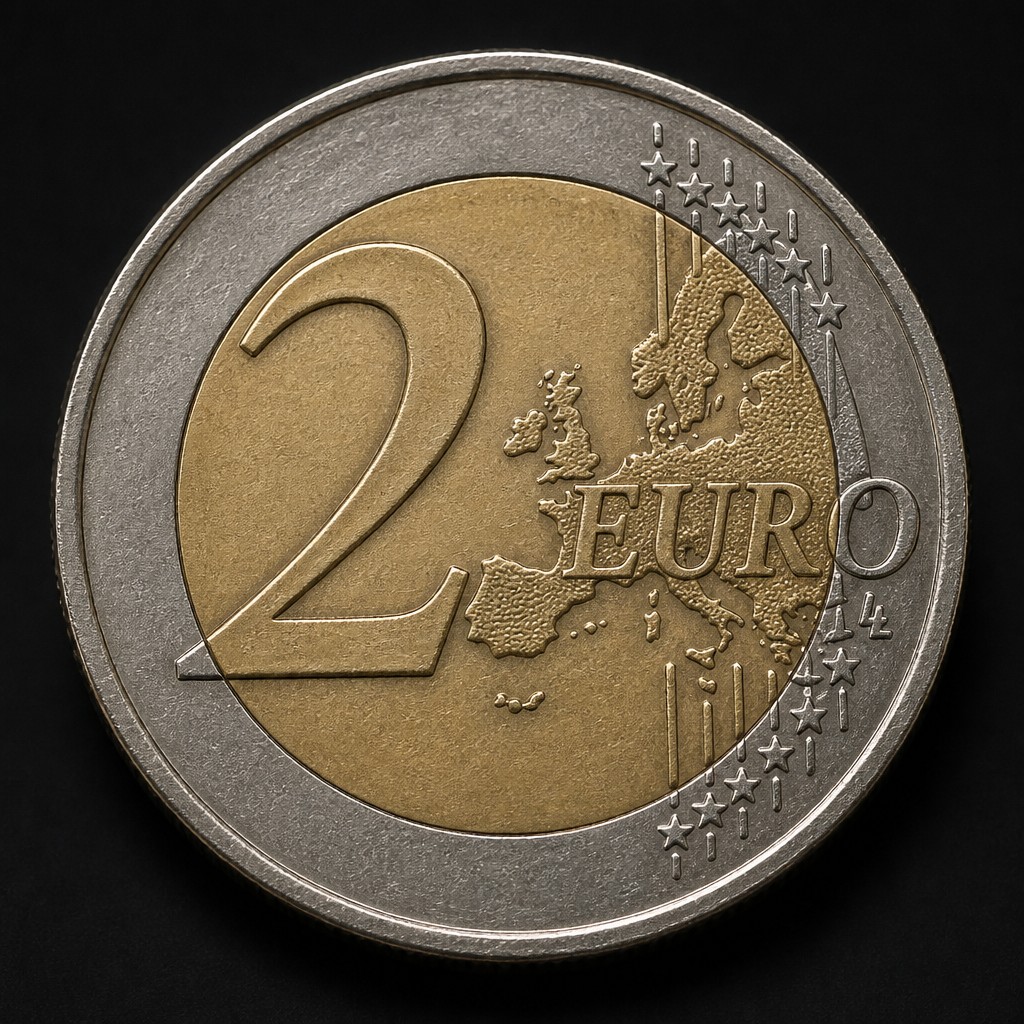
2 Euro Coin
The highest-denomination circulating euro coin, with a silver-colored center inside a gold-colored ring, widely used by member states to issue popular commemorative designs collected across Europe.
European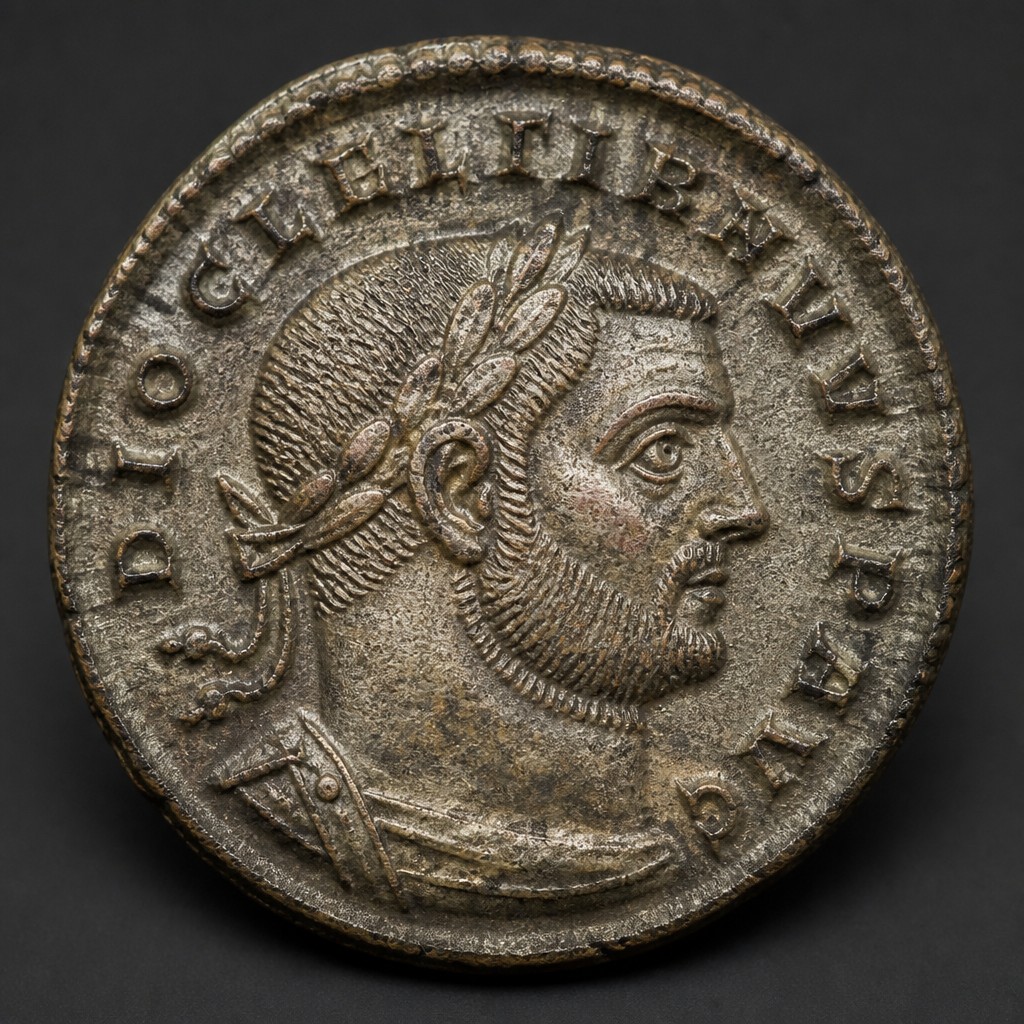
Diocletian Follis
Large bronze follis of Diocletian, whose sweeping reforms ended the Crisis of the Third Century, established the Tetrarchy, and introduced this new standardized coin denomination in 294 AD.
Ancient