
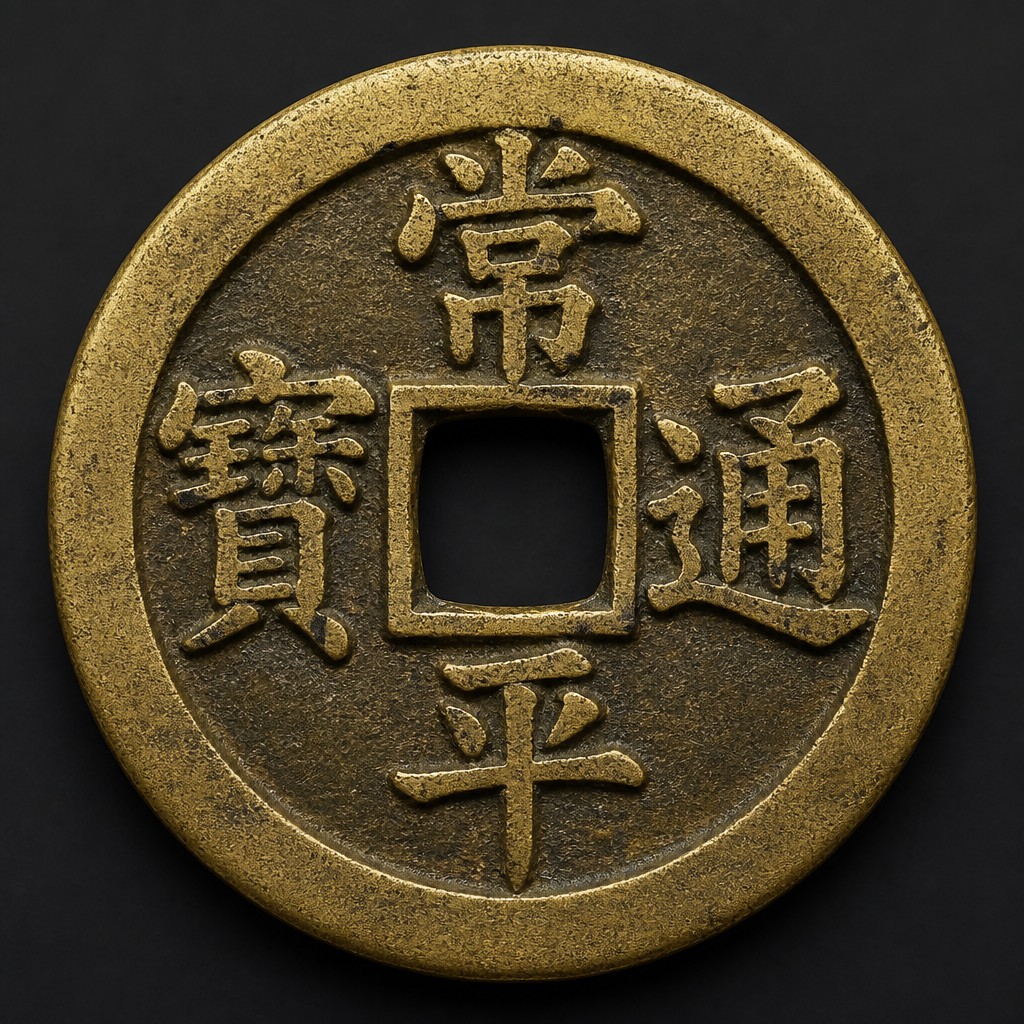
Korean Sang Pyong Tong Bo (Mun cash coin)
Traditional Korean cast cash coin with a square center hole, issued for over two centuries during the Joseon Dynasty and carrying the inscription 'Everlasting Circulating Treasure.'
- Country
- Korea (Joseon Dynasty)
- Denomination
- 1 Mun
- Metal
- Bronze/Brass
Got a coin like this?
Identify any coin from a photo, free.
Overview
The Sang Pyong Tong Bo is the standard cast bronze or brass cash coin of Korea's Joseon Dynasty, produced over a remarkably long span from its introduction in the seventeenth century through the closing decades of the nineteenth century. Following the familiar East Asian cash coin format, round with a square center hole, it served as everyday small-denomination currency across the Korean peninsula for generations.
Its inscription, meaning roughly "Everlasting Circulating Treasure," reflects the aspirational language common to cash coinage across the wider East Asian cultural sphere, echoing similar coin legends used historically in China, Japan, and Vietnam. Because the coin was produced by numerous regional mint bureaus over such a long period, it exists in an enormous variety of reverse mint marks and minor style differences.
The sheer diversity of mint marks and issuing authorities found on Sang Pyong Tong Bo coins makes the series a rich and accessible specialty for collectors interested in the administrative and regional history of late Joseon Korea.
History & Background
Korea's Joseon Dynasty experimented with cast coinage intermittently before the Sang Pyong Tong Bo became the kingdom's standard currency, with more widespread and sustained production beginning in the later seventeenth century as the government sought a reliable medium of exchange to support a growing market economy. The coin's design and inscription followed the long-established East Asian cash coin tradition, a round coin with a square hole allowing coins to be strung together in large quantities.
Production of the Sang Pyong Tong Bo was carried out by numerous regional government offices and military garrisons authorized to operate their own mint bureaus, each of which stamped the coin's reverse with a distinguishing character or symbol identifying the issuing office. This decentralized minting system, while practical for meeting regional currency demand, resulted in significant variation in coin quality and a very large number of recognized mint-mark varieties collected and catalogued by specialists today.
The coin remained in circulation through the tumultuous final decades of the Joseon Dynasty, including the opening of Korea to foreign trade in the late nineteenth century, before being gradually phased out as Korea moved toward modern, machine-struck coinage under the Gwangmu currency reforms around the turn of the twentieth century.
How to Identify
The coin follows the classic East Asian cash coin format: round, with a square hole punched through the center, allowing coins to be strung on cords for handling in bulk. The obverse bears the four Chinese characters "Sang Pyong Tong Bo" read in the traditional top-right-bottom-left order, giving the coin its name.
The reverse typically carries one or more additional characters or symbols identifying the specific mint bureau or garrison office that produced the coin, along with in some cases a numeral indicating a weight or series designation. Because dozens of different offices issued the coin over its long production history, reverse marks vary enormously, and cataloging these mint marks is a significant part of the specialized study of this series.
The coin is cast rather than struck, typically in bronze or brass, and tends to be somewhat crude in finish compared to machine-struck coinage, with casting seams or minor irregularities considered normal for the type. Collectors distinguish individual varieties primarily by the specific reverse mint mark and by size or metal differences associated with particular issuing periods.
Value & Collectibility
Because the Sang Pyong Tong Bo was produced in very large quantities over more than two centuries by numerous mints, common examples are generally quite affordable and widely available, making the series an accessible entry point for collectors of East Asian cash coinage. Certain scarcer mint-mark varieties, unusual sizes, or coins from short-lived or lesser-known issuing offices can be considerably more valuable to specialists.
Typical common examples in worn condition are usually inexpensive, often available for just a few dollars, while well-documented rare mint-mark varieties or exceptionally well-preserved pieces can command meaningfully higher prices among dedicated collectors of Korean numismatics.
Frequently asked questions
What does 'Sang Pyong Tong Bo' mean?
The inscription translates roughly to "Everlasting Circulating Treasure," a common type of aspirational phrase used on East Asian cash coinage.
Why does the coin have a square hole?
The square hole allowed large numbers of coins to be strung together on cords for easier handling and transport, a standard feature of East Asian cash coins.
Why are there so many varieties of this coin?
Numerous regional mint bureaus across Korea produced the coin over more than two centuries, each marking its output with a distinguishing reverse character, resulting in many recognized varieties.
Is this coin rare?
Most common varieties are not rare and are widely available at low cost, though certain specific mint marks and issuing periods are considerably scarcer and more valuable.
Other coins you may enjoy
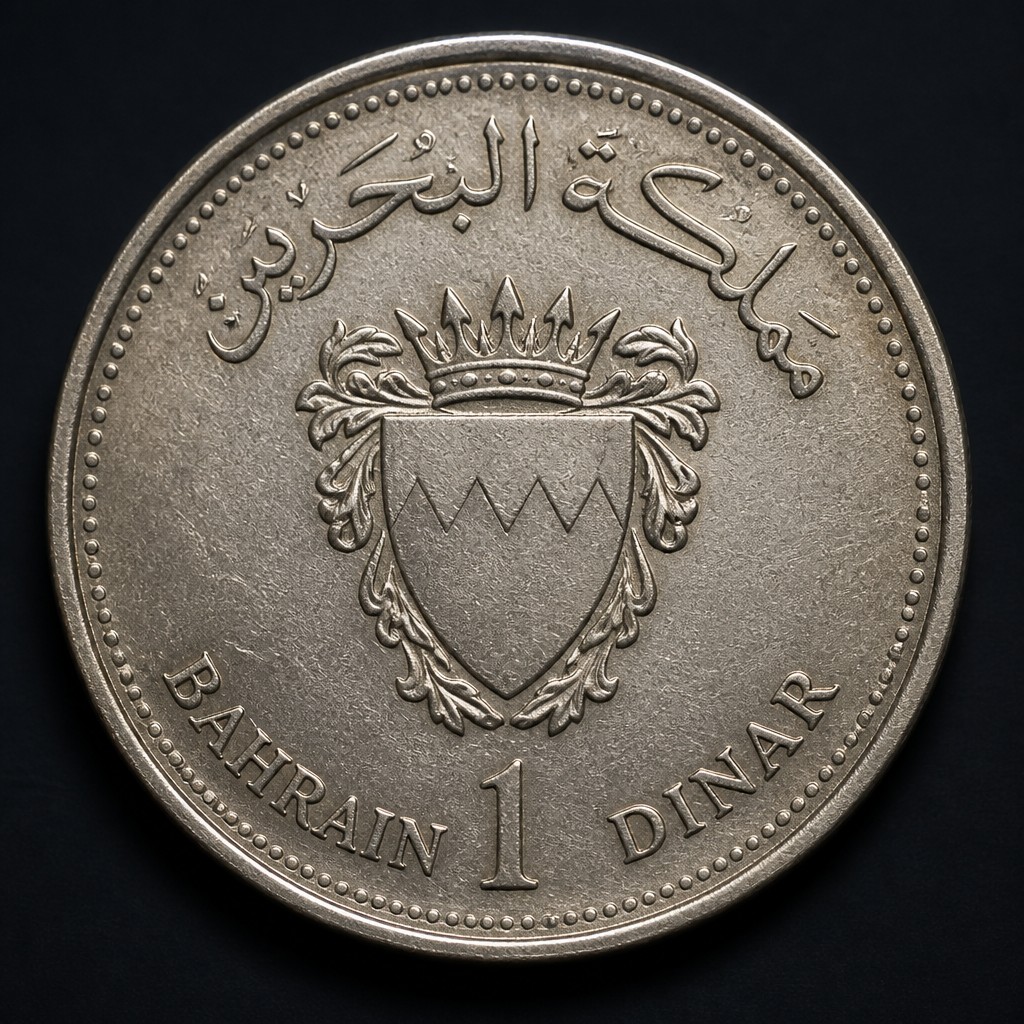
Bahraini Dinar
1965–present
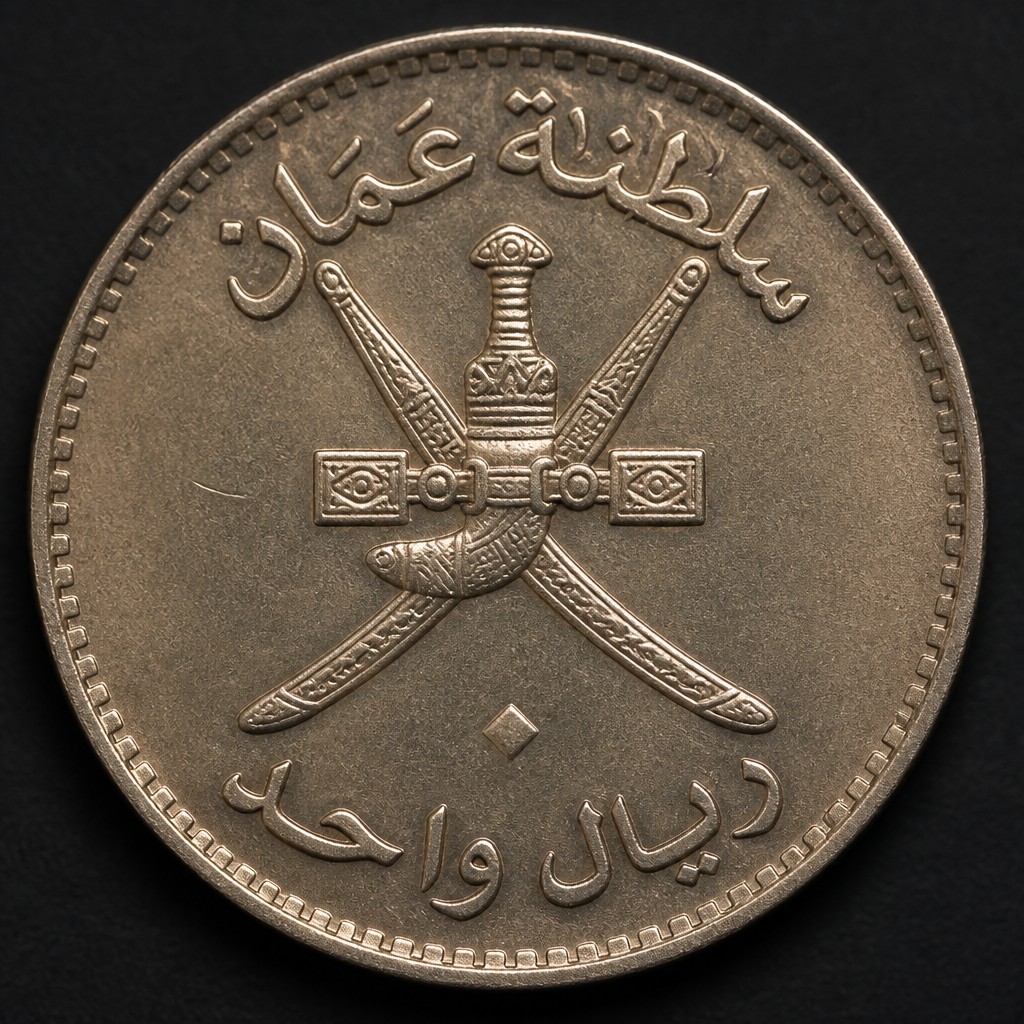
Omani Rial (Baisa Coinage)
1970–present
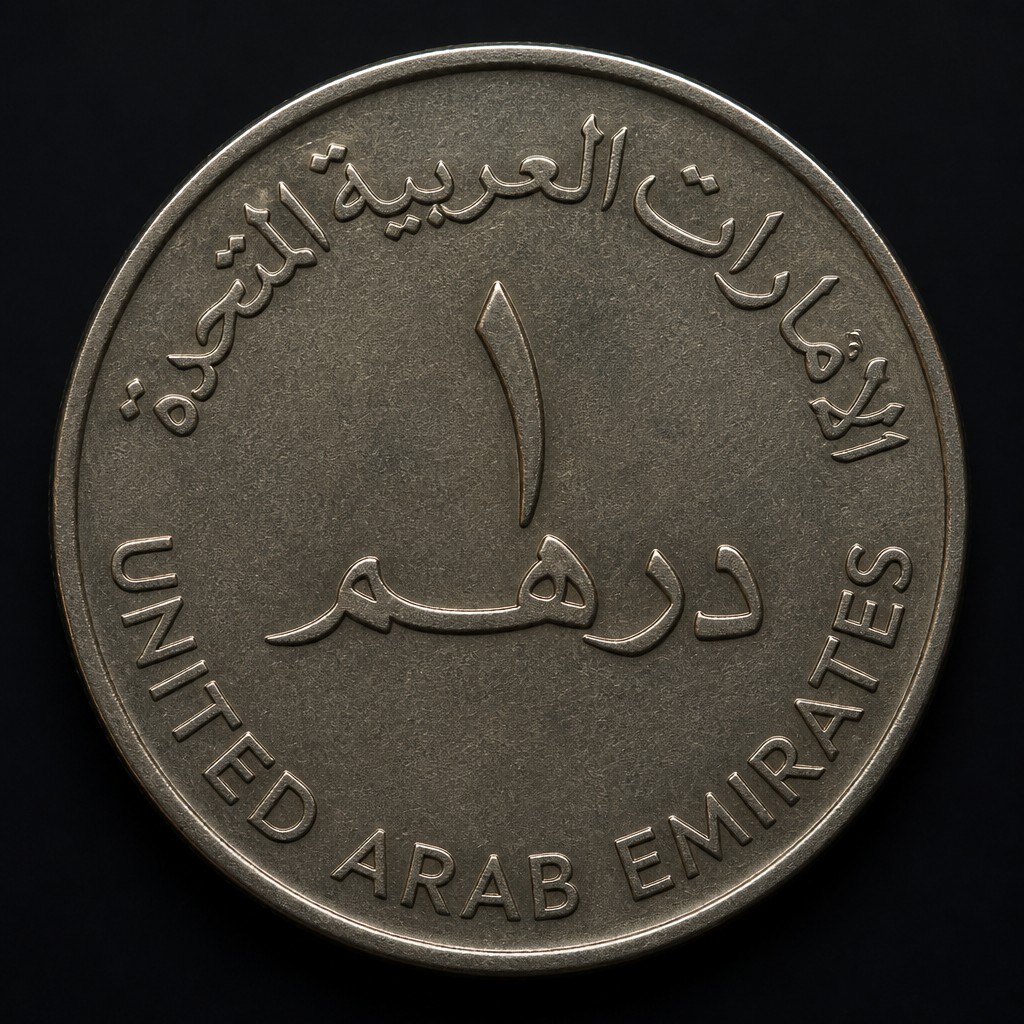
United Arab Emirates Dirham
1973–present
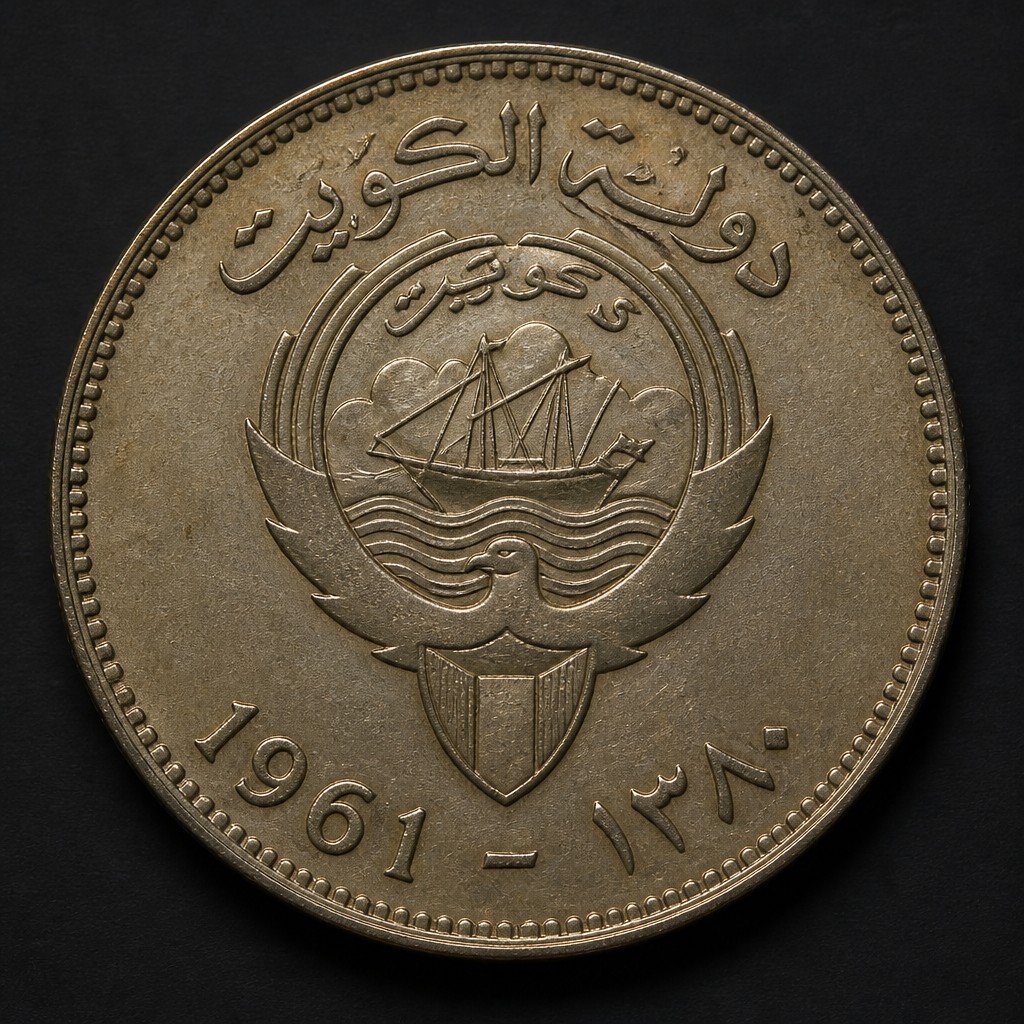
Kuwaiti Fils
1961–present
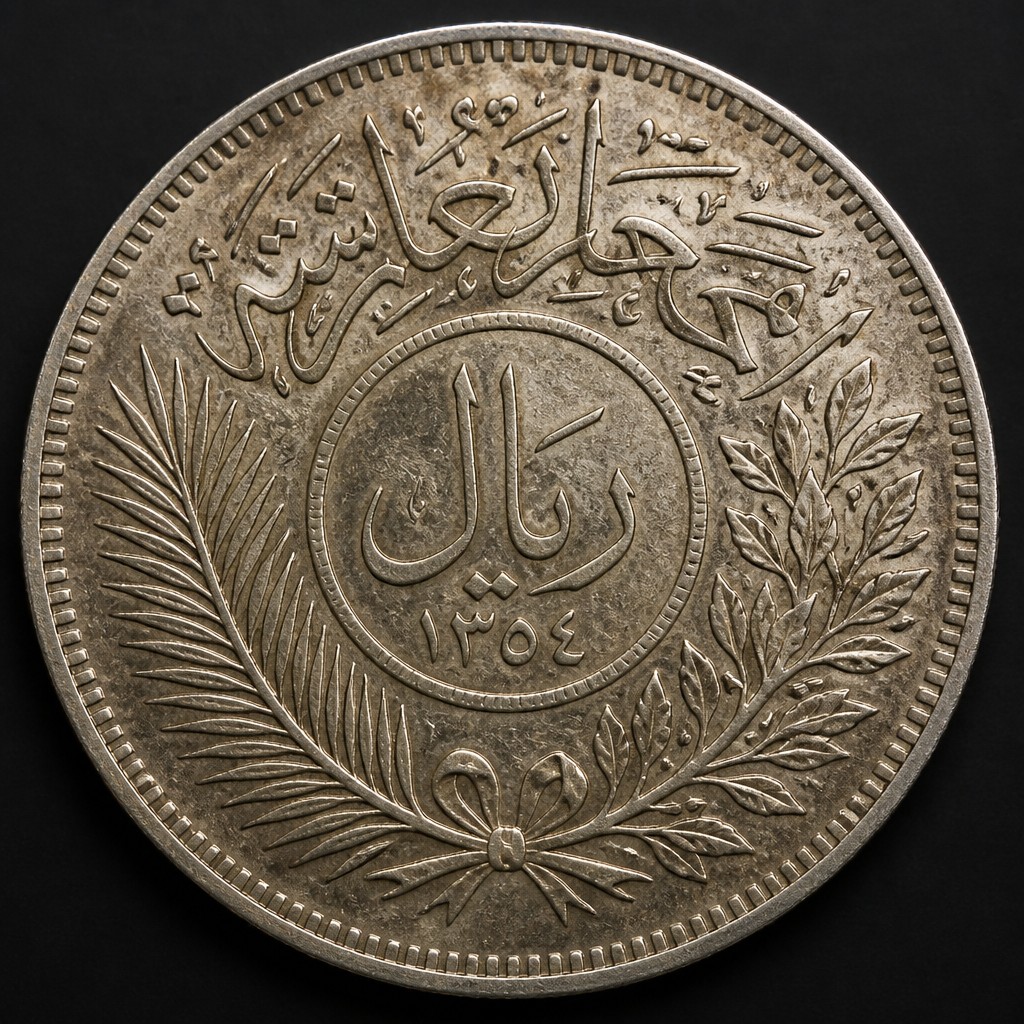
Saudi Arabian Riyal (silver)
1935 (Kingdom-wide standardization) and related issues
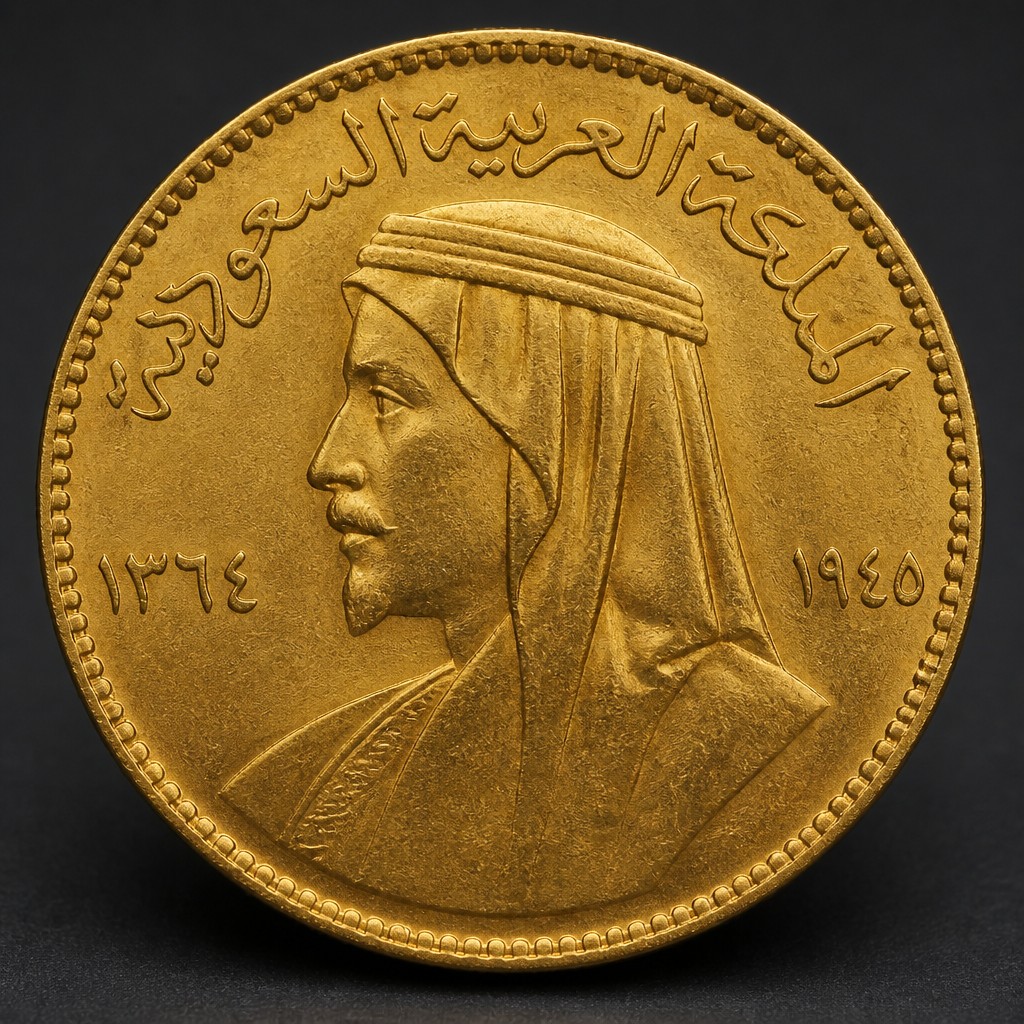
Saudi Arabian Gold Guinea (Sovereign)
1945 and later issues
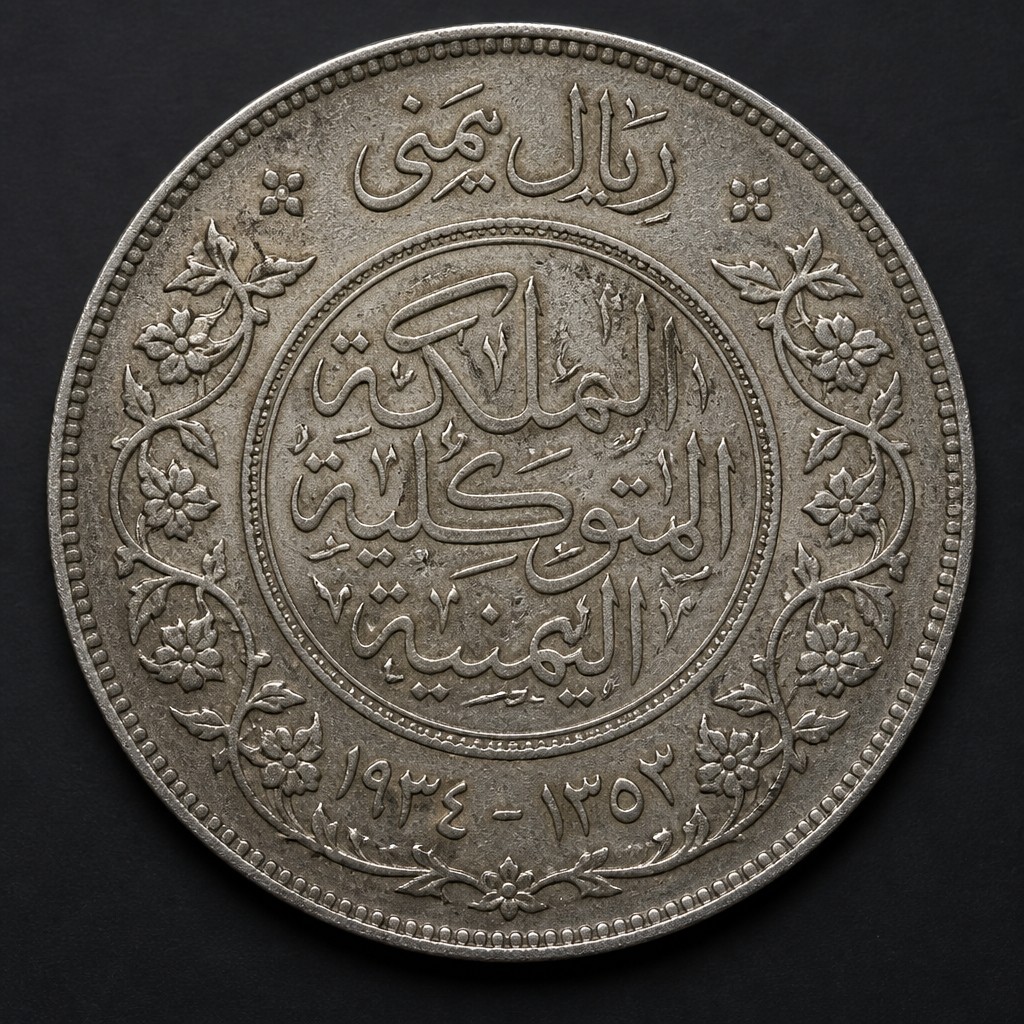
Yemeni Riyal (Ahmadi/Imadi Kingdom Coinage)
Early-to-mid 20th century
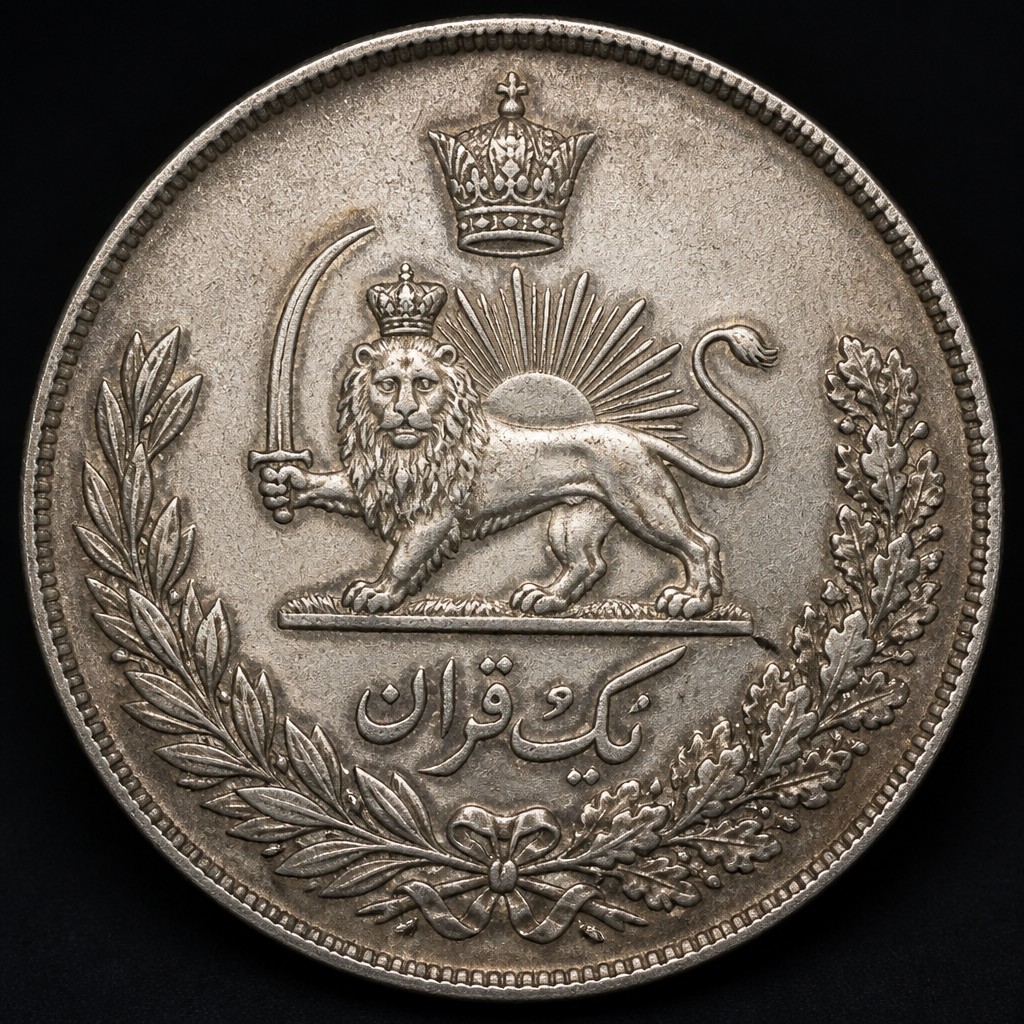
Persian Kran (Qajar silver)
Mid-19th century–1925
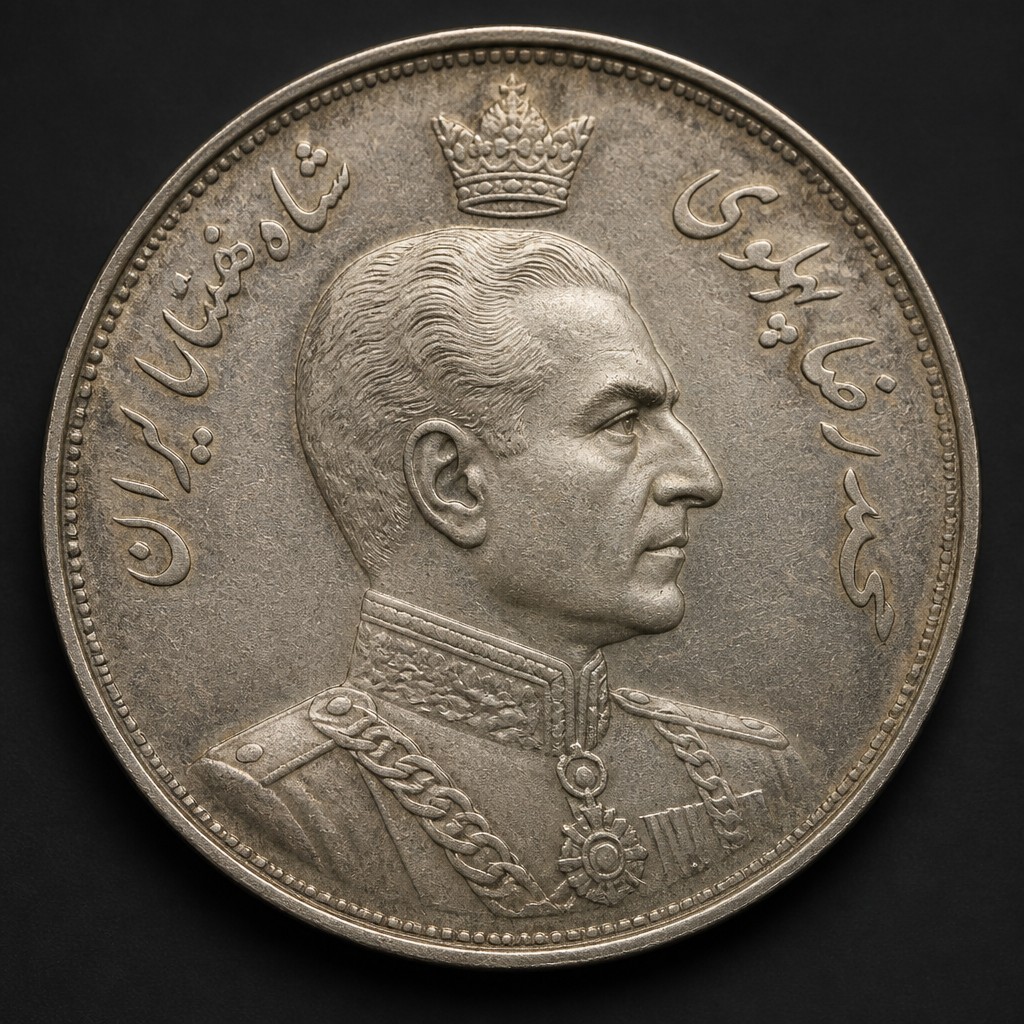
Iranian Rial
1932–present
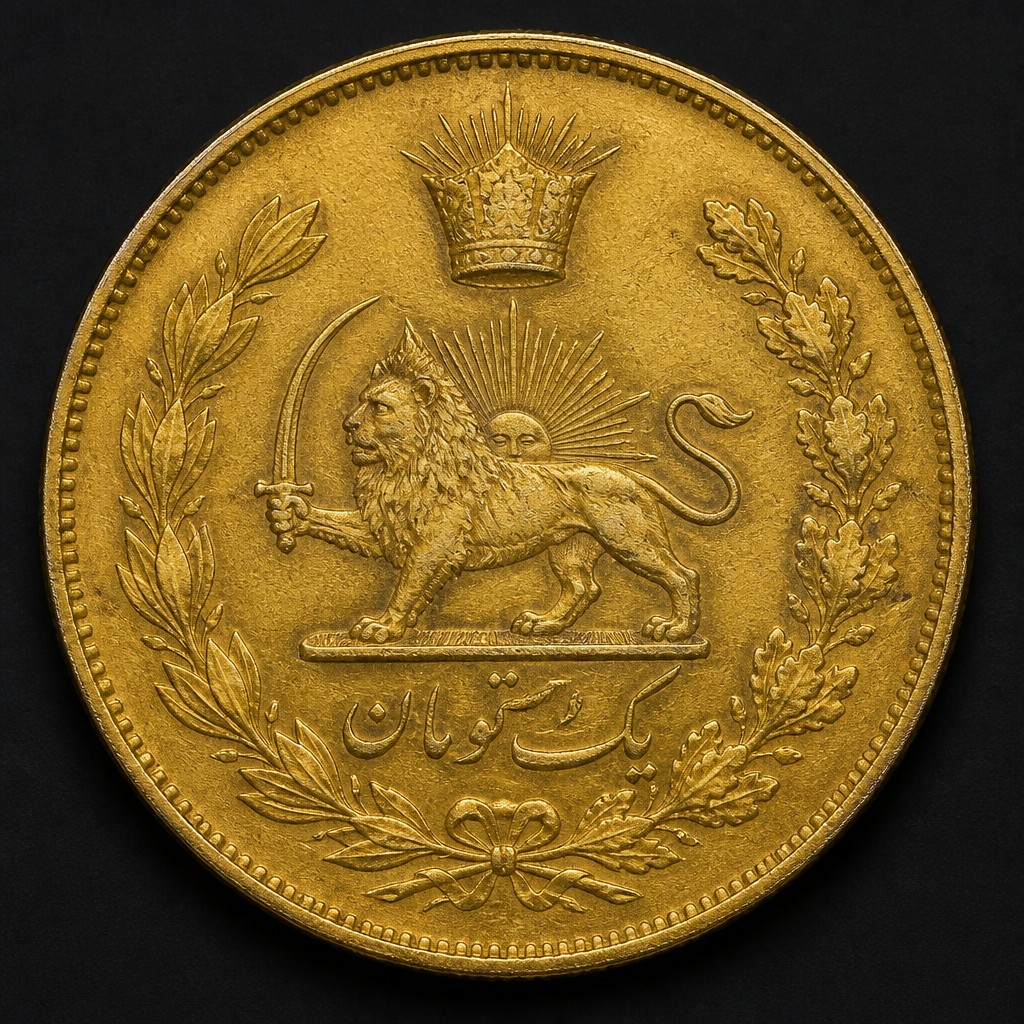
Persian Gold Toman (Qajar)
1796–1925
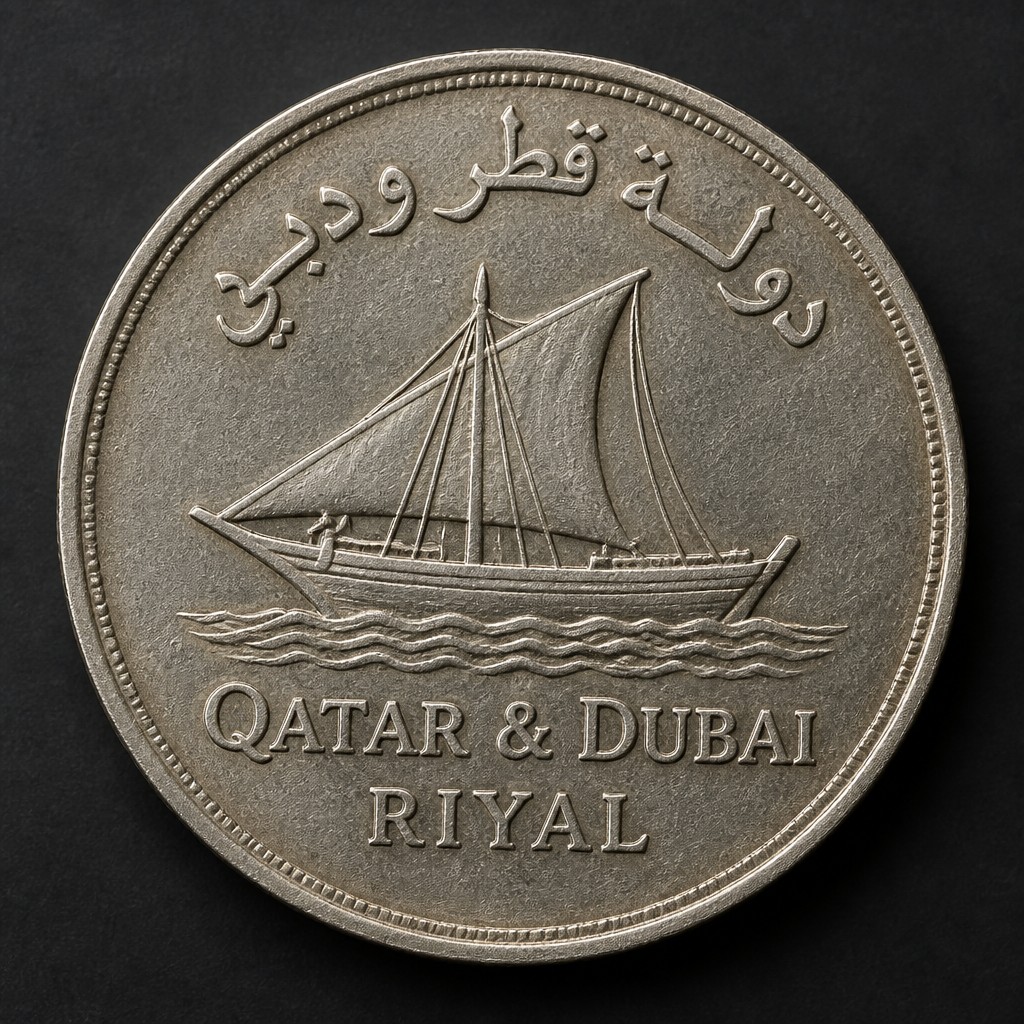
Qatar and Dubai Riyal
1966–1973
British India Rupee (Silver)
1835–1947