
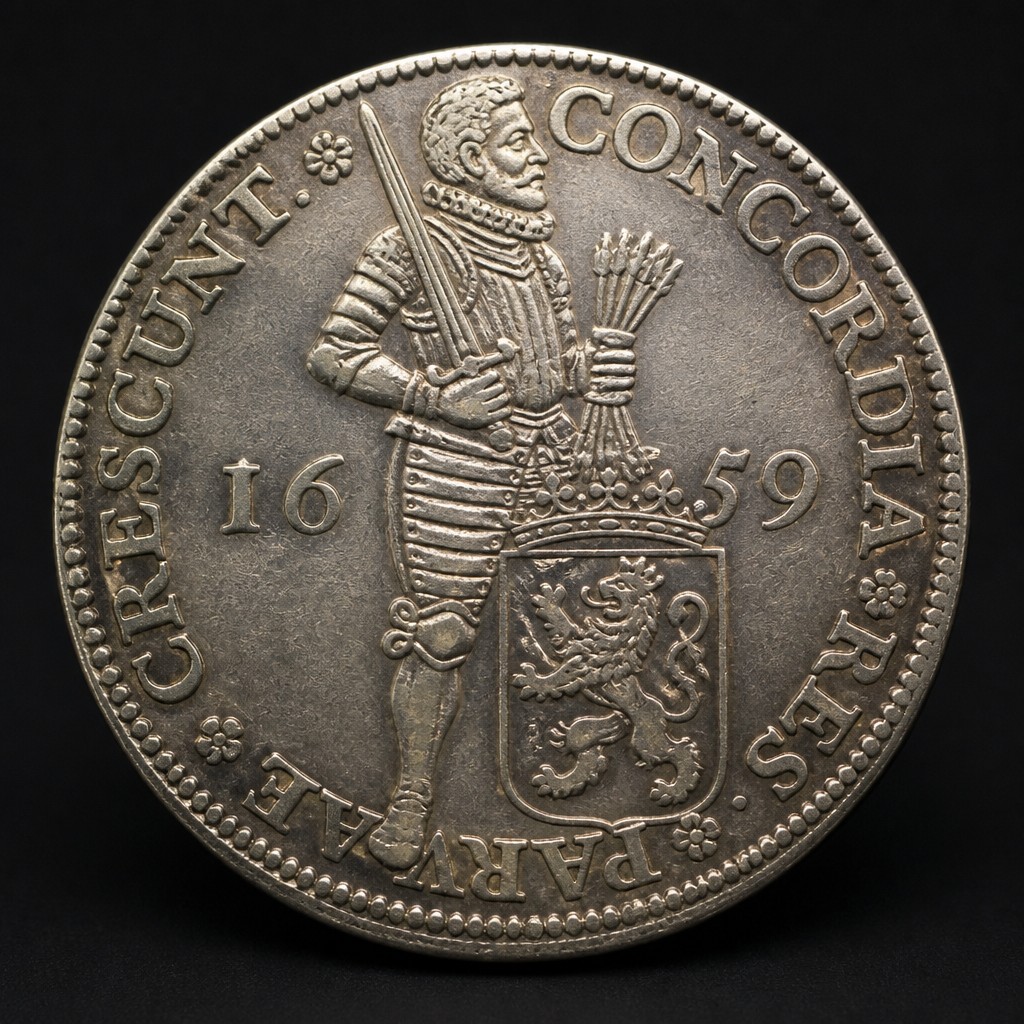
Dutch Silver Ducat
A historic Dutch trade silver coin first struck in 1659, depicting a standing knight, that has been minted continuously for centuries and remains a popular silver bullion and collector piece today.
- Country
- Netherlands
- Denomination
- Silver Ducat
- Metal
- ~87% Silver
Got a coin like this?
Identify any coin from a photo, free.
Overview
The Dutch silver ducat is one of Europe's longest-running coin types, first struck by the Dutch Republic in 1659 to serve as a standardized trade coin for use across the extensive Dutch commercial and colonial trading network. Unlike many historic coins, it never truly went out of production and continues to be struck today by the Royal Dutch Mint largely unchanged in design.
Collectors value it both as a genuine piece of Dutch Golden Age monetary history and, in its modern restrikes, as an accessible and recognizable silver bullion coin with an unbroken design tradition spanning more than three and a half centuries.
History & Background
The silver ducat was introduced by the Dutch Republic in 1659 as a trade coin intended to compete with other major European trade silver coins circulating in the Baltic, the Levant, and beyond. Its consistent silver content and widely recognized "Standing Knight" design helped it become a trusted medium of exchange far beyond the Netherlands' own borders.
Production continued through the Napoleonic period, the Kingdom of the Netherlands, and into the modern era, with the design remaining essentially unchanged even as the coin's role shifted from active trade currency to a specialized bullion and collector product. Today the Royal Dutch Mint strikes the silver ducat, alongside a gold ducat counterpart, largely for collectors and bullion investors rather than for circulation.
This continuity makes the Dutch ducat one of very few coin designs in the world to have been produced, essentially without interruption in concept, since the 17th century.
How to Identify
The obverse depicts a knight in full armor standing and facing right, holding a bundle of arrows in one hand and a sword in the other, with a lion at his feet, a design intended to project strength and reliability to trading partners. The reverse carries a Latin inscription within a rectangular or oval tablet, typically abbreviated wording proclaiming it a silver coin of the confederated Netherlands provinces, along with the date.
The coin is struck in silver of roughly .873 fineness and weighs about 28 grams in its traditional specification, though modern bullion restrikes may specify their fineness and weight explicitly on accompanying documentation. Because the design has remained so consistent for centuries, precise dating and mint identification often require close attention to subtle die details and inscriptions rather than any dramatic design change.
Value & Collectibility
Modern silver ducat restrikes trade close to their silver bullion value with a modest premium for mint production and recognized design pedigree, making them a popular choice among European silver bullion buyers. Genuine antique specimens from the 17th, 18th, or 19th centuries carry numismatic premiums that vary considerably based on date, mint, and condition, with well-preserved early pieces valued well above simple silver content.
As with many long-running trade coin types, collectors distinguish between common, later-date pieces, which are generally affordable, and scarce early strikes or unusual mint varieties, which can be considerably more valuable.
Frequently asked questions
Is the Dutch silver ducat still made today?
Yes, the Royal Dutch Mint continues to strike silver ducats in essentially their traditional 17th-century design for collectors and bullion buyers.
What does the knight design represent?
The armored "Standing Knight" was designed to convey strength and trustworthiness to international trading partners who used the coin.
How can I tell an antique ducat from a modern restrike?
Close examination of the date, mint details, and overall wear and toning is generally required, as the core design has changed very little over centuries.
What is the silver purity of a Dutch ducat?
Traditional issues are struck in silver of roughly .873 fineness, though collectors should check specific documentation for modern bullion versions.
Other coins you may enjoy
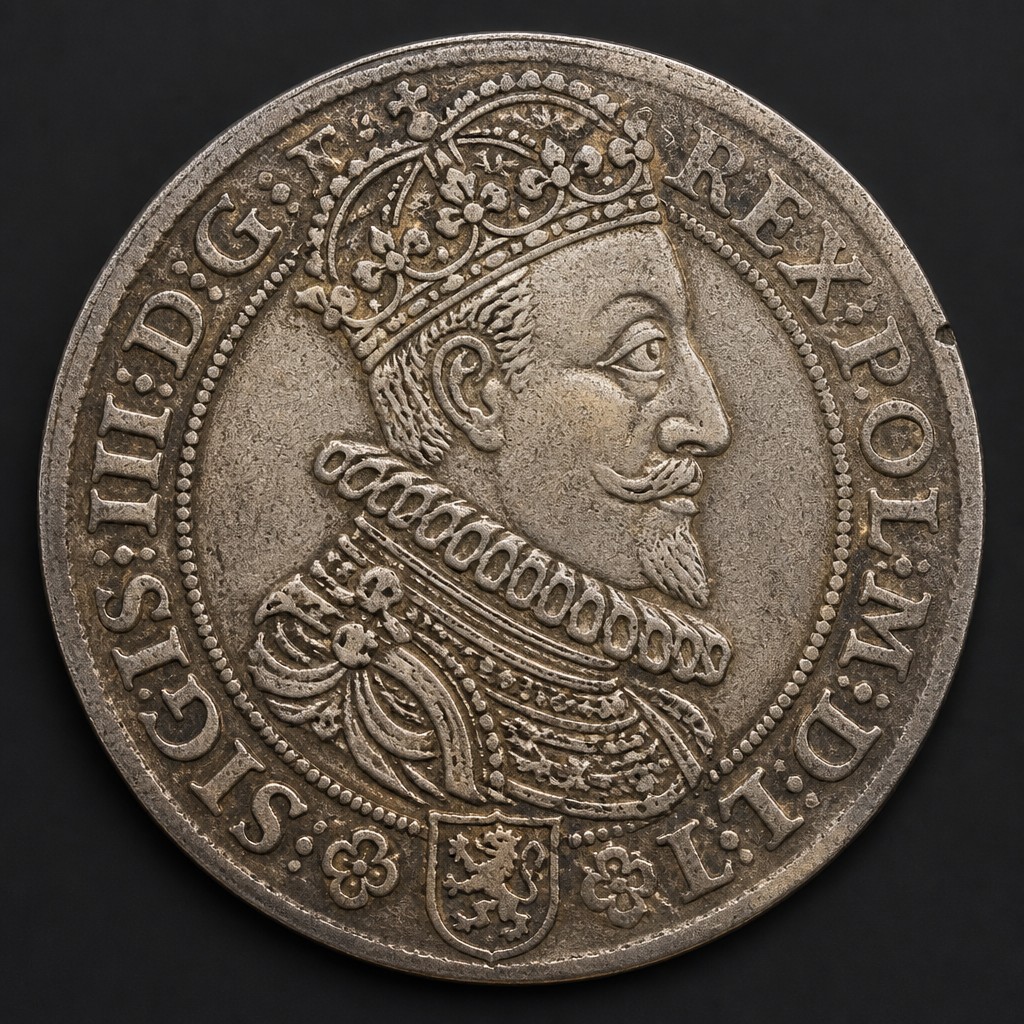
Polish-Lithuanian Thaler
circa 16th–18th century
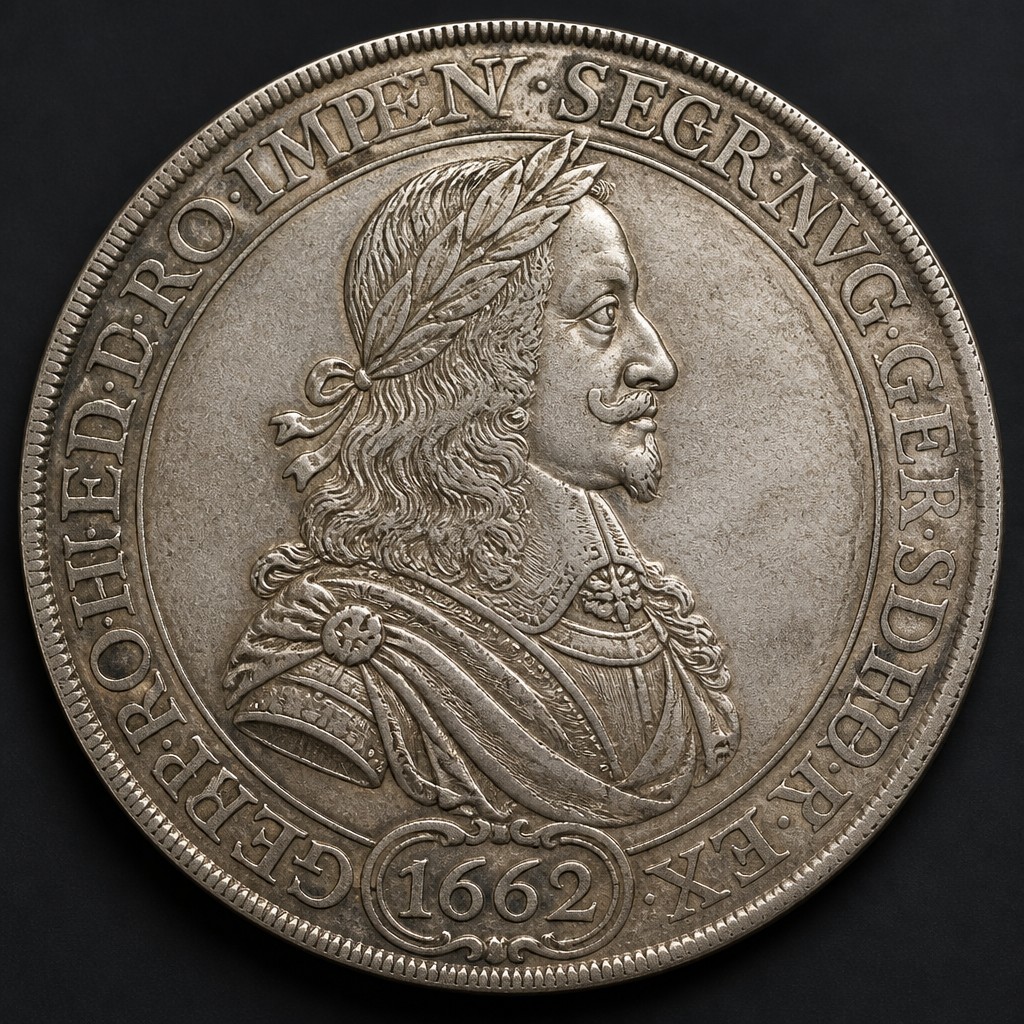
Reichsthaler
circa 1566–early 19th century
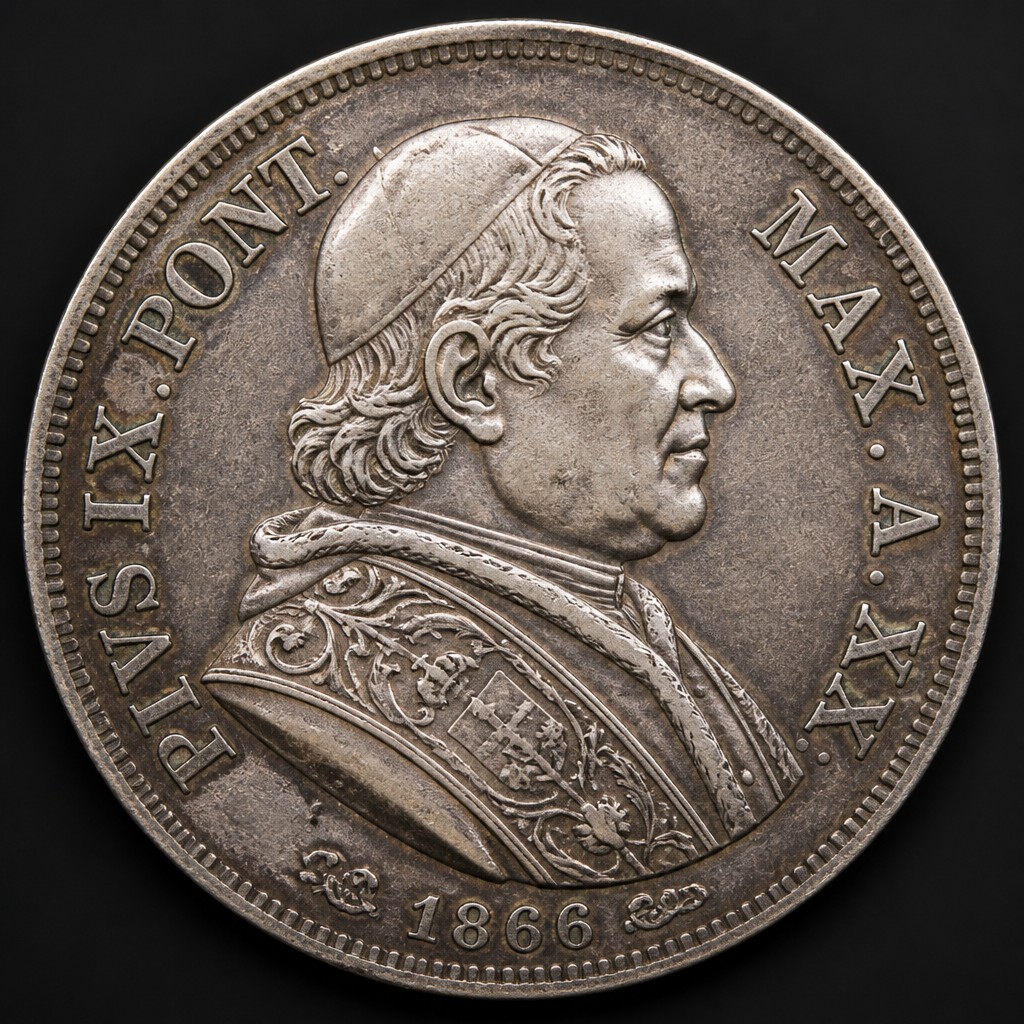
Papal States Scudo
16th century–1866
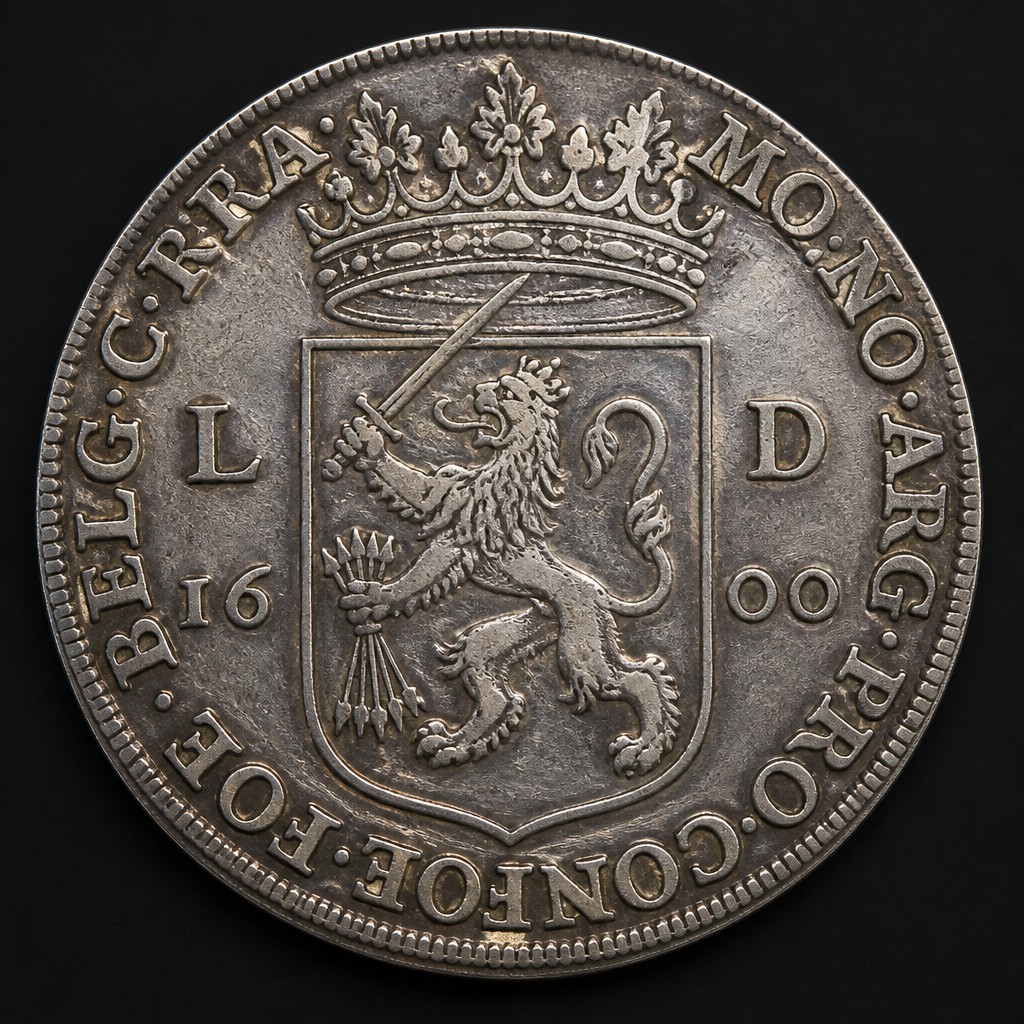
Netherlands Lion Daalder (Leeuwendaalder)
1575–1713
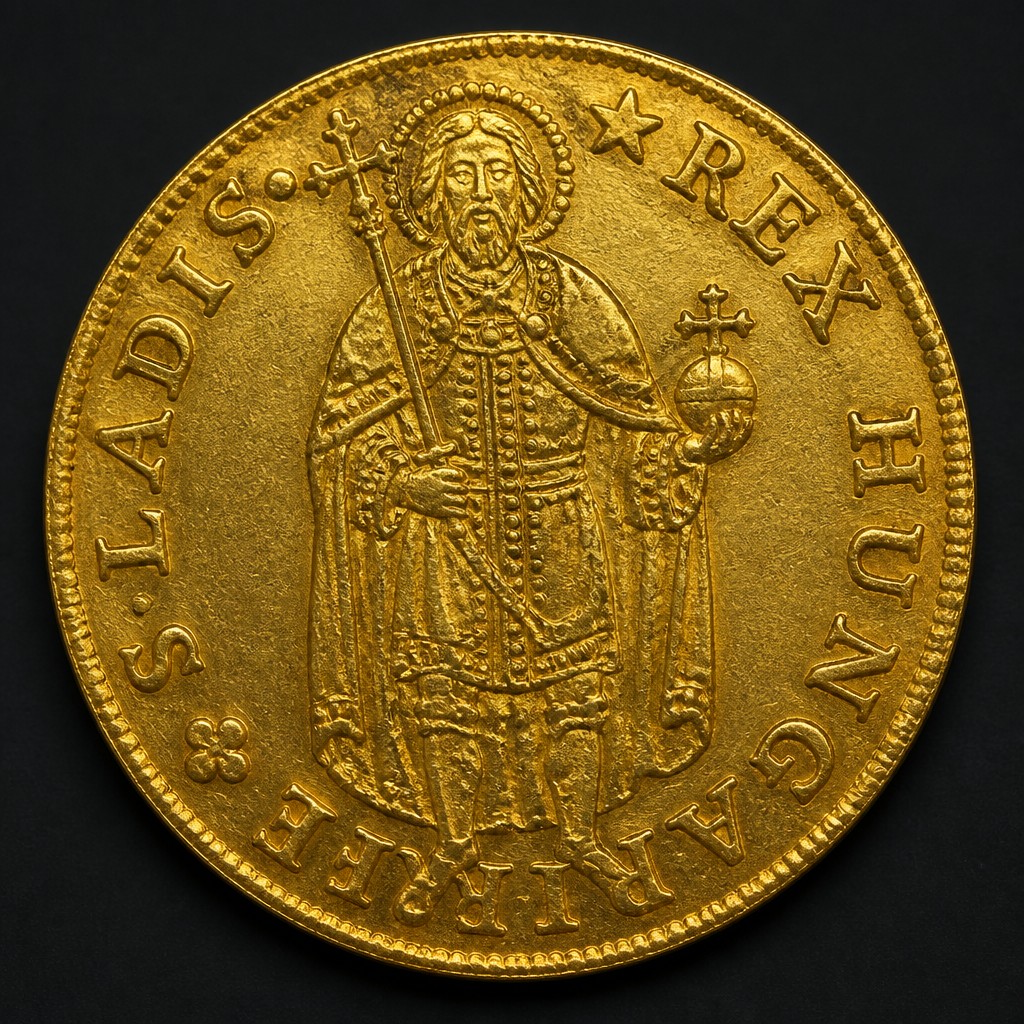
Hungarian Ducat
c. 1325–1918
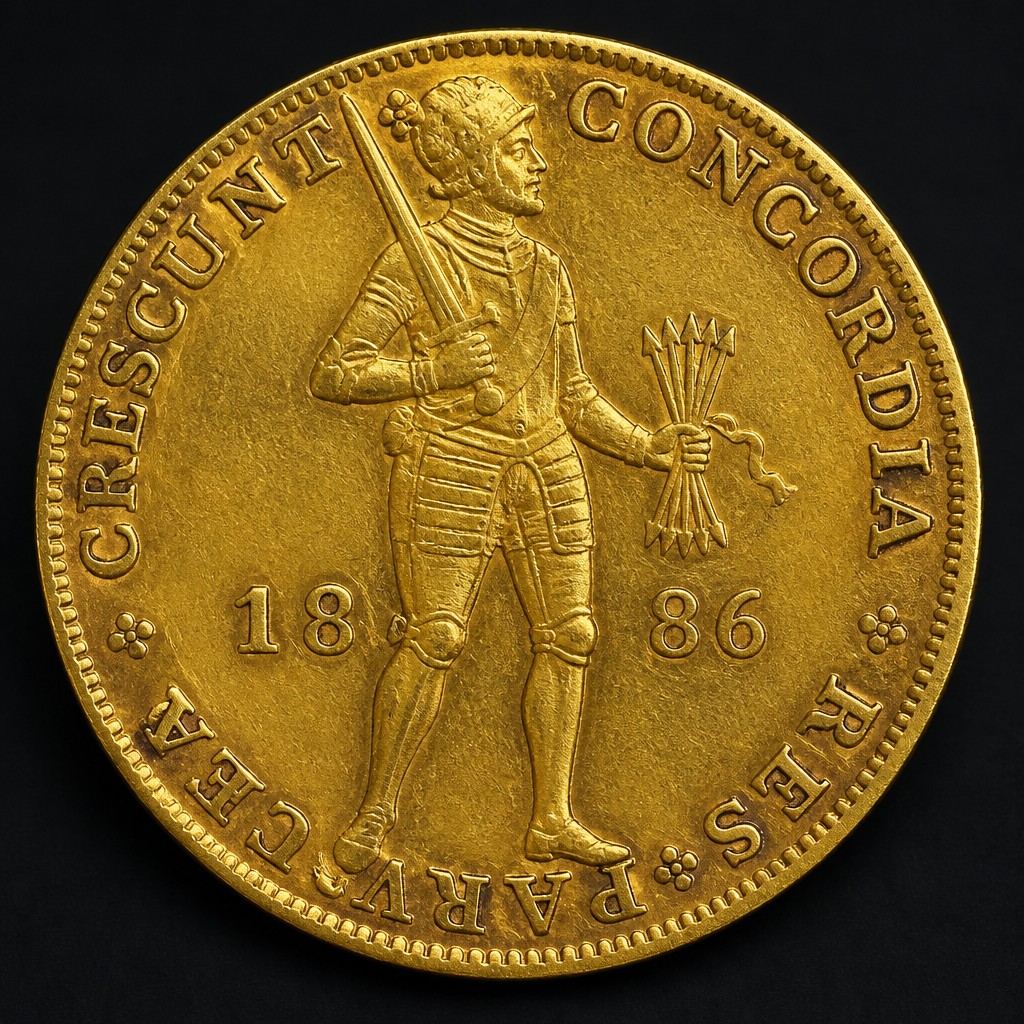
Dutch Ducat
c. 1586–present (classic type standardized after 1817)
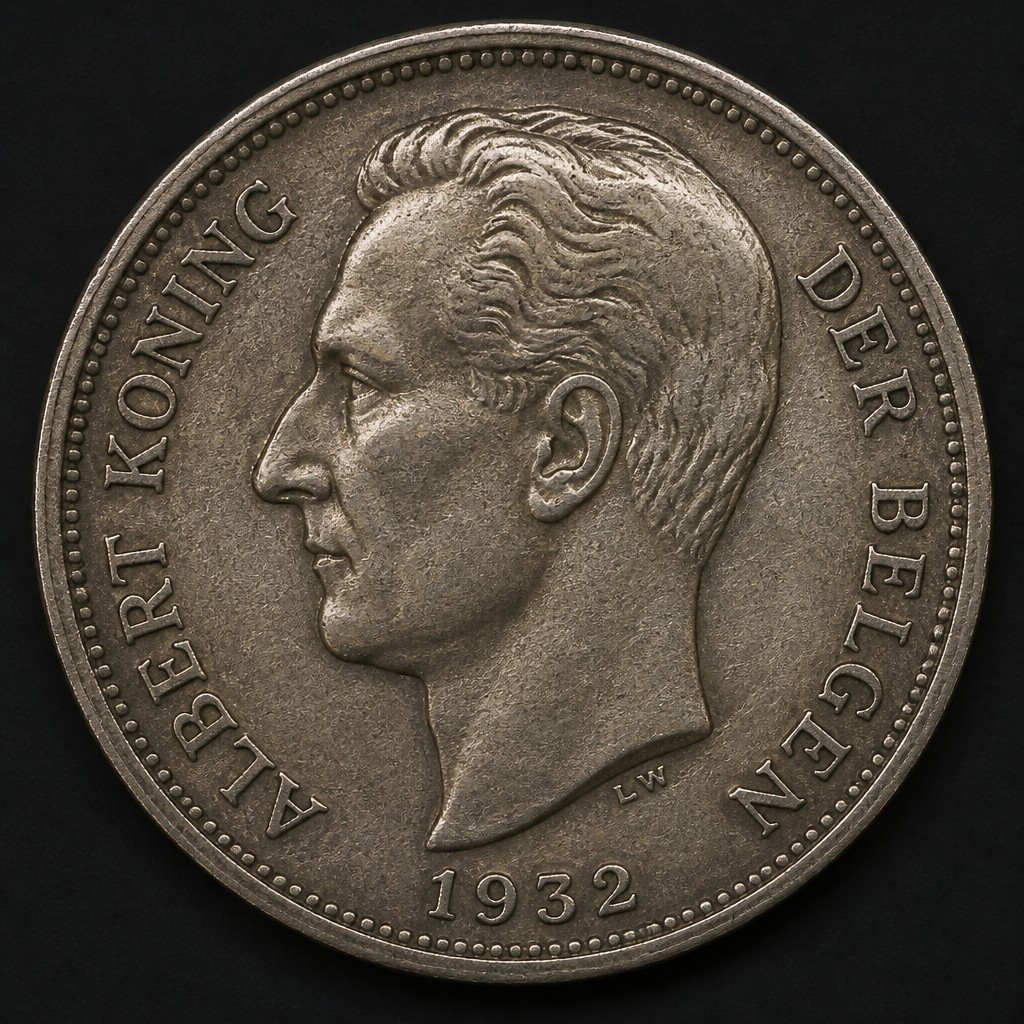
Belgian Franc
1832–2002
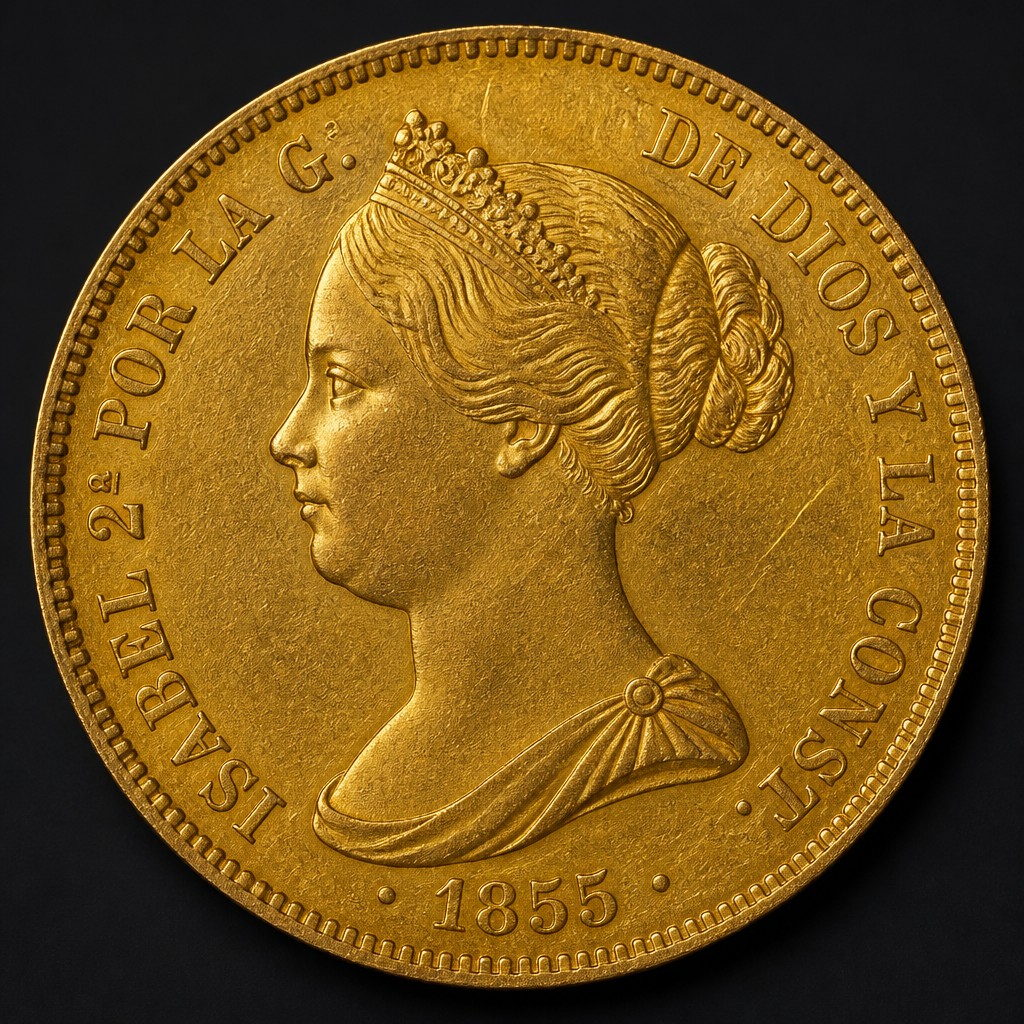
Spanish 100 Reales Gold (Isabel II)
1850s–1868
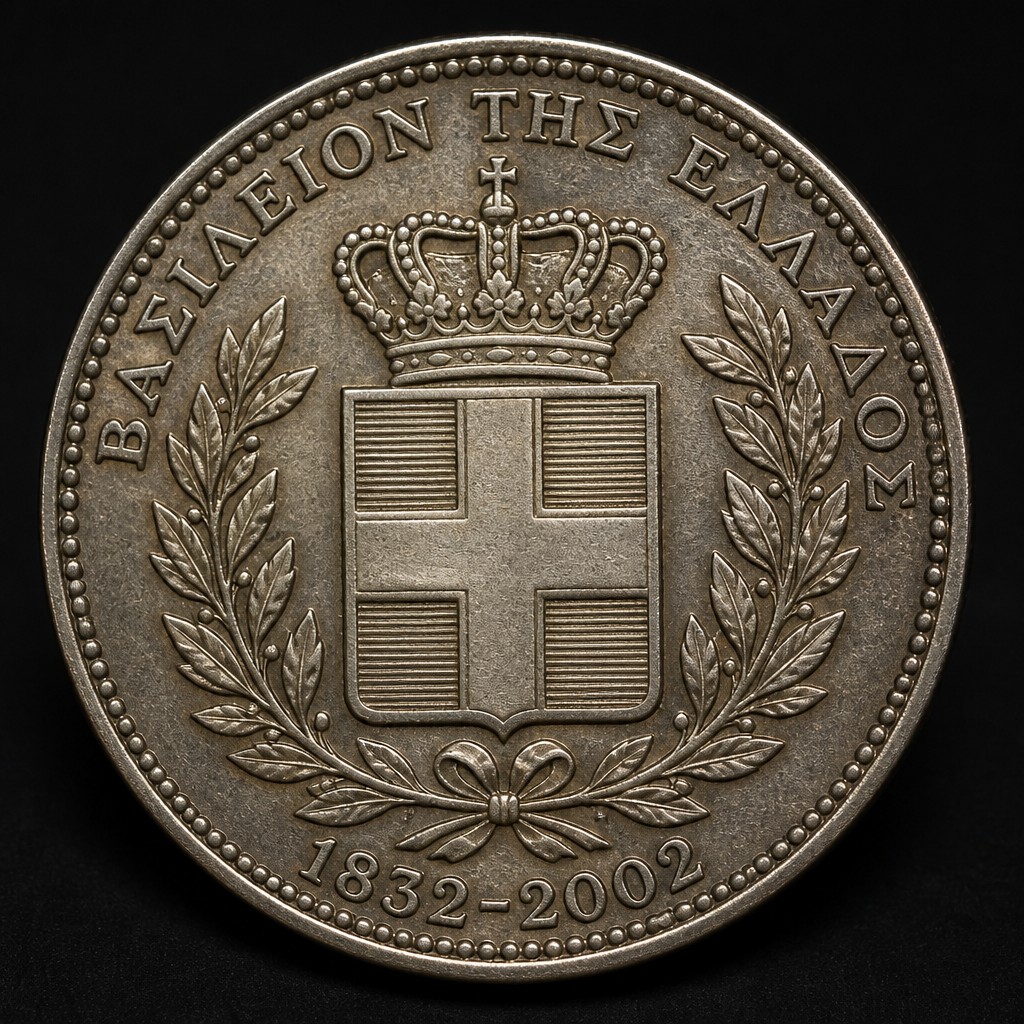
Greek Drachma
1832–2002
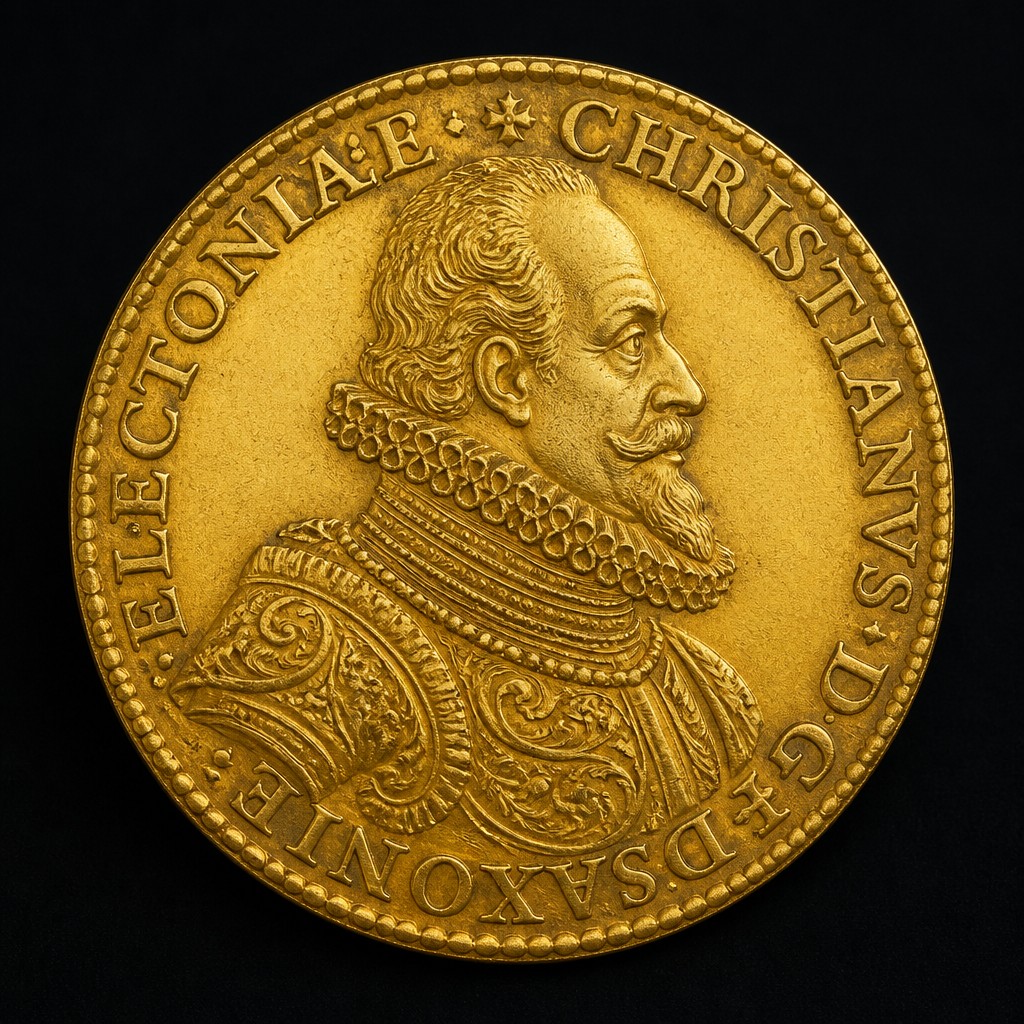
German Saxony Ducat
16th century–19th century
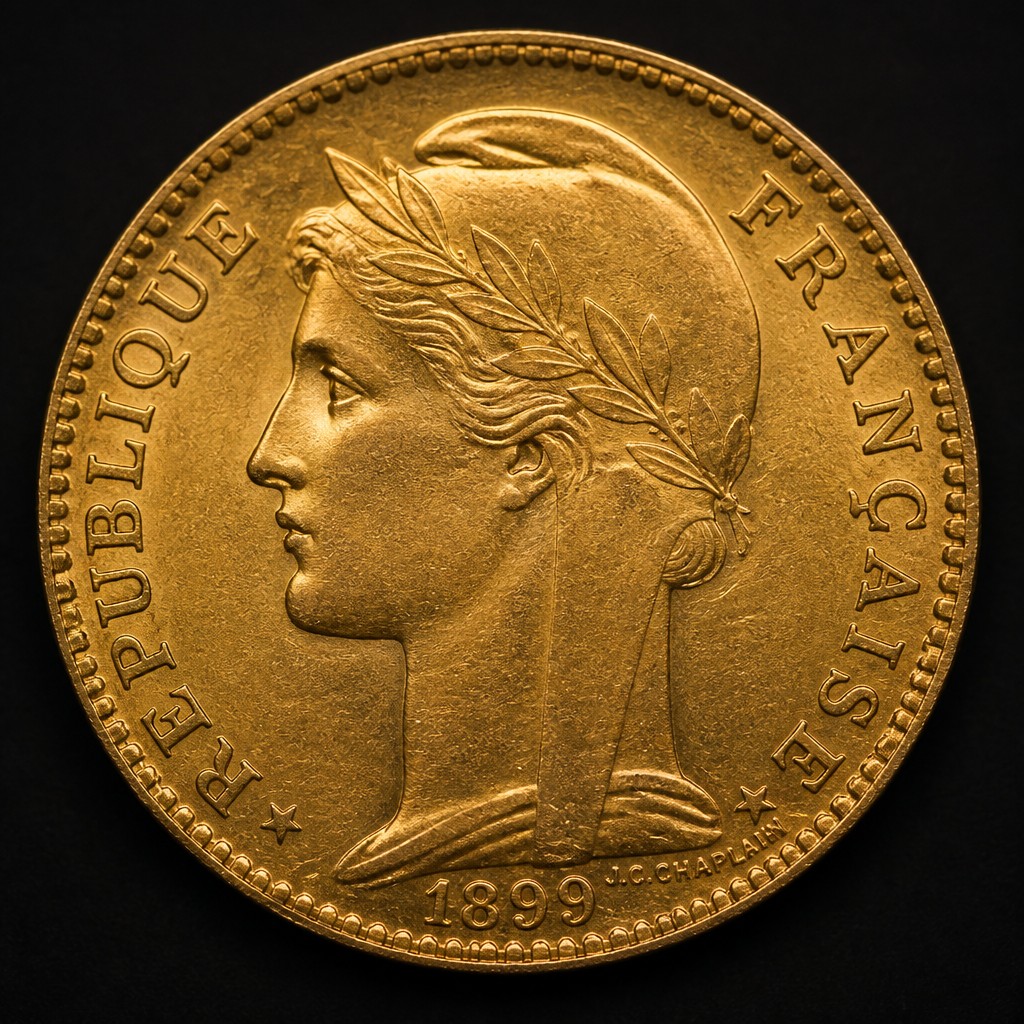
French 10 Francs Gold (Napoleon Rooster)
1899–1914
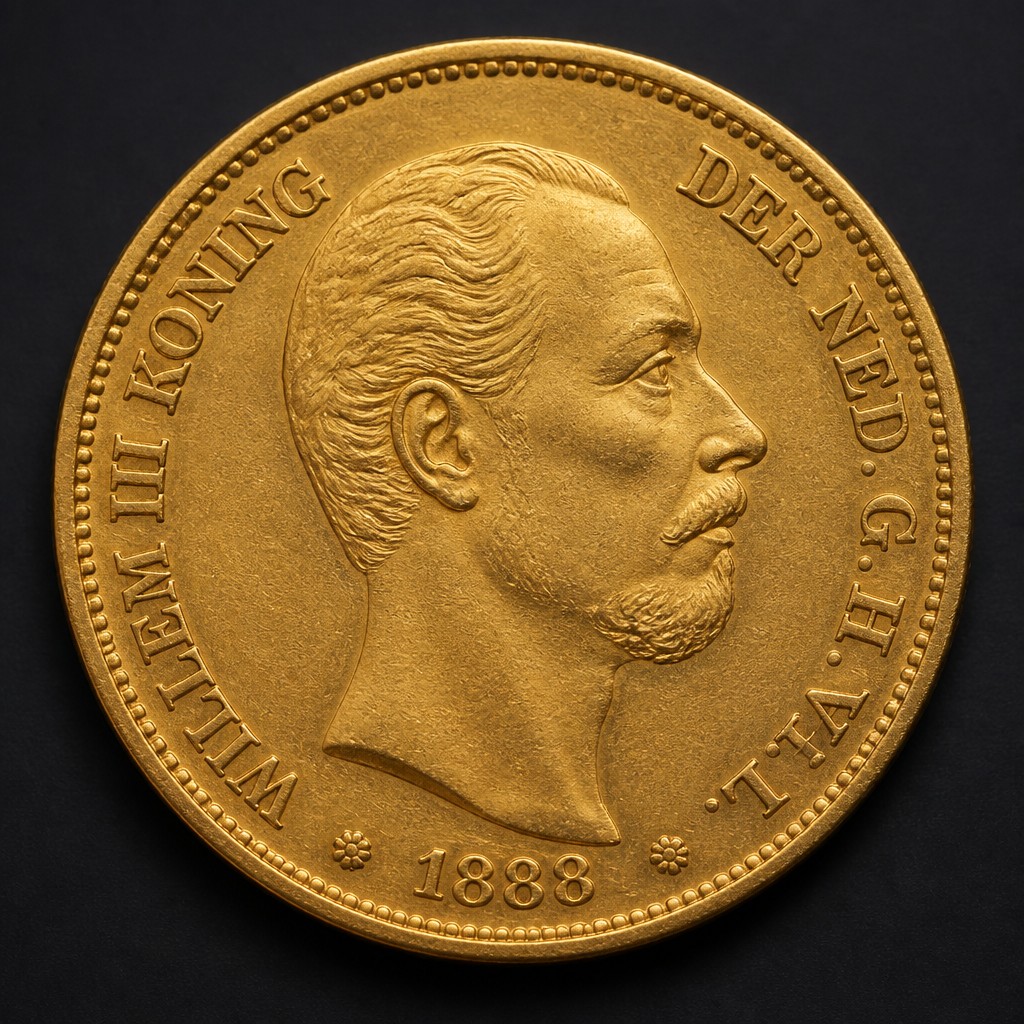
Netherlands 5 Gulden Gold
1826–1912 (intermittent)