
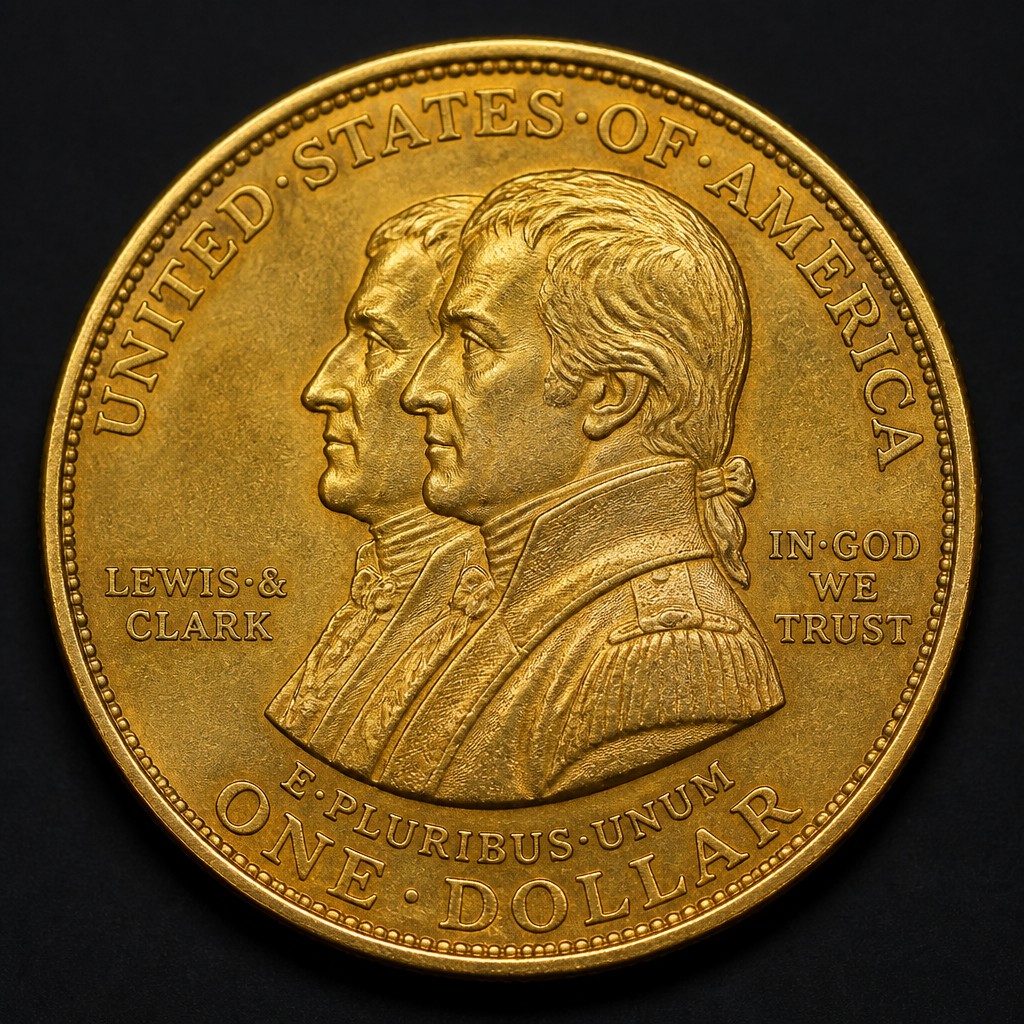
Lewis and Clark Gold Dollar Commemorative
A commemorative gold dollar honoring explorers Meriwether Lewis and William Clark, struck in 1904 and 1905 for the Lewis and Clark Centennial Exposition in Portland, Oregon.
- Country
- United States
- Denomination
- One Dollar
- Metal
- Gold (.900)
Got a coin like this?
Identify any coin from a photo, free.
Overview
The Lewis and Clark Gold Dollar Commemorative was issued in 1904 and 1905 to mark the Lewis and Clark Centennial Exposition, held in Portland, Oregon, in 1905 to celebrate the centennial of the famous Lewis and Clark Expedition across the American West. It is notable for being one of the very few U.S. coins to feature two different portrait figures on its obverse and reverse, Meriwether Lewis and William Clark, rather than allegorical imagery.
As a two-year issue with modest original mintages, both dates are recognized as legitimately scarce among classic commemorative gold coins, and the design's dual explorer portraits make it a favorite among collectors interested in American westward expansion history.
It is also historically notable for celebrating an expedition that relied heavily on Native guidance, most famously that of Sacagawea, though she does not appear on this particular coin.
History & Background
The Lewis and Clark Centennial Exposition, held in Portland, Oregon in 1905, celebrated the hundredth anniversary of the Lewis and Clark Expedition, the pioneering journey commissioned by President Thomas Jefferson to explore the newly acquired Louisiana Territory and the Pacific Northwest. Congress authorized a commemorative gold dollar to help fund and promote the exposition, struck in both 1904 and 1905.
Chief engraver Charles E. Barber designed the coin, placing profile portraits of Meriwether Lewis and William Clark on the obverse and reverse respectively, a departure from the allegorical Liberty figures common on other commemoratives of the era.
Sales of the coin fell short of expectations both at the exposition and afterward, leading to unsold coins being melted, which, combined with its already modest original mintage, makes the series scarce and sought after by specialists in classic U.S. commemorative gold today.
How to Identify
The obverse shows a profile portrait of Meriwether Lewis facing left, with UNITED STATES OF AMERICA around the border and the date (1904 or 1905) below.
The reverse shows a profile portrait of William Clark facing left, with LEWIS AND CLARK EXPOSITION PORTLAND ORE around the border and the denomination ONE DOLLAR.
The coin is very small, consistent with other U.S. gold dollar commemoratives, and carries no mintmark, since both dates were struck at Philadelphia. The two dates, 1904 and 1905, are distinguished only by the date beneath the Lewis portrait; both share the identical overall design.
Value & Collectibility
Both the 1904 and 1905 Lewis and Clark gold dollars are recognized as legitimately scarce classic commemoratives, generally trading at higher price levels than many other gold dollar commemoratives of the era due to their genuinely limited original mintages.
Typical circulated to lower mint-state examples often trade in the low to mid four figures, with choice, well-struck, high-grade specimens commanding a considerable premium; the 1905 date is often regarded as somewhat scarcer than 1904 in top condition.
As with other small classic gold commemoratives, originality, strike quality, and third-party grading certification significantly affect value, and well-preserved examples are actively sought by specialists in this niche of American numismatics.
Frequently asked questions
Who is depicted on the Lewis and Clark Gold Dollar?
Meriwether Lewis appears on the obverse and William Clark on the reverse, honoring the leaders of the famous 1804-1806 expedition.
What event did this coin commemorate?
It commemorated the 1905 Lewis and Clark Centennial Exposition in Portland, Oregon, marking the hundredth anniversary of the Lewis and Clark Expedition.
How many years was this coin struck?
It was struck in two years, 1904 and 1905, both at the Philadelphia Mint.
Are these coins rare?
Yes, both dates had modest original mintages and are considered genuinely scarce among classic U.S. commemorative gold dollars.
Other coins you may enjoy
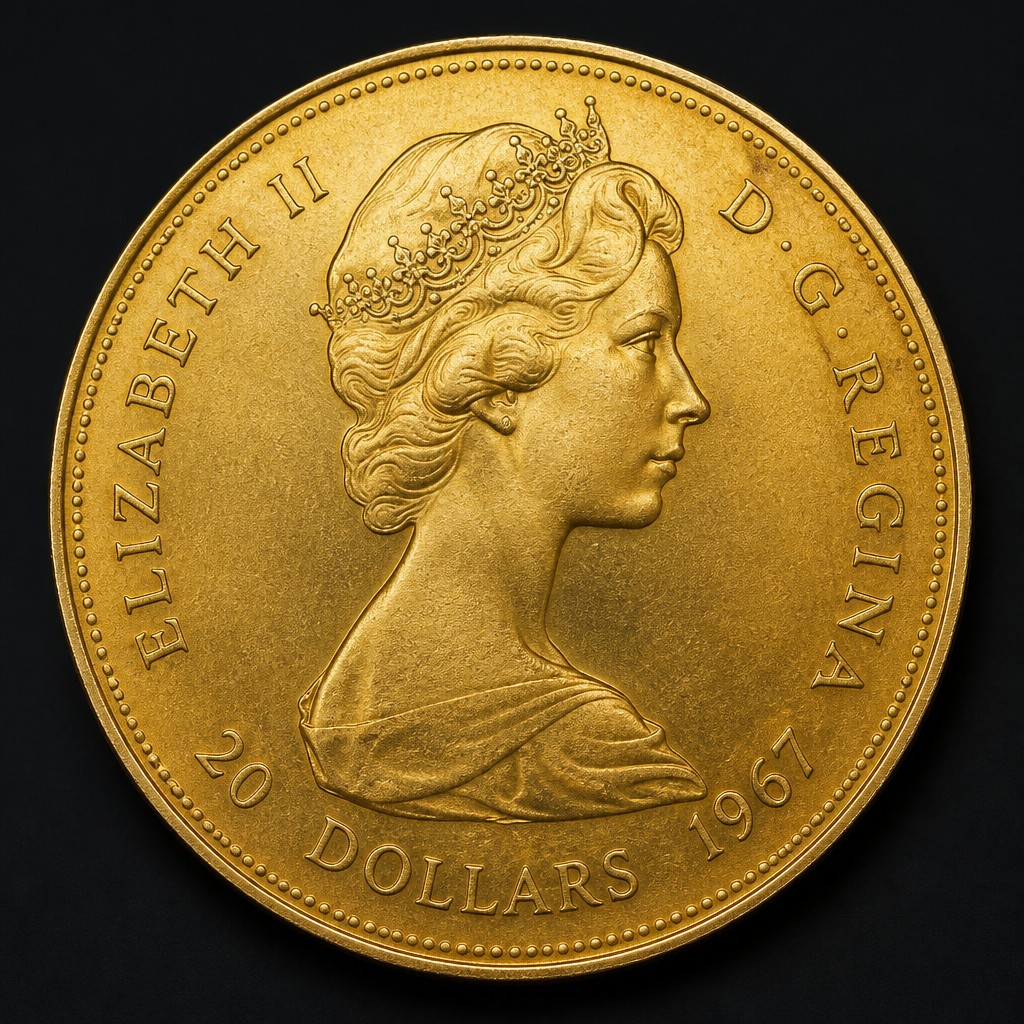
1967 Centennial Gold $20 Coin
1967
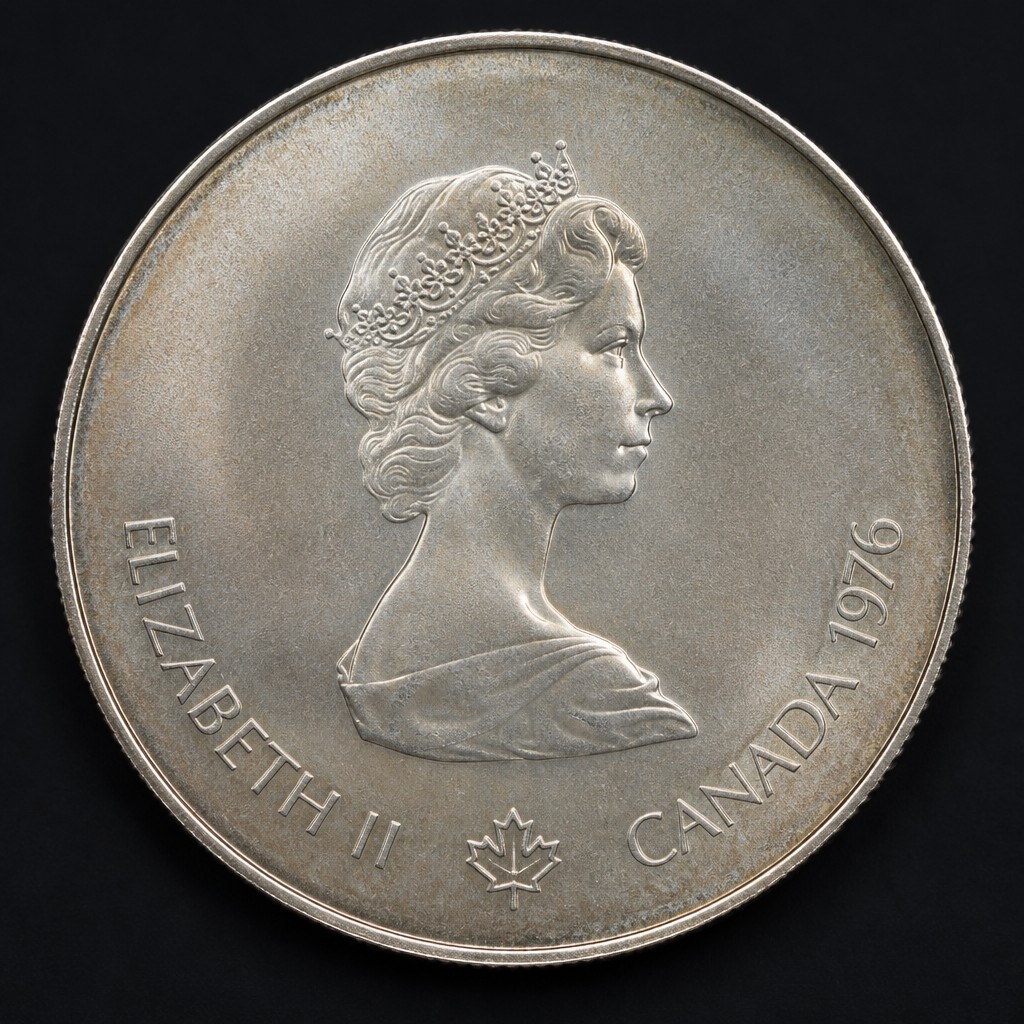
1976 Montreal Olympics Silver Coin Series
1973–1976
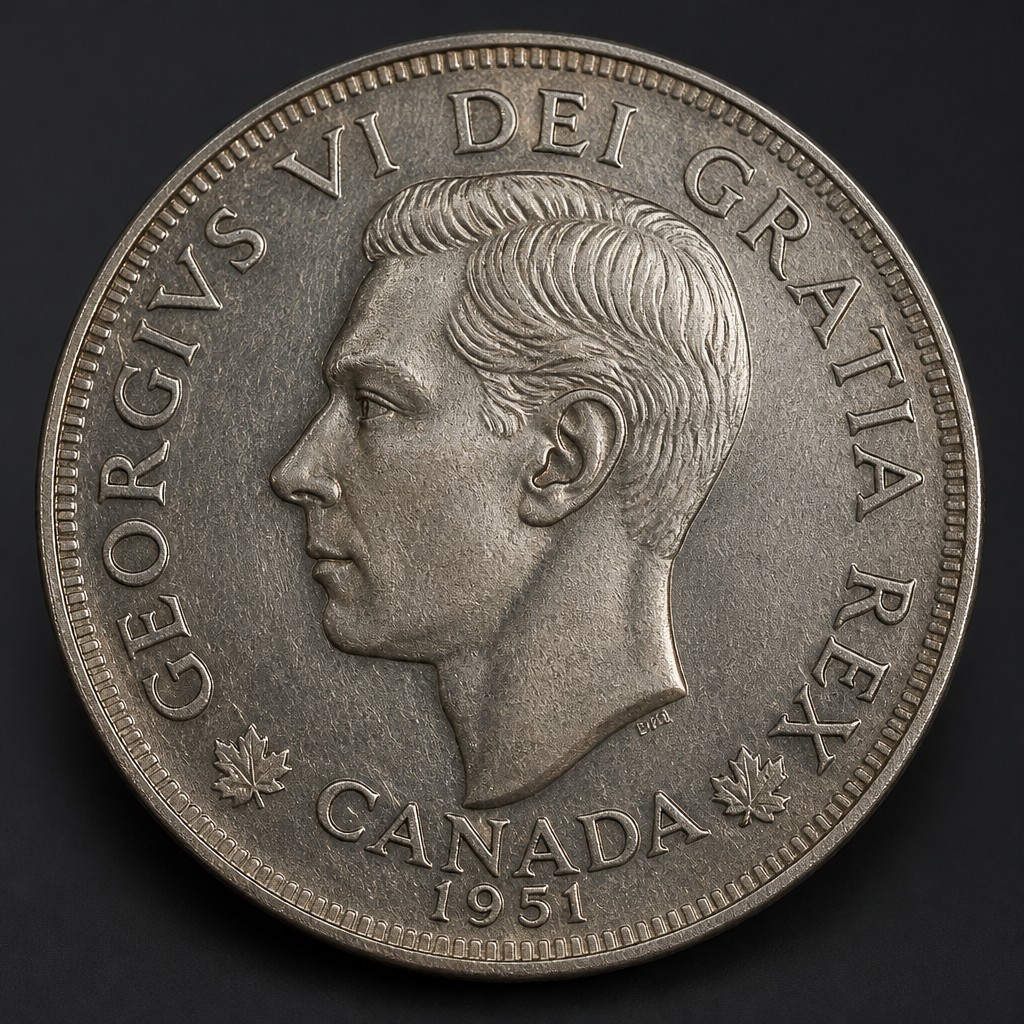
1951 Nickel Commemorative Five Cents
1951
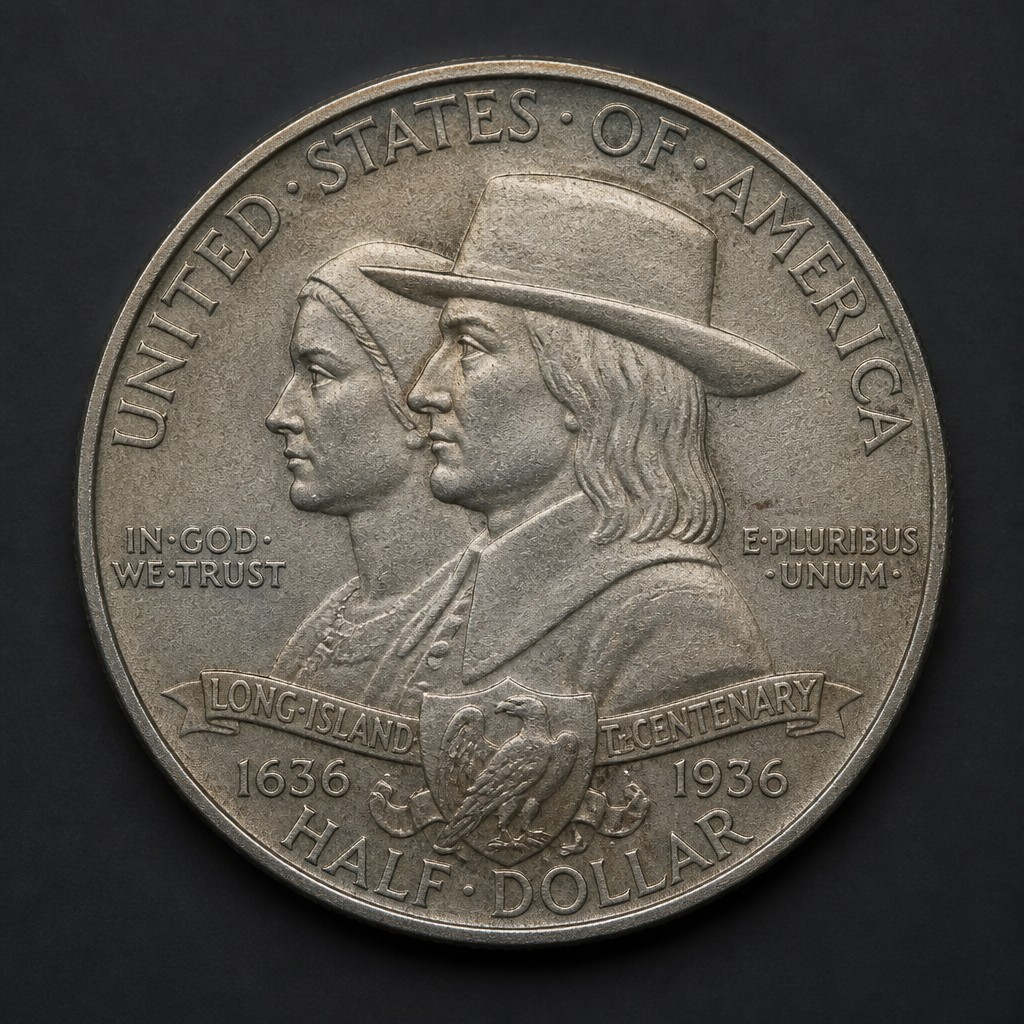
Long Island Tercentenary Half Dollar
1936
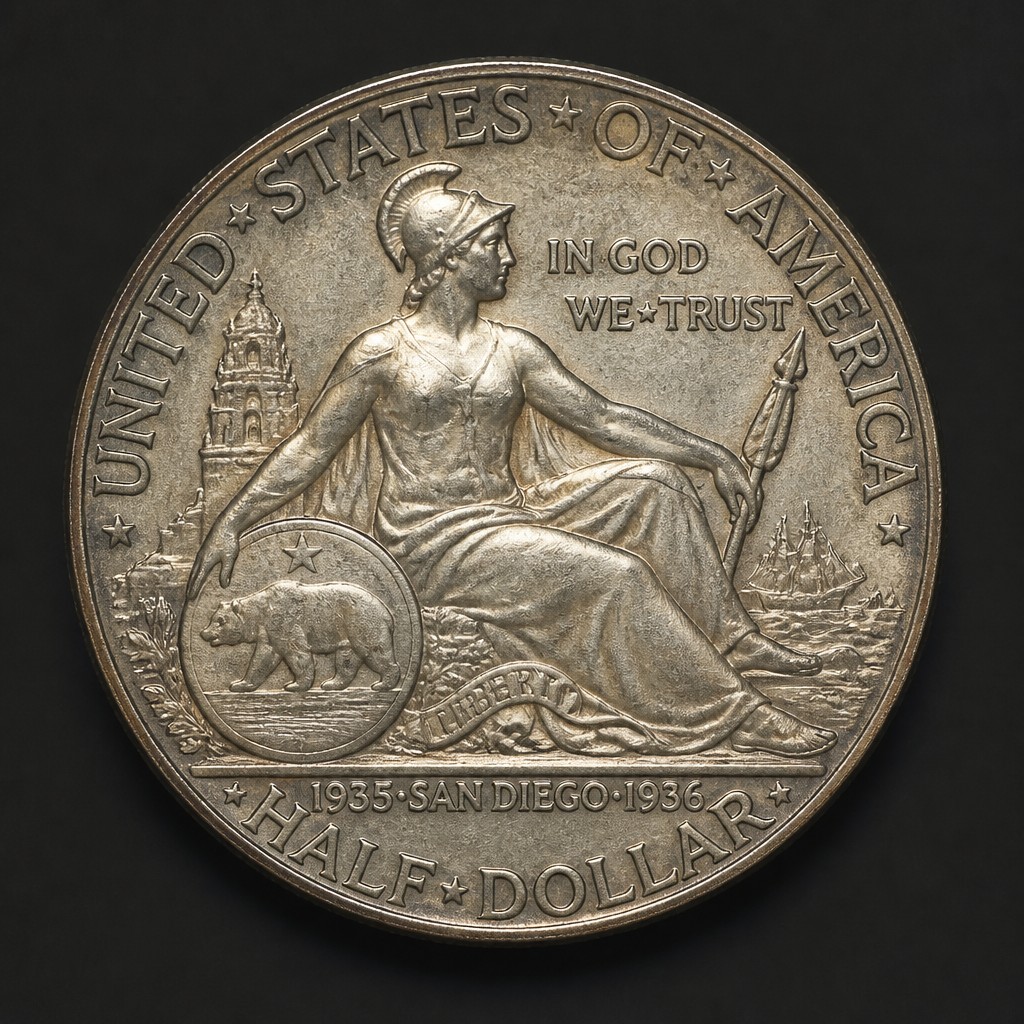
San Diego Pacific Exposition Half Dollar
1935–1936
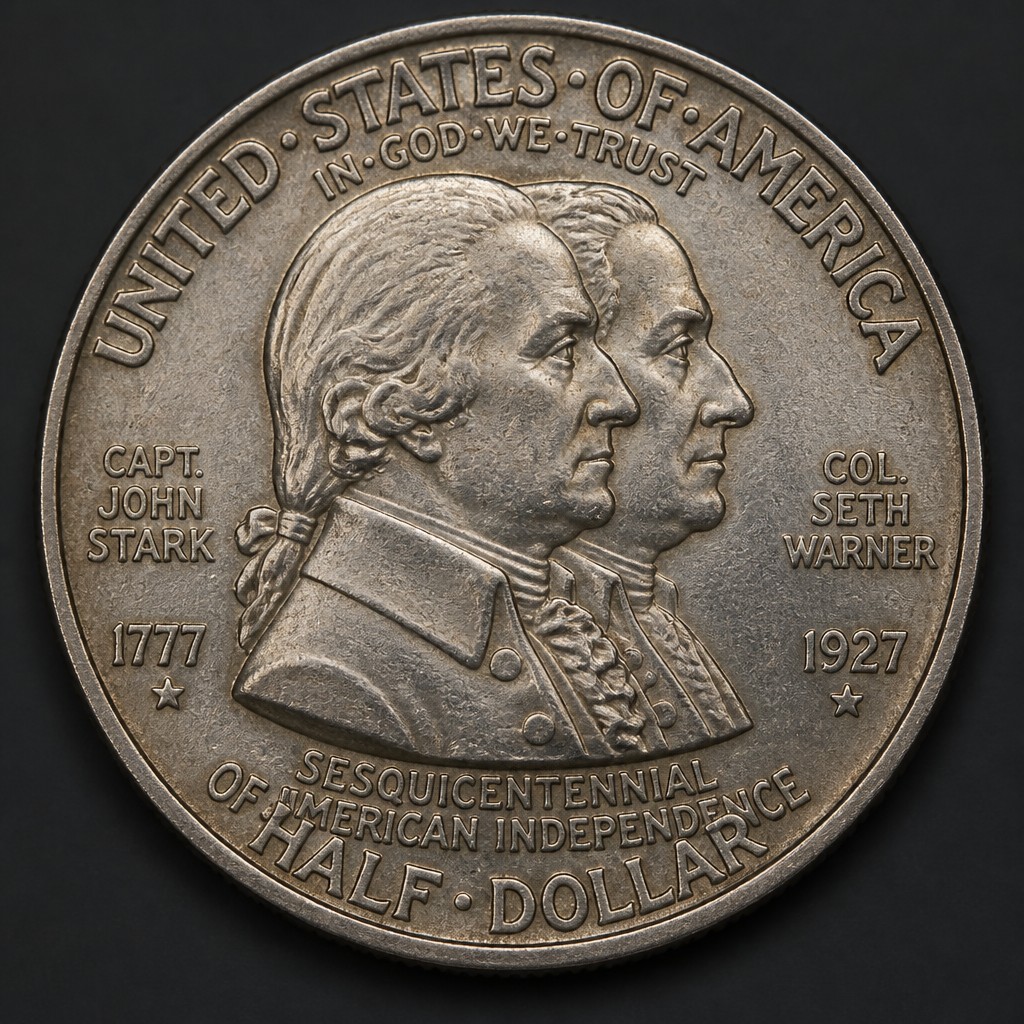
Vermont Sesquicentennial Half Dollar
1927
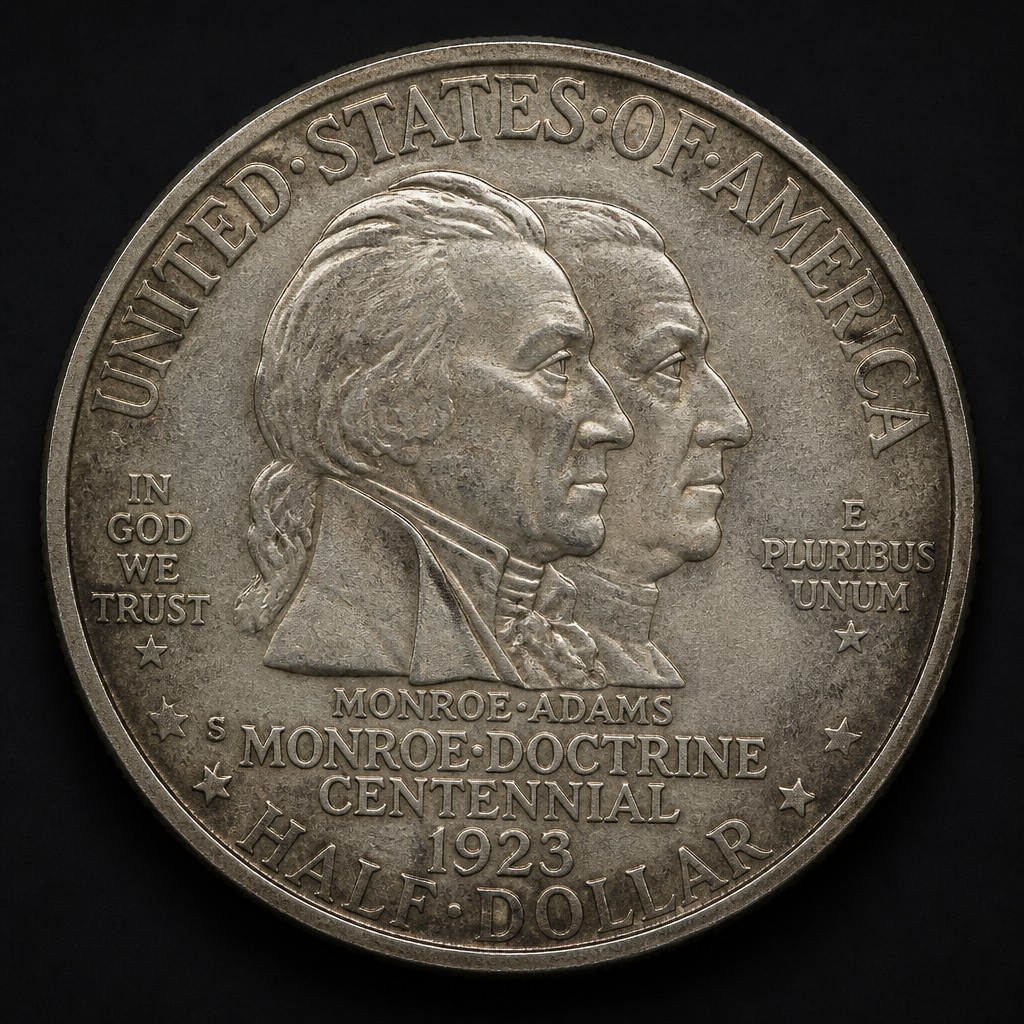
Monroe Doctrine Centennial Half Dollar
1923
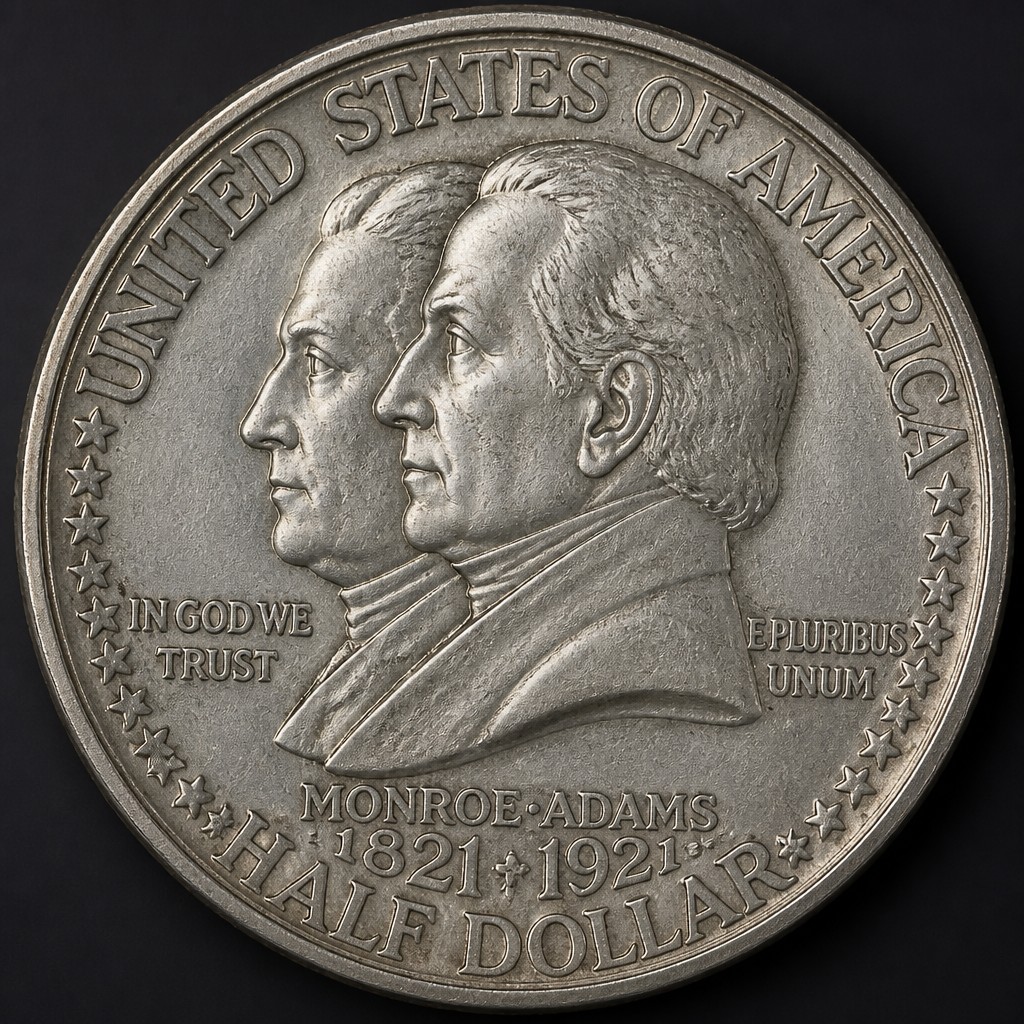
Alabama Centennial Half Dollar
1921
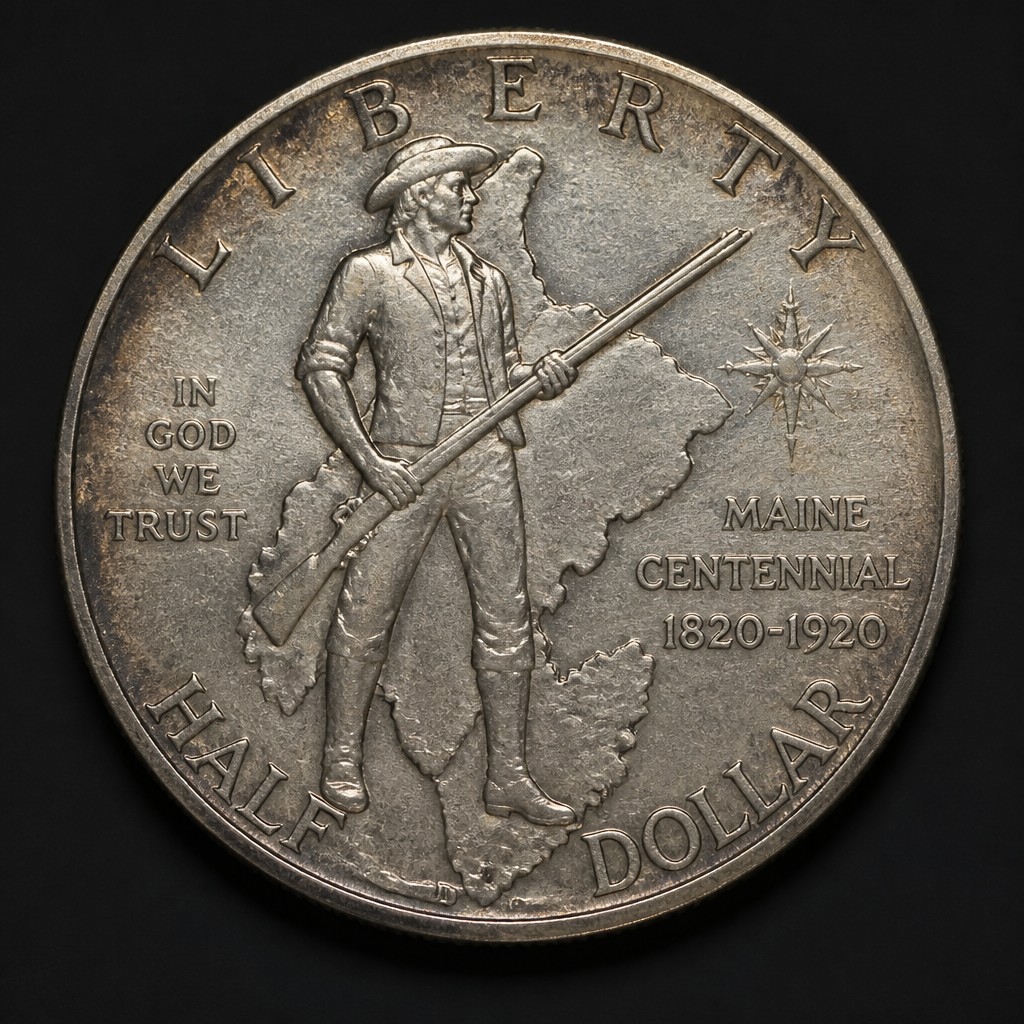
Maine Centennial Half Dollar
1920
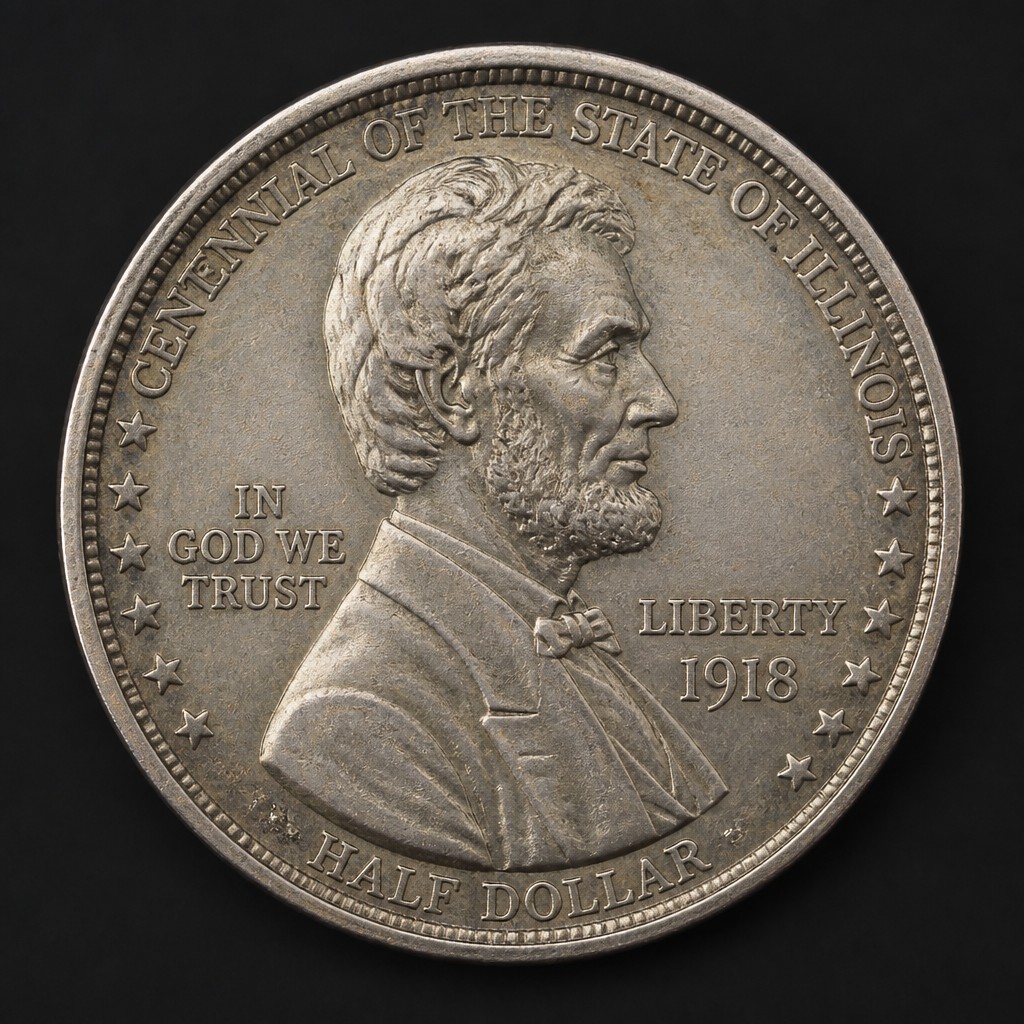
Lincoln-Illinois Centennial Half Dollar
1918
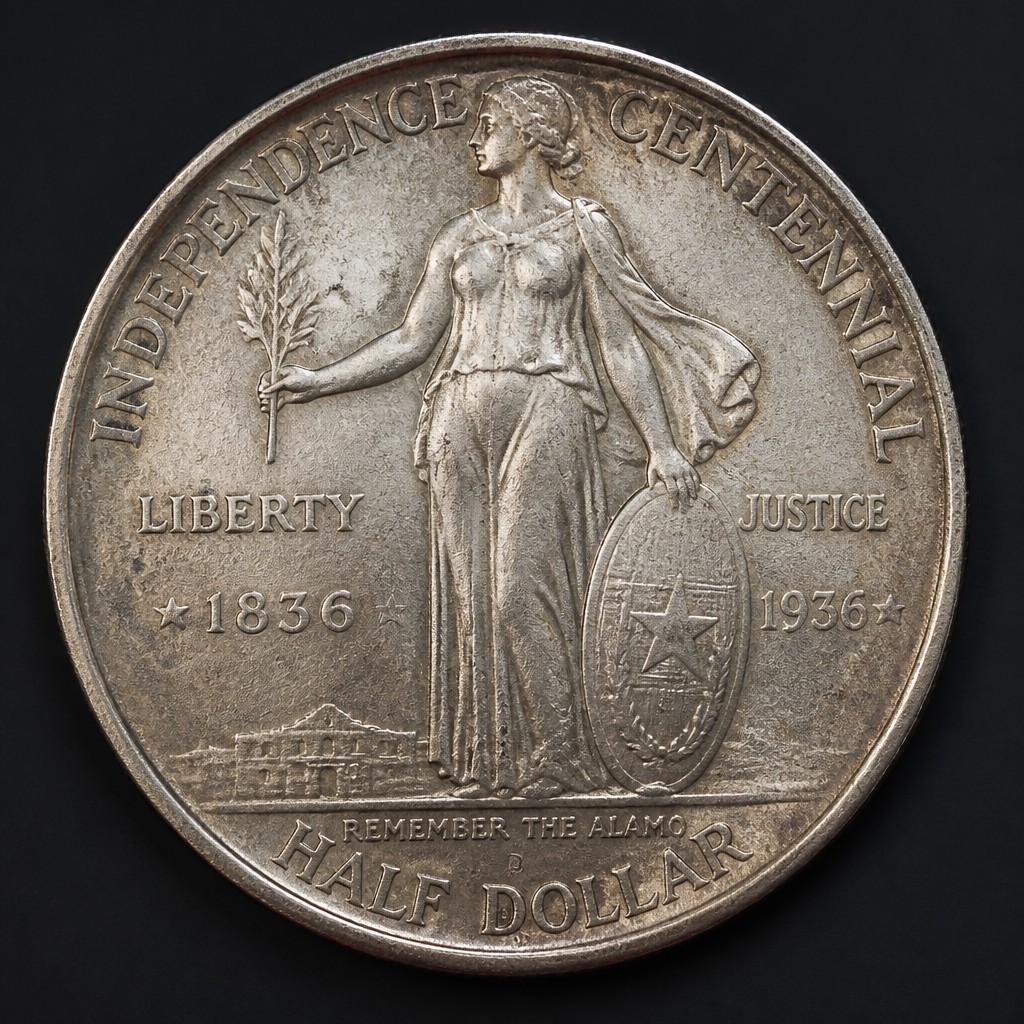
Texas Independence Centennial Half Dollar
1934–1938
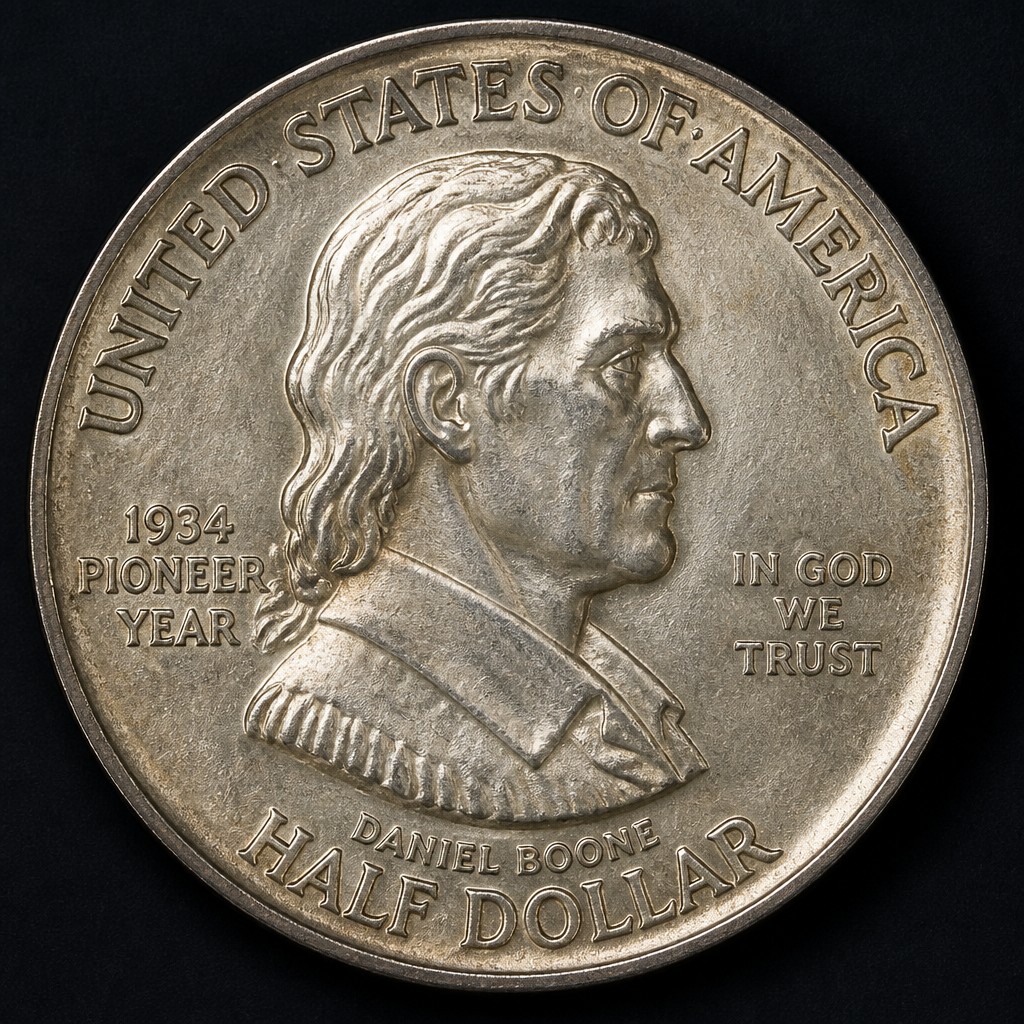
Daniel Boone Bicentennial Half Dollar
1934–1938