
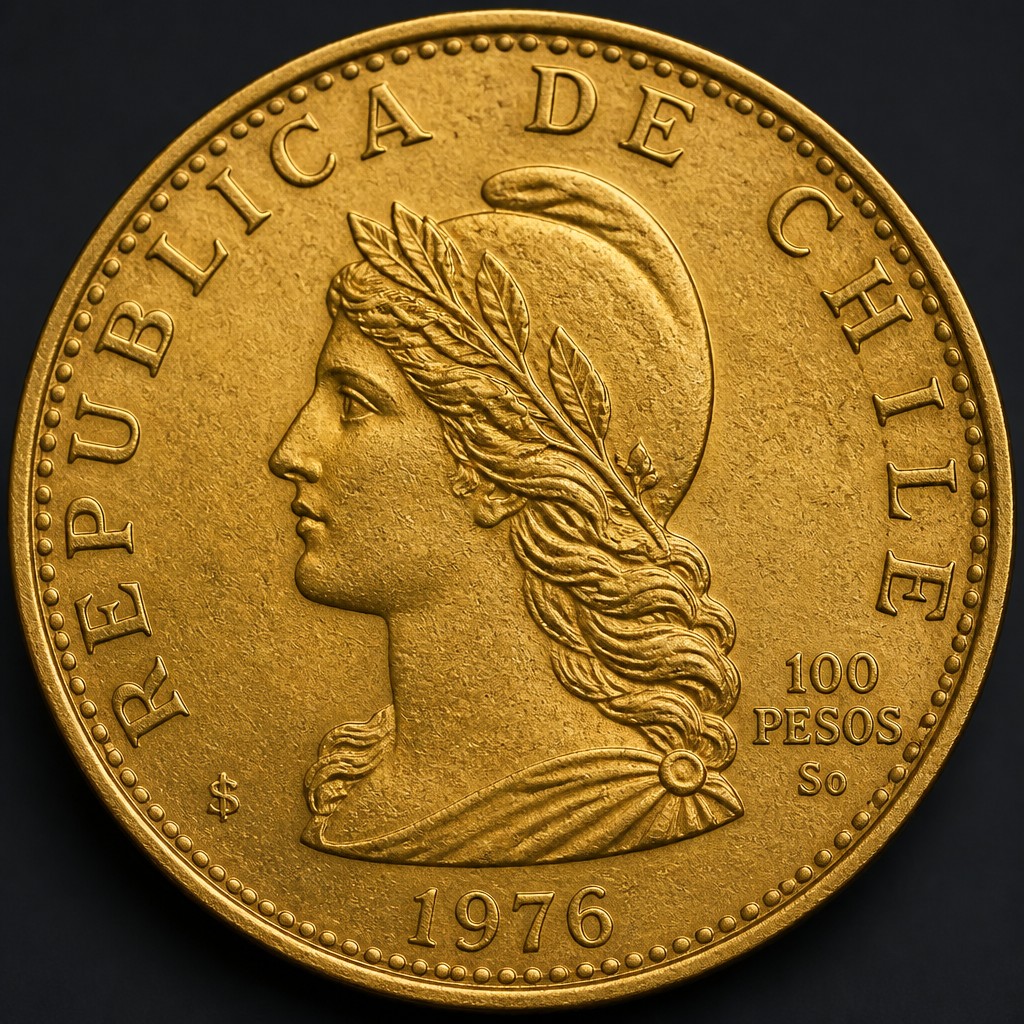
Chilean 100 Pesos Gold 'Condor'
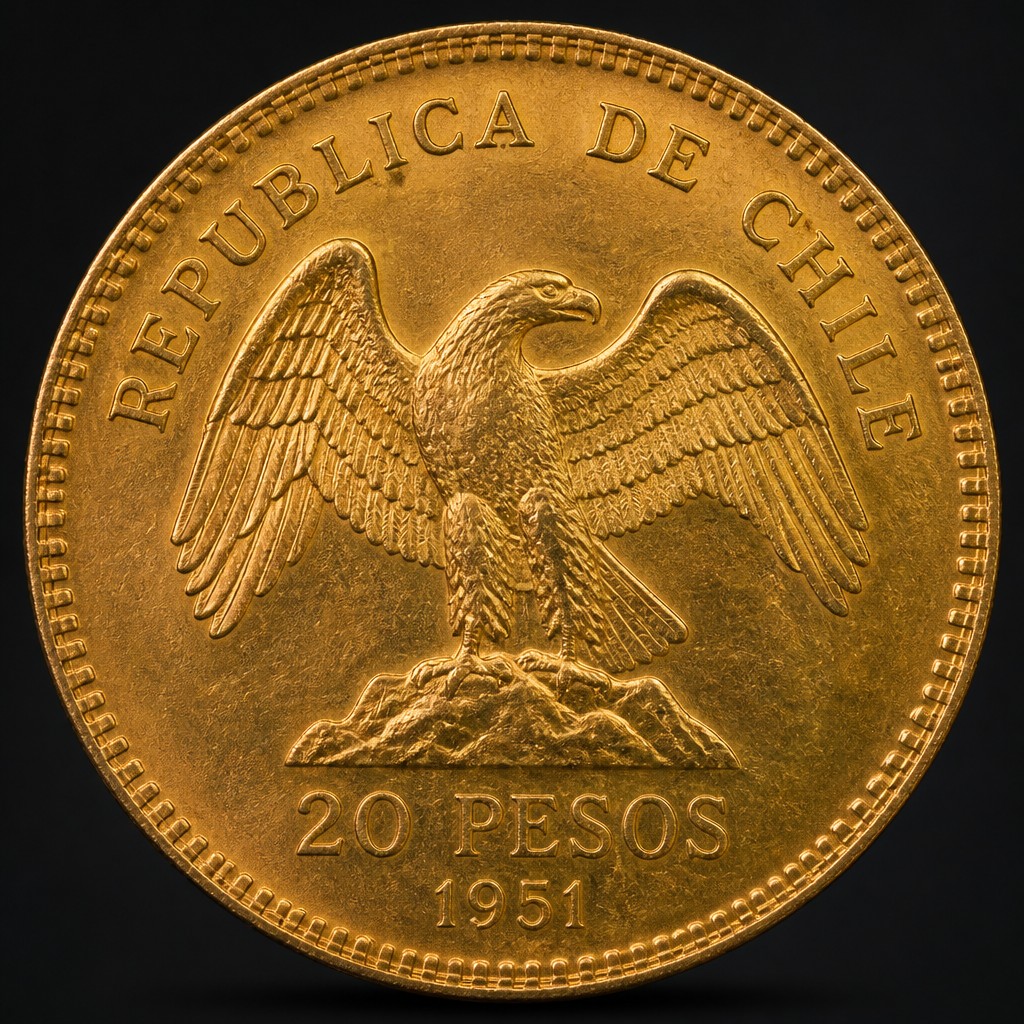
Chile's flagship 20th-century gold coin, popularly called the "Condor" for the majestic Andean bird featured on its reverse, historically prized as an internationally recognized gold piece.
- Country
- Chile
- Denomination
- 100 Pesos
- Metal
- Gold, .900 fine
Got a coin like this?
Identify any coin from a photo, free.
Overview
The 100 pesos gold coin was introduced as part of Chile's 1926 monetary stabilization, pegging the peso to a fixed weight of fine gold and providing a substantial, internationally respected gold coin comparable in stature to major world gold pieces of the era. Its reverse design featuring a condor gave rise to the coin's enduring nickname.
Beyond its role in circulation, the coin later became known among bullion buyers as an accessible way to hold pre-modern gold coinage, since Chile continued periodic production of the design well into the second half of the 20th century, long after most countries had abandoned gold coins for everyday use.
History & Background
Chile's 1925–1926 monetary reforms established a gold standard for the peso and introduced a series of gold coins, including the 100 pesos, 50 pesos, and 20 pesos denominations, all sharing a common condor-themed design. These coins were intended to project monetary stability and provide a trustworthy store of value both domestically and for foreign trade.
Production was not continuous, with strikings occurring in various years across the mid and late 20th century as economic conditions and gold policy allowed, including later dates struck primarily for the bullion and collector market rather than active circulation. The design remained essentially unchanged throughout the coin's long production history, making date and mintmark the primary distinguishing features between issues.
How to Identify
The reverse (or obverse, depending on catalog convention) prominently features a large Andean condor with wings either spread or folded, perched or in flight against a mountainous backdrop, symbolizing Chile's Andean geography. The companion side carries the Chilean coat of arms or a value and date within a wreath, along with the national name.
The coin is a substantial gold piece, weighing approximately 20.3 grams at .900 fine gold (about 0.5886 troy ounces of pure gold), with a diameter of roughly 22 to 23 mm, and a reeded edge. The Santiago mint mark "So" typically appears in the design along with the date.
Because the design was used across many decades with minimal change, careful attention to the date is essential for identification, and buyers should verify weight and diameter against reference figures, since the coin's substantial gold content makes it a target for counterfeits and underweight fabrications.
Value & Collectibility
As a widely recognized gold coin with a long production run, the 100 pesos generally trades close to its gold bullion value for common dates in typical circulated or lightly circulated grades, with the underlying gold content acting as a reliable price floor.
Certain earlier dates from the 1920s, along with any unusually low-mintage years, can command a modest numismatic premium above bullion value, particularly in higher grades, but for most collectors and investors this coin is valued primarily as a convenient, historically interesting way to hold gold rather than as a rare date coin.
Frequently asked questions
How much gold does the 100 pesos coin contain?
Approximately 0.5886 troy ounces of pure gold, based on a total weight near 20.3 grams at .900 fine.
Why is it called the Condor?
Because its design prominently features a large Andean condor, a bird strongly associated with Chile's mountainous geography.
Was this coin meant to circulate or was it bullion?
It began as a genuine circulating gold coin under Chile's 1926 gold standard, though later strikings served mainly bullion and collector demand.
Are there smaller denominations with the same design?
Yes, Chile also issued 50 pesos and 20 pesos gold coins sharing the same condor theme in proportionally smaller sizes.
Other coins you may enjoy
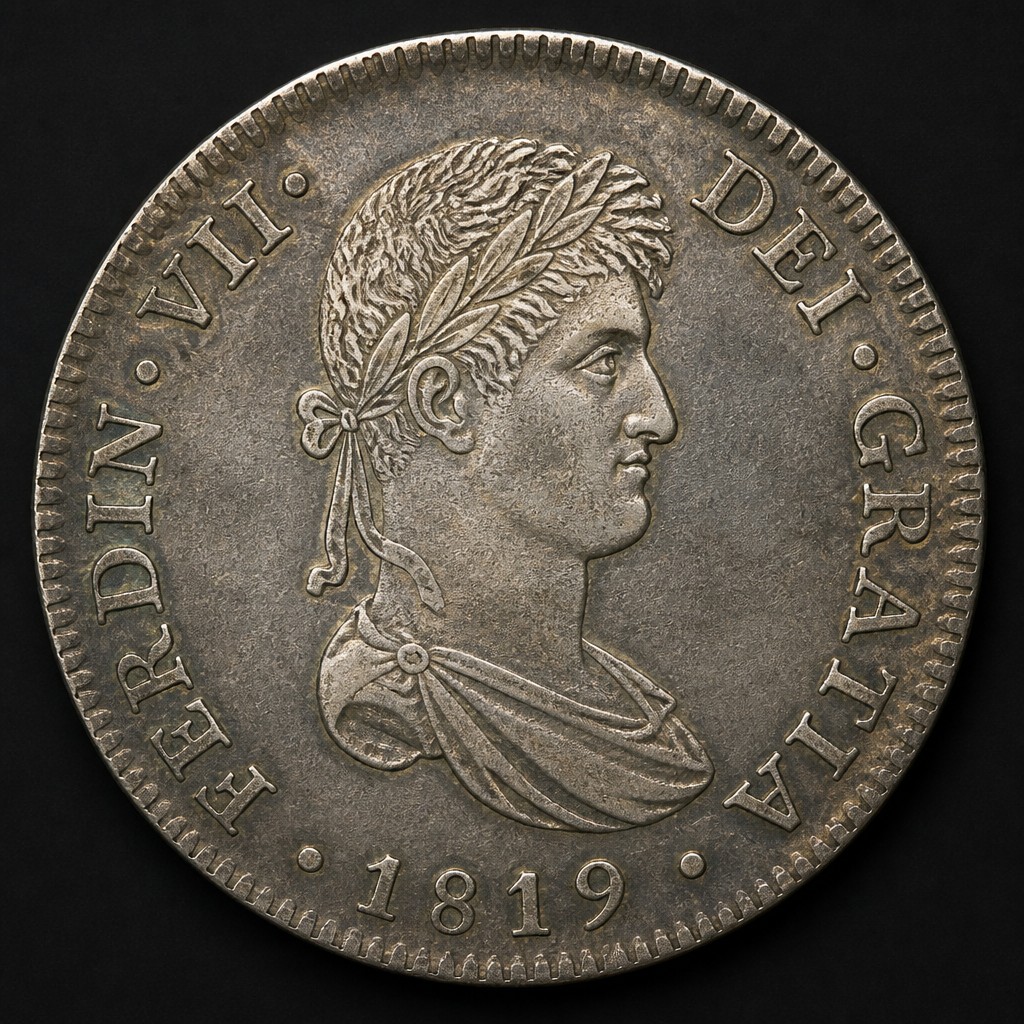
Colombia 8 Reales
Colonial issues through late 18th/early 19th century; republican issues 1820s–1830s
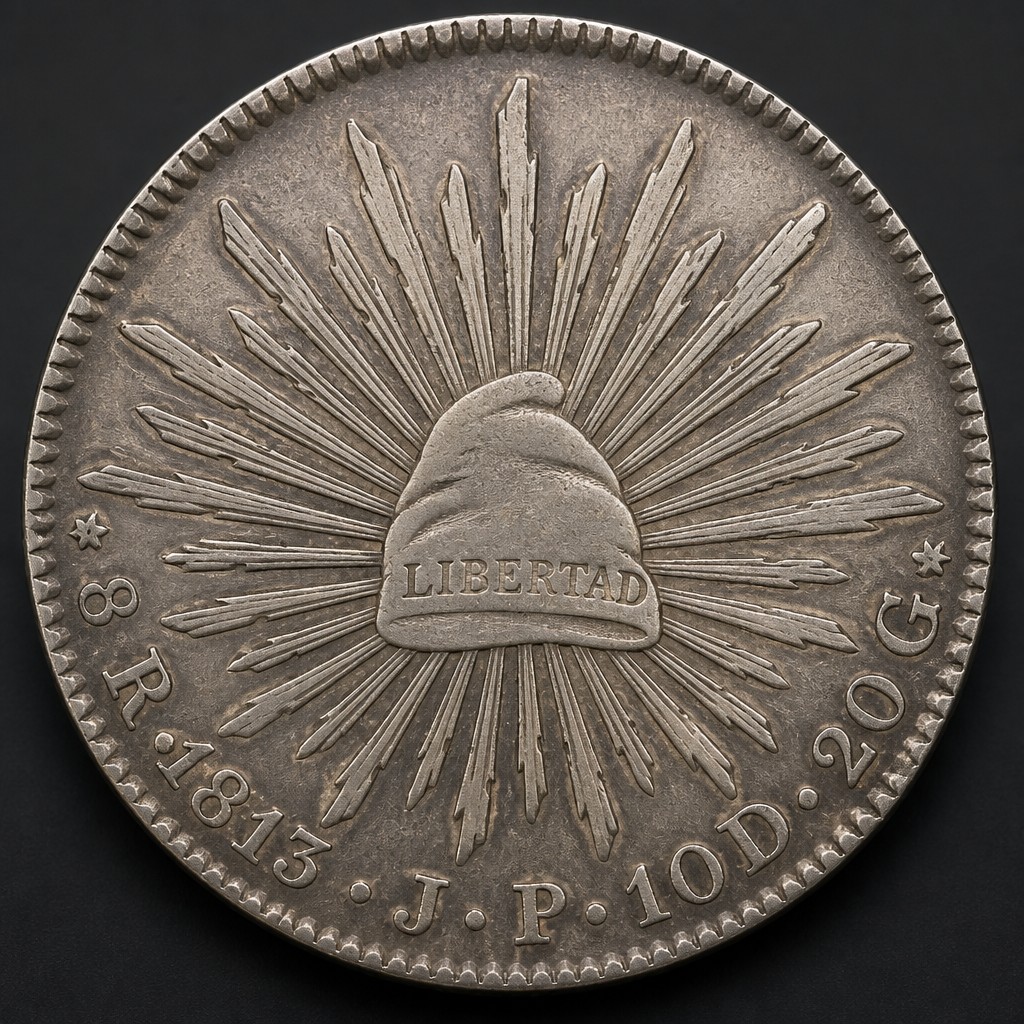
Argentina 8 Reales
c. 1813–1836
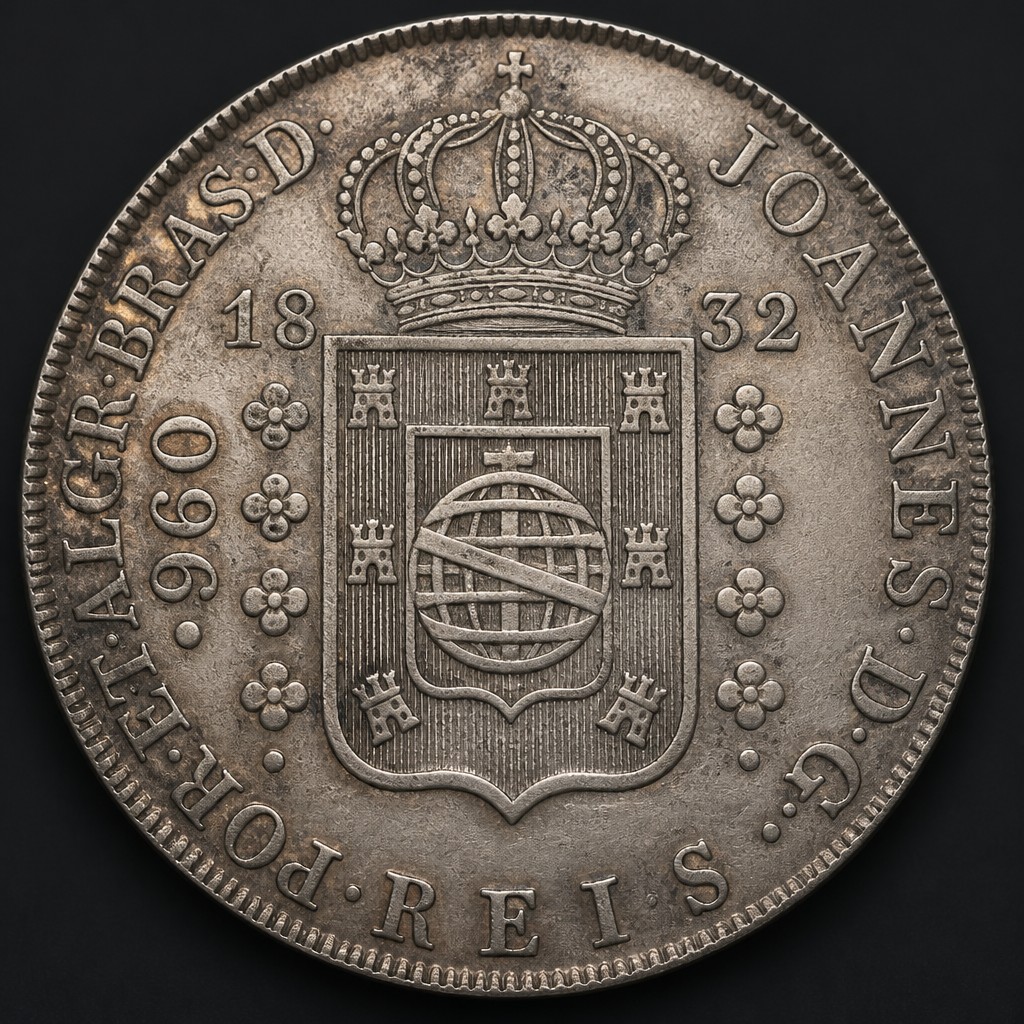
Brazil 960 Reis
1809–1832
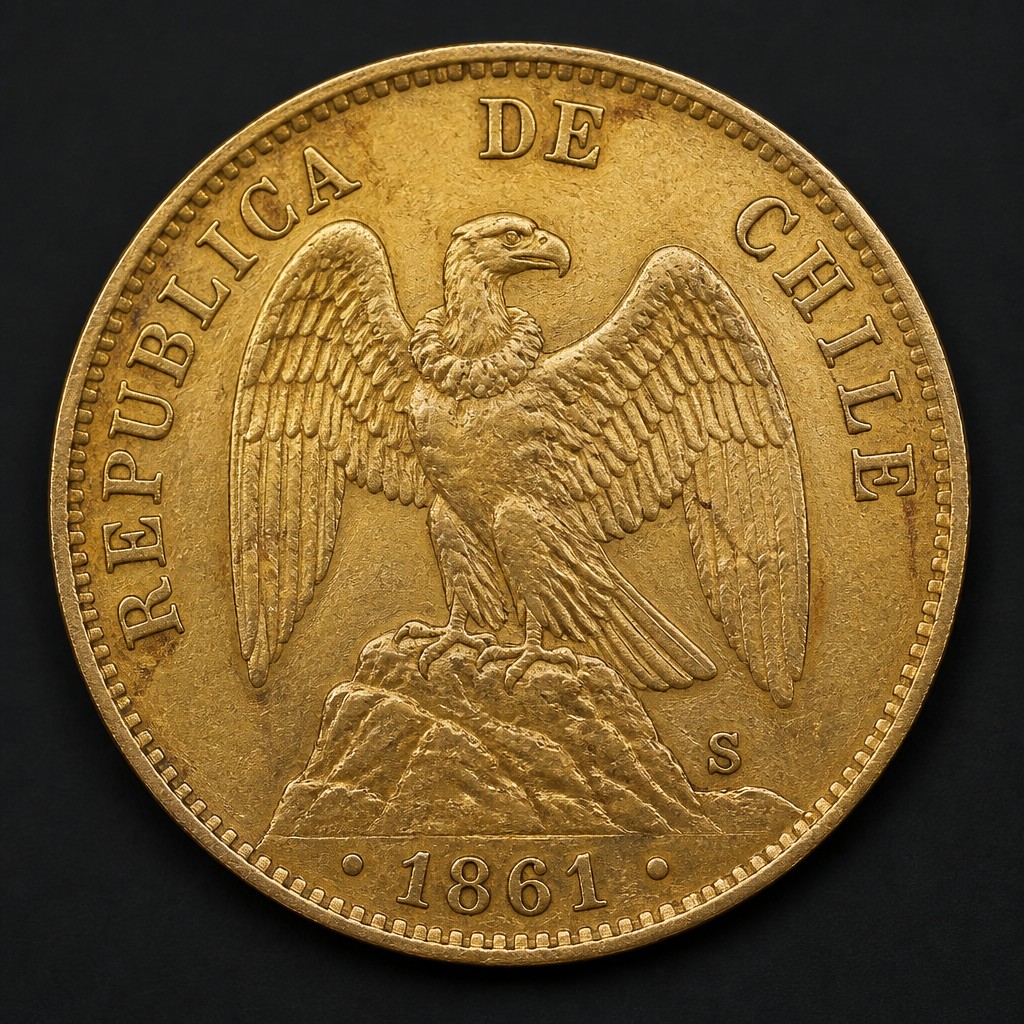
Chile Peso (Condor)
1851–1873 (gold condor series); modern base-metal peso 1990s–present
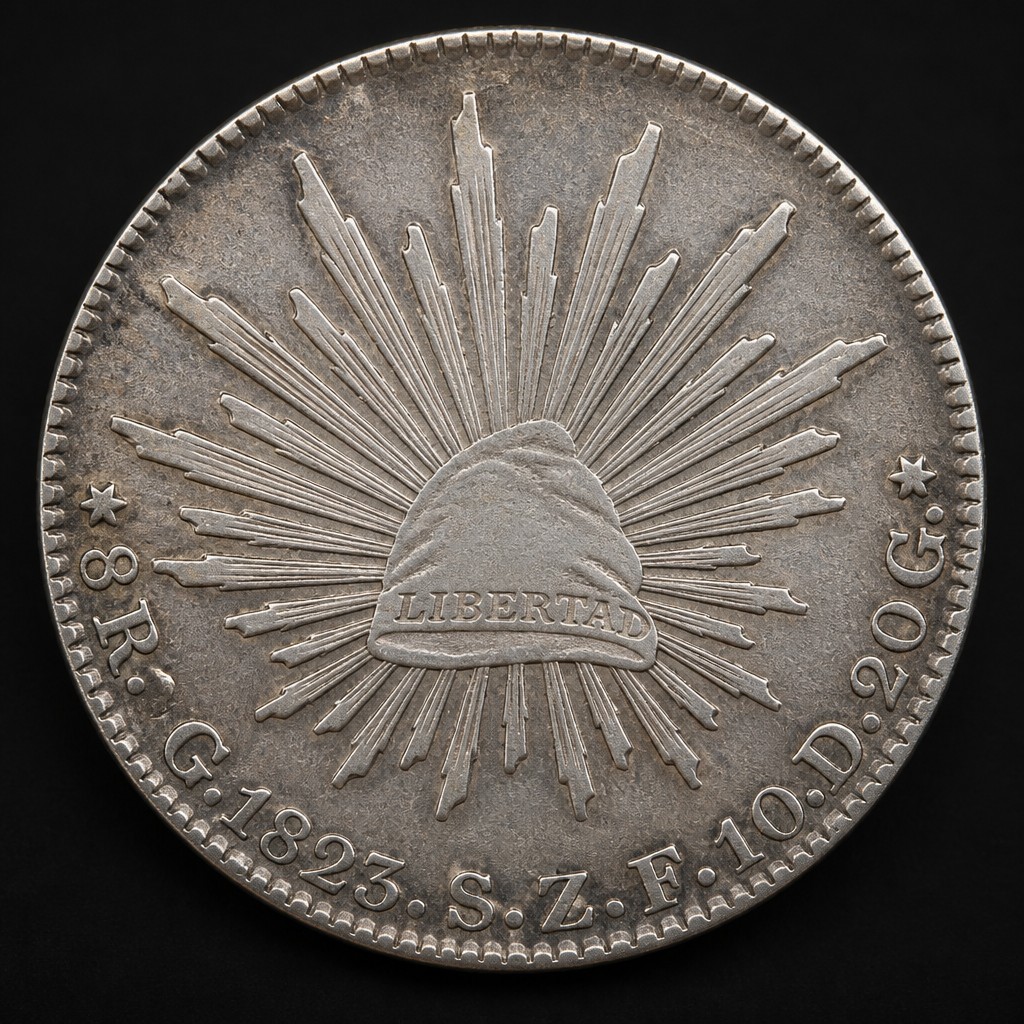
Mexican 8 Reales Cap and Rays
1823-1897
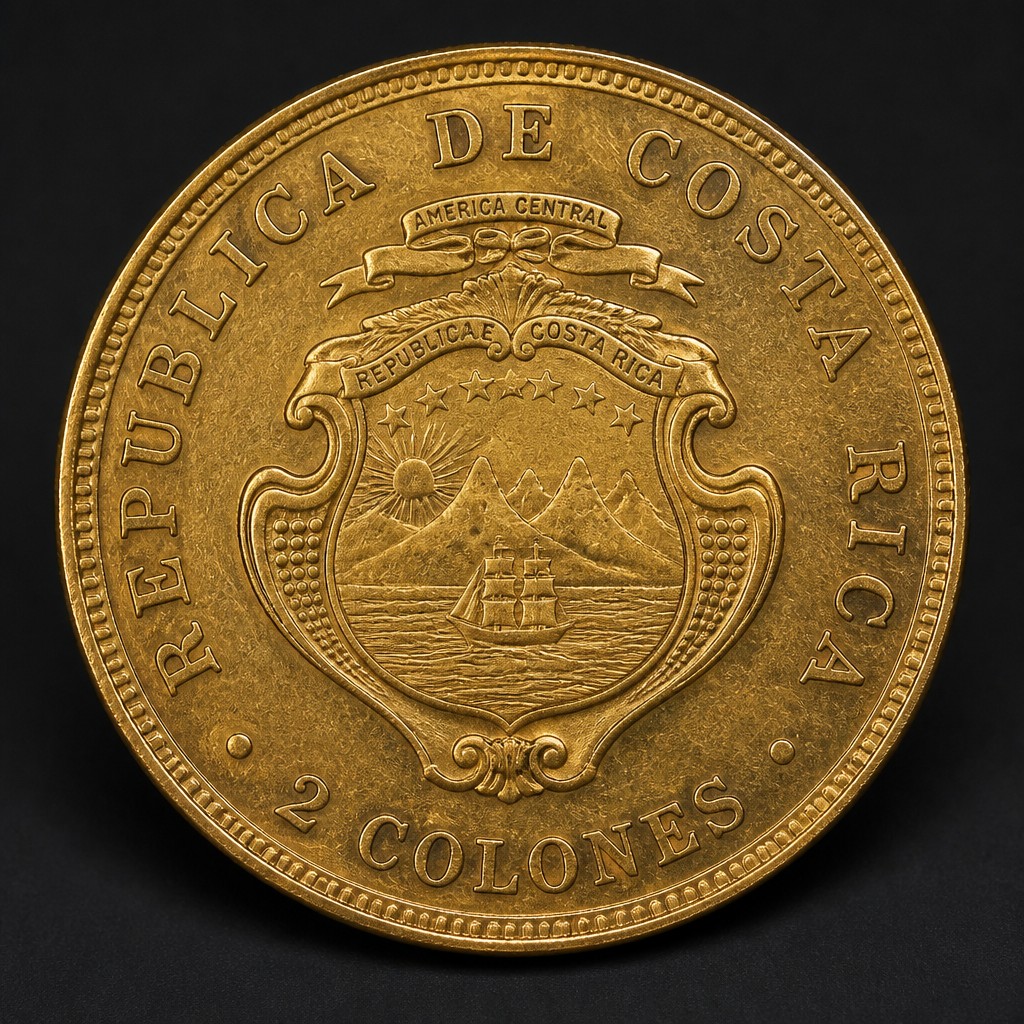
Costa Rica 2 Colones Gold
Late 1890s–early 1900s
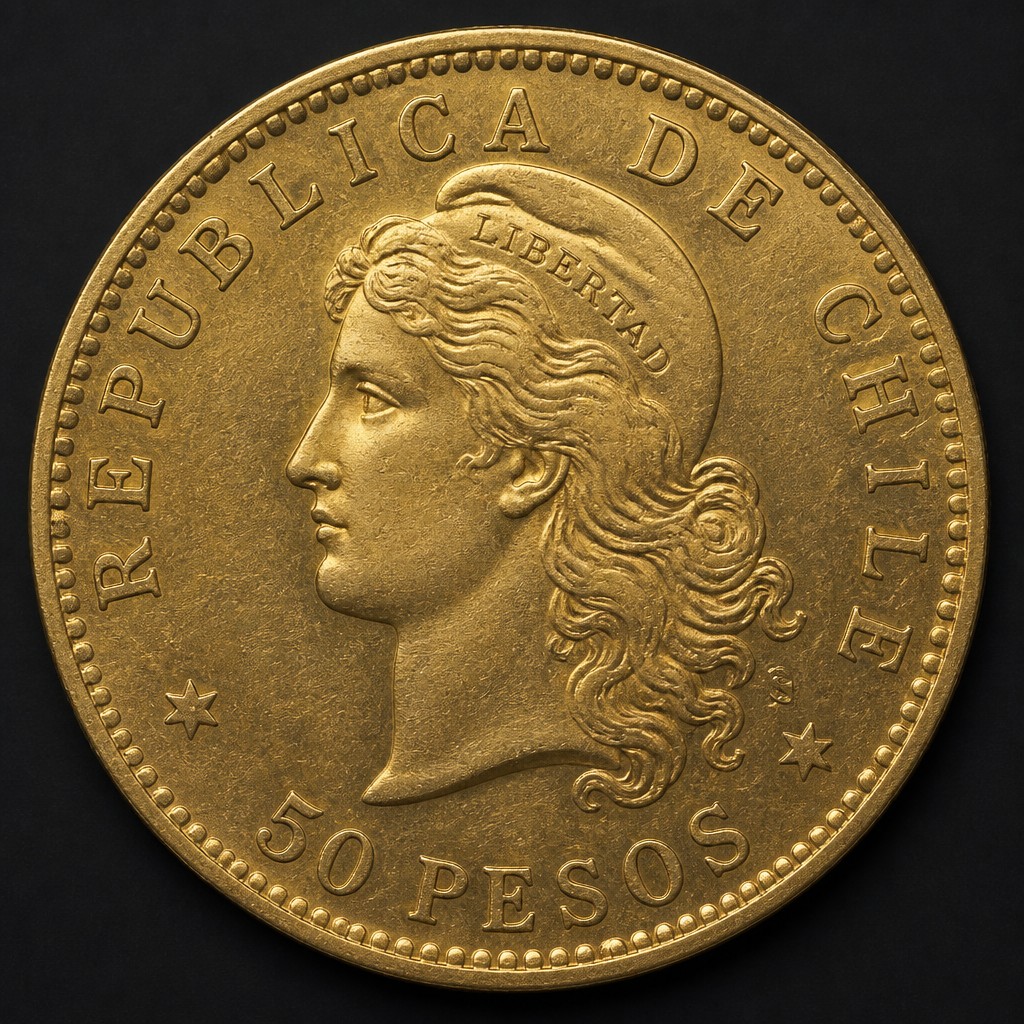
Chilean 50 Pesos Gold
1926–1980 (with interruptions)
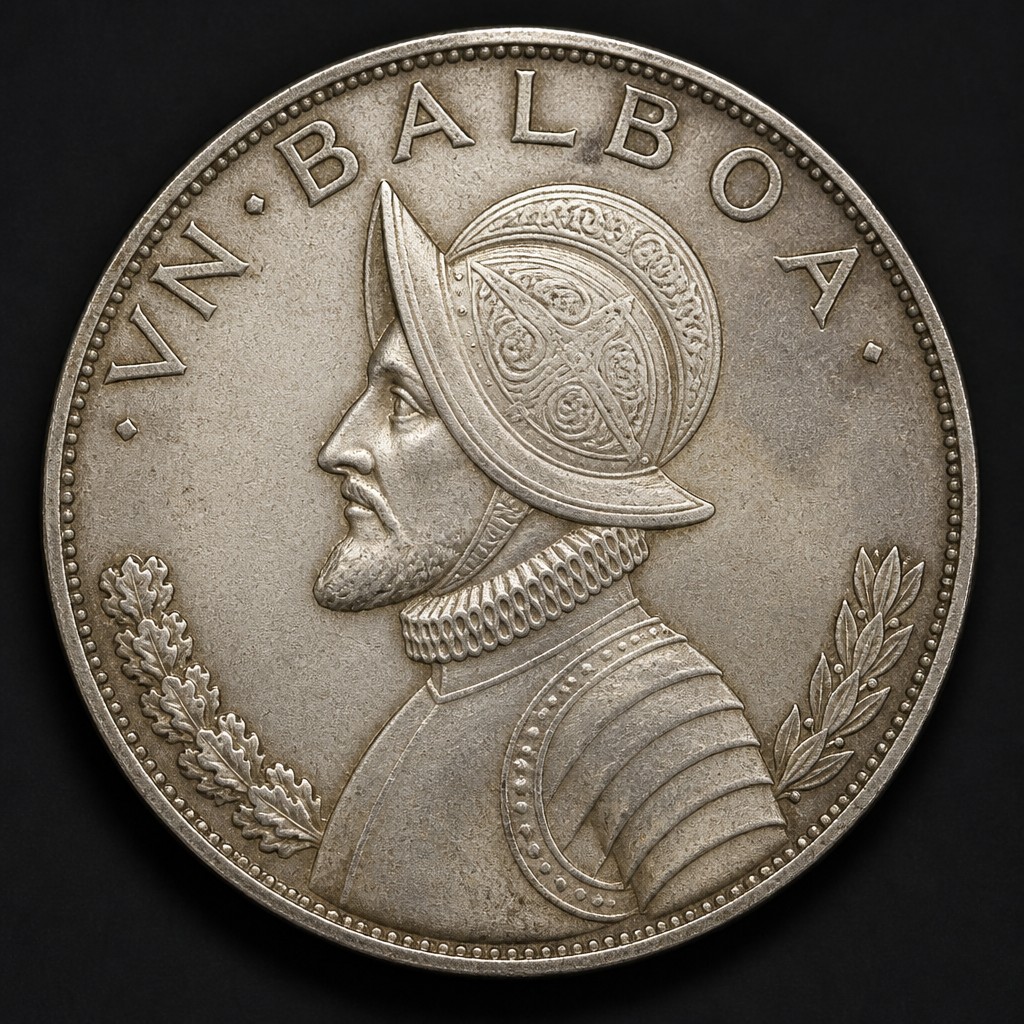
Panama Balboa Silver
1904, 1931, 1934, 1947, 1953, 1966 (various dates)
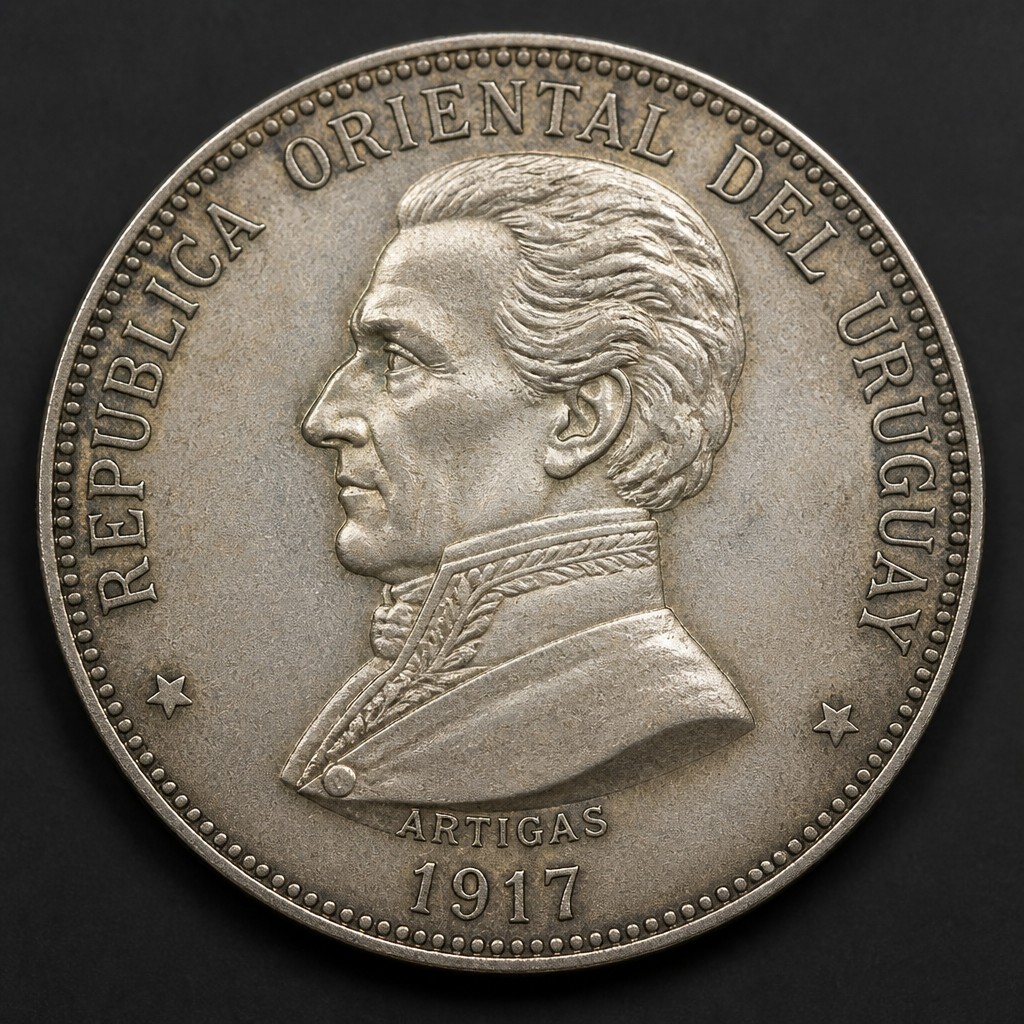
Uruguay Peso Silver 'Artigas'
1917–1920 (with related commemorative issues in later decades)
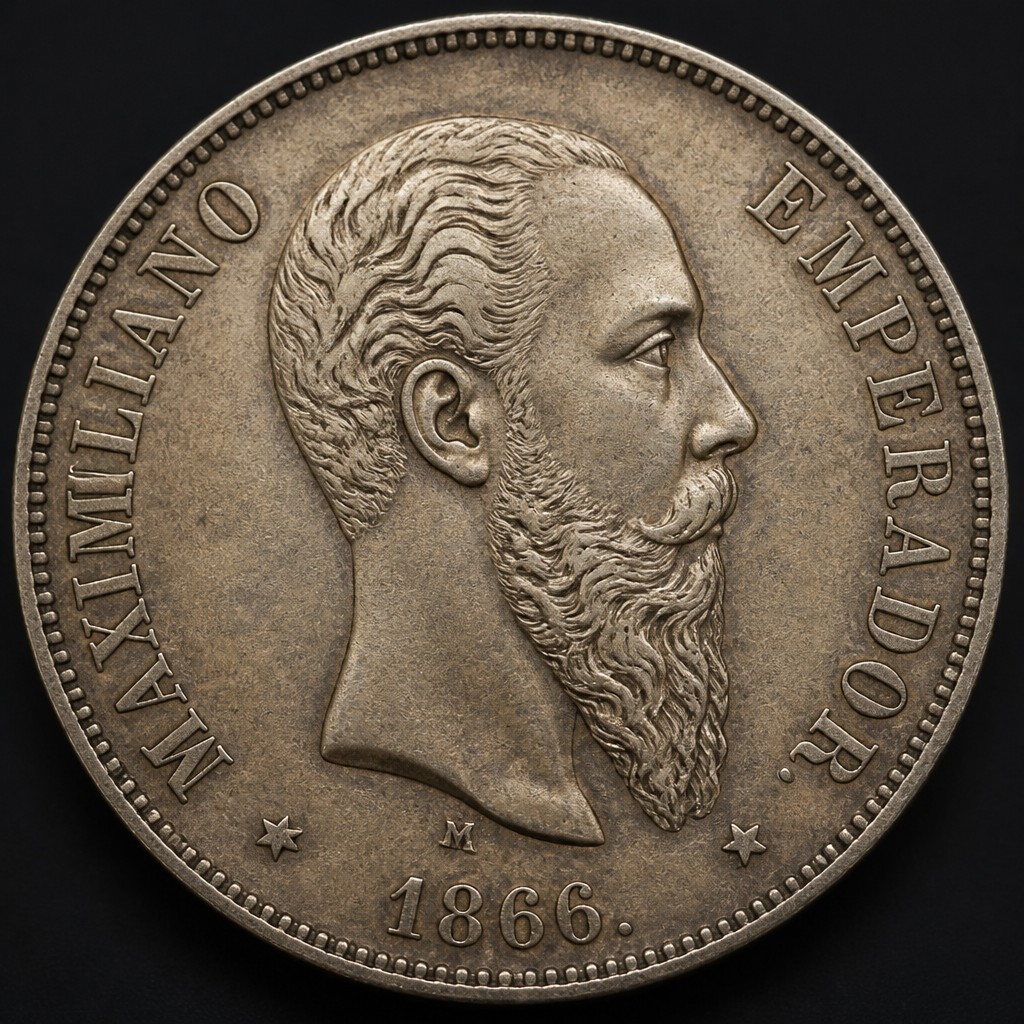
Mexican Emperor Maximilian Peso
1866–1867
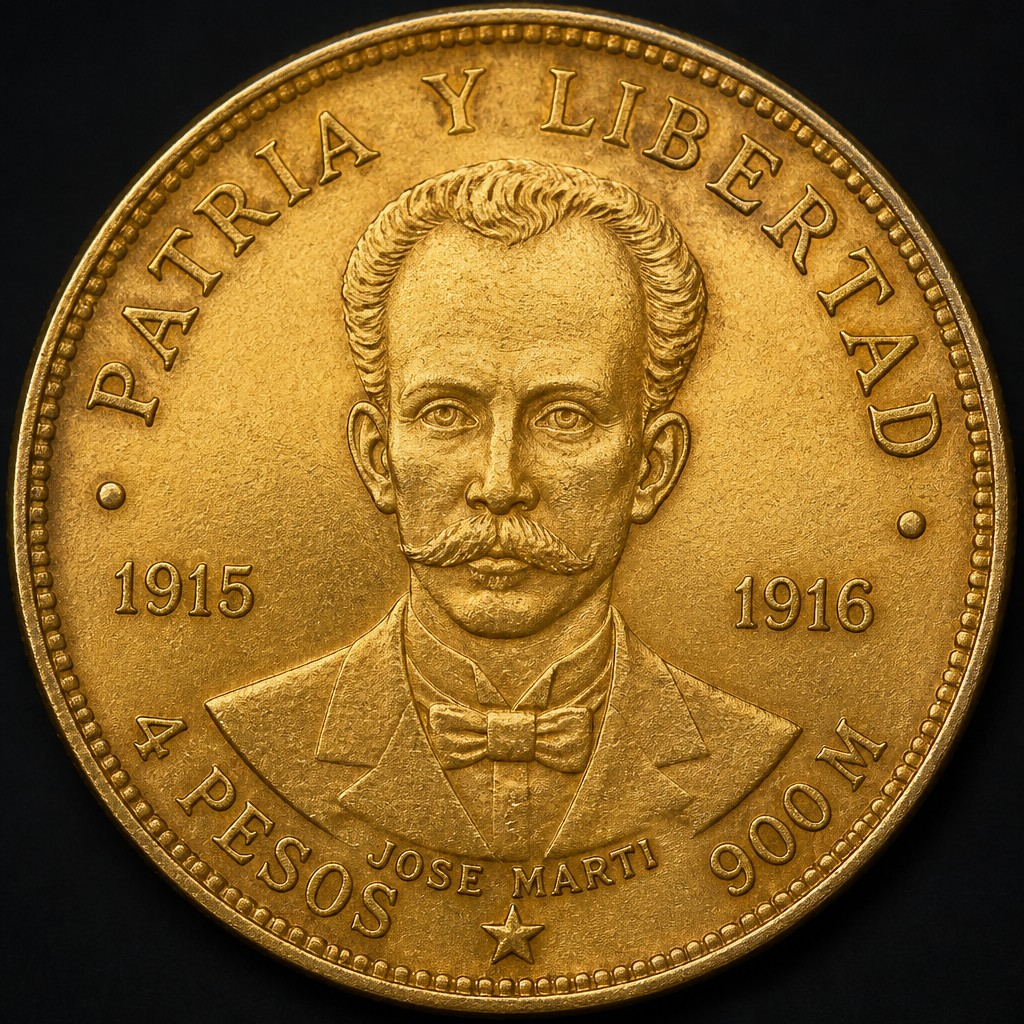
Cuba 4 Pesos Gold Jose Marti
1915–1916
Chilean 20 Pesos Gold
19th century issues and 1926–1980 condor series