
Coin Encyclopedia
Search and identify coins from around the world — with country, denomination, metal, mint, history, and how to tell them apart.
8 Reales (Portrait/Bust Type)
Large silver Spanish Empire dollar showing the bust of King Carlos III and a crowned coat of arms with lions and castles.
World Coins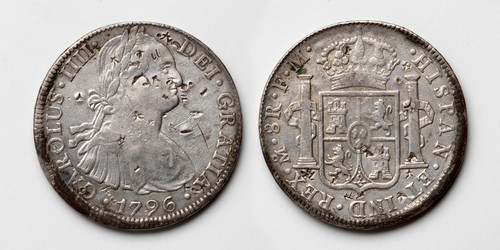
Spanish Colonial 8 Reales (Milled Bust)
The milled-bust Spanish colonial 8 reales—the classic “piece of eight,” a large silver coin bearing the Spanish king's portrait and royal arms.
Colonial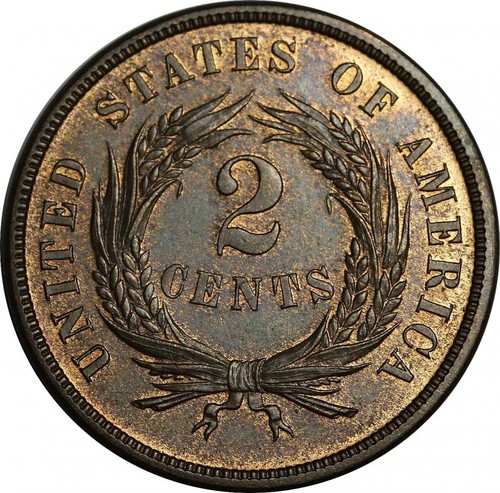
Two Cent Piece
America's only two-cent coin, struck in bronze from 1864 to 1873, and the first U.S. coin to carry the motto "IN GOD WE TRUST."
Two Cent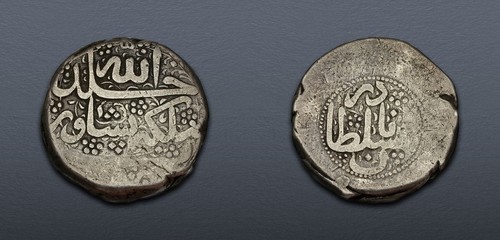
Double Rupi
A large Afsharid silver coin of Nader Shah, the double rupi, dated AH 1151 and covered in flowing Persian calligraphy and ornamental scrollwork.
Historic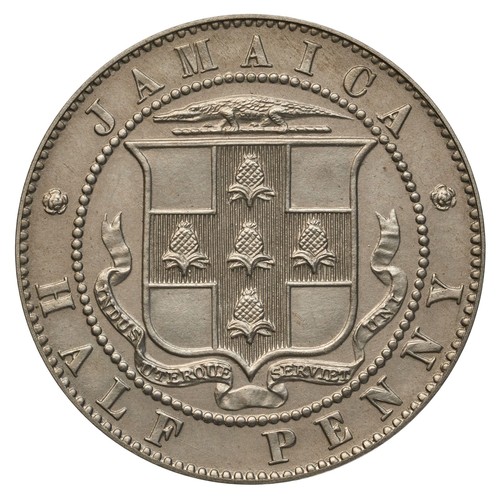
Bermuda Half Penny
A colonial-era copper-nickel half penny tied to Bermuda, showing a lion-crested coat of arms with pineapples and a Latin motto, dated 1909.
Colonial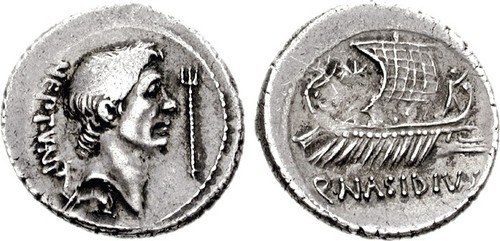
Nasidius Denarius
Roman Republican silver denarius struck for Sextus Pompey's admiral Q. Nasidius, showing Pompey the Great's head and a galley marked NASIDIVS.
Ancient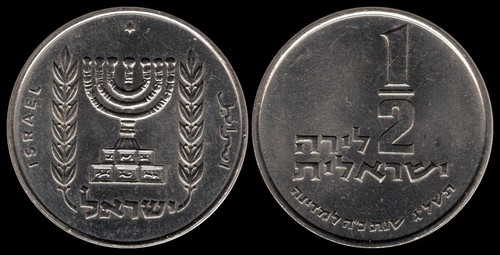
Israel Half Lira (25th Anniversary)
A silver Israeli half lira dated 1973, the year the young state marked 25 years of independence, carrying a menorah-and-sprigs emblem and a Hebrew value.
World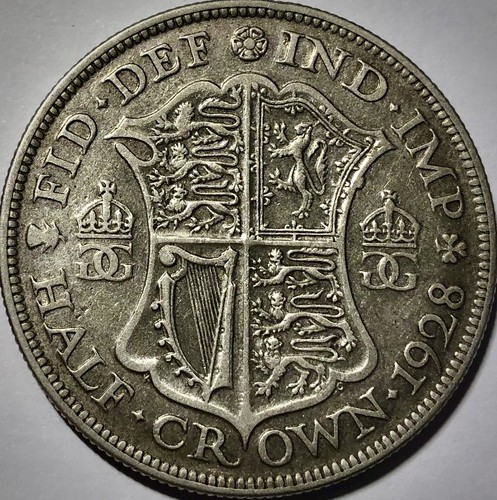
British Half Crown
British silver half crown of King George V, worth two shillings and sixpence, with the king's bare left-facing head and a crowned shield of arms.
British Isles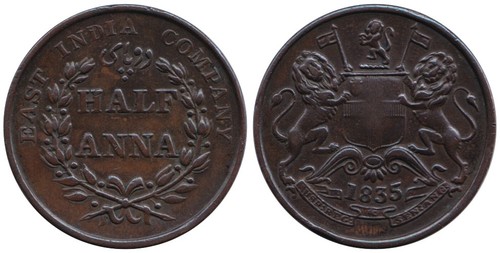
East India Company Half Anna
Large copper Half Anna of the East India Company, dated 1835, with laurel-wreath legend and the Company's heraldic lion-and-shield arms.
British India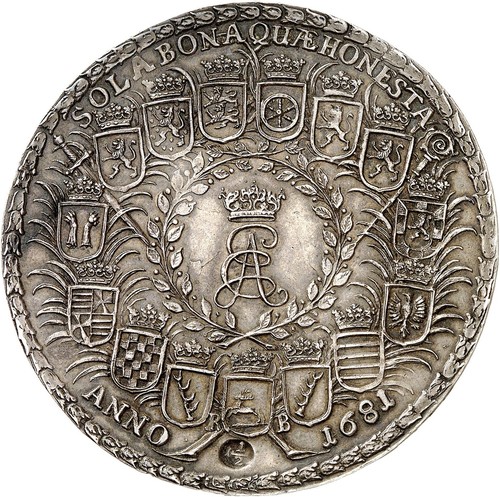
Hanover-Luneburg 1.5 Thaler
A large silver 1.5 Thaler of Brunswick-Luneburg (Hanover), dated 1681, with a busy multi-shield heraldic design and the motto SOL BONA QUE HONESTA.
German States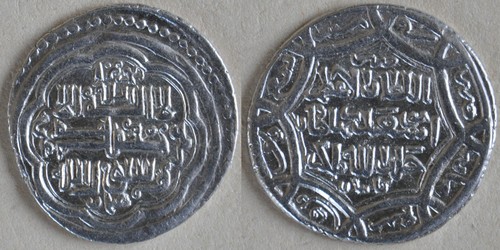
Ilkhanid Dirham of Abu Said
A hand-struck Mongol Ilkhanate silver dirham of Abu Sa'id Bahadur Khan, with the ruler's titles set in a cartouche and religious inscriptions in concentric bands.
Islamic (Medieval)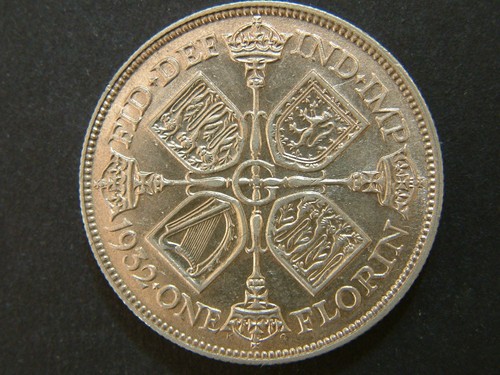
British Florin
A Victorian silver two-shilling florin with a crowned, veiled Victoria and a heraldic crowned-shields reverse; the pictured coin is dated 1890.
World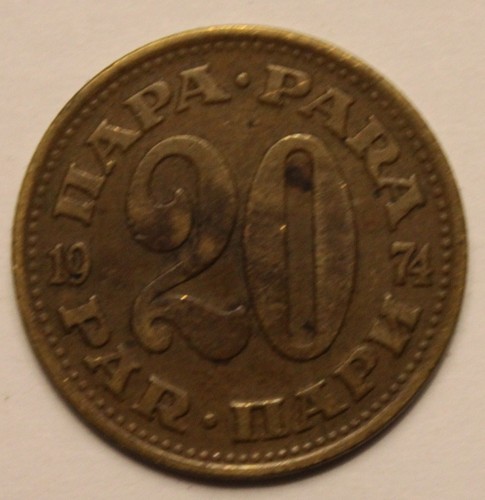
20 Para
A small base-metal coin of socialist Yugoslavia, showing the value 20 with the date 1974 on one side and the six-flame Yugoslav state emblem on the other.
Modern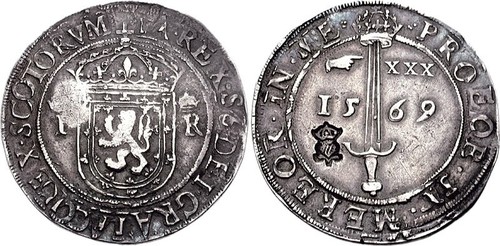
James VI Ryal
A large hammered silver Scottish ryal of James VI, showing a crowned lion-rampant shield and a mailed swordhand grasping an upright sword, dated 1569.
Hammered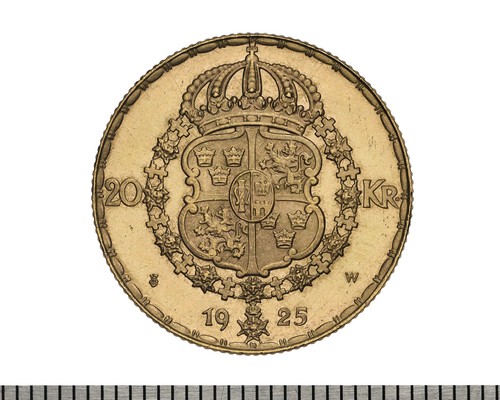
20 Kronor
Gold 20 kronor of Sweden showing the crowned national arms with three coronets, reverse marked 20 KR and dated 1925.
World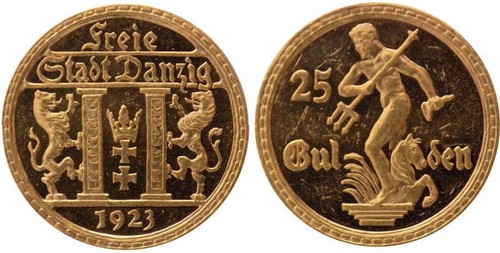
25 Gulden
The gold 25 Gulden of the Free City of Danzig, dated 1923, pairing the lion-supported Danzig arms with an armed female figure holding a trident.
Modern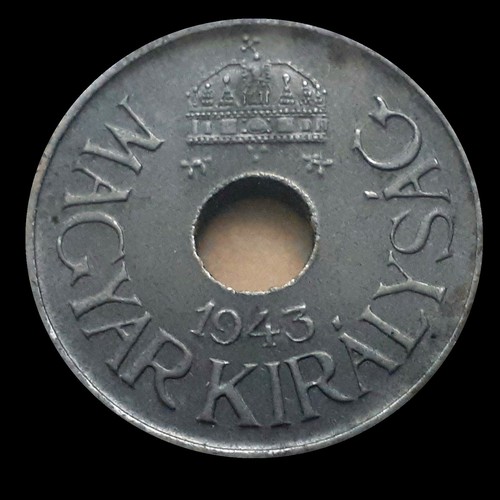
20 Fillér
An early 20th-century Hungarian 20 fillér, a small base-metal coin showing the crowned Hungarian coat of arms and the FILLÉR minor denomination.
Modern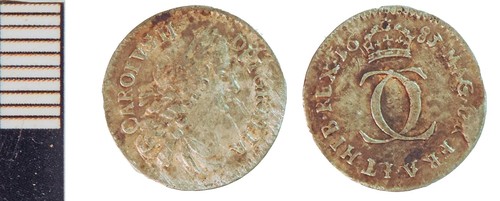
Charles II Twopence
A small milled twopence of Charles II, showing the king's profile bust on the obverse and a crowned mark of value on the reverse.
Milled
Canadian 50 Cents
Canada's mid-century silver 50-cent piece bearing King George VI, struck in 80% silver with the Canadian coat of arms.
World Coins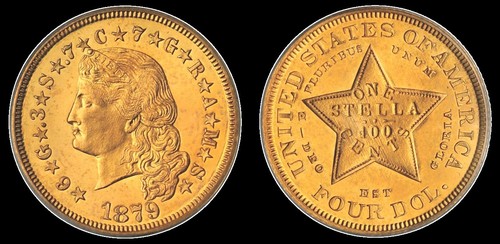
Flowing Hair Stella
An 1879 U.S. $4 gold pattern coin with a flowing-hair Liberty obverse and a large-star "ONE STELLA" reverse; famous rarity, never circulated.
Stella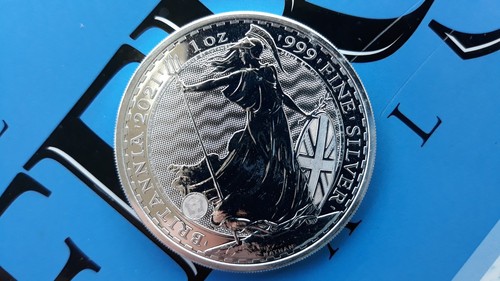
British Britannia Silver Coin
A modern UK bullion coin in fine silver, carrying a face value of 2 Pounds and the classic seated figure of Britannia with shield and trident.
Bullion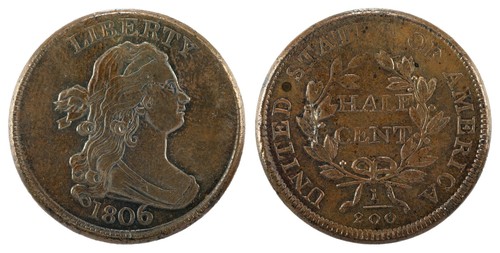
Draped Bust Half Cent
An early U.S. copper half cent showing draped Liberty with flowing hair; the smallest denomination the Mint ever struck, made 1800–1808.
Half Cent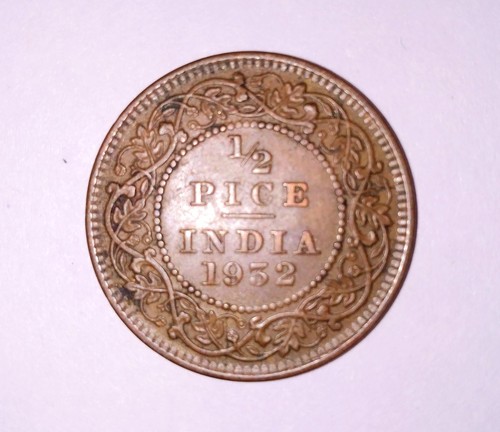
India Half Pice
A small copper half pice from India carrying a crowned obverse with the word INDIA; the pice is a sub-unit of the old pre-decimal Indian coinage system.
Modern India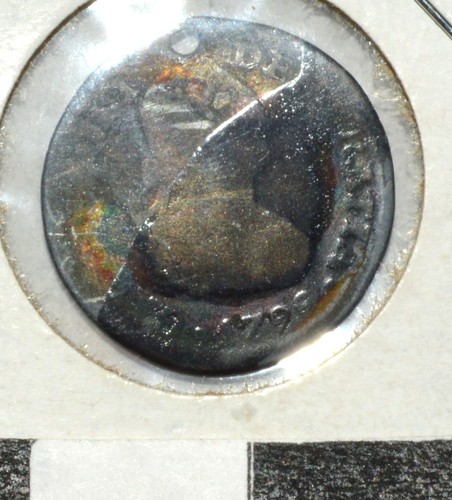
Spanish Colonial Half Real
The smallest milled silver coin of Spain's American empire: a tiny 1/2 real with a royal bust and the crowned arms between pillars.
Colonial