

Canadian 50 Cents
Canada's mid-century silver 50-cent piece bearing King George VI, struck in 80% silver with the Canadian coat of arms.
- Country
- Canada
- Denomination
- 50 Cents
- Metal
- Silver
Got a coin like this?
Identify any coin from a photo, free.
Overview
The Canadian 50 Cents is Canada's half-dollar denomination, and the coin seen here belongs to the King George VI series struck in the 1930s through early 1950s. The obverse carries a bare-headed left-facing portrait of George VI with the Latin legend GEORGIVS VI DEI GRATIA REX, and the reverse shows the Canadian coat of arms rather than the maple design used on other denominations.
Struck in 80% silver (0.800 fine) at the Royal Canadian Mint in Ottawa, the coin measures roughly 29.7 mm across and weighs about 11.66 grams. It is a substantial silver piece and one of the most recognizable of Canada's pre-decimal-era circulating coins.
History & Background
George VI came to the throne in 1936, and new Canadian coinage carrying his portrait began in 1937. His 50-cent pieces were issued through 1952, the year of his death, after which Queen Elizabeth II's portrait replaced his on Canadian coinage.
The obverse legend changed during the reign: earlier issues read GEORGIVS VI D:G: REX ET IND:IMP:, referencing his role as Emperor of India, while later issues from 1948 onward dropped that title and read simply GEORGIVS VI DEI GRATIA REX, as on this example. Throughout the series the reverse featured the Canadian coat of arms, and the coins circulated as everyday money before rising silver prices and the shift to base-metal coinage ended silver half-dollars in the following decades.
How to Identify
Confirm the obverse first: a bare-headed King George VI facing left, encircled by GEORGIVS VI DEI GRATIA REX. The absence of the ET IND:IMP: (Emperor of India) title marks this as a later issue of the reign, struck from 1948 through 1952.
The reverse of this type displays the Canadian coat of arms, a crowned shield, with FIFTY CENTS and CANADA in the legend. Physical checks are decisive: a genuine coin is 80% silver, about 29.7 mm in diameter and roughly 11.66 grams, giving it a heavier, brighter feel than a modern nickel or plated 50-cent piece. Coins of this era from the Royal Canadian Mint carry no mint mark.
Value & Collectibility
Because the coin is 80% silver, containing roughly 0.30 troy ounce of pure silver, even a well-worn common date carries a baseline value tied to the silver market. Many George VI 50-cent pieces trade at a modest premium over that bullion value.
Condition and date drive the rest. Higher-grade, lightly circulated, or uncirculated examples command more, and certain lower-mintage dates within the series are notably scarcer and more sought after by collectors. For a specific coin, weigh its silver content against its grade and consult a current price guide or a reputable dealer.
Frequently asked questions
Is the Canadian 50 Cents made of silver?
Yes. George VI-era 50-cent pieces are struck in 80% silver (0.800 fine) with the balance copper, containing about 0.30 troy ounce of pure silver, which sets a baseline value for the coin.
What does GEORGIVS VI DEI GRATIA REX mean?
It is Latin for 'George VI, by the Grace of God, King.' It appears on later issues of his reign; earlier coins added ET IND:IMP: for 'and Emperor of India.'
Why is there no maple leaf on this coin?
The George VI 50-cent reverse depicts the Canadian coat of arms, a crowned shield, rather than maple leaves. Maple designs appear on other Canadian denominations of the period, not the half-dollar.
Does the coin have a mint mark?
No. Canadian coins of this era were struck at the Royal Canadian Mint in Ottawa and generally carry no mint mark.
Canadian 50 Cents guides
In-depth guides for identifying, valuing, and collecting Canadian 50 Cents.

Canadian 50 Cents identified by the community
Real coins identified with Coin Identifier.
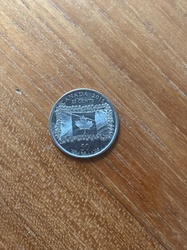
Other coins you may enjoy
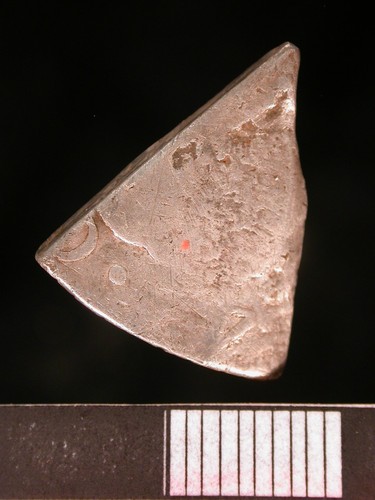
8 Reales (Portrait/Bust Type)
1759-1788
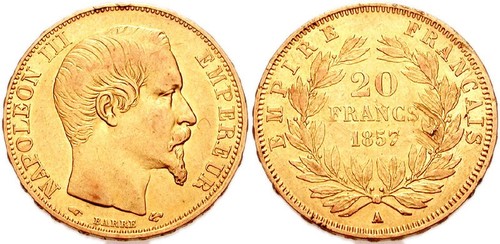
Napoleon III 20 Francs
1852-1870
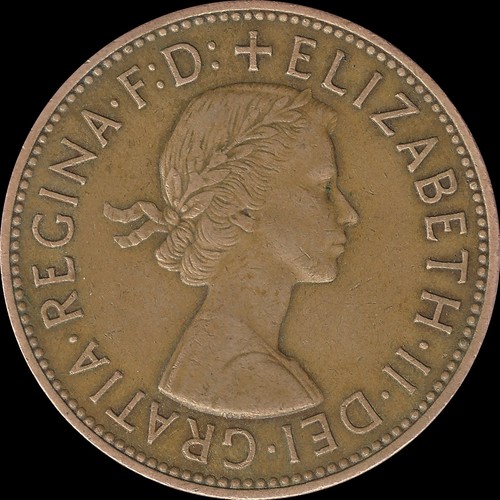
British Penny
1937-1952
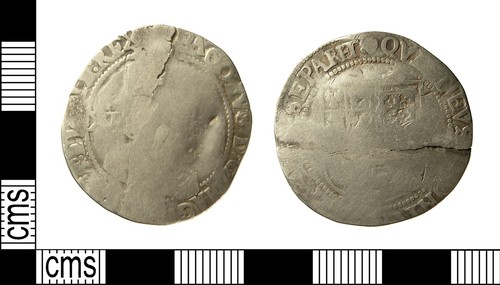
Shilling of James I
1603-1625
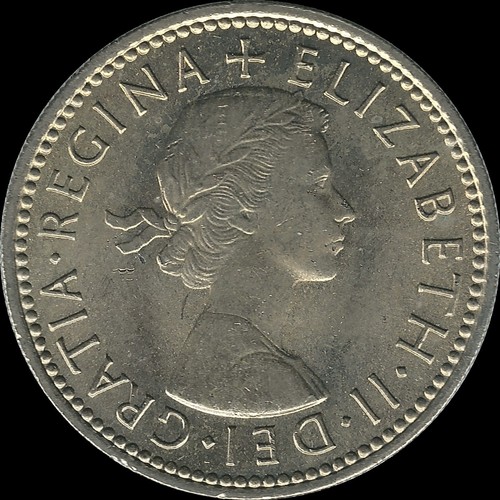
British Shilling
1837-1901 (Victoria); example dated 1887
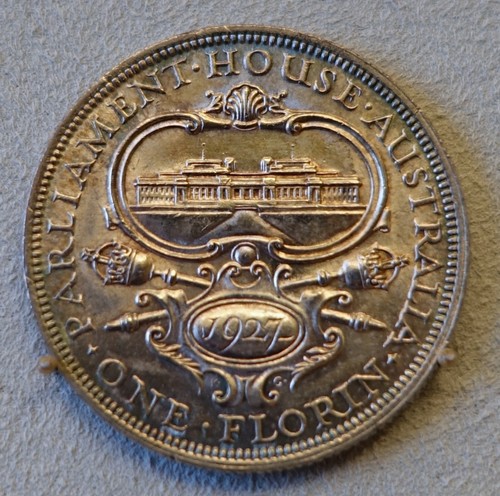
Australian Florin
1910-1963
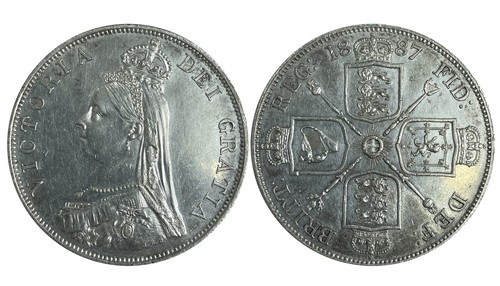
British Double Florin
1887-1890
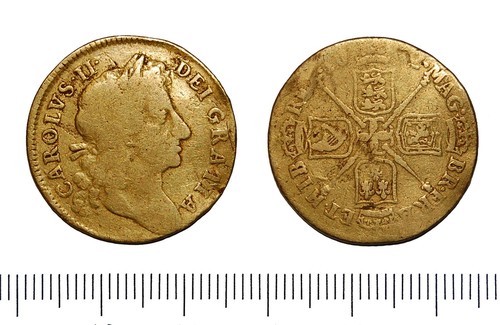
Gold Guinea
1663-1813
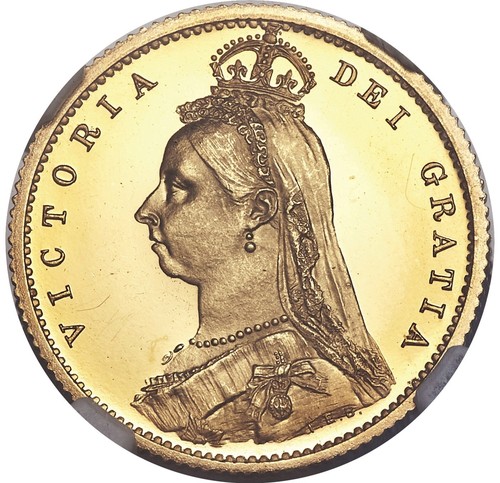
Half Sovereign
1817-1937
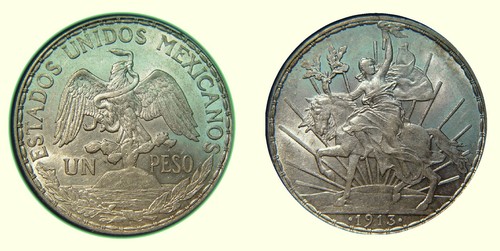
Mexican 1 Peso
1910-1914
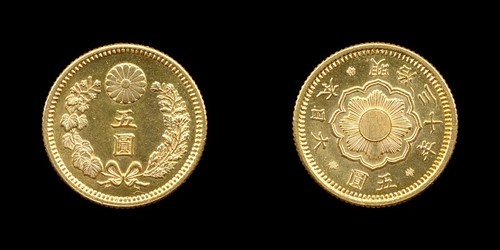
Japanese 5 Yen
Meiji era (example dated Meiji 30 / 1897)
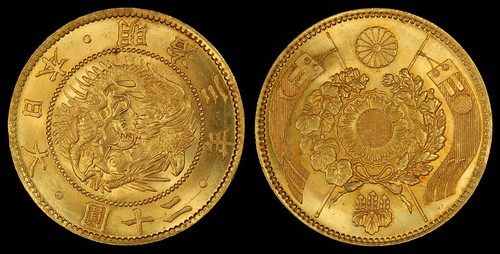
Japanese 20 Yen
1870 (Meiji 3)