
Coin Encyclopedia
Search and identify coins from around the world — with country, denomination, metal, mint, history, and how to tell them apart.
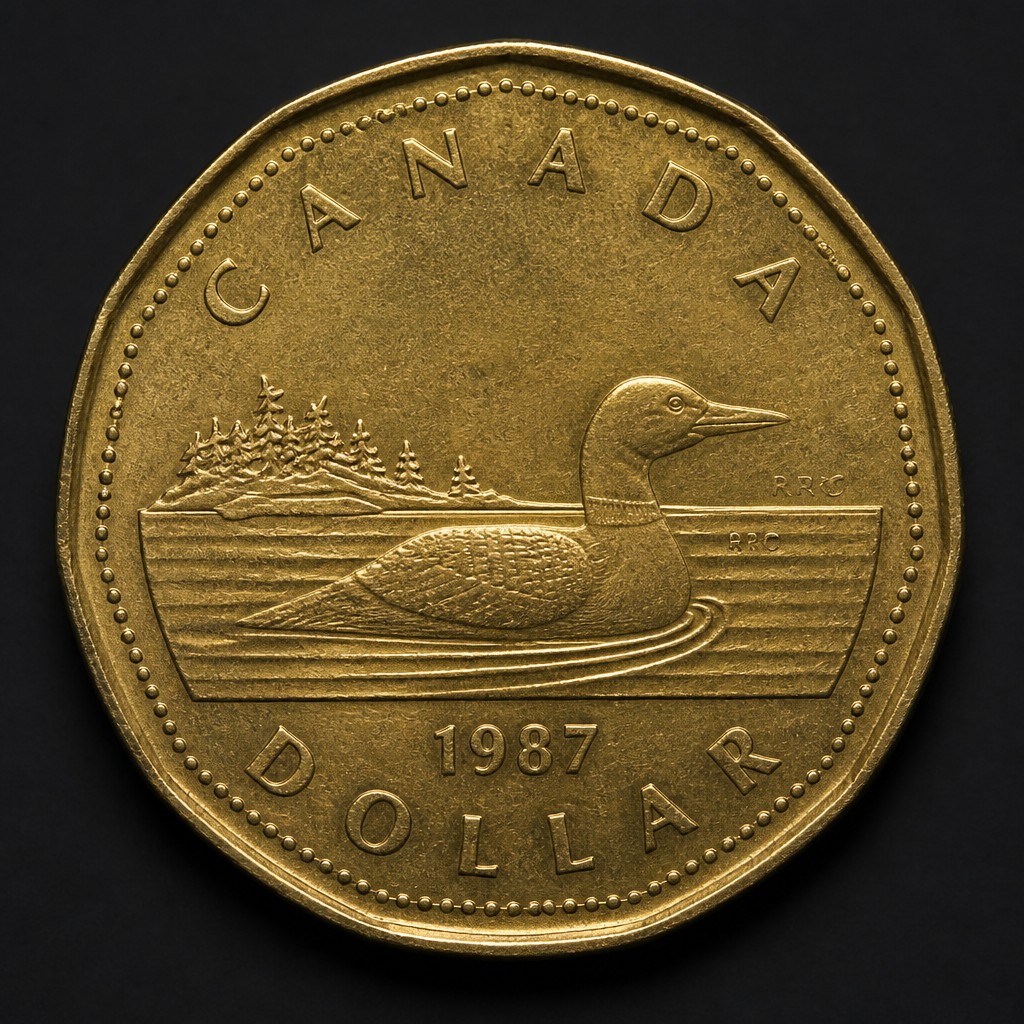
Canadian Loonie
Canada's eleven-sided one dollar coin, introduced in 1987 with a common loon on the reverse, giving rise to its popular nickname.
Canadian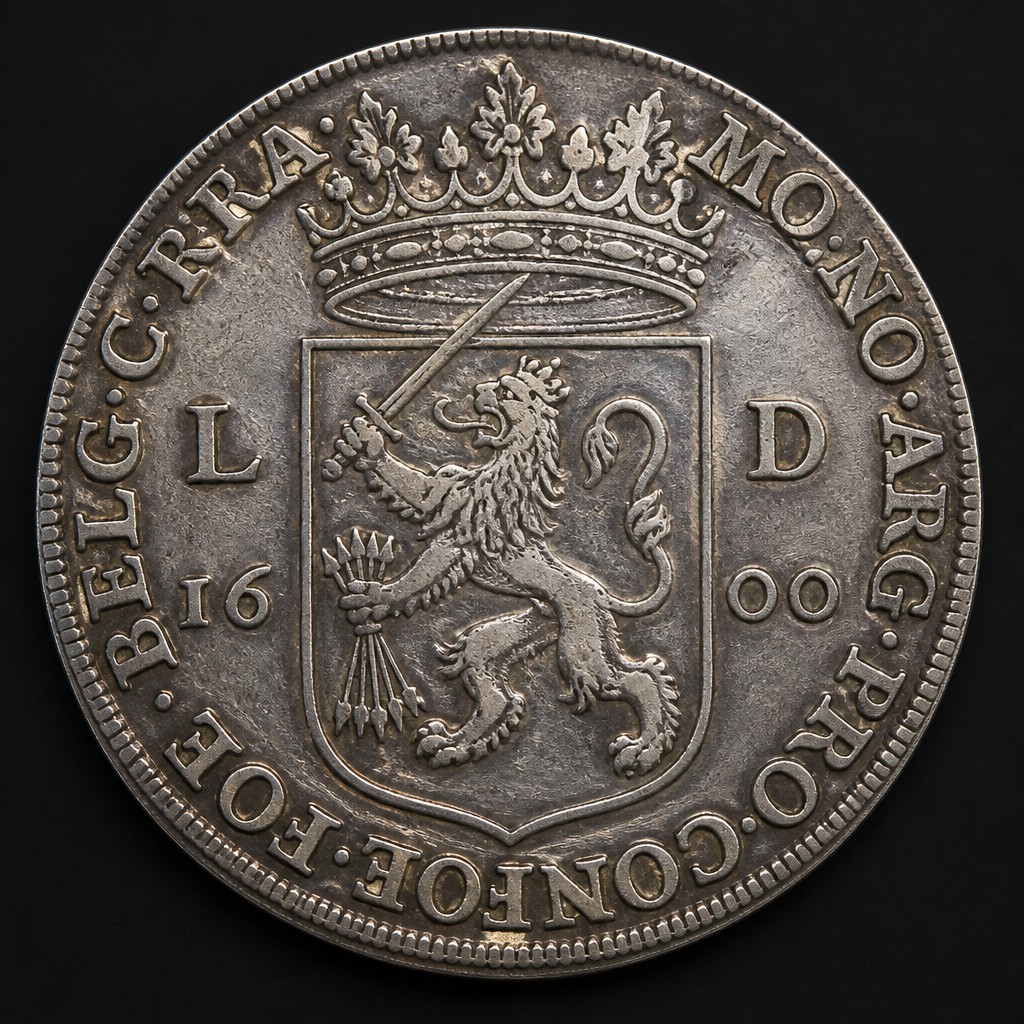
Netherlands Lion Daalder (Leeuwendaalder)
A large silver trade coin of the Dutch provinces showing a knight and a rampant lion, widely circulated in colonial North America and the Ottoman world as the prototype 'lion dollar.'
European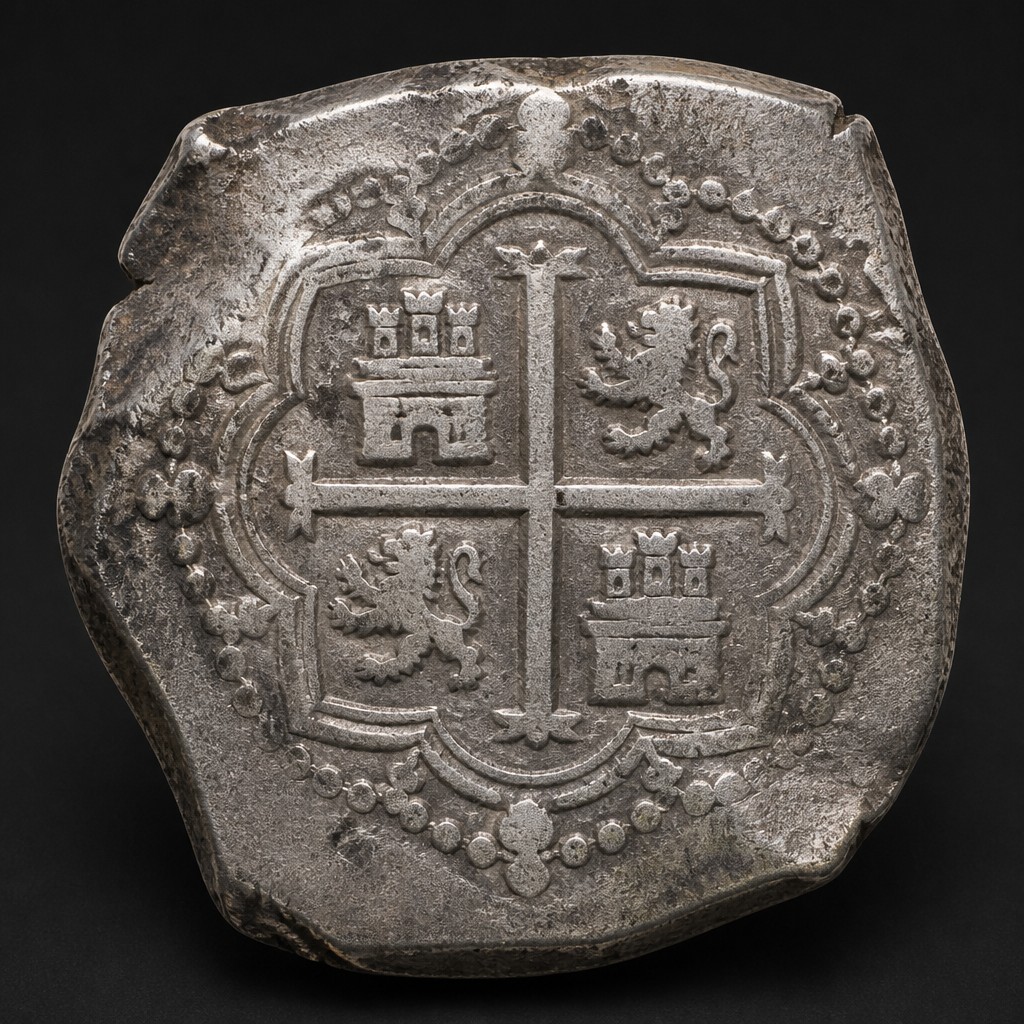
Spanish Colonial Cob 8 Reales (Macuquina)
A crudely hand-struck Spanish colonial silver coin, cut from irregular silver bars and stamped with a cross and shield, famed worldwide as the original 'piece of eight'.
Latin American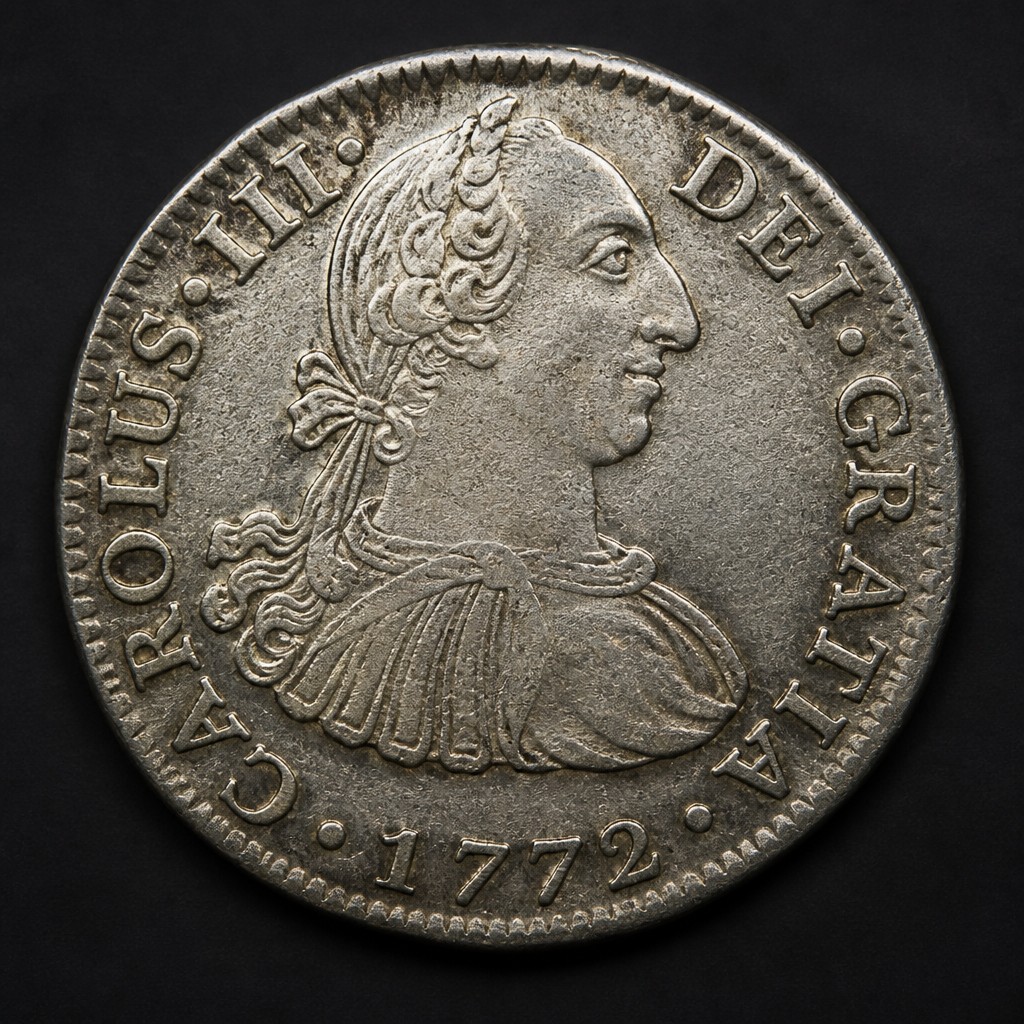
Spanish 2 Reales Pillar
The Pillar 2 Reales was a fractional Spanish colonial silver coin featuring the famous Pillars of Hercules design, struck at mints across Spanish America and widely used in international trade.
Latin American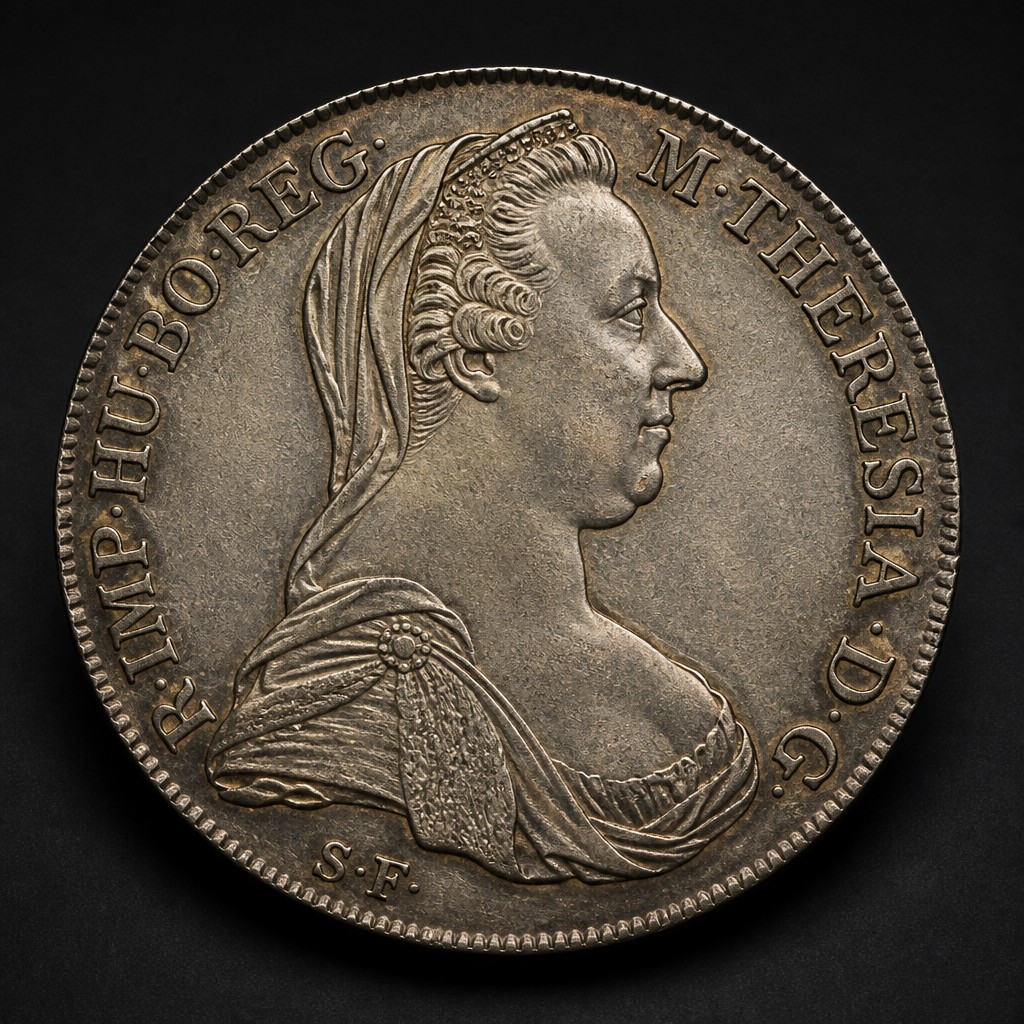
Maria Theresa Thaler
An Austrian silver trade coin dated 1780 that has been restruck continuously for over two centuries, remaining a trusted currency across parts of Africa and the Middle East long after its original issue.
European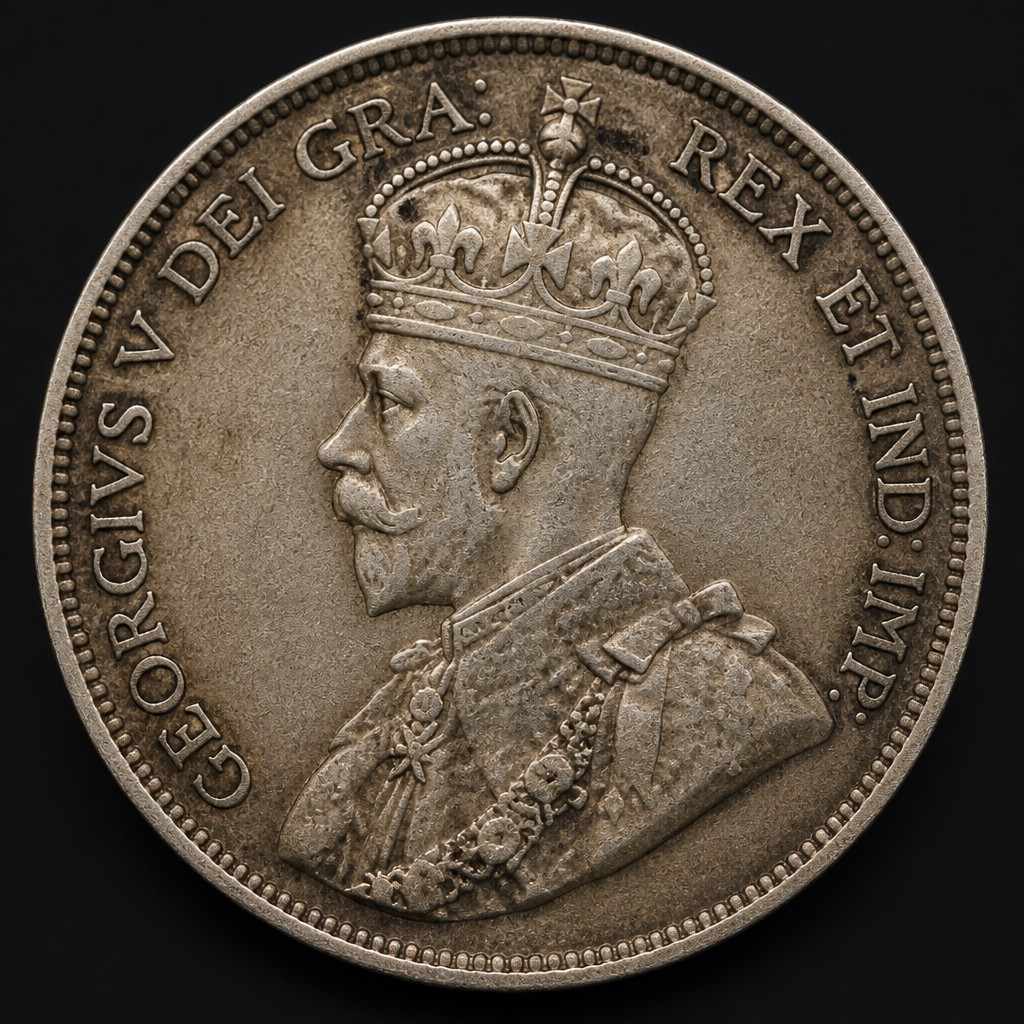
George V Fifty Cents
Canada's fifty-cent silver coin issued under King George V, spanning a reduction in silver fineness in 1920 and including the famously rare 1921 date.
Canadian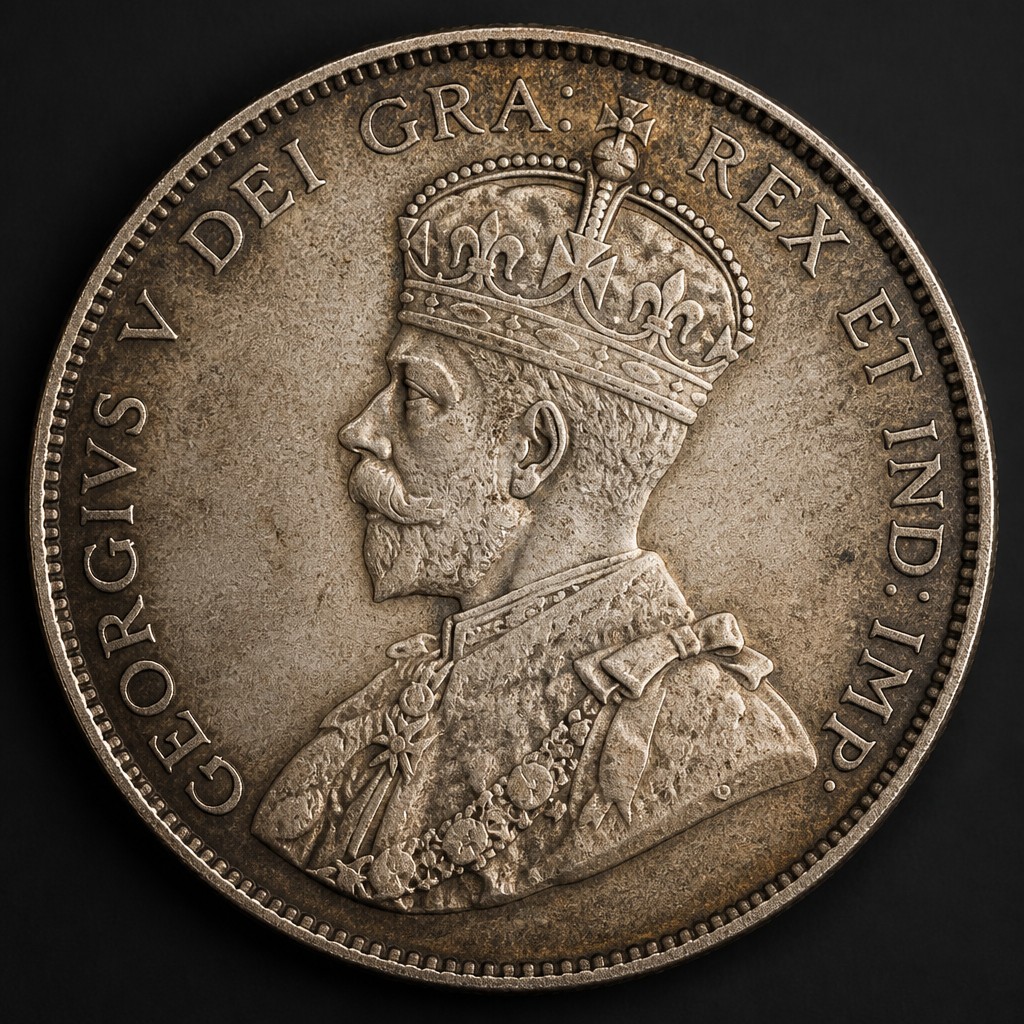
1921 Fifty Cents (King of Canadian Coins)
Canada's most famous rarity, the 1921 fifty-cent piece survives in only a small number of known examples after most of its mintage was melted, earning it the nickname King of Canadian Coins.
Canadian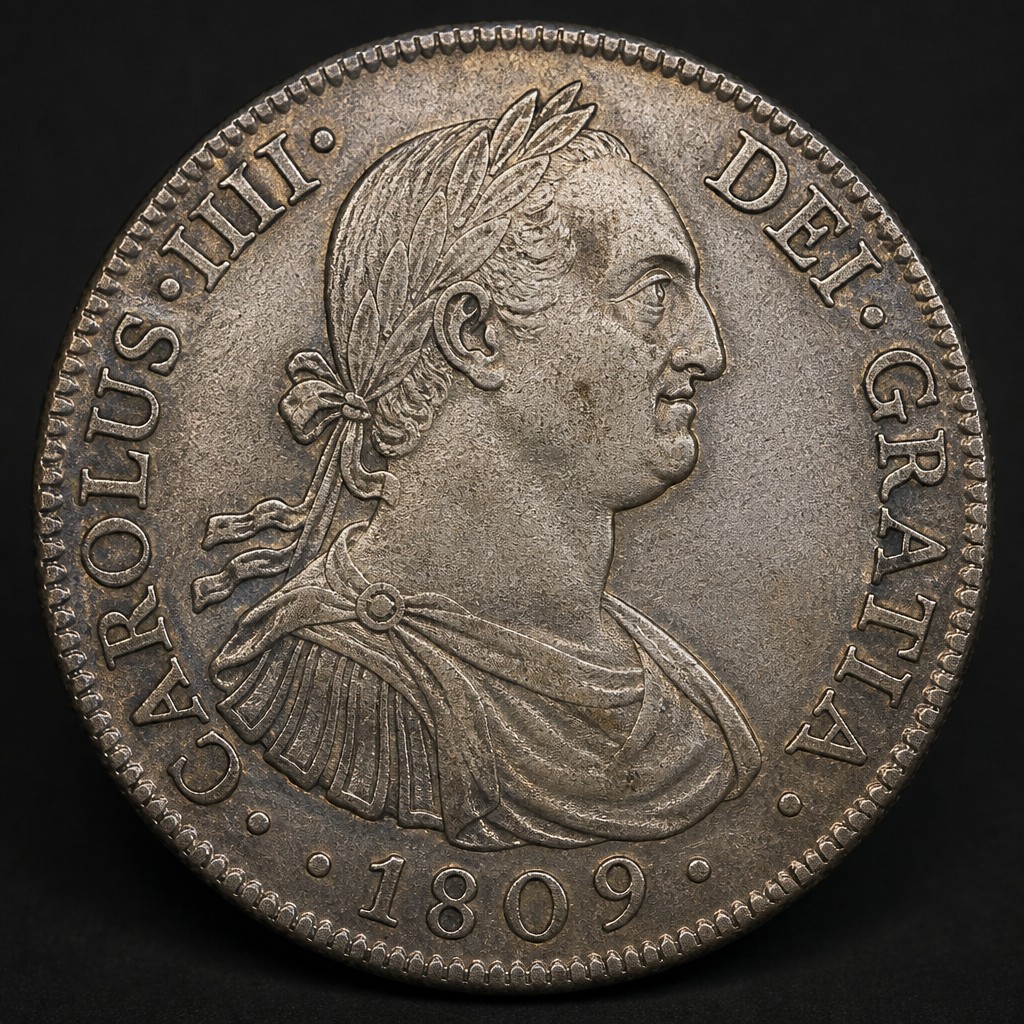
Bolivia 8 Reales (Potosi Mint)
A major Spanish colonial and early Bolivian silver dollar struck at the legendary Potosí mint, fed by the immense silver deposits of the Cerro Rico mountain.
Latin American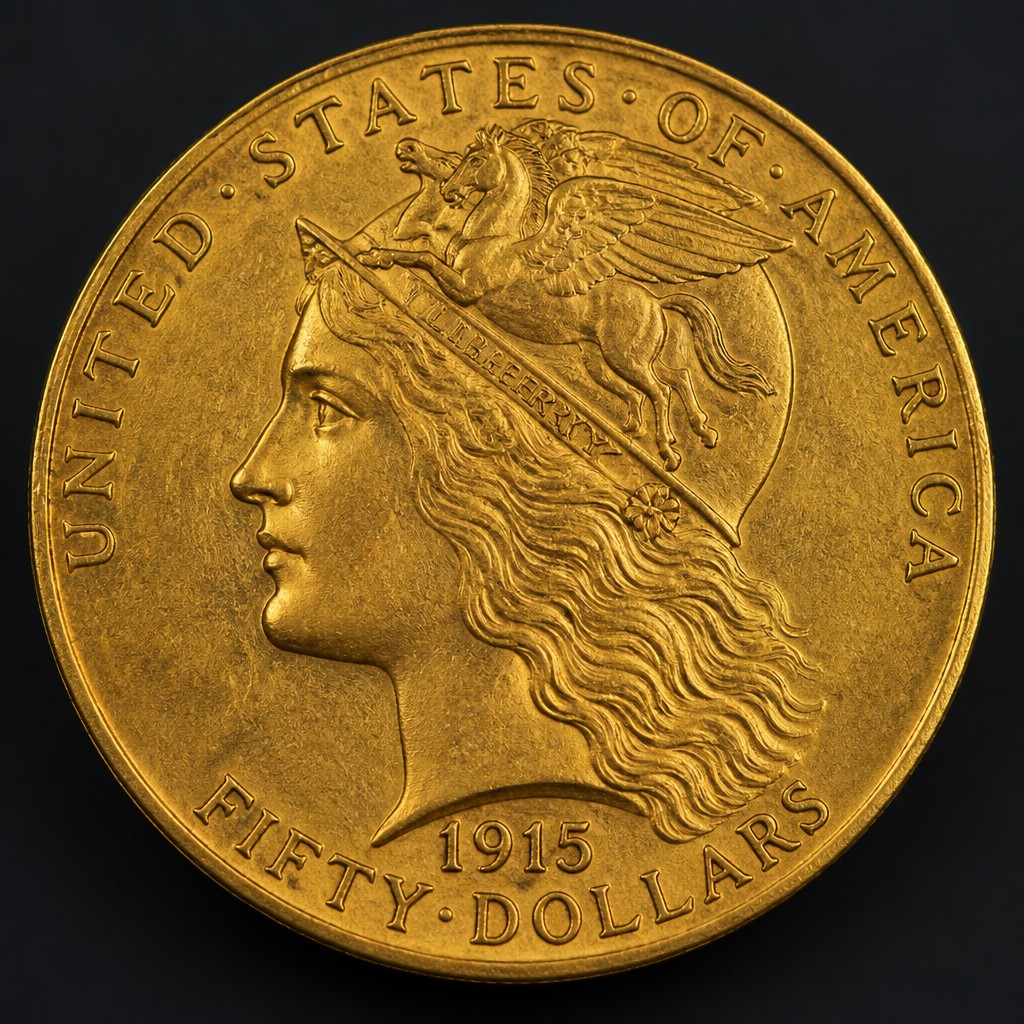
Panama-Pacific $50 Gold (Round)
A massive round commemorative gold piece struck for the 1915 Panama-Pacific International Exposition, one of the rarest and most valuable U.S. commemorative coins ever issued.
Commemorative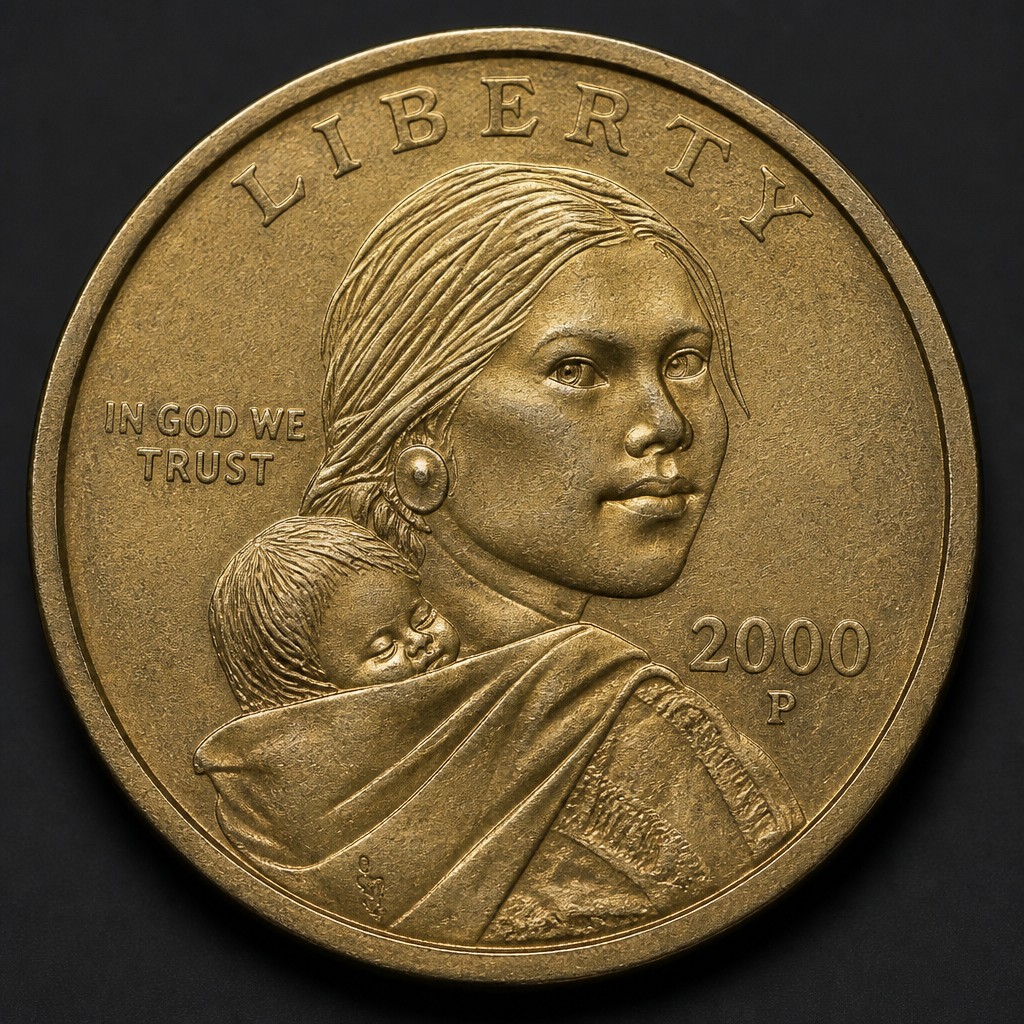
2000-P Sacagawea/Washington Quarter Mule
An extraordinarily rare mint error pairing the golden Sacagawea dollar obverse with a Washington quarter reverse die, one of the most famous modern mule errors in U.S. coinage.
Errors & Varieties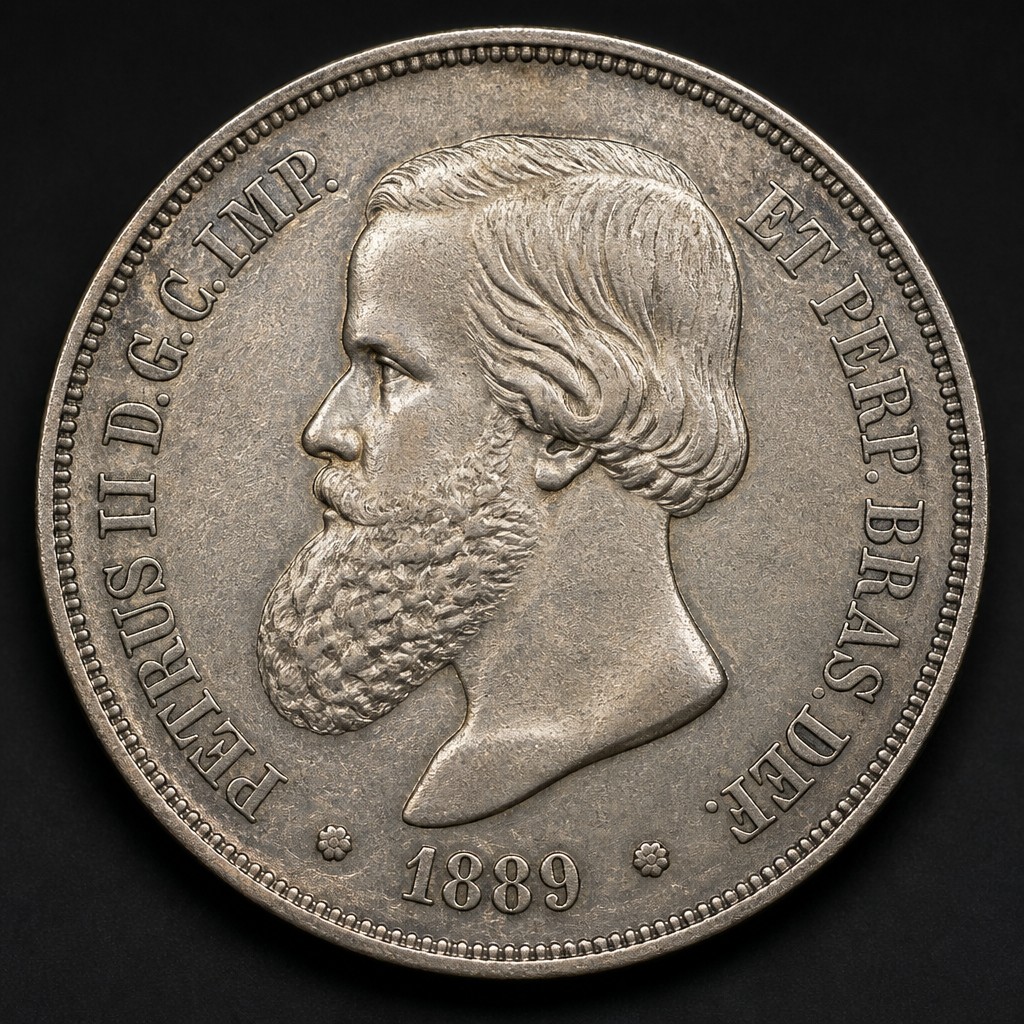
Brazilian 2000 Reis Silver
The largest common silver coin of the Brazilian Empire, bearing the portrait of Emperor Pedro II across several design types spanning his long reign.
Latin American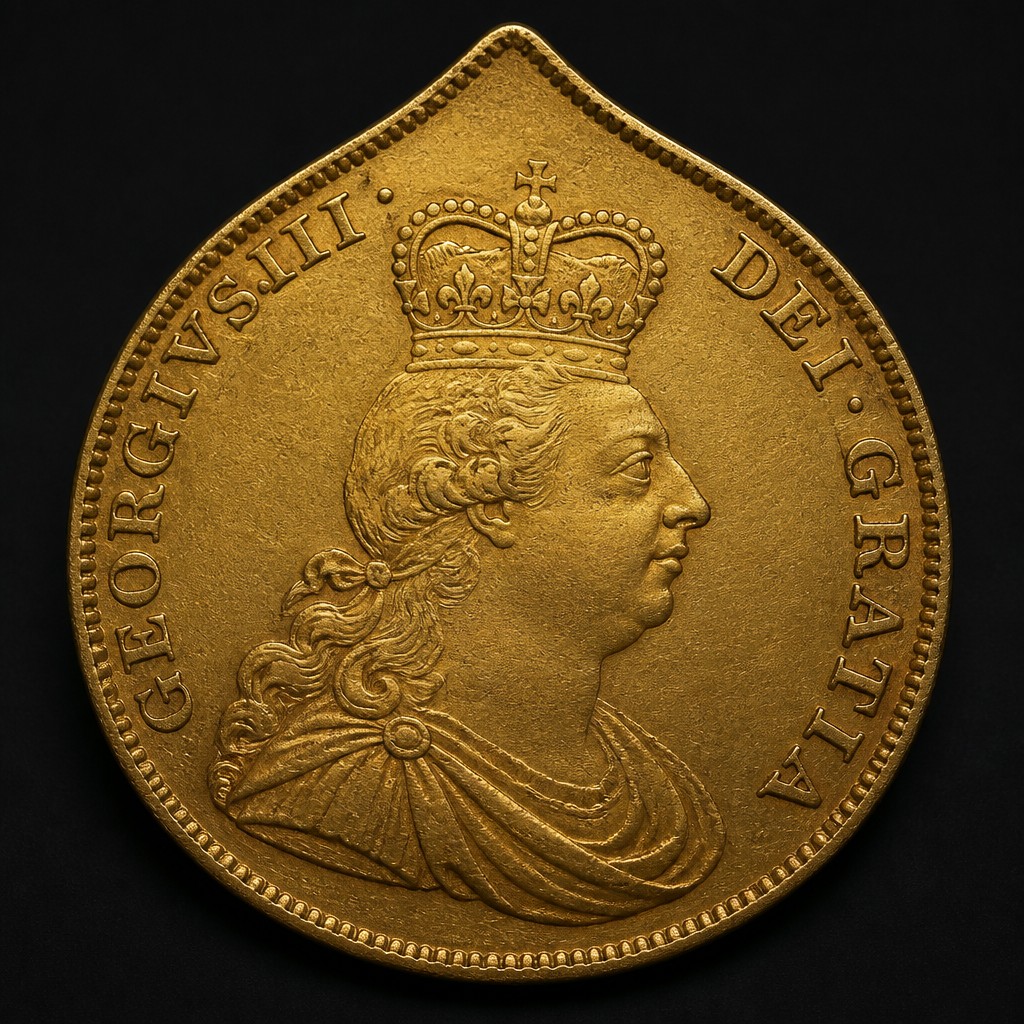
Spade Guinea
A George III gold guinea nicknamed for its spade-shaped shield reverse, one of the last widely circulated guinea types before the denomination was phased out in the early 1800s.
British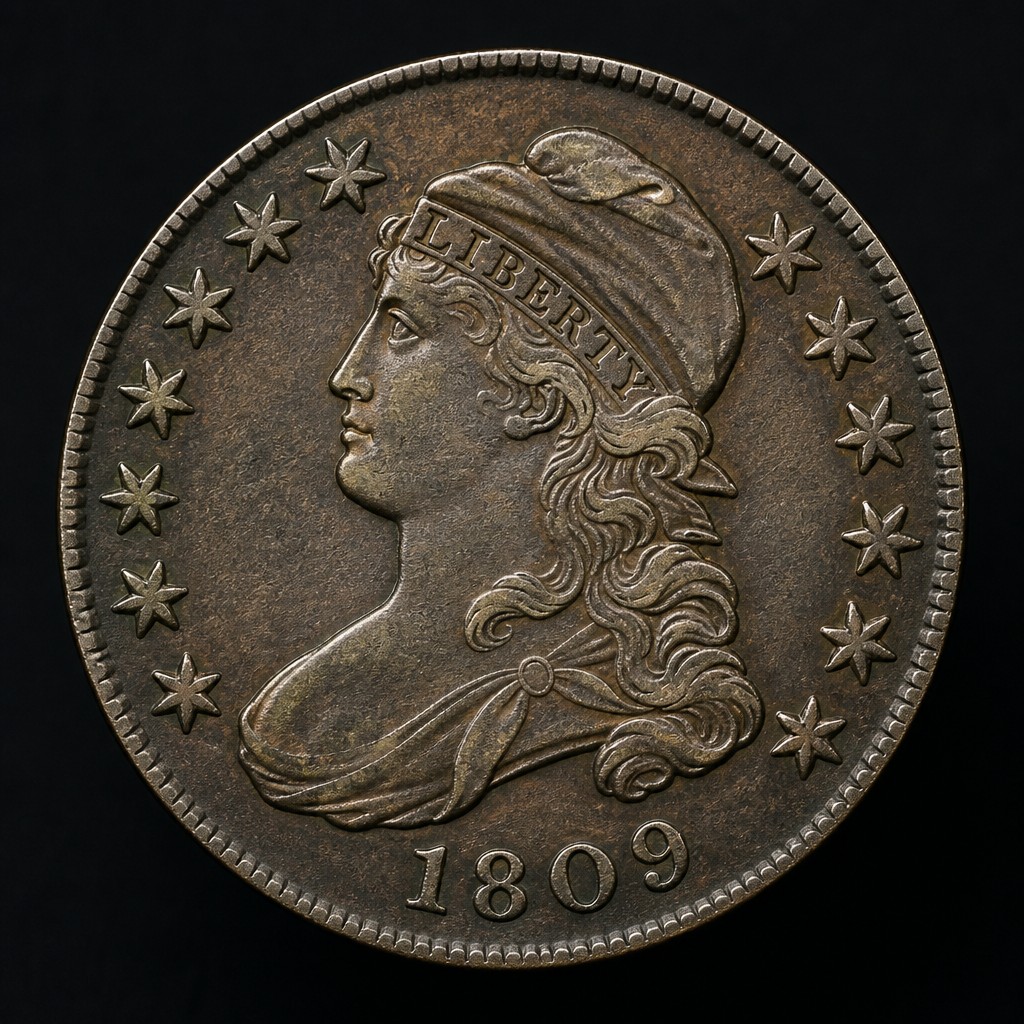
Classic Head Half Cent
A half cent design used from 1809 to 1836, featuring a Liberty head with a headband inscribed LIBERTY, succeeding the Draped Bust type.
United States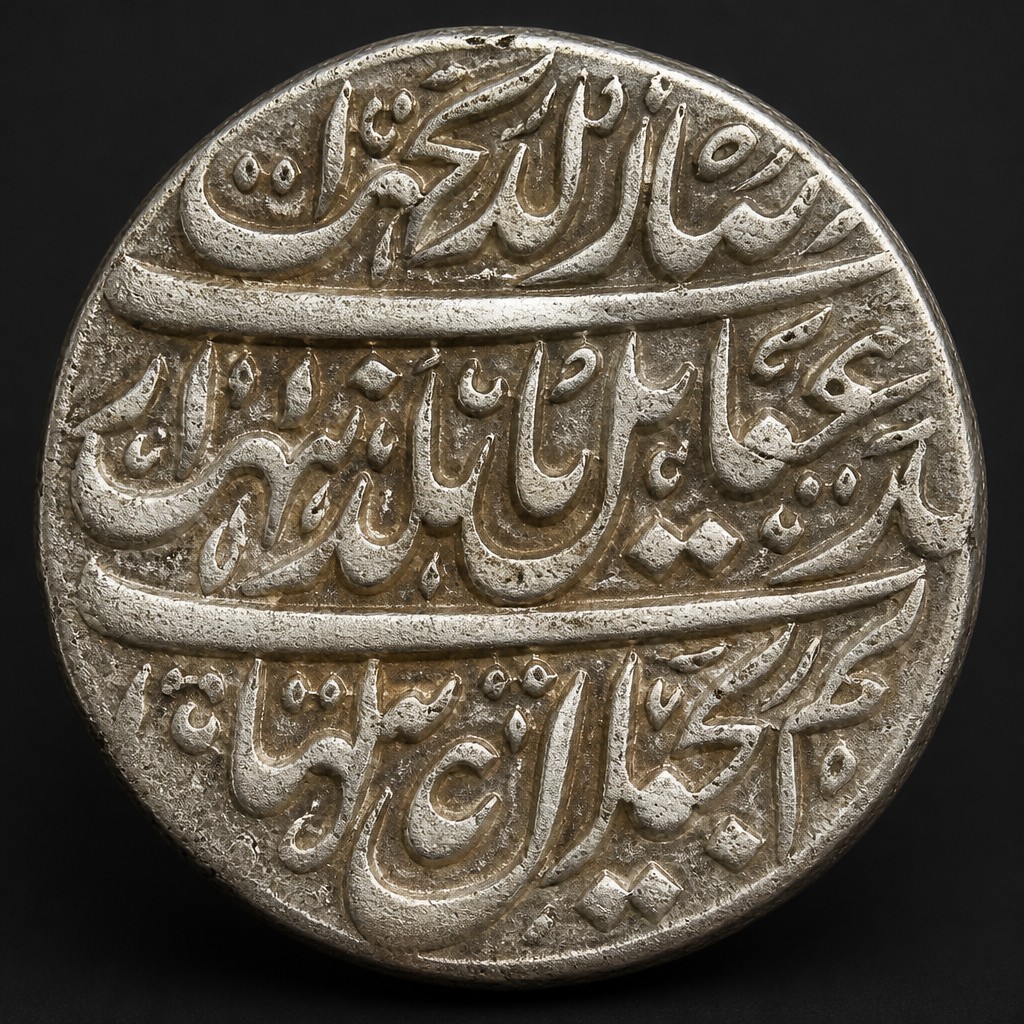
Mughal Silver Rupee (Akbar)
A silver rupee struck under Emperor Akbar, who standardized the denomination's weight and calligraphic design, establishing a coin type that shaped Indian currency for centuries.
Asian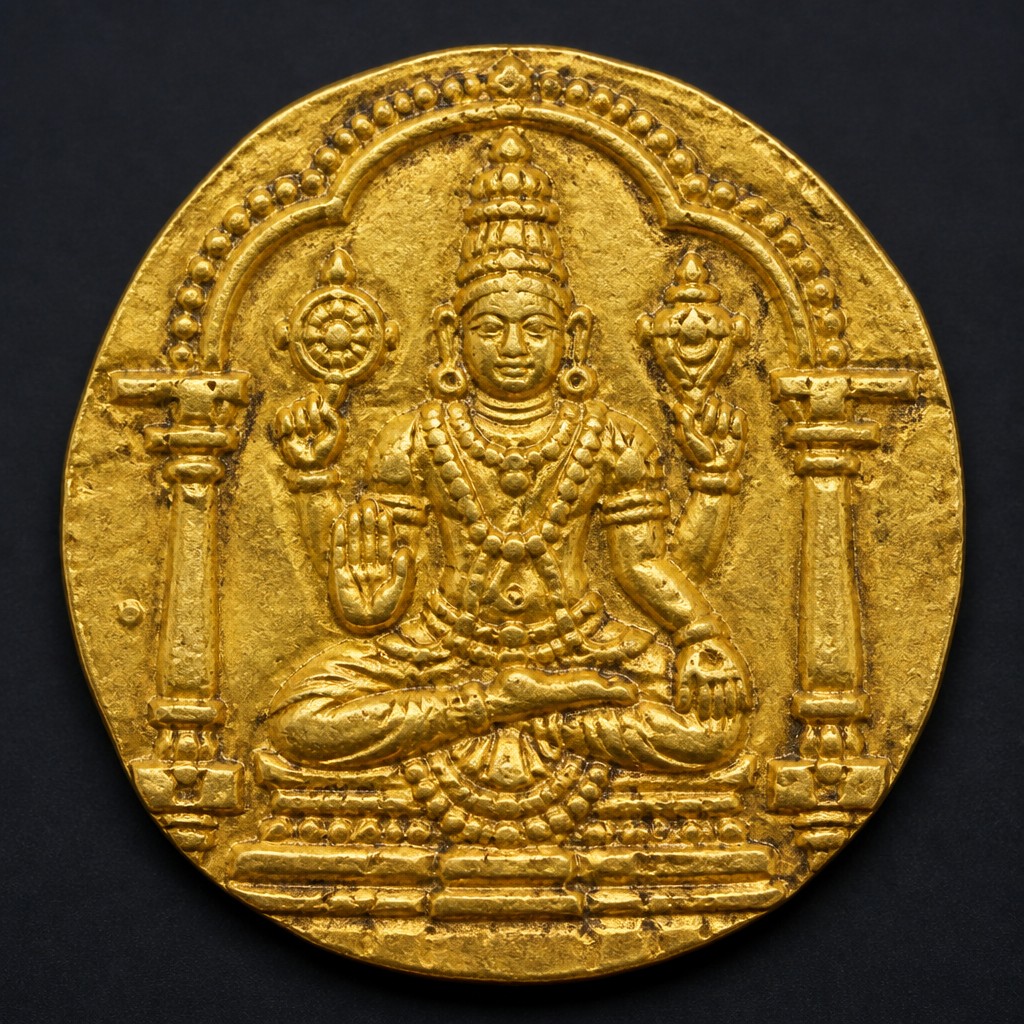
Vijayanagara Gold Pagoda
A small, thick gold coin of the South Indian Vijayanagara Empire, typically showing Hindu deities or a bull, whose type became so trusted it was widely imitated as the standard South Indian trade "pagoda."
Asian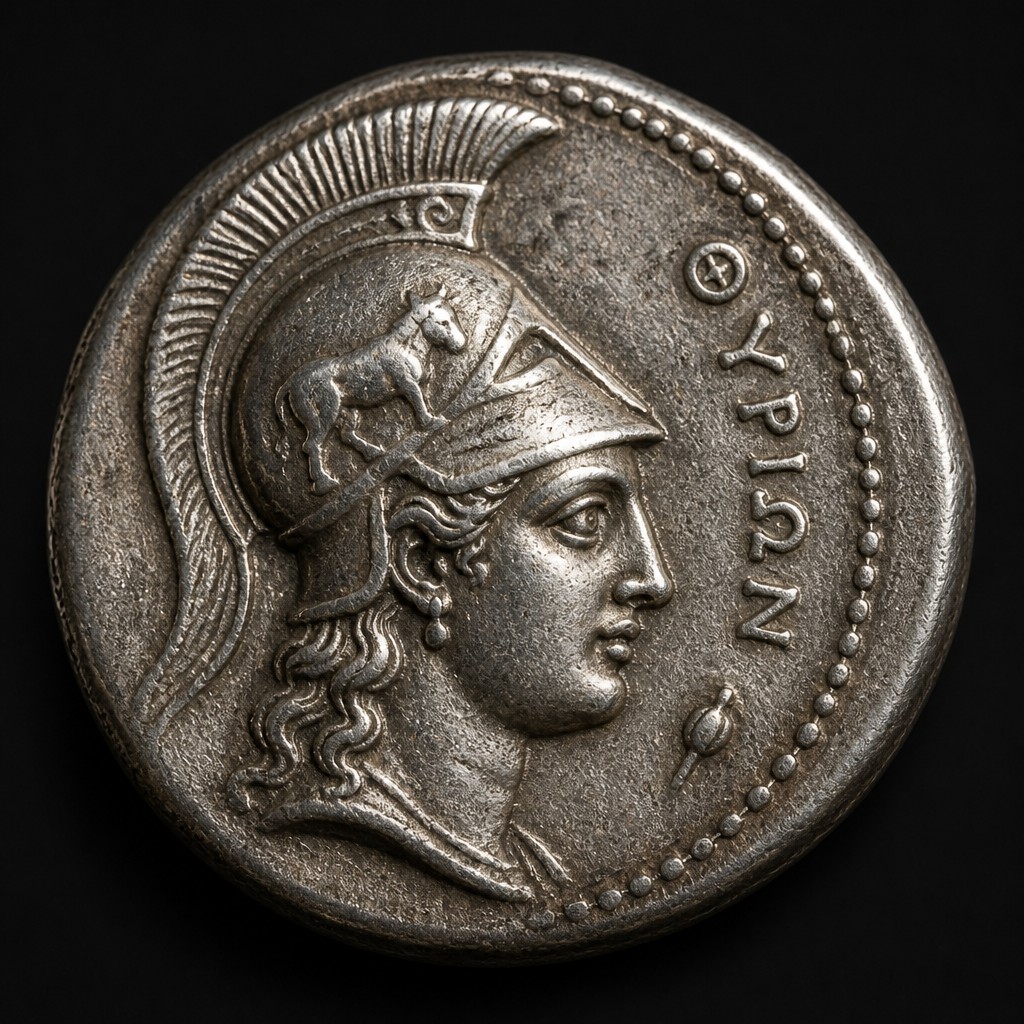
Thurium (Thurii) Athena and Bull Nomos
Silver nomos of the Greek colony of Thurii in southern Italy, showing a helmeted Athena obverse and a butting bull reverse, a classic Magna Graecia type.
Ancient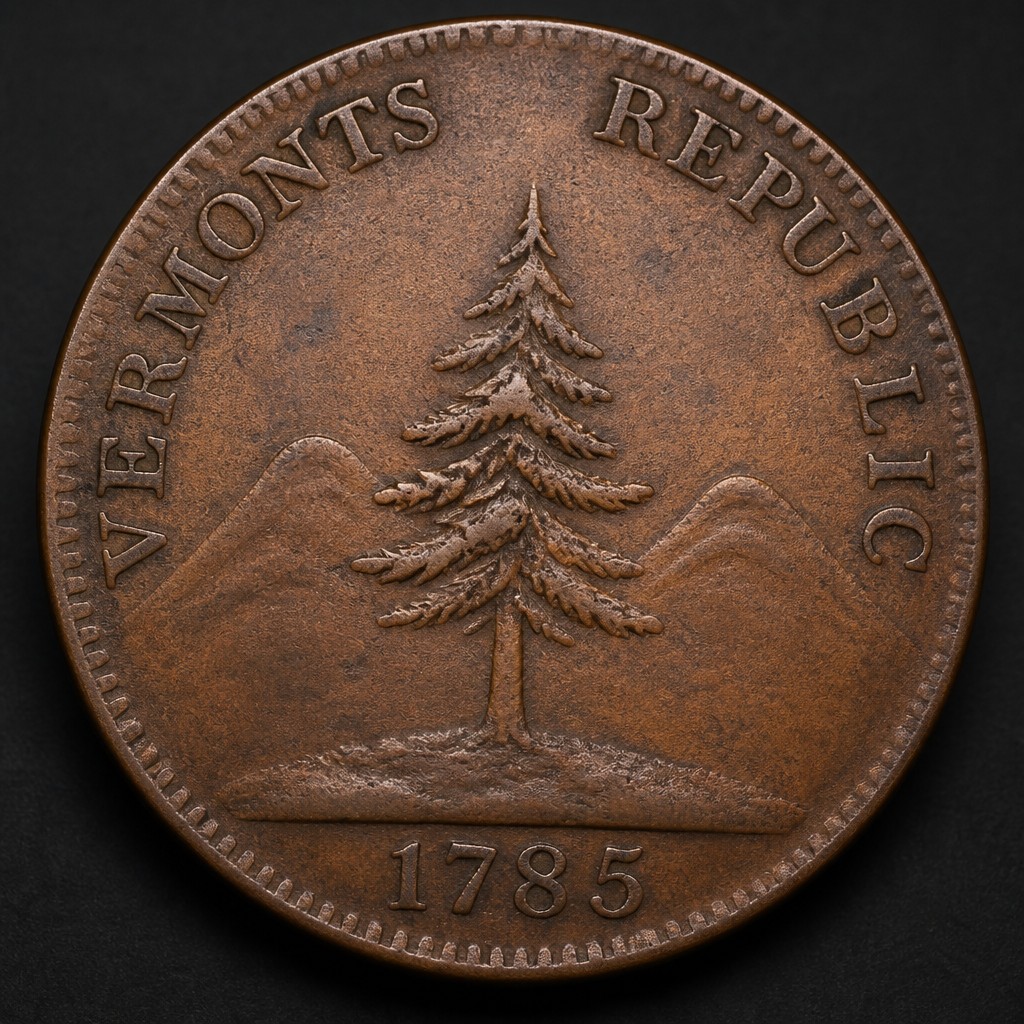
Vermont Copper
Copper coinage struck under authority of the independent Vermont Republic in the 1780s, featuring an early landscape design and later a Britannia-style type.
United States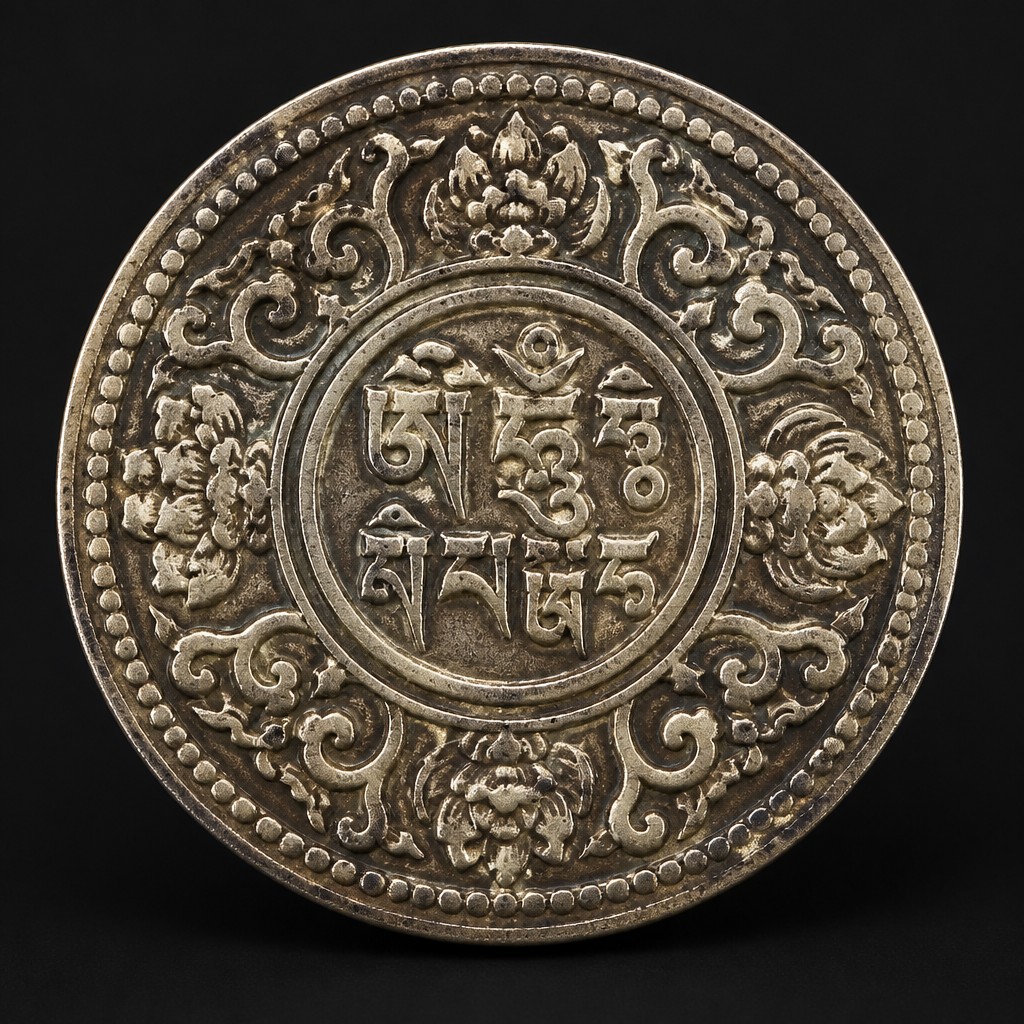
Tibetan Silver Tangka
The traditional silver coin denomination of Tibet, issued in many distinct types over roughly three centuries, from early Nepalese-struck coinage to native Tibetan and Sino-Tibetan issues.
Asian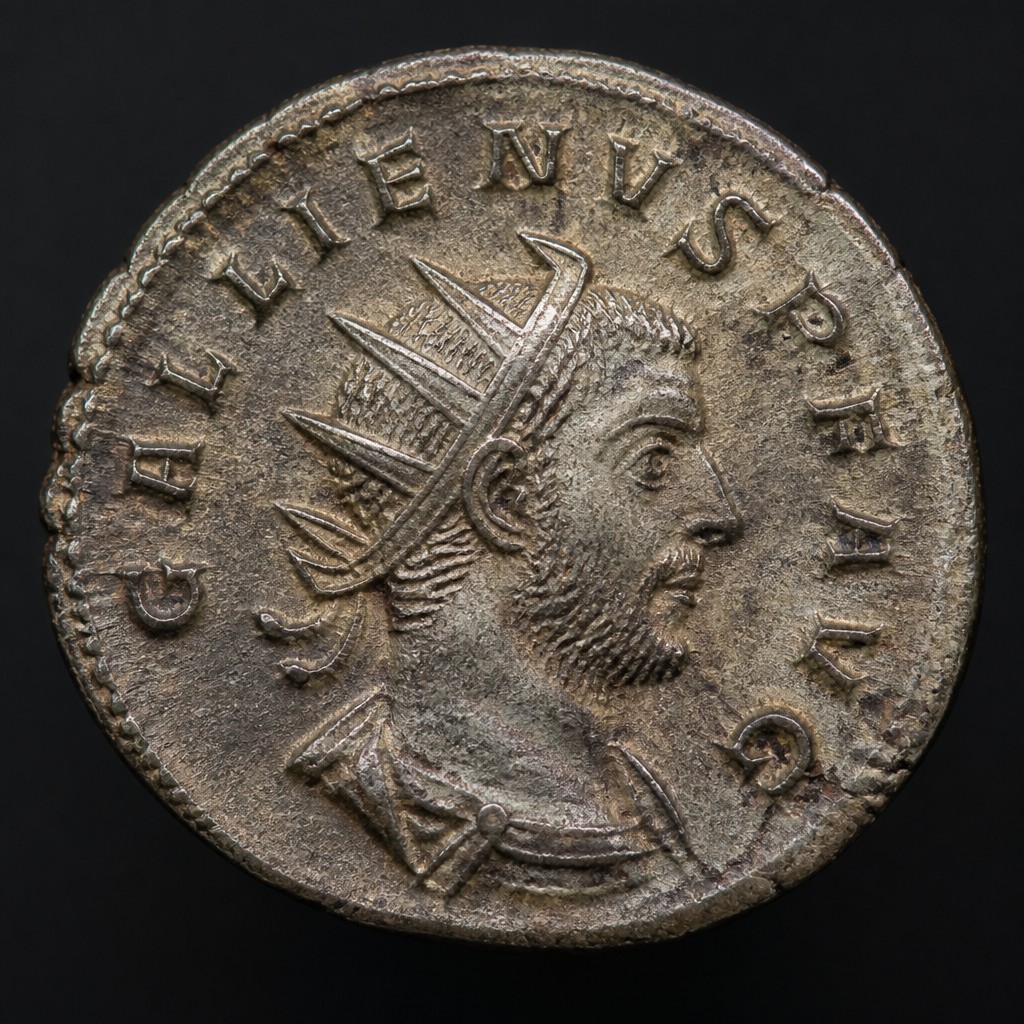
Gallienus Antoninianus
Radiate coin of Gallienus, who ruled through the depths of the Crisis of the Third Century and is especially known for a colorful late-reign series of animal and mythological reverse types.
Ancient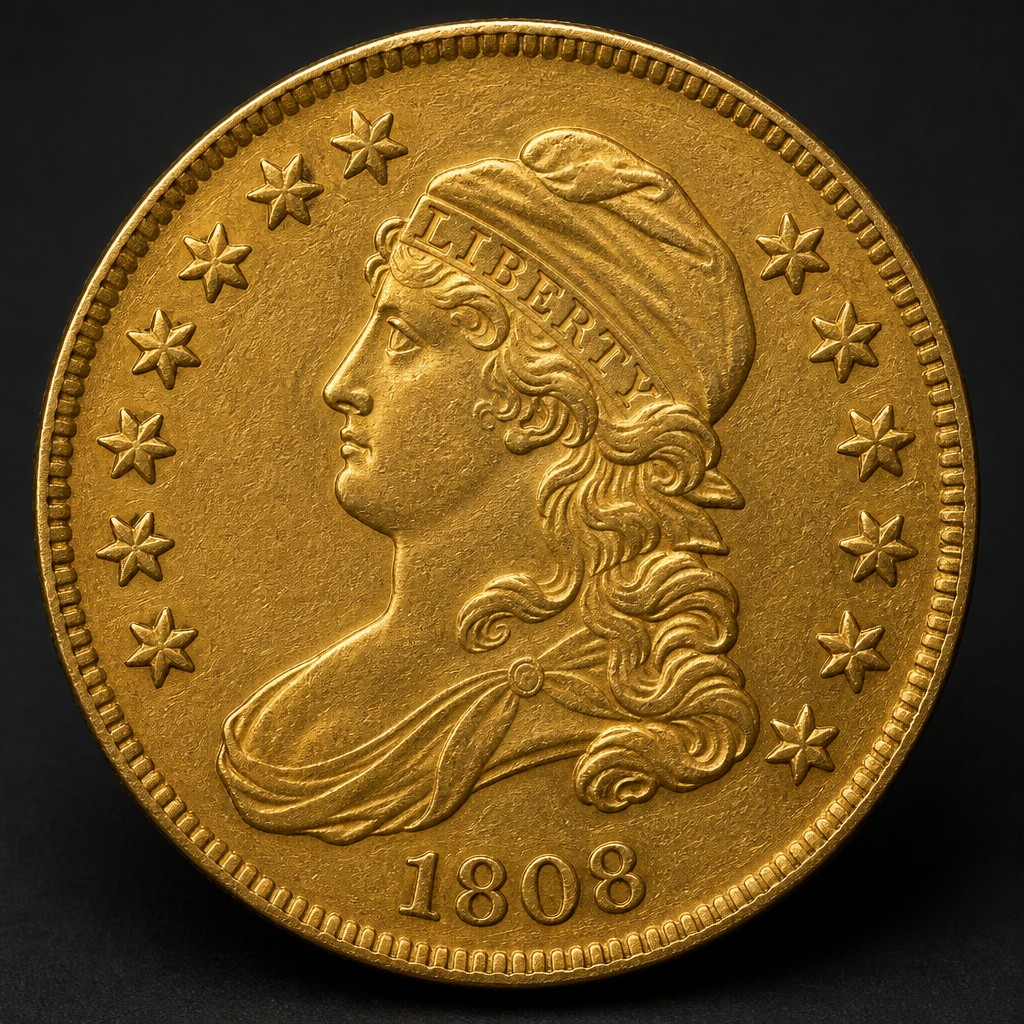
Capped Bust Quarter Eagle
An umbrella term for the earliest U.S. $2.50 gold coins (1796-1834), whose Liberty-in-a-cap portrait evolved through several sub-types, including the famous single-year 1808 issue.
United States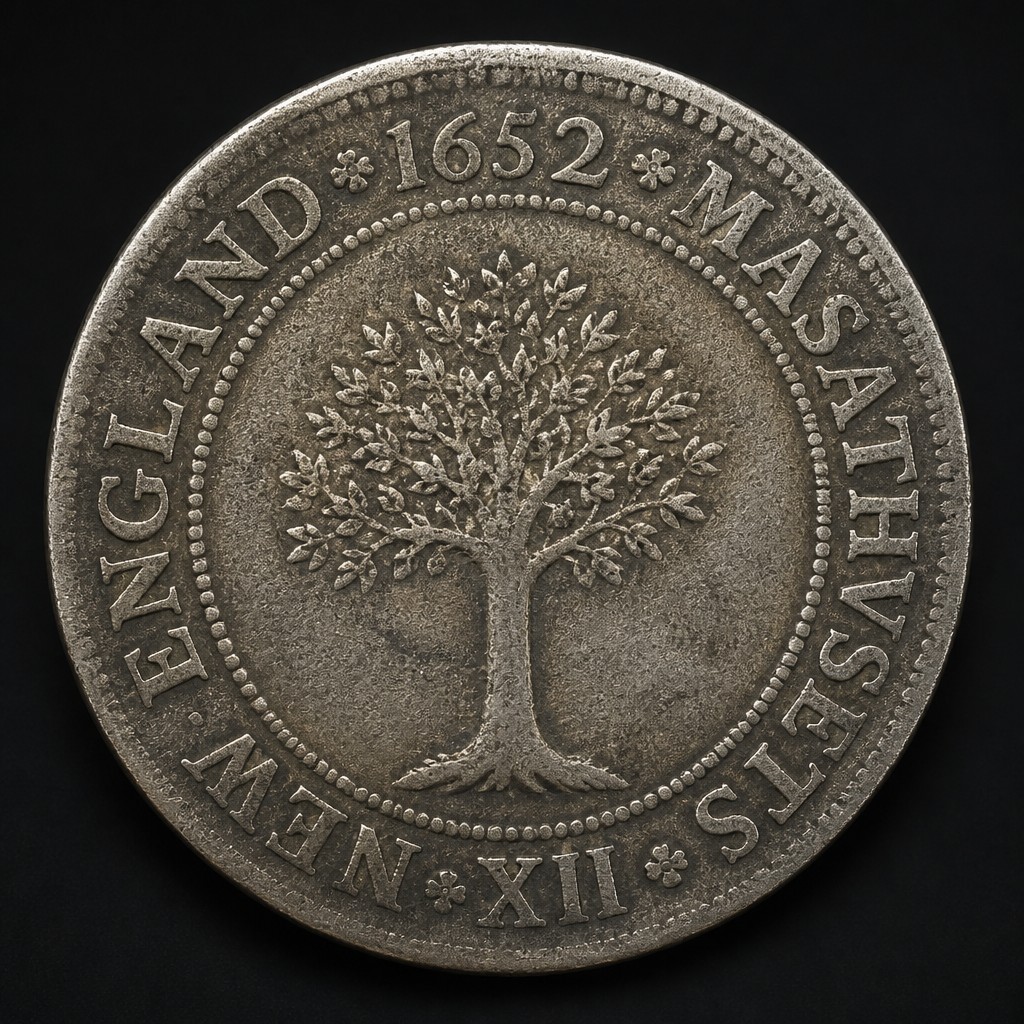
Massachusetts Oak Tree Shilling
The second design in Massachusetts Bay's colonial tree-coin series, showing an oak tree, more available than the earlier Willow Tree type but still a scarce early American colonial rarity.
United States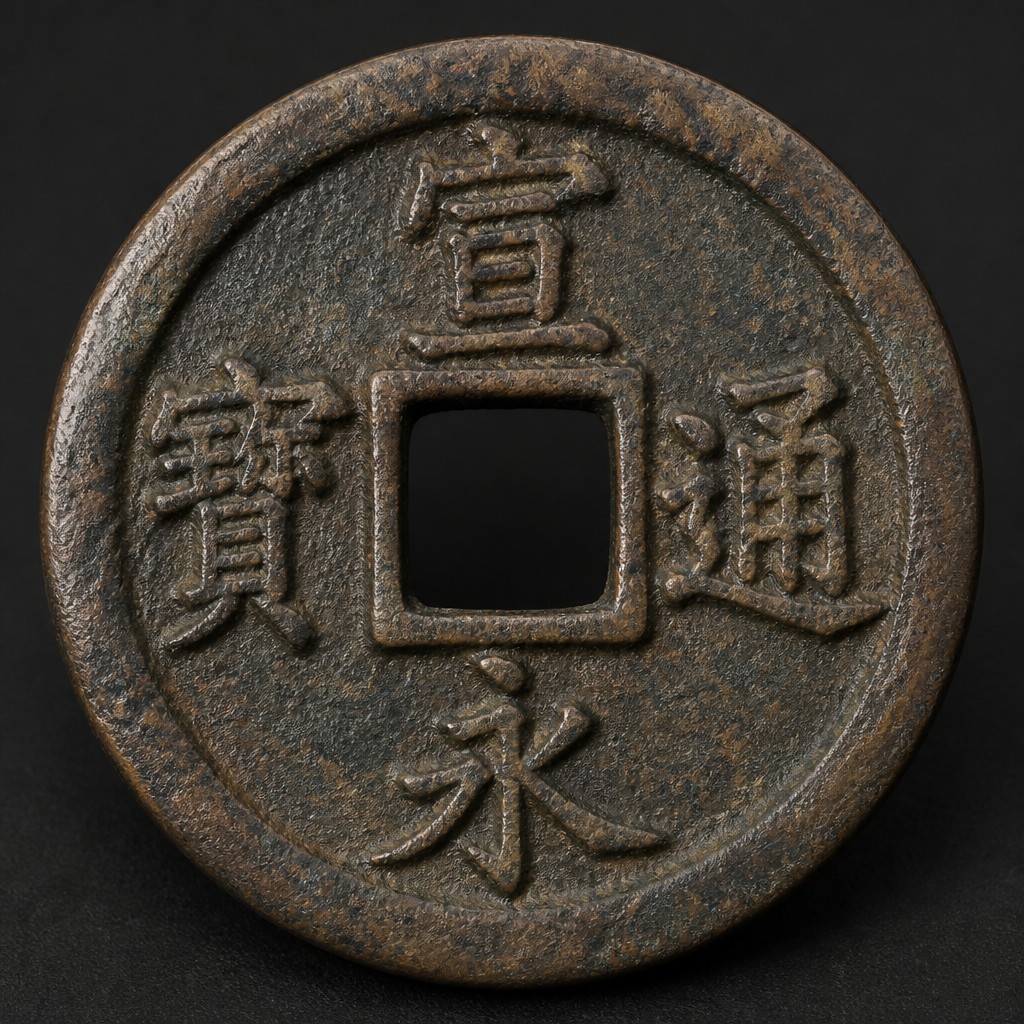
Chinese Song Dynasty Cash Coin
A round bronze coin with a square center hole issued during China's Song Dynasty, among the most massively produced and commonly collected pre-modern Chinese coin types.
Asian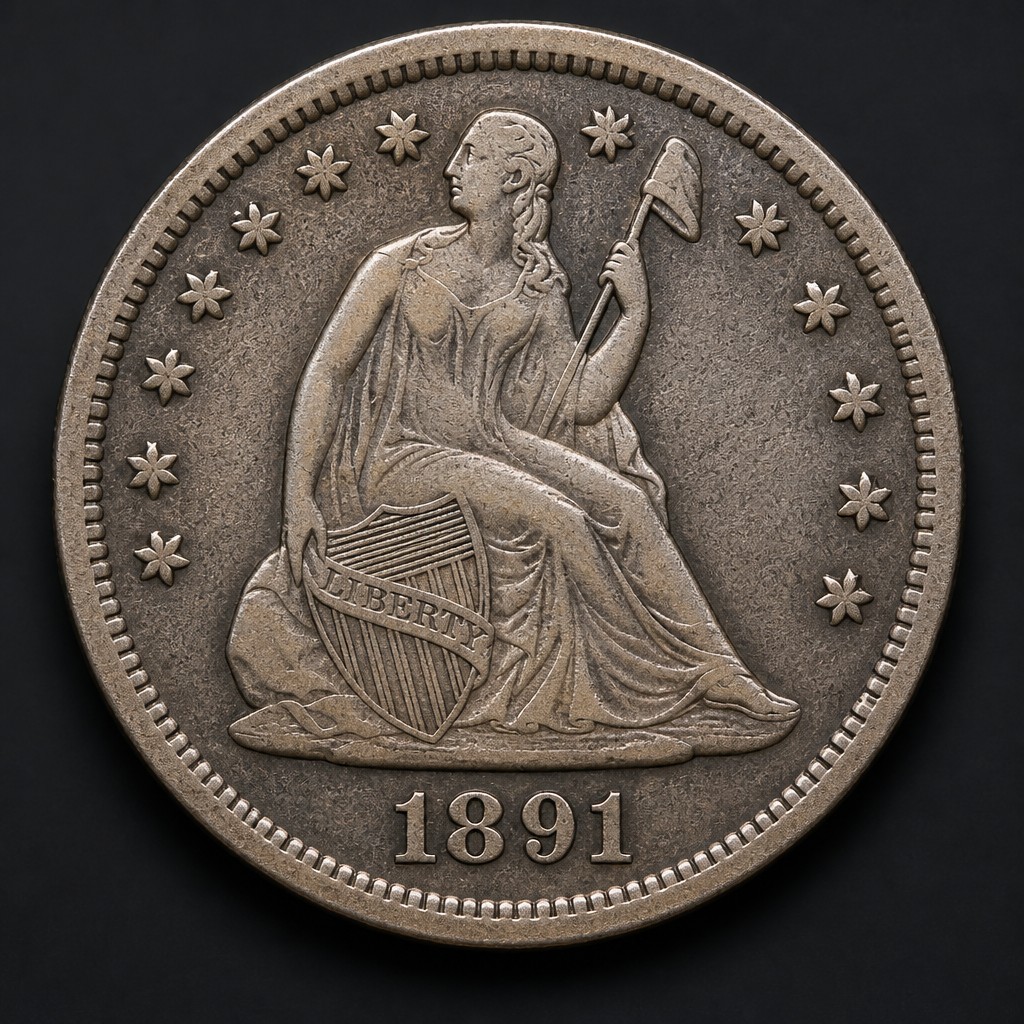
1891 Seated Liberty Quarter
The final year of the long-running Seated Liberty quarter design before it was replaced by the Barber quarter in 1892, popular as an affordable closing-date type coin.
United States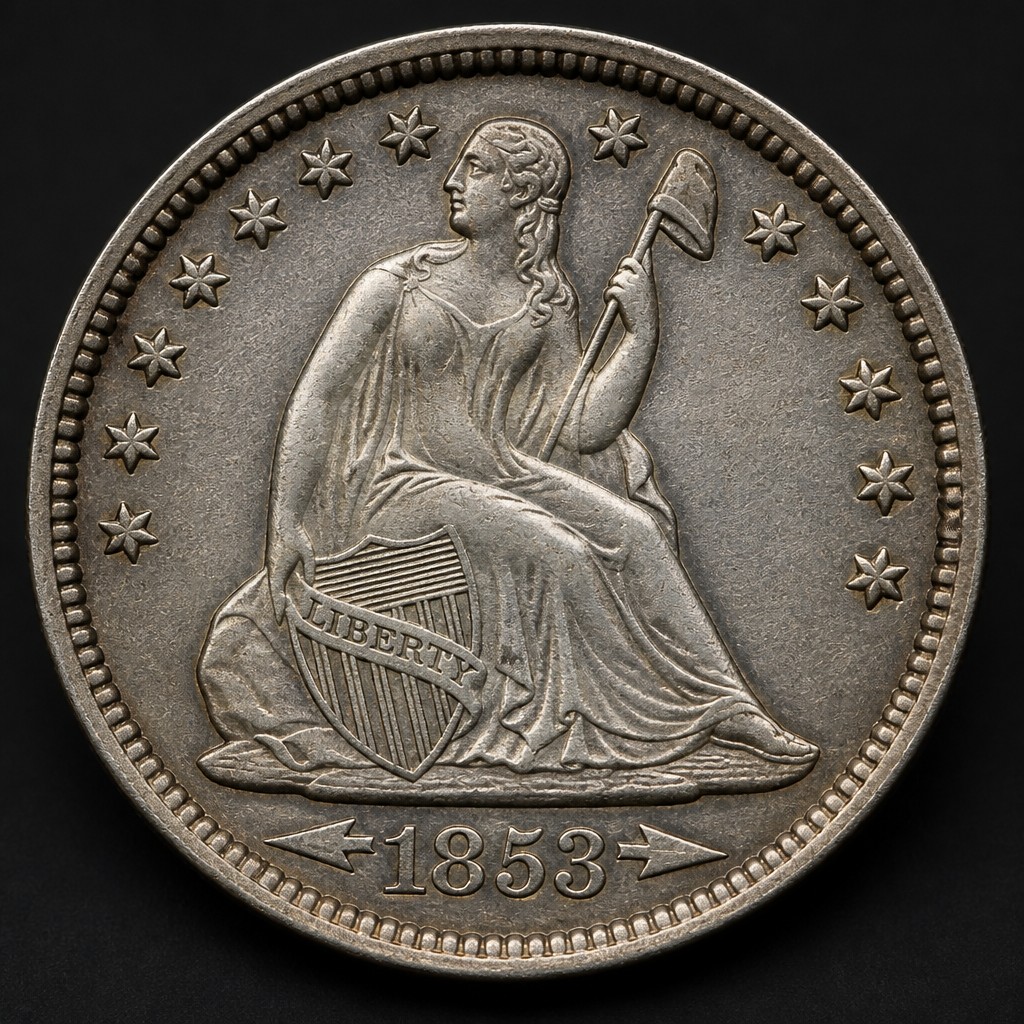
1853 Seated Liberty Quarter (Arrows and Rays)
A popular one-year Seated Liberty type marked by arrows at the date and rays around the eagle, signaling a reduction in the coin's silver weight mandated by the Coinage Act of 1853.
United States