
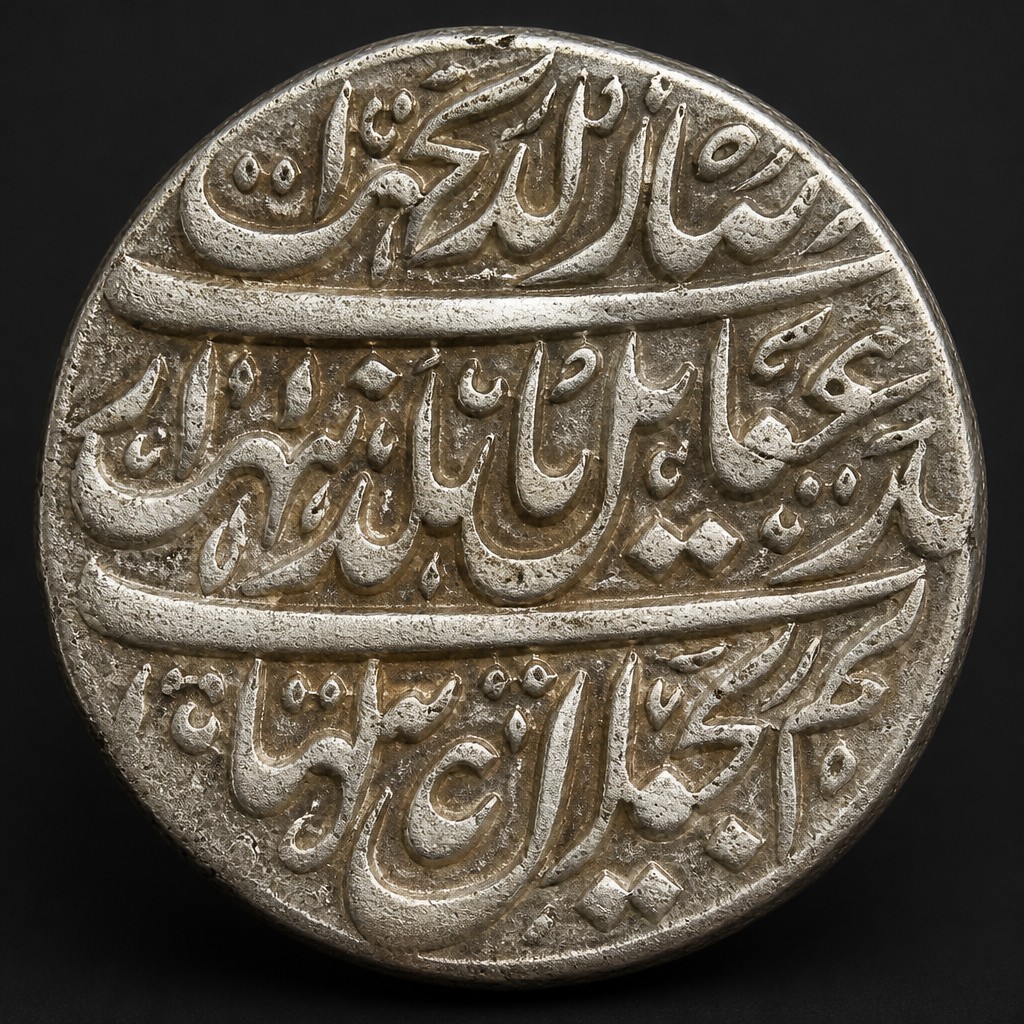
Mughal Silver Rupee (Akbar)
A silver rupee struck under Emperor Akbar, who standardized the denomination's weight and calligraphic design, establishing a coin type that shaped Indian currency for centuries.
- Country
- Mughal Empire (India)
- Denomination
- Rupee
- Metal
- Silver
Got a coin like this?
Identify any coin from a photo, free.
Overview
Akbar, the third Mughal emperor, is credited with reforming and standardizing the Mughal coinage system, and the silver rupee issued during his long reign became the model for a denomination that would remain central to Indian currency long after the Mughal Empire itself had faded. His rupees are historically important as the foundation of a currency standard that persisted, in modified forms, into British colonial India and beyond.
Collectors value Akbar's rupees both for their historical importance as the origin point of the modern rupee standard and for the fine calligraphic artistry typical of early Mughal coinage.
History & Background
Akbar (r. 1556–1605) inherited a fragmented monetary system from earlier Indian rulers, including the Sur dynasty's Sher Shah, who had already introduced a silver rupee of a defined weight standard around 1540. Akbar refined and expanded this system across his growing empire, establishing numerous mints and standardizing the rupee's weight at roughly 11.6 grams of silver, a standard that would influence Indian coinage for centuries afterward.
During the later part of his reign, Akbar promoted a new religious and philosophical outlook known as Din-i Ilahi, and some coinage from this period reflects this era's distinctive calligraphic and religious phrasing, sometimes referred to as "Ilahi" coinage, differing from the more conventional Islamic religious formulas used on earlier and later Mughal coins.
Akbar's reforms laid the groundwork for the highly organized coinage systems used by his successors Jahangir and Shah Jahan, and the basic rupee weight standard he established remained remarkably consistent through subsequent Mughal, and later British colonial, silver coinage in India.
How to Identify
An Akbar-era silver rupee is a broad, thin, round coin bearing Persian calligraphic inscriptions on both sides, typically including the emperor's name and titles, the mint city, and the regnal year, without any pictorial imagery. The calligraphy style is generally bold and clear, characteristic of the formative period of Mughal coin design.
Some rupees from the later Ilahi period of Akbar's reign carry distinctive religious phrasing associated with the Din-i Ilahi movement rather than standard Islamic formulas, making them recognizable to specialists familiar with this transitional phase of Mughal coinage.
Mint names are essential for attribution, since Akbar's mints operated in multiple cities across the growing empire, and specific mint-and-date combinations are cataloged in detail by specialists in Mughal numismatics. Weight close to the standard 11.6 gram rupee helps confirm the coin's place within the broader Mughal silver series.
Value & Collectibility
Akbar-era silver rupees are collected as an important early chapter in Mughal numismatics, and common, well-worn examples from major mints are generally accessible in price for collectors of Islamic and South Asian coinage. Sharper strikes, clearer calligraphy, and rarer mint-and-date combinations increase desirability and value.
Coins from the distinctive Ilahi religious period, or from less common mints, attract particular interest from specialists in Mughal coinage, and prices can rise notably for well-preserved or historically significant examples. As with all historic silver coinage, overall preservation and legibility of the inscriptions are key value drivers.
Frequently asked questions
Did Akbar invent the rupee?
No, the weight standard was pioneered slightly earlier by Sher Shah Suri, but Akbar standardized and expanded rupee production across the growing Mughal Empire, cementing it as the dominant Indian currency standard.
What is an Ilahi rupee?
It refers to coinage from the later part of Akbar's reign that reflects phrasing associated with his Din-i Ilahi religious and philosophical movement, differing from standard Islamic coin legends.
How much silver is in an Akbar rupee?
The standard weight was approximately 11.6 grams of silver, a standard that influenced Indian coinage for centuries afterward.
How is the coin dated?
Mughal rupees are typically dated by regnal year alongside a mint name, rather than by a continuous calendar era, requiring reference to specialized tables for exact conversion.
Other coins you may enjoy
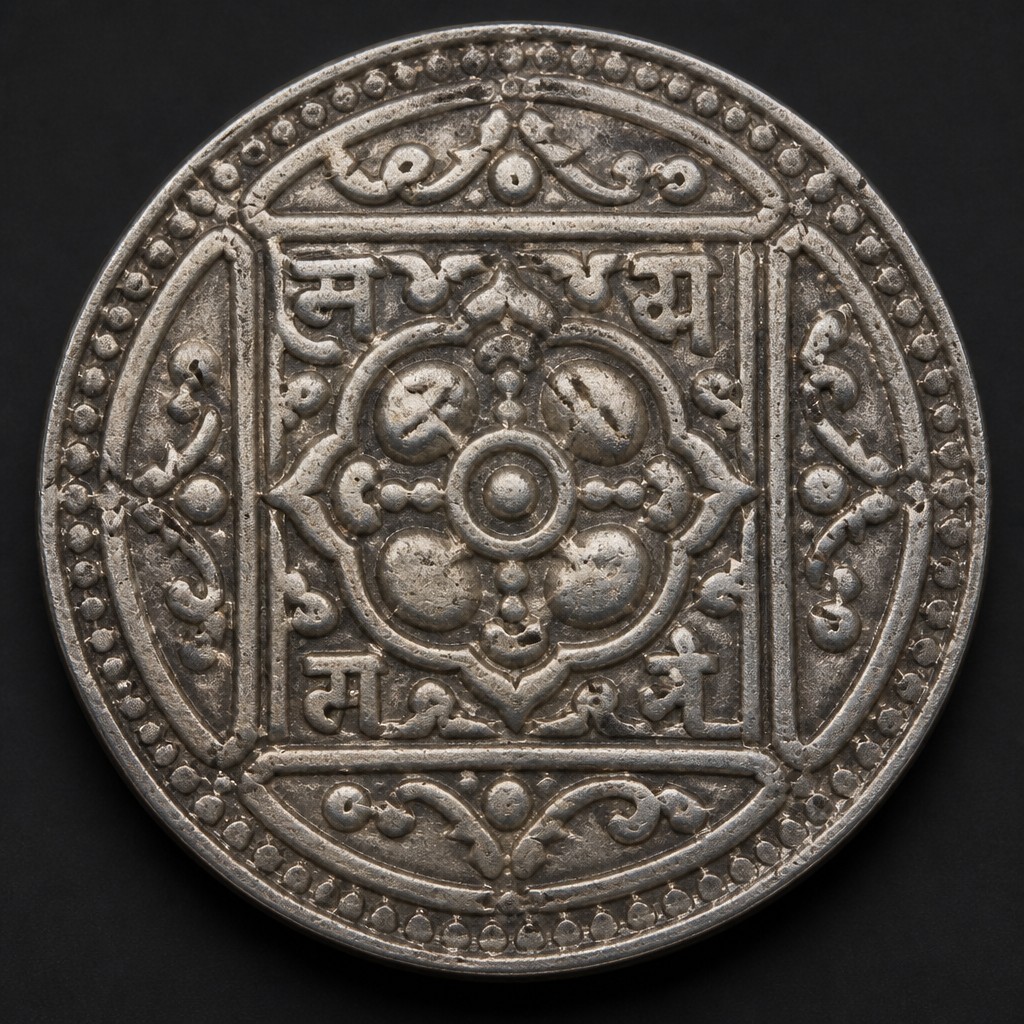
Nepal Silver Mohar
c. 16th–19th century
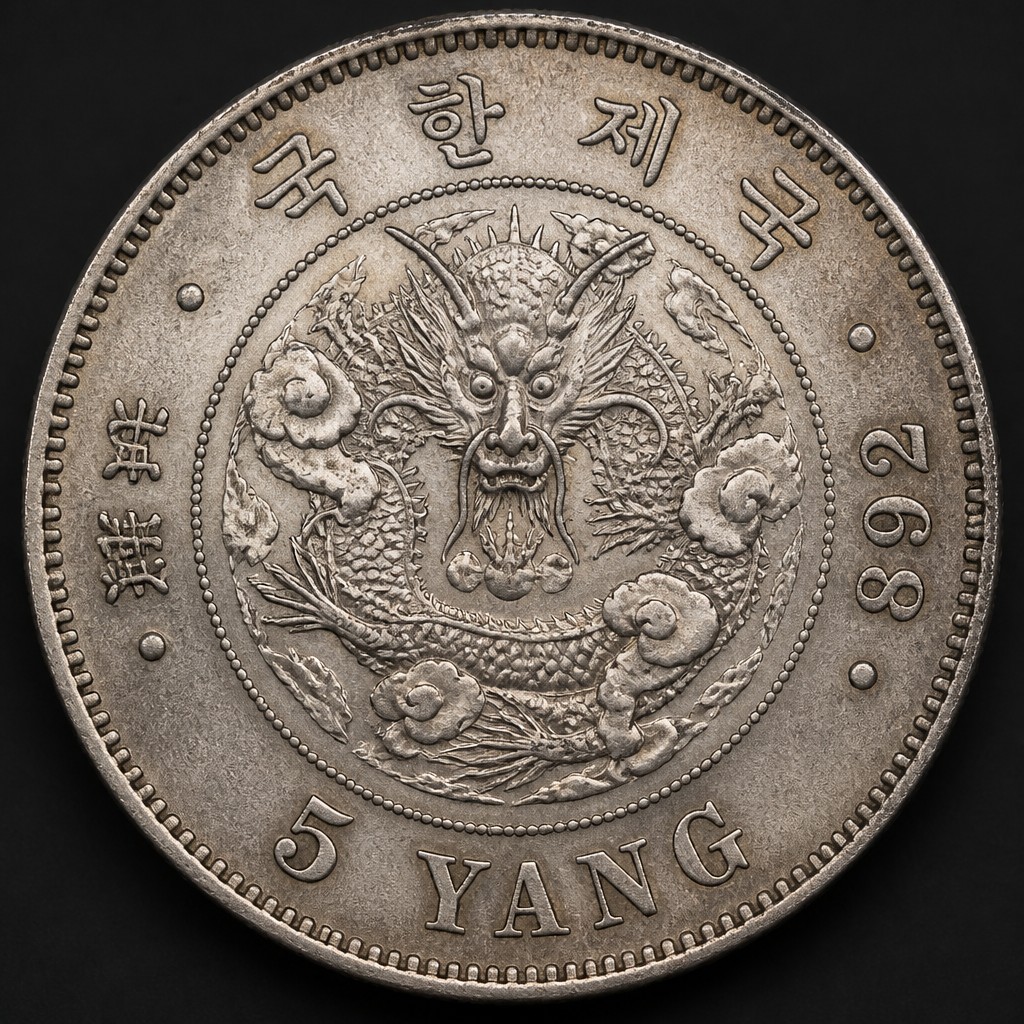
Korean 5 Yang Silver Dollar (1892)
1892
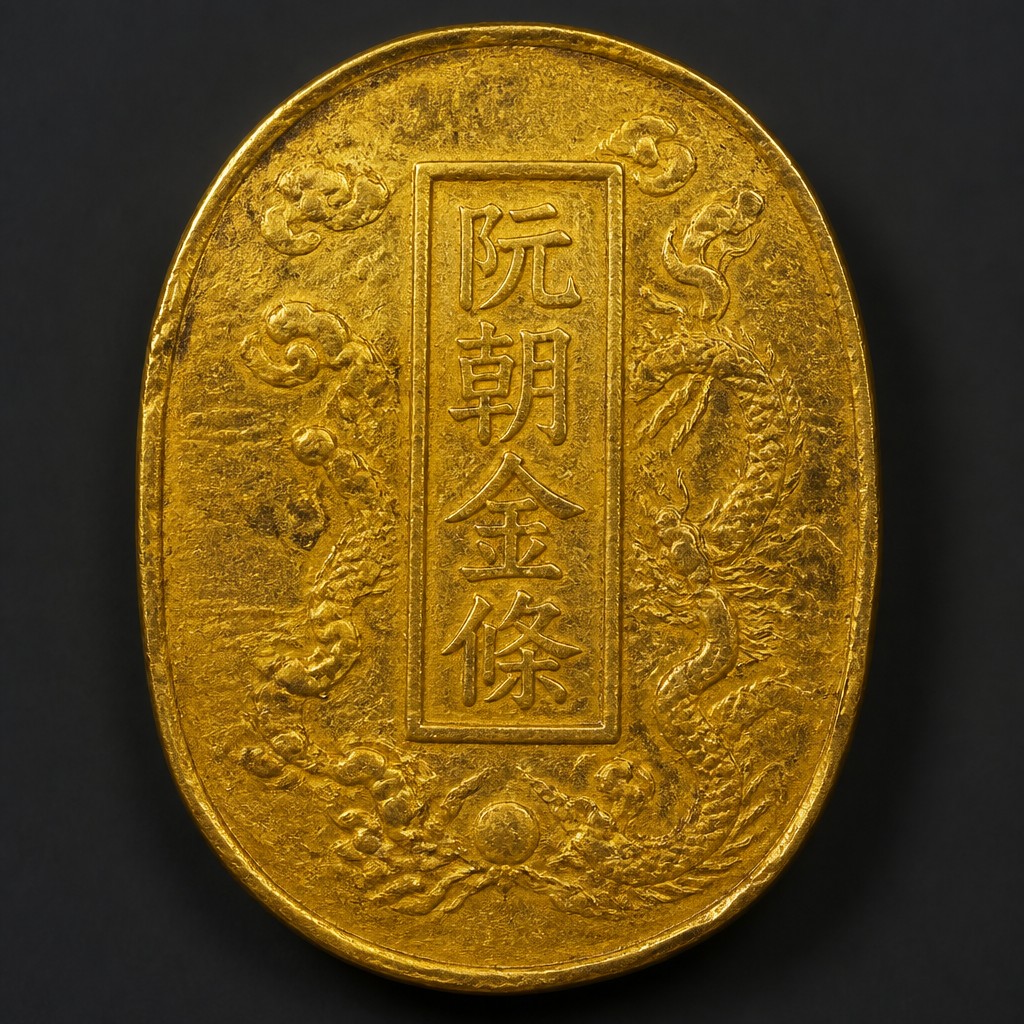
Nguyen Dynasty Gold Bar (Vietnam)
19th century
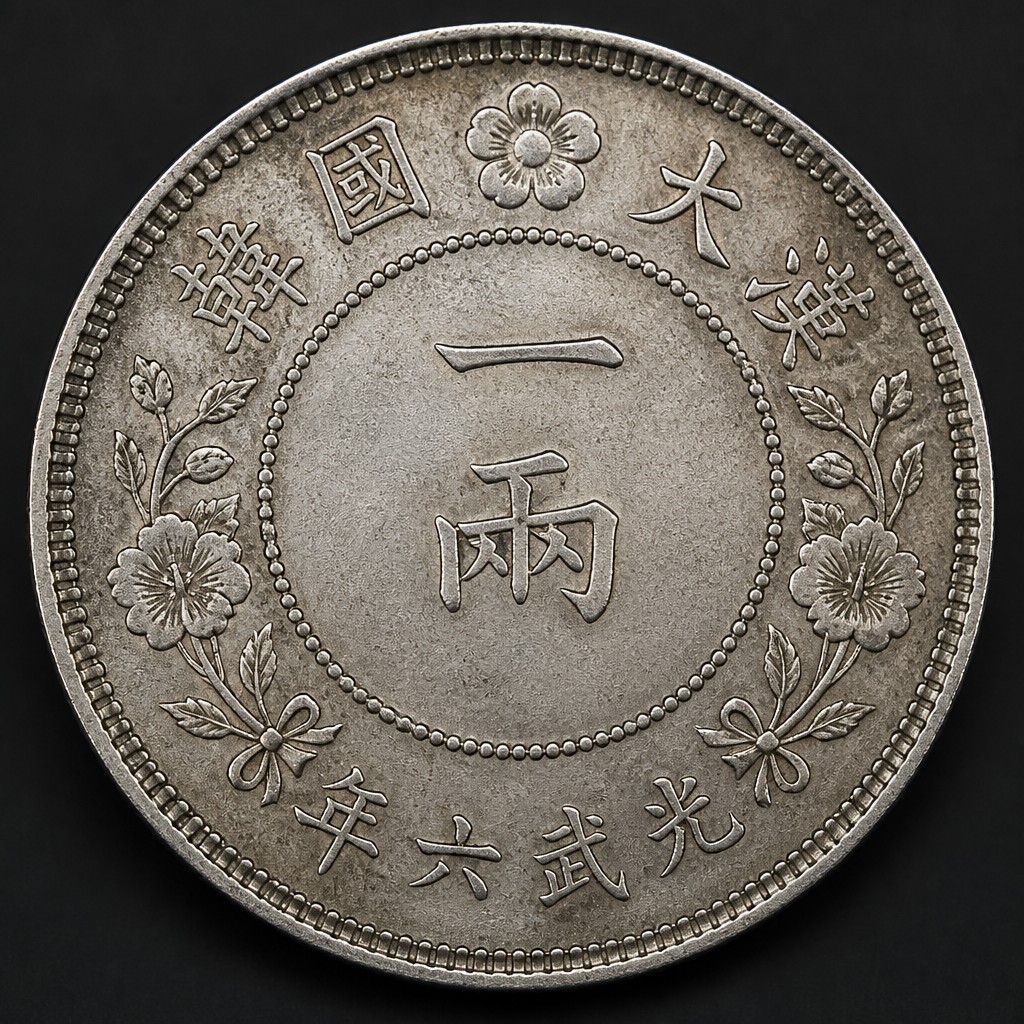
Korean 1 Yang Silver (Joseon/Great Han Empire)
1892–1902
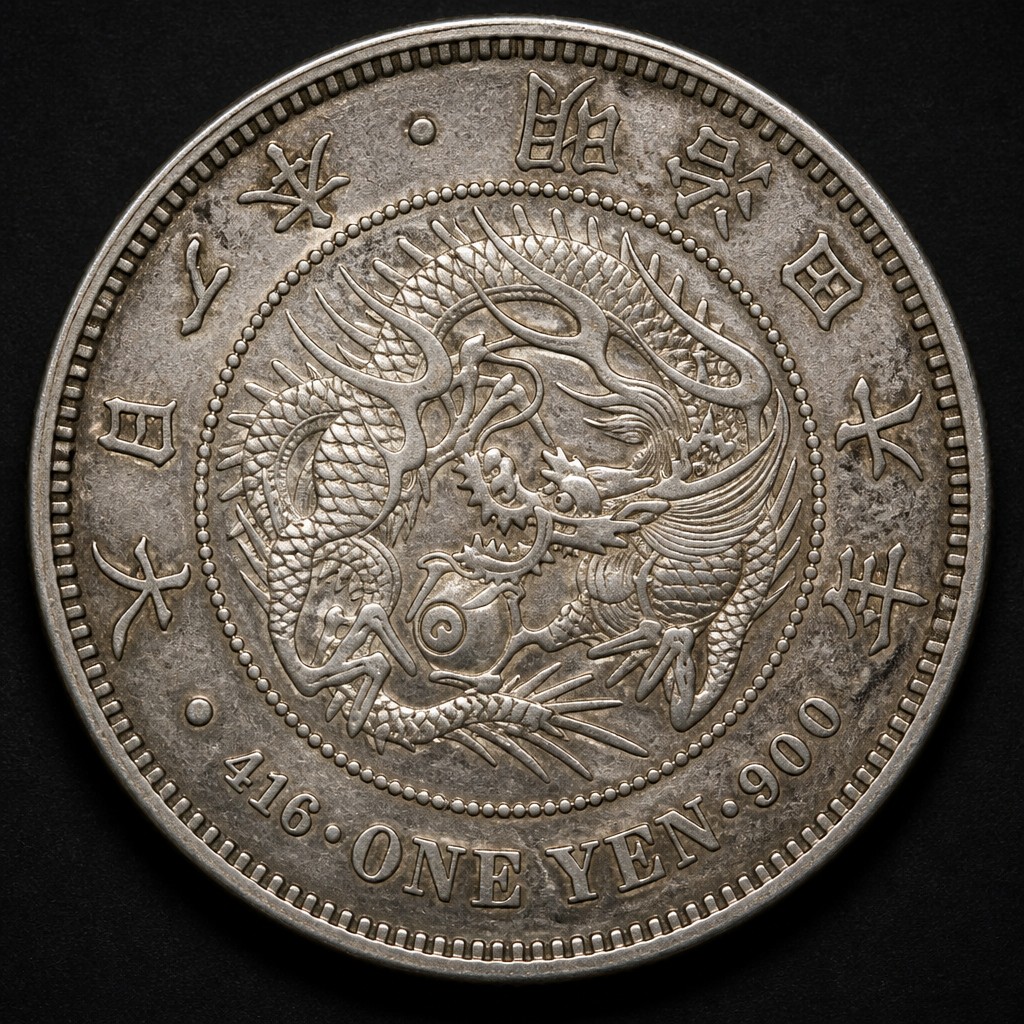
Japanese 1 Yen Silver 'Dragon' Trade Dollar
1870–1914 (trade dollar variant 1875–1877)
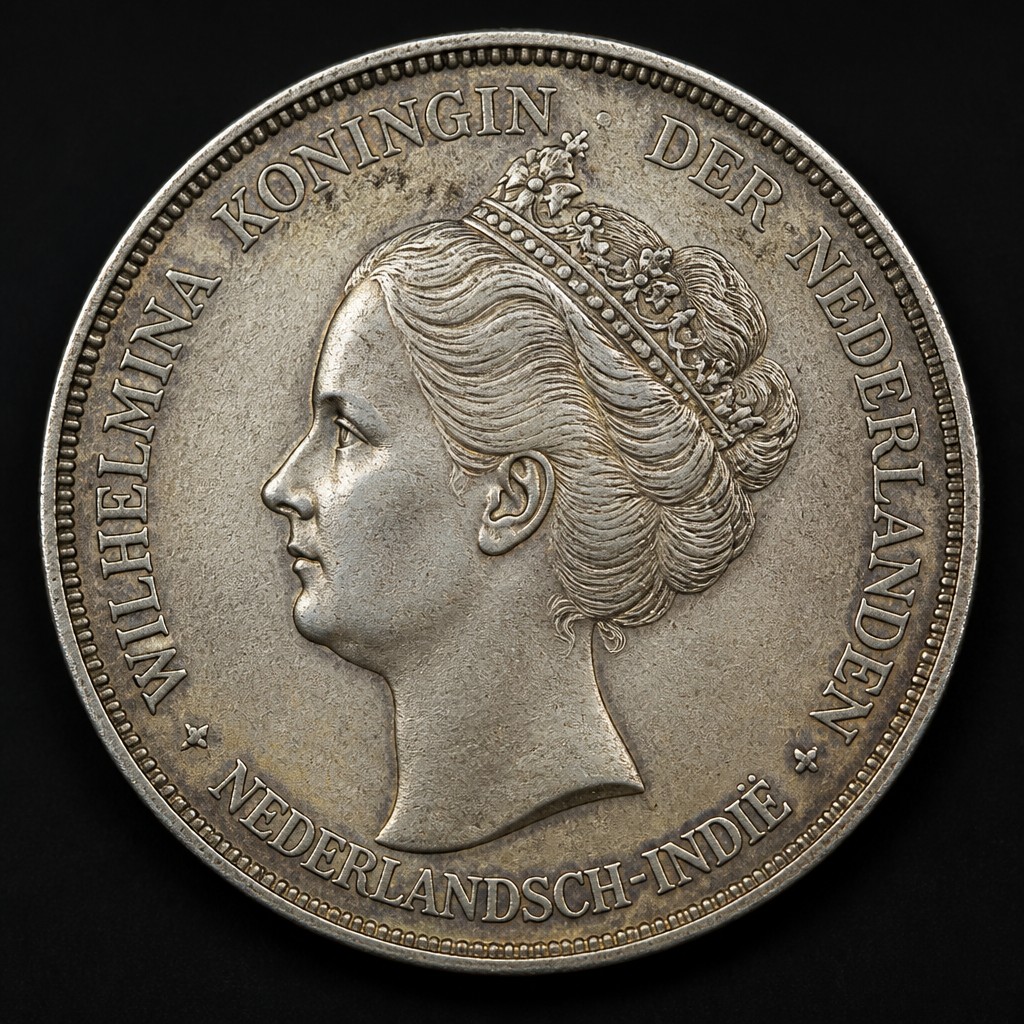
Netherlands East Indies Gulden (Wilhelmina)
1897–1945
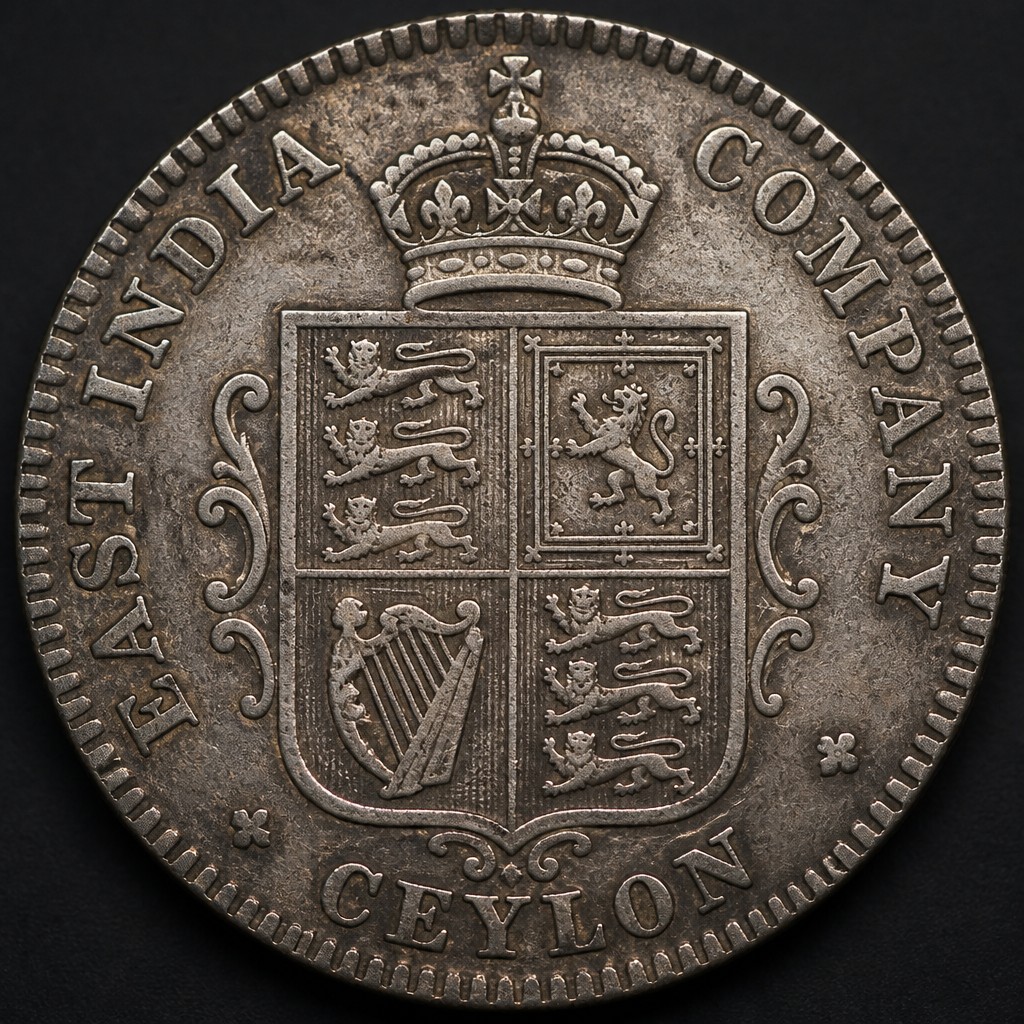
Ceylon (Sri Lanka) EIC Rixdollar
c. 1802–1821
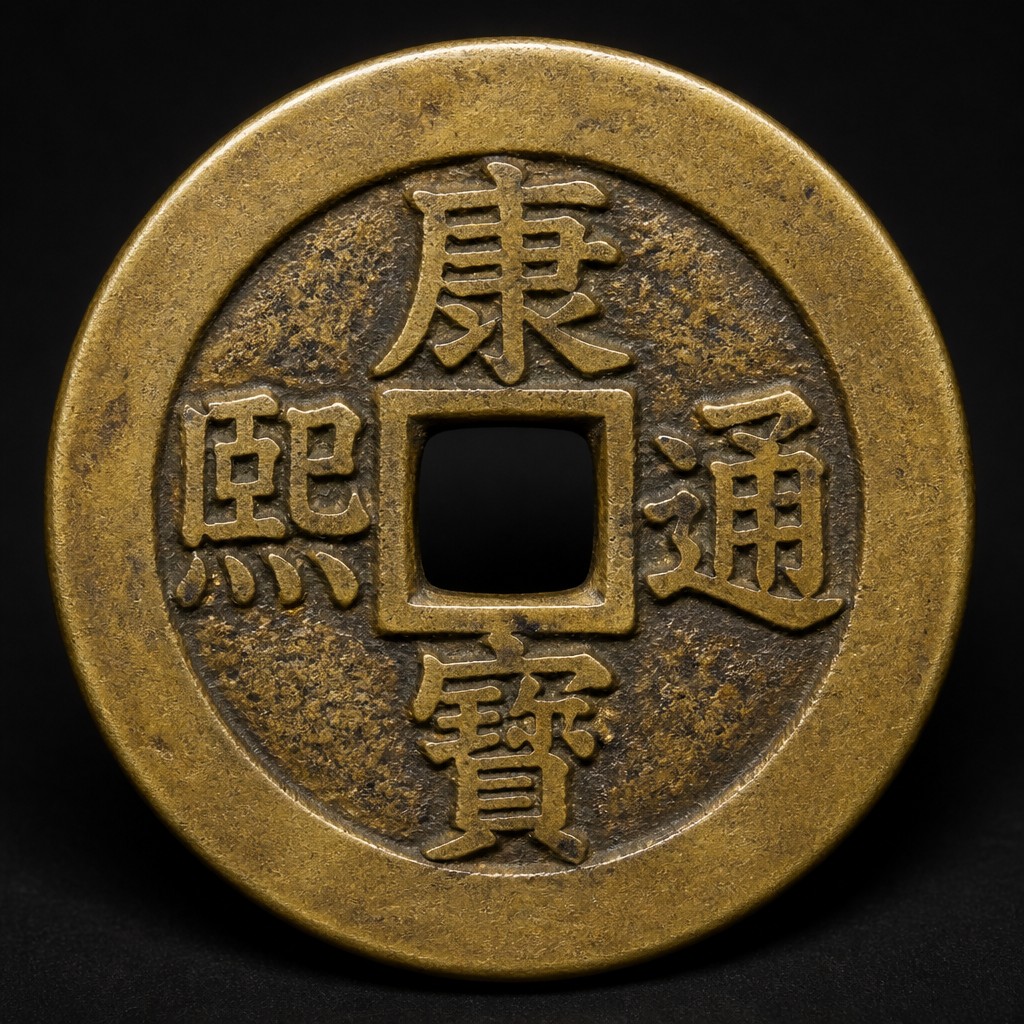
Chinese Cash Coin (Qing Dynasty 'Kangxi Tongbao')
1662–1722
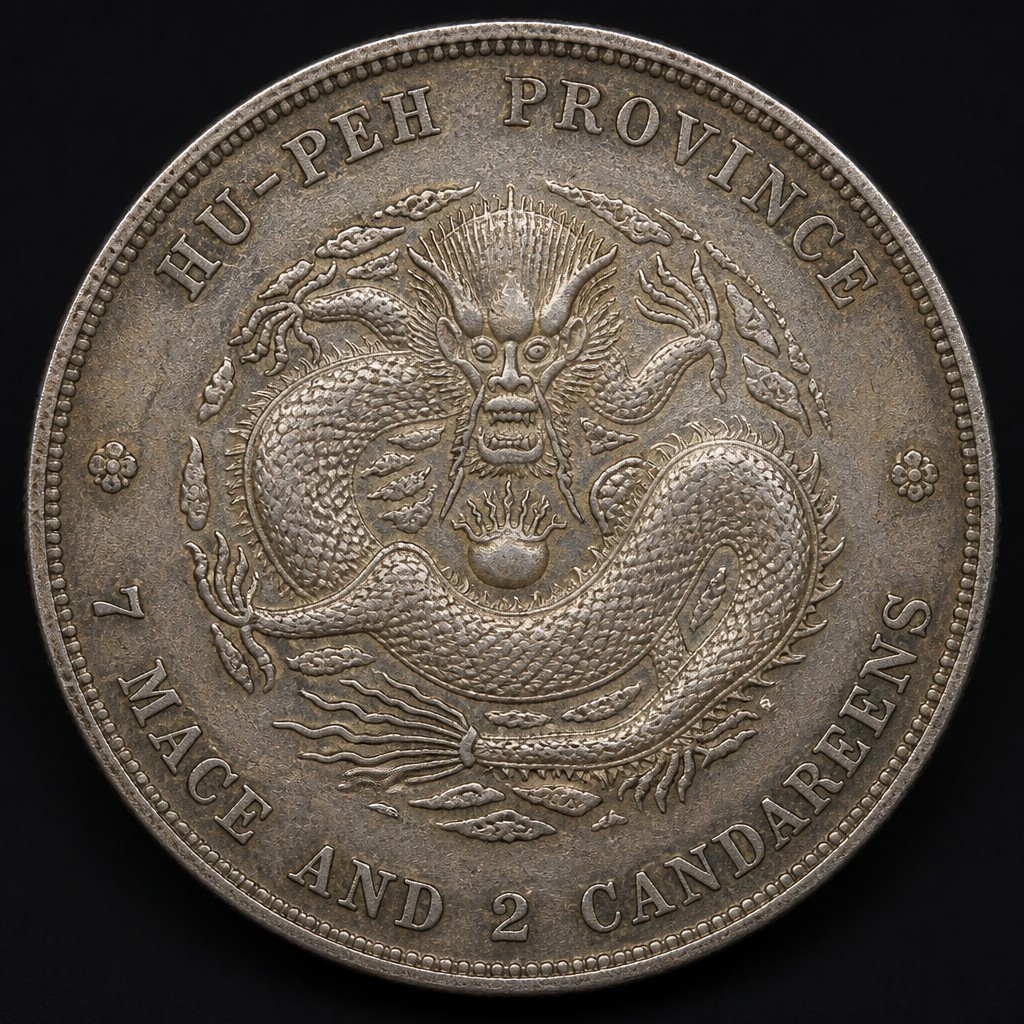
Chinese Hupeh Province Dragon Dollar
c. 1895–1909
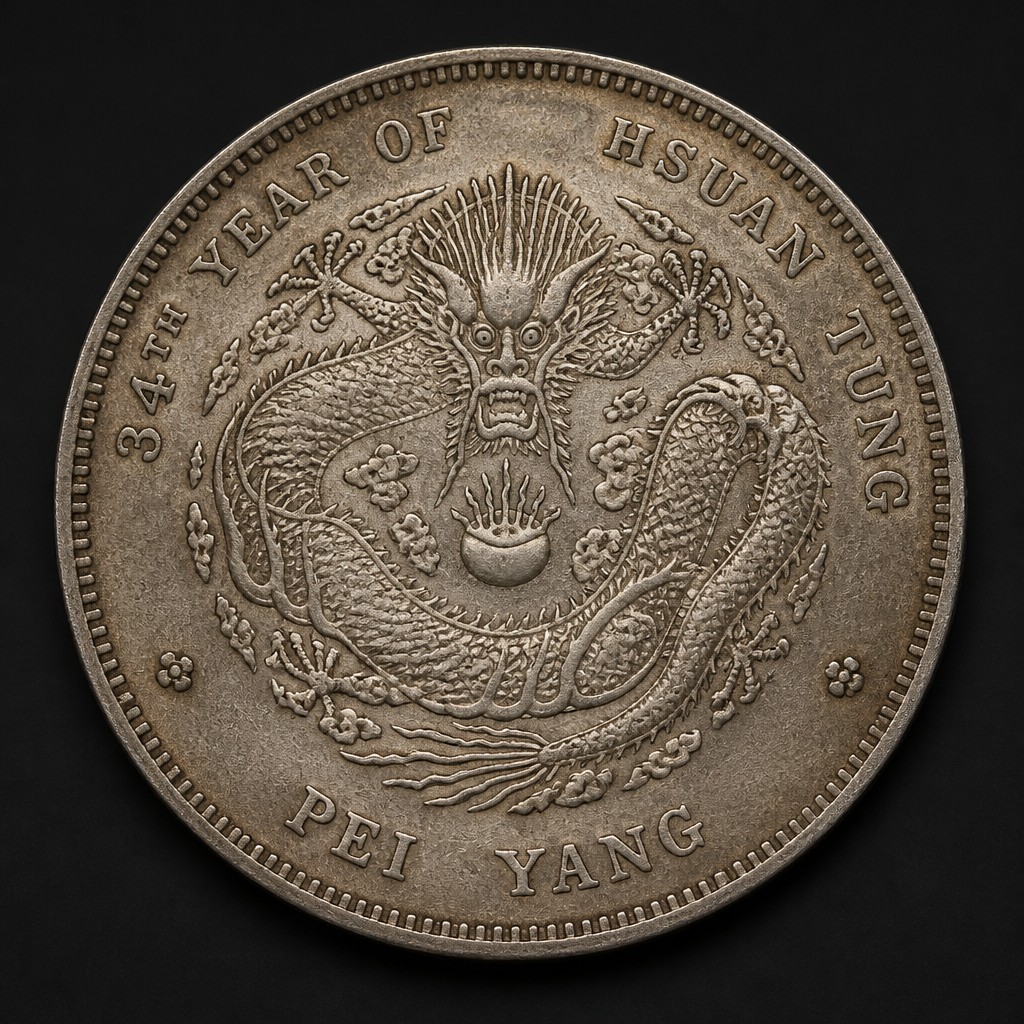
Chinese Empire Silver Dollar (Hsuan Tung Dragon)
1909–1911
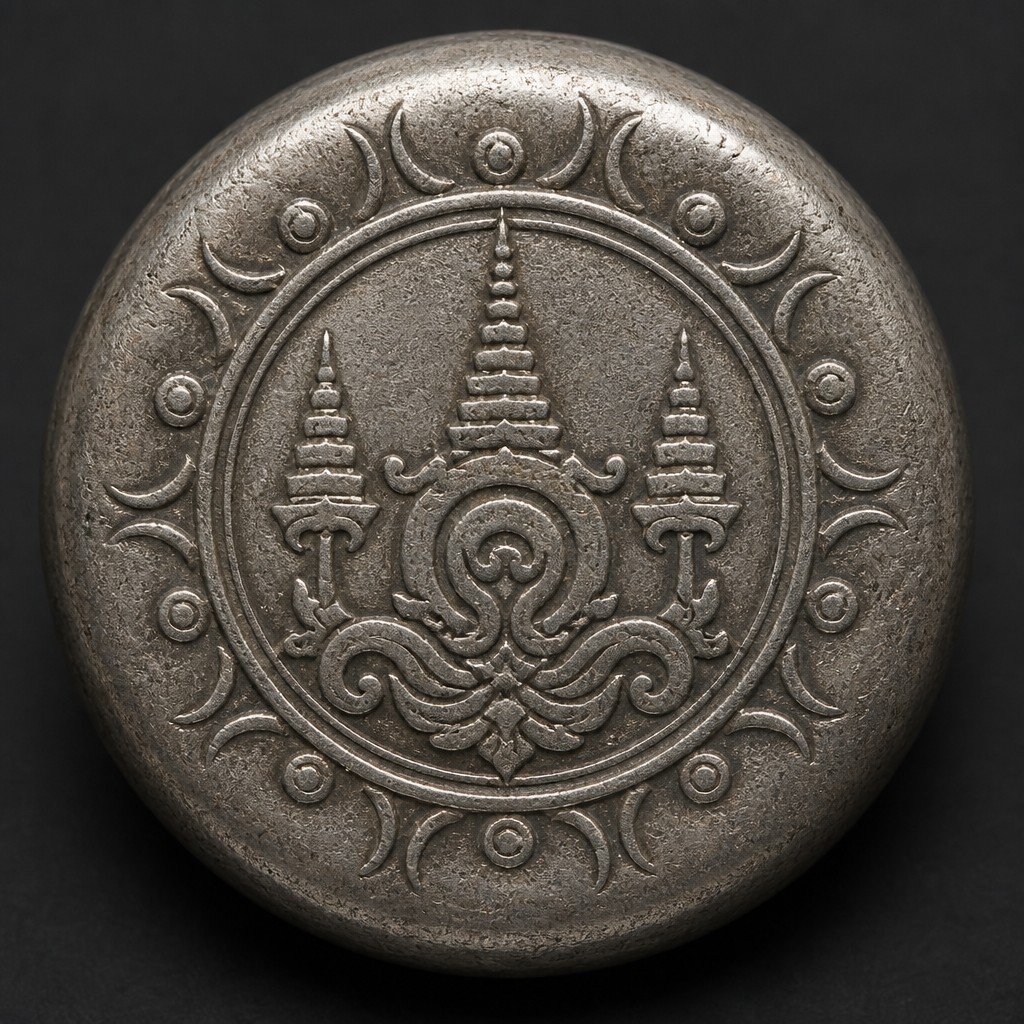
Thailand (Siam) Silver Baht 'Bullet Money' (Pod Duang)
c. 13th century – late 19th century
Yuan Shikai 'Fatman' Dollar (1914)
Dated 1914, struck into the early 1920s