
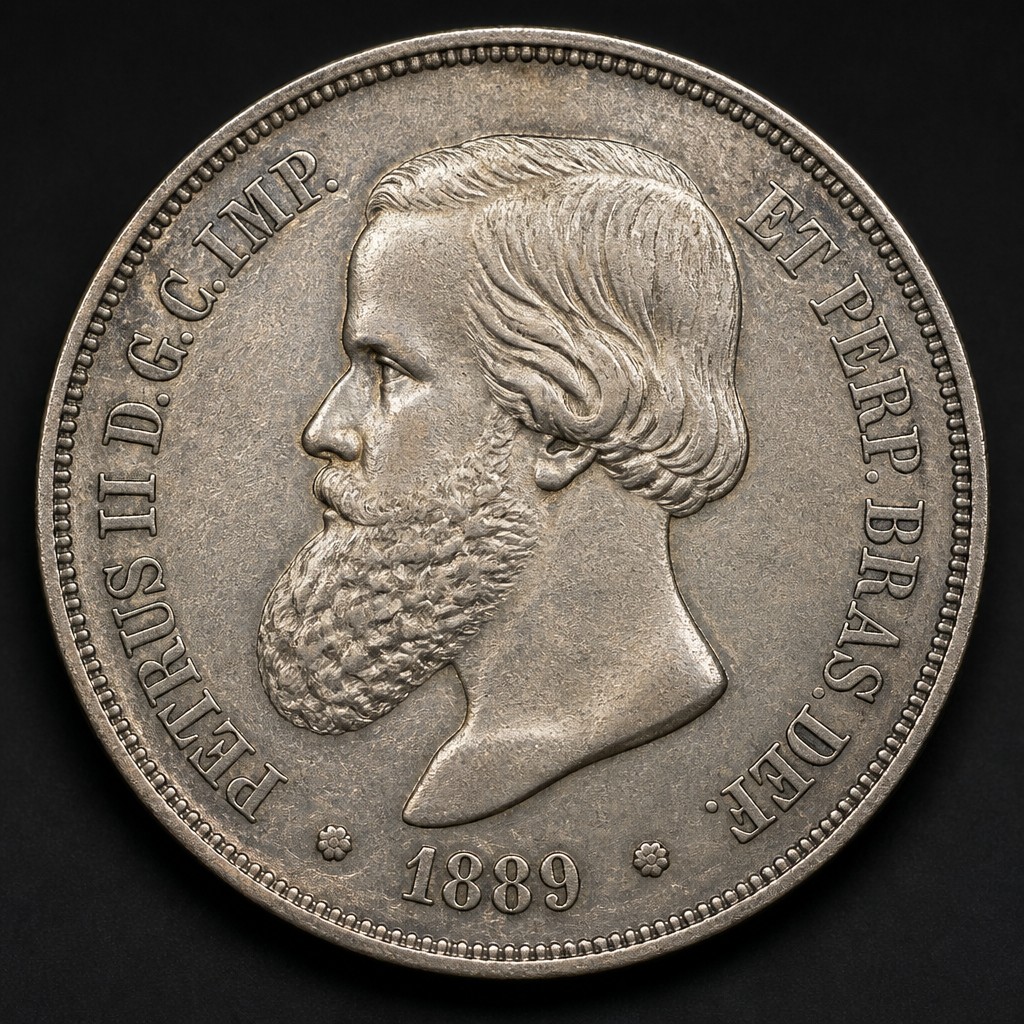
Brazilian 2000 Reis Silver
The largest common silver coin of the Brazilian Empire, bearing the portrait of Emperor Pedro II across several design types spanning his long reign.
- Country
- Brazil (Empire)
- Denomination
- 2,000 Réis
- Metal
- Silver, approximately .900 to .917 fine
Got a coin like this?
Identify any coin from a photo, free.
Overview
The 2,000 réis silver coin was the principal large-denomination silver piece of imperial Brazil during Emperor Pedro II's decades-long reign, functioning as the everyday equivalent of a silver dollar or crown coin in the Brazilian monetary system. It went through several design changes reflecting the emperor's aging portrait over time.
Collectors typically divide the series into recognizable portrait types, from the youthful "constitutional" bust used in the mid-19th century to the older, bearded likeness used in later issues, making the 2000 réis a popular type set for those studying Brazilian imperial coinage.
History & Background
Following currency reforms in the mid-19th century, Brazil struck the 2,000 réis as its main circulating silver coin for large transactions, minted continuously with interruptions at the Rio de Janeiro mint under Pedro II. The design evolved as the emperor aged, with the earlier youthful portrait giving way in later decades to a more mature, bearded image consistent with his advancing years.
Production continued until the end of the empire in 1889, when Brazil transitioned to a republic and subsequently redesigned its coinage to remove imperial imagery, marking the definitive end of this long-running denomination.
How to Identify
The obverse shows a profile portrait of Pedro II, varying by date between a youthful head (used mid-century) and an older, bearded head (used in later decades), surrounded by his name and imperial title. The reverse carries the Brazilian imperial arms with the denomination "2$000" and date below.
The coin typically measures around 33 to 37 mm in diameter, with weight and fineness varying somewhat by period as Brazil adjusted its silver coinage standards over the decades; collectors compare the specific weight and diameter against reference catalogs to confirm the exact sub-type and date range.
Because the series spans decades with several minor design and weight adjustments, careful attention to the portrait style and edge details helps place a given coin within the correct sub-type, which can affect both identification and value.
Value & Collectibility
Most 2,000 réis coins in worn, circulated condition are affordable and readily available to collectors, since the denomination was struck in significant quantities over a long span of years, while choice uncirculated examples and certain scarcer dates command noticeably higher premiums.
As with most 19th-century silver crowns, originality of surfaces (absence of cleaning or heavy wear) and correct attribution to portrait sub-type are the primary factors separating common melt-value pieces from more desirable collector coins.
Frequently asked questions
Why do some 2000 reis coins show a younger emperor and others older?
Pedro II reigned for nearly six decades, and the coin's portrait was updated over time to reflect his aging appearance.
What is the silver content?
It is a substantial silver coin of roughly .900 to .917 fineness, varying somewhat with the specific issue period.
When did this coin stop being issued?
Production ended around 1889 with the fall of the Brazilian Empire and the establishment of the republic.
Is this the same size as a silver dollar?
It is comparable in scale to a large silver crown or dollar-sized coin, roughly 33 to 37 mm depending on the specific issue.
Other coins you may enjoy
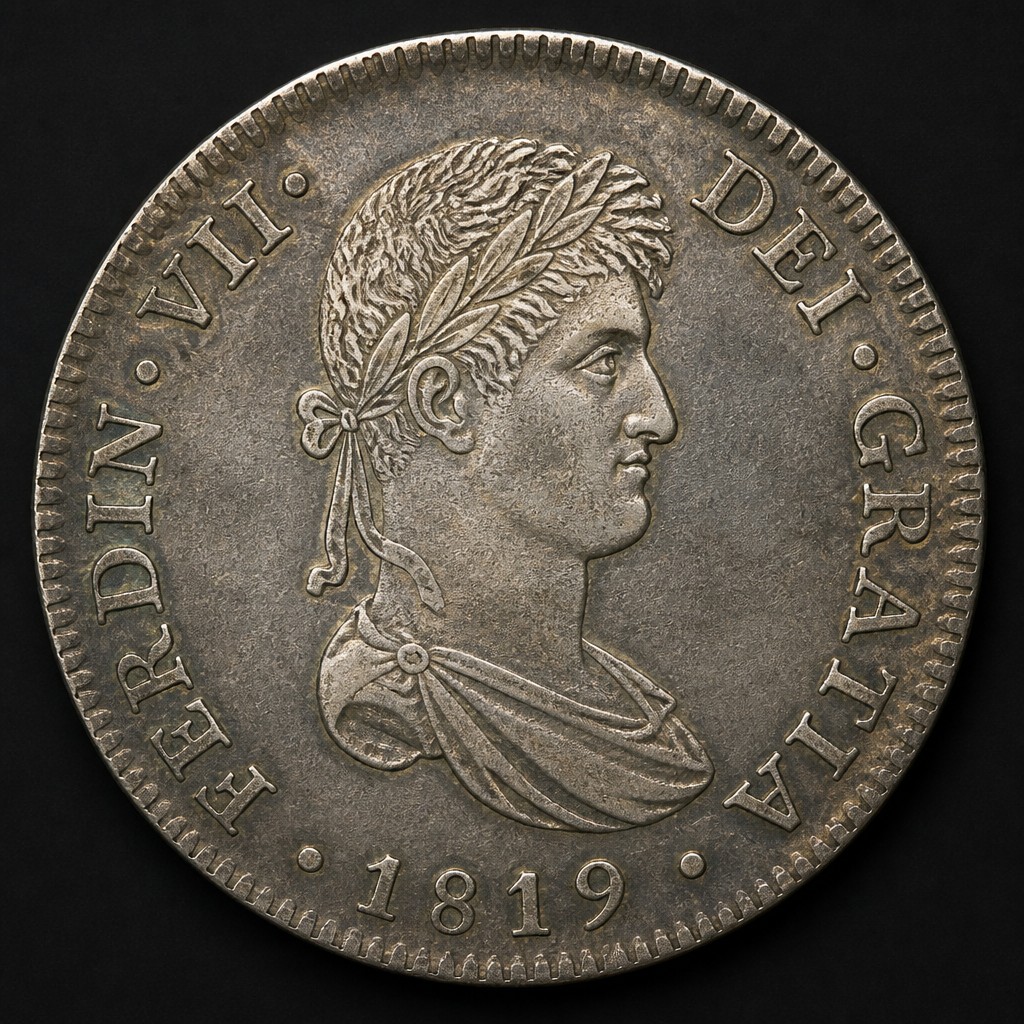
Colombia 8 Reales
Colonial issues through late 18th/early 19th century; republican issues 1820s–1830s
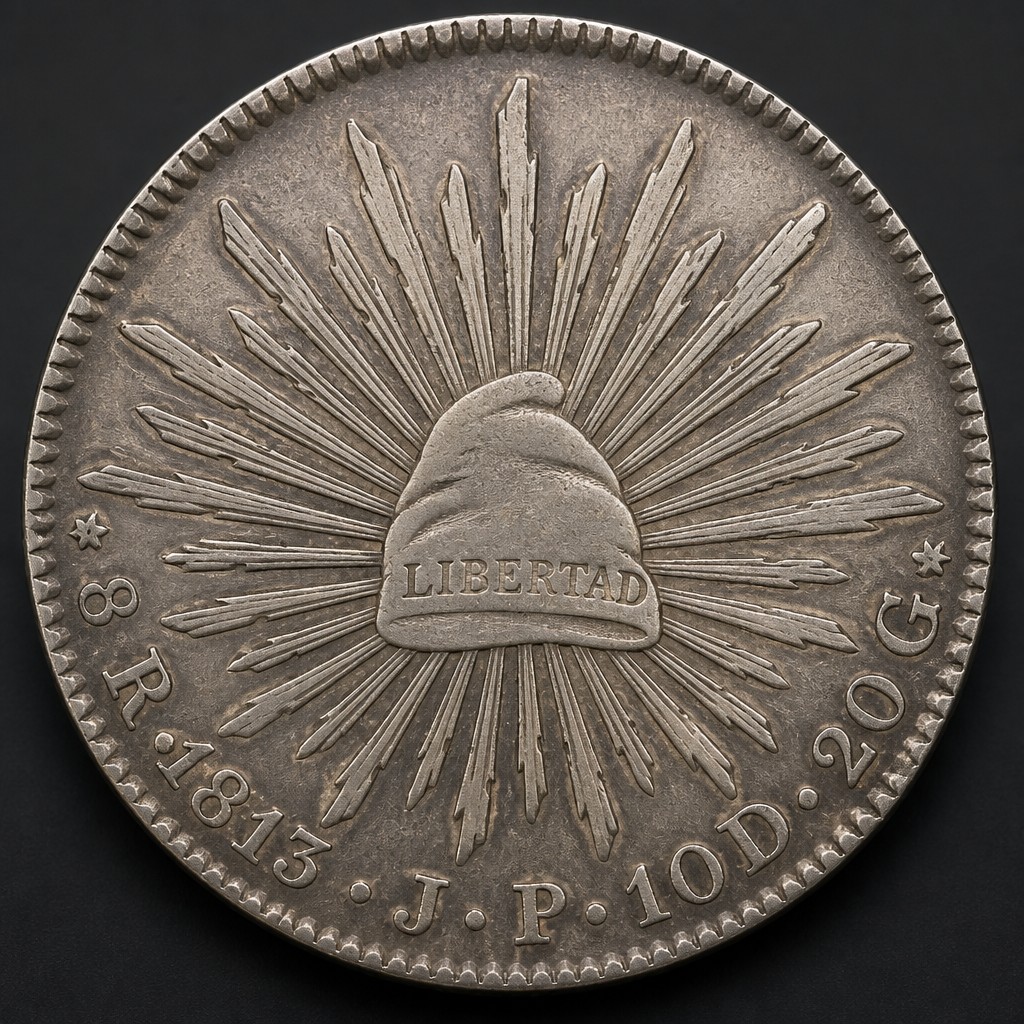
Argentina 8 Reales
c. 1813–1836
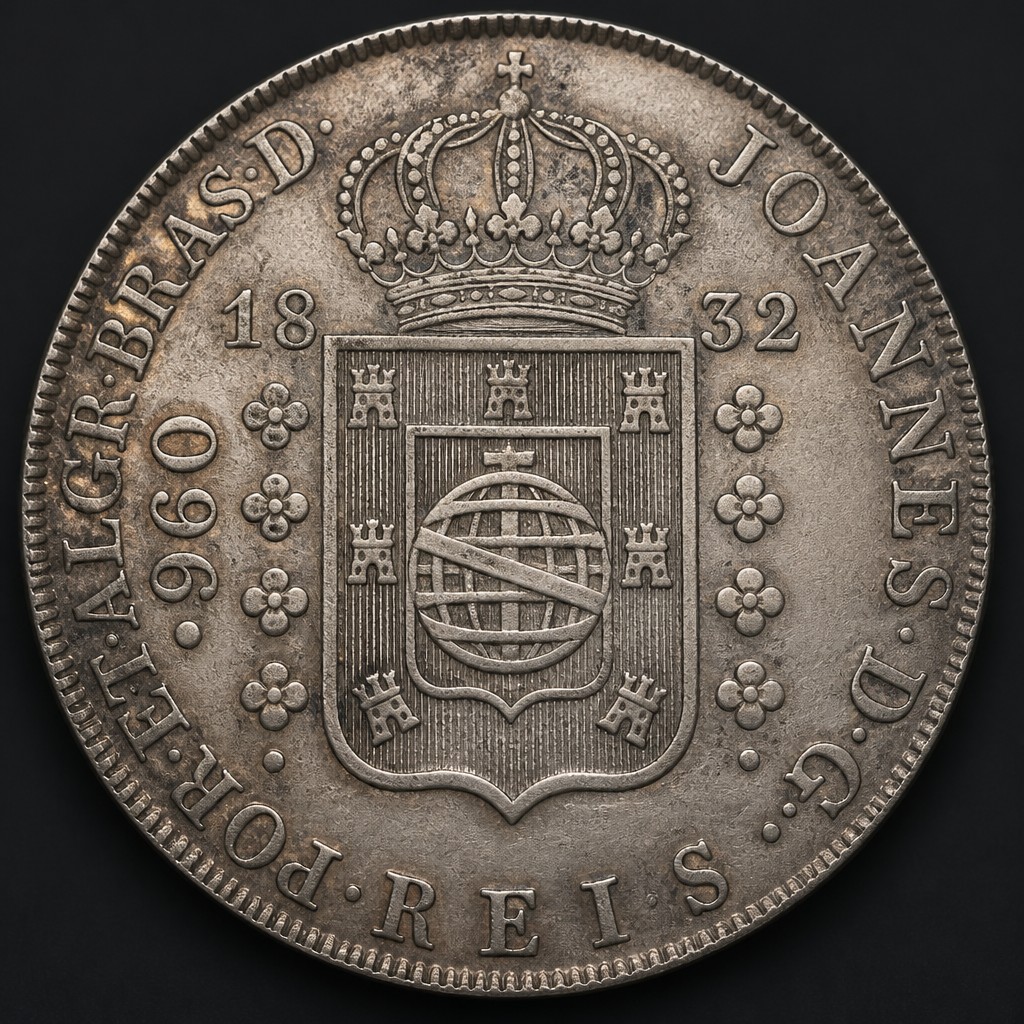
Brazil 960 Reis
1809–1832
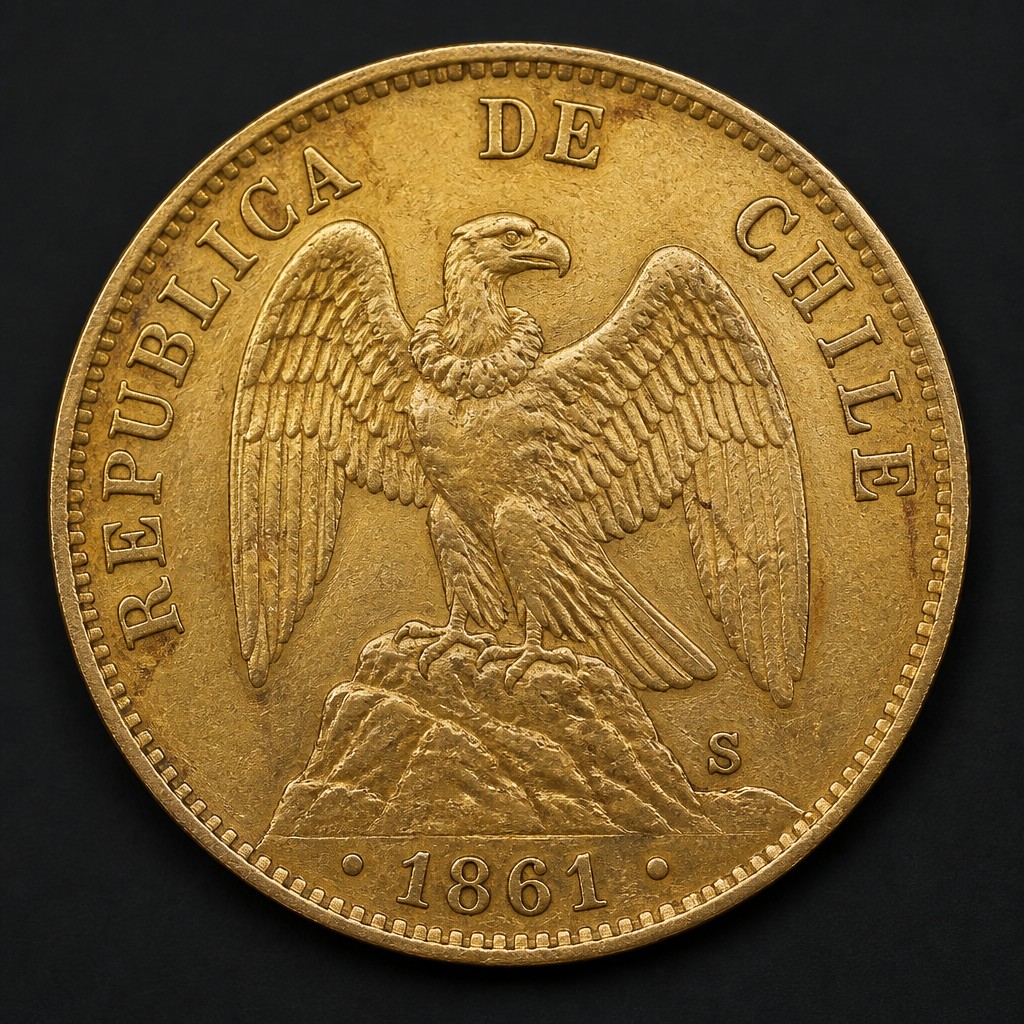
Chile Peso (Condor)
1851–1873 (gold condor series); modern base-metal peso 1990s–present
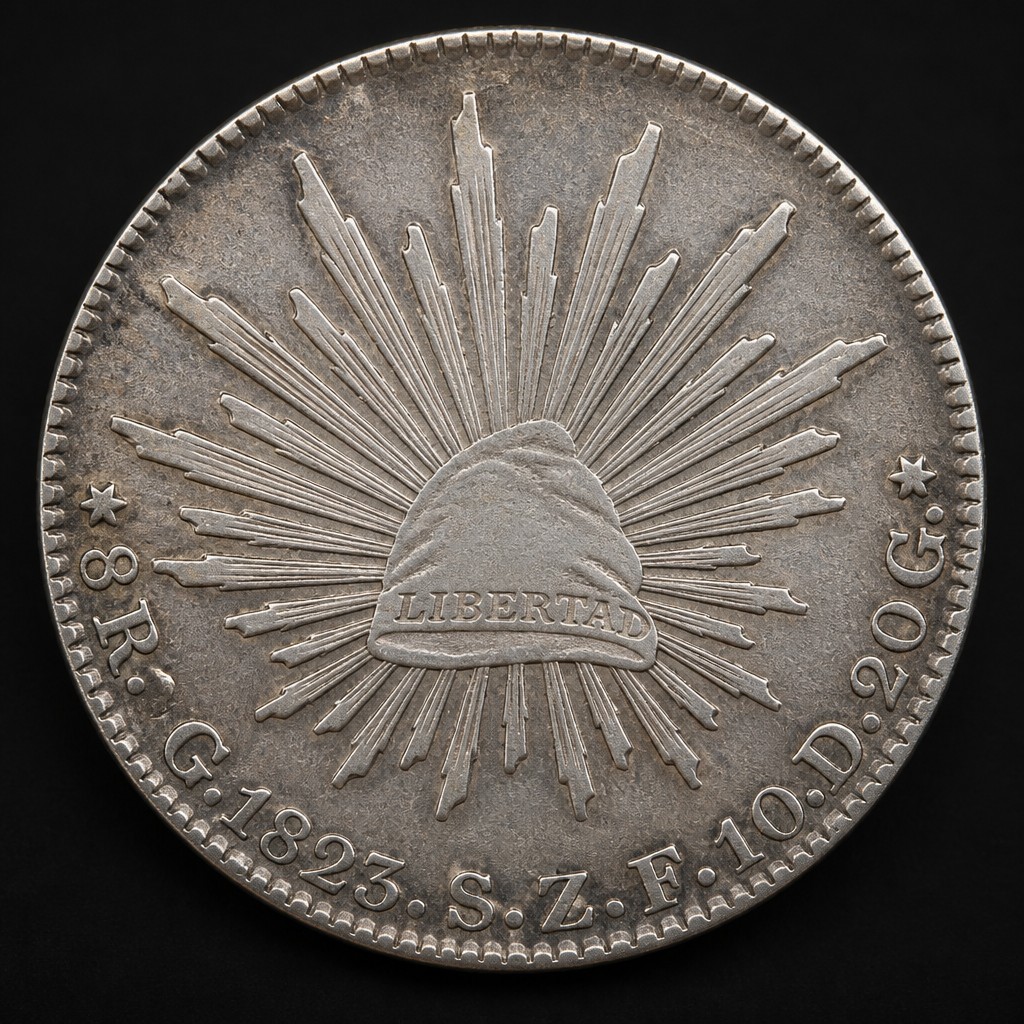
Mexican 8 Reales Cap and Rays
1823-1897
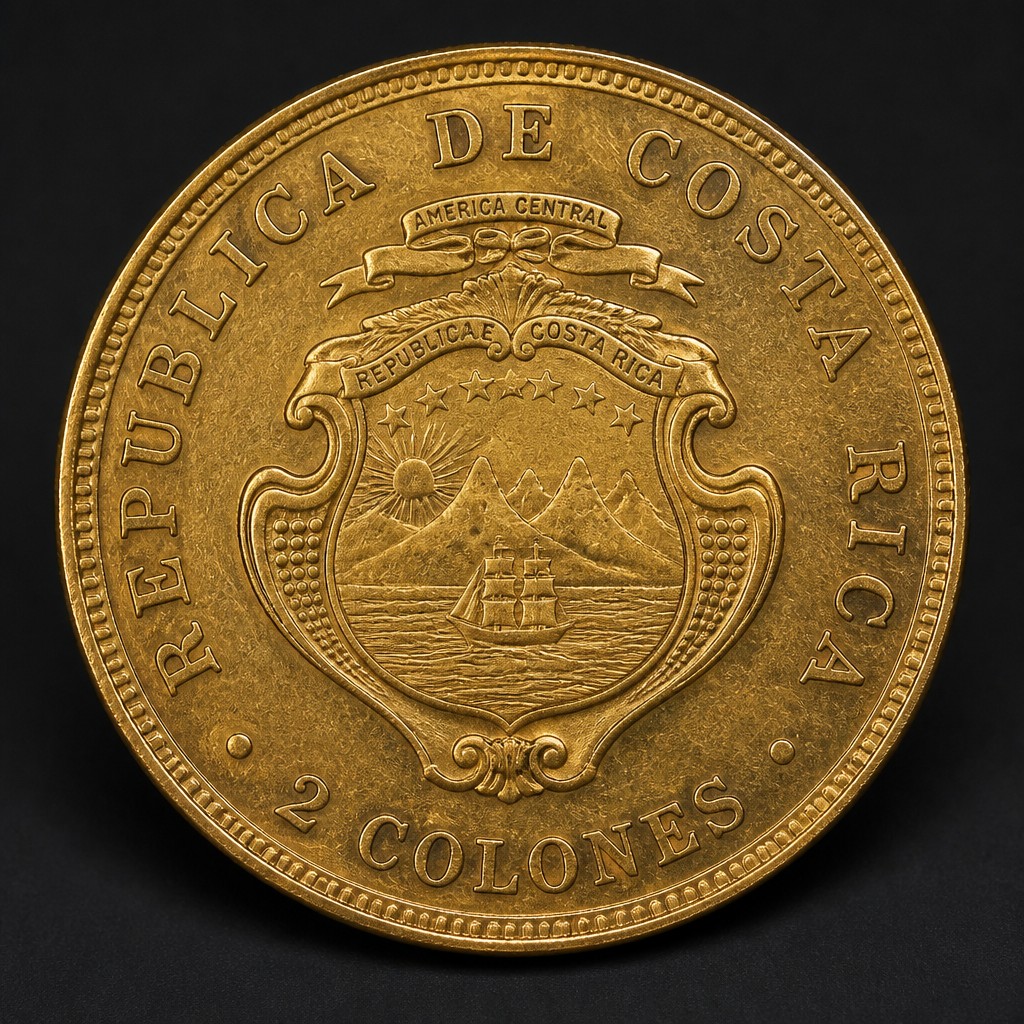
Costa Rica 2 Colones Gold
Late 1890s–early 1900s
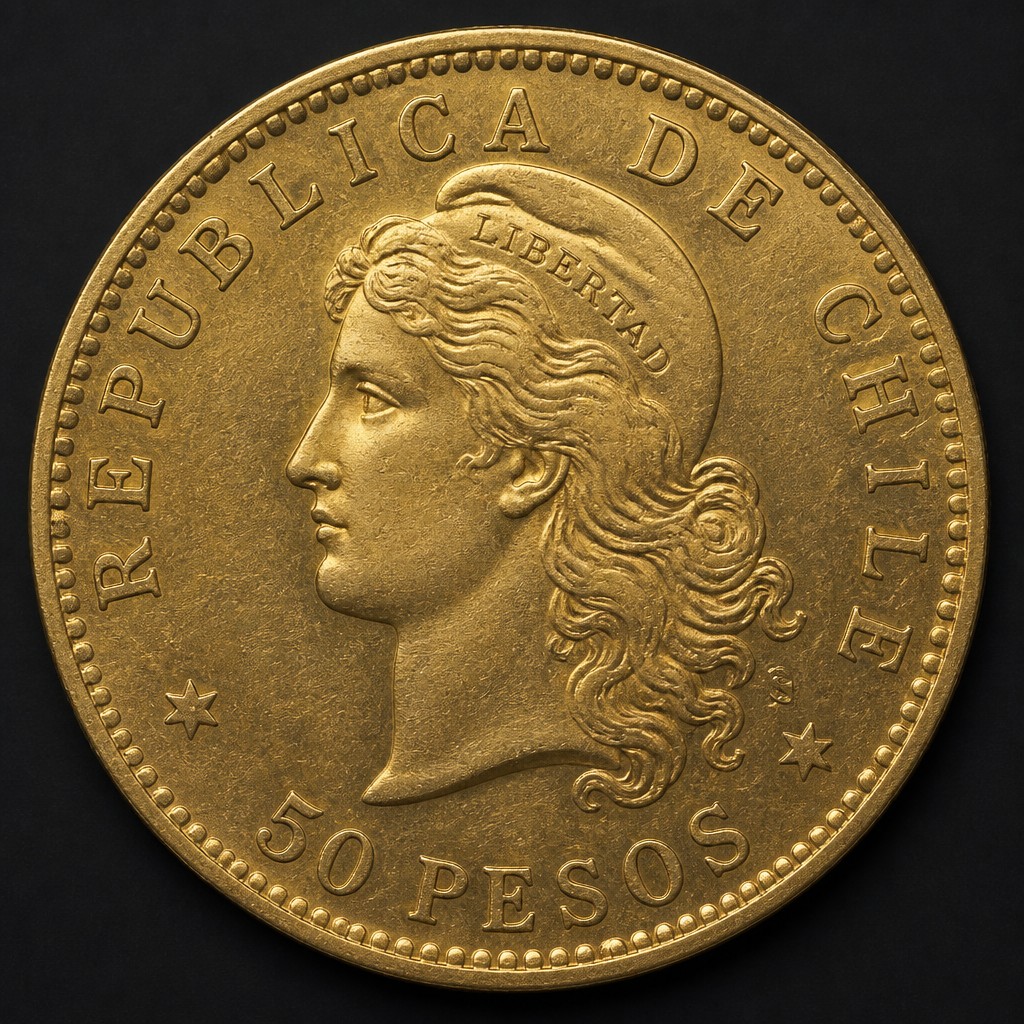
Chilean 50 Pesos Gold
1926–1980 (with interruptions)
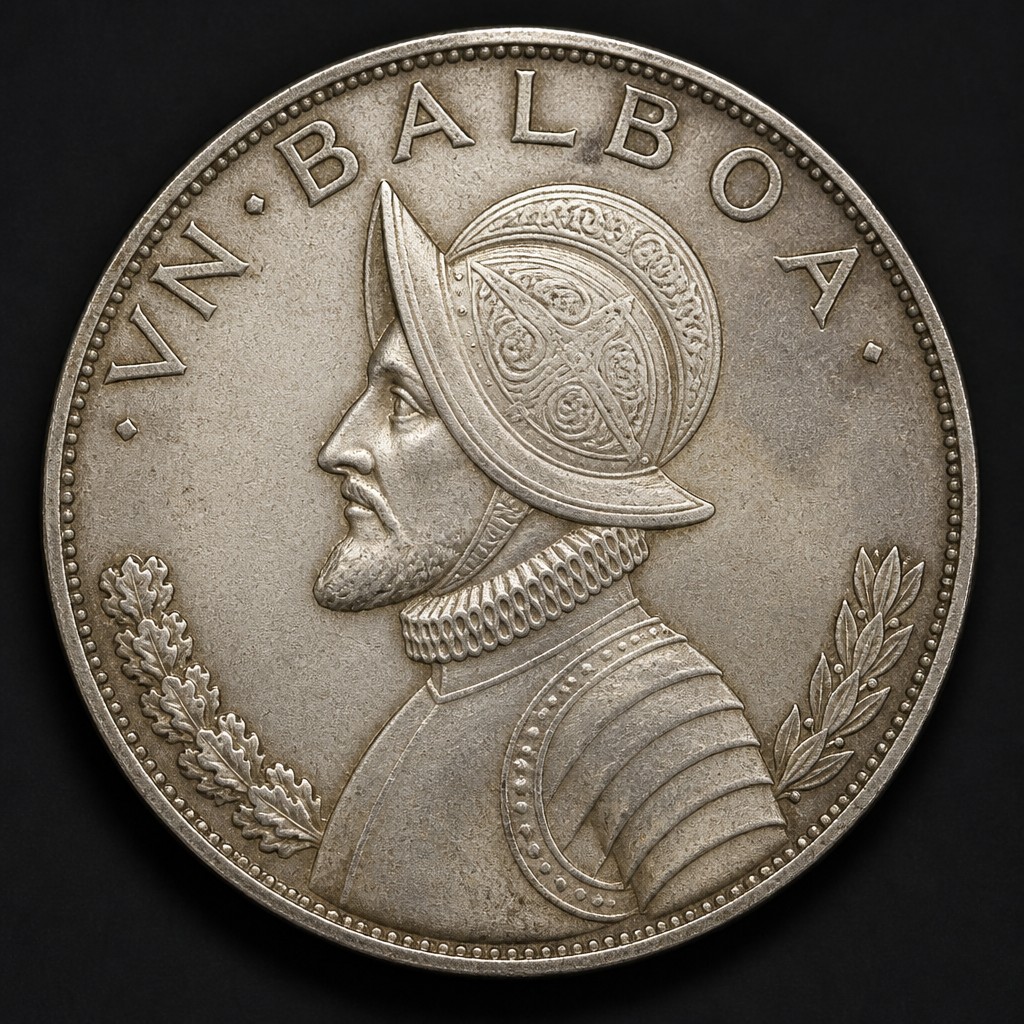
Panama Balboa Silver
1904, 1931, 1934, 1947, 1953, 1966 (various dates)
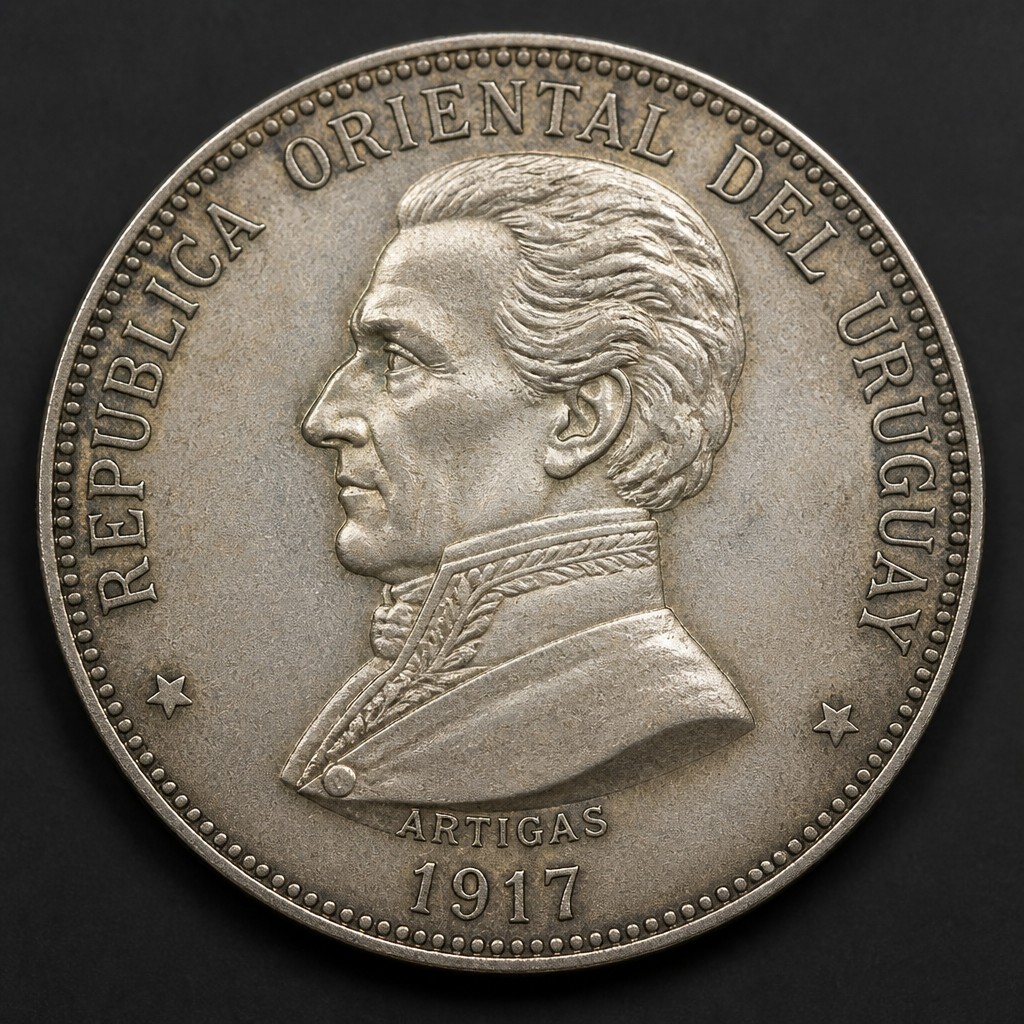
Uruguay Peso Silver 'Artigas'
1917–1920 (with related commemorative issues in later decades)
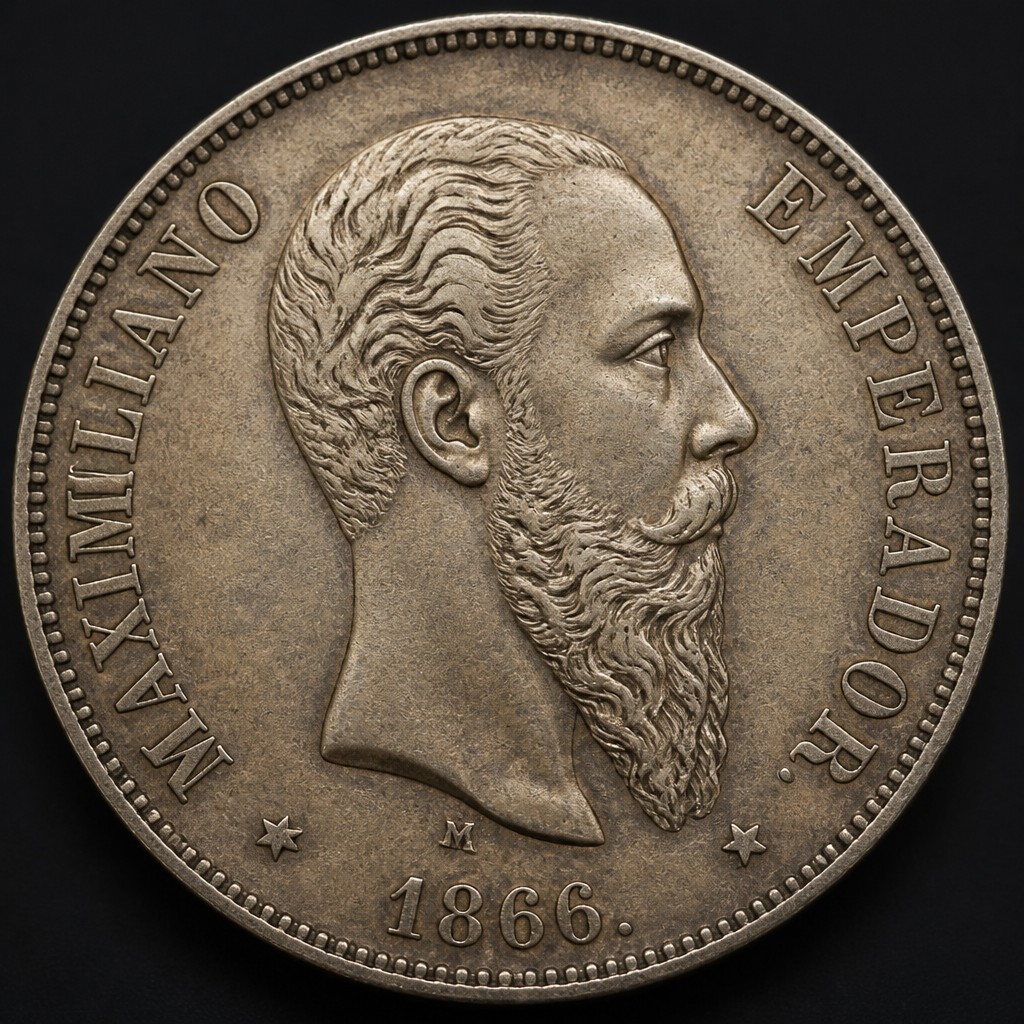
Mexican Emperor Maximilian Peso
1866–1867
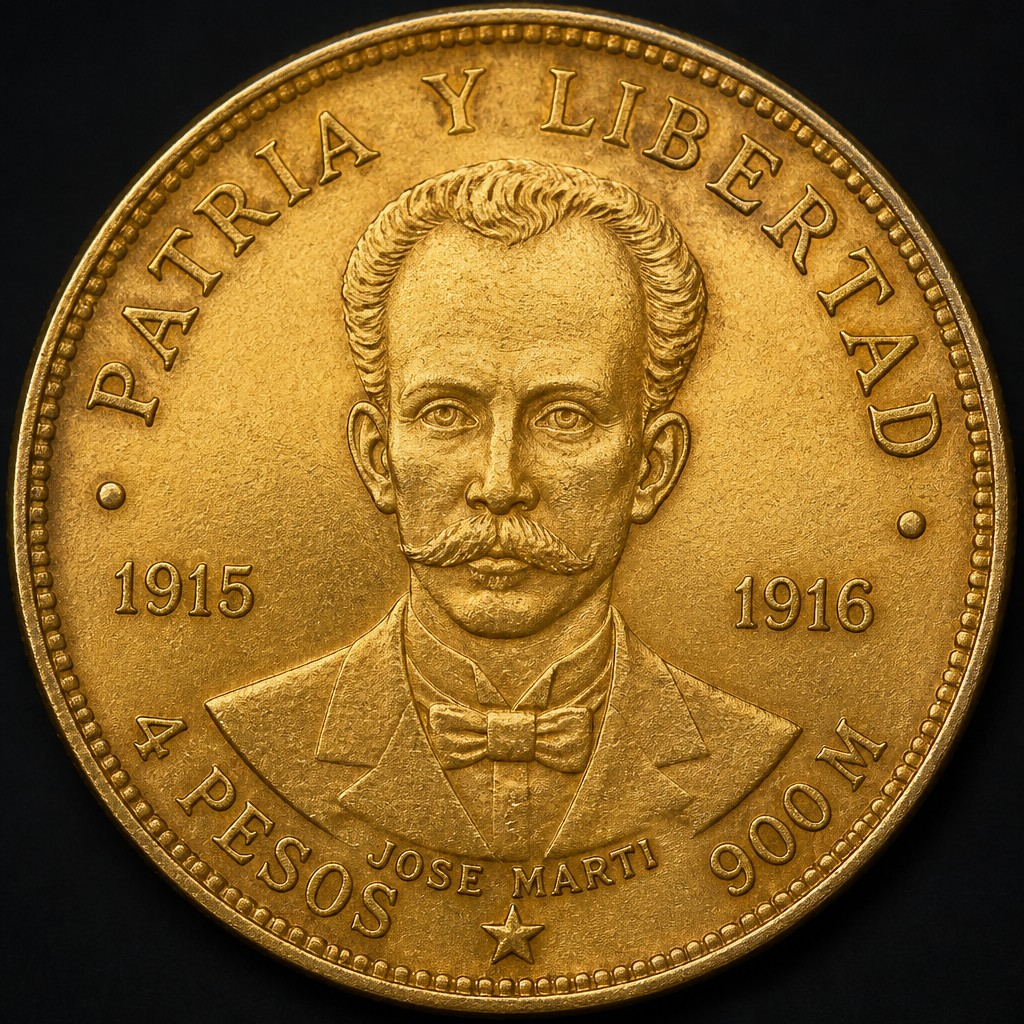
Cuba 4 Pesos Gold Jose Marti
1915–1916
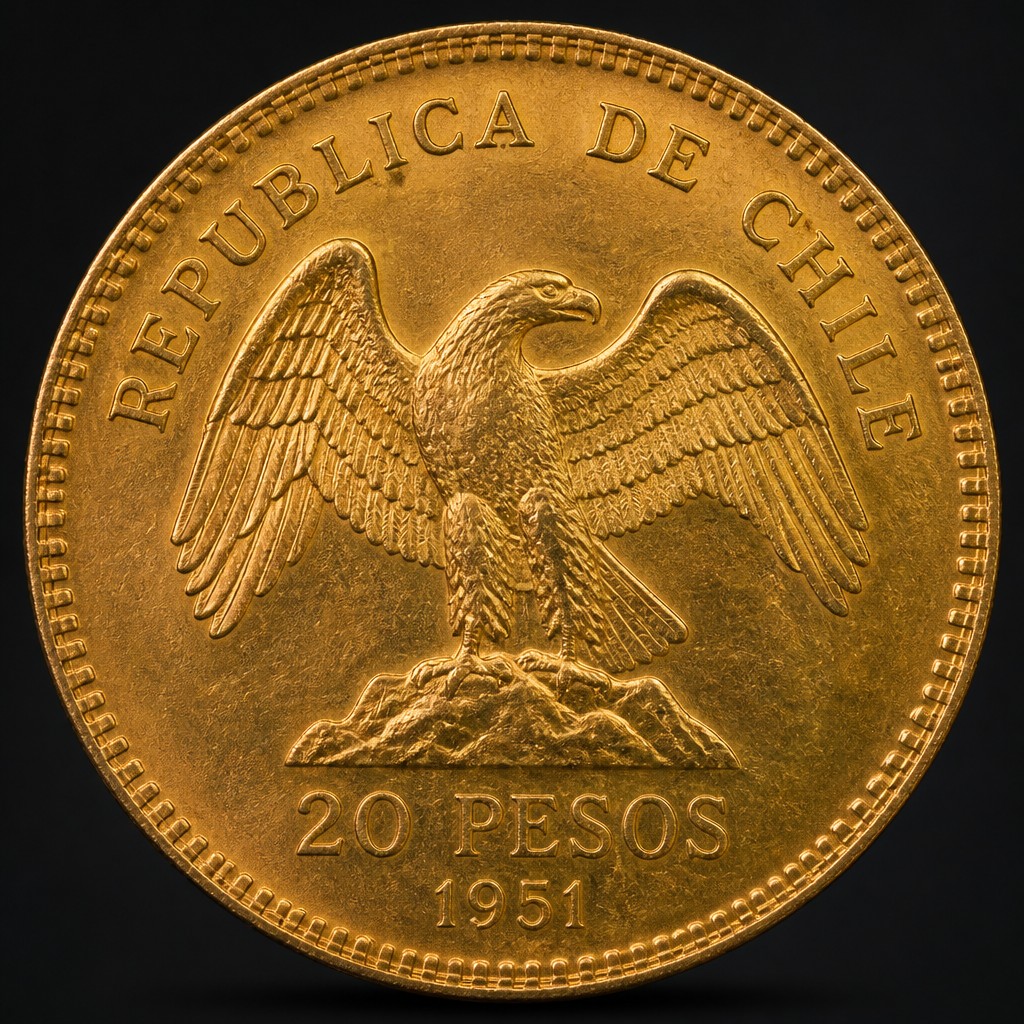
Chilean 20 Pesos Gold
19th century issues and 1926–1980 condor series