
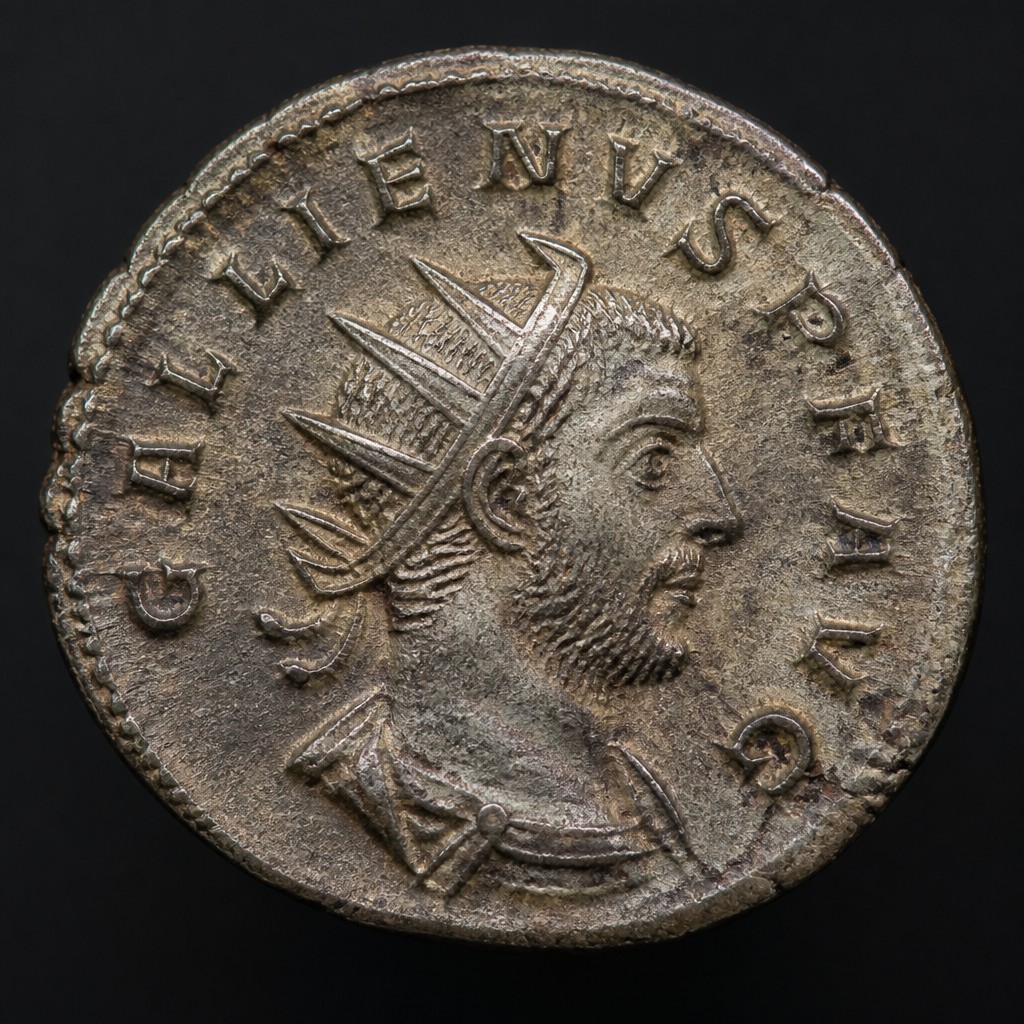
Gallienus Antoninianus
Radiate coin of Gallienus, who ruled through the depths of the Crisis of the Third Century and is especially known for a colorful late-reign series of animal and mythological reverse types.
- Country
- Ancient Rome
- Denomination
- Antoninianus
- Metal
- Debased Silver (Billon, heavily reduced by later issues)
Got a coin like this?
Identify any coin from a photo, free.
Overview
Gallienus antoniniani span one of the longest and most turbulent reigns of the third century, making his coinage abundant and stylistically diverse. His later issues include a celebrated 'zoo series' or 'legionary and mythological animal' set of reverse types, featuring creatures such as stags, boars, griffins, and centaurs tied to various deities, which are popular with thematic collectors.
Because his reign coincided with the empire's near-fragmentation into three competing states, Gallienus coinage also offers a fascinating window into the monetary chaos of the period, including a marked decline in silver content toward the end of his rule.
History & Background
Gallienus was elevated to co-emperor alongside his father Valerian in 253 AD and became sole ruler after Valerian's capture by the Persians in 260 AD. His reign, one of the longest of the third century, was marked by near-constant civil war, usurpations, and the loss of large portions of the empire to the breakaway Gallic Empire in the west and Palmyrene control in the east.
Despite these pressures, Gallienus implemented military reforms, including the increased use of cavalry, and maintained central Roman rule over Italy and much of the core provinces. His reign ended in 268 AD when he was assassinated by his own officers during the siege of a usurper at Milan, clearing the way for a series of effective soldier-emperors who would begin restoring order.
How to Identify
The obverse shows a radiate, draped and cuirassed bust of Gallienus, with legends such as GALLIENVS AVG or IMP GALLIENVS PF AVG; portrait style shifts over the long reign, and late issues sometimes show a distinctive, more stylized engraving.
Earlier reverse types include standard personifications like Victoria, Fides Militum, and Providentia, while the famous late-reign animal and mythological series carries legends such as APOLLINI CONS AVG (with a stag or griffin), DIANAE CONS AVG (with a doe or goat), and NEPTVNO CONS AVG (with a hippocamp or dolphin), linking each creature to a patron deity.
By the late 260s AD, the antoninianus had become a small, thin bronze coin with only a trace of silver wash, quite different in weight and appearance from Gallienus's earlier issues struck jointly with Valerian. Collectors distinguish period of issue largely by fabric, weight, and portrait style, since the coin's physical quality declined sharply as his reign progressed.
Value & Collectibility
Common Gallienus antoniniani, especially the smaller, thinner late-reign issues, are among the most affordable ancient Roman coins available, often trading for roughly $15 to $40 in typical worn grades due to the enormous quantities struck. The desirable animal and mythological reverse types from the 'zoo series,' however, are more actively collected and can bring meaningfully higher prices, particularly for well-struck, clearly detailed examples of scarcer animals.
Condition and clarity of the reverse design matter greatly for the animal series specifically, since the appeal of these coins lies largely in the visual charm of the creature depicted.
Frequently asked questions
What is the Gallienus 'zoo series'?
It is a popular late-reign group of antoniniani featuring various animals such as stags, griffins, and centaurs, each dedicated to a patron deity.
Why are Gallienus coins so common?
His long, seventeen-year reign and the need to fund constant military campaigns led to very large mintages across many mints.
Why did the coin's silver content decline so much?
Ongoing military expenses and monetary crisis throughout the mid-third century forced the government to progressively debase the alloy, using thin silver washes over base metal.
How did Gallienus die?
He was assassinated by his own officers in 268 AD during a siege at Milan against a rebelling general.
Other coins you may enjoy
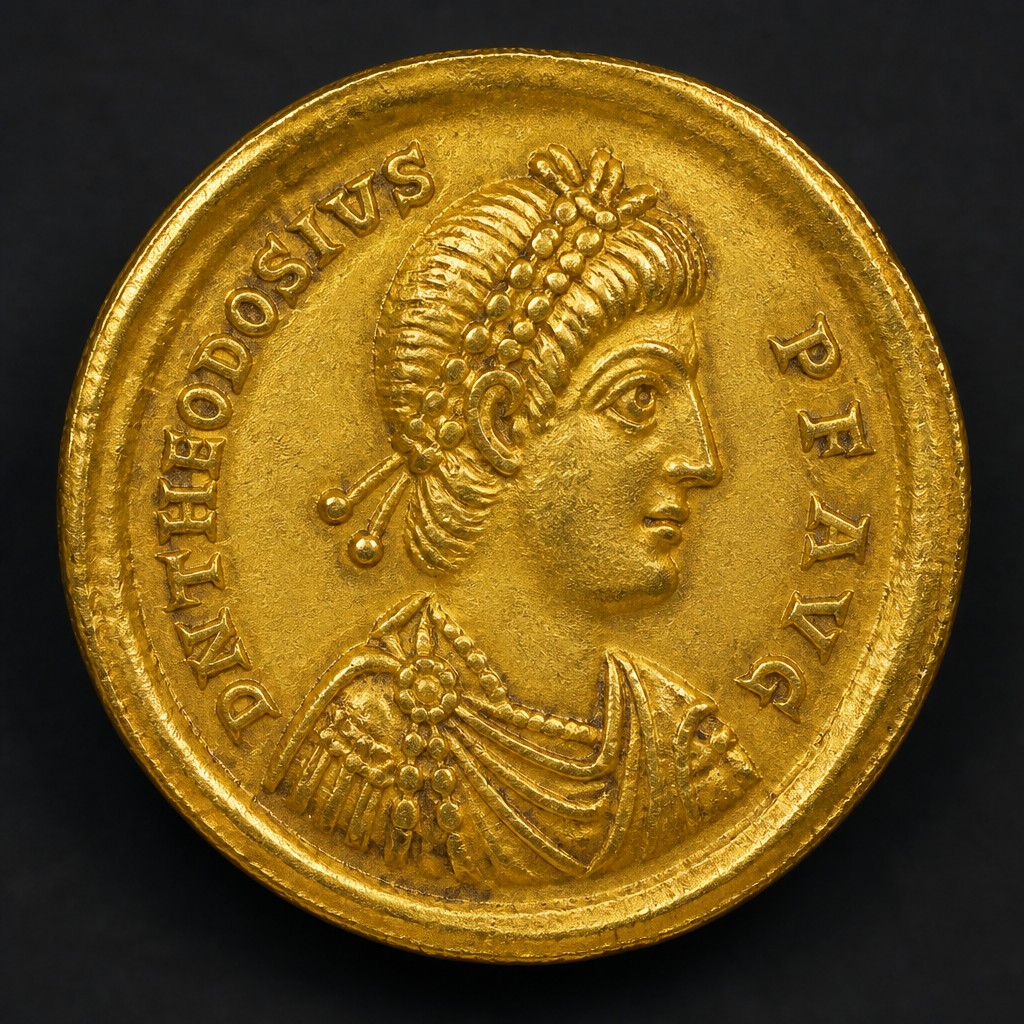
Theodosius I Solidus
379–395 AD
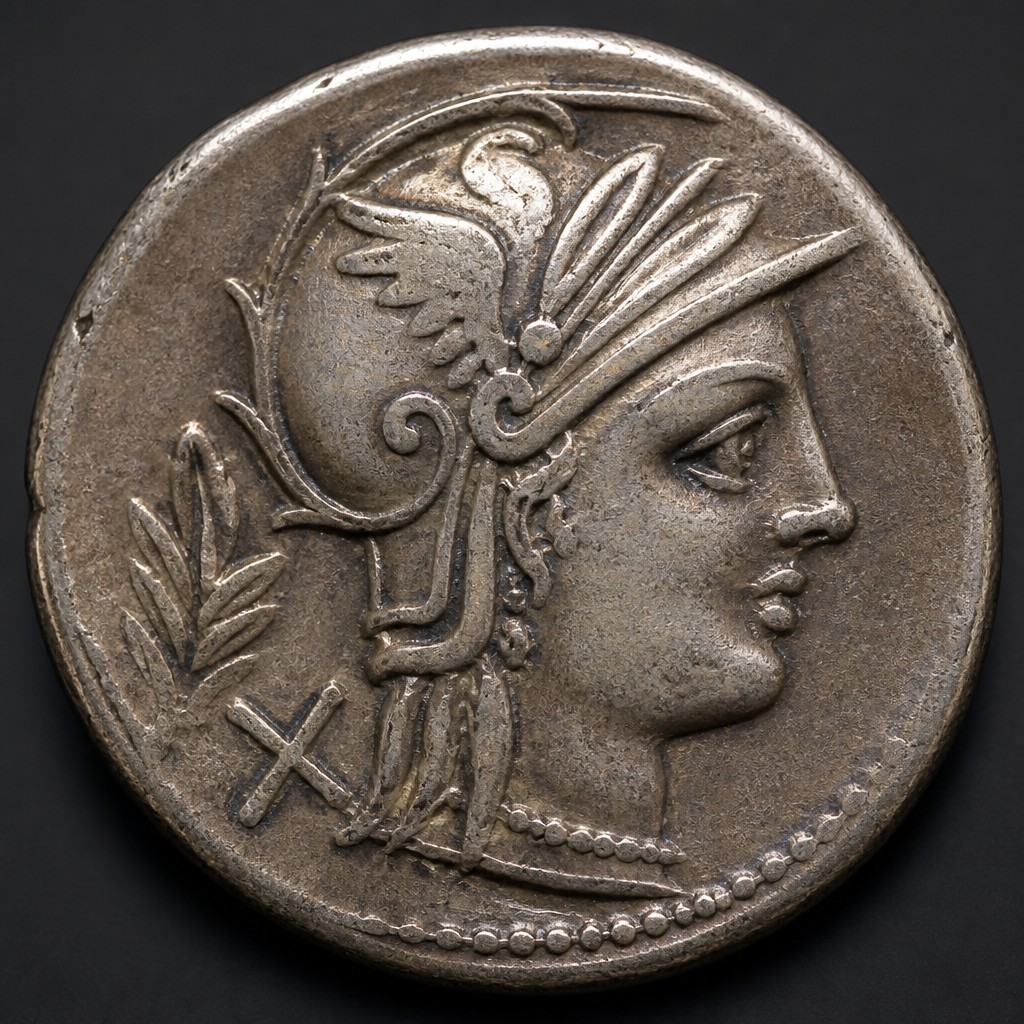
Republican Victoriatus
c. 211–170 BC
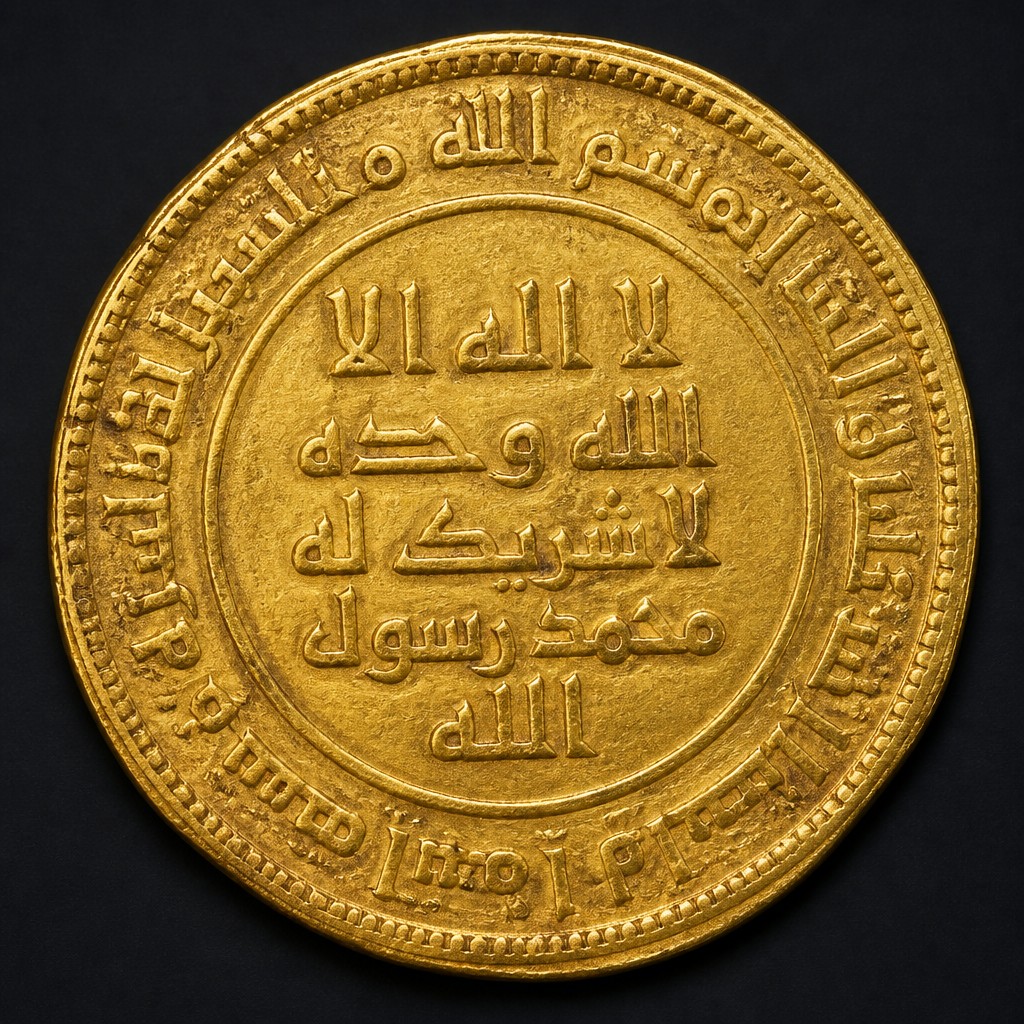
Islamic Gold Dinar (Umayyad)
c. 696–750 AD
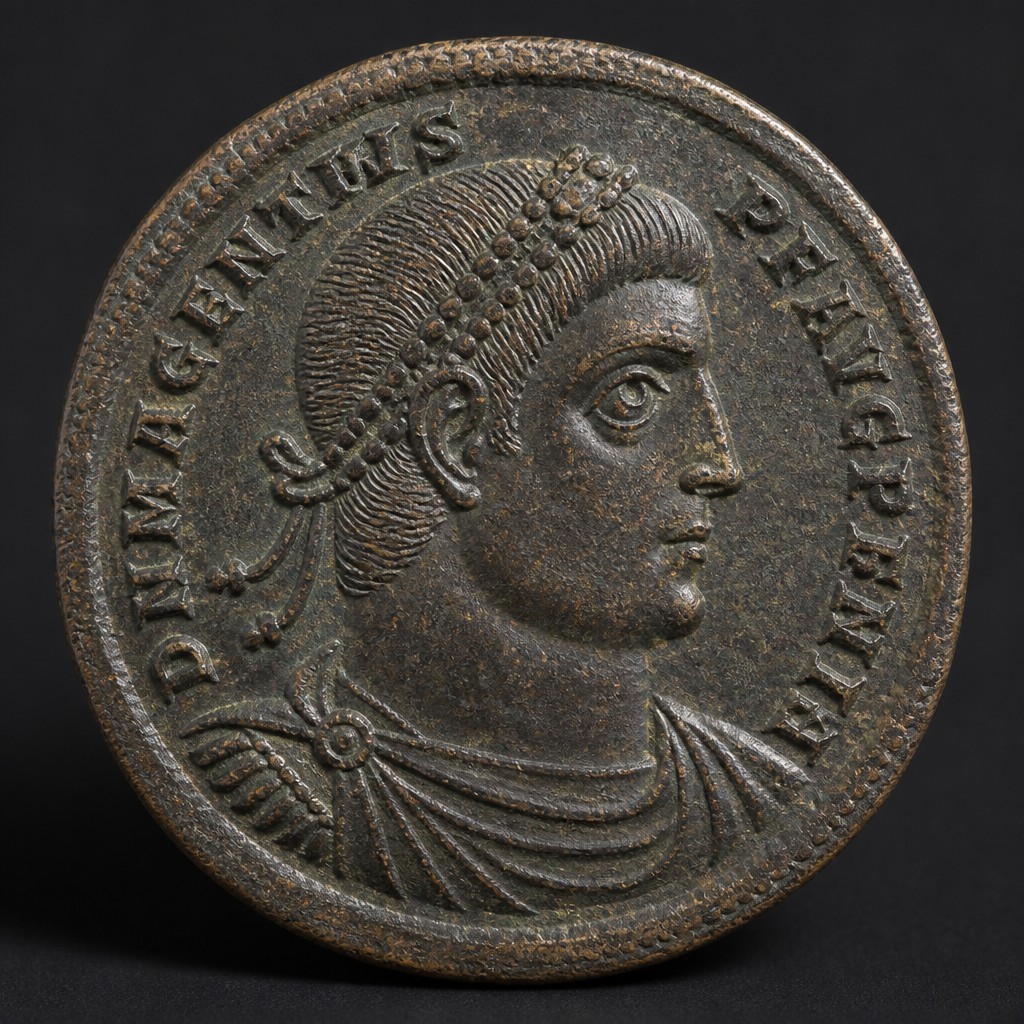
Magnentius Double Centenionalis
350–353 AD
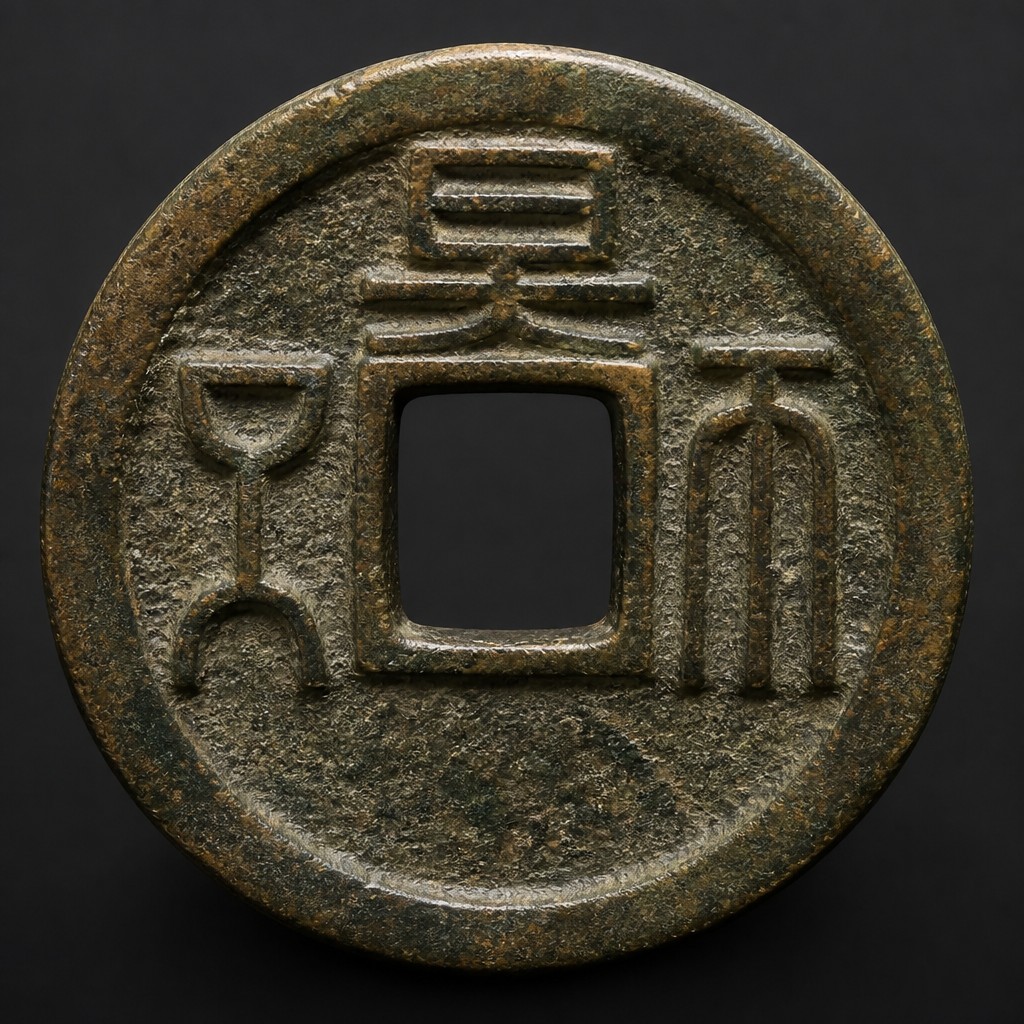
Chinese Wu Zhu Cash
118 BC – 618 AD
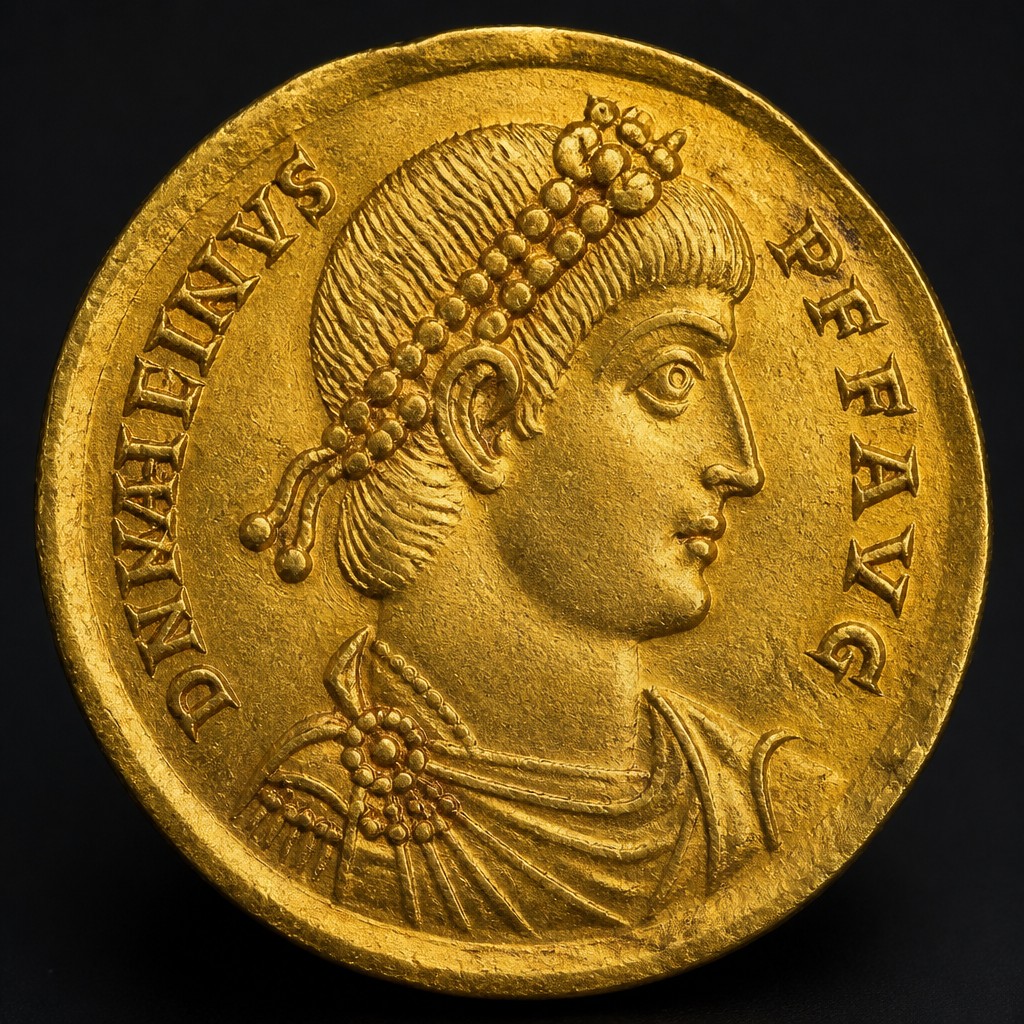
Valentinian I Solidus
364–375 AD
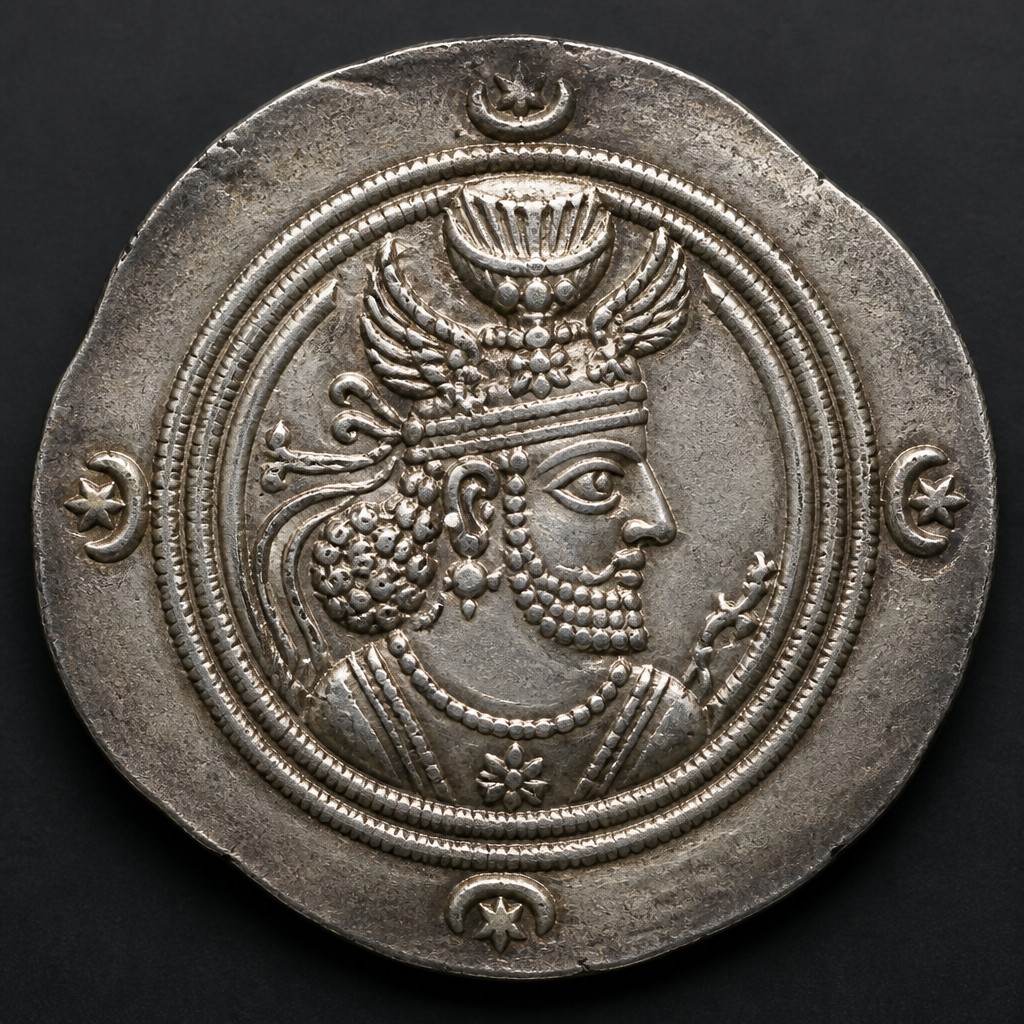
Sassanian Silver Drachm
c. 224–651 AD
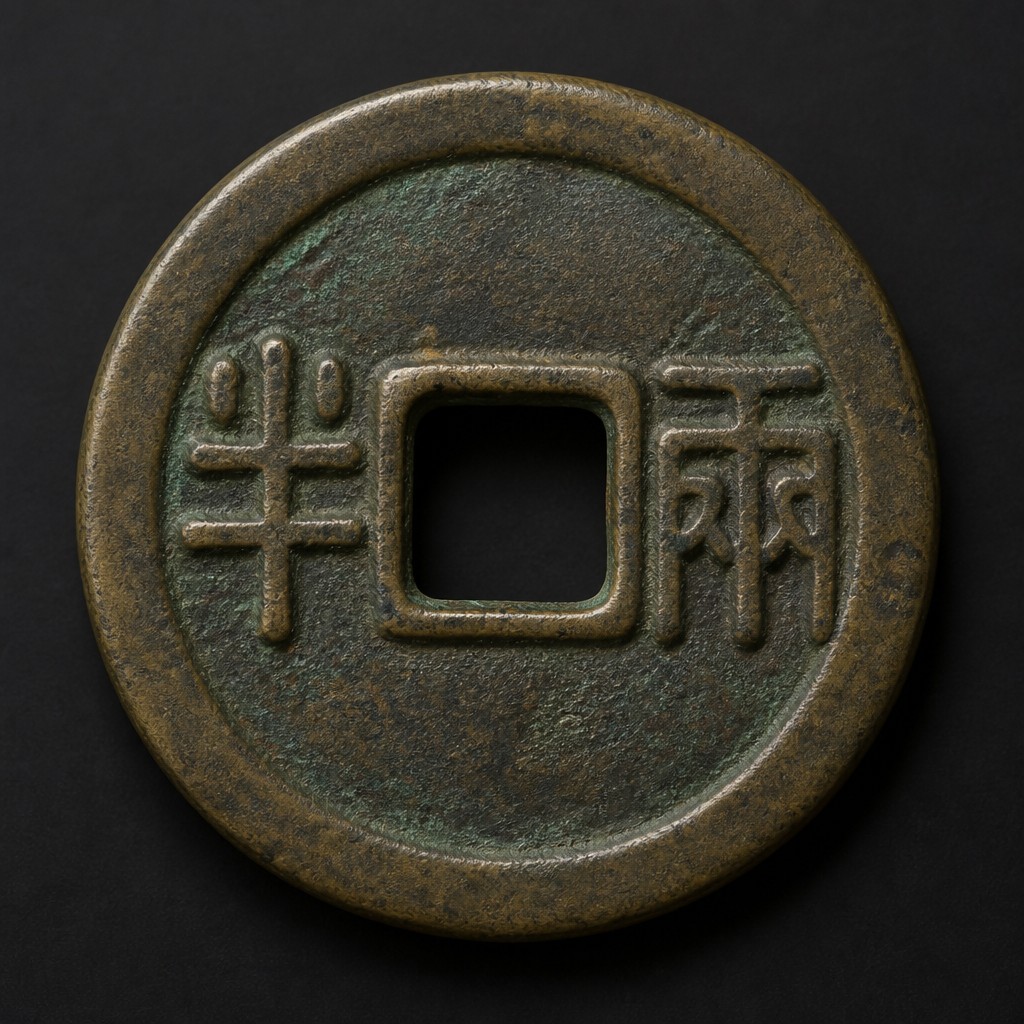
Chinese Ban Liang Cash
c. 221–118 BC
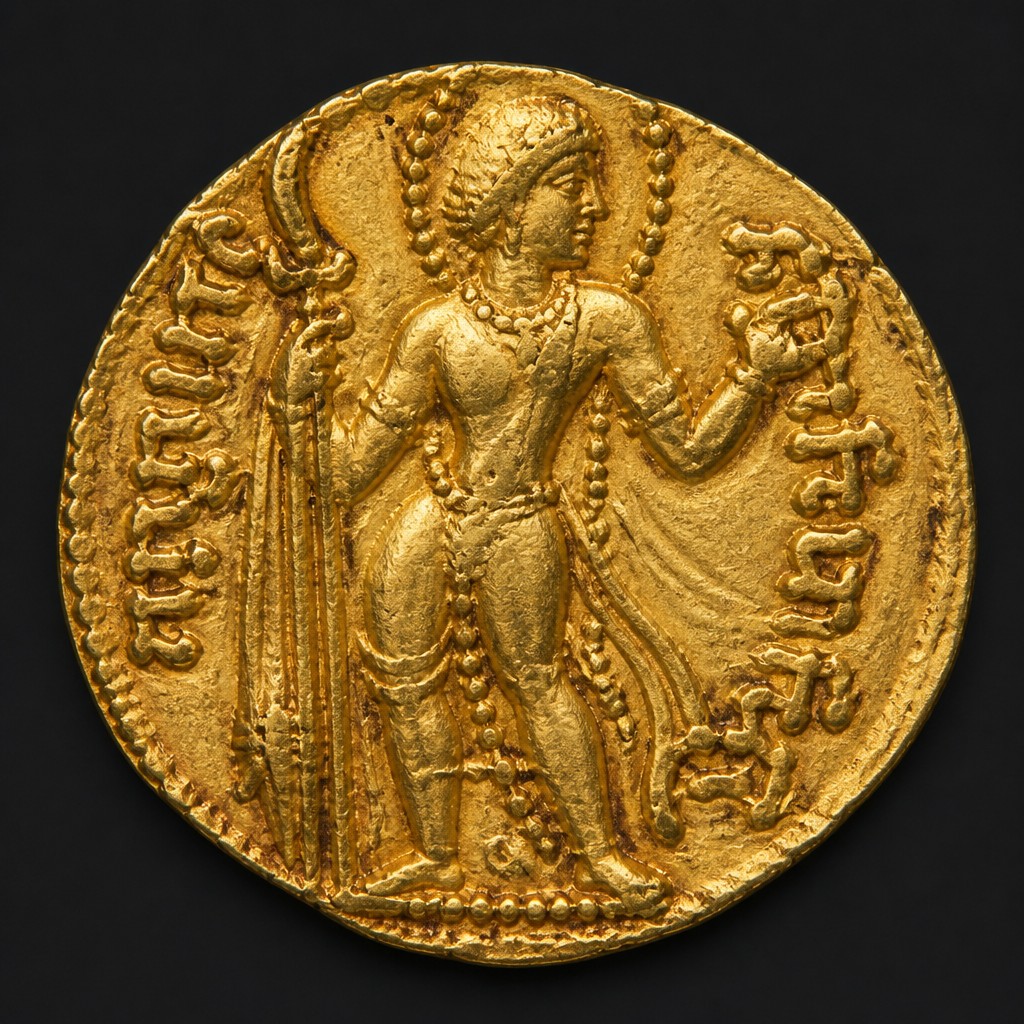
Gupta Empire Gold Dinar
c. 320–550 AD
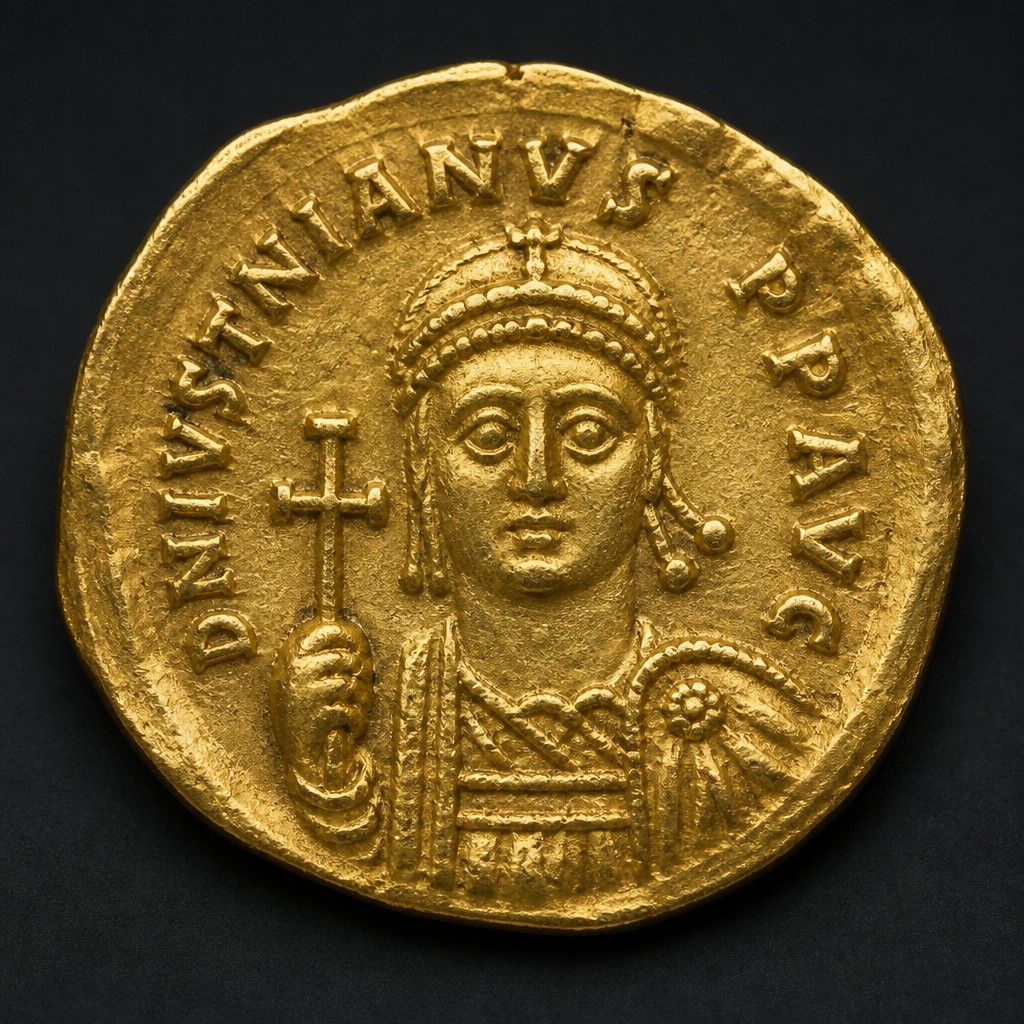
Byzantine Gold Tremissis
c. 4th–7th century AD
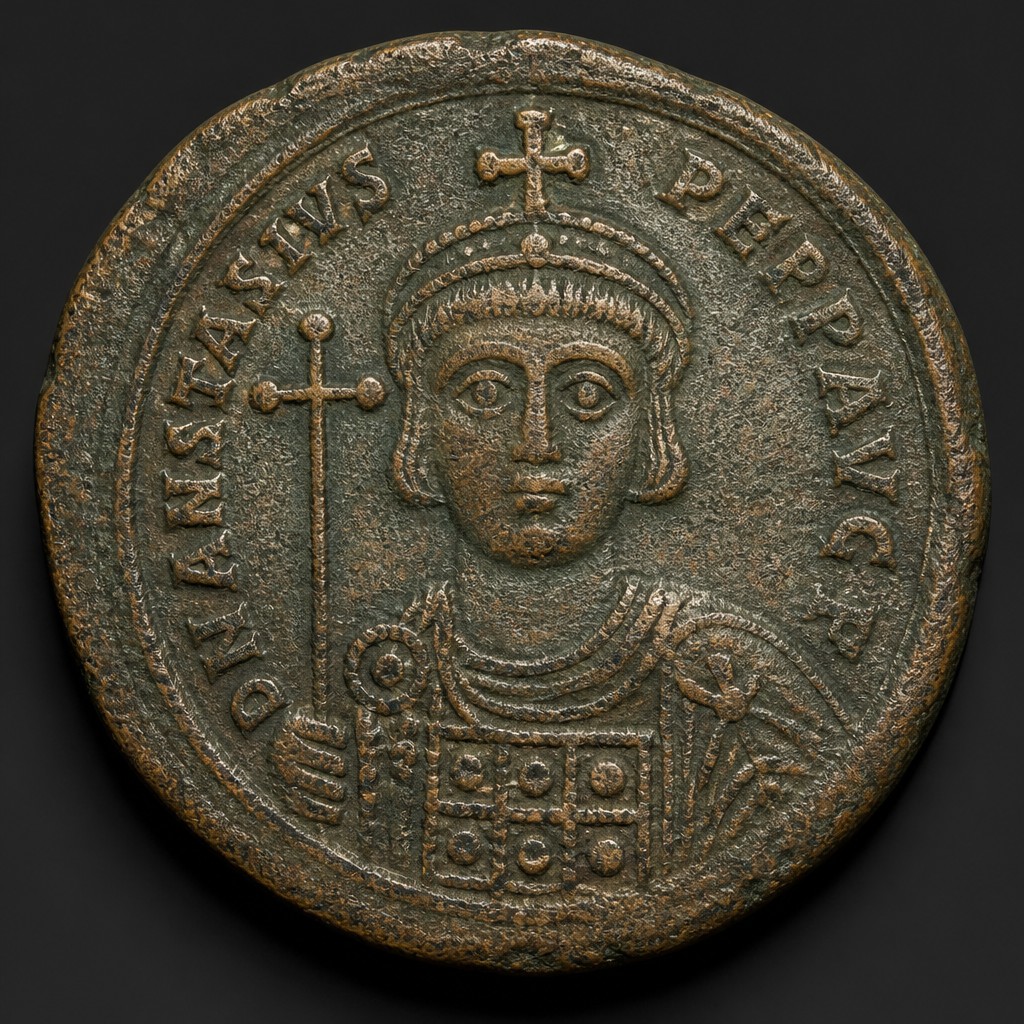
Byzantine Follis
498–c. 11th century AD
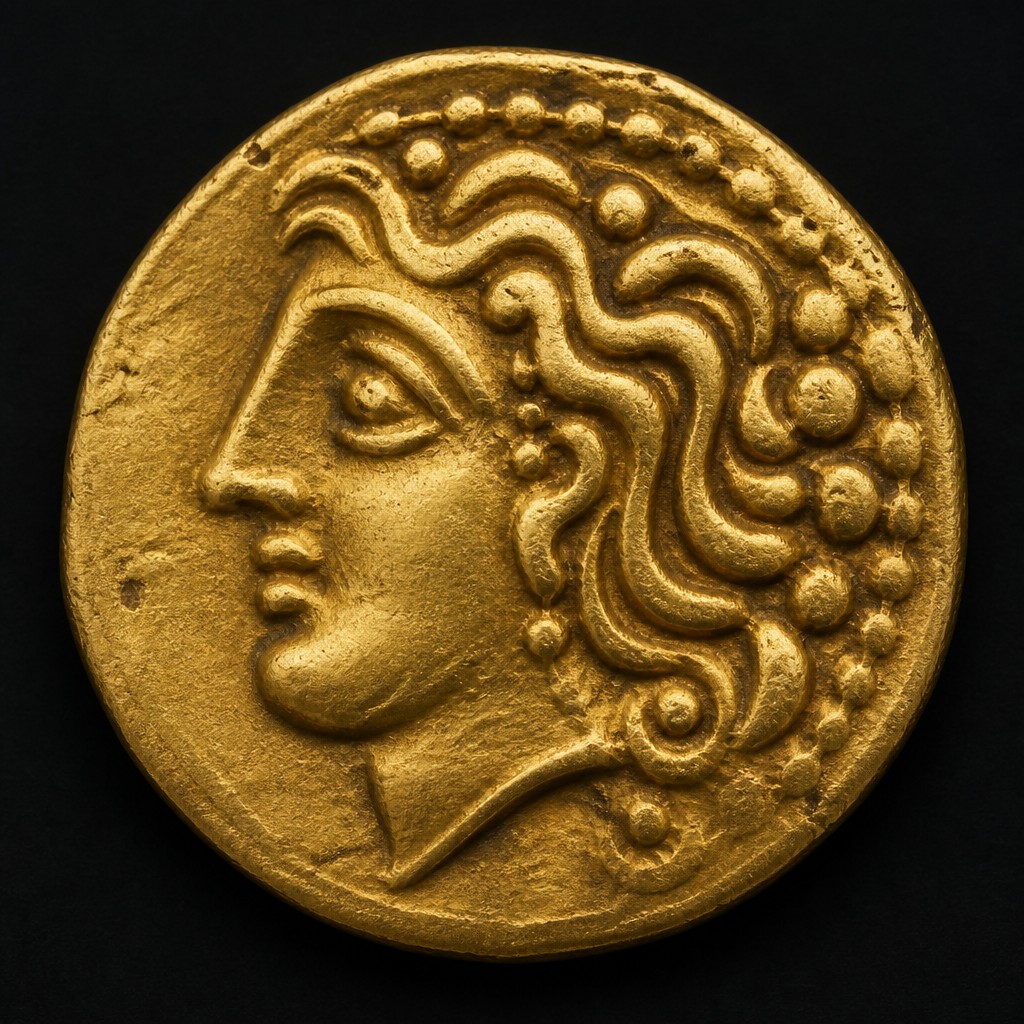
Celtic Gold Stater
c. 3rd century BC – 1st century AD