
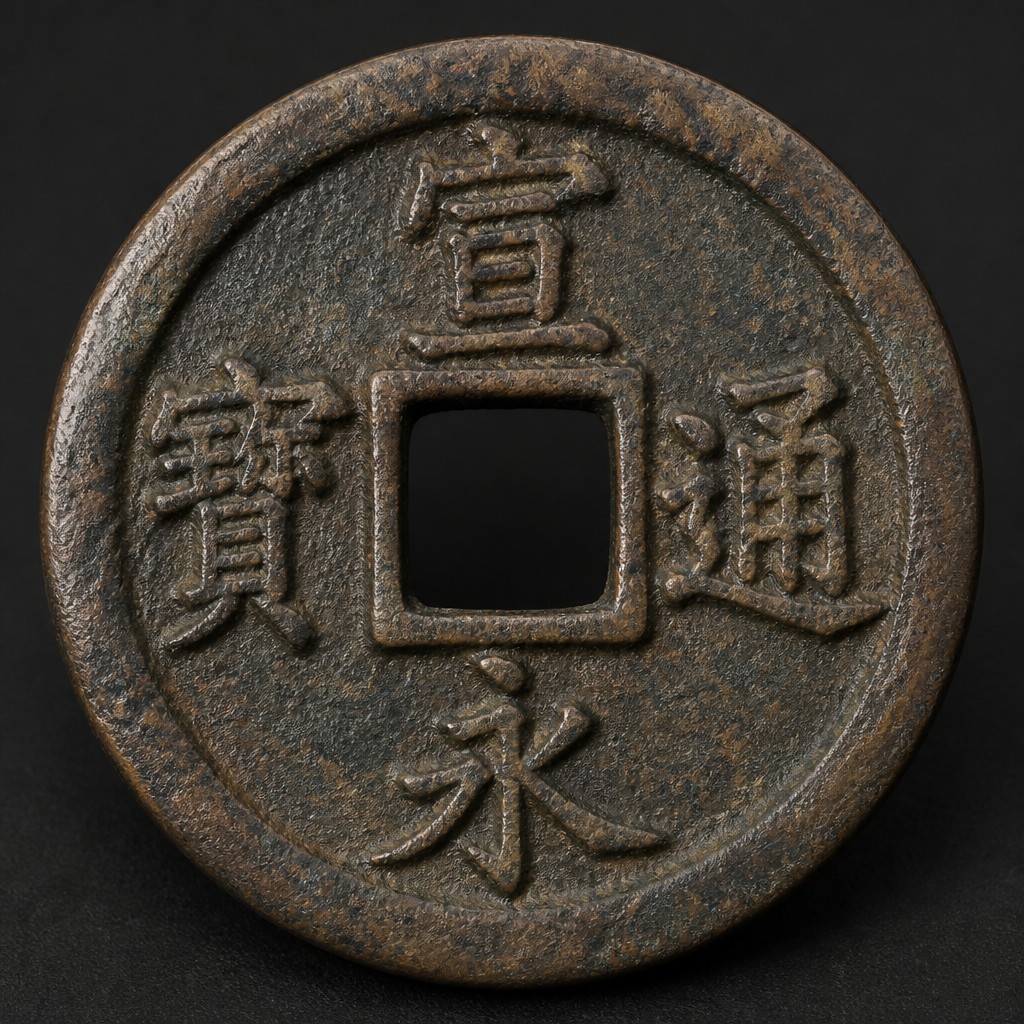
Chinese Song Dynasty Cash Coin
A round bronze coin with a square center hole issued during China's Song Dynasty, among the most massively produced and commonly collected pre-modern Chinese coin types.
- Country
- China (Song Dynasty)
- Denomination
- Cash (Wen)
- Metal
- Bronze/copper alloy (some iron issues)
Got a coin like this?
Identify any coin from a photo, free.
Overview
Song Dynasty cash coins are famous among collectors for their sheer variety, since nearly every Song emperor issued coinage under a distinct reign-title inscription, often in multiple calligraphic script styles. This makes the series appealing both to casual collectors seeking an inexpensive piece of ancient Chinese history and to specialists who focus on script varieties and mint differences.
The Song era is remembered for major economic growth and monetary innovation, including the world's earliest known government-backed paper currency, which developed alongside continued heavy production of bronze cash coins for everyday use.
History & Background
The Song Dynasty, founded in 960 AD, presided over a period of substantial economic expansion, urbanization, and technological advancement in China. To support a growing commercial economy, the government minted bronze cash coins in vast quantities, with new reign-title inscriptions introduced whenever an emperor proclaimed a new era name, a common practice in Chinese imperial history.
Song calligraphers and even emperors themselves sometimes personally composed the reign-title inscriptions in different script styles, such as regular, seal, and running script, resulting in a rich variety of coin types for a single reign. The dynasty eventually fell to Mongol conquest in 1279, but its cash coin design template continued to influence subsequent Chinese dynasties.
How to Identify
Song cash coins are round with a square hole punched through the center, a design rooted in Chinese cosmological symbolism representing heaven (round) and earth (square). The obverse bears a four-character reign-title inscription read in the order top, bottom, right, then left, identifying the specific era name under which it was struck.
The reverse is usually plain, though some issues carry small markings indicating mint or value. The coins are typically bronze or copper-alloy in color, with diameters generally in the range of about 22 to 25mm. Precise attribution to a specific emperor and era requires matching the reign-title characters to reference lists of Song era names.
Value & Collectibility
Because Song cash coins were produced in such enormous quantities, most common types are quite inexpensive, often available for just a few dollars each in typical worn condition. This affordability makes the series a popular entry point for new collectors of Chinese numismatics.
Rarer reign titles, unusual large-denomination issues, or coins with exceptionally fine calligraphic script can command noticeably higher prices among specialists. Condition and clarity of the four characters are the main factors distinguishing a premium example from an ordinary one.
Frequently asked questions
Why is there a square hole in the middle?
The square hole allowed coins to be strung together on cords for handling and carrying, and also reflects traditional Chinese symbolism of a round heaven and square earth.
How do I identify which emperor issued my coin?
The four characters on the obverse spell out a specific reign-title (era name), which can be matched against reference lists of Song Dynasty era names.
Are Song cash coins rare?
Most common types are not rare and are widely available inexpensively; rarity depends heavily on the specific reign-title and script variety.
What script styles might appear on these coins?
Song cash coins are known for varied calligraphy, including regular, seal, and running script versions of the same reign-title.
Did the Song Dynasty use paper money too?
Yes, the Song Dynasty pioneered some of the world's earliest government-backed paper currency alongside continued bronze cash coin production.
Other coins you may enjoy
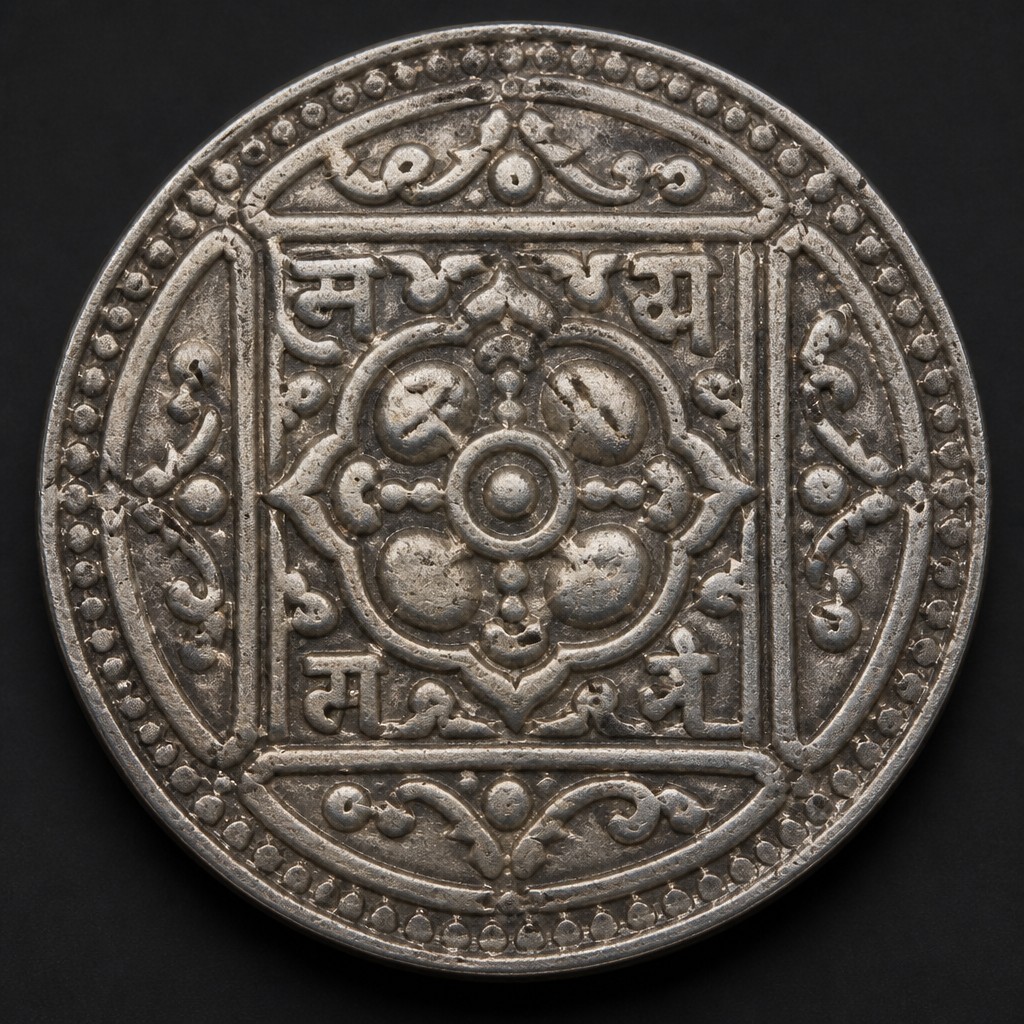
Nepal Silver Mohar
c. 16th–19th century
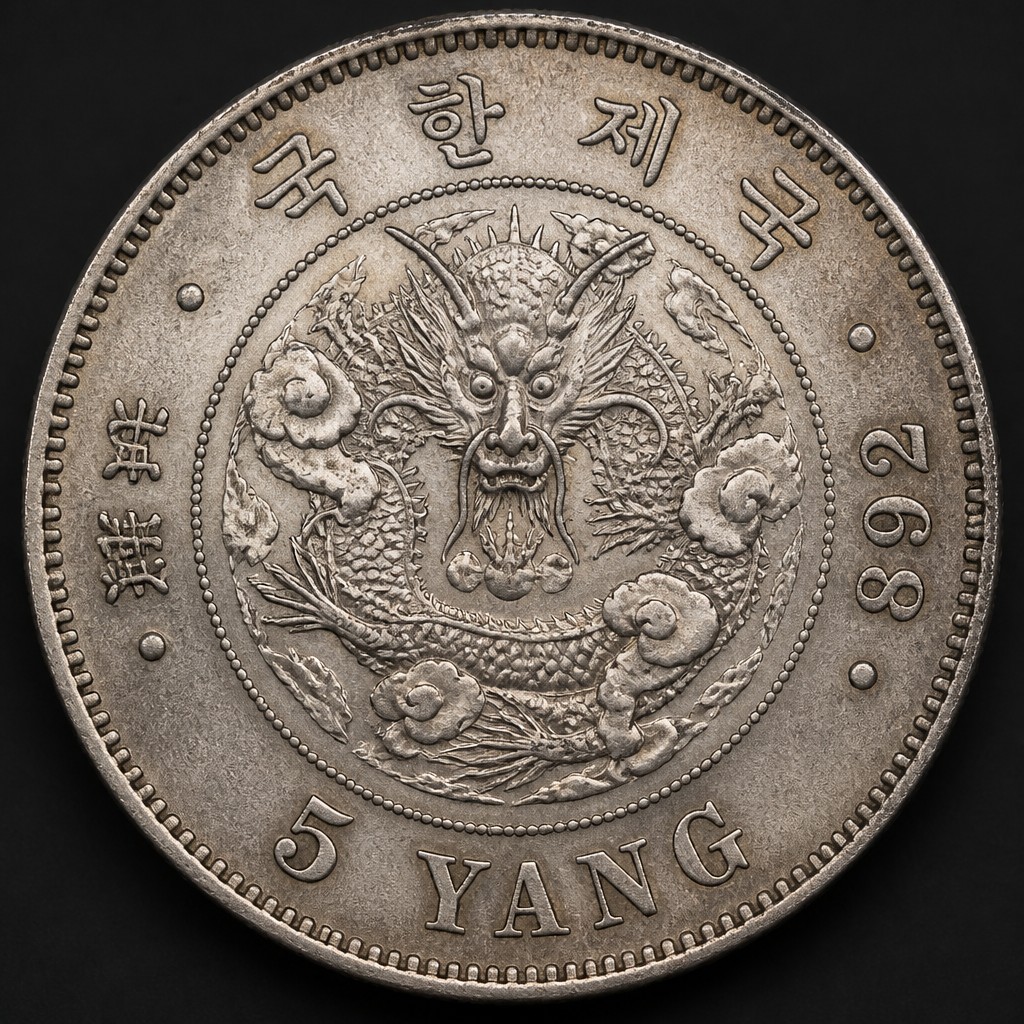
Korean 5 Yang Silver Dollar (1892)
1892
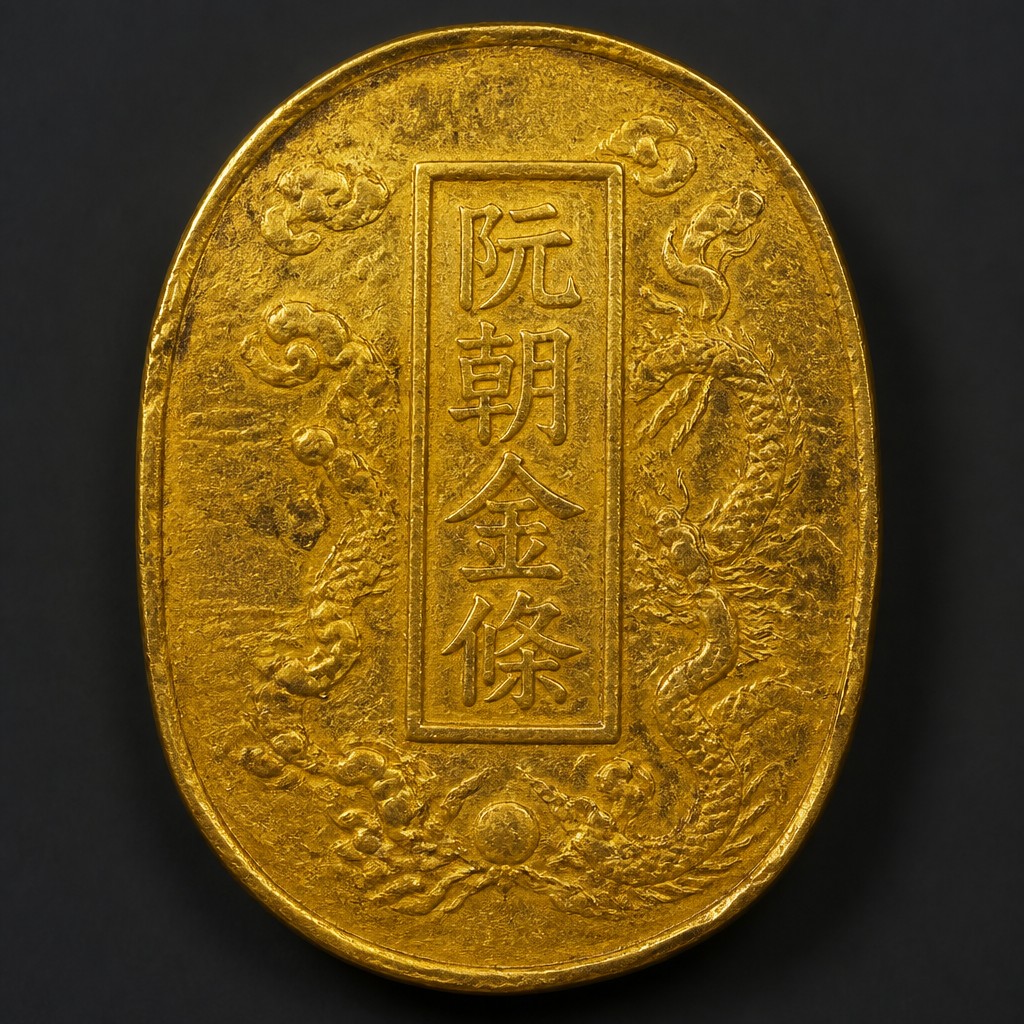
Nguyen Dynasty Gold Bar (Vietnam)
19th century
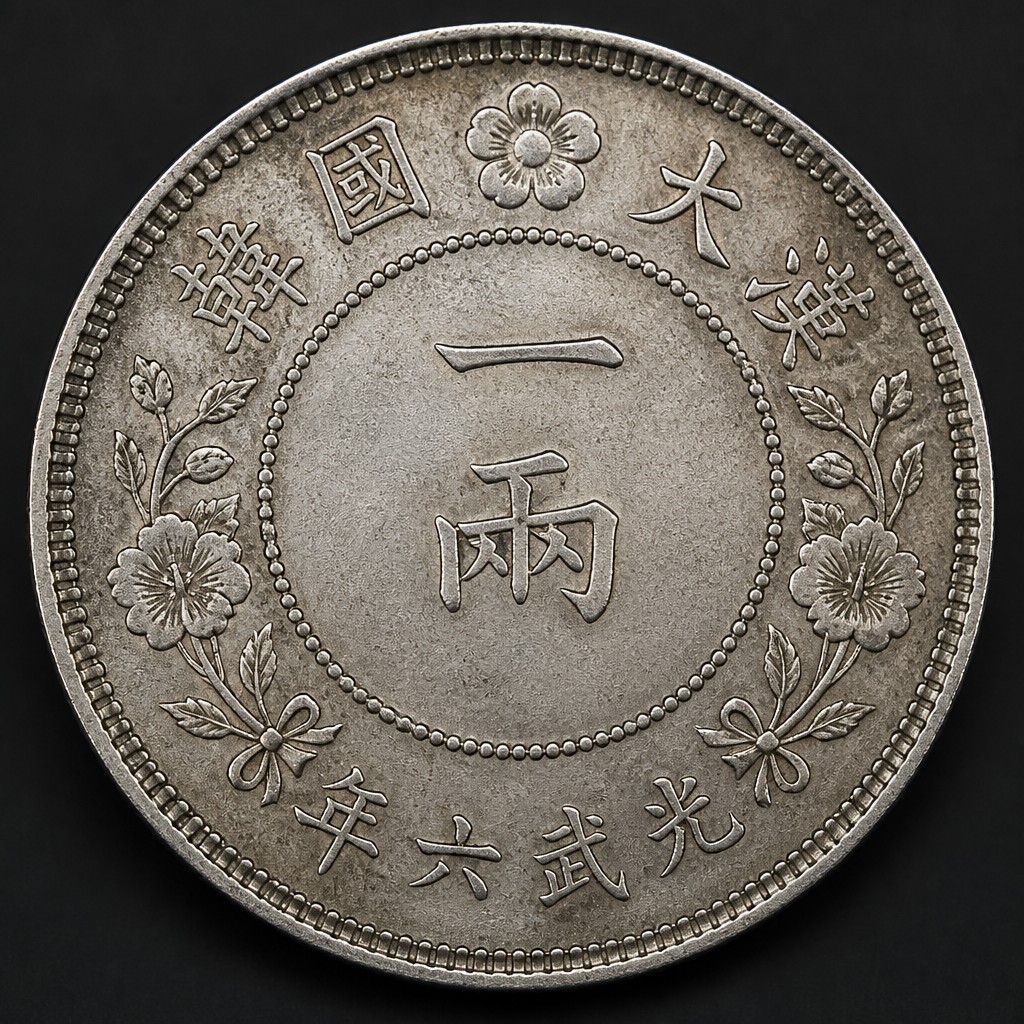
Korean 1 Yang Silver (Joseon/Great Han Empire)
1892–1902
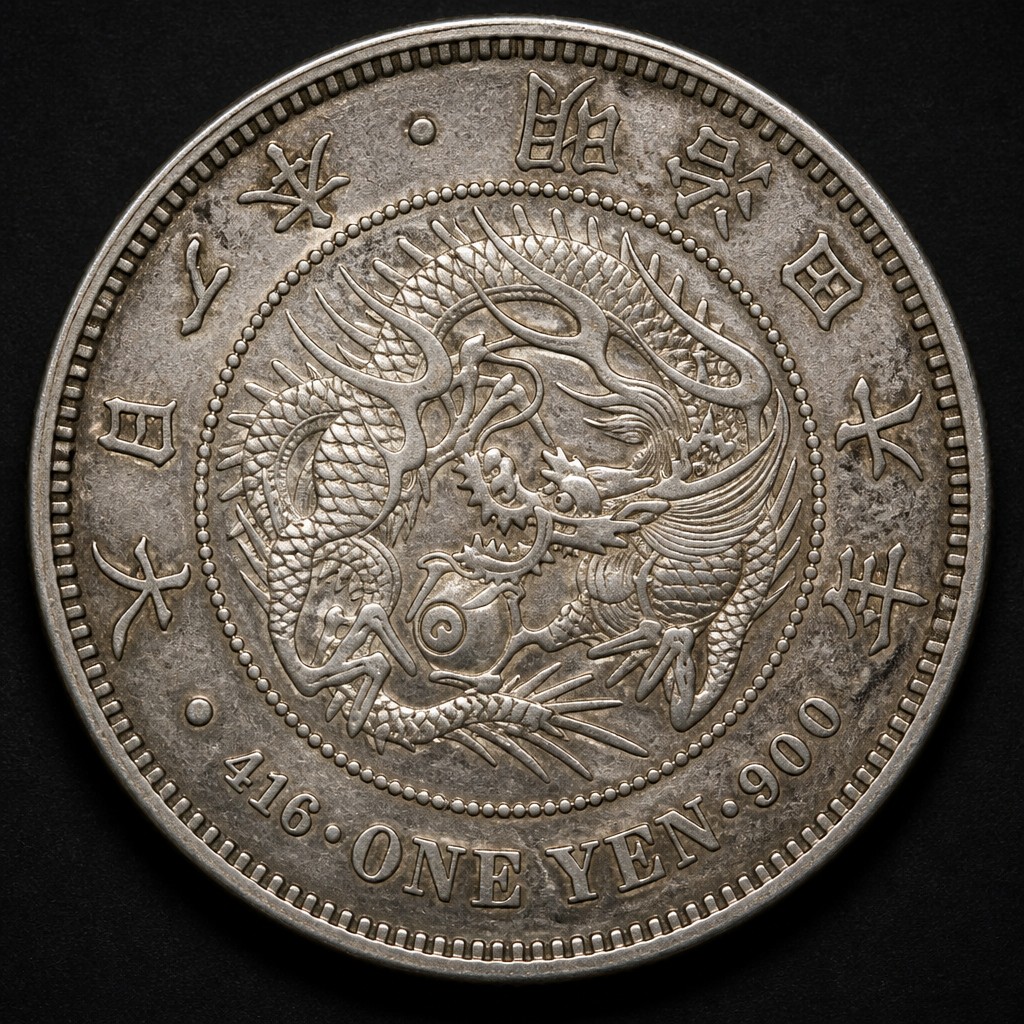
Japanese 1 Yen Silver 'Dragon' Trade Dollar
1870–1914 (trade dollar variant 1875–1877)
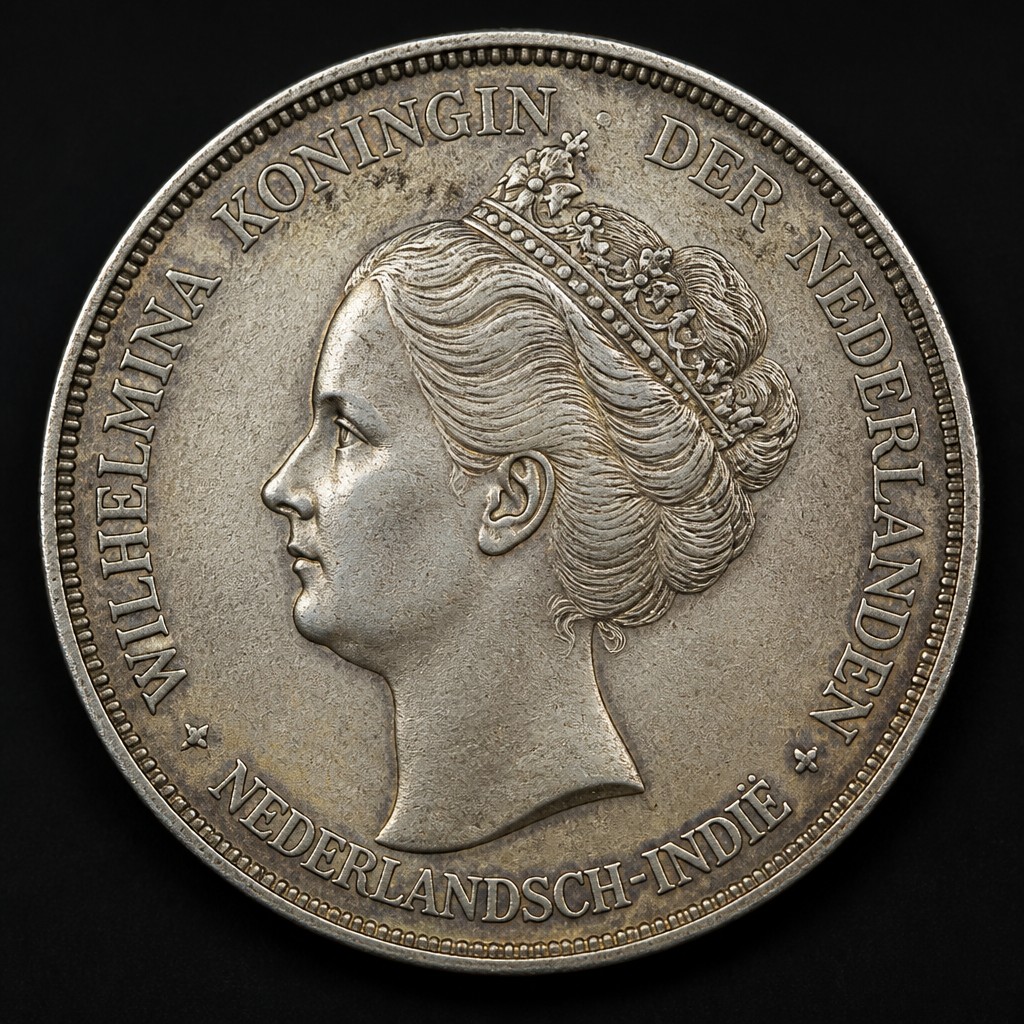
Netherlands East Indies Gulden (Wilhelmina)
1897–1945
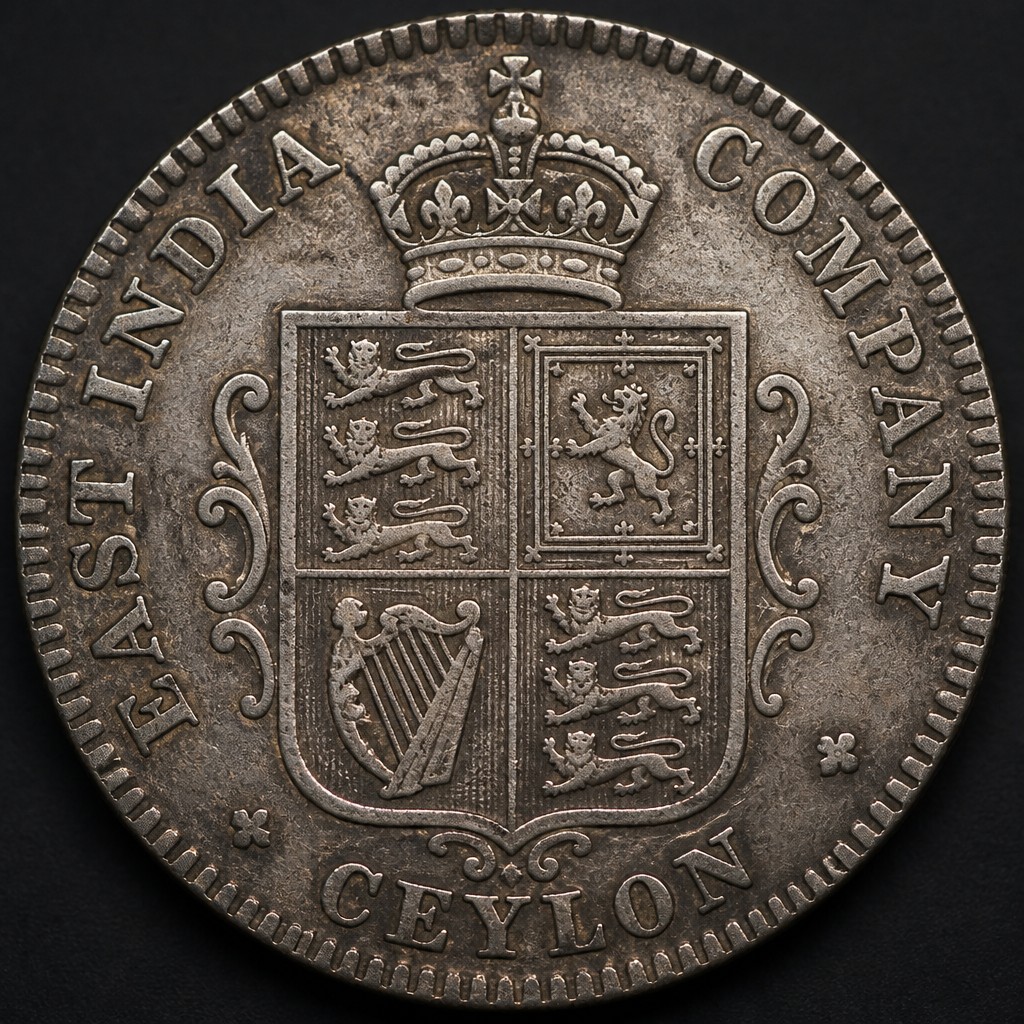
Ceylon (Sri Lanka) EIC Rixdollar
c. 1802–1821
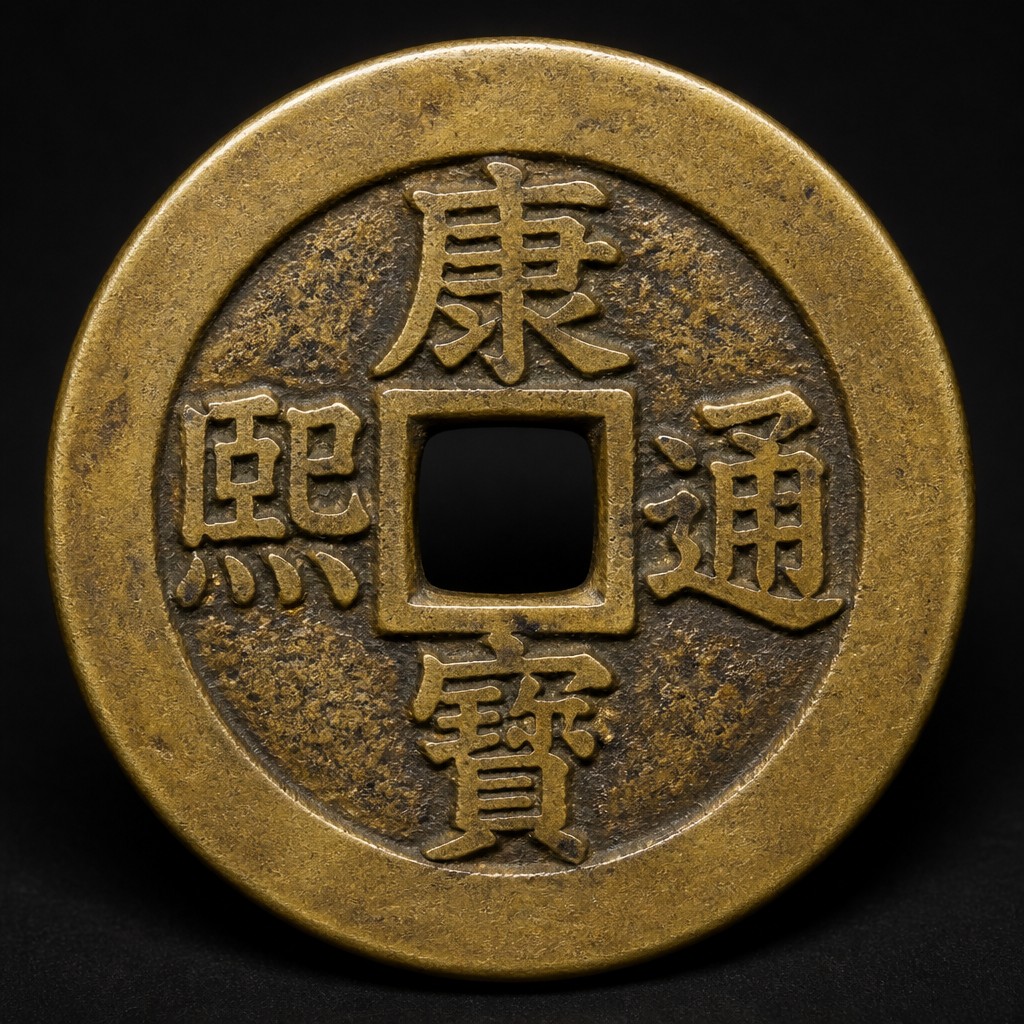
Chinese Cash Coin (Qing Dynasty 'Kangxi Tongbao')
1662–1722
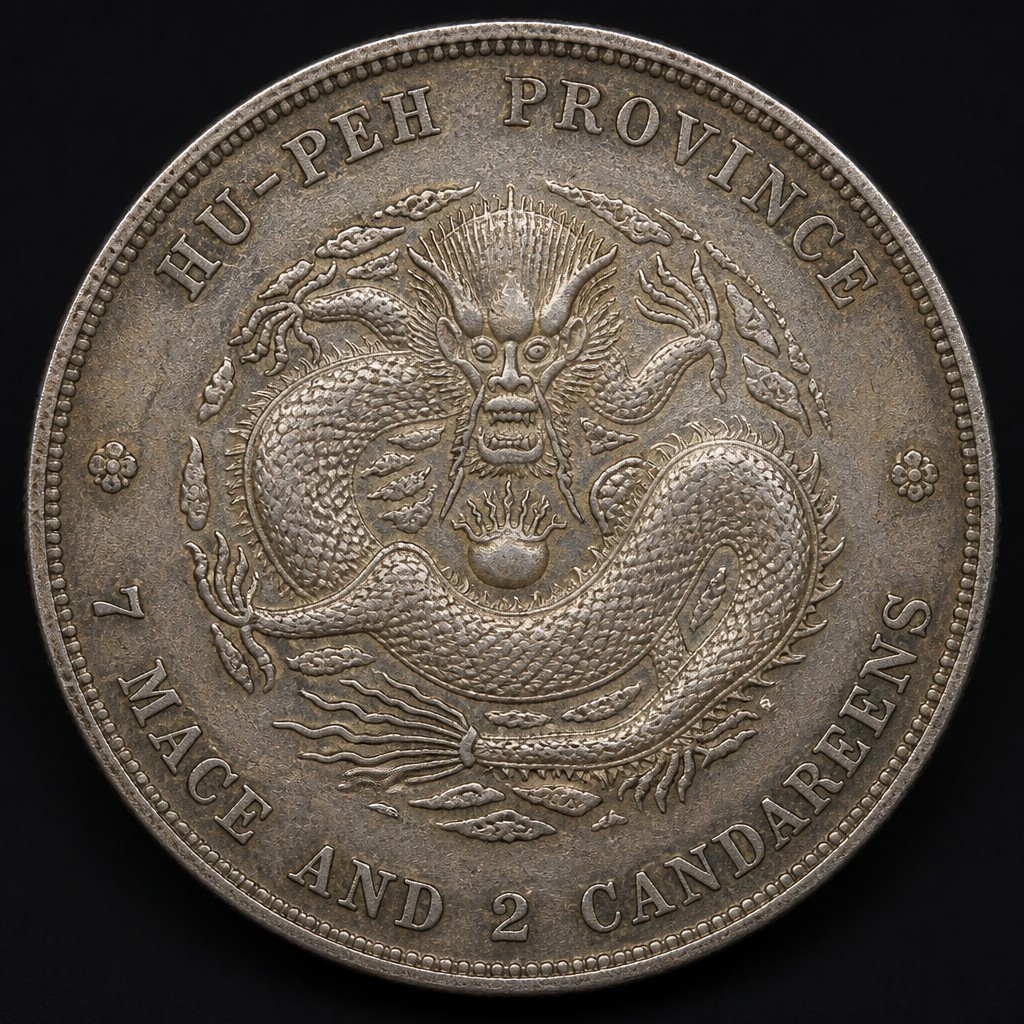
Chinese Hupeh Province Dragon Dollar
c. 1895–1909
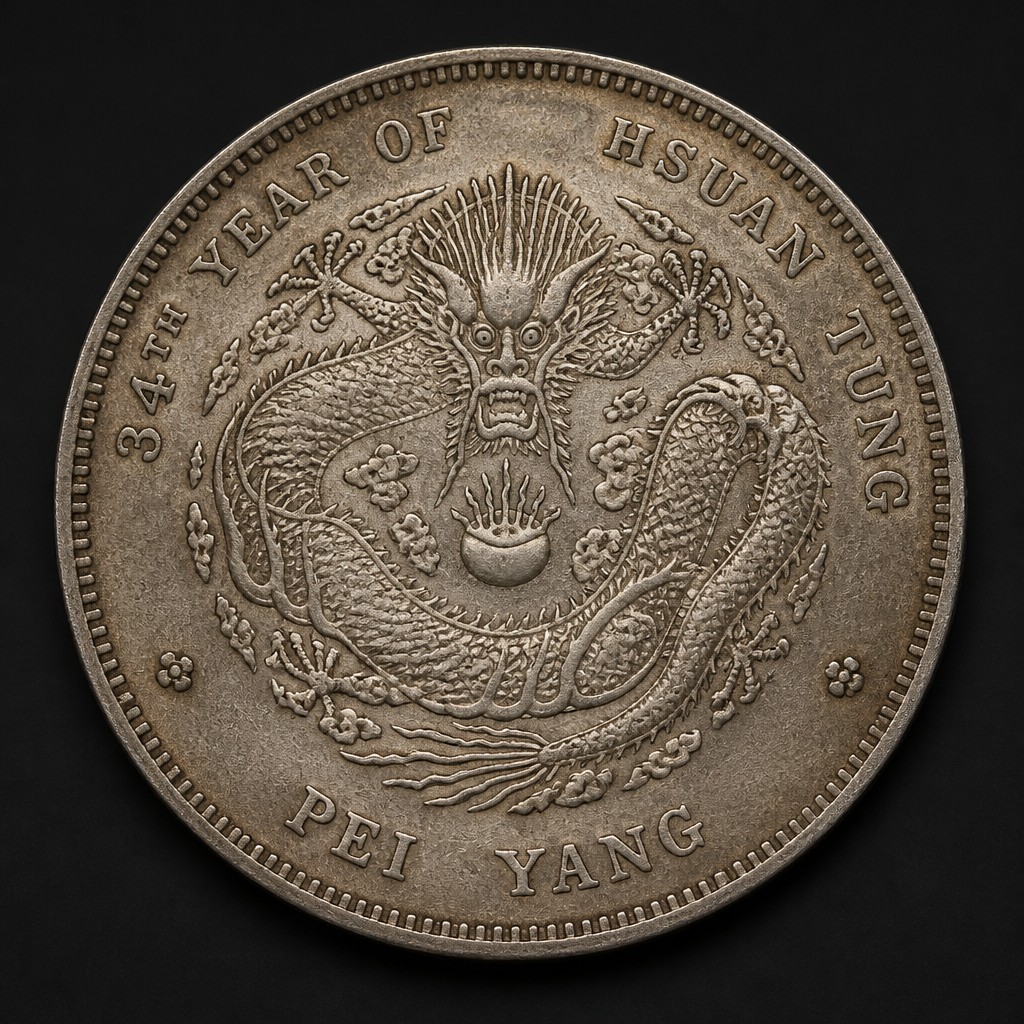
Chinese Empire Silver Dollar (Hsuan Tung Dragon)
1909–1911
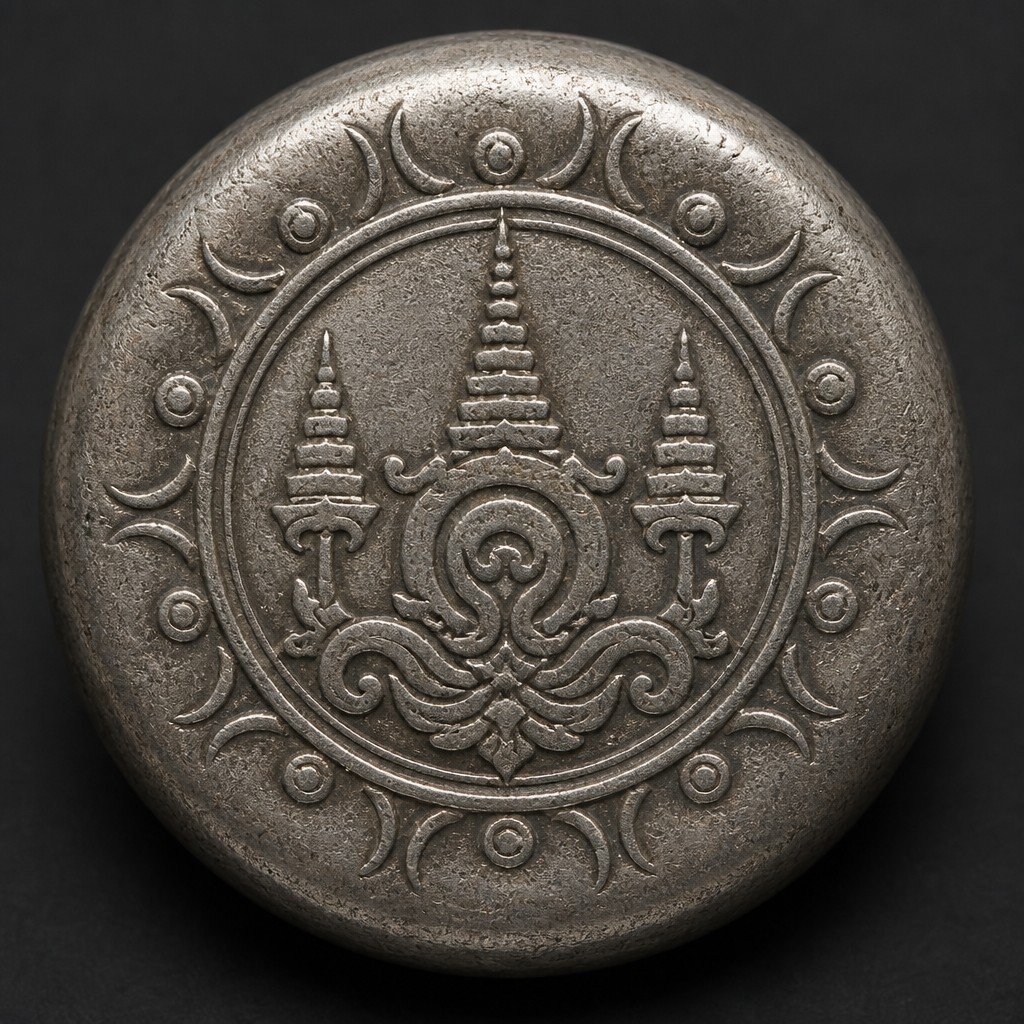
Thailand (Siam) Silver Baht 'Bullet Money' (Pod Duang)
c. 13th century – late 19th century
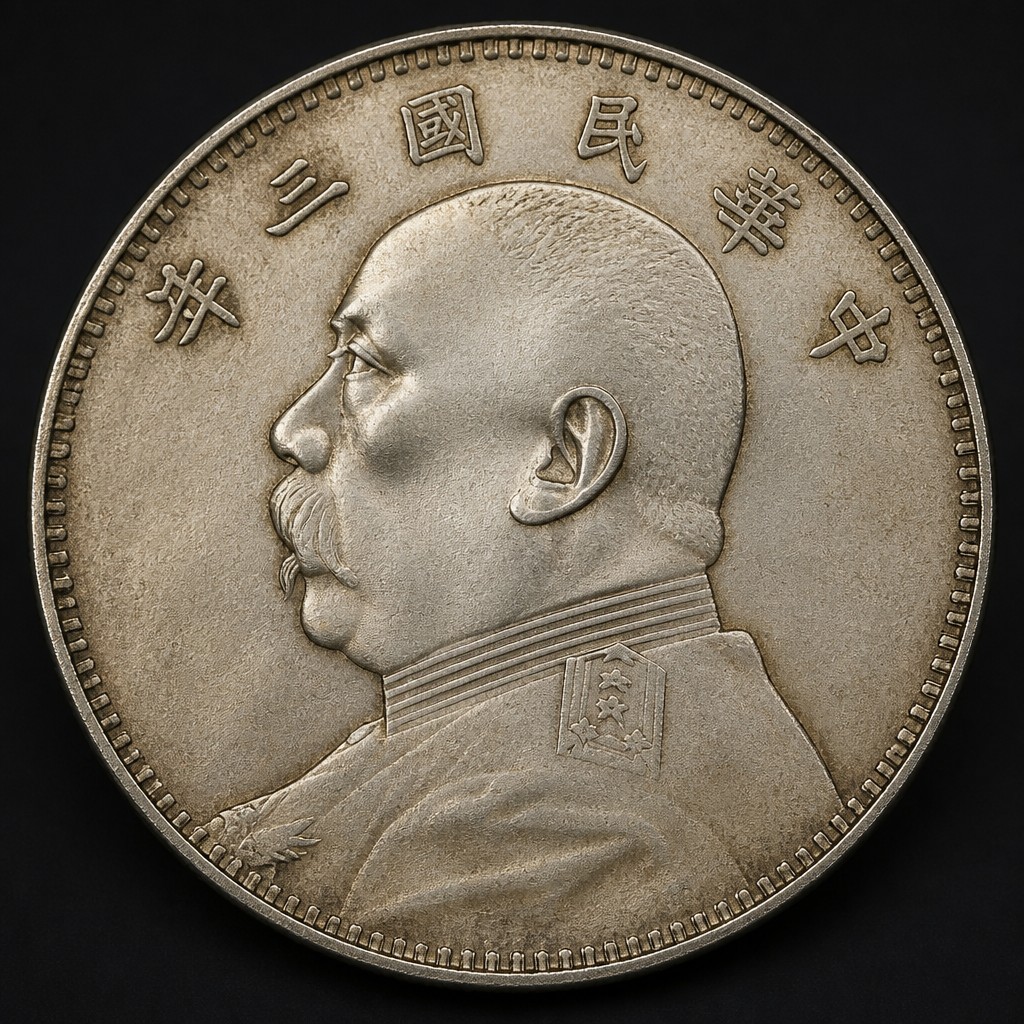
Yuan Shikai 'Fatman' Dollar (1914)
Dated 1914, struck into the early 1920s