
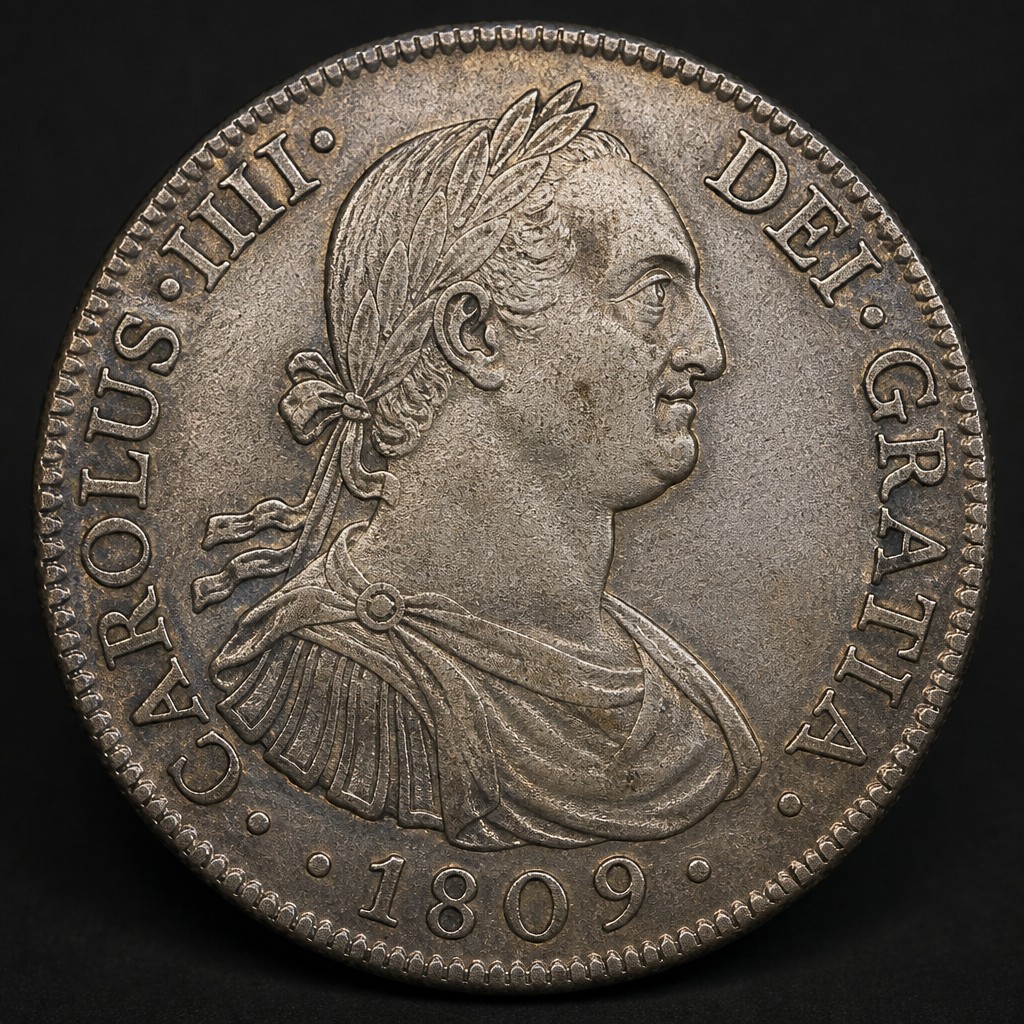
Bolivia 8 Reales (Potosi Mint)
A major Spanish colonial and early Bolivian silver dollar struck at the legendary Potosí mint, fed by the immense silver deposits of the Cerro Rico mountain.
- Country
- Bolivia (Spanish colonial Upper Peru, then early republic)
- Denomination
- 8 Reales
- Metal
- silver, historically about .903-.930 fine
Got a coin like this?
Identify any coin from a photo, free.
Overview
Potosí, located in what is now Bolivia, was arguably the single most important silver-producing site in the Spanish Empire, and its mint turned the output of the Cerro Rico ('Rich Mountain') into 8 Reales coins that circulated across the globe for centuries. The sheer volume of silver from Potosí helped fund the Spanish crown and reshaped global trade patterns during the colonial era.
Like other Spanish American 8 Reales, Potosí's coinage evolved from crude hand-struck cobs to more uniform milled coins bearing royal portraits, and the mint continued operating after Bolivia's independence in 1825, transitioning its designs to reflect the new republic while initially retaining the familiar 8 Reales weight standard.
Because of Potosí's outsized historical importance, its coins are especially prized by collectors interested in the story of Spanish colonial silver and the origins of global trade currency.
History & Background
Discovered in 1545, the silver deposits of Potosí's Cerro Rico quickly became the Spanish Empire's most valuable mining resource, and a royal mint was established there to coin silver on-site rather than shipping raw bullion, beginning major coin production in the 1570s. For roughly two and a half centuries, Potosí's mint was one of the largest and most productive in the Americas, striking vast quantities of 8 Reales for both Spanish colonial commerce and international trade.
After Bolivia declared independence in 1825, following the broader wave of South American independence movements led by figures such as Simón Bolívar and Antonio José de Sucre, the Potosí mint continued operating, gradually shifting its coin designs from Spanish royal imagery to symbols of the new Bolivian republic while for a time retaining the familiar 8 Reales denomination structure inherited from the colonial era.
How to Identify
Colonial Potosí 8 Reales display either the pillars-and-waves design or a portrait bust of the reigning Spanish monarch, depending on the era, with the mint mark P or PTS and assayer initials appearing near the base of the design. Early cob-era coins from Potosí are irregular and hand-struck, while later eighteenth-century issues are round and machine-milled.
The coin nominally weighs about 27 grams with a diameter near 39 millimeters and a fineness historically in the range of .903 to .930 depending on the specific period's minting standards. Milled examples have a reeded or lettered edge depending on era, while cob examples have irregular cut edges.
The PTS or P mint mark, combined with assayer initials specific to Potosí's engravers, is the primary way to distinguish this mint's output from similar 8 Reales struck at Lima, Mexico City, or other colonial mints; overall style of the pillars, crown, or portrait can also offer clues to specialists.
Value & Collectibility
As one of the most prolific Spanish colonial mints, Potosí 8 Reales are relatively available compared to coins from smaller mints, but value still varies widely based on era, condition, strike quality, and whether the piece is an early cob or a later milled coin. Early cob-era Potosí coins in well-struck, legible condition can command notable premiums due to their historical significance and the difficulty of finding well-centered examples.
Later milled portrait-bust 8 Reales from Potosí are generally more affordable in circulated grades, with value rising for high-grade, well-preserved specimens or scarcer specific dates and assayer combinations. Coins bridging the colonial-to-republican transition after 1825 hold particular interest for specialists in Bolivian independence-era numismatics.
As with all colonial silver dollars, cleaning, holes, or heavy wear substantially reduce collector value even though the coin's silver content remains largely intact.
Frequently asked questions
Why was Potosí so important to Spanish colonial coinage?
Its Cerro Rico mountain contained some of the richest silver deposits in the world, and the mint there converted that silver directly into 8 Reales coins that circulated globally for centuries.
What does the mint mark P or PTS mean?
It identifies the coin as struck at the Potosí mint, located in present-day Bolivia.
Did Potosí keep minting coins after Bolivia's independence?
Yes, the mint continued operating after 1825, gradually shifting its designs to reflect the new Bolivian republic.
How do I tell a cob from a milled Potosí 8 Reales?
Cobs are irregularly shaped with hand-struck, often off-center designs, while milled coins are round, uniform, and typically show a clearer portrait or pillar design with a reeded edge.
Other coins you may enjoy
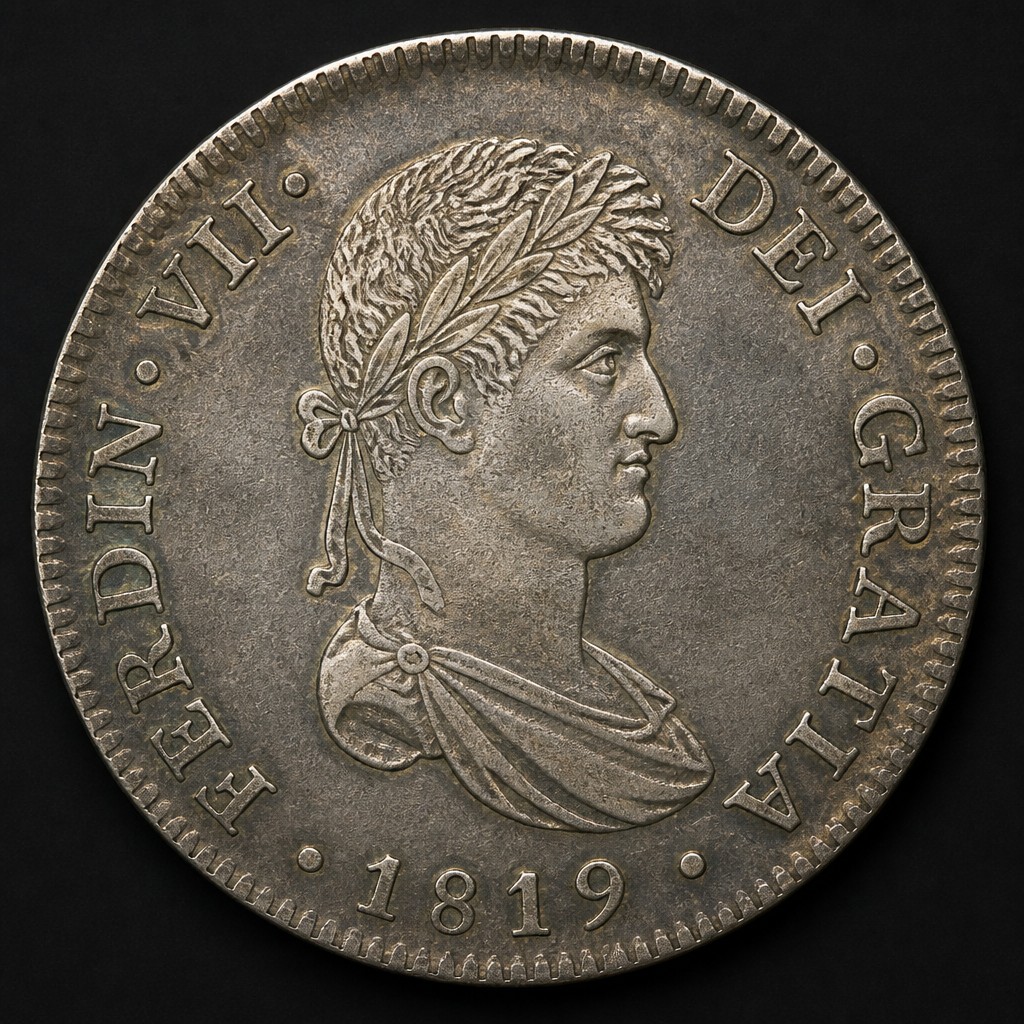
Colombia 8 Reales
Colonial issues through late 18th/early 19th century; republican issues 1820s–1830s
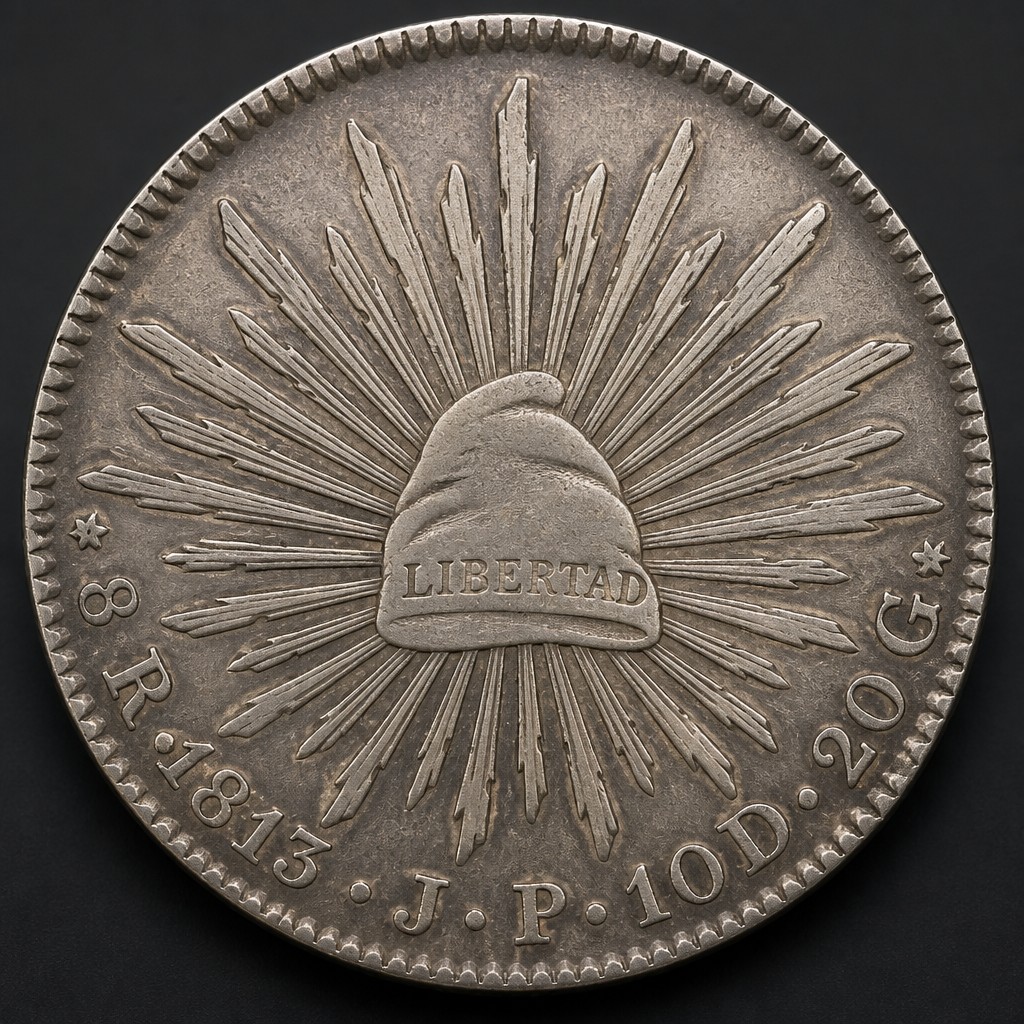
Argentina 8 Reales
c. 1813–1836
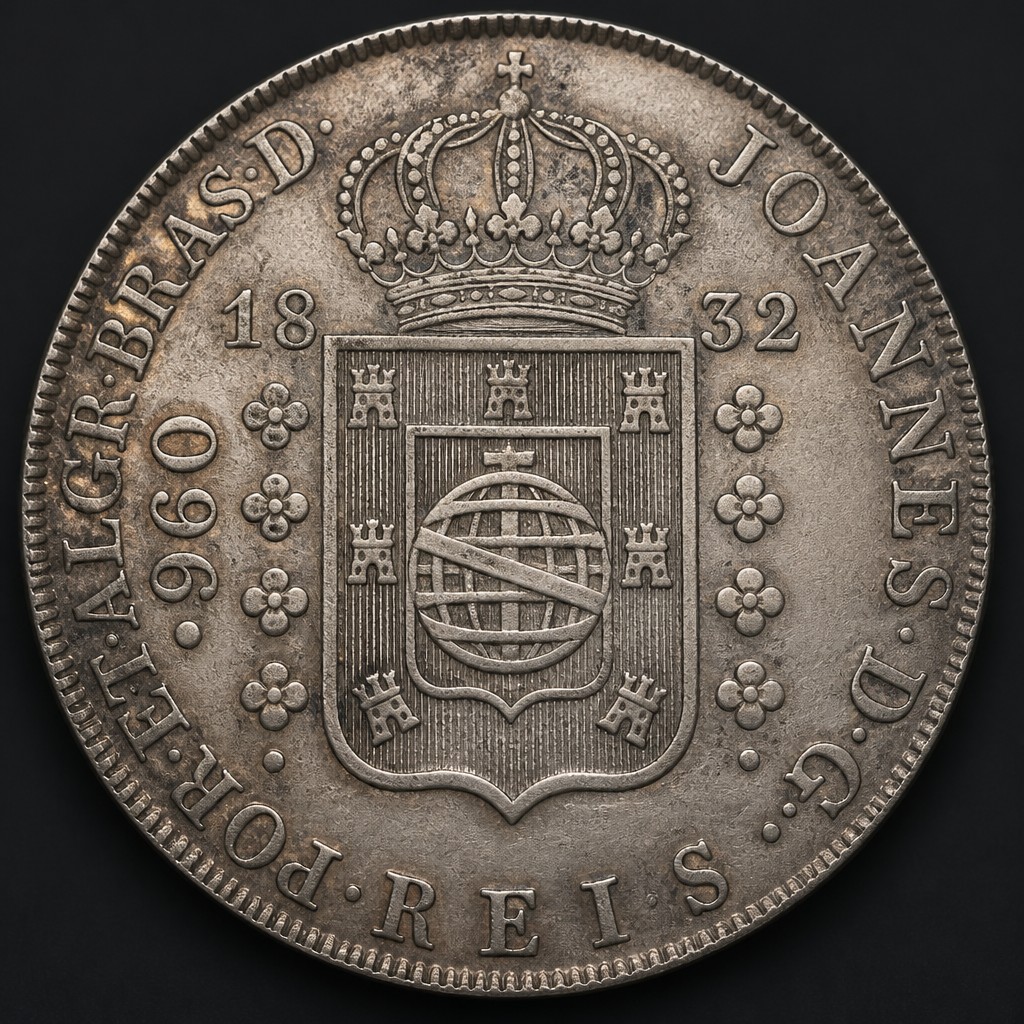
Brazil 960 Reis
1809–1832
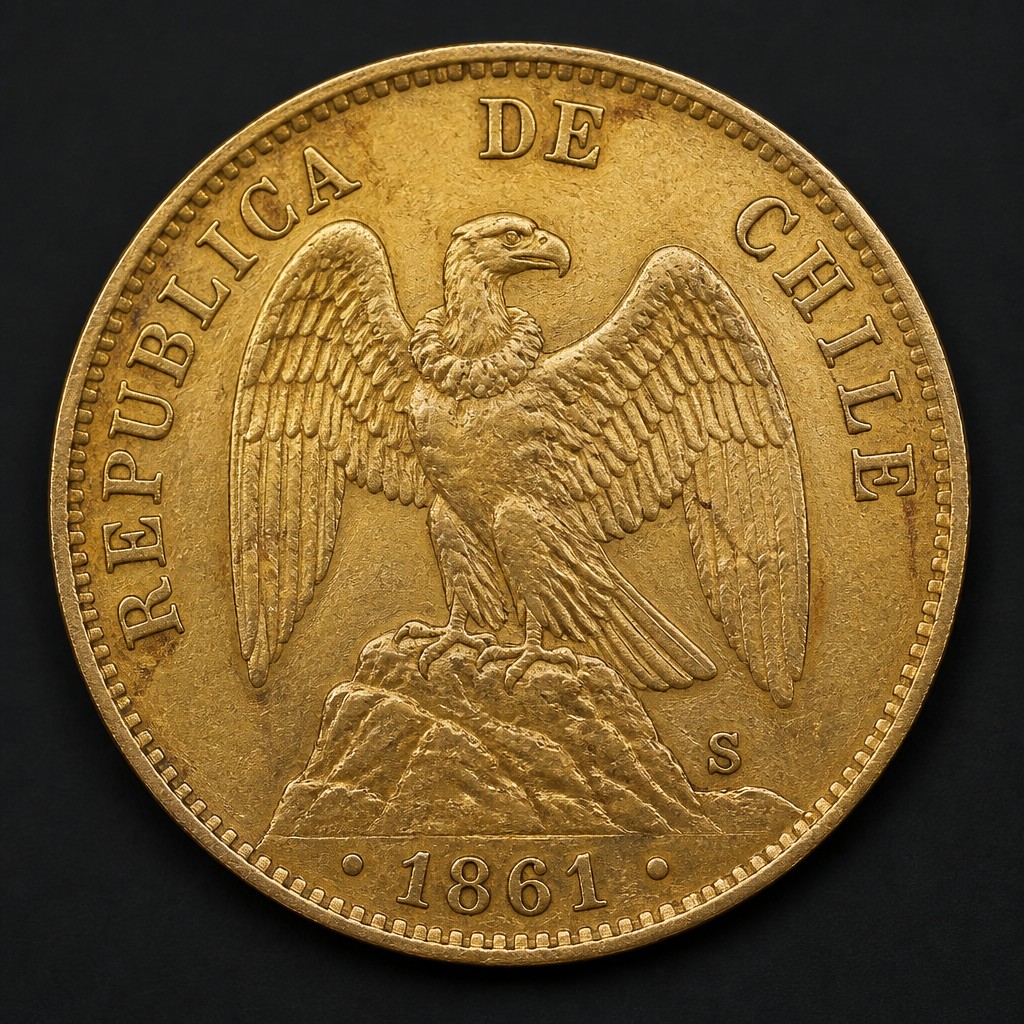
Chile Peso (Condor)
1851–1873 (gold condor series); modern base-metal peso 1990s–present
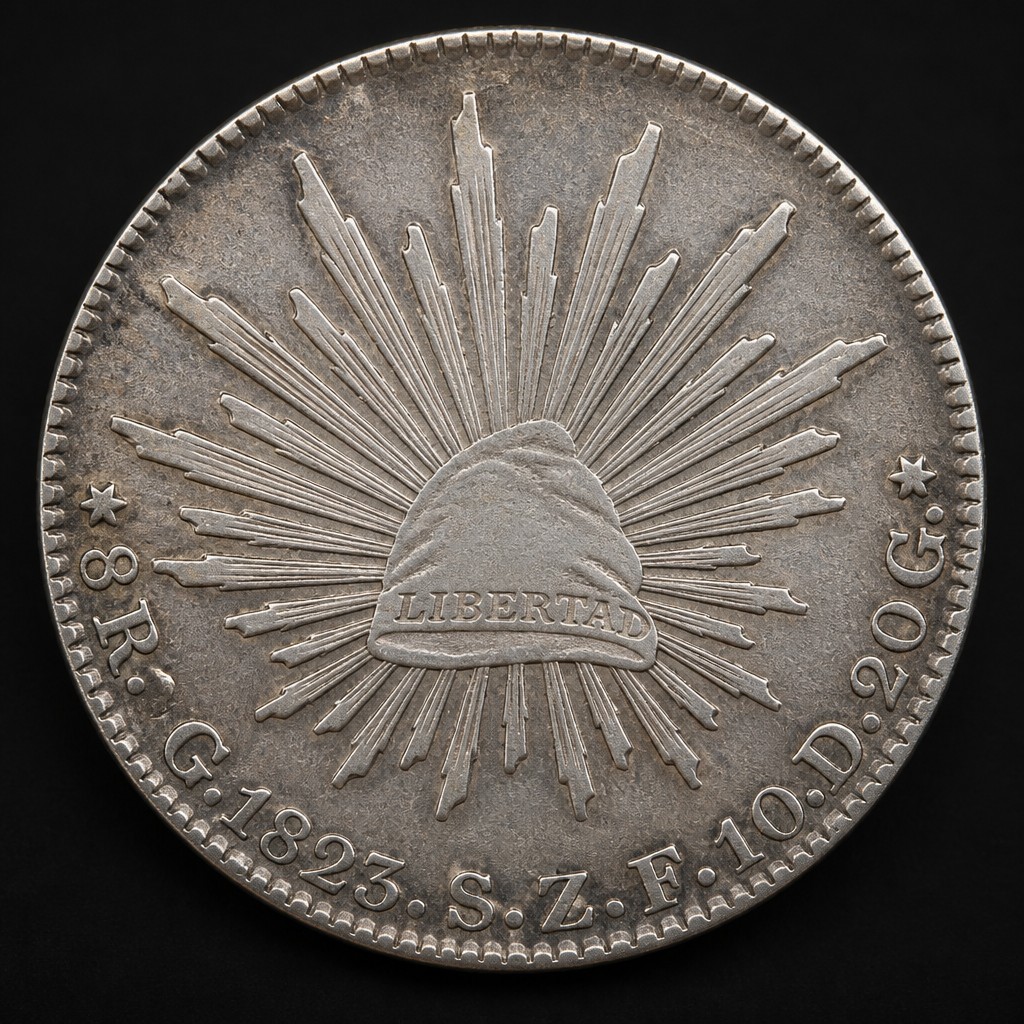
Mexican 8 Reales Cap and Rays
1823-1897
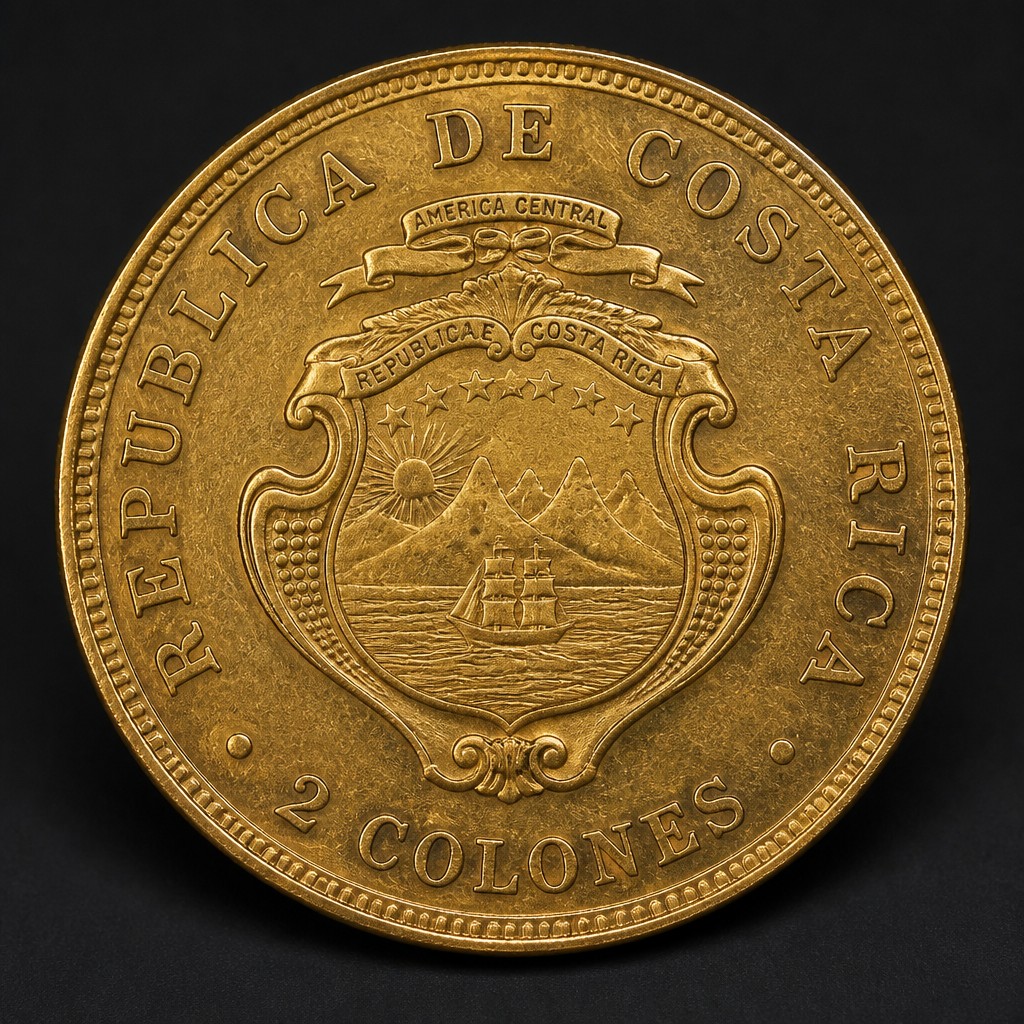
Costa Rica 2 Colones Gold
Late 1890s–early 1900s
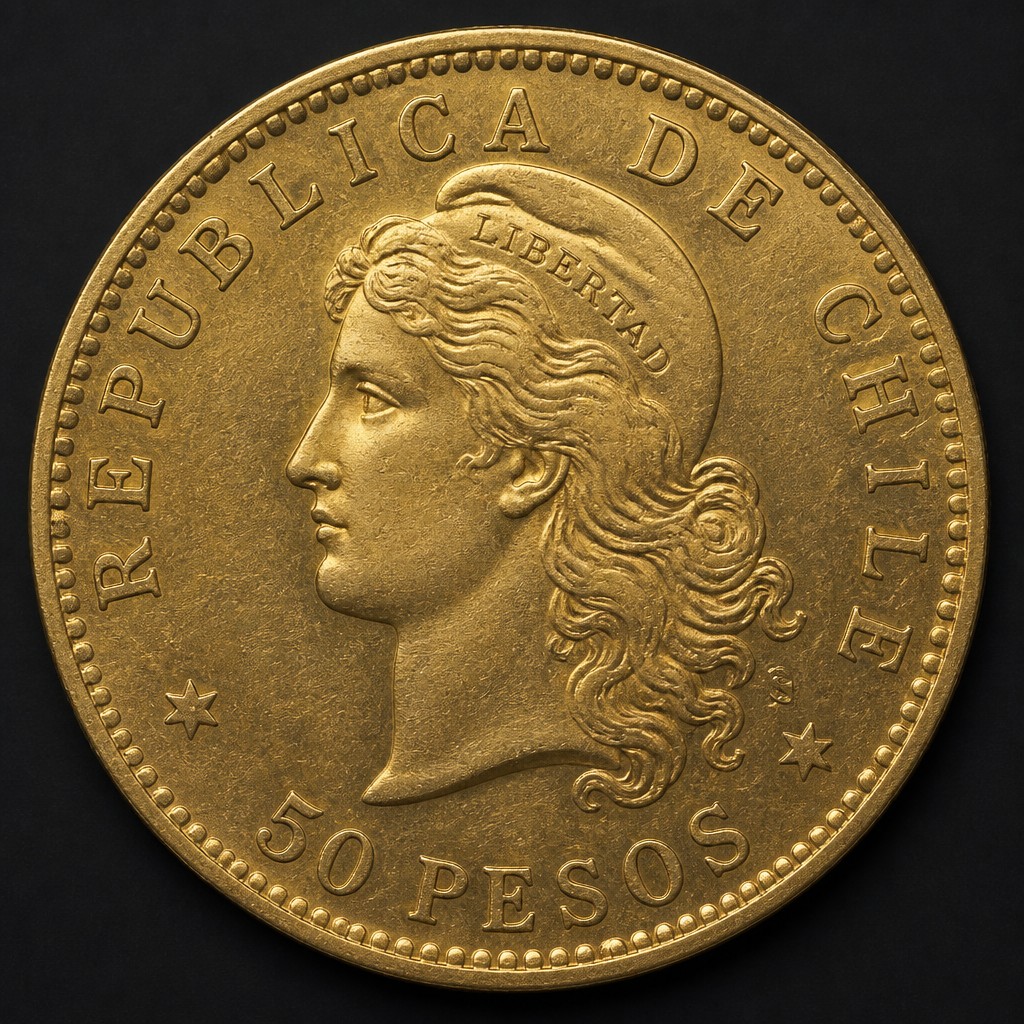
Chilean 50 Pesos Gold
1926–1980 (with interruptions)
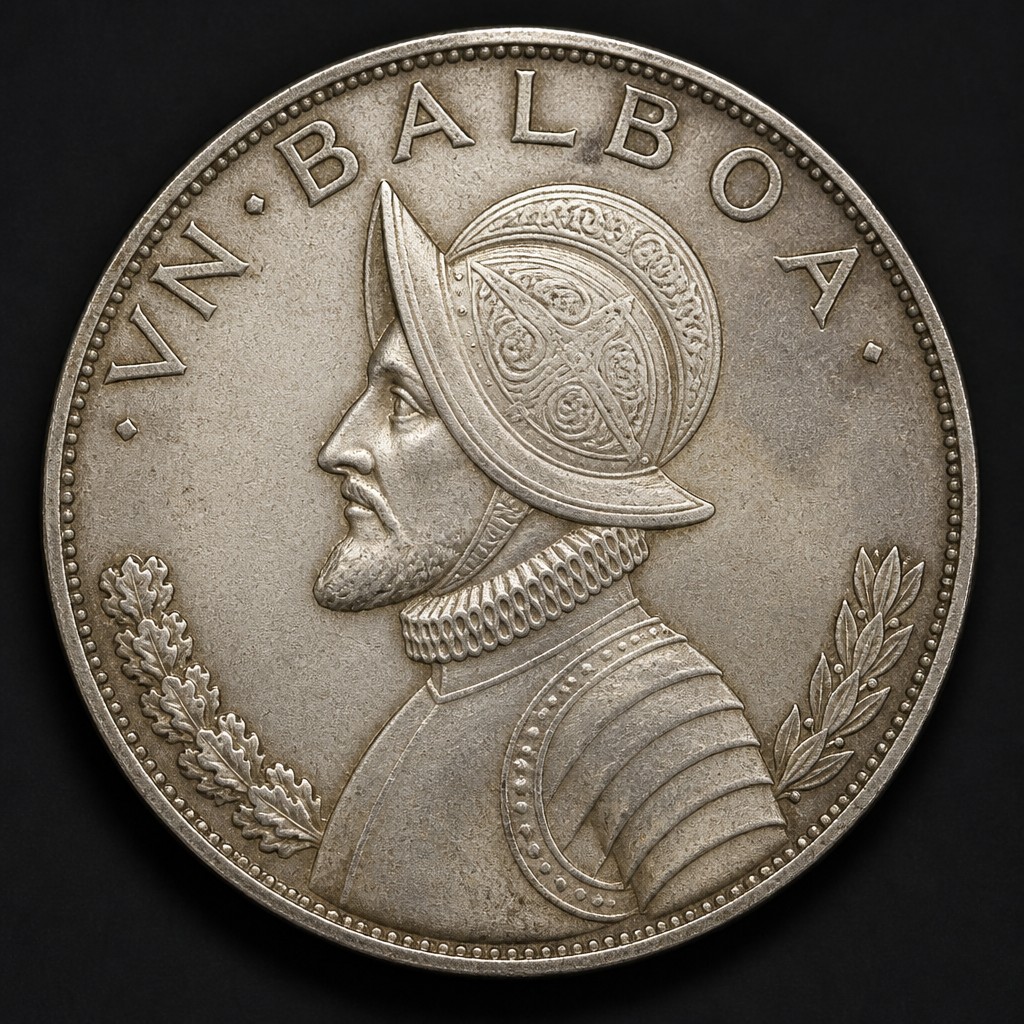
Panama Balboa Silver
1904, 1931, 1934, 1947, 1953, 1966 (various dates)
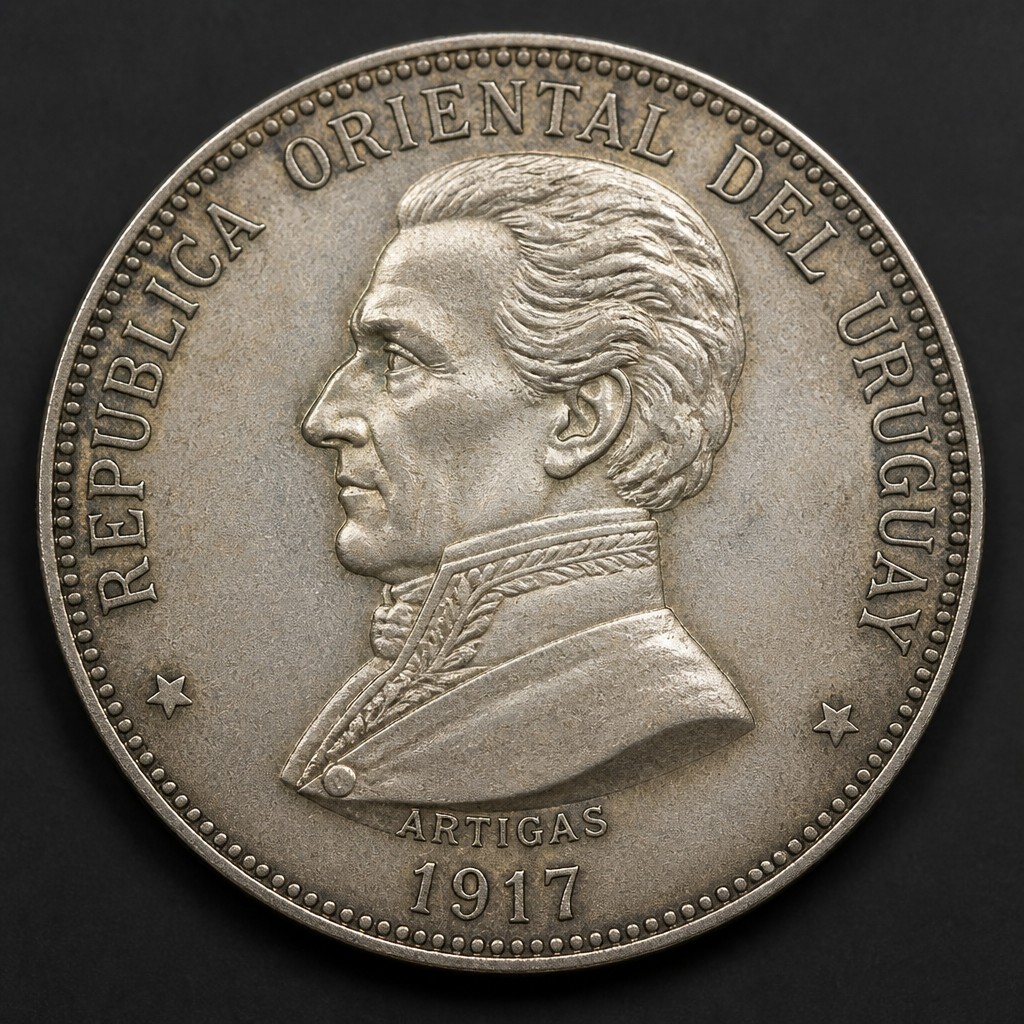
Uruguay Peso Silver 'Artigas'
1917–1920 (with related commemorative issues in later decades)
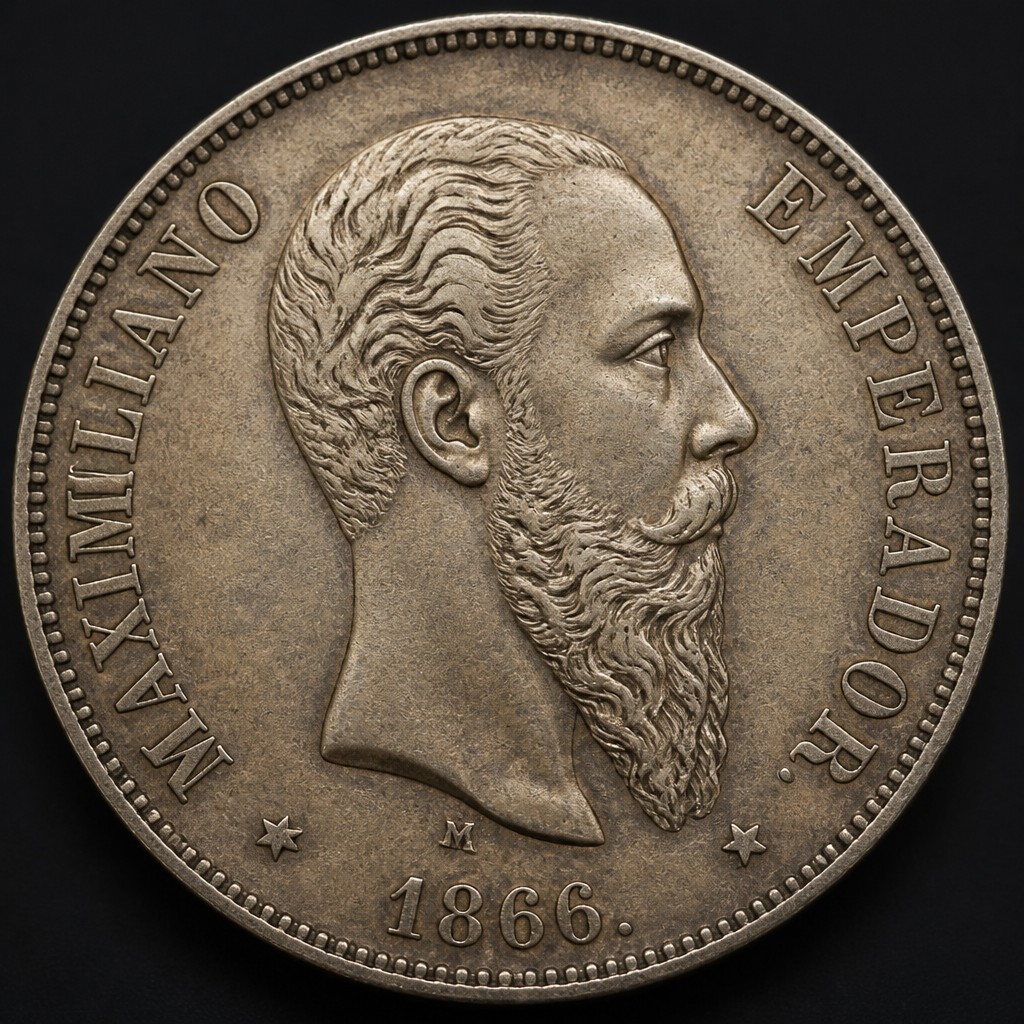
Mexican Emperor Maximilian Peso
1866–1867
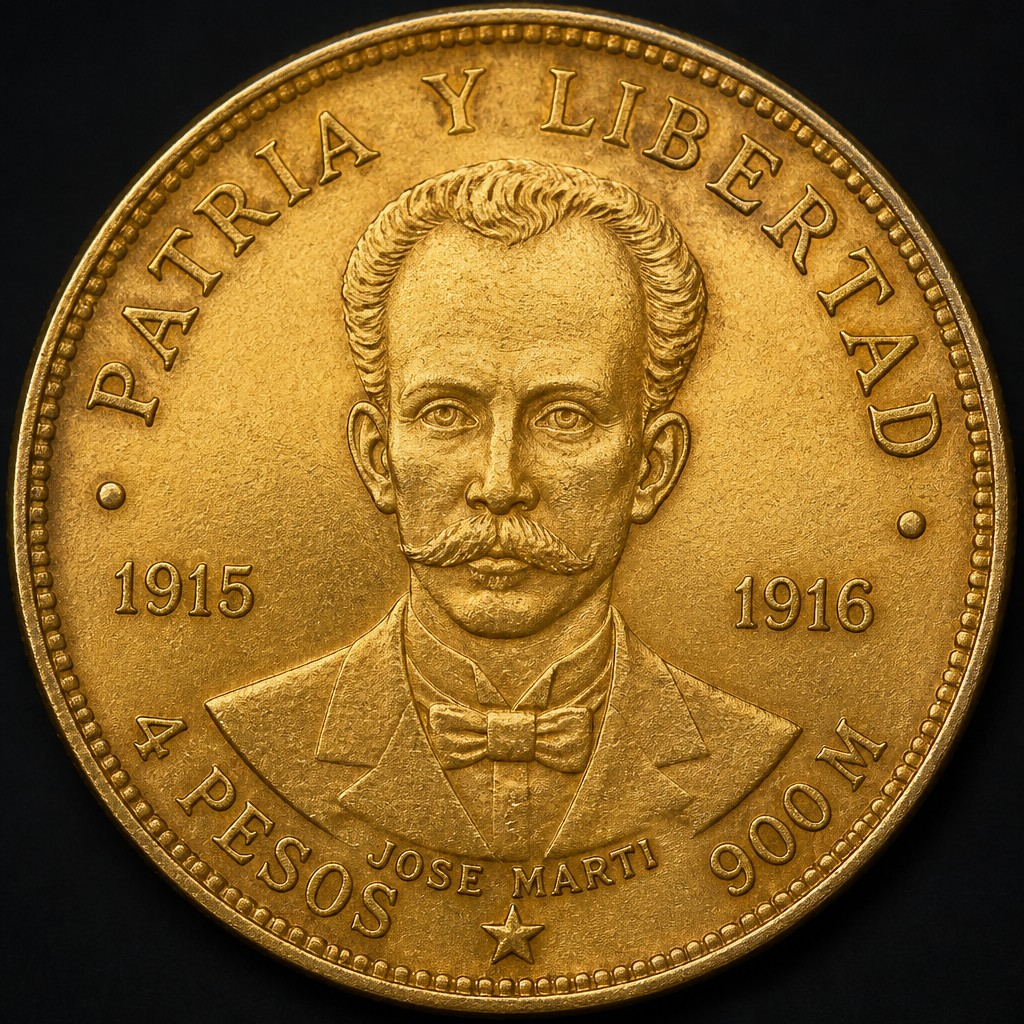
Cuba 4 Pesos Gold Jose Marti
1915–1916
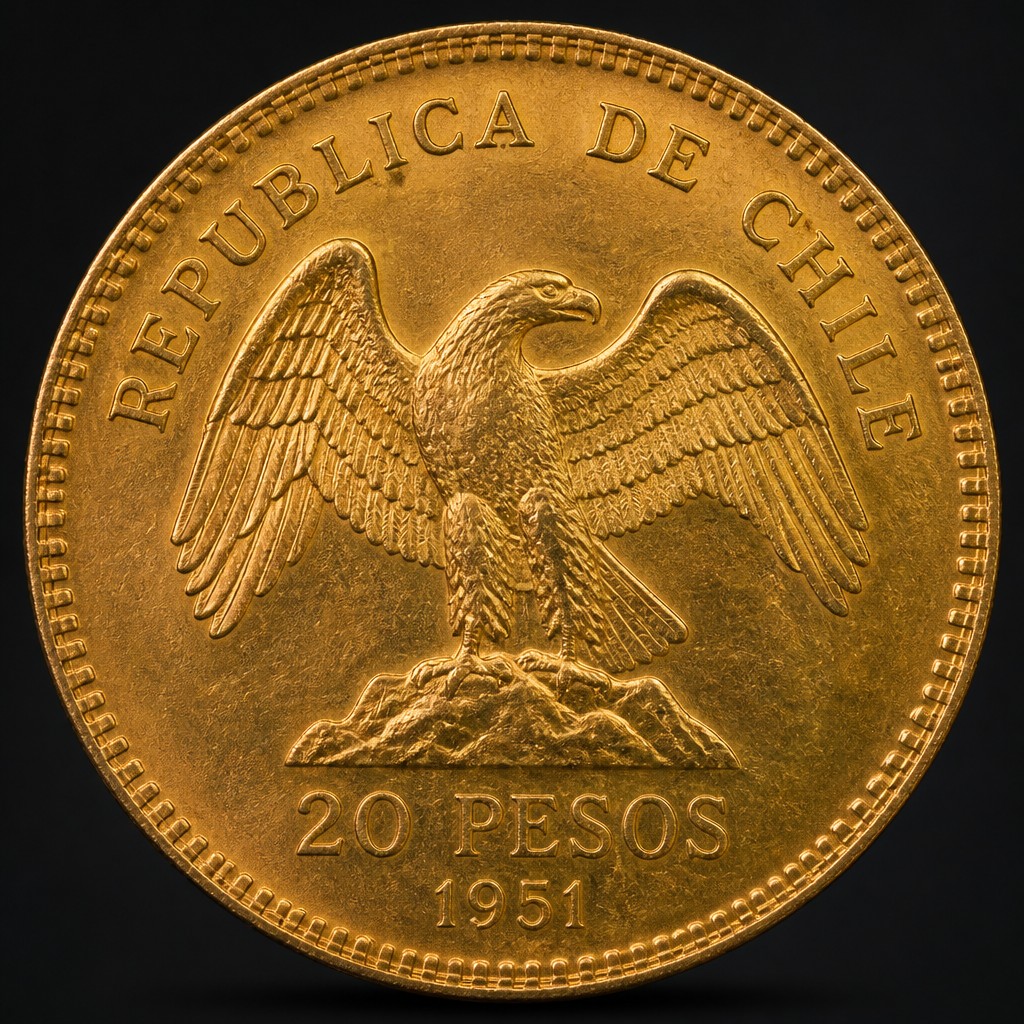
Chilean 20 Pesos Gold
19th century issues and 1926–1980 condor series