
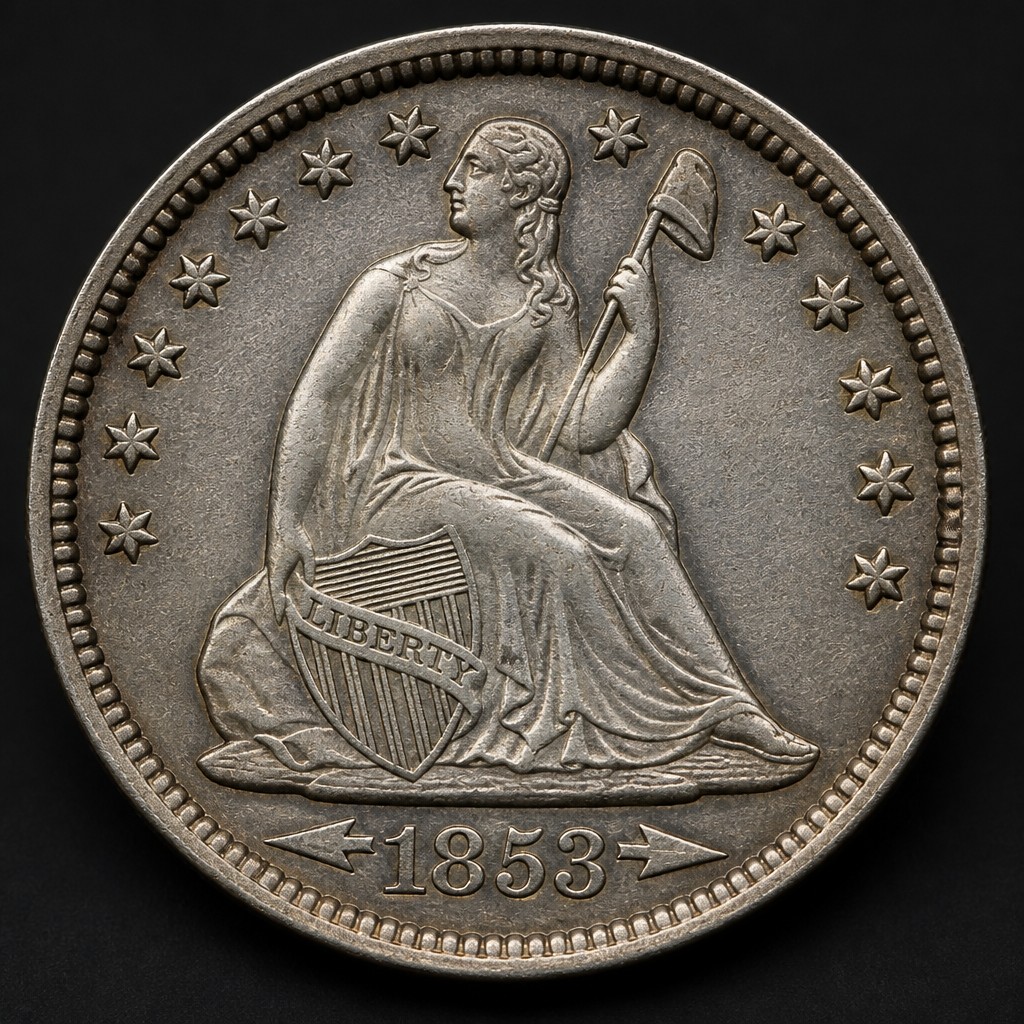
1853 Seated Liberty Quarter (Arrows and Rays)
A popular one-year Seated Liberty type marked by arrows at the date and rays around the eagle, signaling a reduction in the coin's silver weight mandated by the Coinage Act of 1853.
- Country
- United States
- Denomination
- Quarter Dollar
- Metal
- 90% Silver, 10% Copper (reduced weight standard)
Got a coin like this?
Identify any coin from a photo, free.
Overview
The 1853 Arrows and Rays quarter is one of the most distinctive one-year design types in the Seated Liberty series. Small arrowheads were added flanking the date on the obverse, and a ring of short rays was added around the eagle on the reverse, visually marking a change in the coin's official silver weight.
The design change lasted only a single year for the rays (dropped after 1853) while the arrows at the date continued through 1855, making the full Arrows and Rays combination a genuine one-year type that is highly popular with collectors assembling a Seated Liberty type set.
History & Background
By the early 1850s, rising world silver prices meant that the silver content of U.S. dimes, quarters, and half dollars was worth more as bullion than the coins' face value, prompting widespread melting and hoarding that caused a shortage of small-denomination silver coinage in everyday commerce.
Congress responded with the Act of February 21, 1853, which reduced the authorized weight of the quarter, half dollar, and dime, making them less attractive to melt. To visually flag the new lighter-weight coins to the public, the Mint added arrows beside the date and, on the quarter and half dollar only, a ring of rays around the eagle on the reverse.
The rays proved troublesome to strike properly and were dropped after 1853, though the arrows at the date continued to mark the reduced-weight quarters through 1855, after which they too were removed once the change had become routine.
How to Identify
The obverse retains the familiar Seated Liberty design, with Liberty seated on a rock holding a shield and pole topped by a liberty cap, but adds small arrowheads placed on either side of the date, a feature unique to this brief transitional period.
The reverse shows the standard eagle with shield, olive branch, and arrows, now surrounded by a ring of small rays or dashes radiating outward in the field, in addition to the usual QUARTER DOL. below and UNITED STATES OF AMERICA around the border. There is no motto, as "IN GOD WE TRUST" was not added until 1866.
The type is struck at both Philadelphia (no mintmark) and New Orleans (O mintmark below the eagle). Because the rays were used for only this single year, spotting them alongside the arrows immediately identifies the coin as a genuine 1853 Arrows and Rays issue rather than an ordinary Seated Liberty quarter.
Value & Collectibility
The Philadelphia issue of the 1853 Arrows and Rays quarter had a very large mintage for the era, commonly cited at roughly 15.2 million pieces, making well-worn examples widely available and affordable, often in the range of a modest multiple of silver melt value. Sharply struck, fully lustrous mint-state coins, however, are considerably scarcer and command real premiums due to the design's short-lived and technically difficult strike.
The New Orleans issue (1853-O) had a much smaller mintage and is significantly scarcer and more valuable in all grades than its Philadelphia counterpart.
As a popular one-year type coin, demand for the Arrows and Rays quarter remains strong among Seated Liberty type collectors regardless of date rarity.
Frequently asked questions
Why were arrows and rays added to the 1853 quarter?
They marked a reduction in the coin's authorized silver weight under the Coinage Act of 1853, intended to discourage melting silver coins for their bullion value.
How long was this design used?
The rays appeared only in 1853, while the arrows at the date continued on quarters through 1855.
Is the 1853 Arrows and Rays quarter rare?
The Philadelphia issue is common in worn grades due to a large mintage, though choice mint-state examples are scarcer; the New Orleans issue is considerably rarer.
How do I identify this type?
Look for small arrowheads beside the date on the obverse and a ring of small rays around the eagle on the reverse, features unique to the 1853 issue.
Other coins you may enjoy
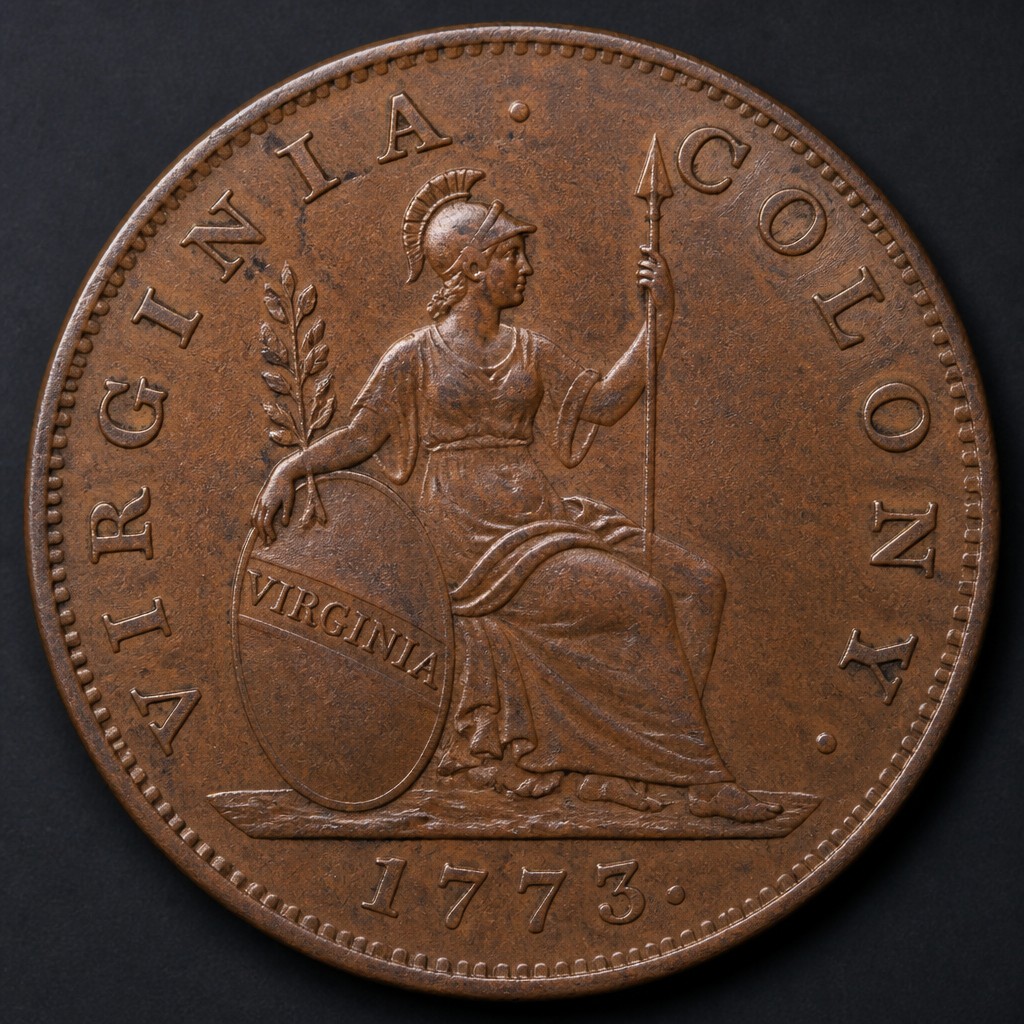
Virginia Halfpenny
1773
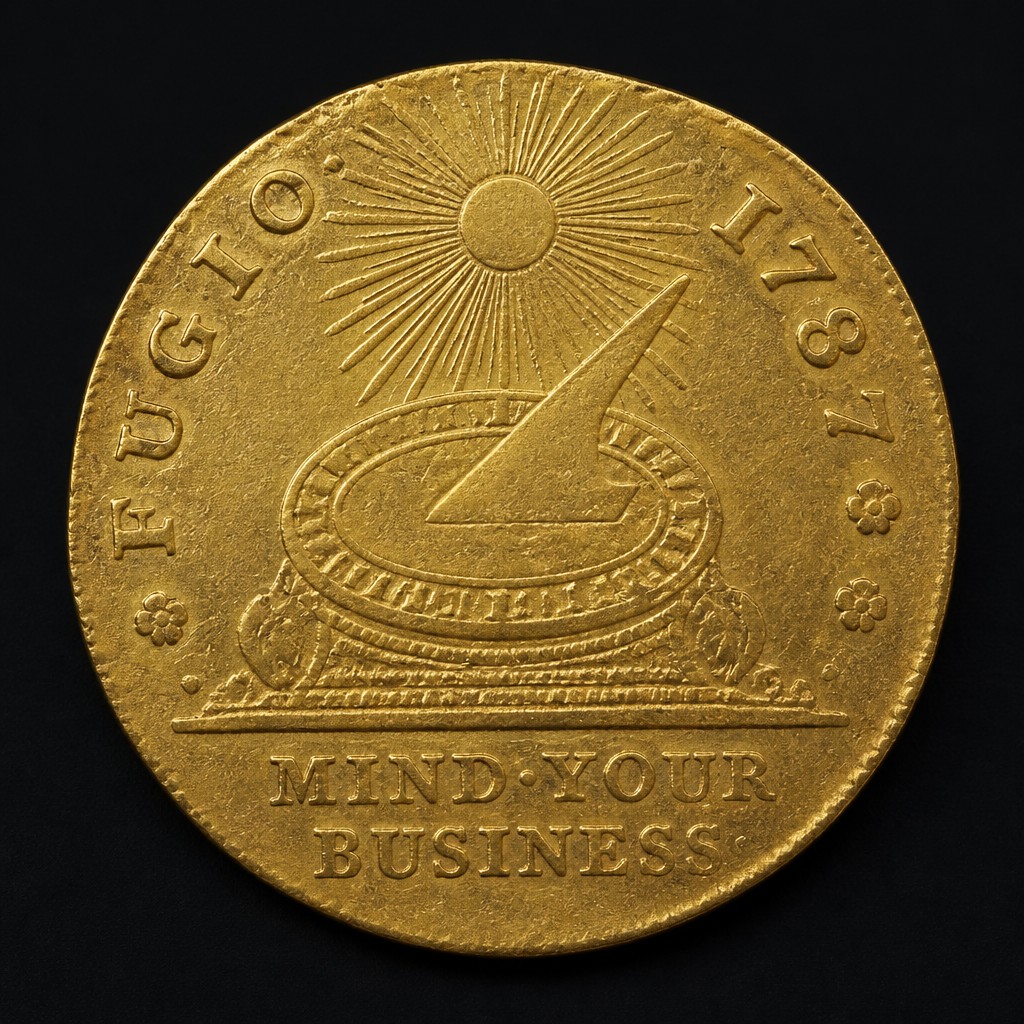
Brasher Doubloon
1787
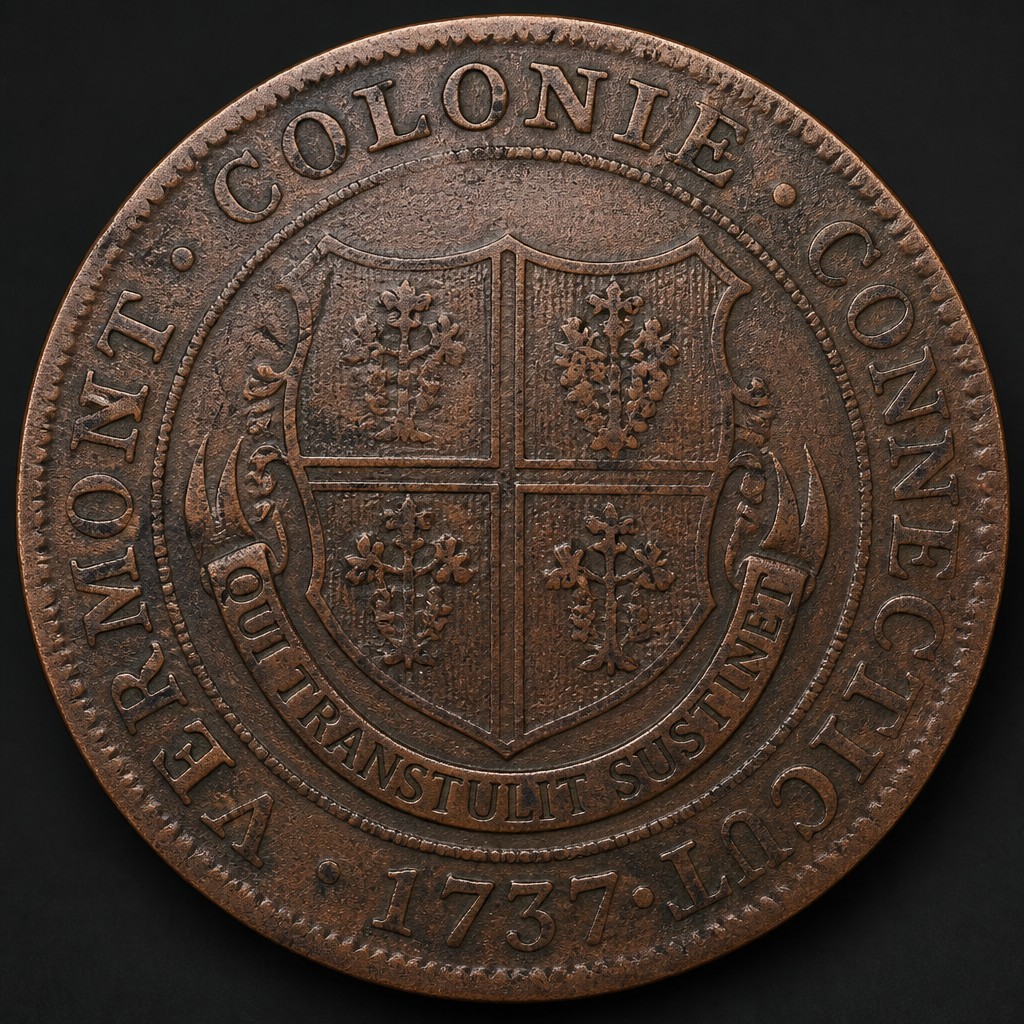
Higley Copper
1737–1739
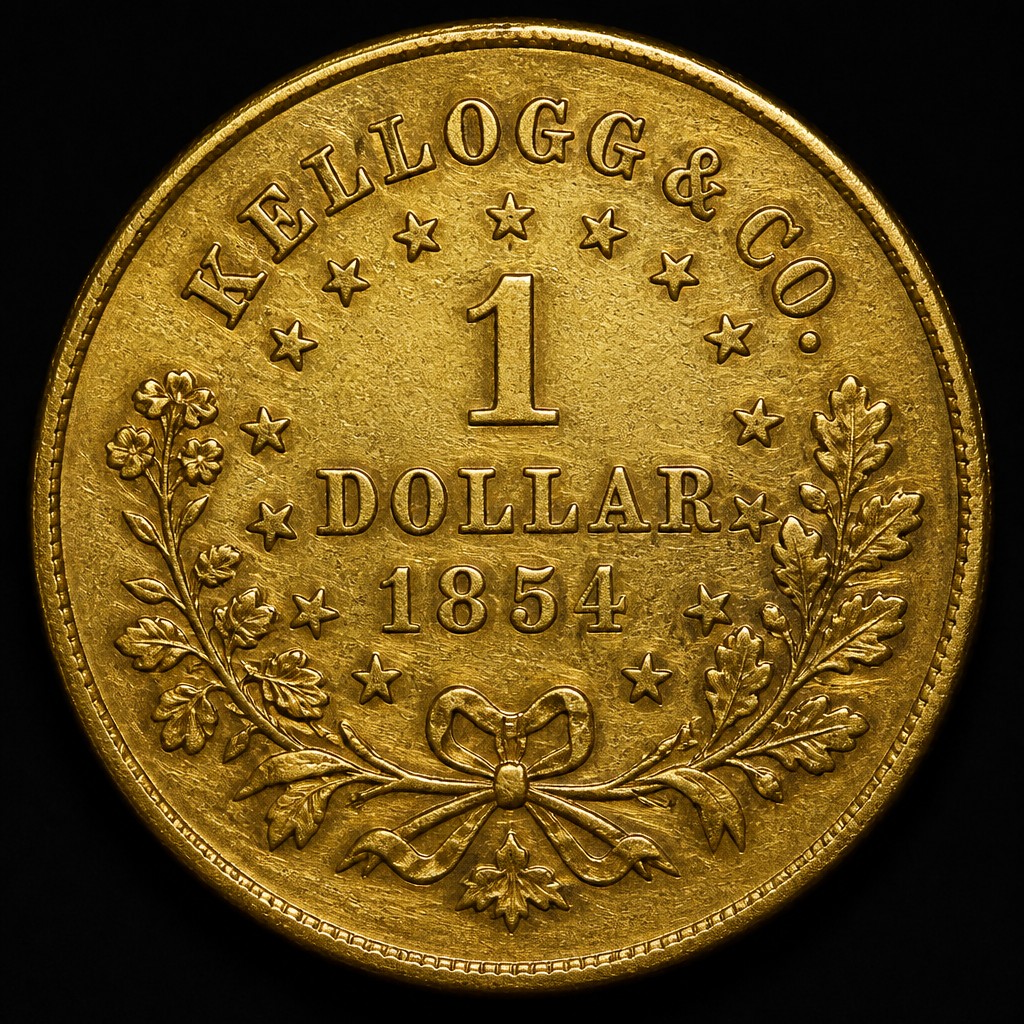
Kellogg & Co. Gold Piece
1854–1855
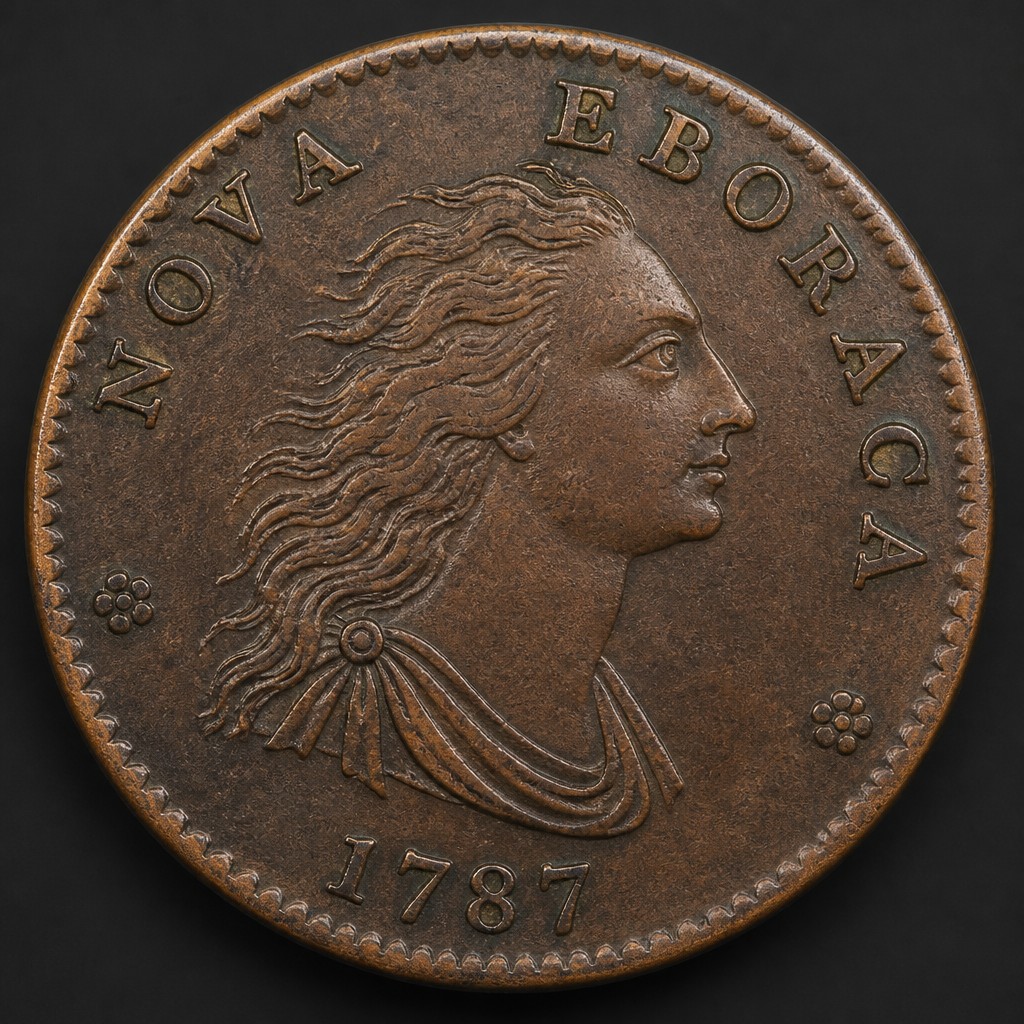
Nova Eborac Copper
1787
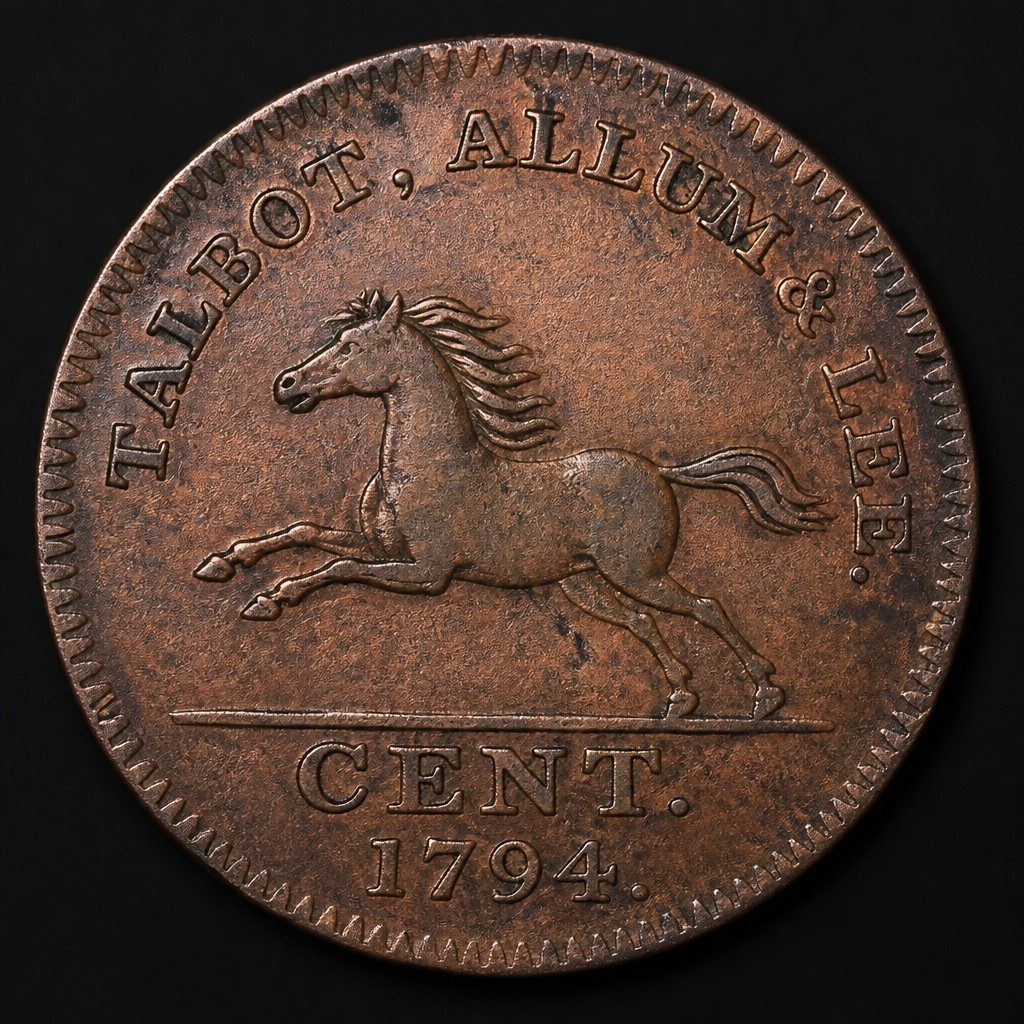
Talbot, Allum & Lee Cent
1794–1795
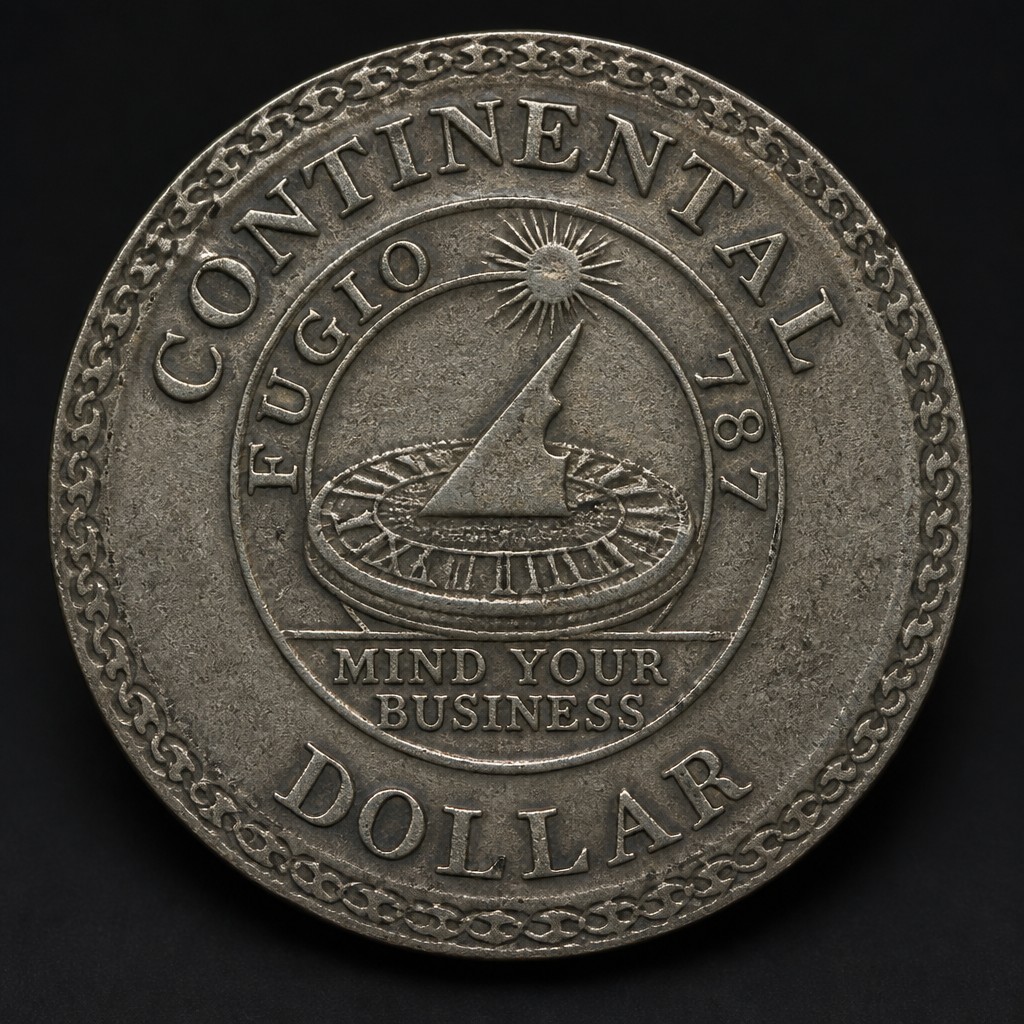
Continental Dollar
1776
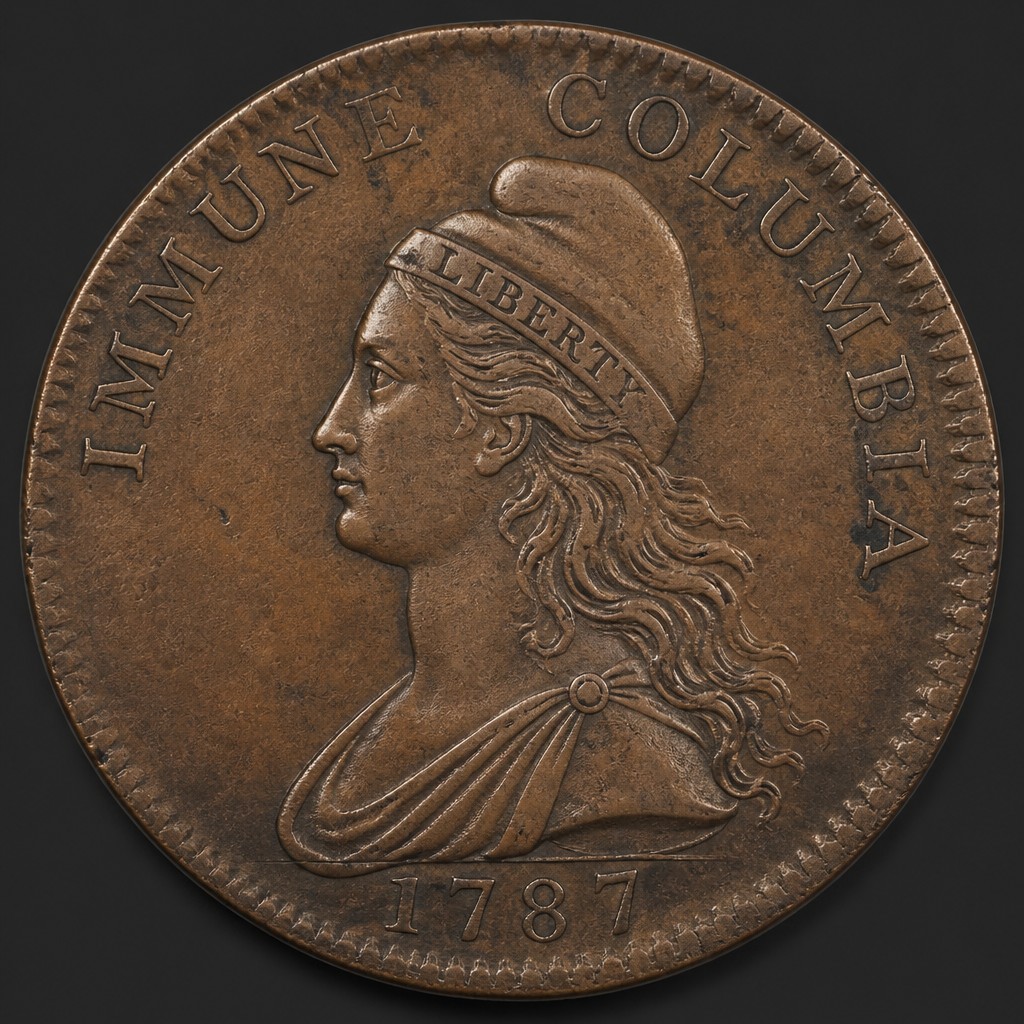
Immune Columbia Copper
circa 1785–1787
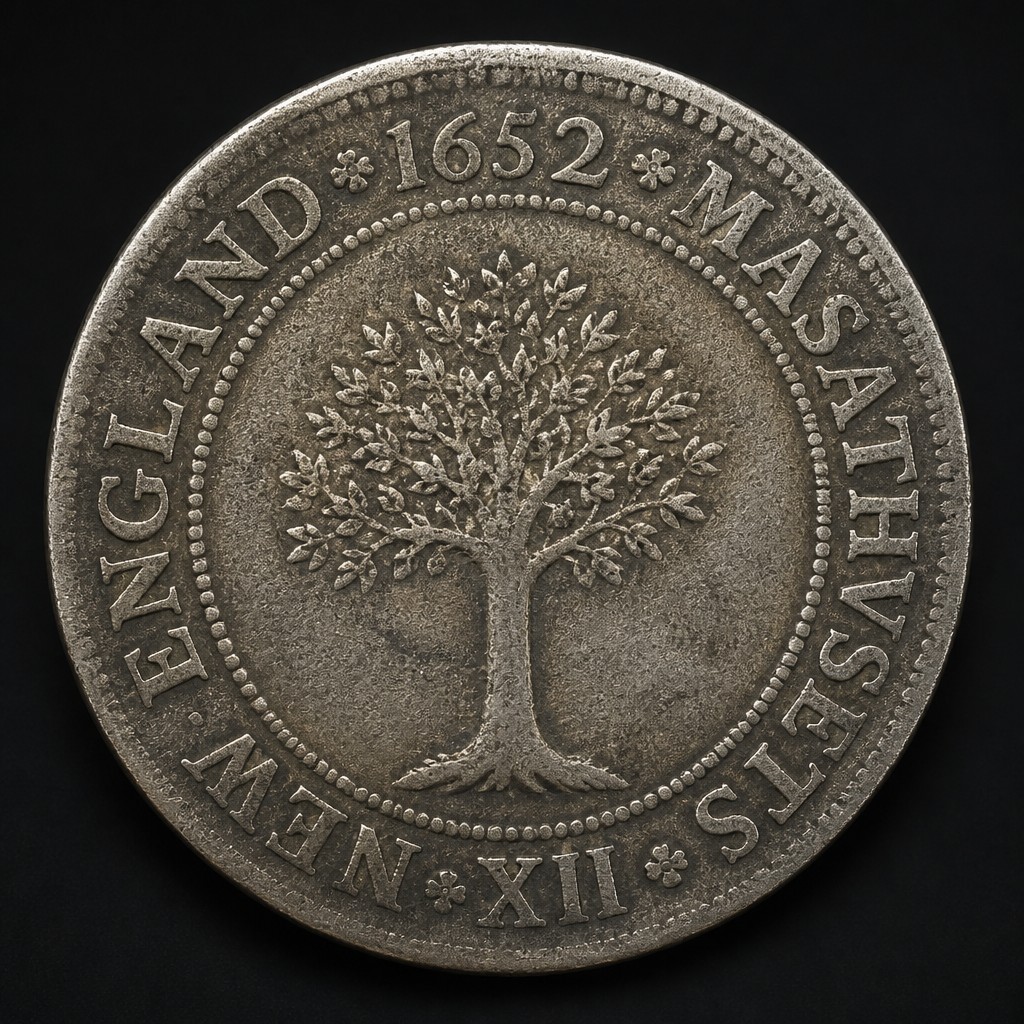
Massachusetts Oak Tree Shilling
Dated 1652, struck circa 1660–1667
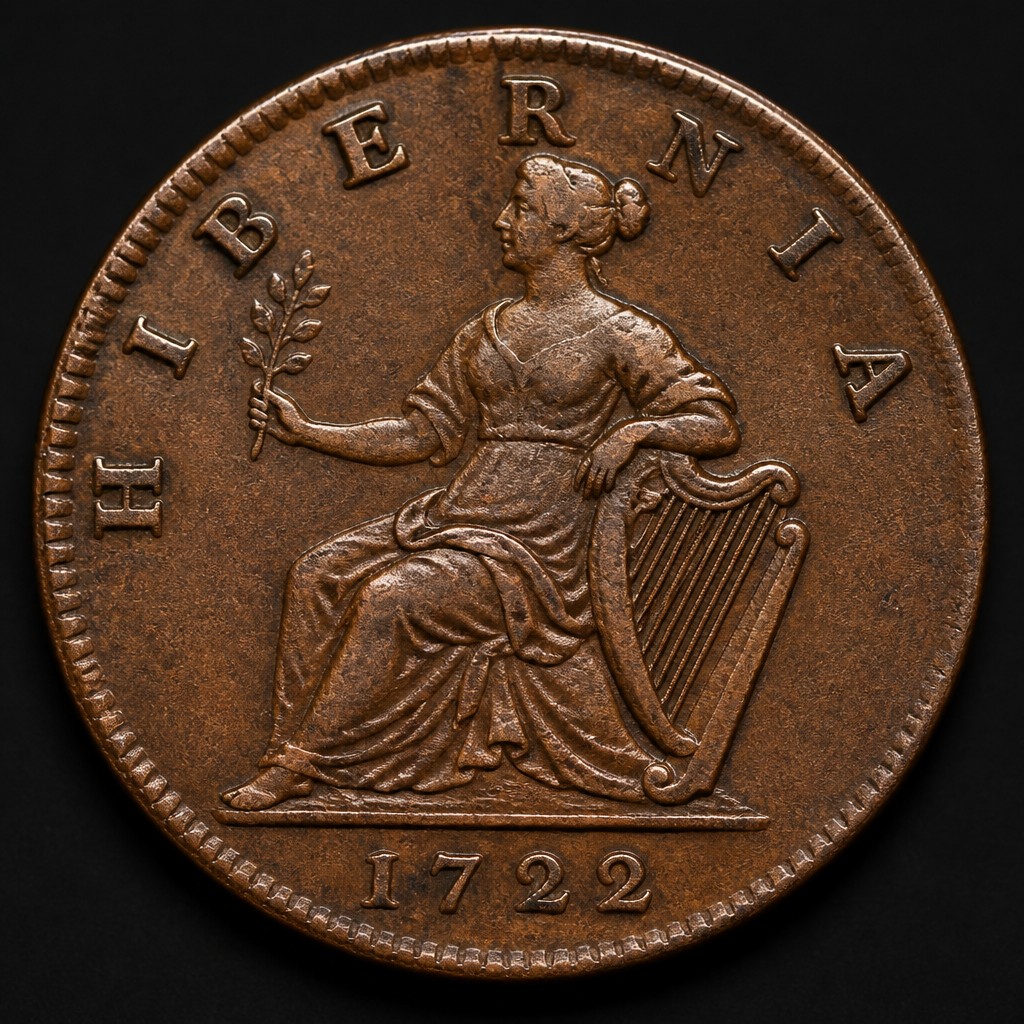
Wood's Hibernia Halfpenny
1722–1724
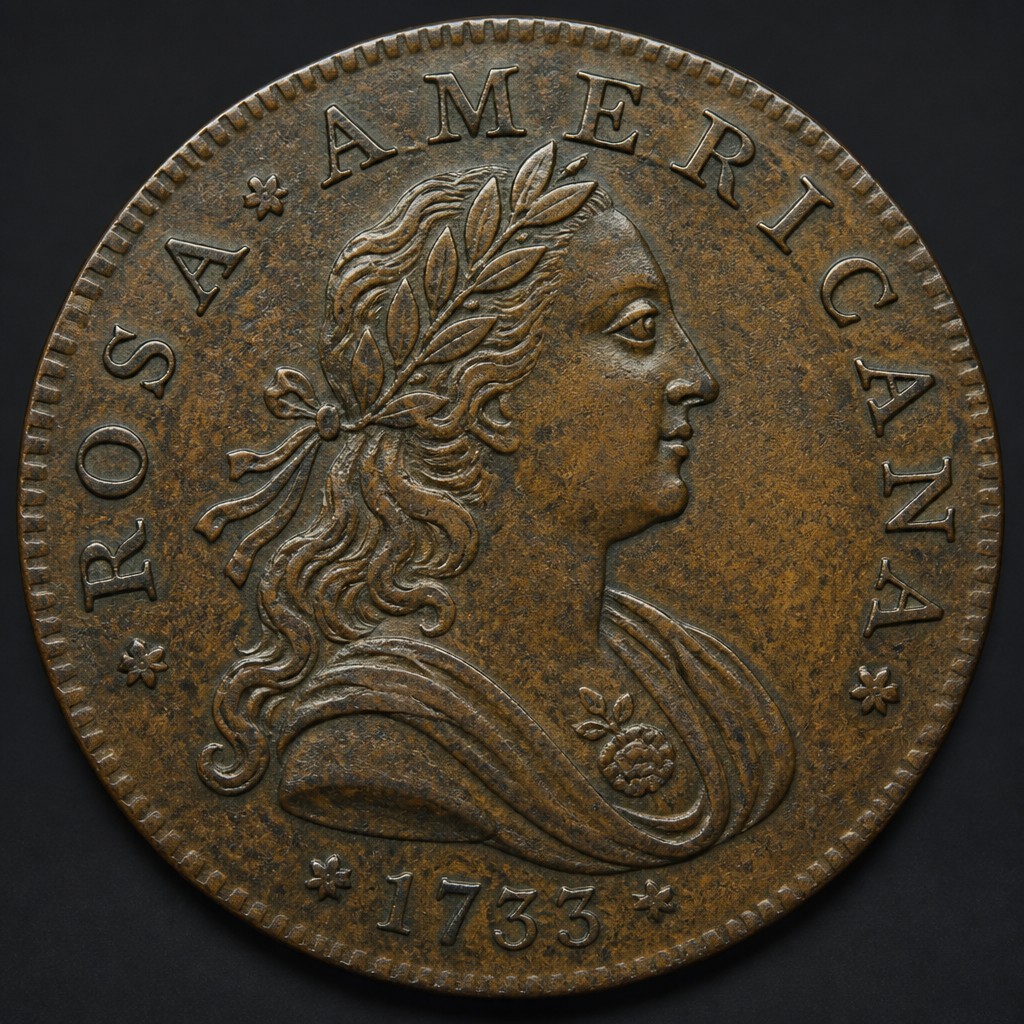
Rosa Americana Coinage
1722–1724 (with pattern issues dated 1733)
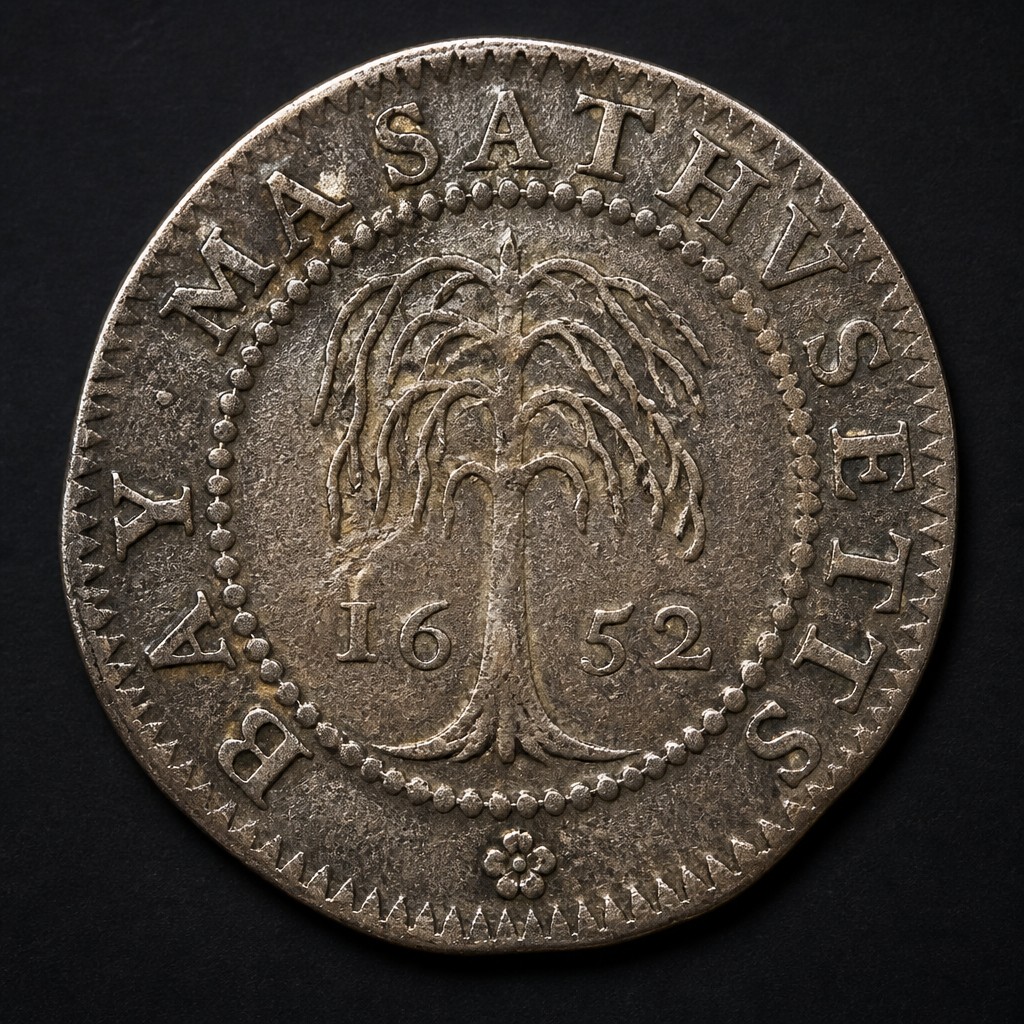
Massachusetts Willow Tree Shilling
Dated 1652, struck circa 1653–1660