
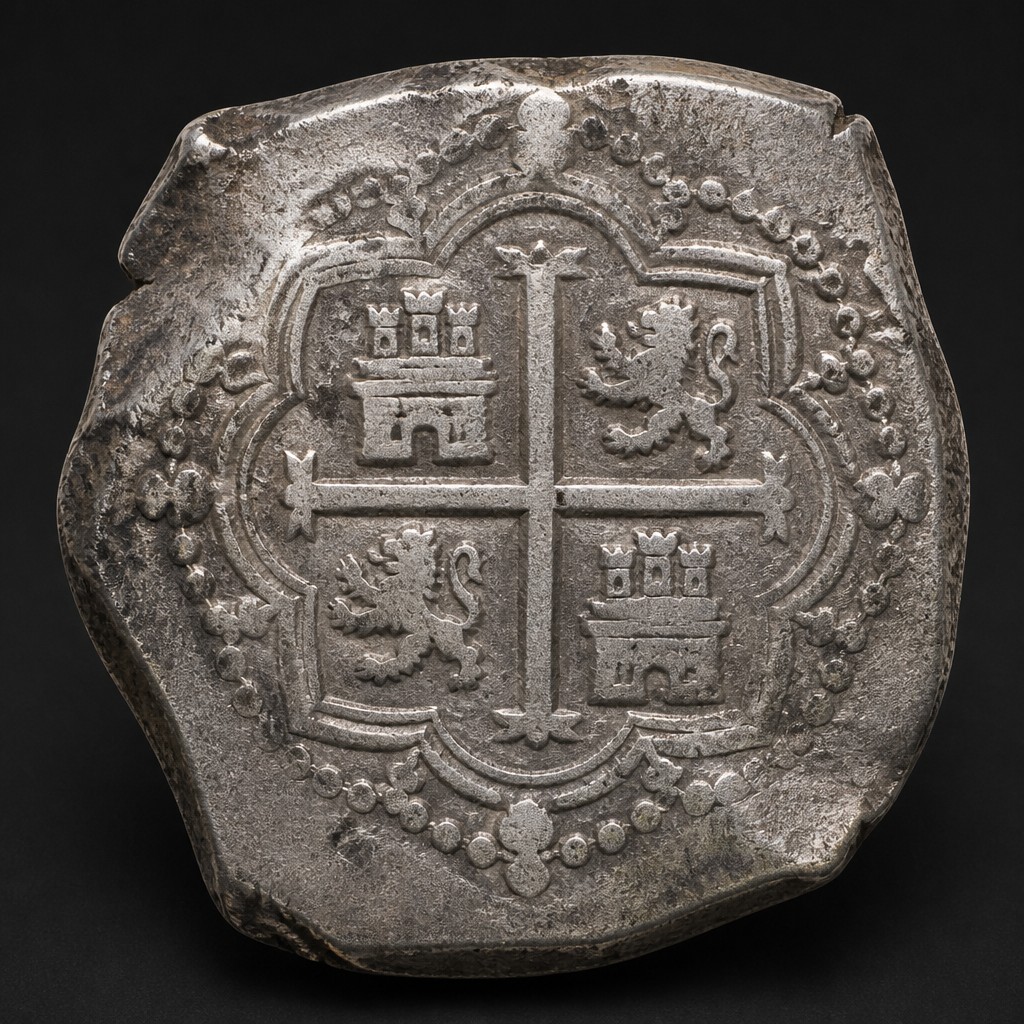
Spanish Colonial Cob 8 Reales (Macuquina)
A crudely hand-struck Spanish colonial silver coin, cut from irregular silver bars and stamped with a cross and shield, famed worldwide as the original 'piece of eight'.
- Country
- Spanish colonial Americas
- Denomination
- 8 Reales
- Metal
- silver, typically about .930 fine
Got a coin like this?
Identify any coin from a photo, free.
Overview
Cob coinage, known in Spanish as 'macuquina,' was produced across Spain's American colonies by cutting rough silver planchets from cast bars and hand-striking them with dies, rather than using the round, milled planchets that became standard later. The resulting coins are irregular in shape and thickness, though careful adjustment ensured each still contained the correct legal weight of silver.
The 8 Reales denomination, equal to one Spanish silver dollar, became the dominant trade coin of the early modern world, carried by galleons to Europe, Asia, and beyond, and is the direct ancestor of the American dollar and its dollar sign symbol. Because the coins were valued by weight and fineness rather than appearance, their crude, irregular look never hindered their acceptance in commerce.
Cob 8 Reales are prized today both as tangible relics of the Spanish colonial silver trade and, in many cases, as artifacts recovered from historic shipwrecks, which adds a layer of maritime history and provenance to individual pieces.
History & Background
Spain established mints throughout its American empire, most famously at Potosí in modern Bolivia, Mexico City, and Lima, to coin the enormous quantities of silver extracted from mines such as the Cerro Rico. From the mid-1500s through the early 1700s, these mints produced cob coinage using a simple hand-hammering technique because it was fast and required minimal machinery, well suited to remote colonial locations.
The 8 Reales cob, commonly called a 'piece of eight' in English, became the era's most widely trusted international trade coin, used from the Americas to Europe to Asia, and it is frequently associated with piracy and shipwreck treasure due to the vast quantities lost at sea during transport to Spain. Cob production gradually gave way to more uniform, round milled coinage in the early eighteenth century as Spain modernized its minting technology.
How to Identify
Typical cob 8 Reales show a crude cross with castles and lions (representing the arms of Castile and León) in the quarters on one side, and the Pillars of Hercules with a crown, or the crowned Habsburg or Bourbon shield, on the other, depending on period and mint. Legends are often partially off-flan due to the irregular striking process, and full, centered legends are uncommon.
The coin's silver fineness is typically close to .930, with a nominal weight around 27 grams for a full 8 Reales, though actual weight varies somewhat piece to piece since cobs were individually adjusted rather than produced to a uniform round planchet. There is no fixed edge treatment, as the irregular cut edges were simply left as struck.
Mint identification relies on small assayer initials and mint marks stamped near the shield or cross, such as P for Potosí, M or Mo for Mexico City, and L for Lima; these marks, along with stylistic differences in the shield and pillar designs, help specialists date and attribute individual cobs. Shipwreck-recovered examples often show characteristic sea salvage encrustation or cleaning marks that further help confirm authenticity and origin.
Value & Collectibility
Value for cob 8 Reales varies enormously based on mint, date legibility, centering of the strike, overall condition, and documented provenance, especially shipwreck association, which can add significant premiums for well-attributed pieces. Common, worn, poorly struck cobs with illegible dates and mint marks are generally the most affordable entry point into this coin type.
Examples with clear, legible mint marks and dates, better centering, and minimal corrosion command higher prices, and coins tied to famous documented shipwrecks can sell for substantial premiums over an otherwise similar undocumented cob. Because cobs were made by hand over roughly two centuries across many mints, broad price ranges span from modest sums for common, worn pieces to considerable amounts for rare mints, early dates, or exceptional shipwreck specimens.
Given the prevalence of both genuine low-grade cobs and modern reproductions, buyers should be especially cautious and seek pieces with clear attribution or third-party authentication before paying a significant premium.
Frequently asked questions
What does 'macuquina' mean?
It is the Spanish term for hand-struck cob coinage, referring to the crude, irregularly shaped coins cut from silver bars before milled coinage was introduced.
Why are cob coins irregularly shaped?
They were cut individually from cast silver bars and adjusted to the correct weight before striking, rather than being made from uniform round planchets, resulting in irregular shapes and off-center designs.
Why is the 8 Reales called a 'piece of eight'?
It was valued at eight reales, and it could be physically cut into eight smaller pieces called 'bits' for making change in everyday trade.
How can I tell which mint produced a particular cob?
Small assayer initials and mint marks near the shield or cross, such as P for Potosí or M for Mexico City, identify the producing mint, though these marks are often only partially visible.
Are shipwreck cob coins worth more?
Yes, coins with solid documented shipwreck provenance typically command a premium over similar undocumented examples, though buyers should confirm authentication carefully.
Other coins you may enjoy
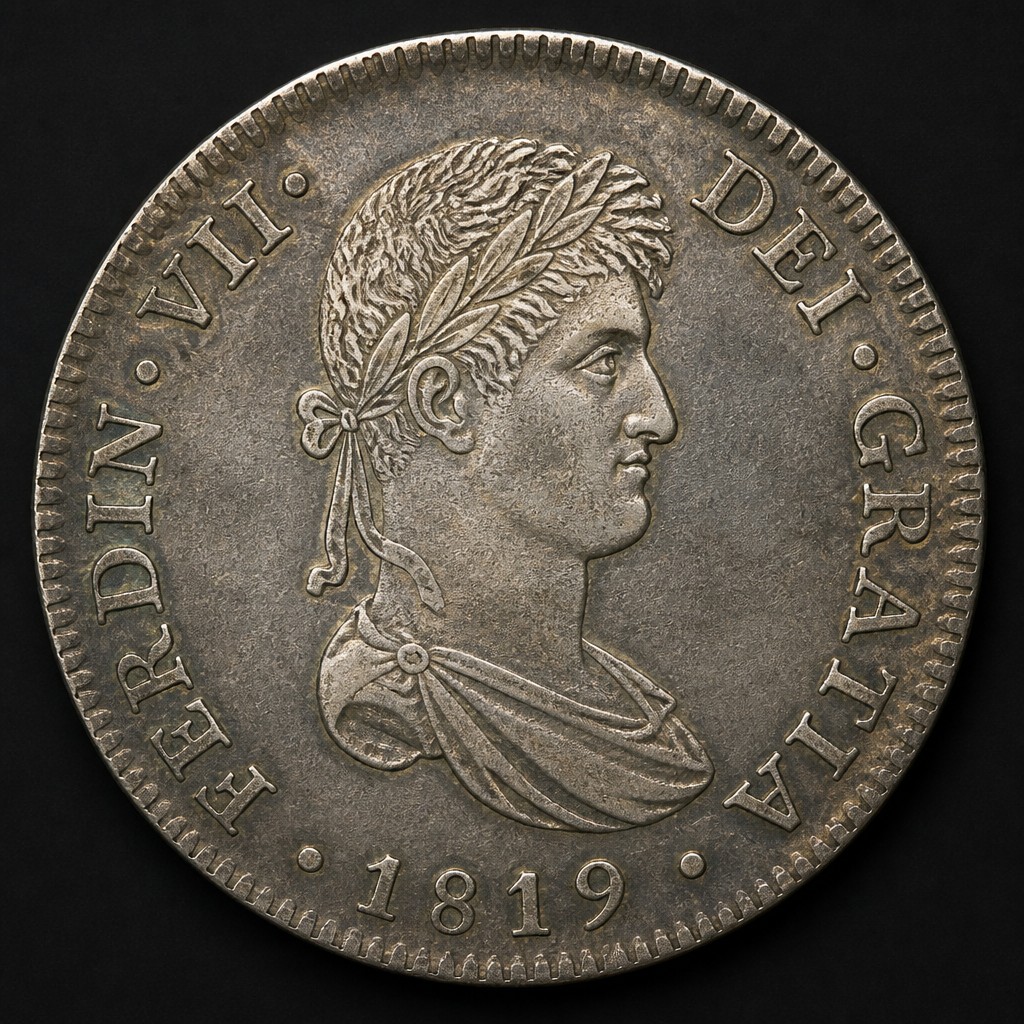
Colombia 8 Reales
Colonial issues through late 18th/early 19th century; republican issues 1820s–1830s
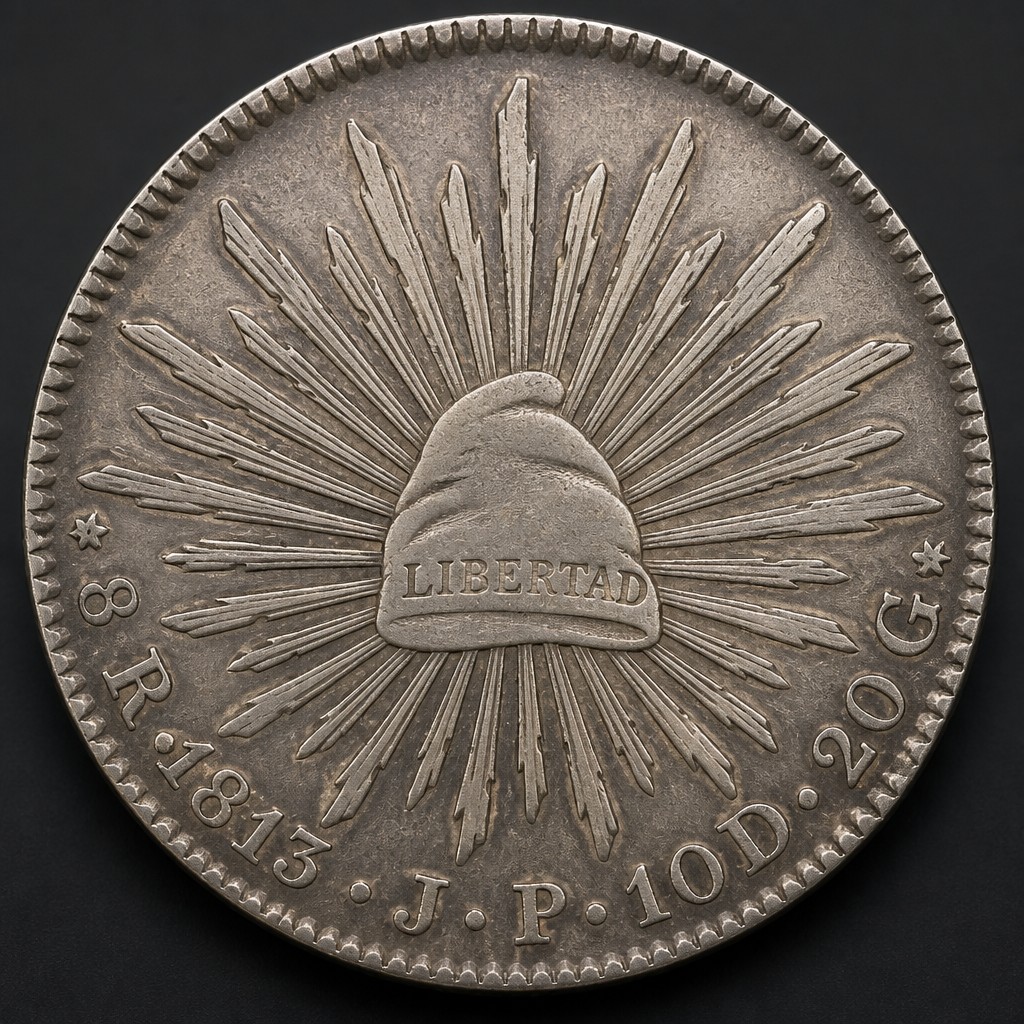
Argentina 8 Reales
c. 1813–1836
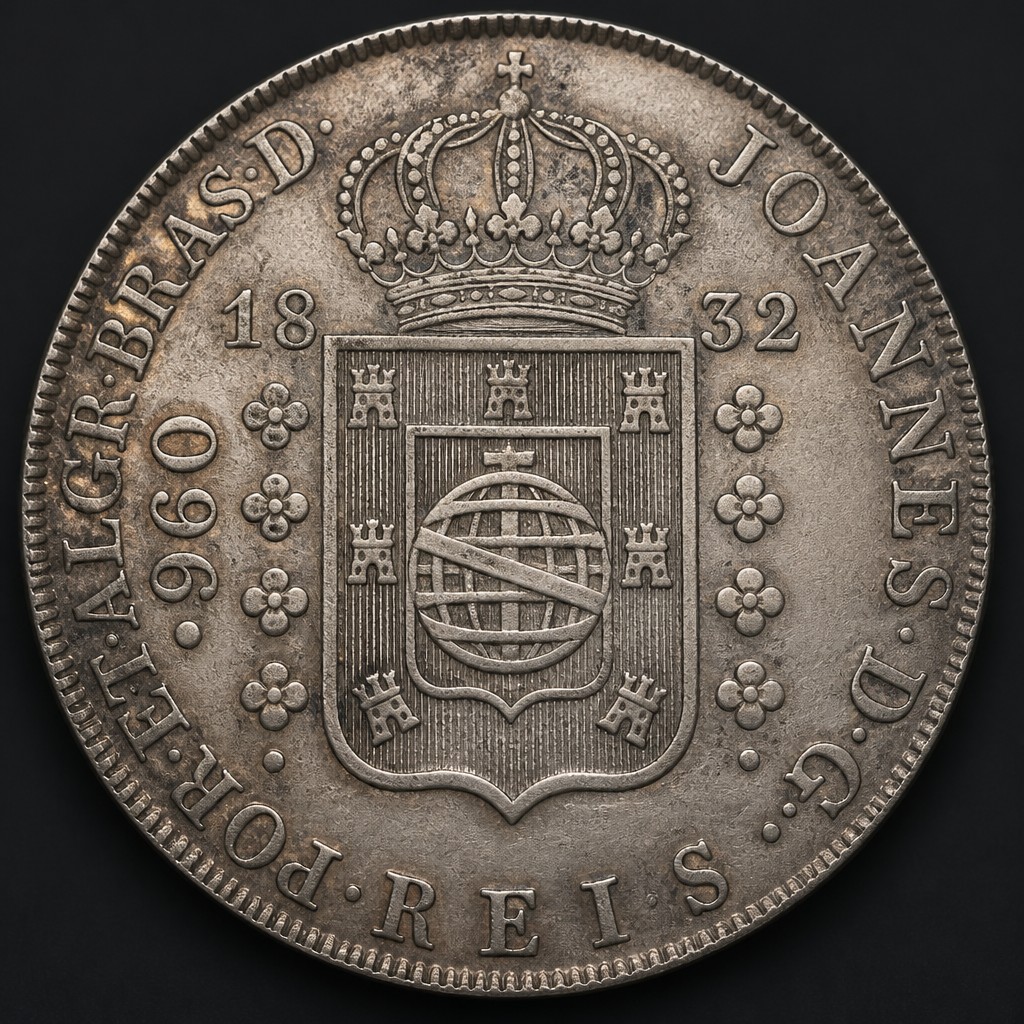
Brazil 960 Reis
1809–1832
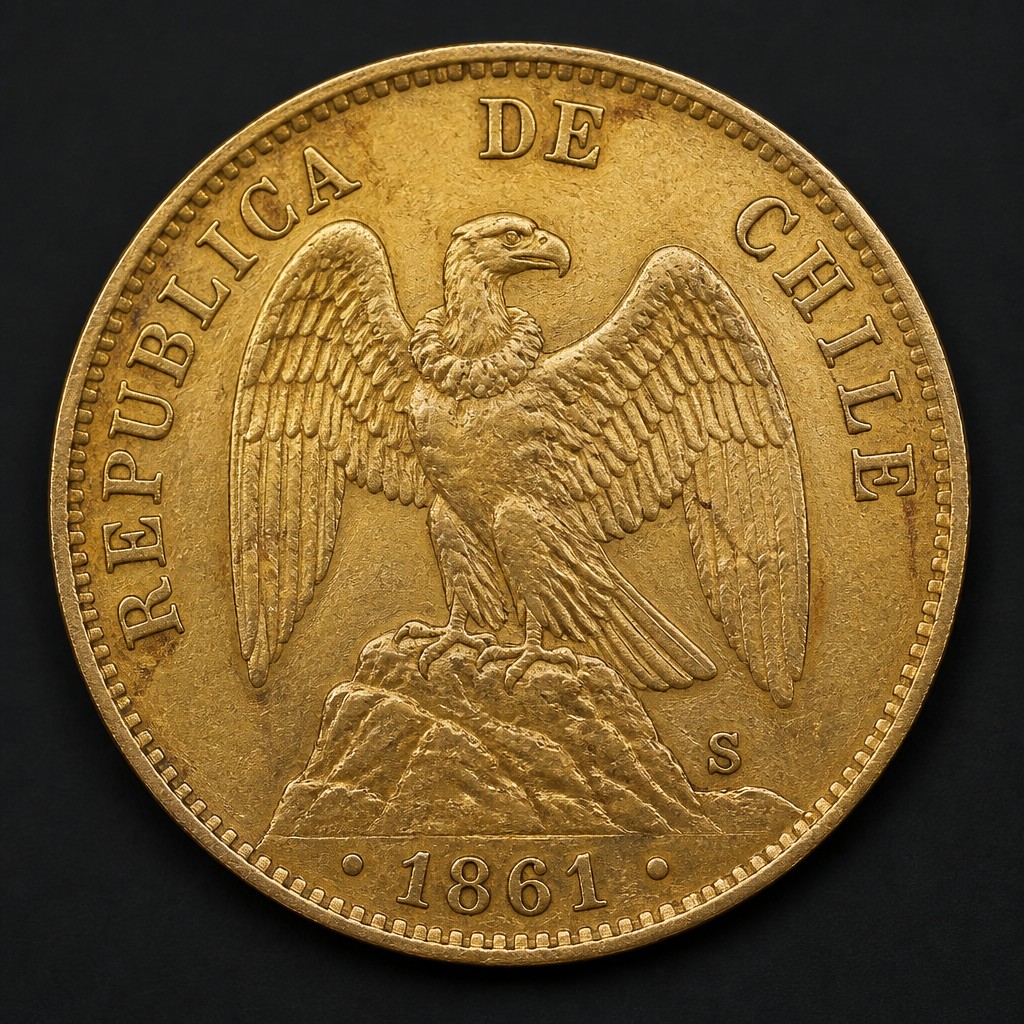
Chile Peso (Condor)
1851–1873 (gold condor series); modern base-metal peso 1990s–present
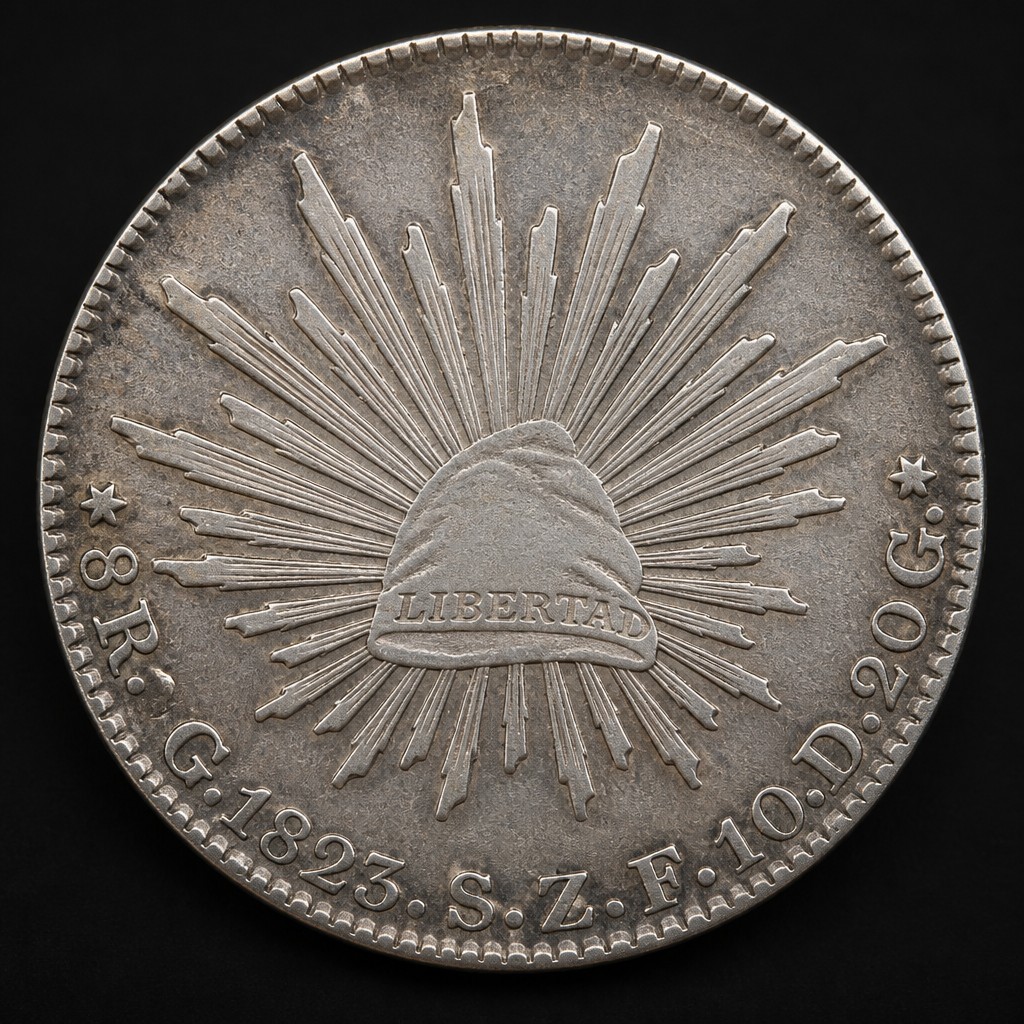
Mexican 8 Reales Cap and Rays
1823-1897
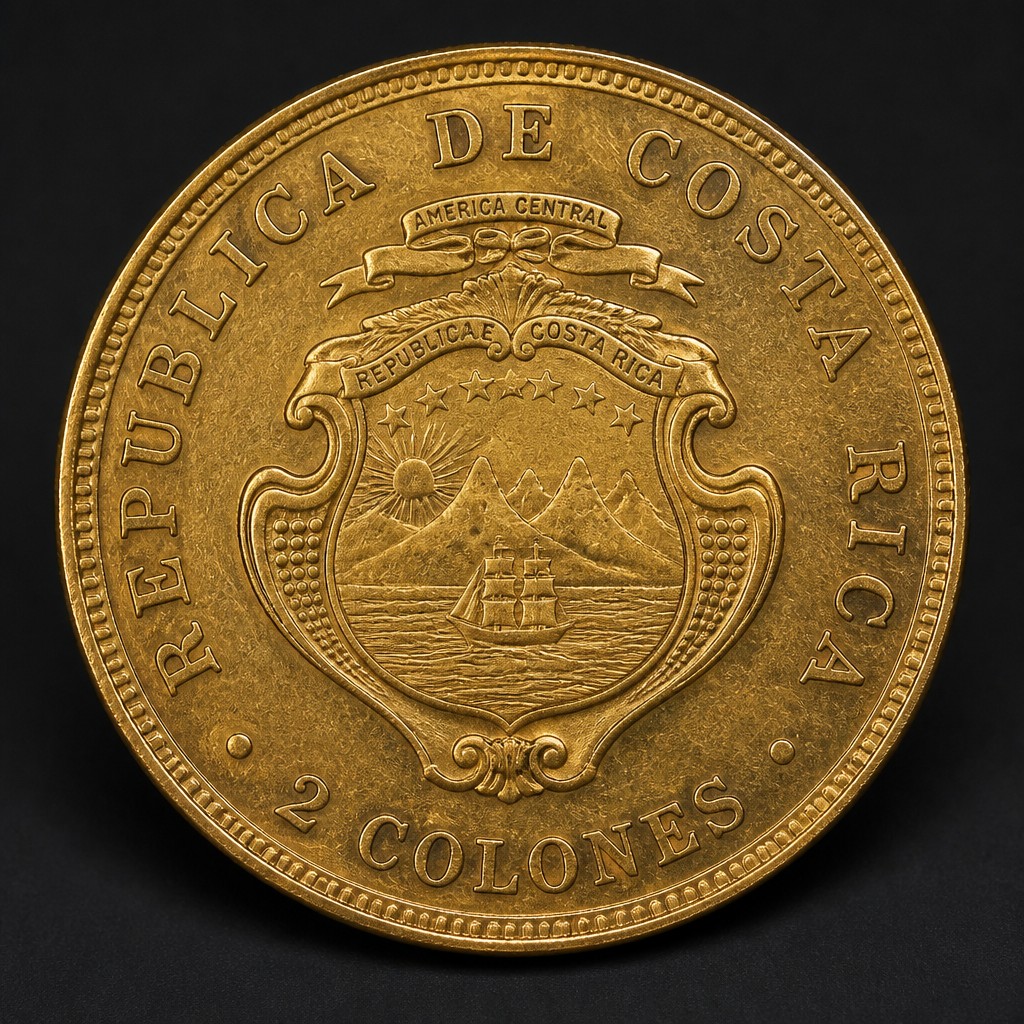
Costa Rica 2 Colones Gold
Late 1890s–early 1900s
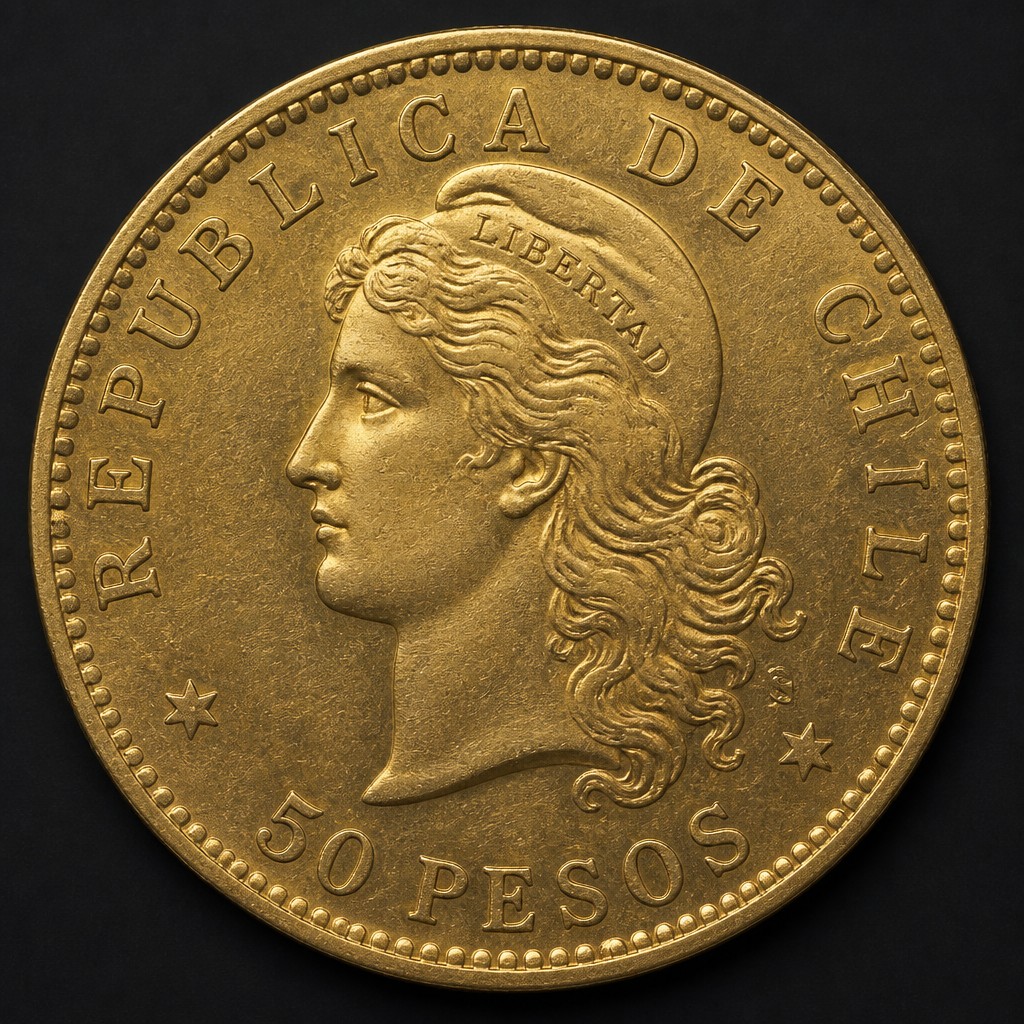
Chilean 50 Pesos Gold
1926–1980 (with interruptions)
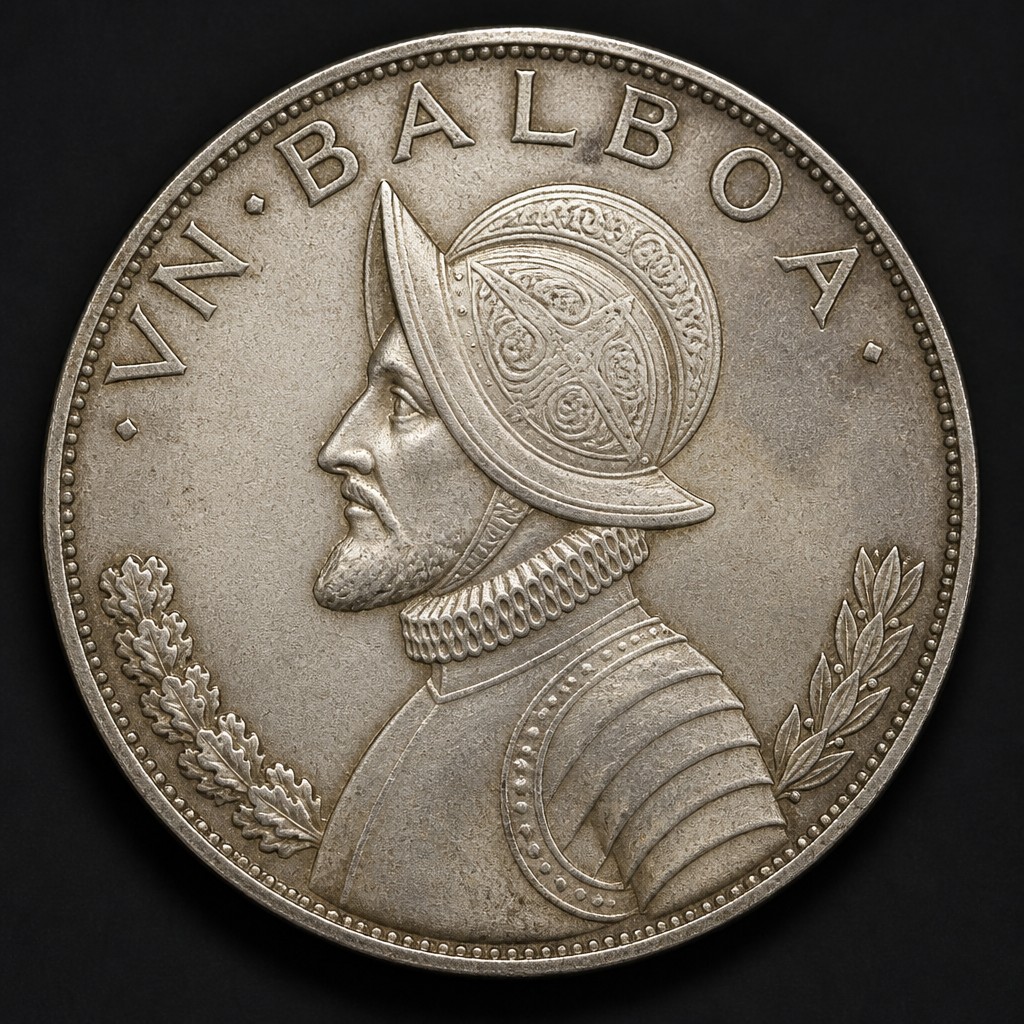
Panama Balboa Silver
1904, 1931, 1934, 1947, 1953, 1966 (various dates)
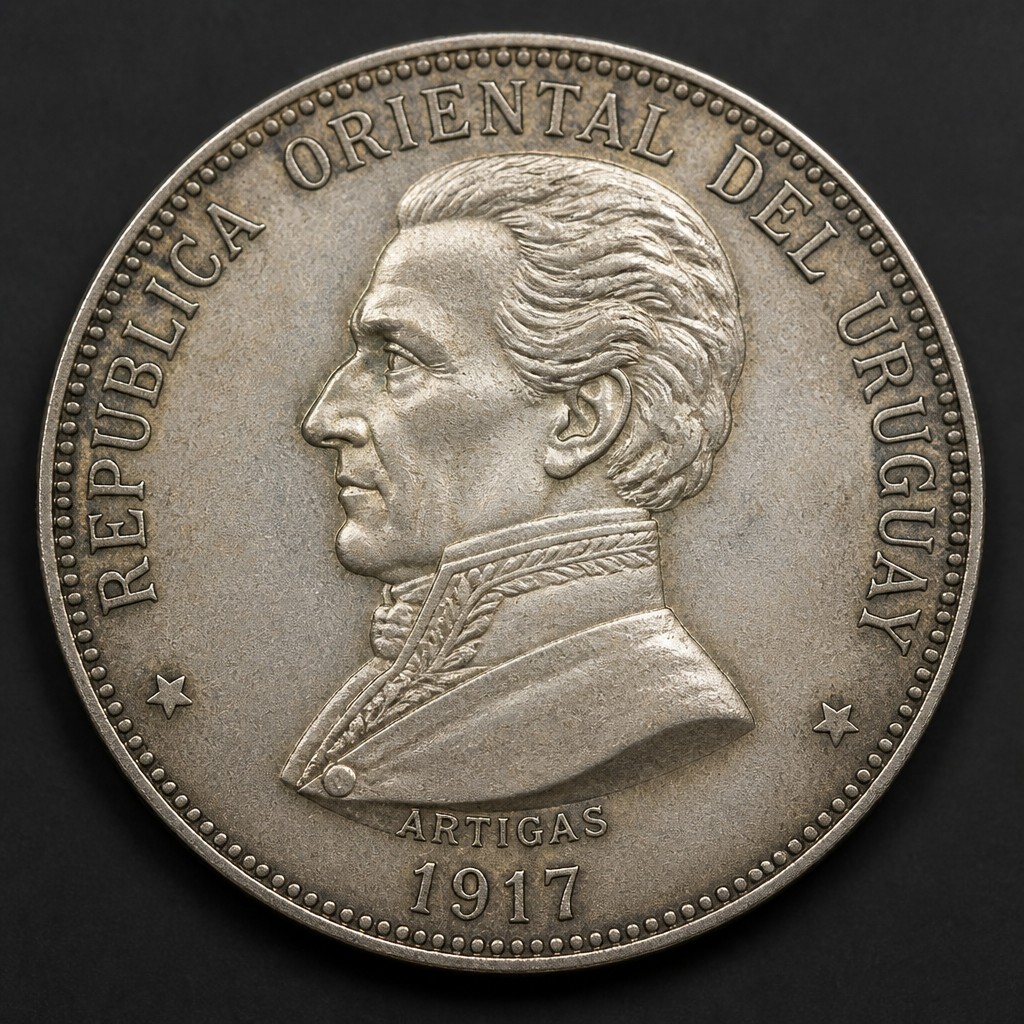
Uruguay Peso Silver 'Artigas'
1917–1920 (with related commemorative issues in later decades)
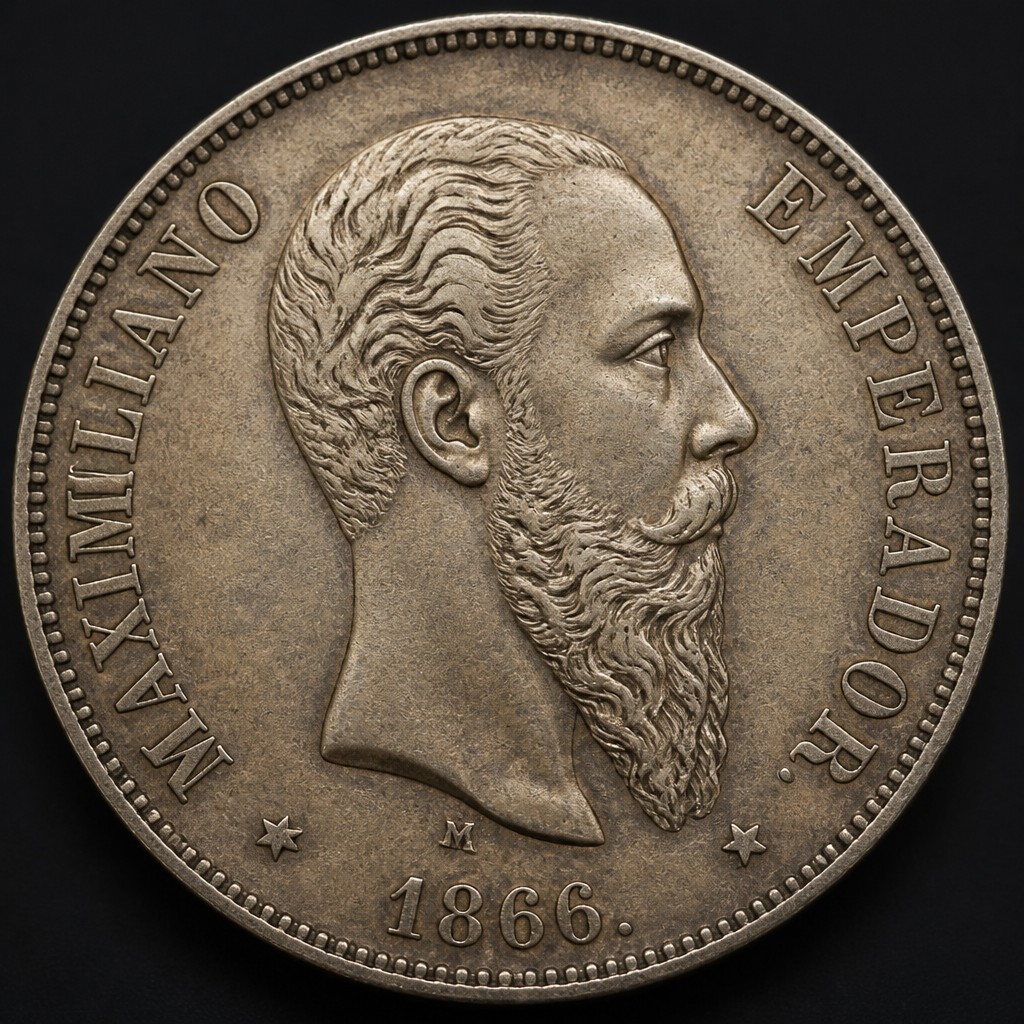
Mexican Emperor Maximilian Peso
1866–1867
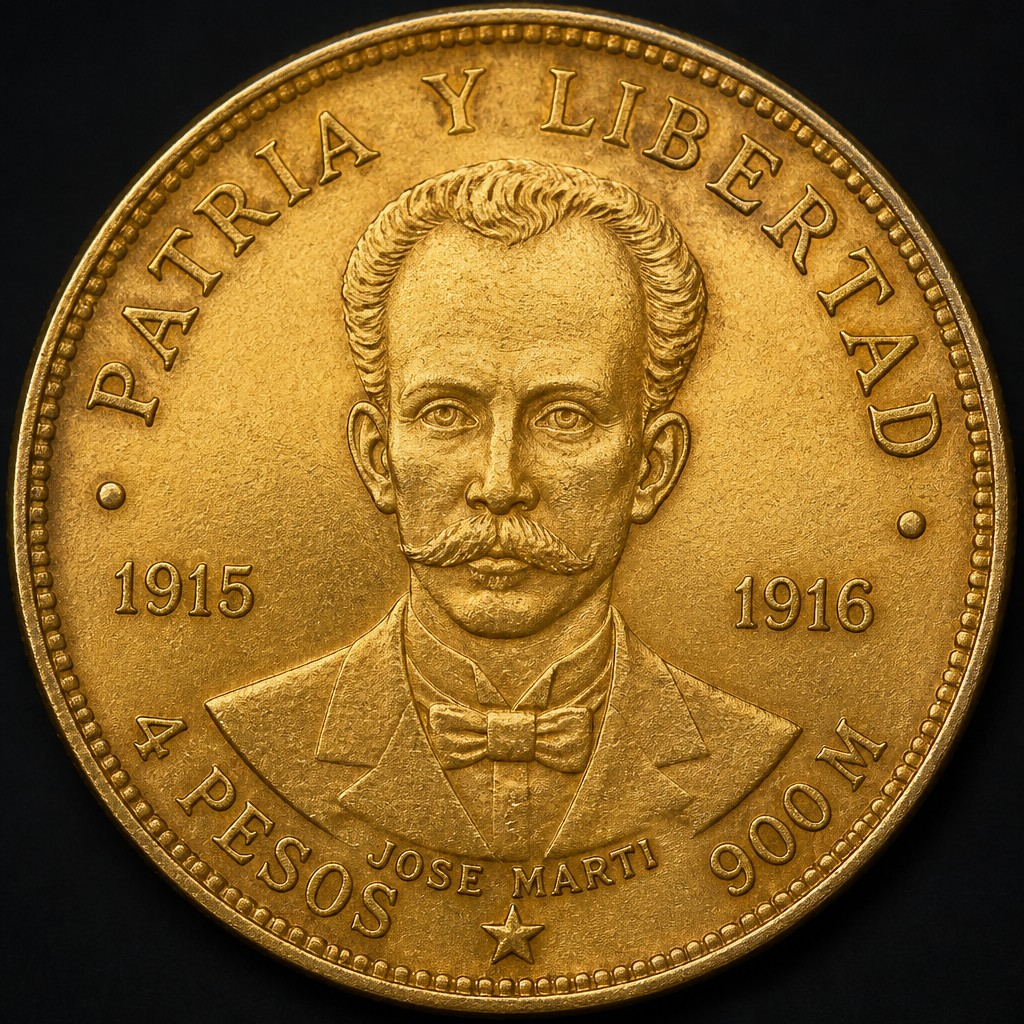
Cuba 4 Pesos Gold Jose Marti
1915–1916
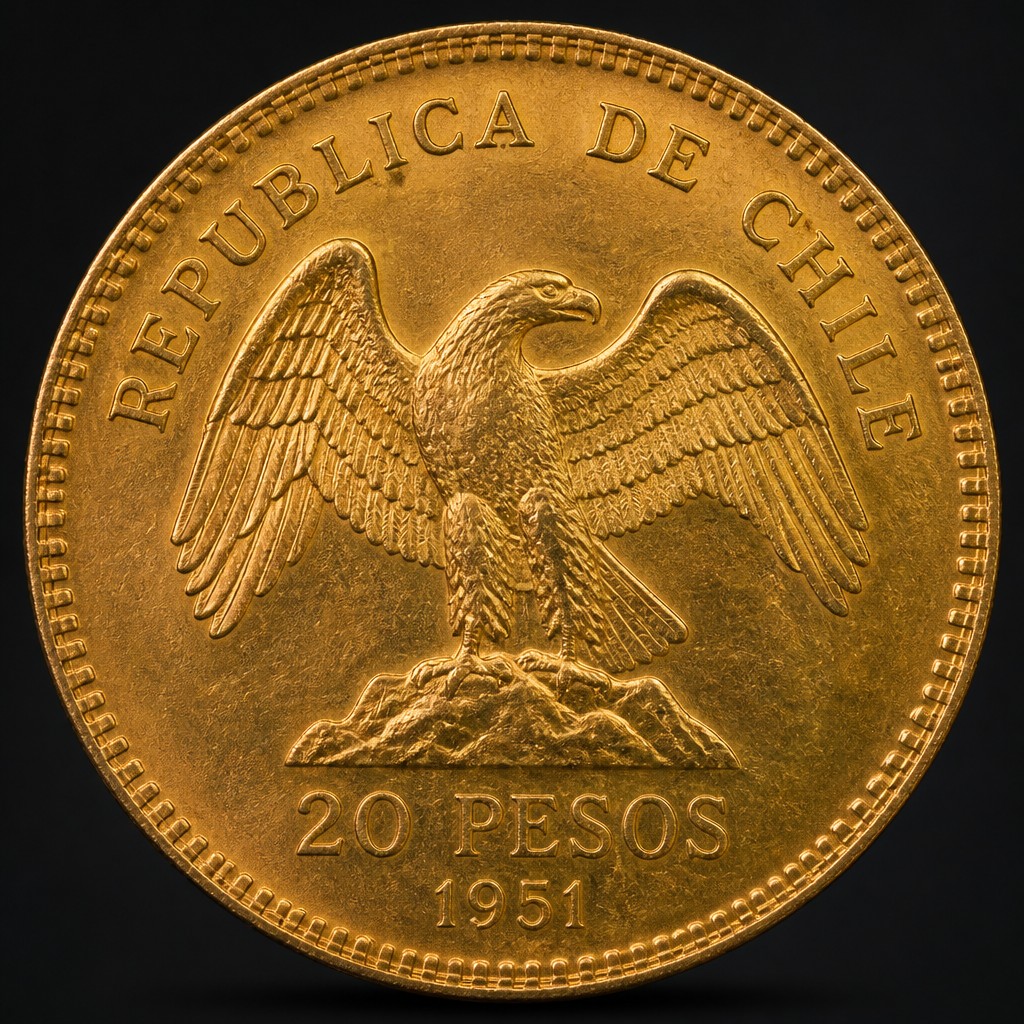
Chilean 20 Pesos Gold
19th century issues and 1926–1980 condor series