
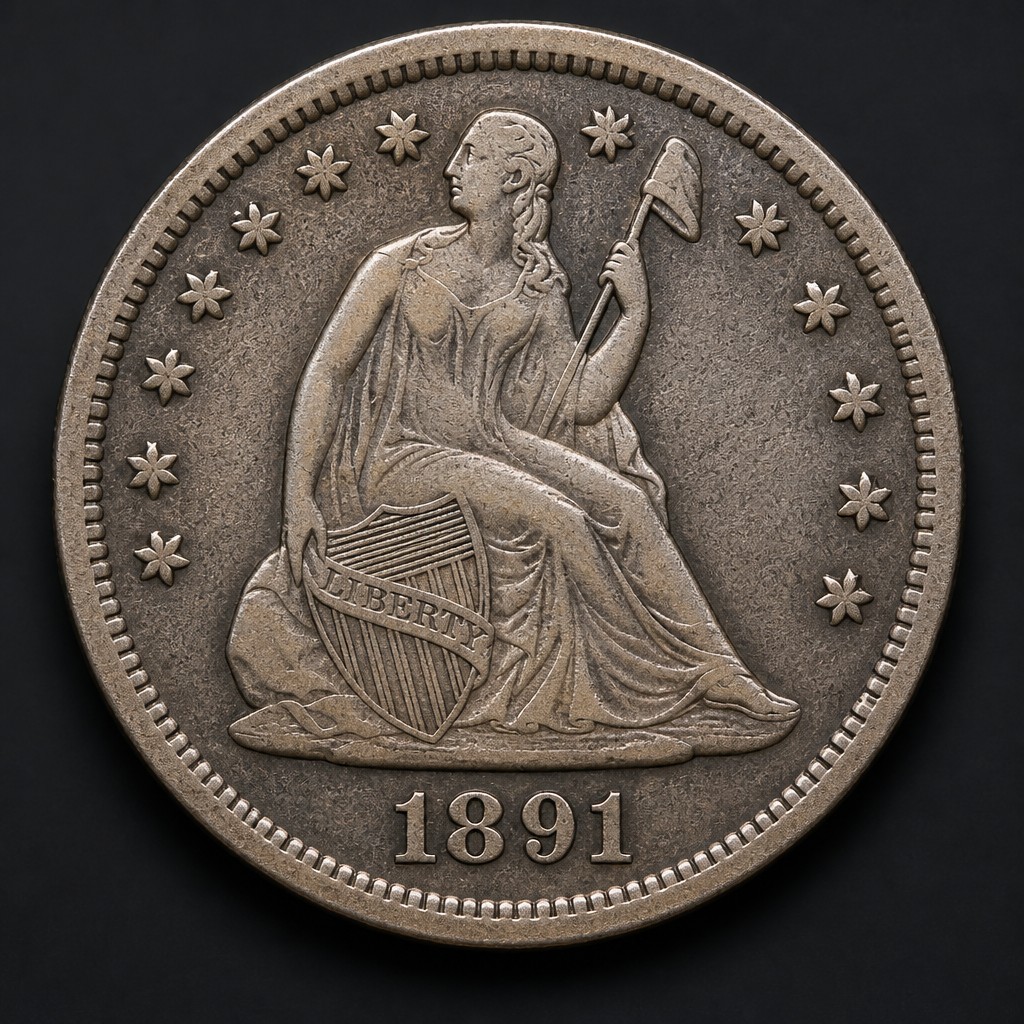
1891 Seated Liberty Quarter
The final year of the long-running Seated Liberty quarter design before it was replaced by the Barber quarter in 1892, popular as an affordable closing-date type coin.
- Country
- United States
- Denomination
- Quarter Dollar
- Metal
- 90% Silver, 10% Copper
Got a coin like this?
Identify any coin from a photo, free.
Overview
The 1891 quarter represents the last full year of Seated Liberty quarter production, closing out a design that, with modifications, had appeared on the denomination since 1838. As the final date of the series, it holds special appeal for type collectors seeking a representative example of the design's closing chapter.
The Philadelphia issue is relatively plentiful and affordable, while the branch-mint issues from New Orleans and San Francisco that same year are considerably scarcer, giving collectors a range of options depending on budget and goals.
History & Background
By the early 1890s, the Seated Liberty design, introduced in the 1830s, had been in continuous use on the quarter for over five decades and was widely viewed within the Mint as outdated compared to more modern coinage designs used by other nations. Mint officials commissioned chief engraver Charles E. Barber to design a replacement, which debuted in 1892 as the new Liberty Head (Barber) quarter.
1891 therefore marks the final regular-issue year of the Seated Liberty quarter, struck at Philadelphia as well as the branch mints at New Orleans and San Francisco, before the design was permanently retired.
As the closing date of a design family that had spanned the Civil War, Reconstruction, and the Gilded Age, the 1891 quarter is often collected as a bookend to a set of Seated Liberty type coins or as the final entry in a date run of the denomination.
How to Identify
The obverse and reverse follow the standard late-date Seated Liberty design used since 1866: Liberty seated on a rock holding a shield and pole with liberty cap on the obverse, and an eagle with shield, olive branch, and arrows beneath a ribbon reading IN GOD WE TRUST on the reverse, with QUARTER DOL. below and UNITED STATES OF AMERICA around the border.
Mintmarks, when present, appear below the eagle on the reverse: O for New Orleans and S for San Francisco, while Philadelphia strikes bear no mintmark.
Collectors distinguish 1891 from earlier Seated Liberty dates chiefly by the date itself, since the basic design elements remained essentially unchanged throughout the With Motto era; condition and mintmark are the primary factors affecting value within the date.
Value & Collectibility
The Philadelphia 1891 quarter, with a comparatively generous mintage, is one of the more affordable Seated Liberty quarters to acquire in circulated grades, making it a popular choice for collectors wanting an example of the design's final year without a large expense.
The 1891-O and especially the 1891-S are considerably scarcer, commanding meaningfully higher prices in all grades, with well-preserved or mint-state examples of the branch-mint issues bringing strong premiums at auction.
Frequently asked questions
Why is 1891 significant for the quarter series?
It is the last full year the Seated Liberty design was used on the quarter dollar before the Barber quarter replaced it in 1892.
Is the 1891 quarter expensive?
The Philadelphia issue is relatively affordable in circulated grades, but the New Orleans and especially San Francisco issues from the same year are notably scarcer and pricier.
Who designed the Barber quarter that replaced this design?
Chief engraver Charles E. Barber designed the new Liberty Head quarter introduced in 1892.
Where is the mintmark on an 1891 quarter?
If present, it appears below the eagle on the reverse: O for New Orleans or S for San Francisco; Philadelphia coins have no mintmark.
Other coins you may enjoy
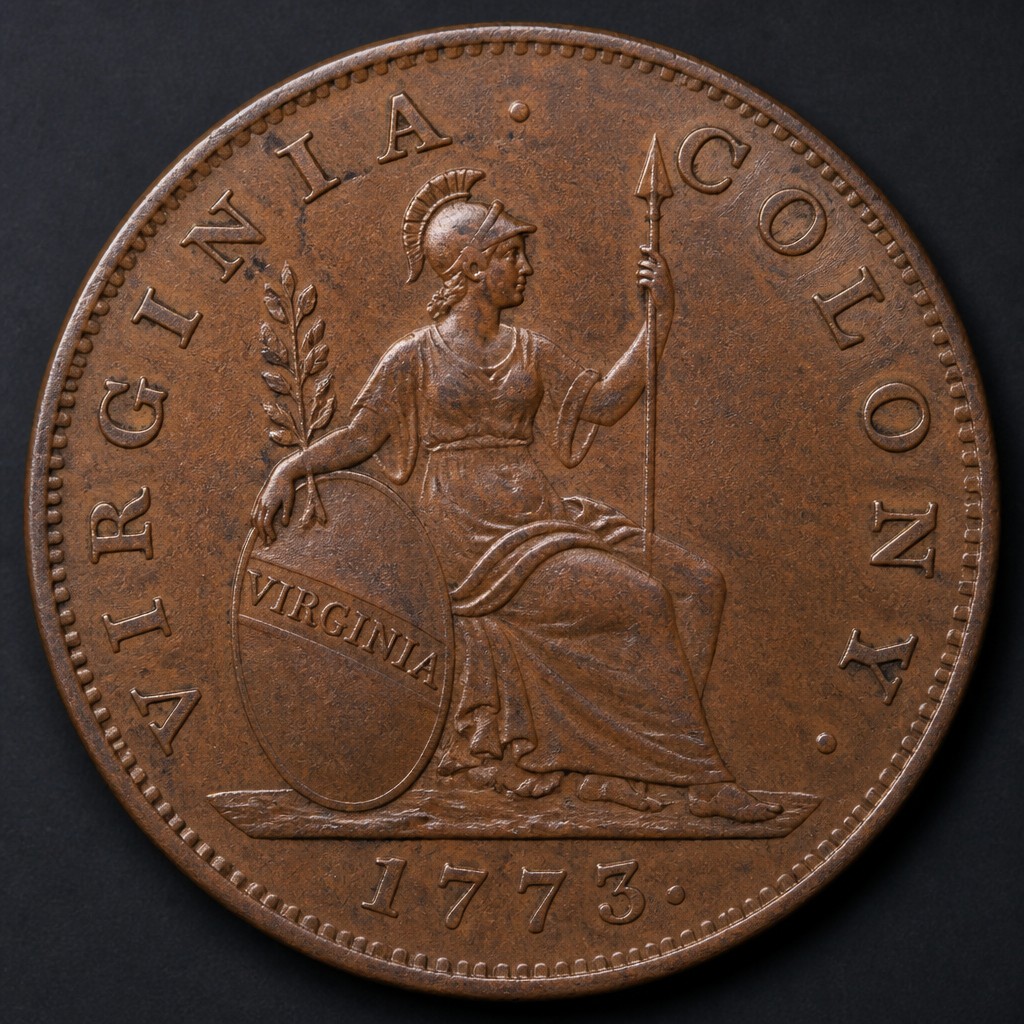
Virginia Halfpenny
1773
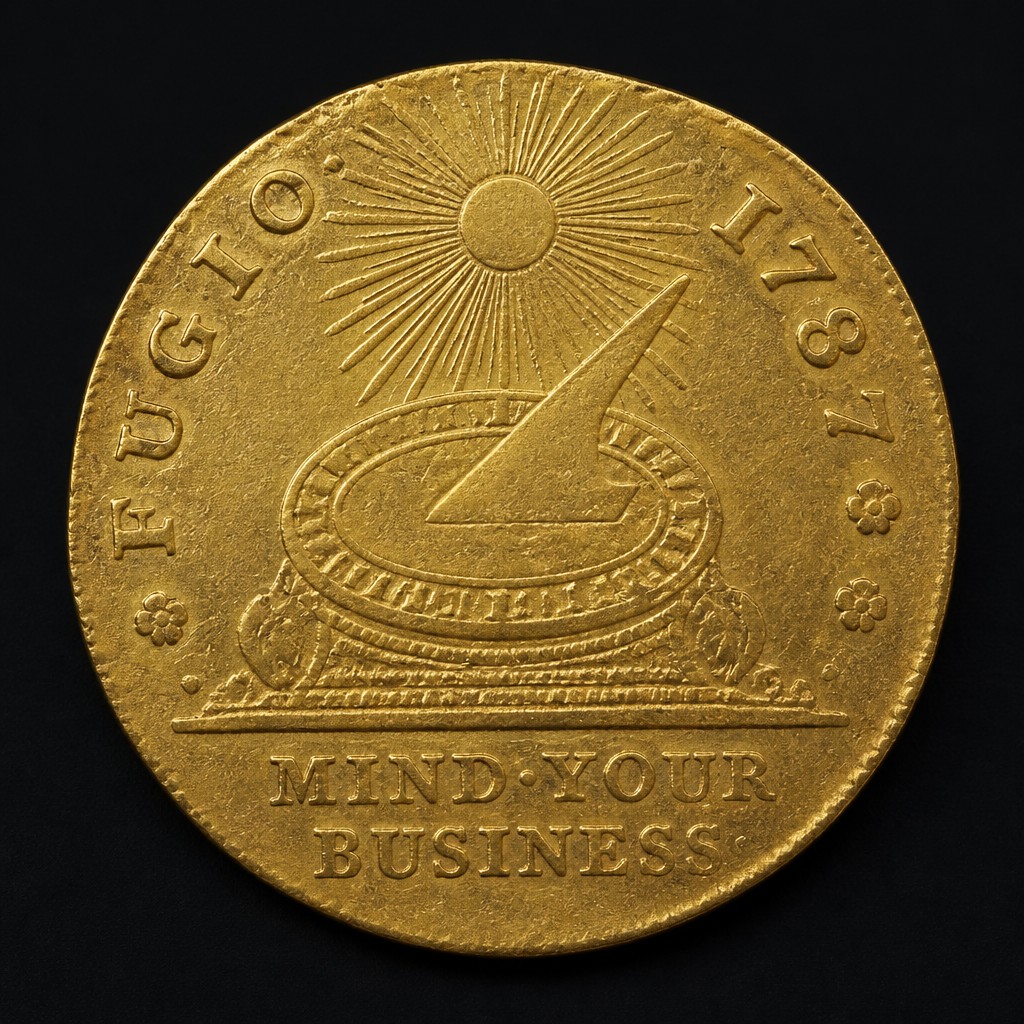
Brasher Doubloon
1787
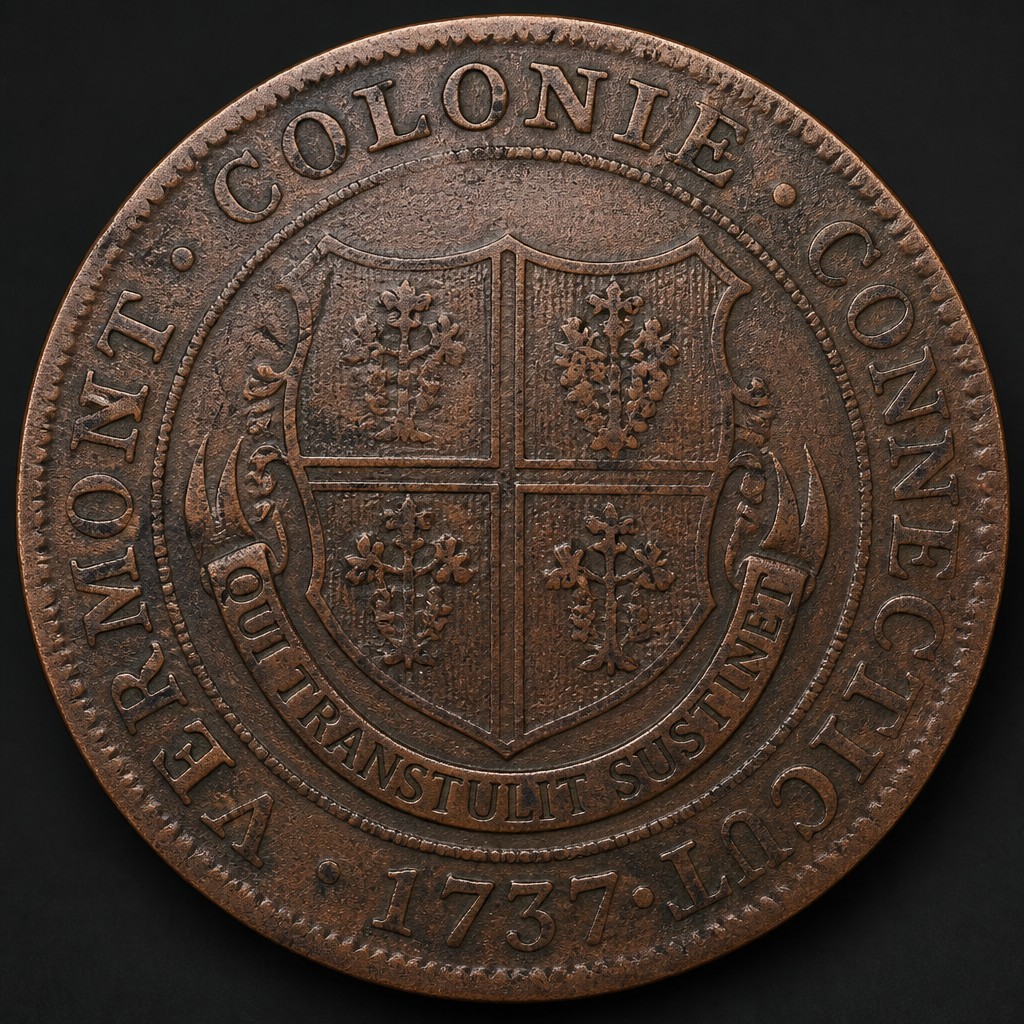
Higley Copper
1737–1739
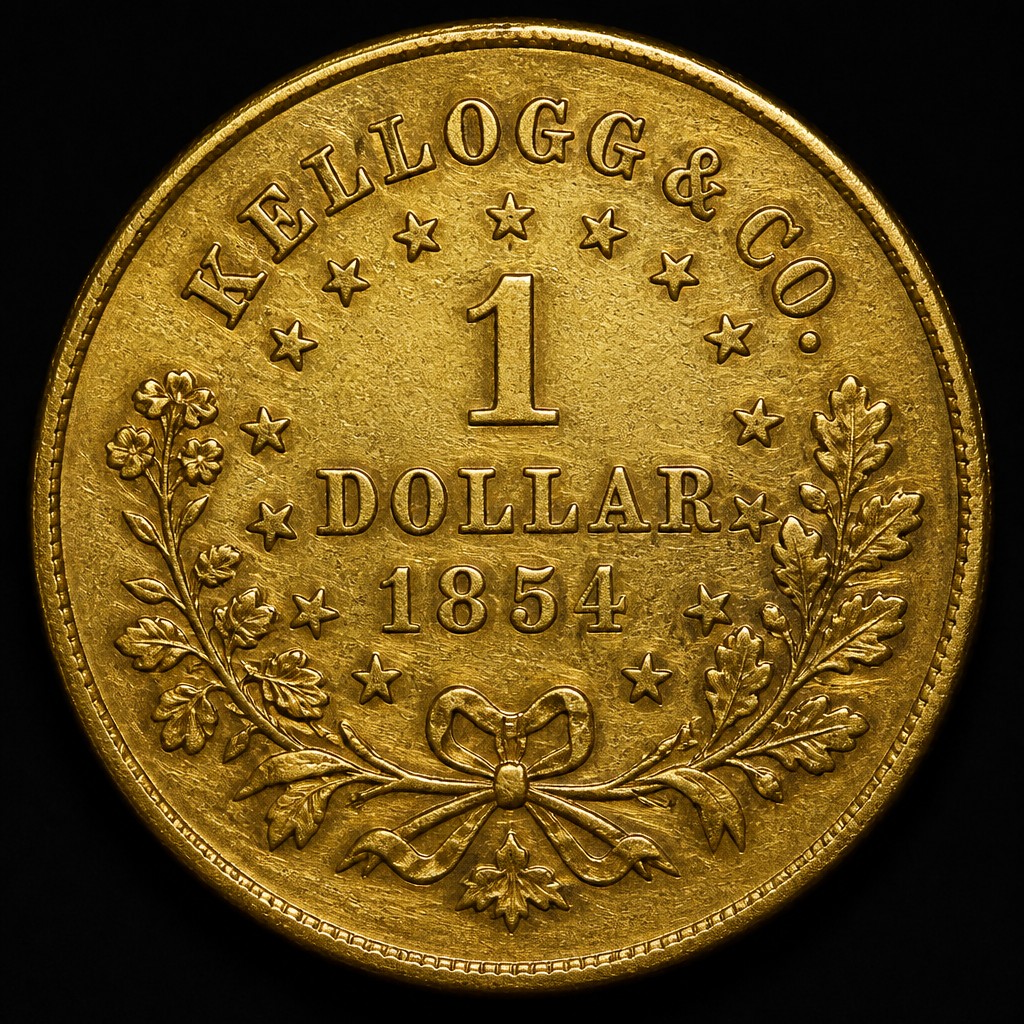
Kellogg & Co. Gold Piece
1854–1855
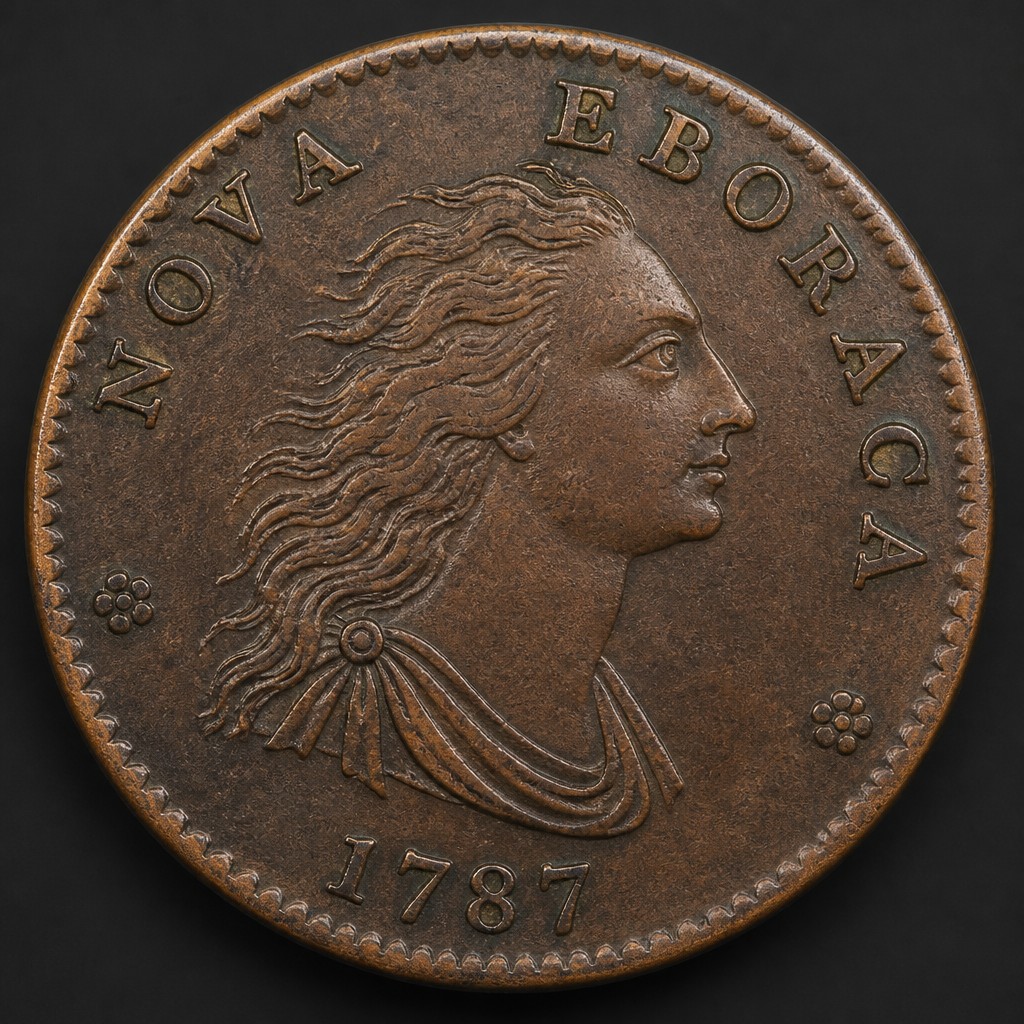
Nova Eborac Copper
1787
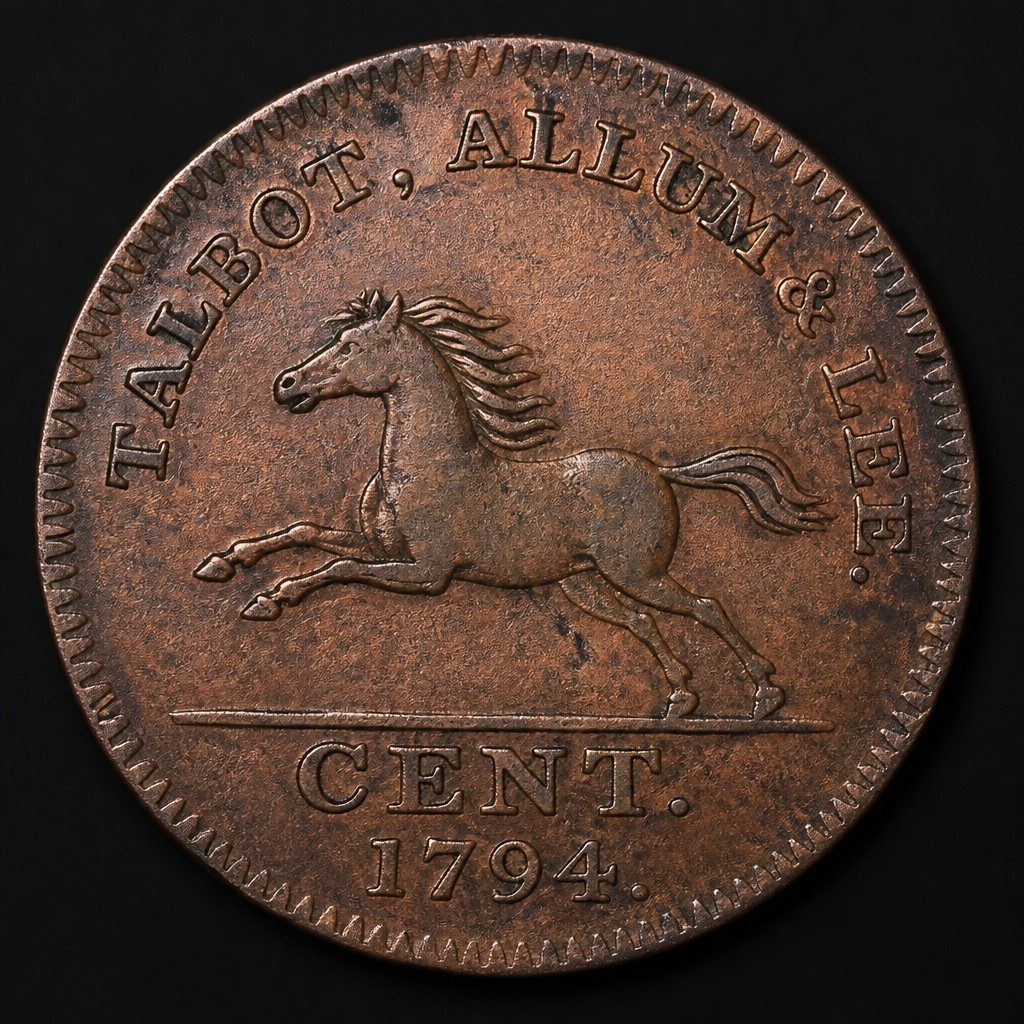
Talbot, Allum & Lee Cent
1794–1795
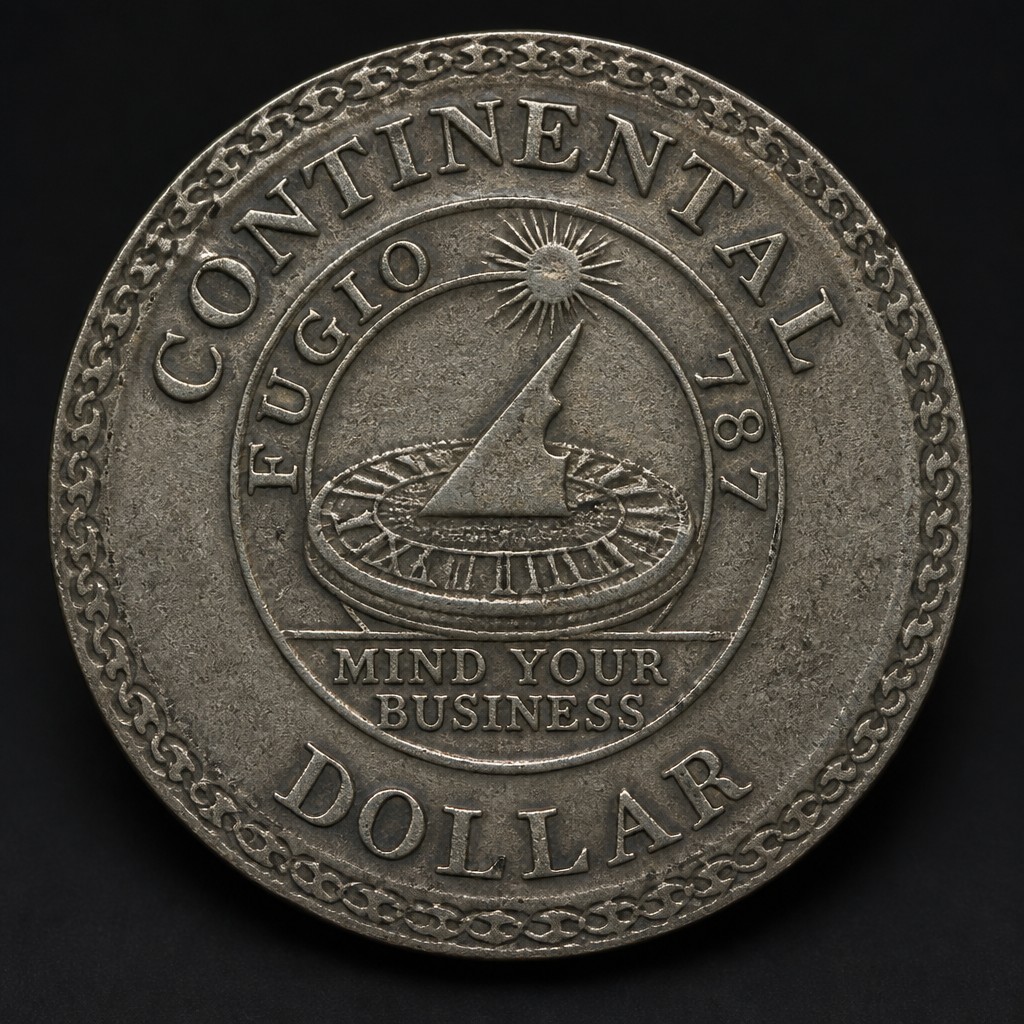
Continental Dollar
1776
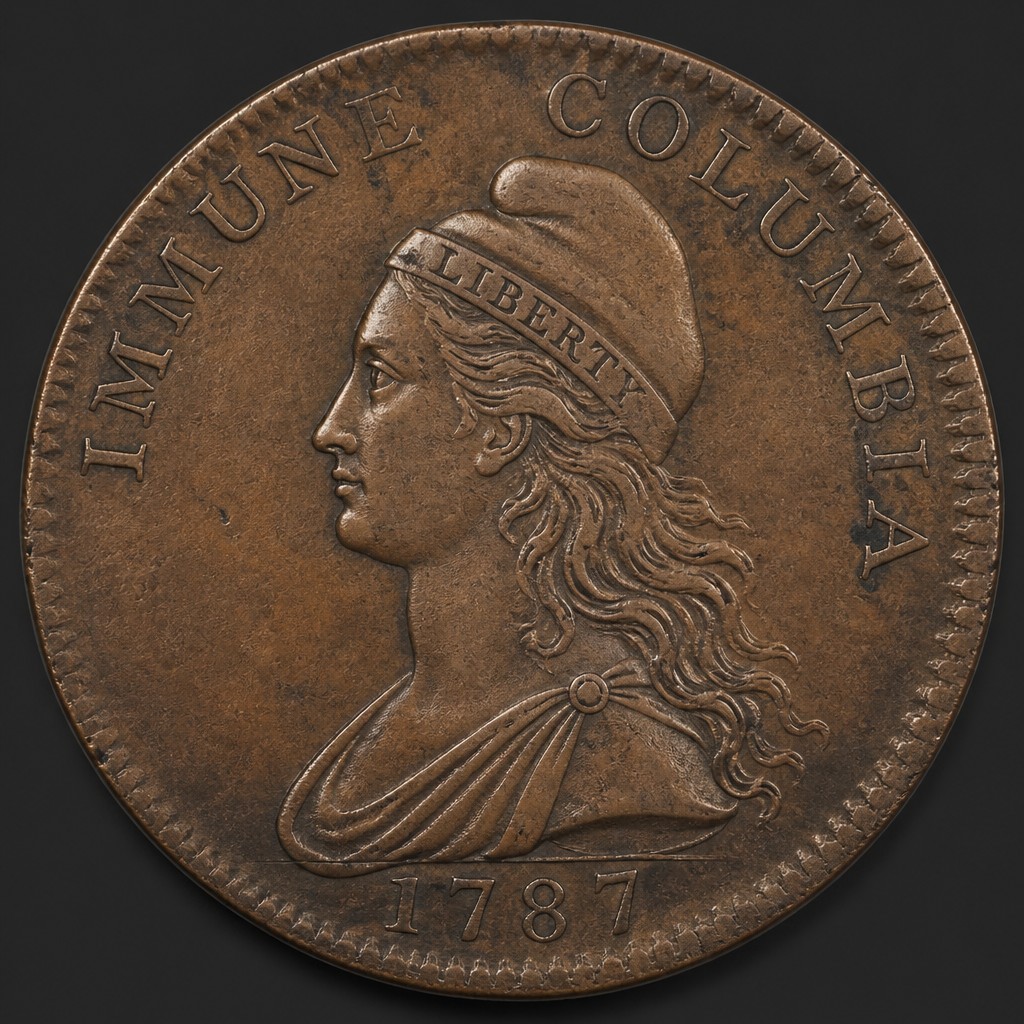
Immune Columbia Copper
circa 1785–1787
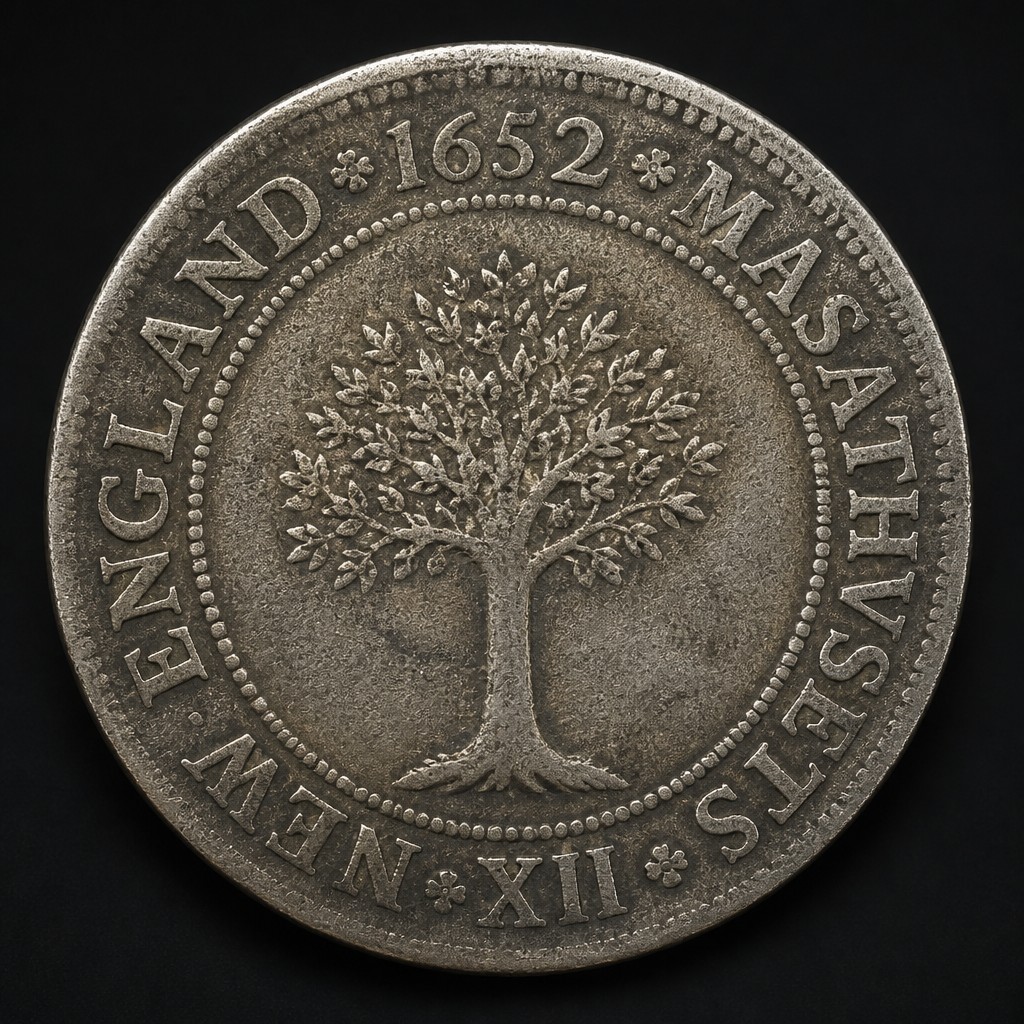
Massachusetts Oak Tree Shilling
Dated 1652, struck circa 1660–1667
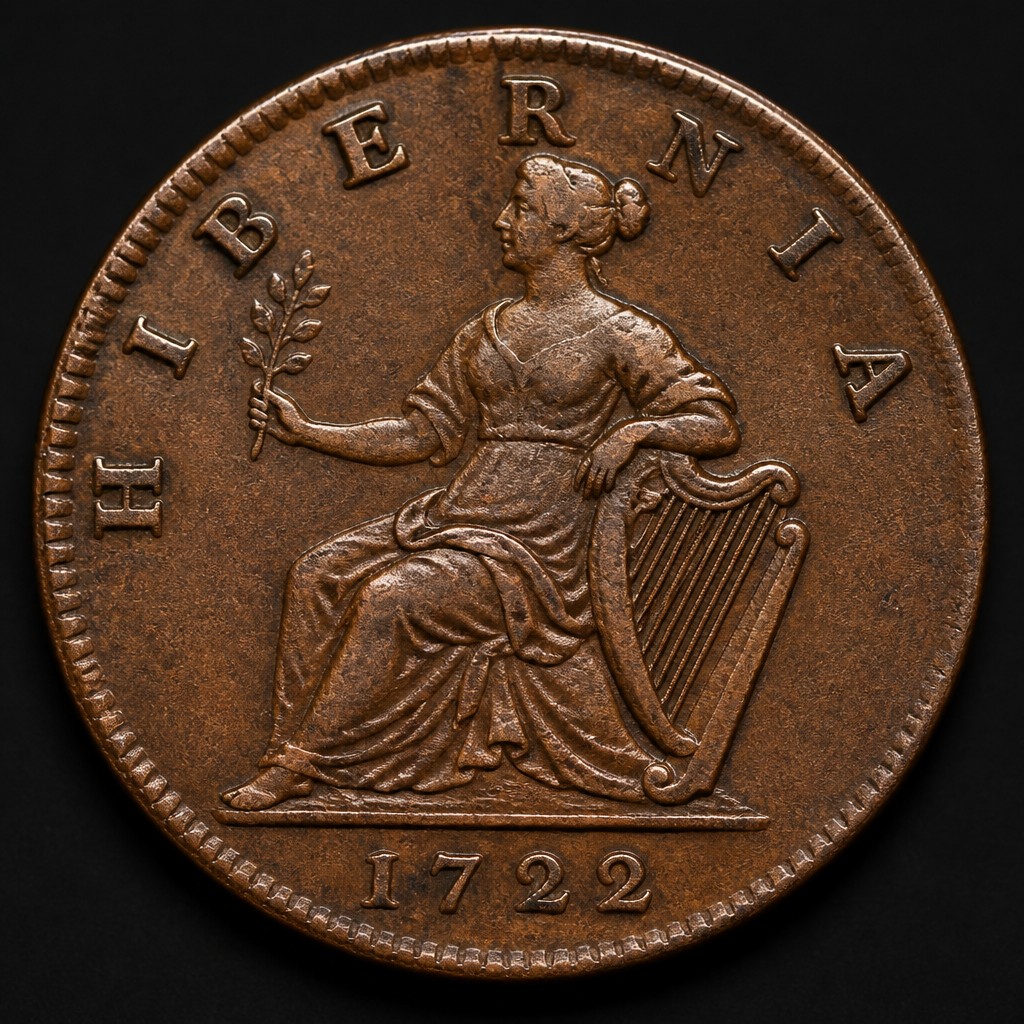
Wood's Hibernia Halfpenny
1722–1724
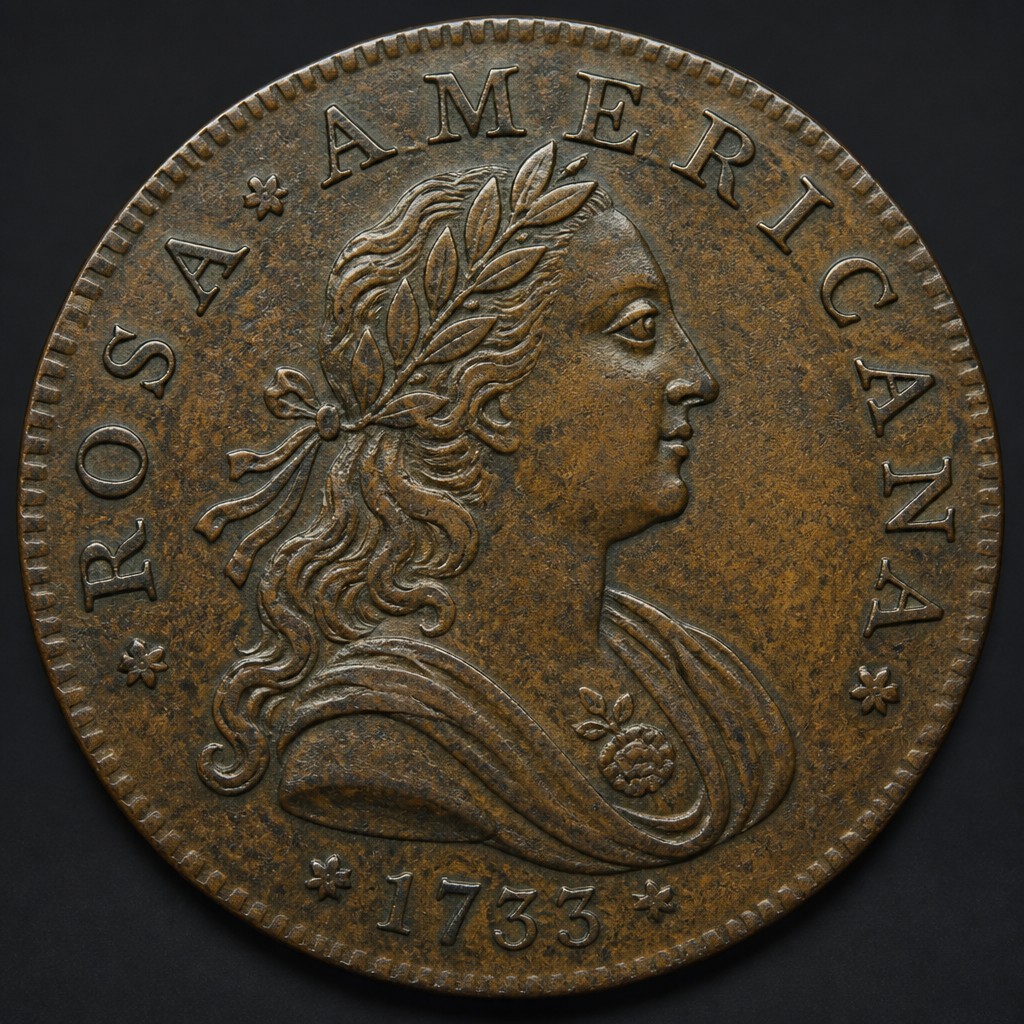
Rosa Americana Coinage
1722–1724 (with pattern issues dated 1733)
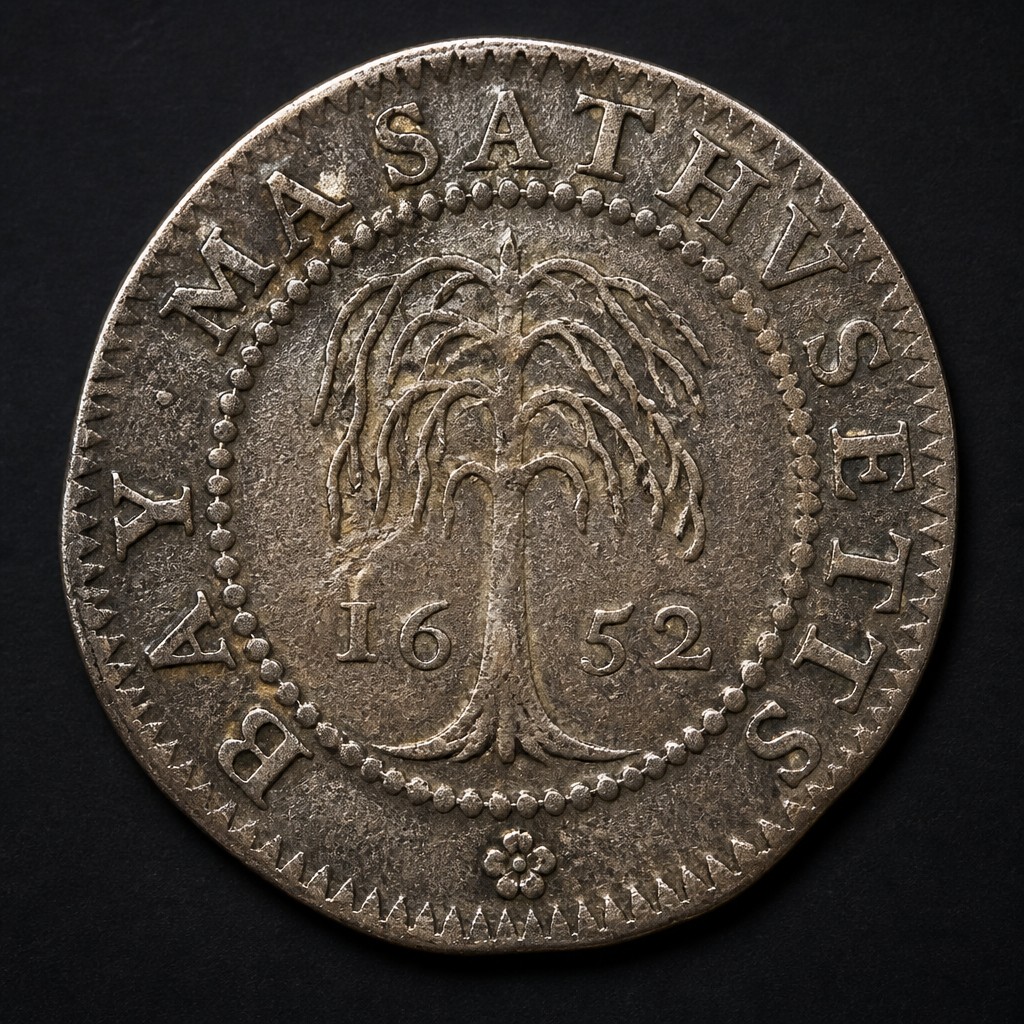
Massachusetts Willow Tree Shilling
Dated 1652, struck circa 1653–1660