
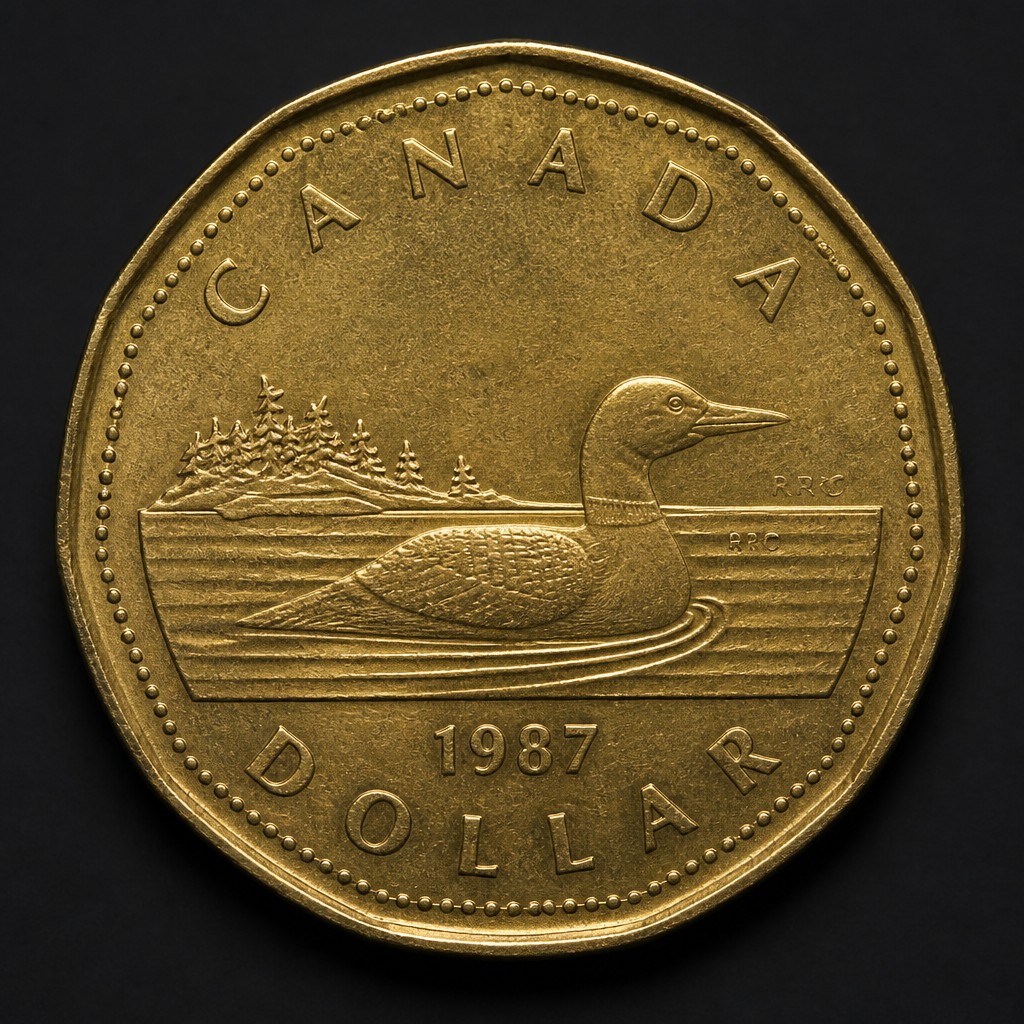
Canadian Loonie
Canada's eleven-sided one dollar coin, introduced in 1987 with a common loon on the reverse, giving rise to its popular nickname.
- Country
- Canada
- Denomination
- One Dollar
- Metal
- Aureate Bronze-Plated Nickel (1987–2011); Multi-Ply Plated Steel (2012–present)
Got a coin like this?
Identify any coin from a photo, free.
Overview
The Canadian one dollar coin, universally known as the "loonie," was introduced in 1987 to replace the paper one dollar bill and the earlier large silver-colored dollar coin. Its distinctive eleven-sided shape and the image of a common loon swimming on its reverse quickly made it one of Canada's most recognizable coins, and its nickname has become so entrenched that it lent its name, by extension, to the two dollar coin, the "toonie," introduced later.
The coin holds a memorable place in Canadian numismatic lore because its design was adopted partly by accident: the originally planned voyageur canoe-scene reverse was abandoned after the master dies for that design were lost in transit, prompting the Mint to switch to the loon design already in reserve.
History & Background
By the mid-1980s, the Canadian government sought to replace the paper one dollar bill with a more durable coin to reduce production costs, following a path already taken by many other countries. The Royal Canadian Mint originally planned to continue the historic voyageur canoe motif from the earlier silver dollar for the new coin's reverse.
According to the well-known story, the master dies for the voyageur design were lost in transit between Ottawa and the coin's production facility in 1986. Concerned about possible counterfeiting using the missing dies, the Mint scrapped the voyageur design and substituted a design of a common loon by wildlife artist Robert-Ralph Carmichael that had been developed as an alternative, and the coin entered circulation in 1987 as the eleven-sided "loonie."
The coin has remained the dominant one-dollar denomination in Canada ever since, with special commemorative loonies issued periodically, such as for the 1992 Canada 125th anniversary and various Olympic and royal occasions, while the standard loon design continues in regular circulation.
How to Identify
The coin has eleven flat sides, distinguishing it immediately by touch and sight from round coins, and is struck in an aureate bronze-plated nickel giving it a golden color (more recent issues from 2012 onward use multi-ply plated steel).
The obverse carries the reigning monarch's portrait, while the standard reverse shows a common loon swimming on water, with the denomination and year. Commemorative loonies substitute a special one-year design on the reverse while retaining the same shape and general format.
Because of the coin's golden color and multi-sided shape, it is not easily confused with any other Canadian denomination; the two dollar "toonie" is bimetallic and larger, while lower denominations are round.
Value & Collectibility
The great majority of loonies, including the standard loon design in circulated condition, are worth only face value due to enormous mintages over nearly four decades of production. Certain commemorative loonies with lower mintages, and a small number of documented mint errors, can carry modest premiums among collectors, generally in the range of a few dollars to, in scarcer cases, more for pristine uncirculated pieces.
The coin's main collecting appeal lies in its cultural significance and the well-known "lost dies" origin story rather than in dramatic rarity, though specialized error and commemorative variety collectors do pursue specific dates and mint state examples.
Frequently asked questions
Why is it called the "loonie"?
Because its reverse depicts a common loon, a Canadian waterbird; the nickname became so popular it is now used semi-officially.
Why does the loonie show a loon instead of the planned canoe design?
Legend holds that the master dies for the originally planned voyageur canoe design were lost in transit in 1986, prompting a last-minute switch to the loon design.
What shape is the coin?
It has eleven flat sides rather than being round.
Is the loonie valuable to collectors?
Most circulated examples are worth only face value; specific commemorative issues and mint errors can carry a modest premium.
Other coins you may enjoy
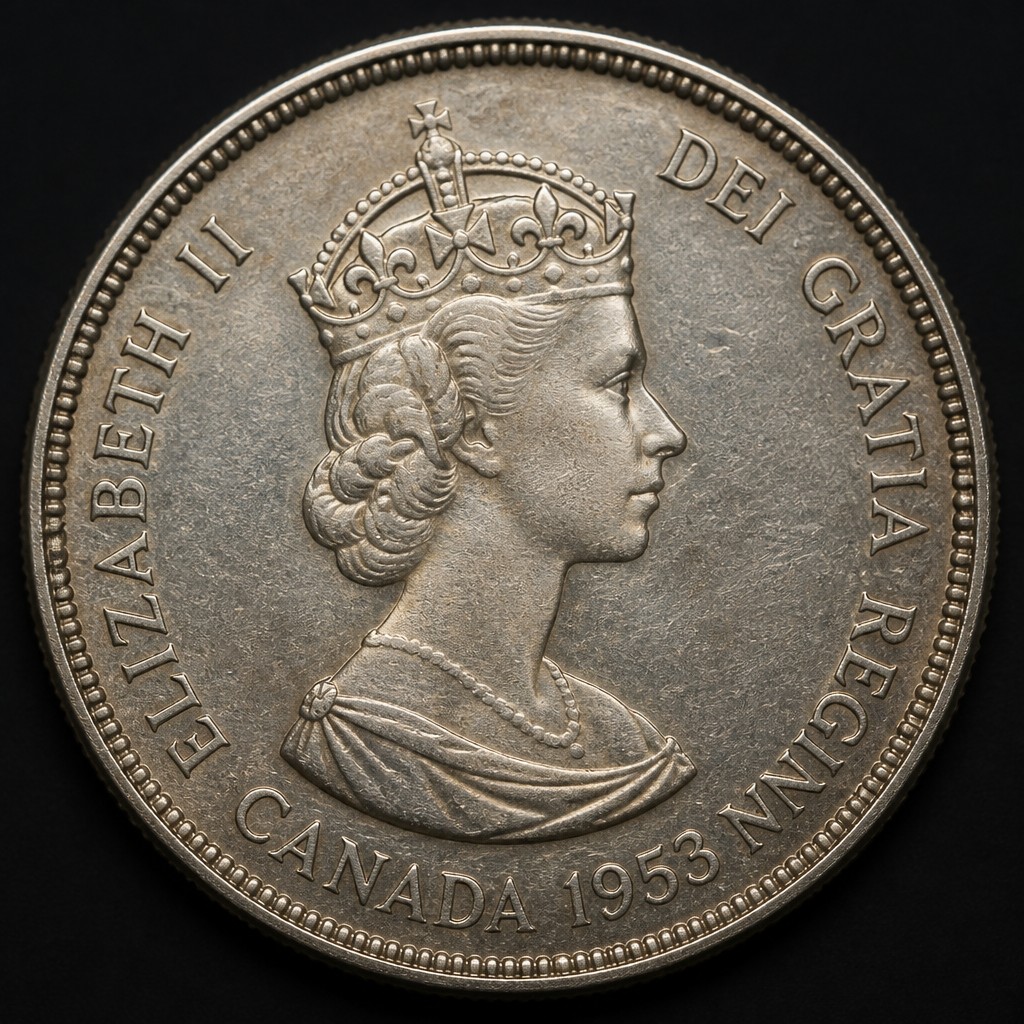
1953 Coronation Voyageur Dollar
1953
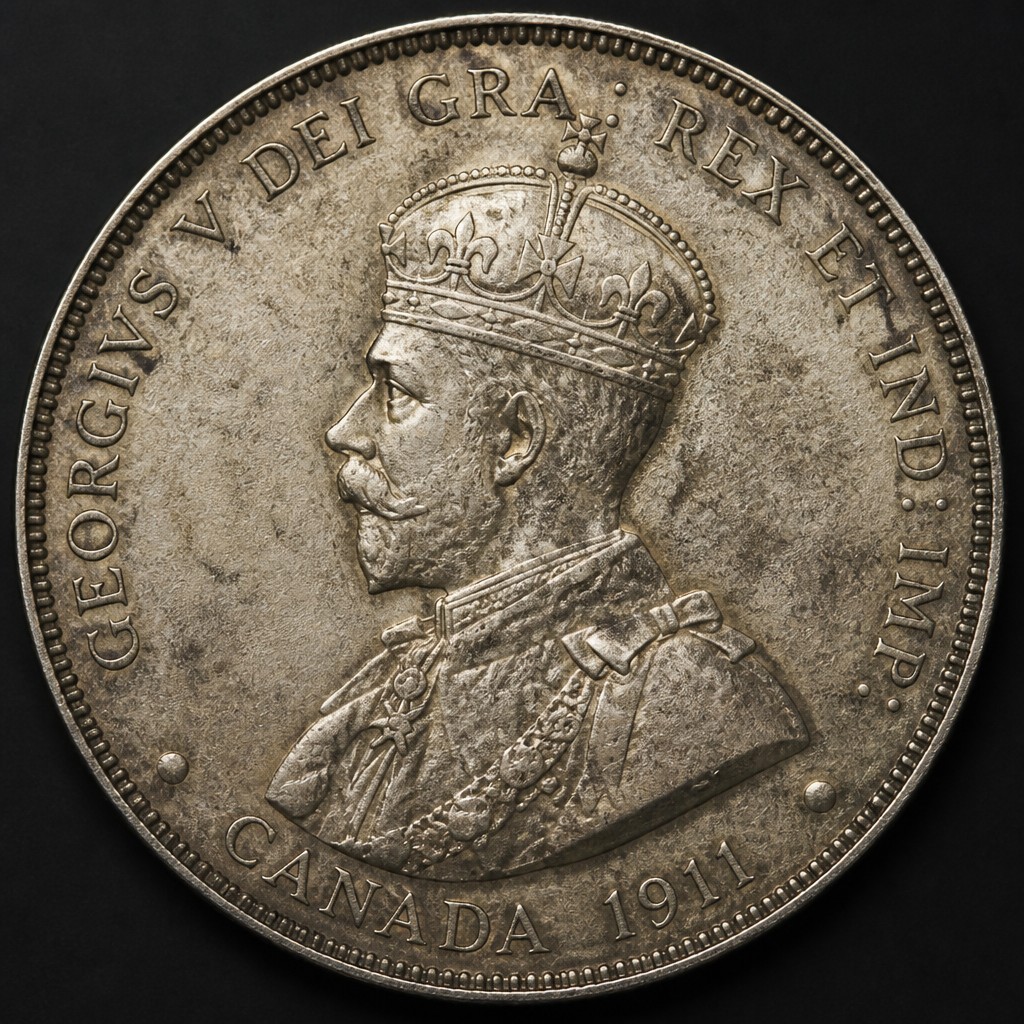
1911 Canadian Silver Dollar (Pattern)
1911
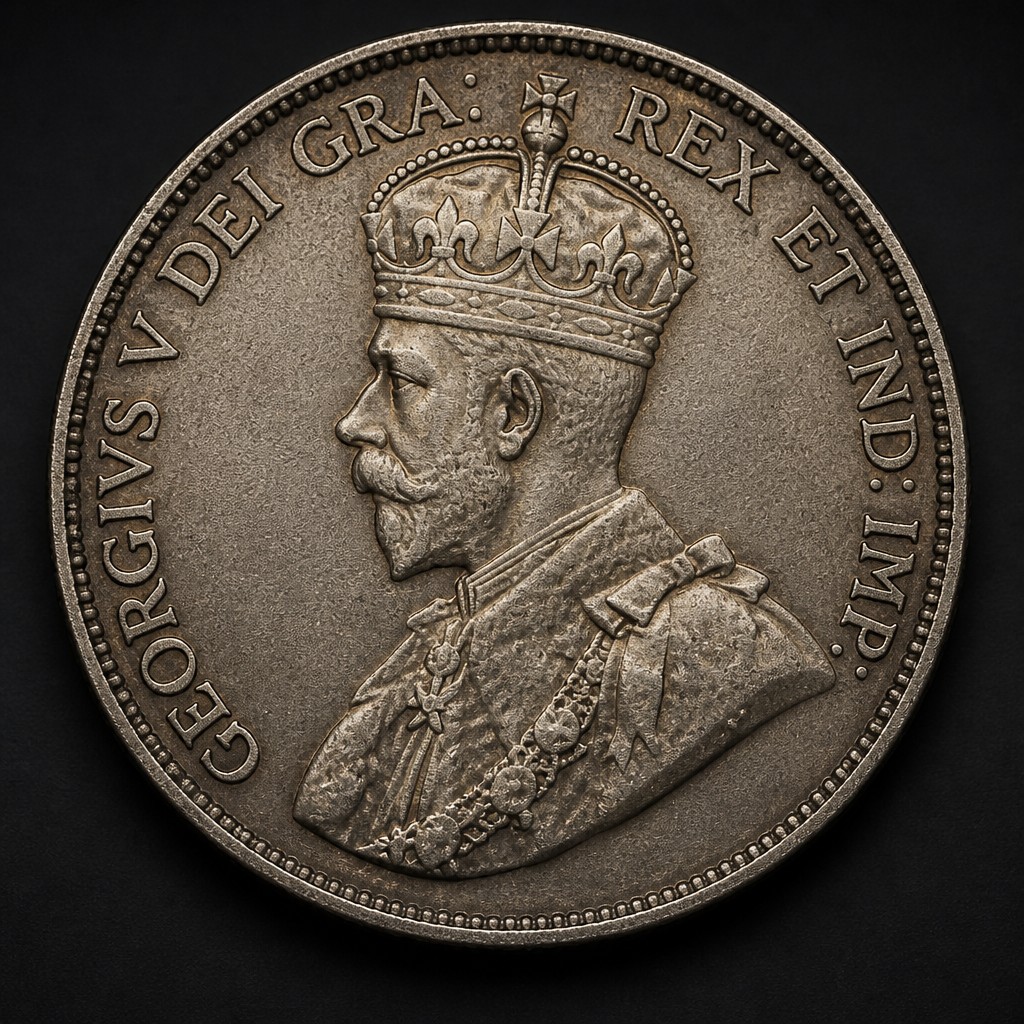
George V Twenty-Five Cents (silver)
1911–1936
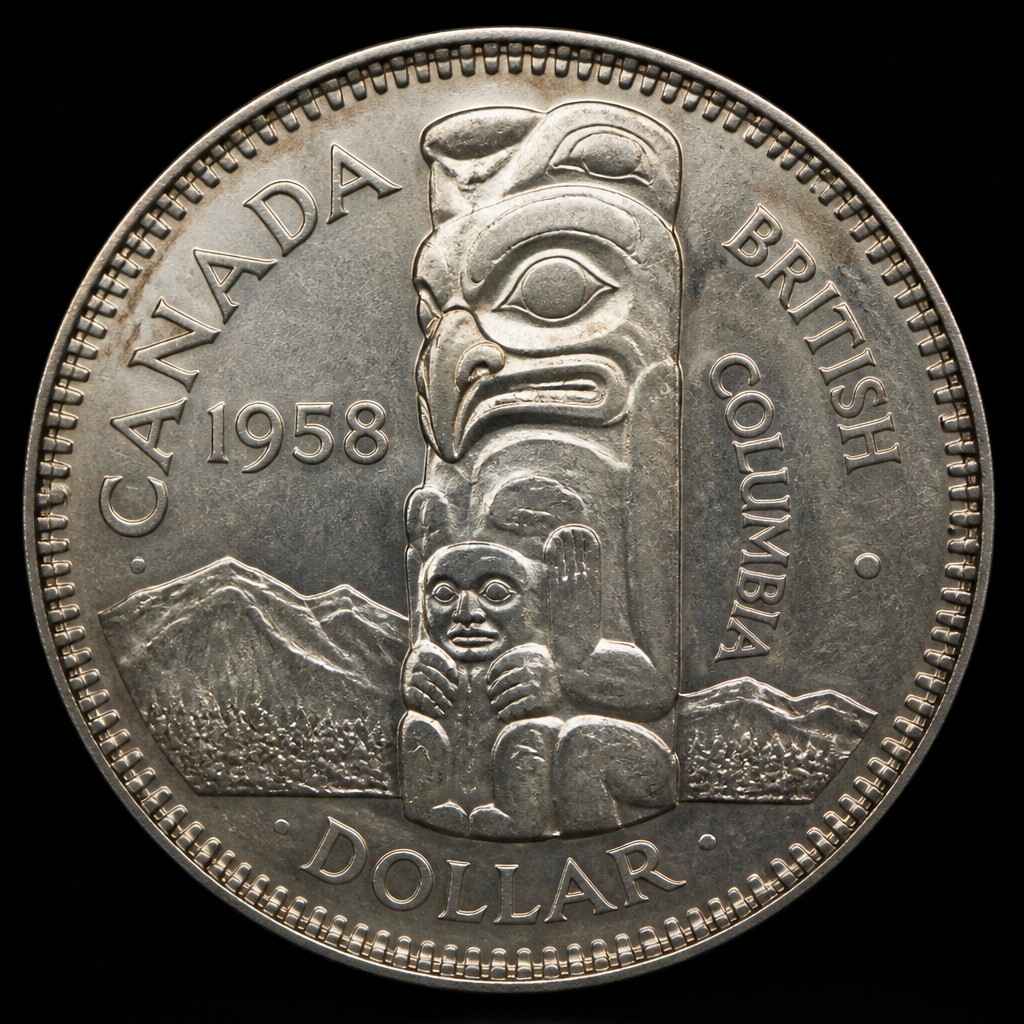
1958 British Columbia Totem Pole Dollar
1958
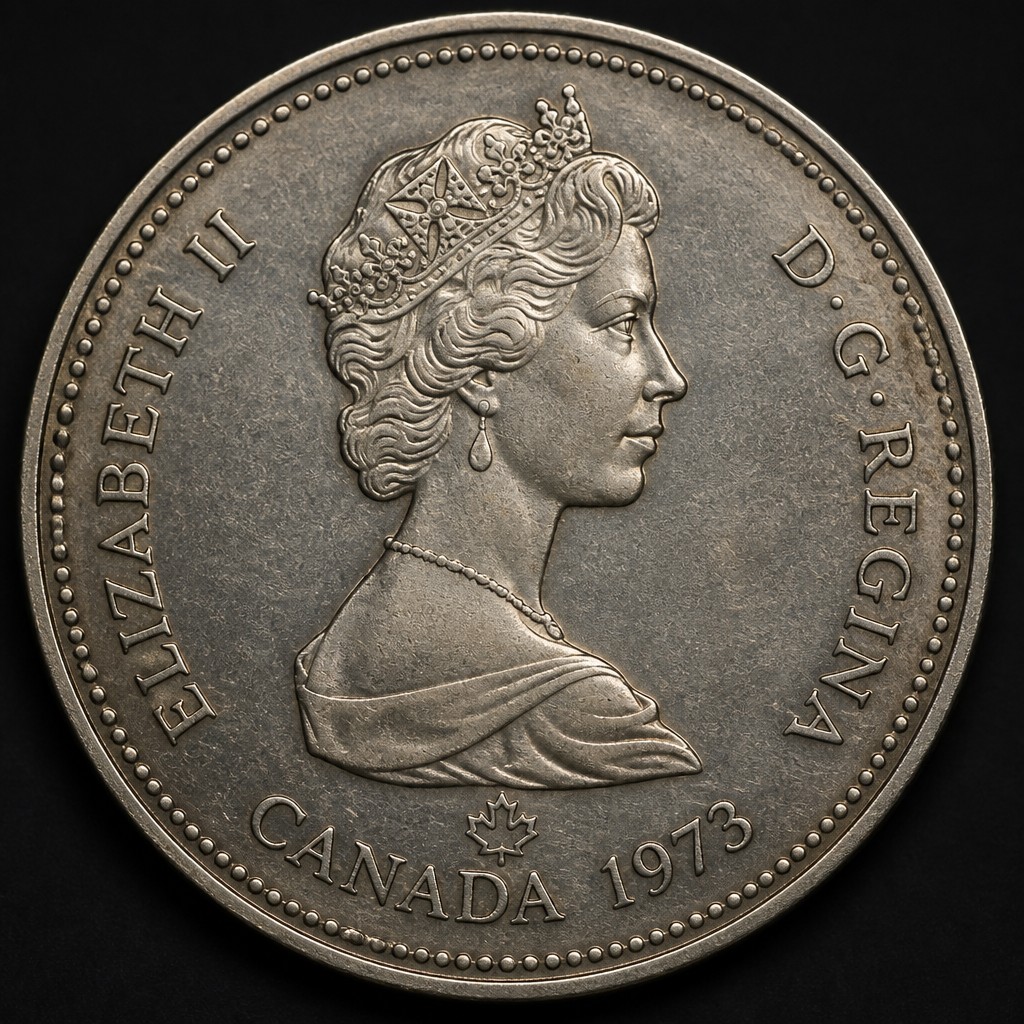
1973 RCMP Centennial Dollar
1973
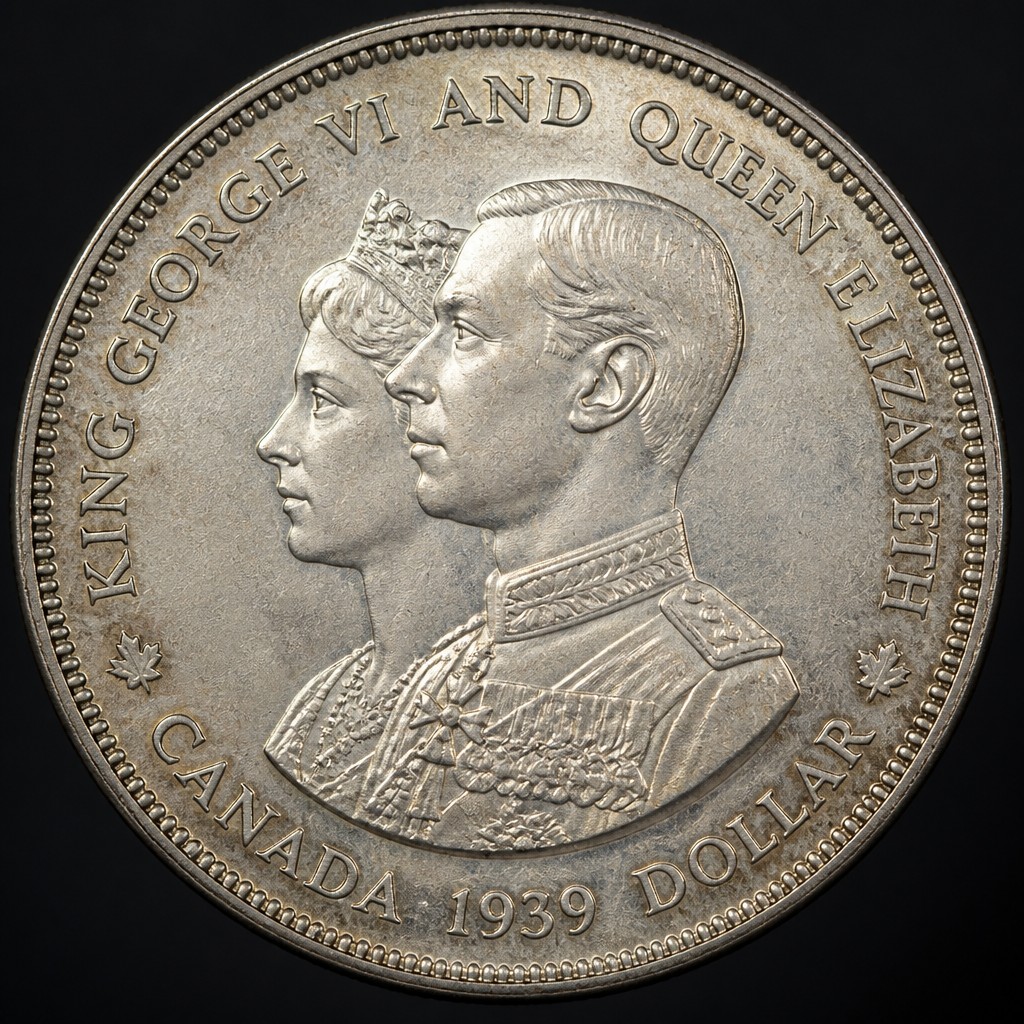
1939 Royal Visit Silver Dollar (Parliament)
1939
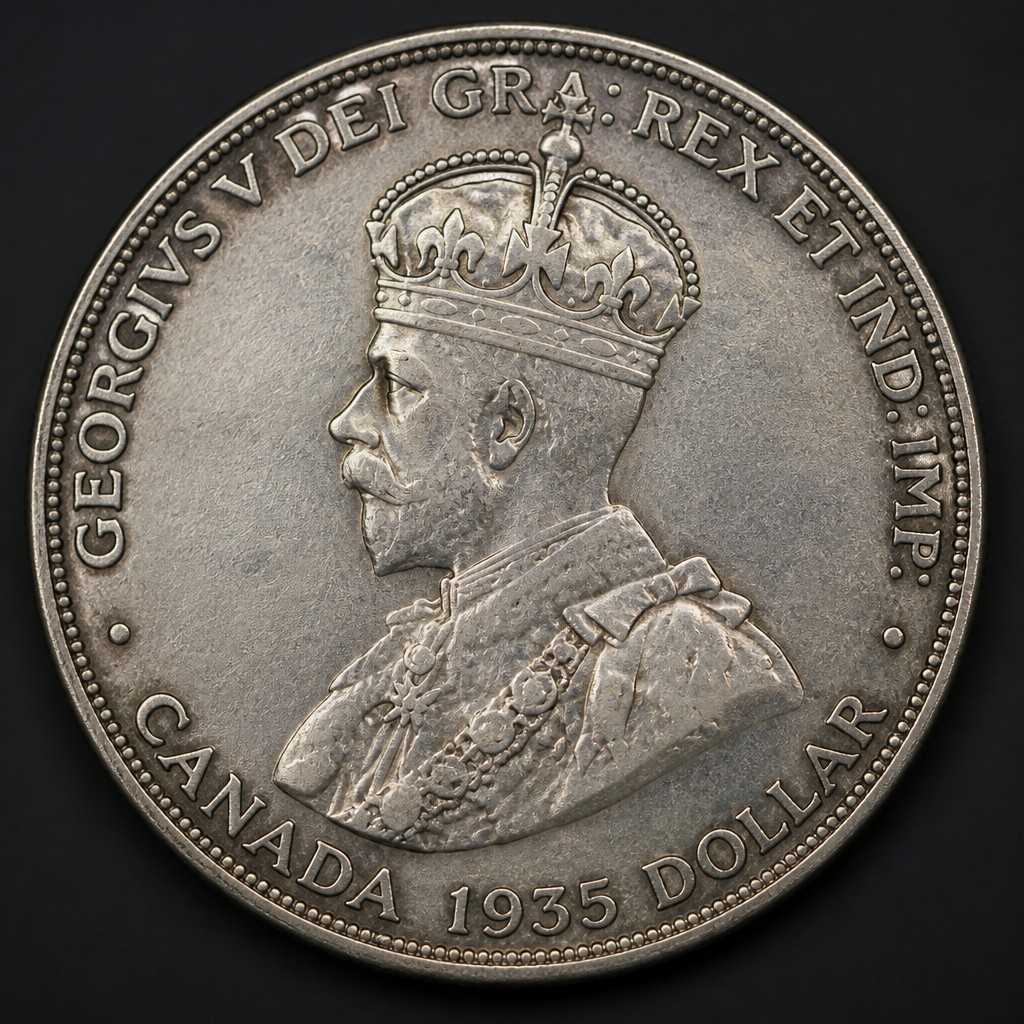
1935 George V Silver Jubilee Dollar (Voyageur)
1935
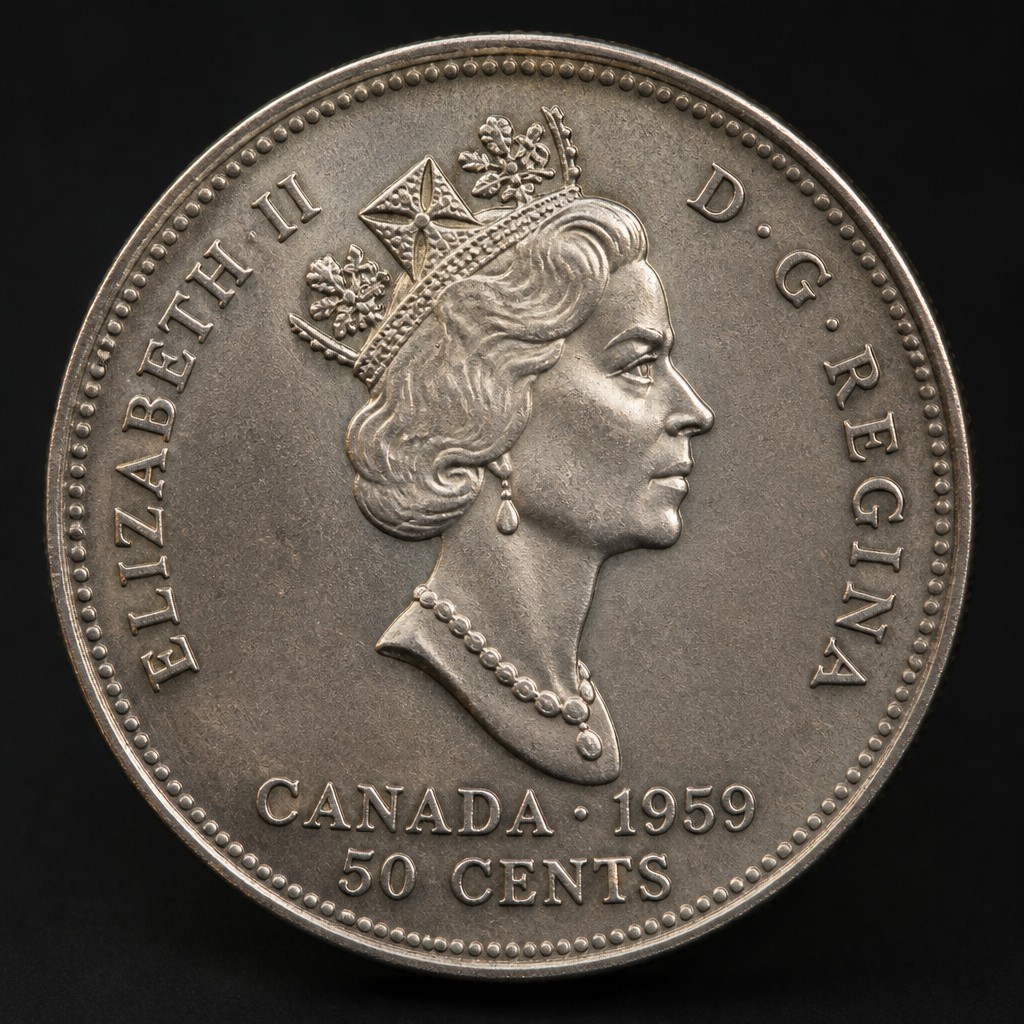
Coat of Arms Fifty Cents (Elizabeth II)
1959–present
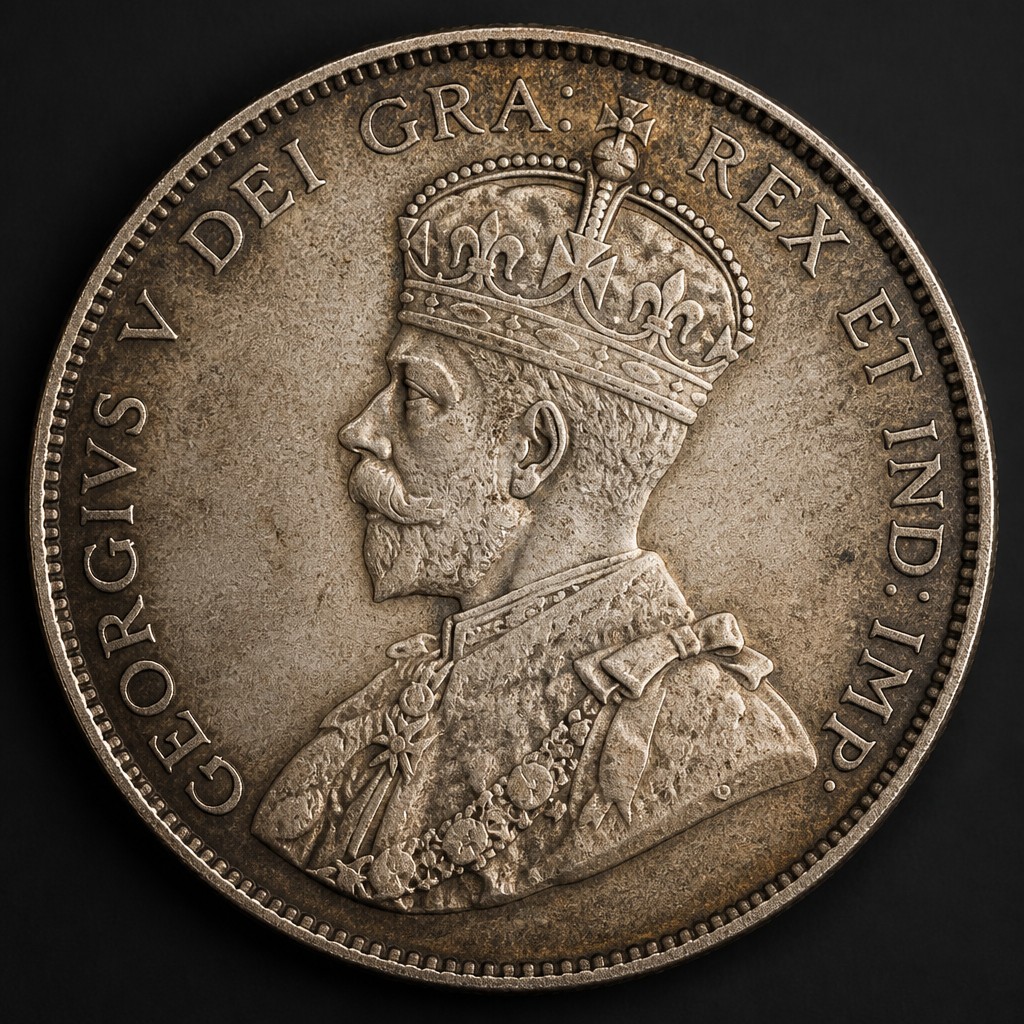
1921 Fifty Cents (King of Canadian Coins)
1921
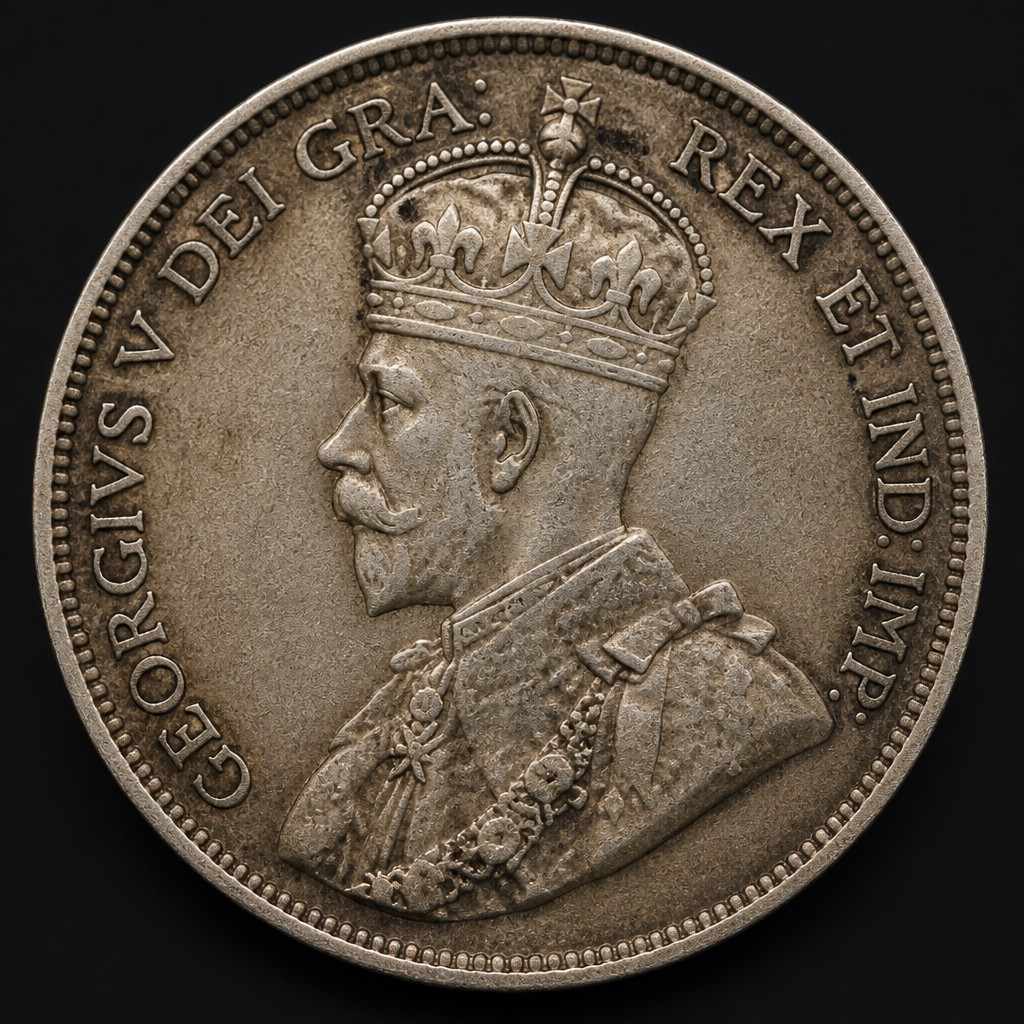
George V Fifty Cents
1911–1936
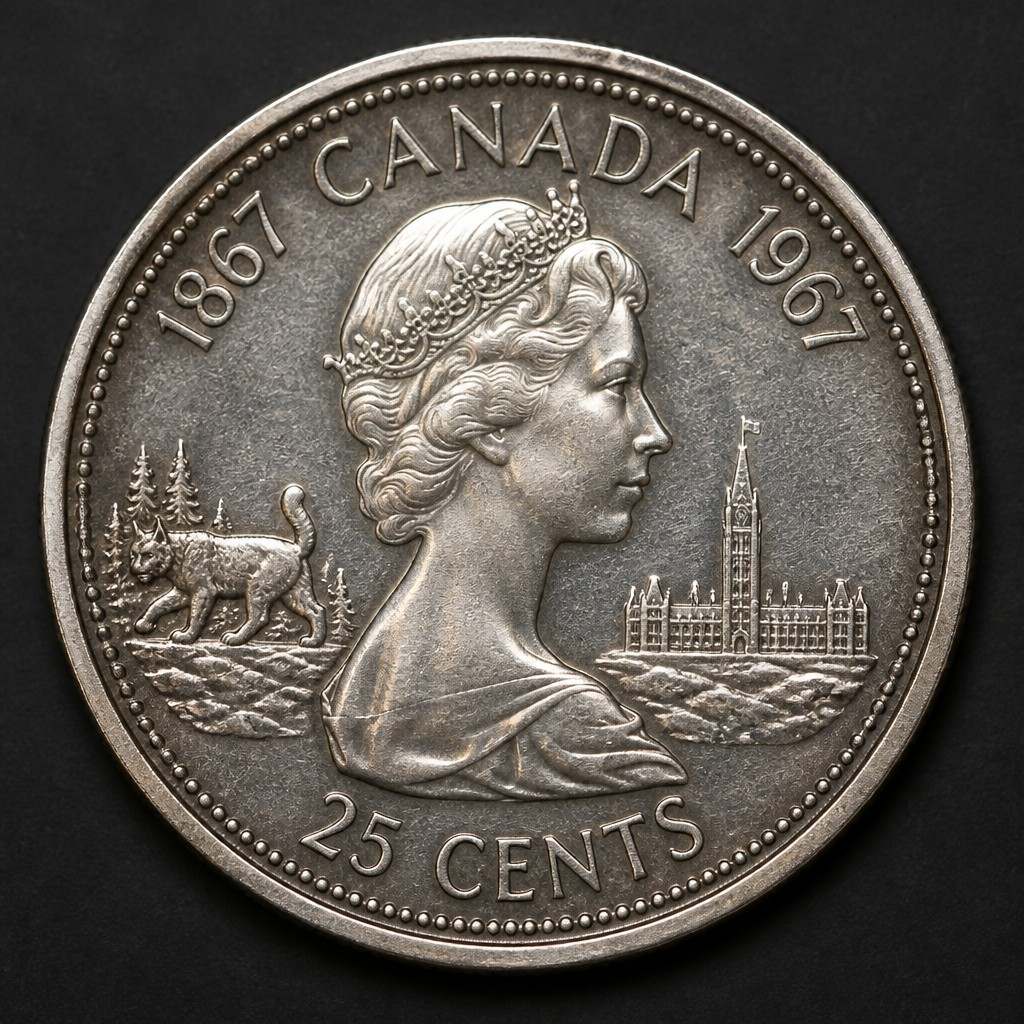
1967 Bobcat Centennial Quarter
1967
Caribou Twenty-Five Cents (quarter)
1937–present