
Coin Encyclopedia
Search and identify coins from around the world — with country, denomination, metal, mint, history, and how to tell them apart.
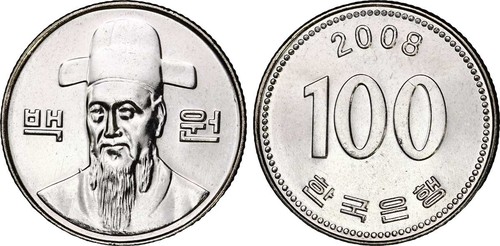
100 Won
South Korea's everyday nickel 100 won coin, showing Admiral Yi Sun-sin in his winged helmet on the obverse and a large numeral 100 on the reverse.
Circulation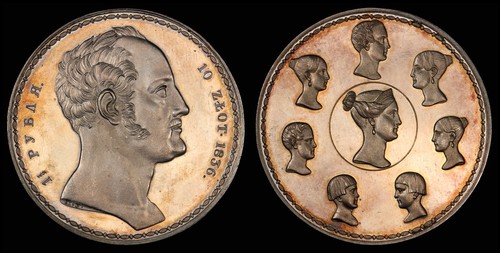
1½ Roubles
A large silver crown of Tsar Nicholas I, dual-valued at 1½ Roubles and 10 Zlotych for Russia and Congress Poland, with an eagle bearing many shields.
Modern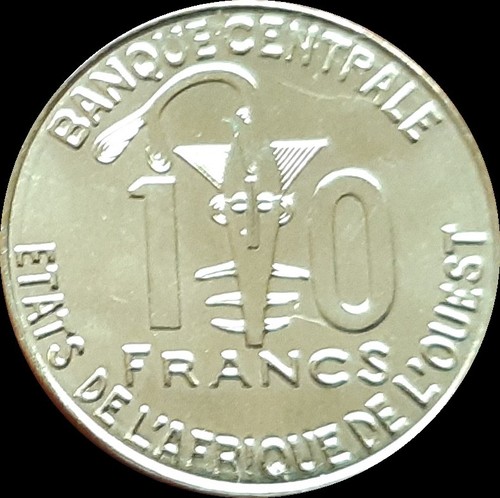
10 CFA Francs
A small modern circulation coin of the West African CFA franc zone, showing a stylized traditional emblem and the bold value 10.
World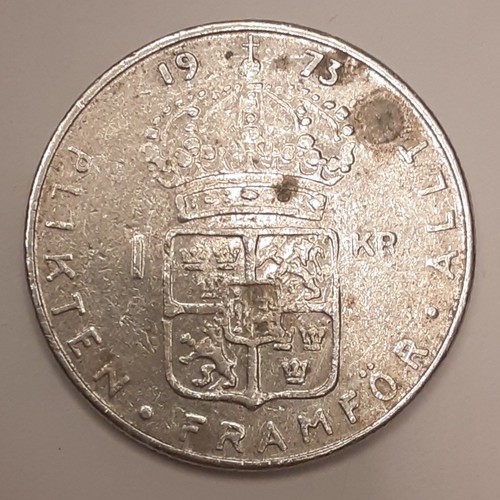
1 Krona (Gold)
A gold 1 krona of Sweden dated 1906, bearing the left-facing portrait of King Oscar II and the Swedish royal coat of arms with lions and three crowns.
Modern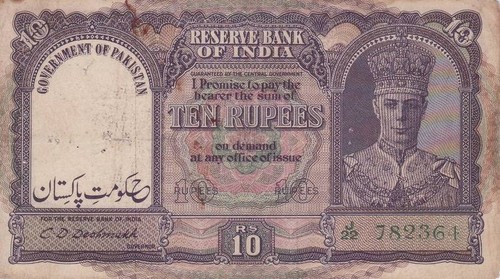
India 10 Rupees
A silver-era Indian coin carrying the profile of King George VI, struck during the final years of British India and the transition to the Republic.
Circulation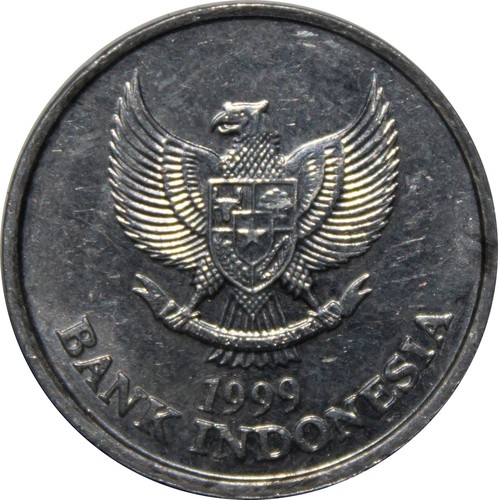
Indonesia 100 Rupiah
A modern lightweight aluminium 100 Rupiah of Indonesia, carrying the Garuda Pancasila national emblem, the BANK INDONESIA legend and the 100 denomination.
Southeast Asia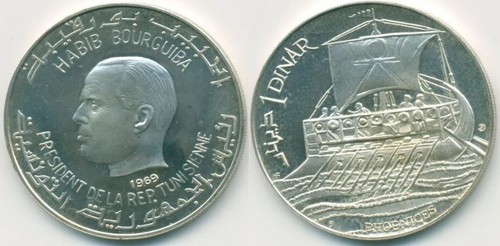
Tunisia 1 Dinar
A 1969 Tunisian silver 1 dinar showing President Habib Bourguiba on the obverse and a traditional sailing ship on the reverse.
World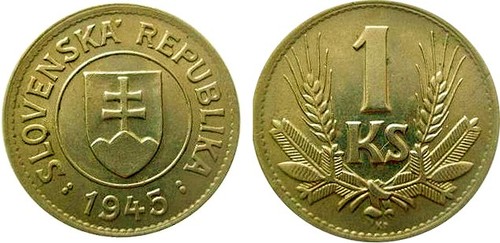
1 Koruna
A lightweight aluminum 1 Koruna of the wartime Slovak state, showing the double-cross national shield on one side and the value 1 Ks flanked by wheat ears.
Modern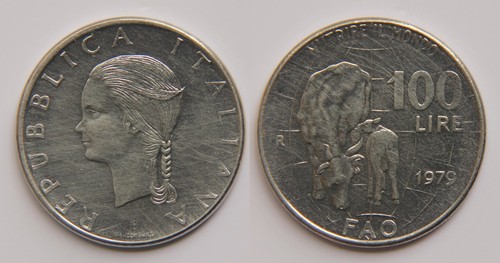
100 Lire
Italy's 1979 100 Lire, a nickel-hued FAO commemorative with a woman's profile on the obverse and an allegorical figure beside the value on the reverse.
Modern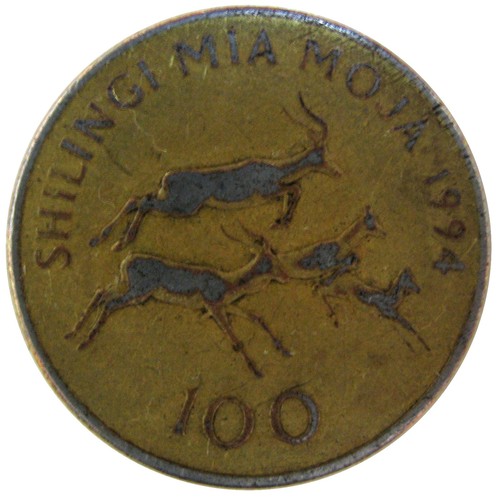
Tanzania 100 Shillings
A golden brass Tanzanian coin worth 100 shillings, showing a lively scene of running antelope with the Swahili legend SHILINGI MIA MOJA.
World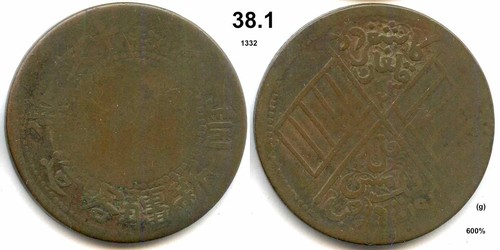
10 Cash (Republic)
A Republic of China bronze 10 Cash: a round machine-struck copper piece with a central ornament and characters on one face and a decorative inscribed reverse.
Cash Coin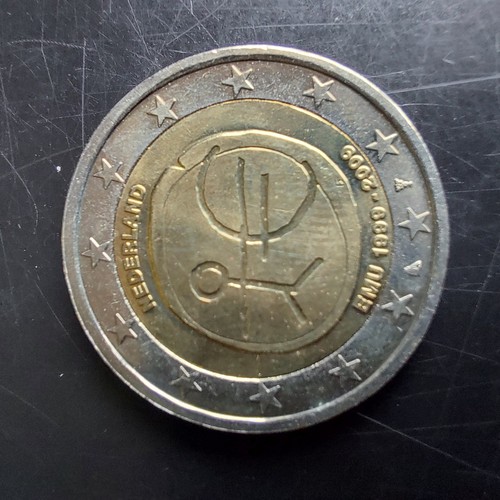
1 Euro (10 Years EMU)
Dutch bi-metallic 1 Euro marking ten years of Economic and Monetary Union, with a stylized integration design and the twin dates 1999 and 2009.
Commemorative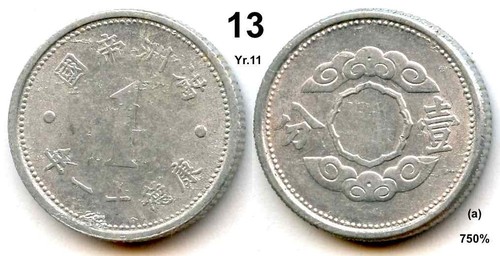
Manchukuo 1 Fen
A small bronze 1 fen from Manchukuo, dated 1944, with a large numeral 1 and Chinese inscriptions on one side and an ornamental circular design on the other.
Circulation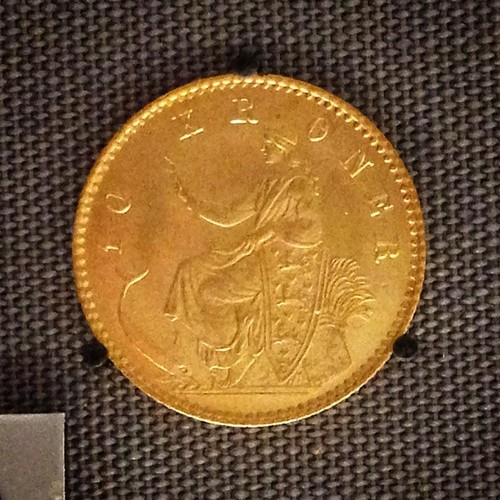
10 Kroner
A small Danish gold 10 kroner dated 1873, the first year of the type, with the bearded profile of King Christian IX and a seated allegorical figure of Denmark on the reverse.
Modern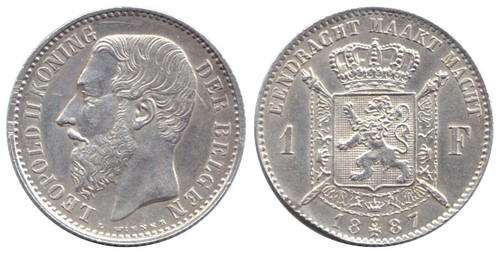
1 Franc (Leopold II)
A late-19th-century Belgian silver franc of King Leopold II, with his left-facing profile on the obverse and a crowned coat of arms on the reverse.
Modern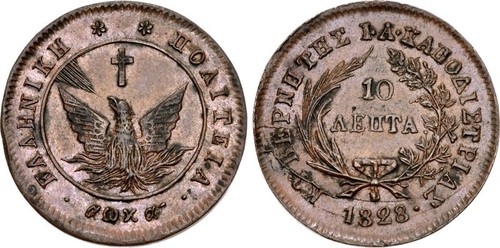
10 Lepta (Phoenix)
A copper 10 lepta of the first independent Greek state, dated 1828, showing the Phoenix rising from flames beneath a cross against the value within an oak wreath.
Modern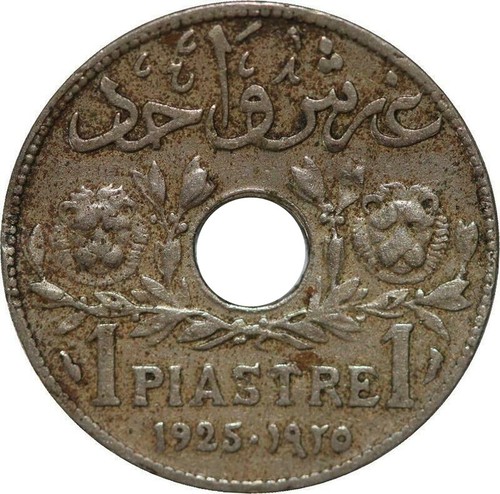
Lebanese 1 Piastre
A small holed bronze 1 Piastre of Greater Lebanon dated 1925, struck under the French Mandate, with bilingual legends and an ornamental wreath framing the value.
World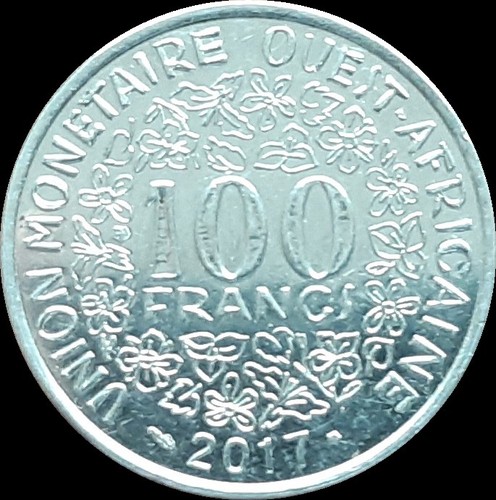
100 CFA Francs
A widely circulated West African coin bearing a crossed-sword emblem and a floral design, denominated 100 francs of the West African CFA franc.
World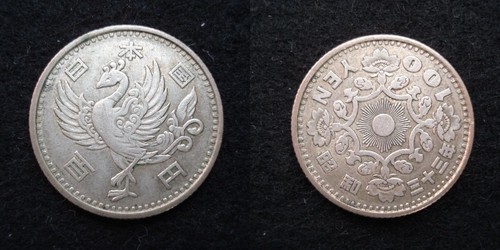
100 Yen (Showa Silver)
Japan's first 100 Yen coin, in silver: a phoenix in flight on the obverse and a bold radiating 100 on the reverse. Dated Showa 33 (1958).
Circulation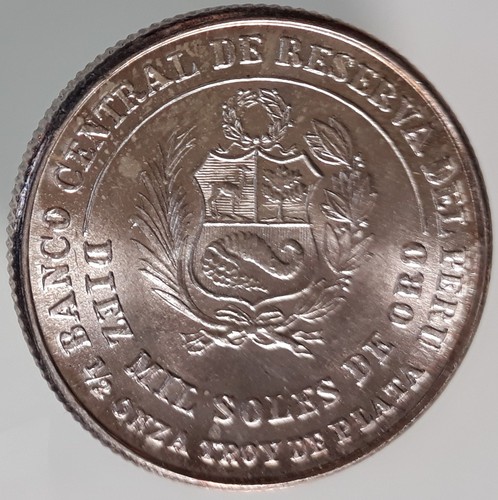
10,000 Soles de Oro
A large Peruvian silver coin of 10,000 soles de oro, its obverse bearing the national coat of arms with the vicuna, cinchona tree and cornucopia.
Circulation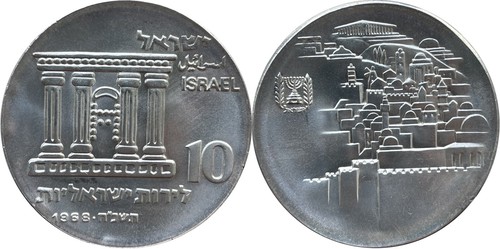
Israel 10 Lirot
Israel's 1968 silver 10 Lirot, struck for the 20th anniversary of independence, pairing a menorah emblem with a view of Jerusalem.
World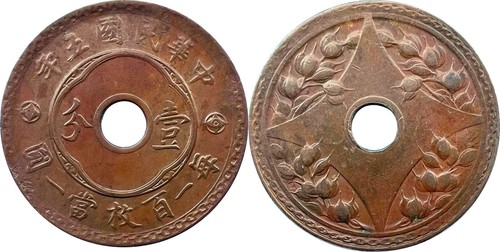
Republic 1 Fen
A holed copper 1 fen of Republican China, showing a numeral 1 with Chinese characters on one side and flowering plum blossoms on the other, around a central square-ish hole.
Circulation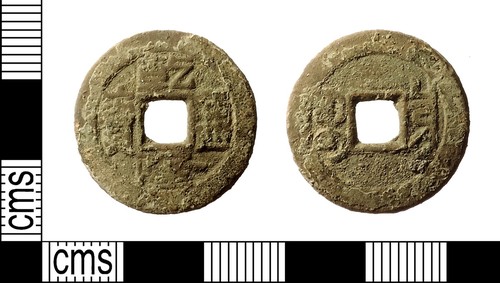
Ban Liang
A round bronze cash coin with a square central hole and two seal-script characters reading Ban Liang, from early imperial China.
Ancient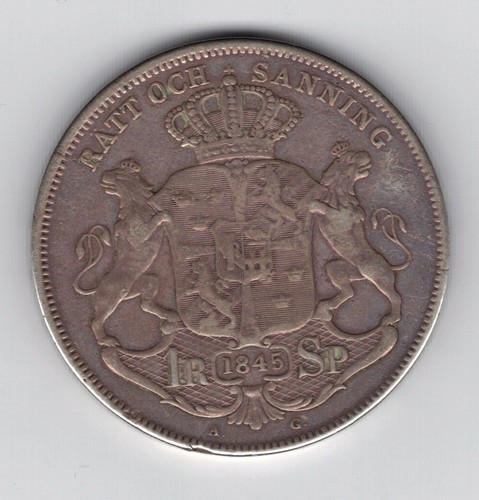
1 Riksdaler Specie
Large silver Riksdaler Specie of Sweden under King Oscar I, dated 1845, bearing his right-facing portrait, royal motto, and the Swedish coat of arms.
Modern