
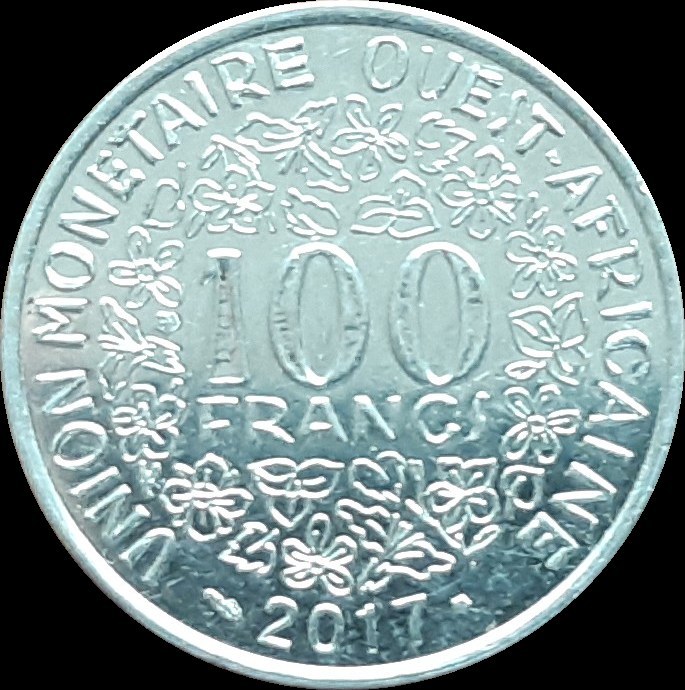
100 CFA Francs
A widely circulated West African coin bearing a crossed-sword emblem and a floral design, denominated 100 francs of the West African CFA franc.
- Country
- West Africa (CFA)
- Denomination
- 100 Francs
- Metal
- Nickel-silver
Got a coin like this?
Identify any coin from a photo, free.
Overview
The 100 CFA francs is a common circulating coin of the West African CFA franc, the shared currency used across a group of countries in West Africa. Its French inscription COMMUNAUTÉ OUEST-AFRICAINE ("West African Community") identifies it as an issue tied to the region's monetary union rather than to any single nation.
Struck in a bright, silvery nickel-silver alloy, the coin pairs a decorative floral design carrying the denomination on one face with a distinctive crossed-sword emblem on the other. It is a modern workhorse denomination, produced in large quantities and encountered constantly in everyday commerce across the CFA zone.
Because it is issued by a regional central bank for shared circulation, the same design appears year after year with only the date changing. The photographed example is dated 2011 and is typical of the type.
History & Background
The West African CFA franc has been issued since the late 1950s and is managed today by the Banque Centrale des États de l'Afrique de l'Ouest (BCEAO), the central bank serving a union of West African states. The currency is a legacy of the former French colonial franc zone and remains pegged to the euro, which lends it long-term stability.
The 100-franc denomination in this design was introduced in 1967 and has been struck repeatedly since, with the crossed-sword emblem and COMMUNAUTÉ OUEST-AFRICAINE legend remaining consistent across decades. The coin's dates simply mark successive years of production rather than distinct designs.
Because it is a shared regional coinage, the 100 CFA francs circulates interchangeably among the member states without a national name or coat of arms. This makes it different from many world coins, which are tied to a single country; here the identity is the monetary community itself.
How to Identify
Look first at the legend: genuine pieces read COMMUNAUTÉ OUEST-AFRICAINE, confirming the West African CFA franc rather than the separately administered Central African CFA franc. One face shows a stylized floral or plant design together with the value 100 and FRANCS, while the other carries the crossed-sword emblem that is the hallmark of this coinage.
The coin is round with a plain or reeded edge and is struck in nickel-silver, giving it a pale silvery appearance despite containing no precious metal. It is a mid-size circulation coin, larger and heavier than the small franc denominations but modest overall. The four-digit date, such as 2011 on the pictured example, appears in the field and is the main thing that varies from coin to coin.
Because the design is standardized, individual coins are told apart by their date rather than by country or portrait. The absence of any national name is normal and expected for this regional type.
Value & Collectibility
As a modern circulating coin struck in base metal, the 100 CFA francs carries very little collector premium in ordinary worn condition; its worth is essentially its small face value as spending money within the CFA zone. Common dates in circulated grades are inexpensive and widely available.
Uncirculated examples, better-preserved older dates, and coins in original mint sets can bring modest premiums to collectors of world or francophone African coinage, but these remain low-cost pieces overall. Condition and eye appeal matter more than any single year for most dates.
As with all base-metal circulation coins, treat any figure as a rough guide. There is no precious-metal content to underpin value, so prices are driven by collector demand and preservation rather than by melt.
Frequently asked questions
What does COMMUNAUTÉ OUEST-AFRICAINE mean?
It is French for "West African Community," identifying the coin as an issue of the West African CFA franc union rather than of a single country.
Which countries use this coin?
It circulates across the member states of the West African CFA franc zone, served by the BCEAO central bank. The coin is shared regional money and carries no single national name.
Is the 100 CFA francs made of silver?
No. Despite its silvery color it is struck in nickel-silver, a base-metal alloy of copper, nickel, and zinc that contains no precious metal.
What is the crossed-sword emblem on the reverse?
It is the traditional emblem used on West African CFA franc coinage. It appears consistently on this denomination across production years and helps identify the type.
Is my 2011 coin valuable?
In circulated condition it is worth little beyond its small face value. Uncirculated or well-preserved examples may carry a modest collector premium, but this is an inexpensive modern coin.
100 CFA Francs guides
In-depth guides for identifying, valuing, and collecting 100 CFA Francs.
Other coins you may enjoy
Gold Chervonets
1923
Shilling of Edward VI
1547–1553 (reign of Edward VI)
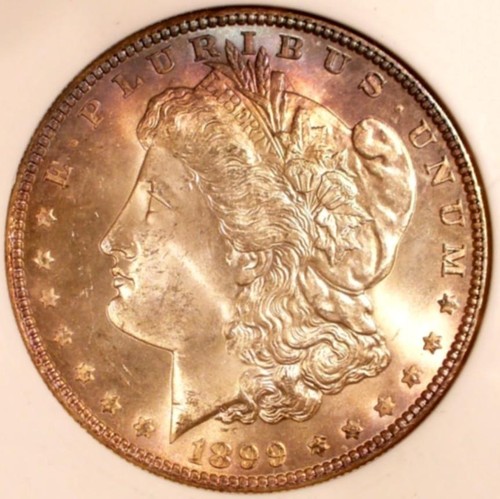
French Silver Franc
c. 1871–1920 (example dated 1899)
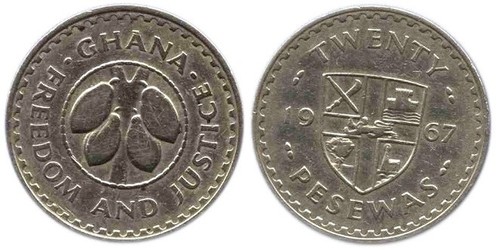
Ghana 20 Pesewas
1967
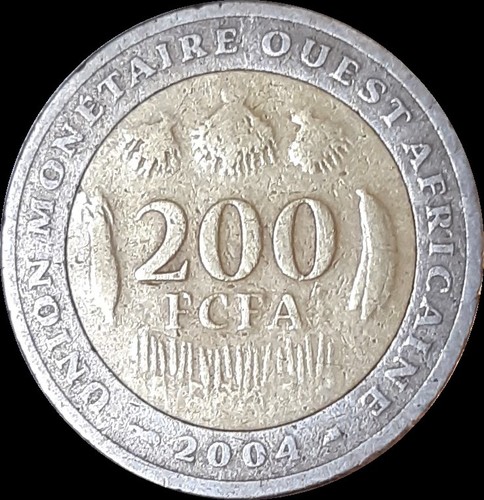
200 CFA Francs
2003–present
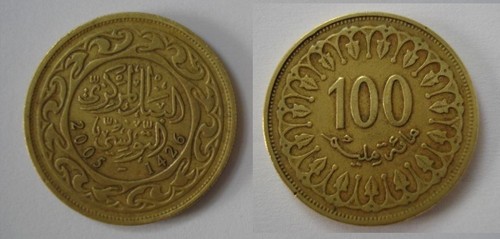
Tunisia 100 Millimes
1983–2005 (this brass type)
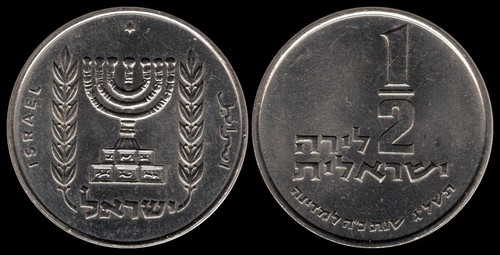
Israel Half Lira (25th Anniversary)
1973 (5733)
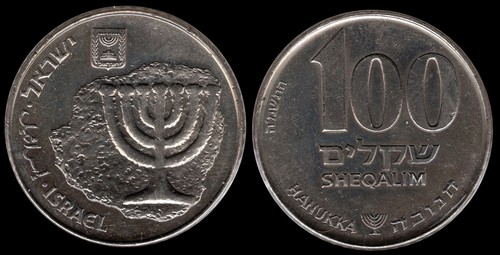
Israel 100 Sheqalim Hanukka Commemorative
1985
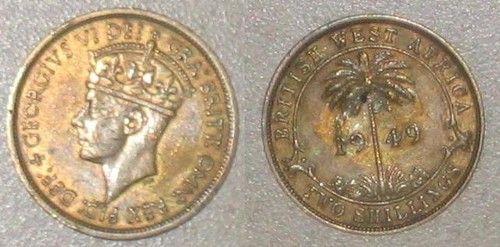
British West Africa 2 Shillings
1936–1952 (George VI type)
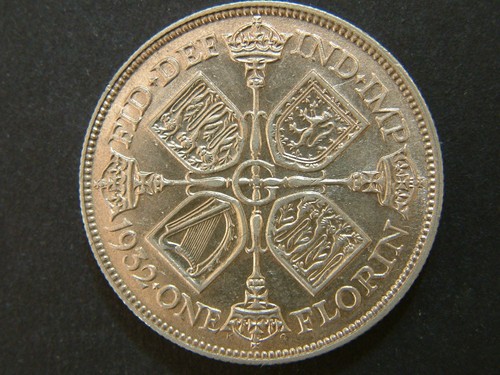
British Florin
Victorian issues c. 1849–1901 (example dated 1890)
Swiss 5 Francs
1888–1916 (this design)
North Yemen 1 Rial
1963 (AH 1382)