
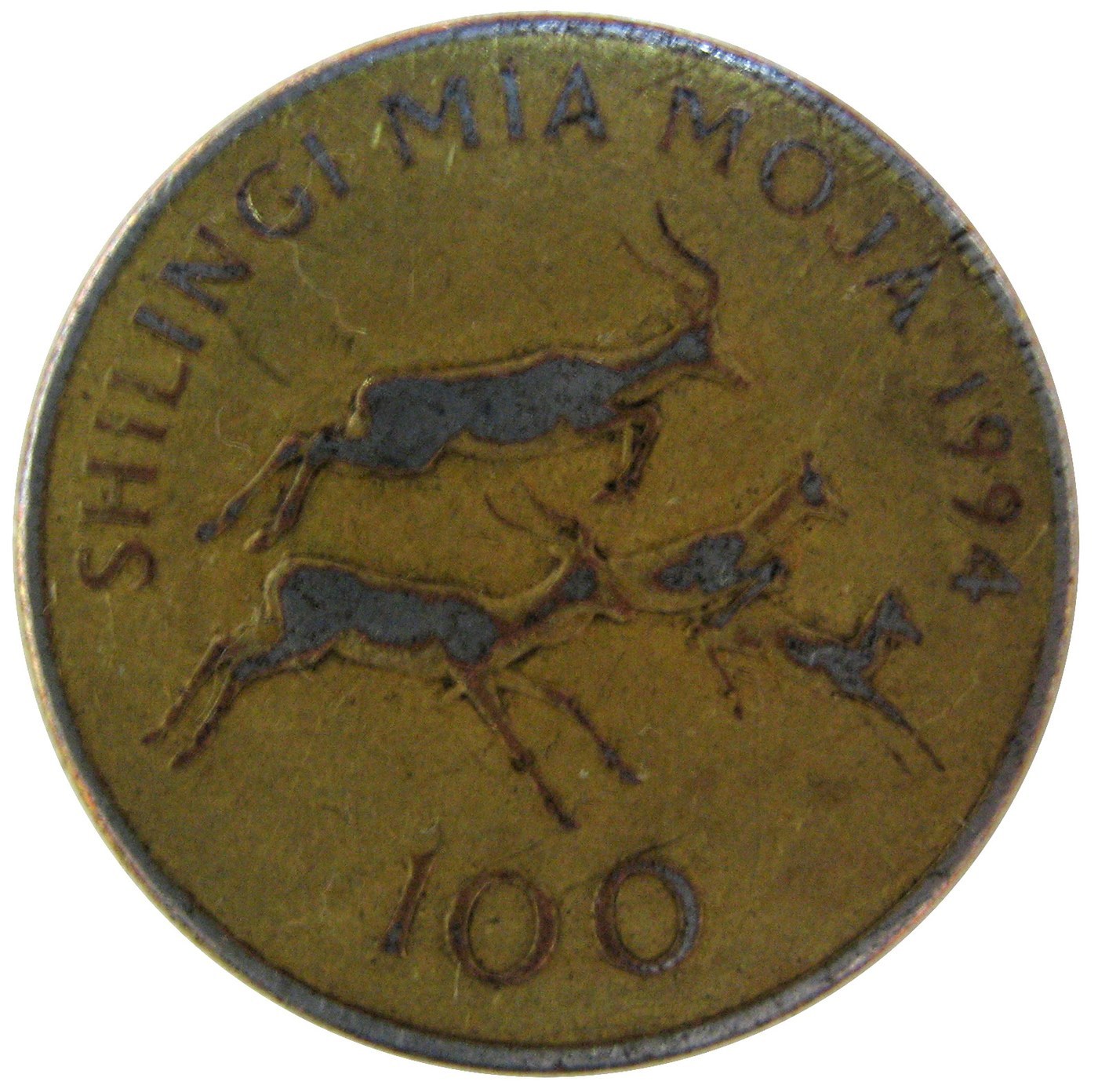
Tanzania 100 Shillings
A golden brass Tanzanian coin worth 100 shillings, showing a lively scene of running antelope with the Swahili legend SHILINGI MIA MOJA.
- Country
- Tanzania
- Denomination
- 100 Shillings
- Metal
- Brass
Got a coin like this?
Identify any coin from a photo, free.
Overview
The Tanzania 100 Shillings is a brass circulating coin of the Republic of Tanzania, valued at one hundred shillings (Swahili: shilingi mia moja). The side shown here carries a wildlife scene of running antelope across a grassy ground, the large numeral 100, the legend SHILINGI MIA MOJA, and a date — on this example, 1994.
Like much of Tanzania's modern coinage, the design leans on the country's celebrated wildlife, a theme that runs through many of its denominations. The warm yellow-gold color comes from the brass alloy rather than any precious metal, so the coin's appeal is as a piece of everyday African currency rather than as bullion.
The reverse (not shown in this photograph) typically carries the national identity of the issuer — the country name and a portrait or state emblem — paired with the value side seen here.
History & Background
Tanzania issued its own shilling from the mid-1960s, replacing the earlier East African shilling used across the region, and its coinage has since carried strong national and natural-history imagery. The 100-shilling denomination in brass belongs to Tanzania's later 20th-century circulating series, with dated examples such as this 1994 piece.
The running-antelope motif fits a long tradition on Tanzanian and East African coins of depicting native fauna. Placing wildlife on the money reflects the importance of the country's wildlife heritage and national parks to Tanzania's identity, tourism, and conservation image.
As a higher-value small-change coin, the brass 100 shillings served everyday commerce during a period of gradual price change. Over time, higher denominations and revised coin types followed, but dated pieces like this remain common survivors of the 1990s series.
How to Identify
The clearest diagnostic on the side shown is the Swahili legend SHILINGI MIA MOJA curving around the rim, meaning "one hundred shillings," together with the large numeral 100 below a scene of several antelope in mid-stride across grassy ground. A four-digit date (here 1994) sits within the legend.
The coin is struck in brass, giving it a distinctive yellow-gold tone; genuine circulated examples often show darker toning in the recesses of the design, as on this piece. It is a round coin with a raised rim and, typically, a reeded or grained edge.
The unseen opposite face carries the issuer's national identity — expect the country name (Jamhuri ya Muungano wa Tanzania / United Republic of Tanzania) and a portrait or coat of arms rather than another animal. Reading both the Swahili legend and the date is the surest way to confirm the denomination and type.
Value & Collectibility
The brass Tanzania 100 Shillings is a common modern circulation coin, so most examples are worth a small amount — typically a fraction of a dollar to a few dollars — with condition being the main factor. Well-worn pieces like this circulated example sit at the lower end.
Uncirculated coins with full, bright brass surfaces and sharp detail on the antelope carry a modest premium over worn ones. Because these were struck for everyday use, high-grade survivors are the main way collectors add value; there is no precious-metal content to underpin price.
Exact figures vary by date, grade, and marketplace, so treat any single quote as a guide rather than a fixed value. As a rule, this coin is collected for its attractive wildlife design and affordability rather than as an investment.
Frequently asked questions
What does SHILINGI MIA MOJA mean?
It is Swahili for "one hundred shillings" — shilingi (shillings), mia moja (one hundred) — confirming the coin's 100-shilling denomination.
What animals are on the Tanzania 100 shillings?
The design shows a group of running antelope across grassland, part of Tanzania's tradition of featuring native wildlife on its coinage.
Is this coin made of gold?
No. The golden-yellow color comes from brass, a copper-zinc alloy, not gold. It has no precious-metal value.
What year is this coin from?
This example is dated 1994, part of Tanzania's brass 100-shilling coinage of the 1990s. Other dates exist in the same series.
Is the Tanzania 100 shillings valuable?
It is a common circulation coin worth a small amount; value depends mainly on condition, with crisp uncirculated pieces bringing a modest premium.
Tanzania 100 Shillings guides
In-depth guides for identifying, valuing, and collecting Tanzania 100 Shillings.
Other coins you may enjoy
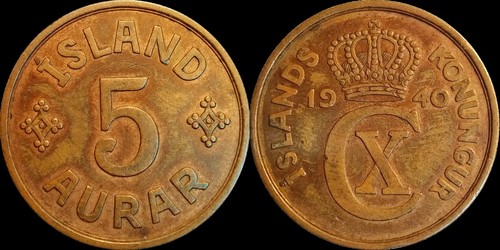
5 Aurar
1926-1942
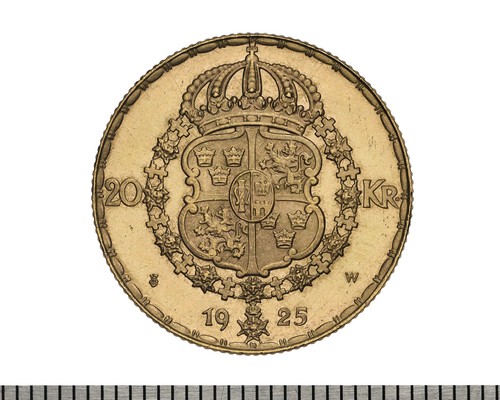
20 Kronor
1925 (denomination struck 1873-1925)
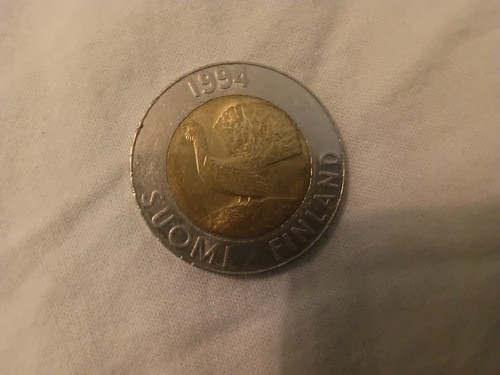
10 Markka
1993–2001
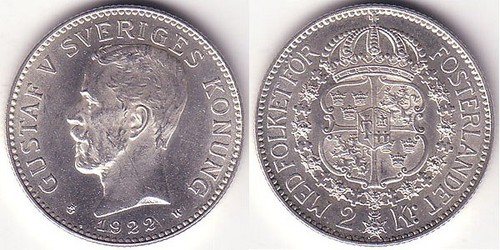
2 Kronor
1910-1940 (this example dated 1922)
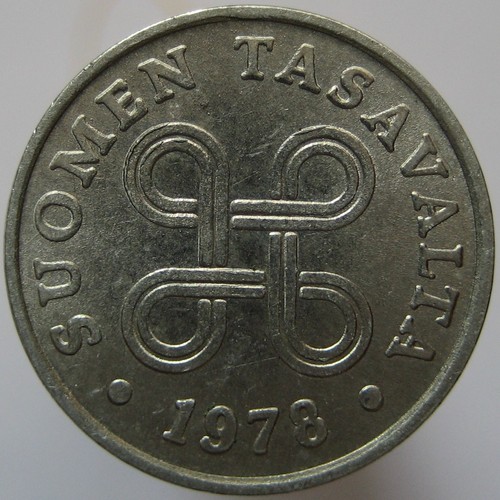
1 Penni
1969–1979
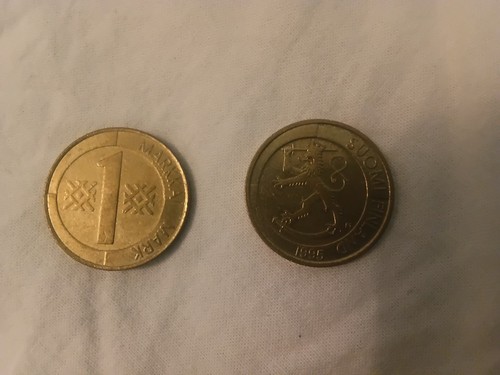
1 Markka
1993–2001
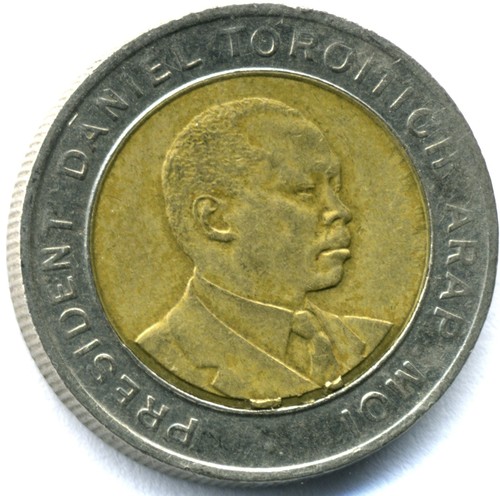
Kenya 5 Shillings
Bimetallic issues (2005–2010)
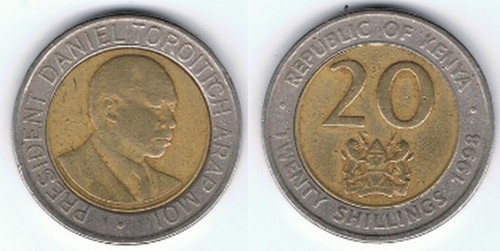
Kenya 20 Shillings
Modern issue (late 1990s–2000s)
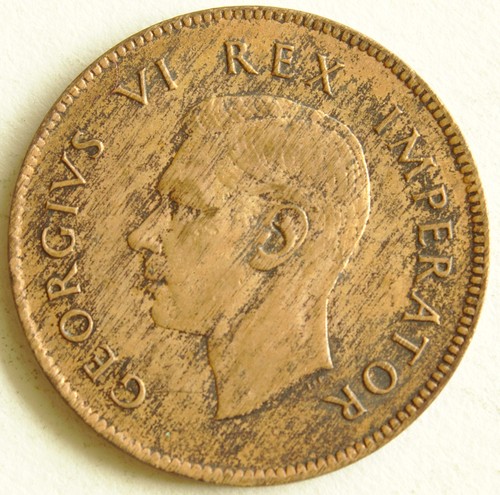
South Africa Farthing
1923-1960
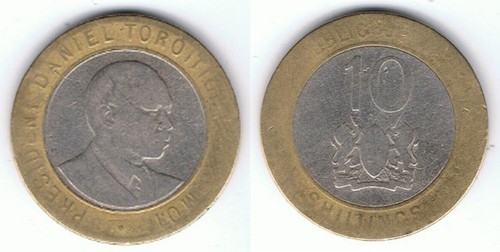
Kenya 10 Shillings
Republic of Kenya, bimetallic issues (mid-1990s to c. 2010)
Gold Sovereign
1817–present
Henri V Five Francs
1831