
Coin Encyclopedia
Search and identify coins from around the world — with country, denomination, metal, mint, history, and how to tell them apart.
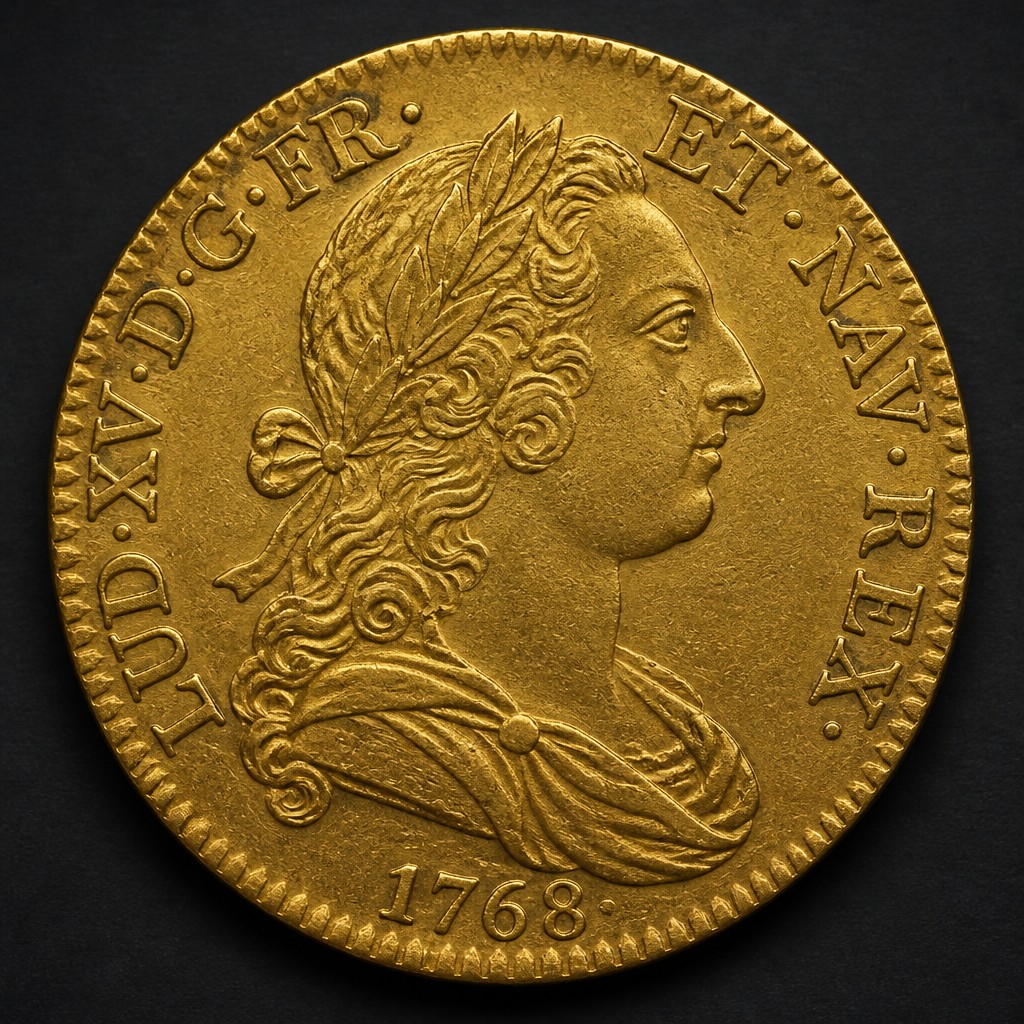
French Louis d'Or
The Louis d'Or was the principal gold coin of the French monarchy for over 150 years, named after the kings Louis who issued it, and struck until the eve of the Revolution.
European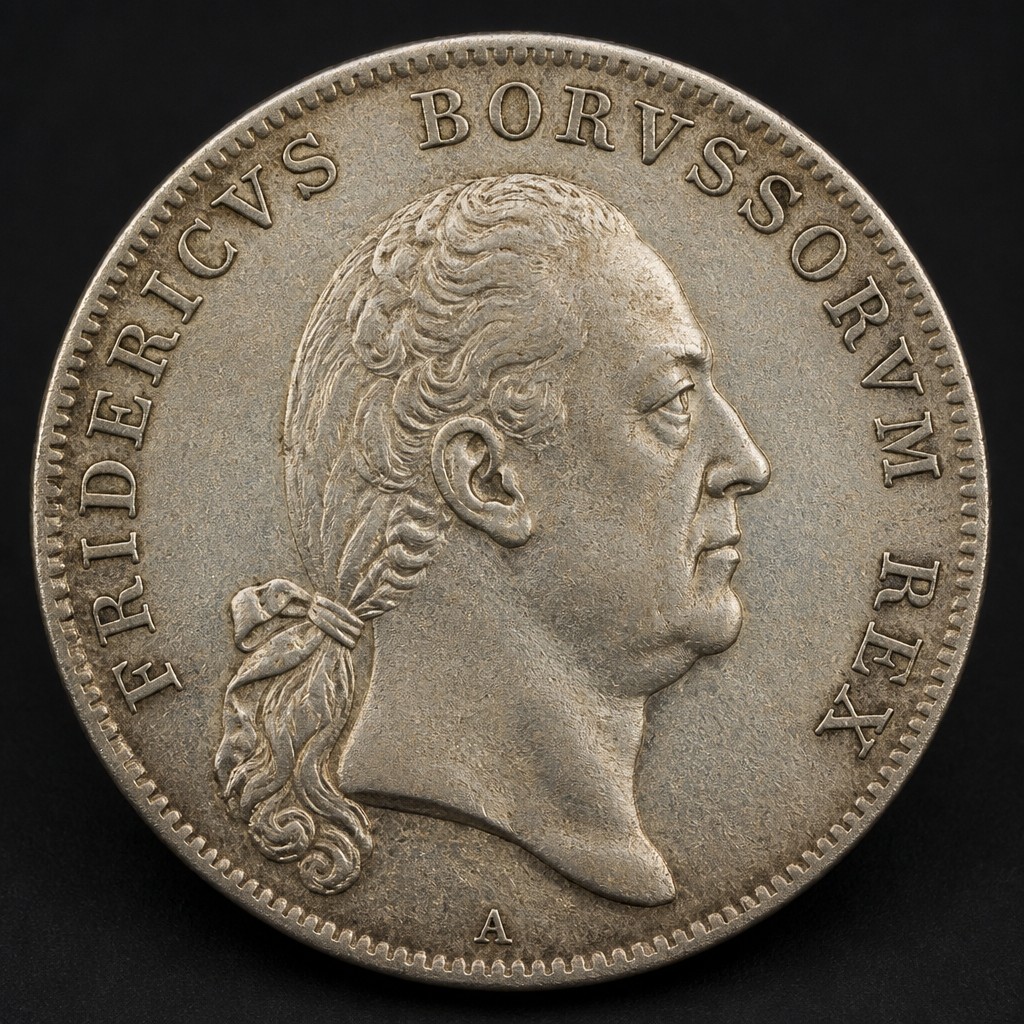
Prussian Thaler
The Prussian Thaler was the leading silver coin of the powerful Kingdom of Prussia, circulating from the mid-18th century until German unification replaced it with the mark in 1871–1873.
European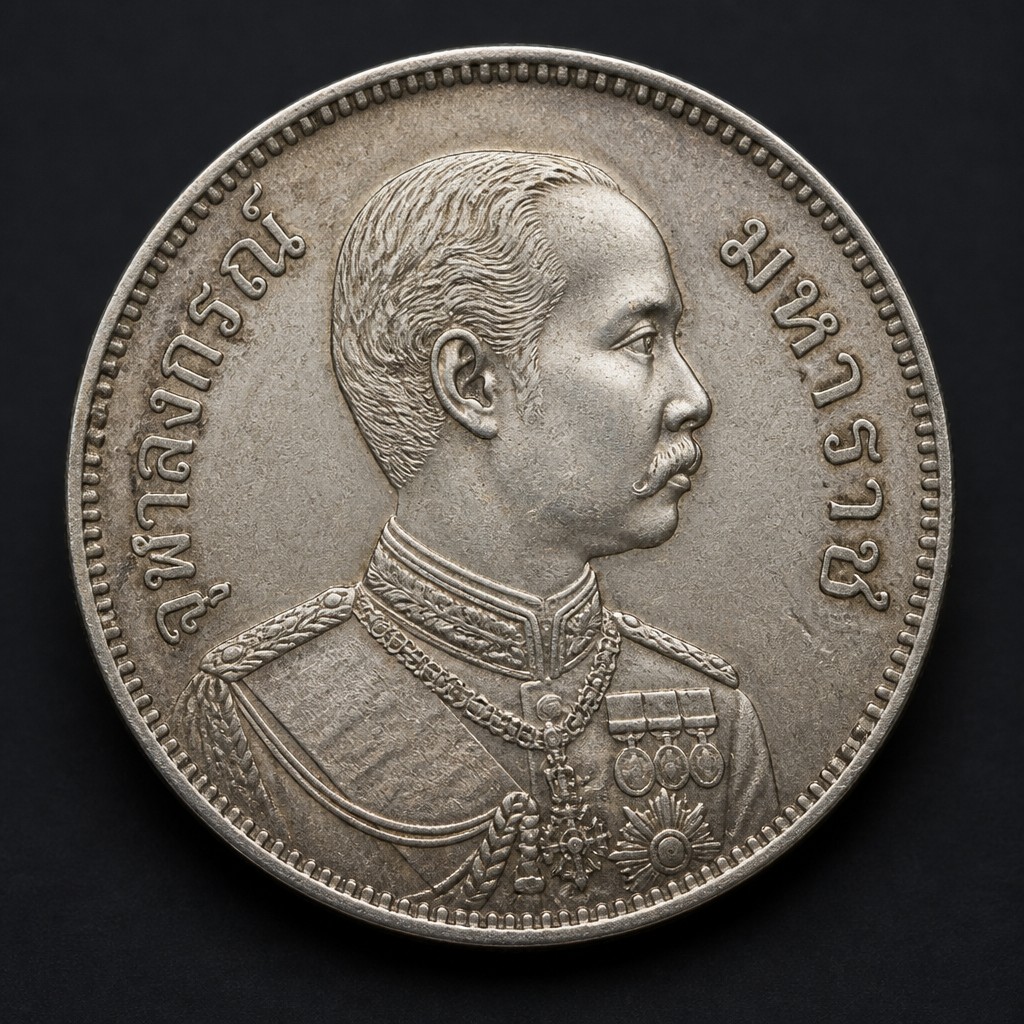
Siamese Rama V Silver Baht
Western-style silver baht introduced under King Chulalongkorn (Rama V) of Siam, replacing centuries-old bullet money with modern flat coinage.
Asian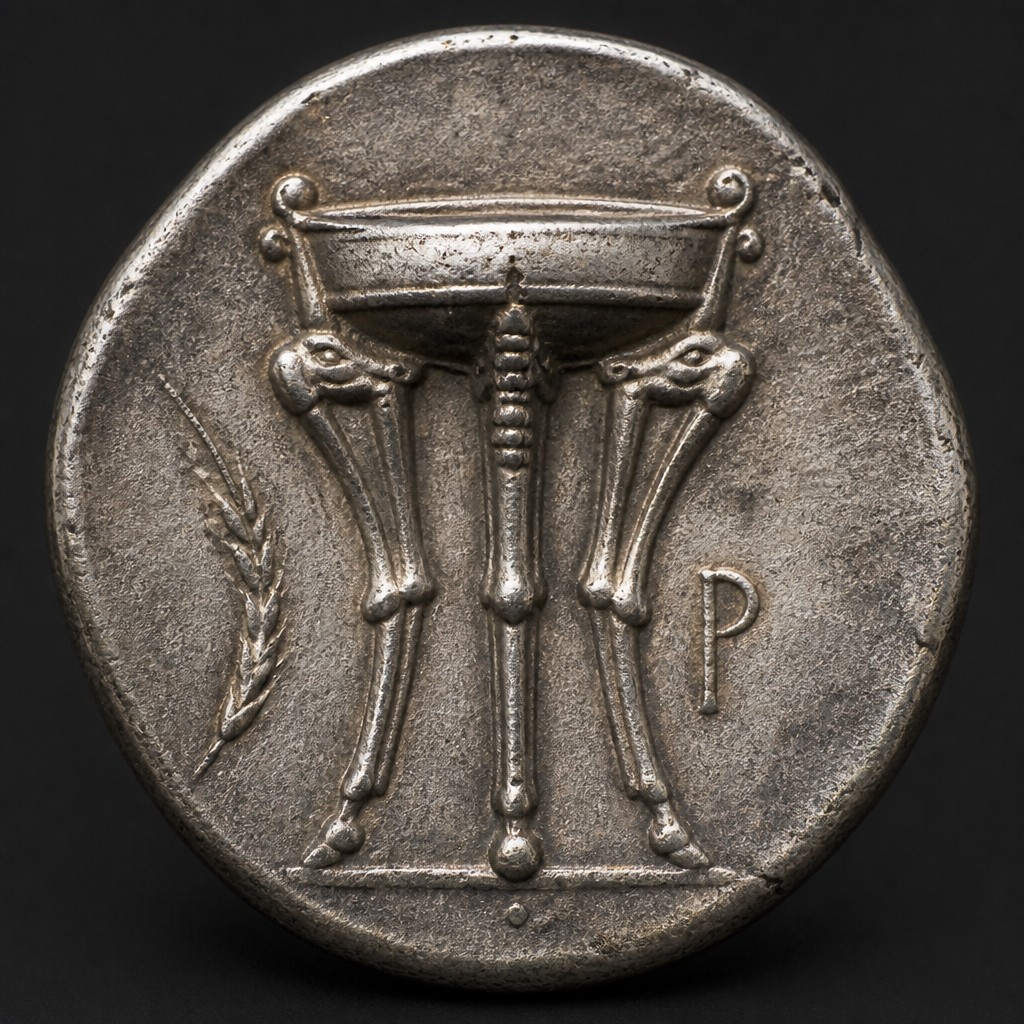
Kroton Tripod Stater
A silver stater from the Greek colony of Kroton in southern Italy, depicting Apollo's sacred tripod, among the finest examples of the early incuse coinage style.
Ancient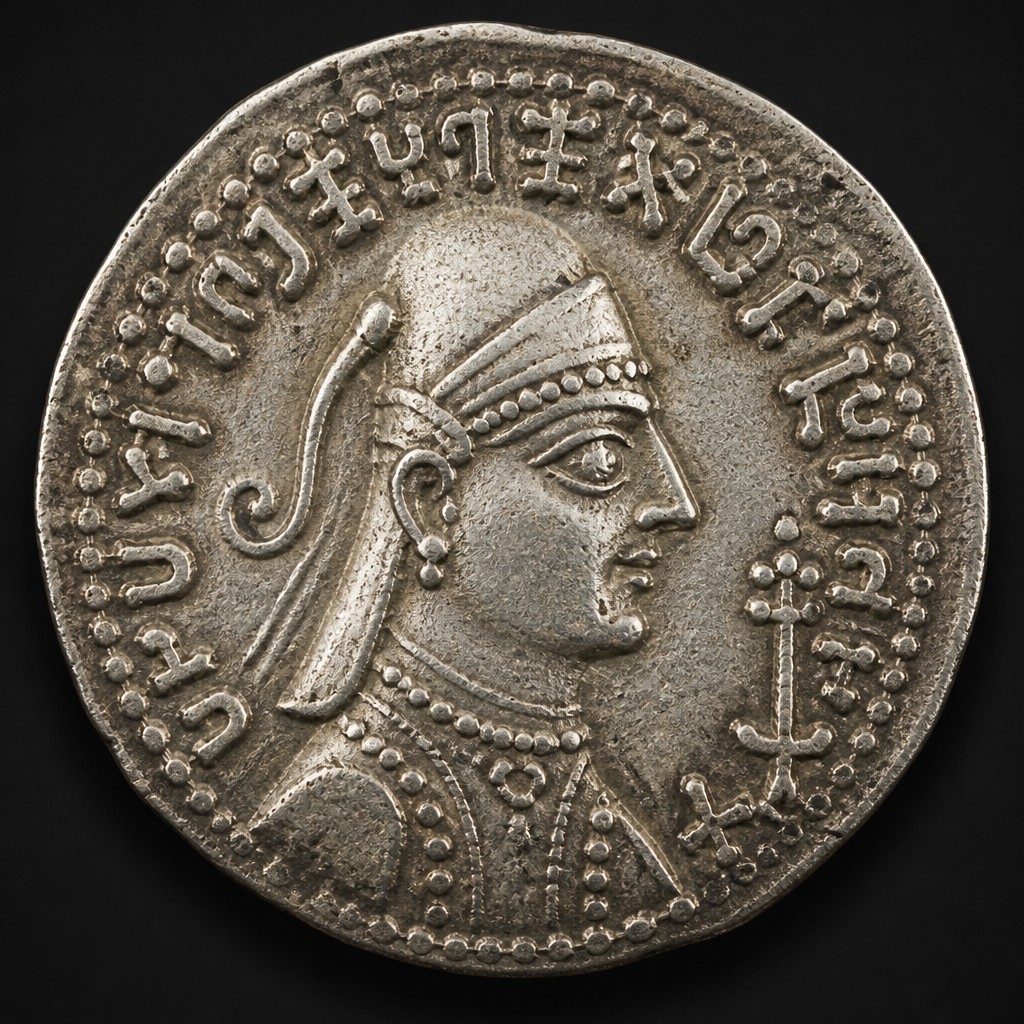
Western Satrap Silver Drachm
A silver drachm of the Western Satraps, Saka rulers of western India, easily identified by a crude Greek-style portrait obverse and a three-arched hill reverse.
Ancient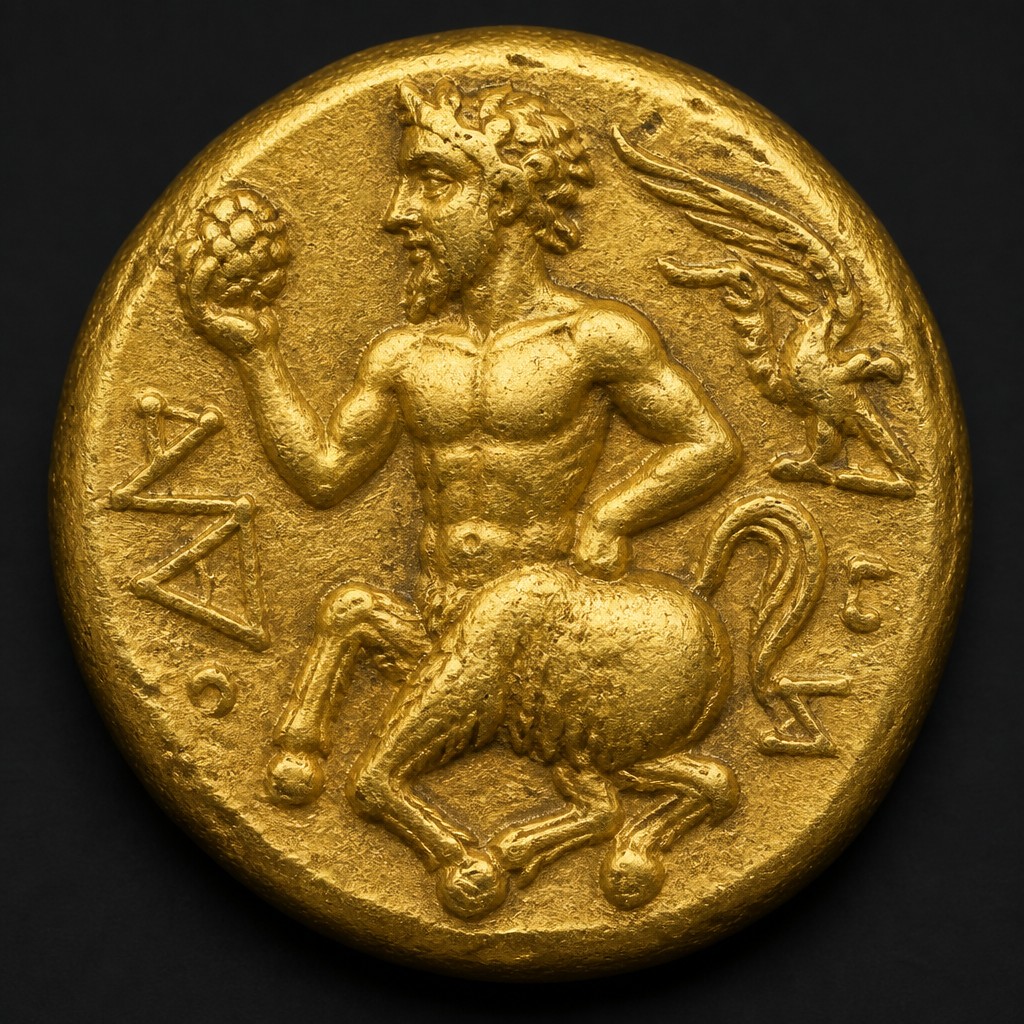
Panticapaeum Gold Stater (Pan/Griffin)
Gold stater of Panticapaeum, capital of the Bosporan Kingdom on the Crimean peninsula, showing the bearded head of Pan and a griffin standing on a grain ear.
Ancient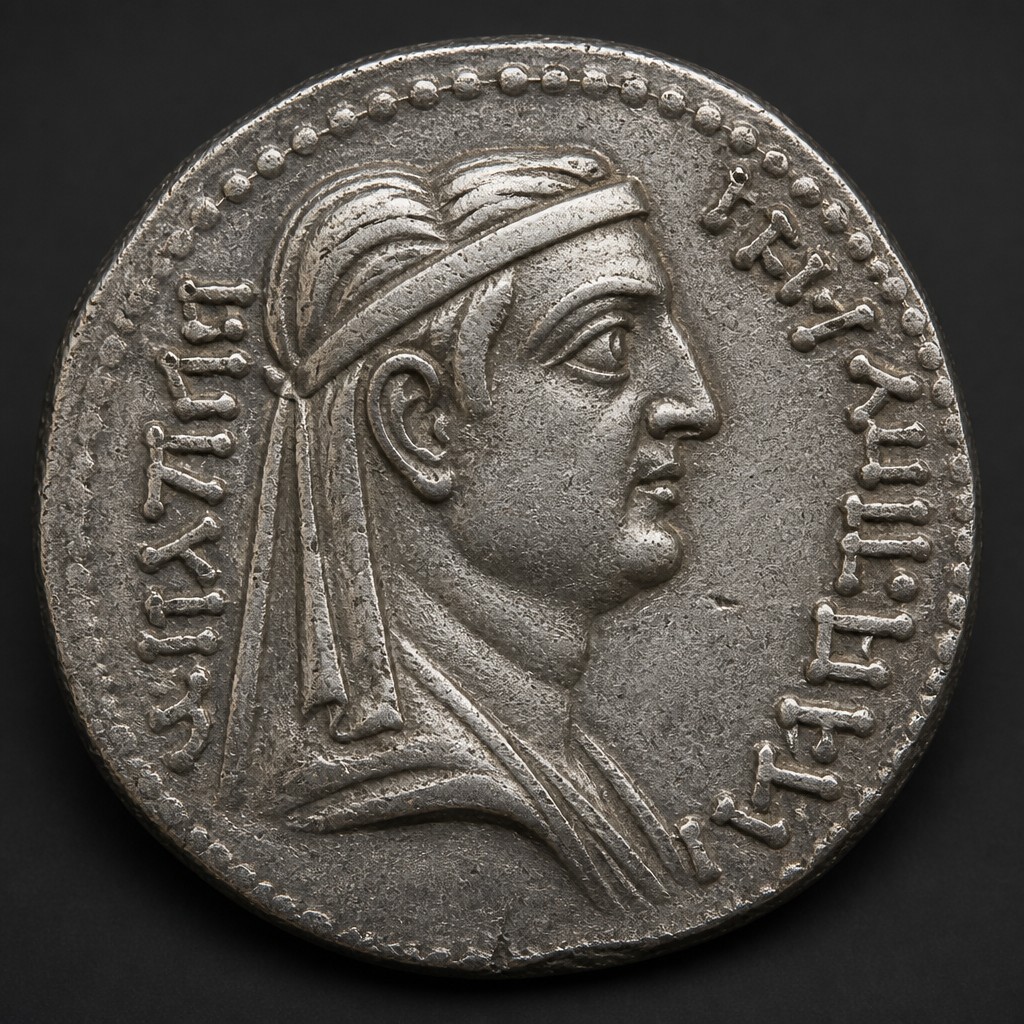
Nabataean Silver Drachm (Aretas IV)
Silver coin of Aretas IV, the most powerful king of the Nabataean Kingdom centered on Petra, often showing his portrait jugate with Queen Shaquilat.
Ancient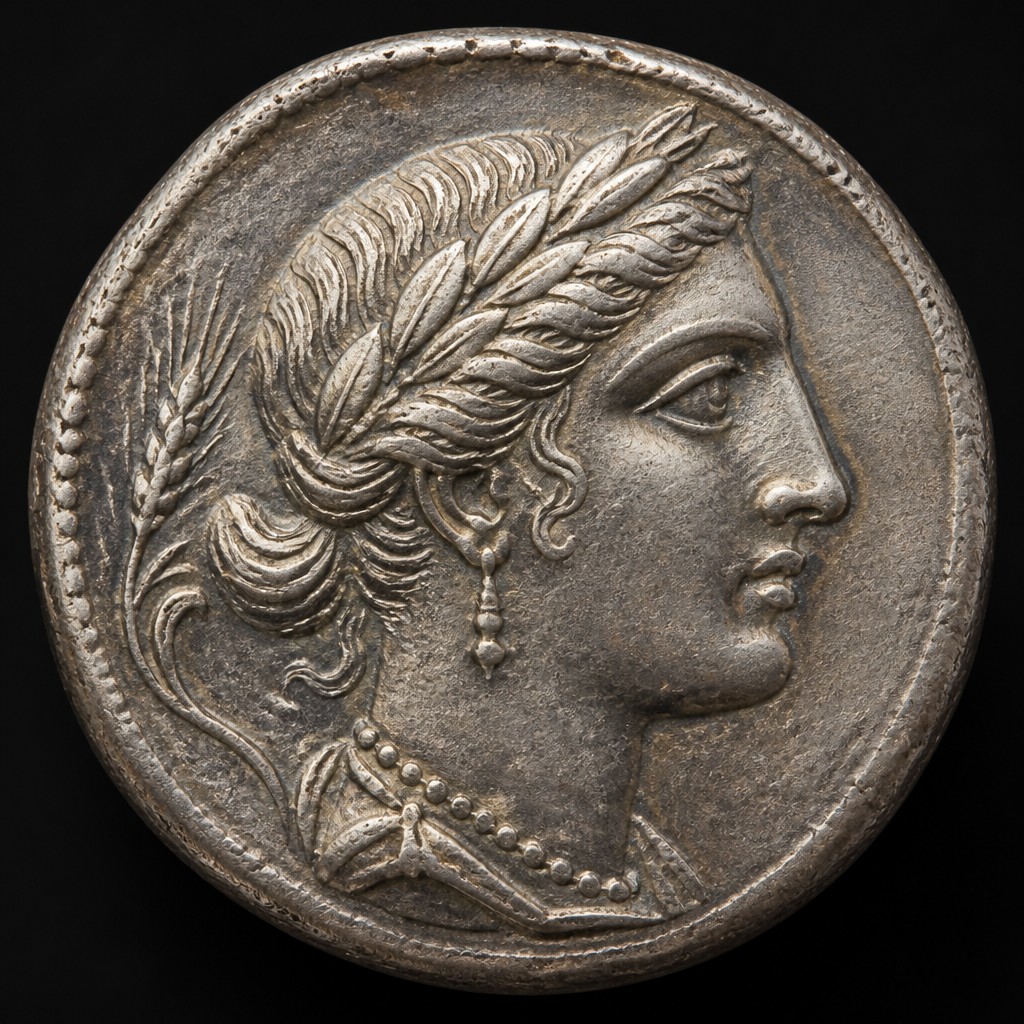
Panormus Siculo-Punic Tetradrachm
A silver tetradrachm struck at Panormus under Carthaginian control in Sicily, blending Greek artistic style with Punic legends, a hallmark of the distinctive Siculo-Punic coinage series.
Ancient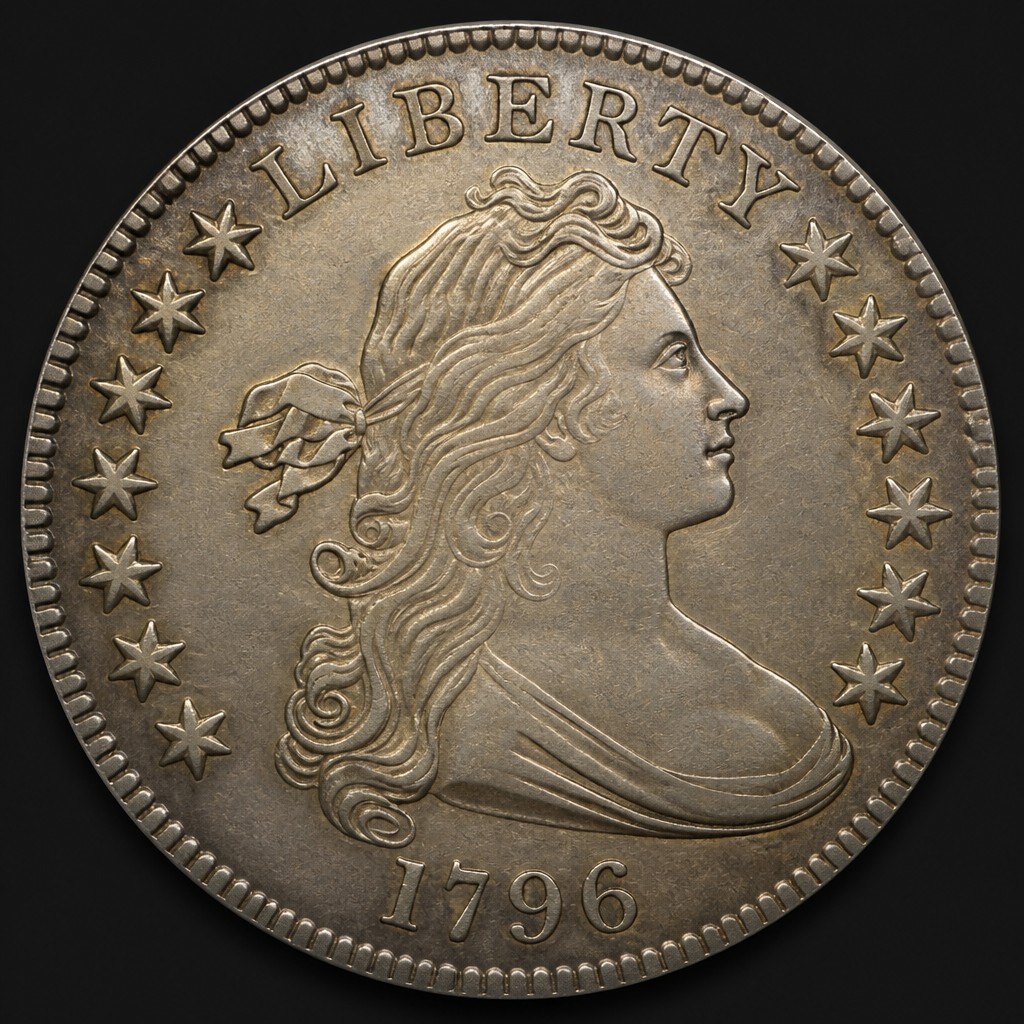
Draped Bust Half Dollar
A silver half dollar (1796-1807) showing a draped, classically styled Liberty bust, issued with a small eagle reverse (1796-1797) and later a heraldic eagle reverse (1801-1807).
United States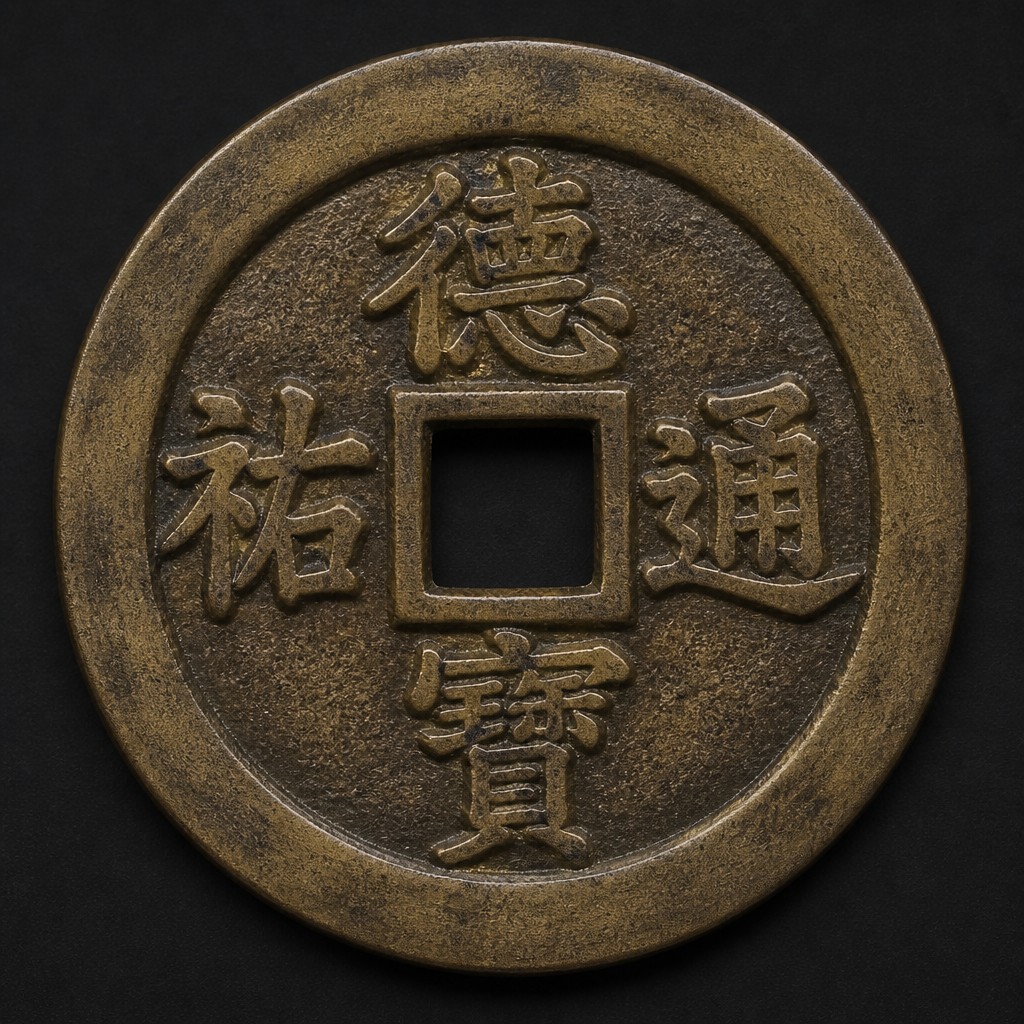
Vietnamese Tu Duc Thong Bao (cash coin)
A cast bronze or zinc cash coin issued under Emperor Tự Đức of Vietnam's Nguyễn Dynasty, round with a square center hole in the traditional East Asian style.
Asian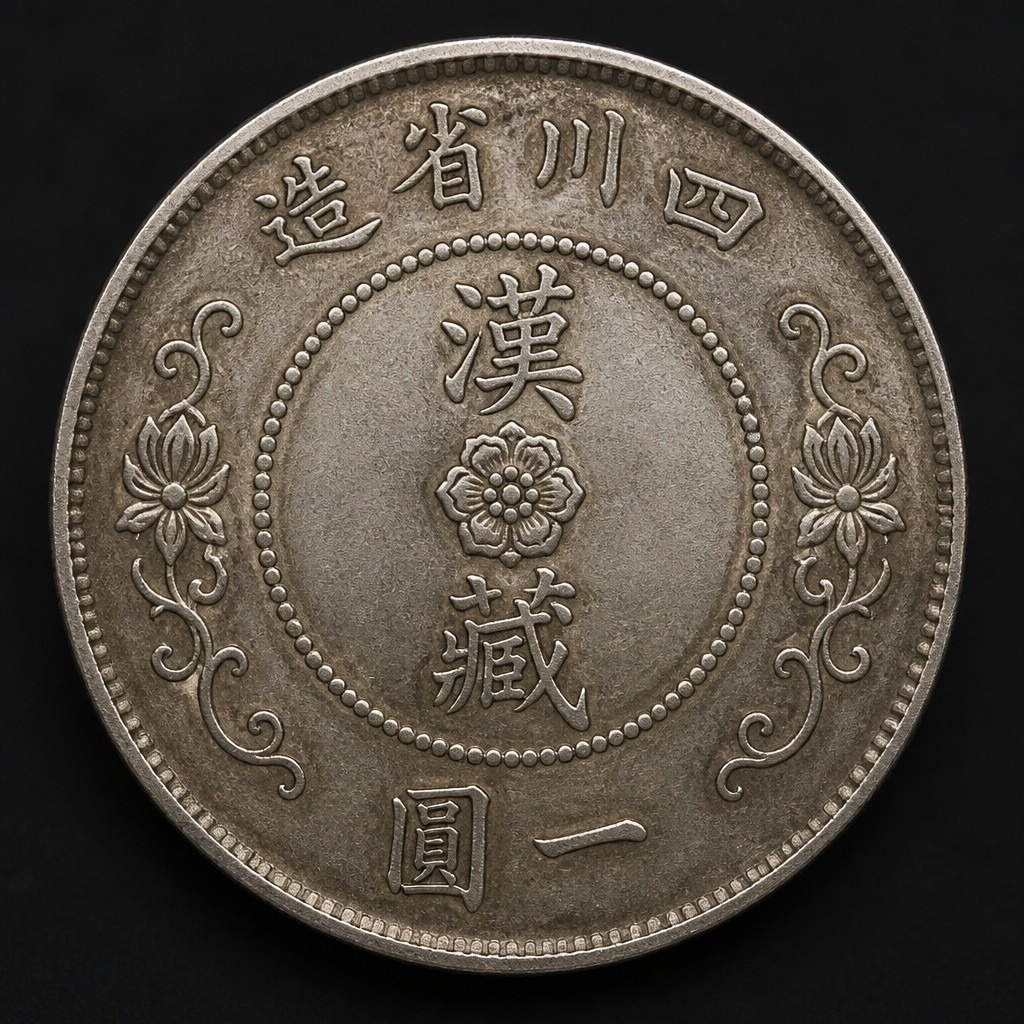
Chinese Szechuan Rupee (Tibet-related)
Silver rupee struck by China's Szechuan provincial mint to compete with British Indian rupees circulating in Tibet, blending a Chinese ruler's portrait with an Indian-style coin format.
Asian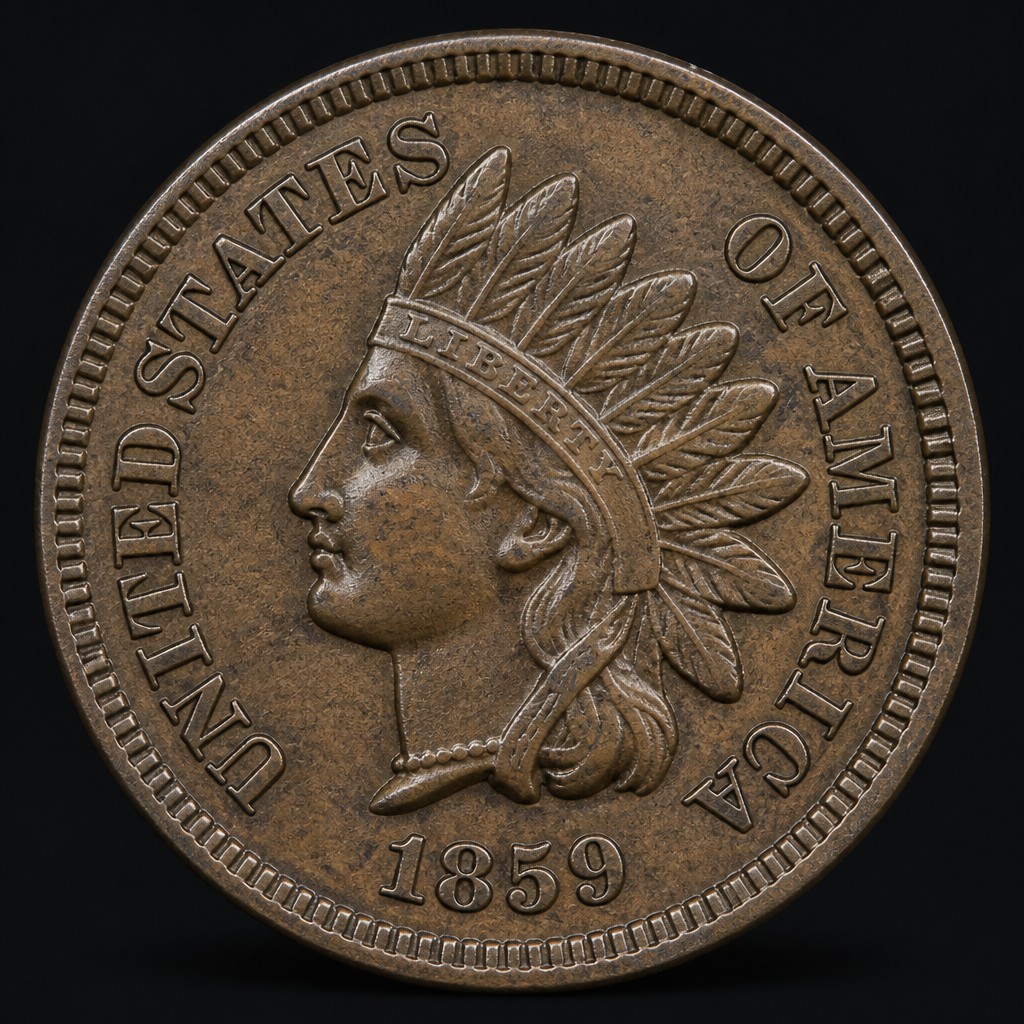
Indian Head Cent
A long-running 19th-century one-cent coin depicting Liberty in a Native American-style feathered headdress, popular with collectors for its accessible half-century run.
United States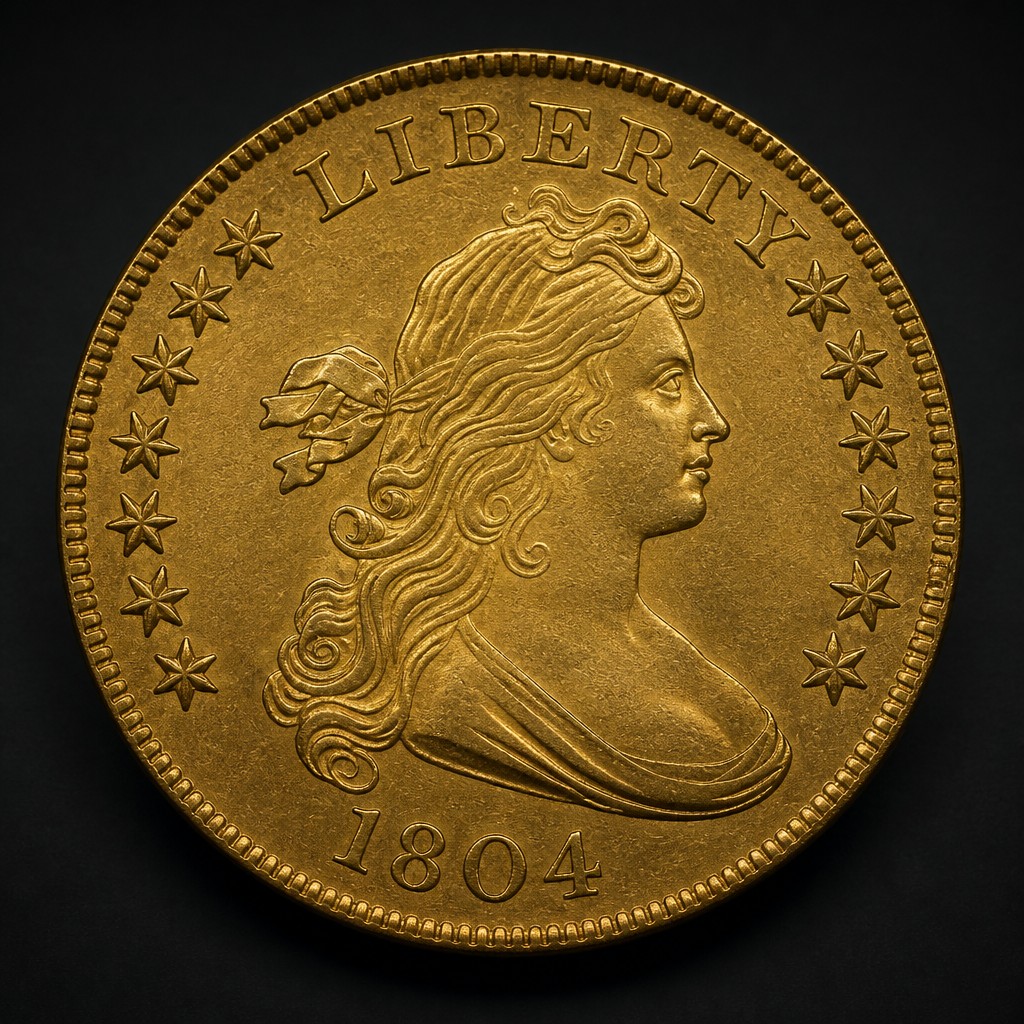
1804 Draped Bust Eagle
The final date of the original ten-dollar gold eagle series before a 33-year production halt, later followed by a small number of 1834 diplomatic-gift restrikes made using a similarly dated die.
United States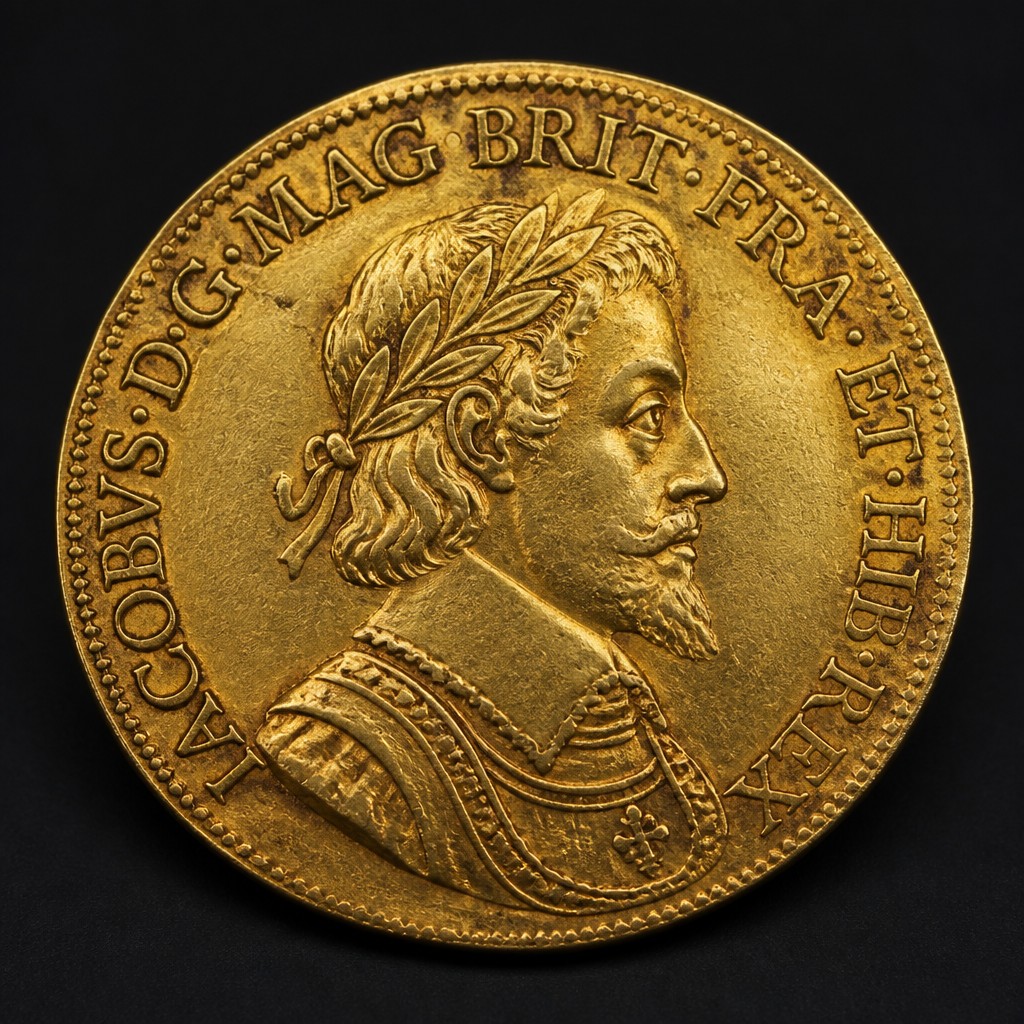
Laurel
A gold twenty-shilling coin issued from 1619, named for its laureate royal portrait styled after Roman emperors, replacing the earlier Unite as James I's principal gold denomination.
British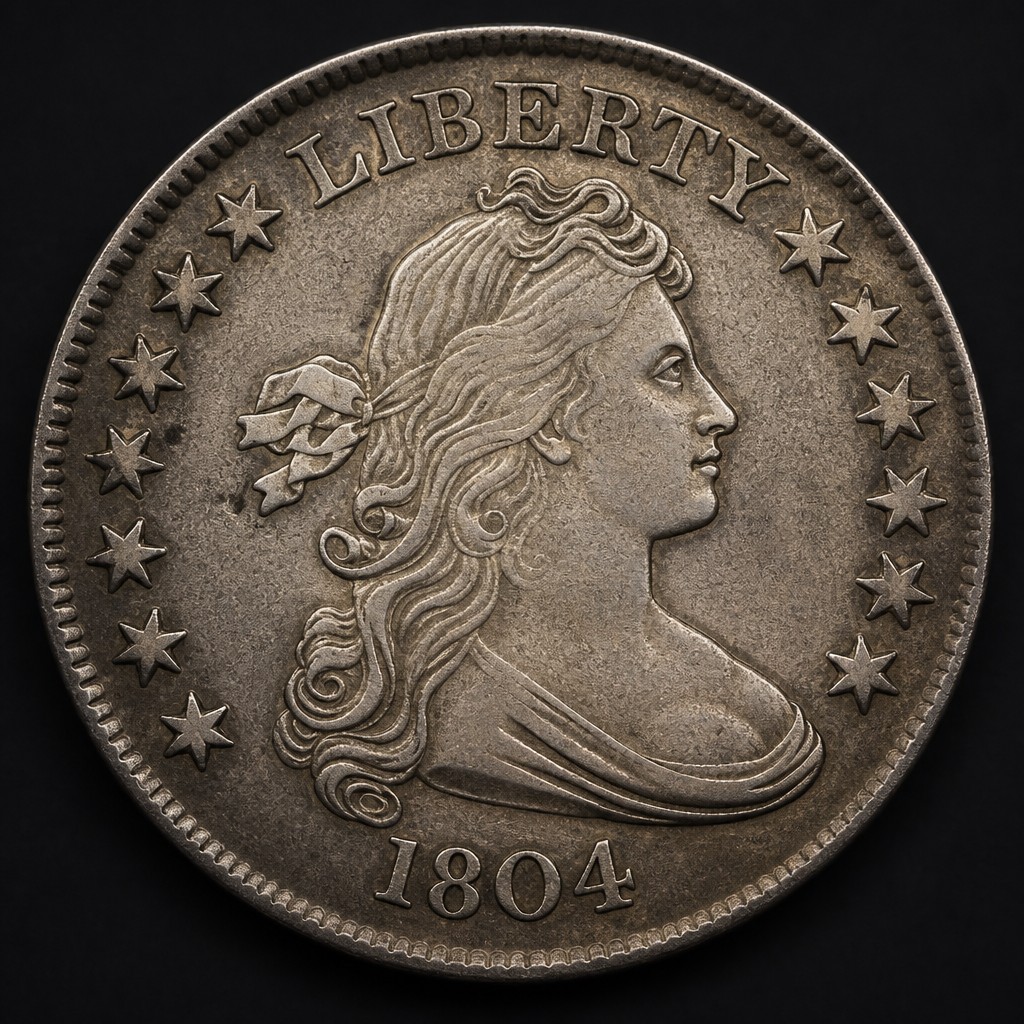
1804 Draped Bust Quarter
The key date of the short Draped Bust, Heraldic Eagle quarter series, the 1804 issue had a very small original mintage and ranks among the rarest and most valuable early United States quarters in any condition.
United States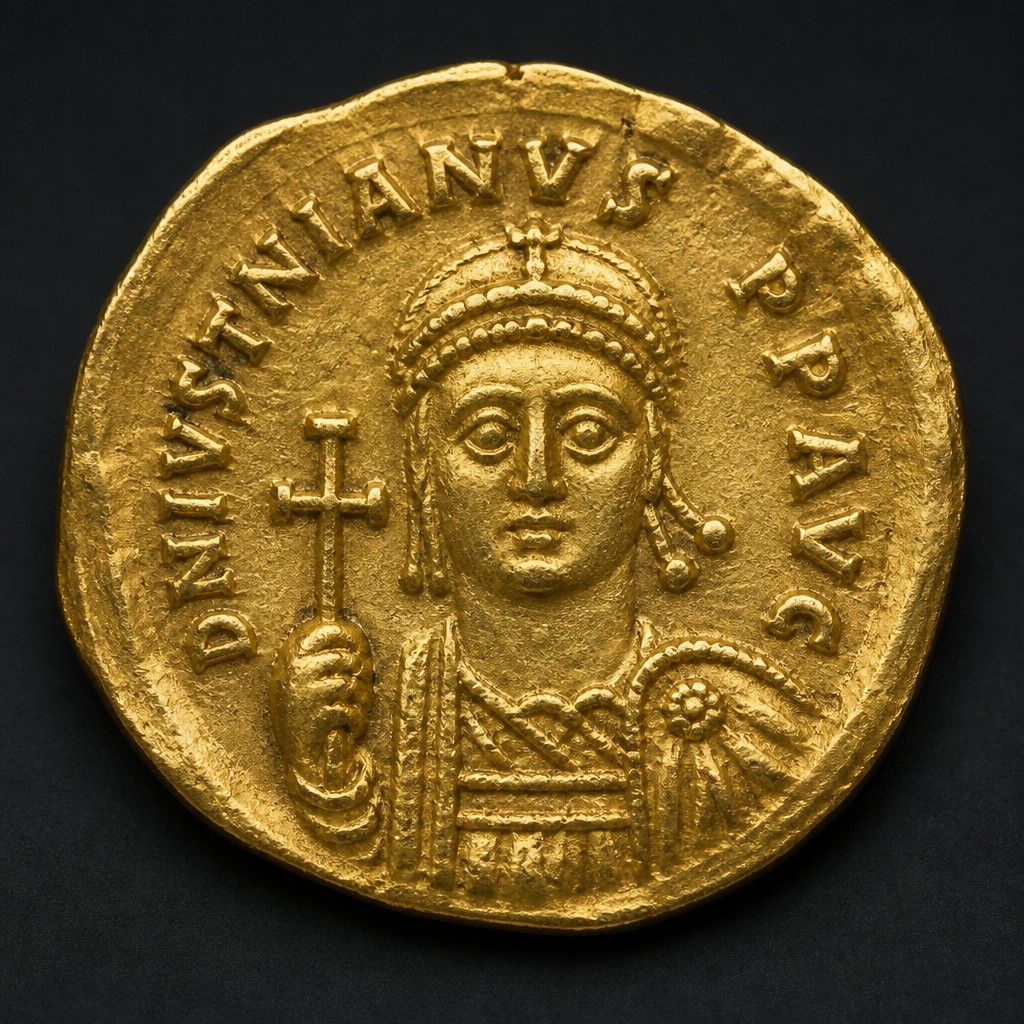
Byzantine Gold Tremissis
A small gold fractional coin worth one-third of a solidus, widely struck across the early Byzantine world and imitated by Germanic successor kingdoms in the former Western Roman Empire.
Ancient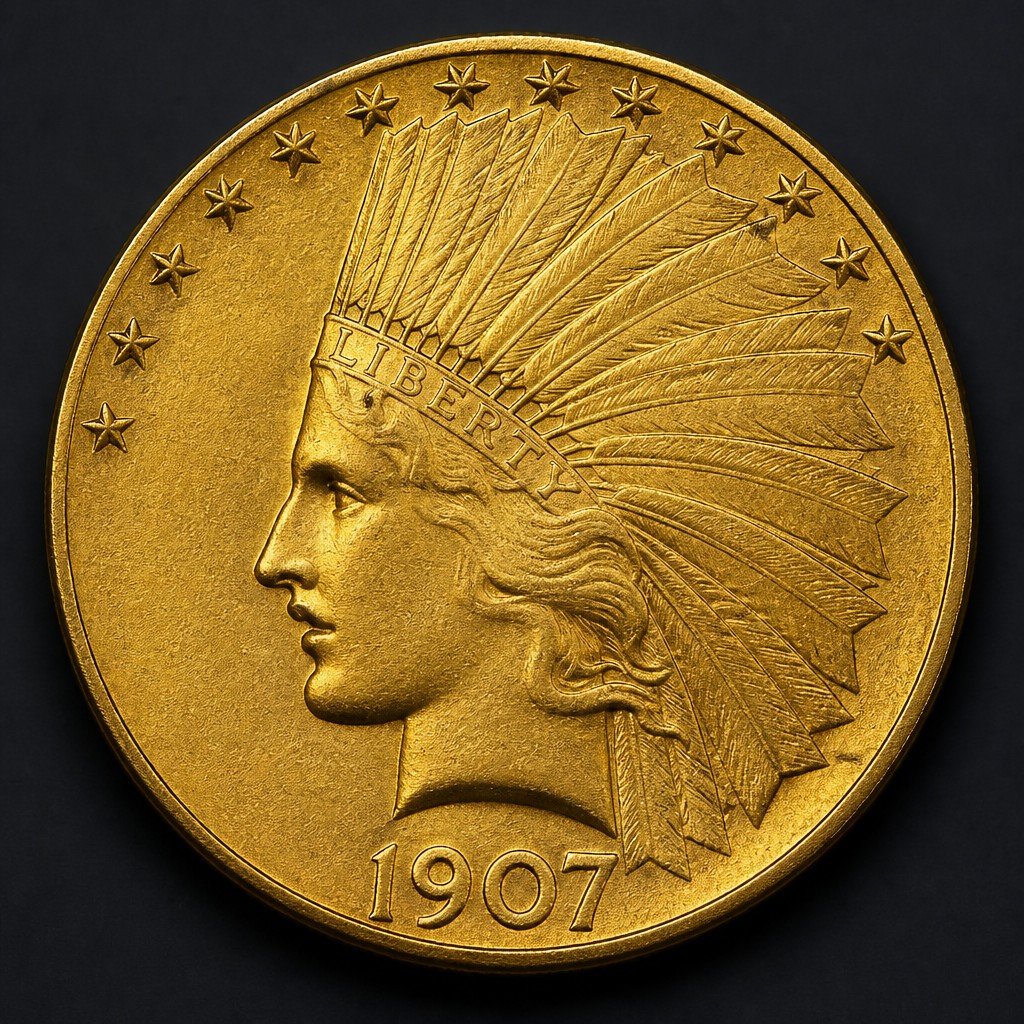
Indian Head Gold Eagle ($10)
A striking early 20th-century $10 gold coin designed under President Theodore Roosevelt's coinage renaissance, featuring an incuse (recessed) design and a Native American-style Liberty portrait.
United States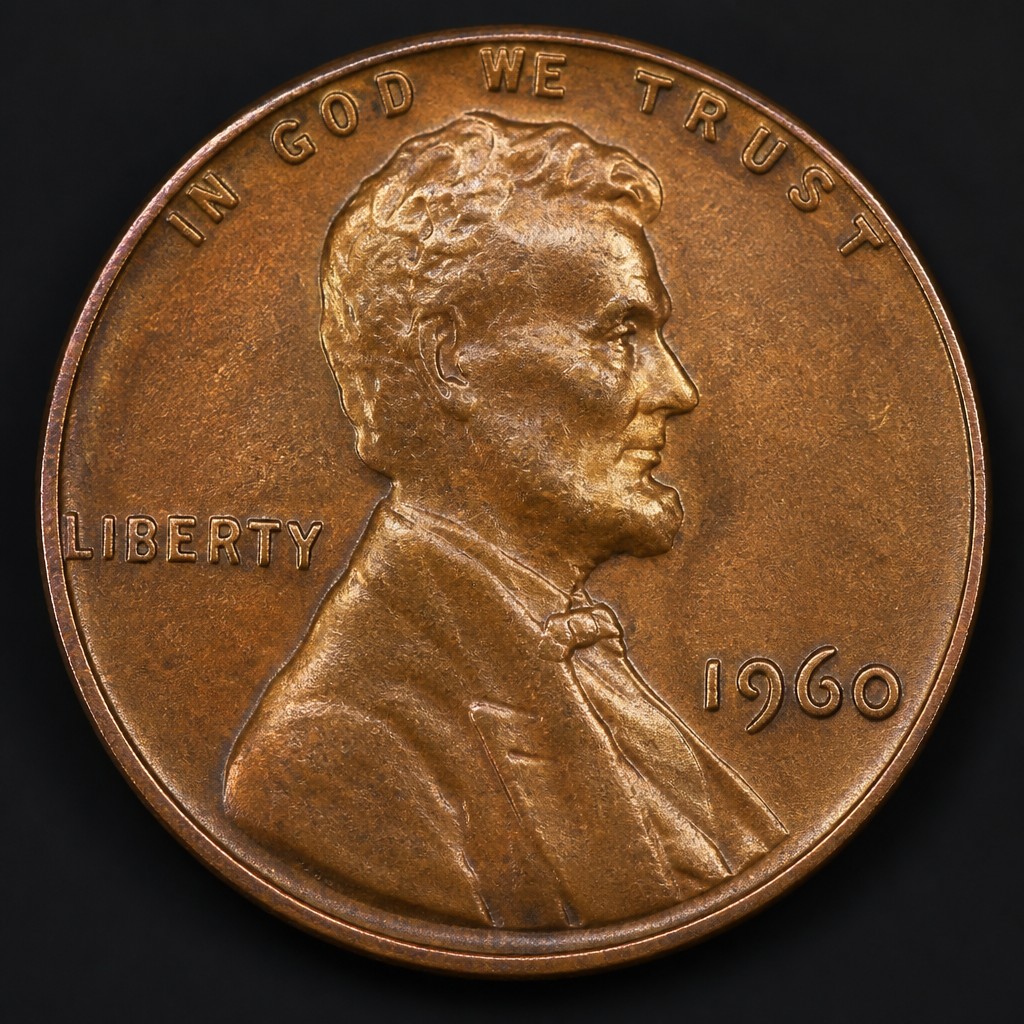
1960 Large Date over Small Date Lincoln Cent
A date-size variety of the 1960 Lincoln cent in which large and small date logotypes were both used during the year, with some pieces showing evidence of one date style impressed over the other.
Errors & Varieties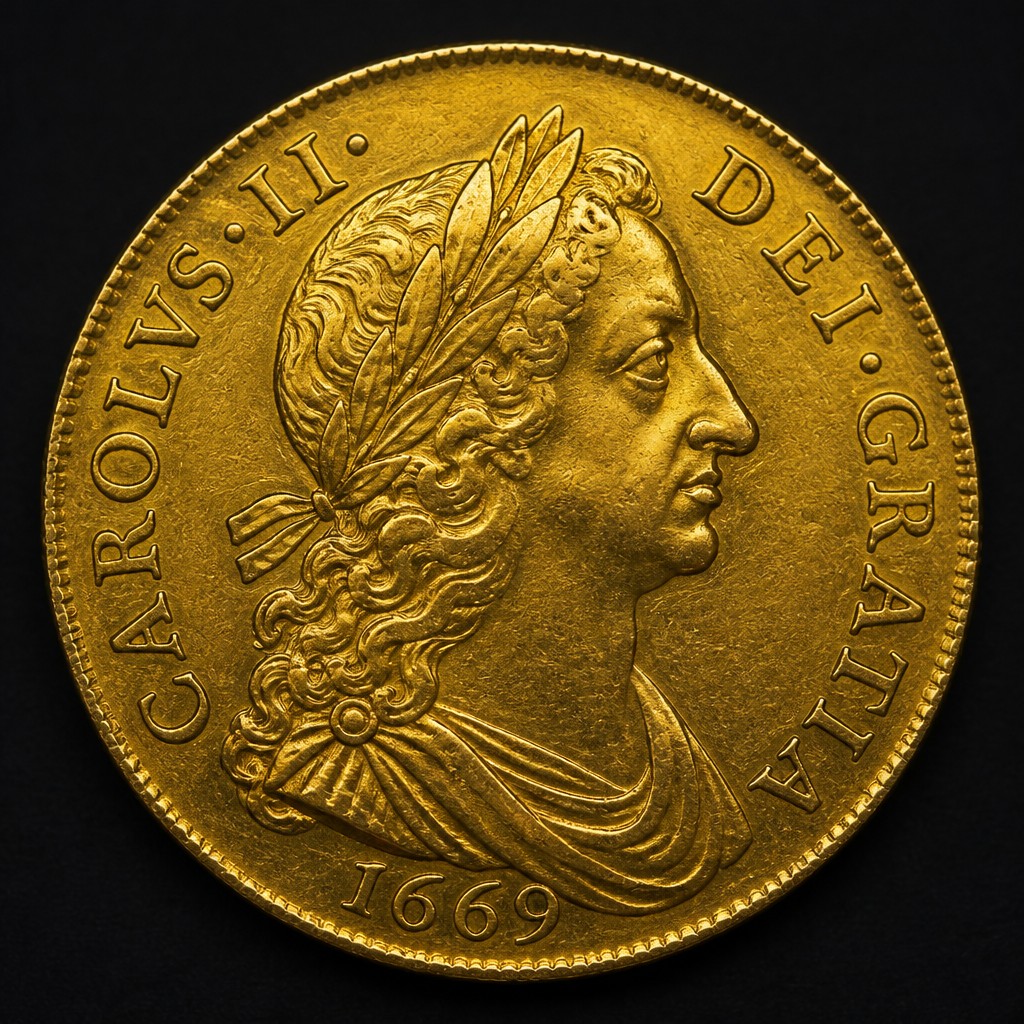
Half Guinea
Smaller companion gold coin to the guinea, worth half its value, struck across the same reigns from Charles II through George III for mid-value transactions.
British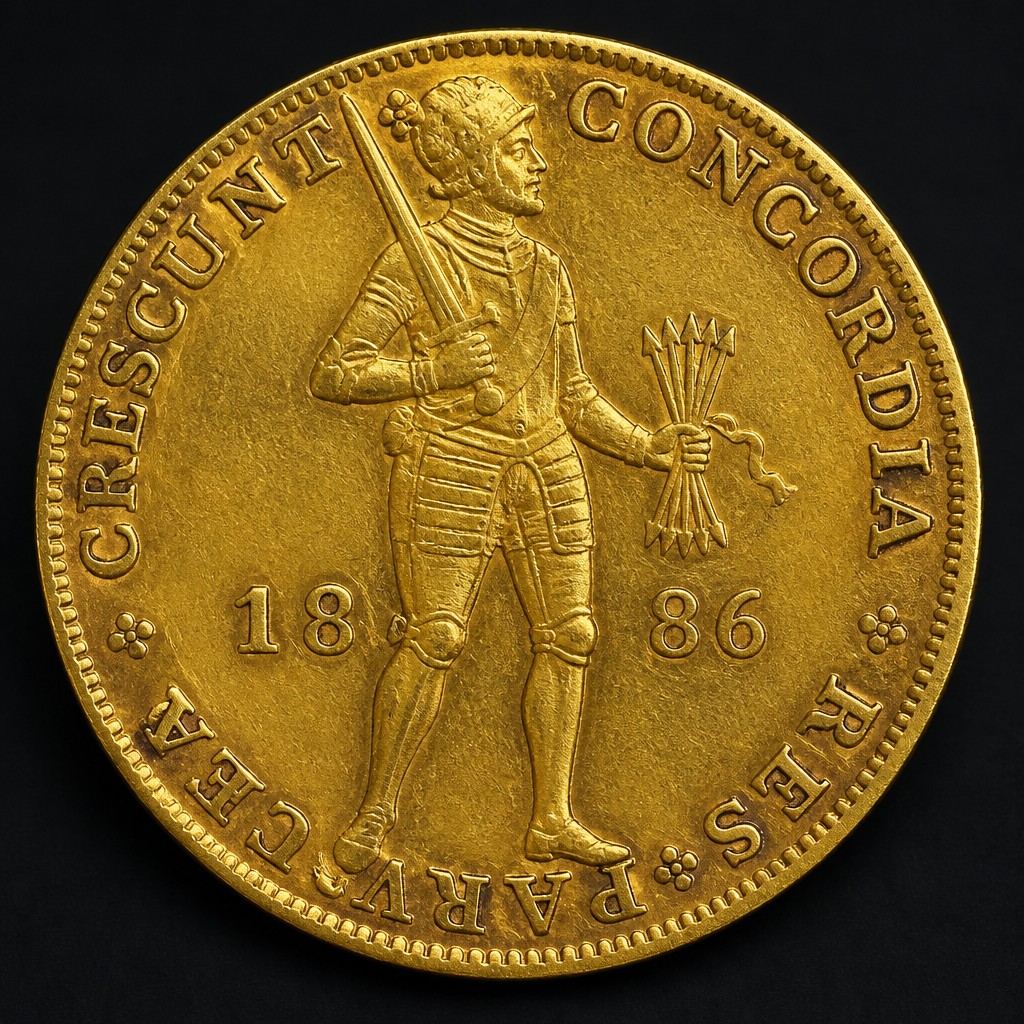
Dutch Ducat
A small, nearly pure gold coin showing an armored knight, minted for centuries by the Dutch provinces and later the Kingdom of the Netherlands as a trusted international trade coin.
European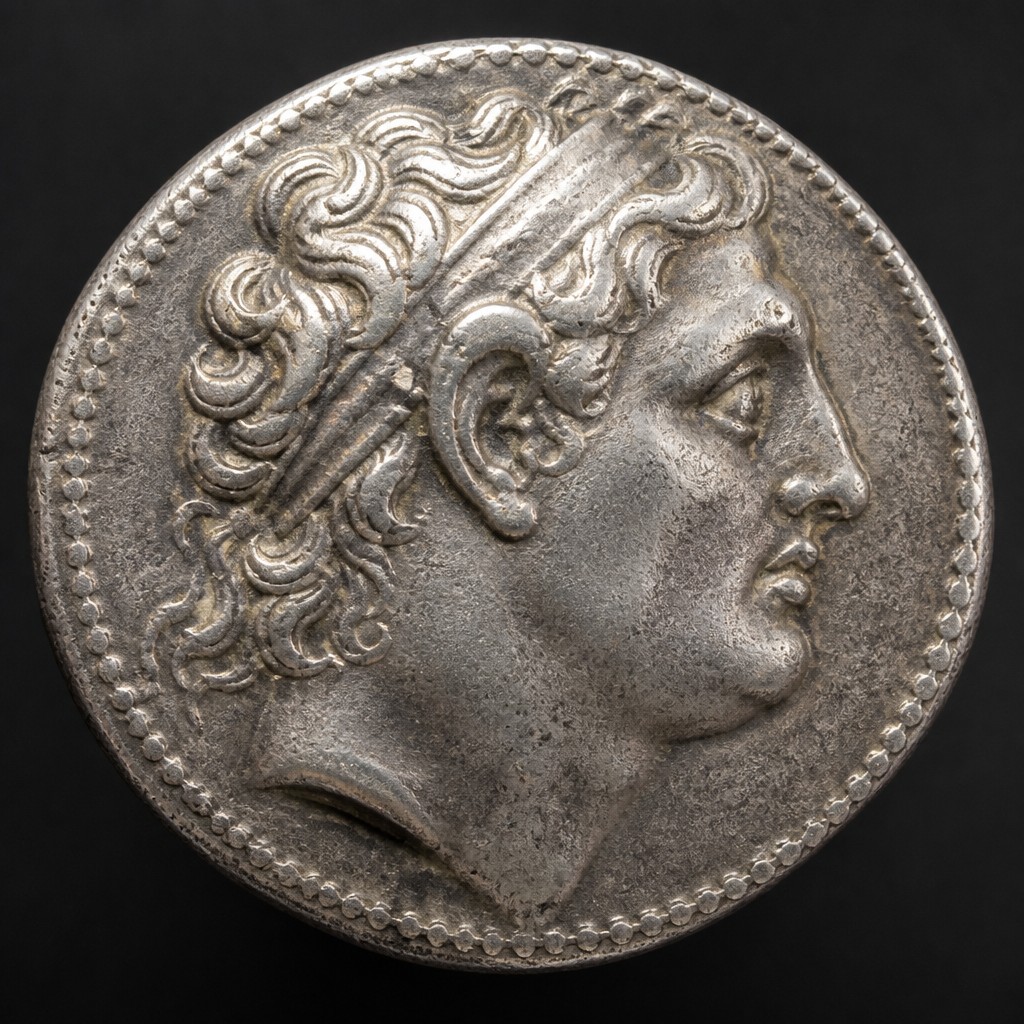
Lysimachos Tetradrachm (Alexander/Athena)
A silver tetradrachm struck by King Lysimachos, one of Alexander the Great's successors, showing the deified Alexander with a ram's horn and a seated Athena on the reverse.
Ancient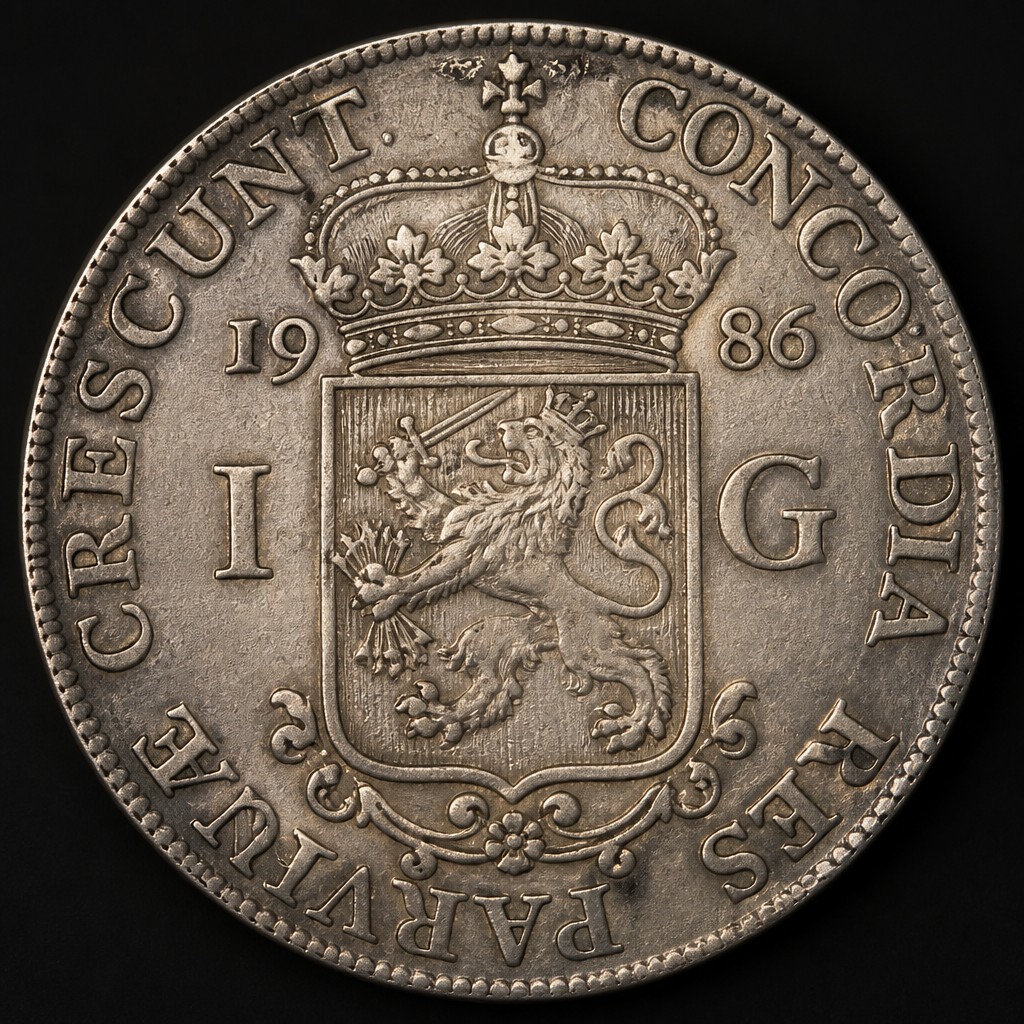
Dutch Rijksdaalder
A historic Dutch silver trade coin dating to the Dutch Republic, later continued as a denomination of the Kingdom of the Netherlands.
European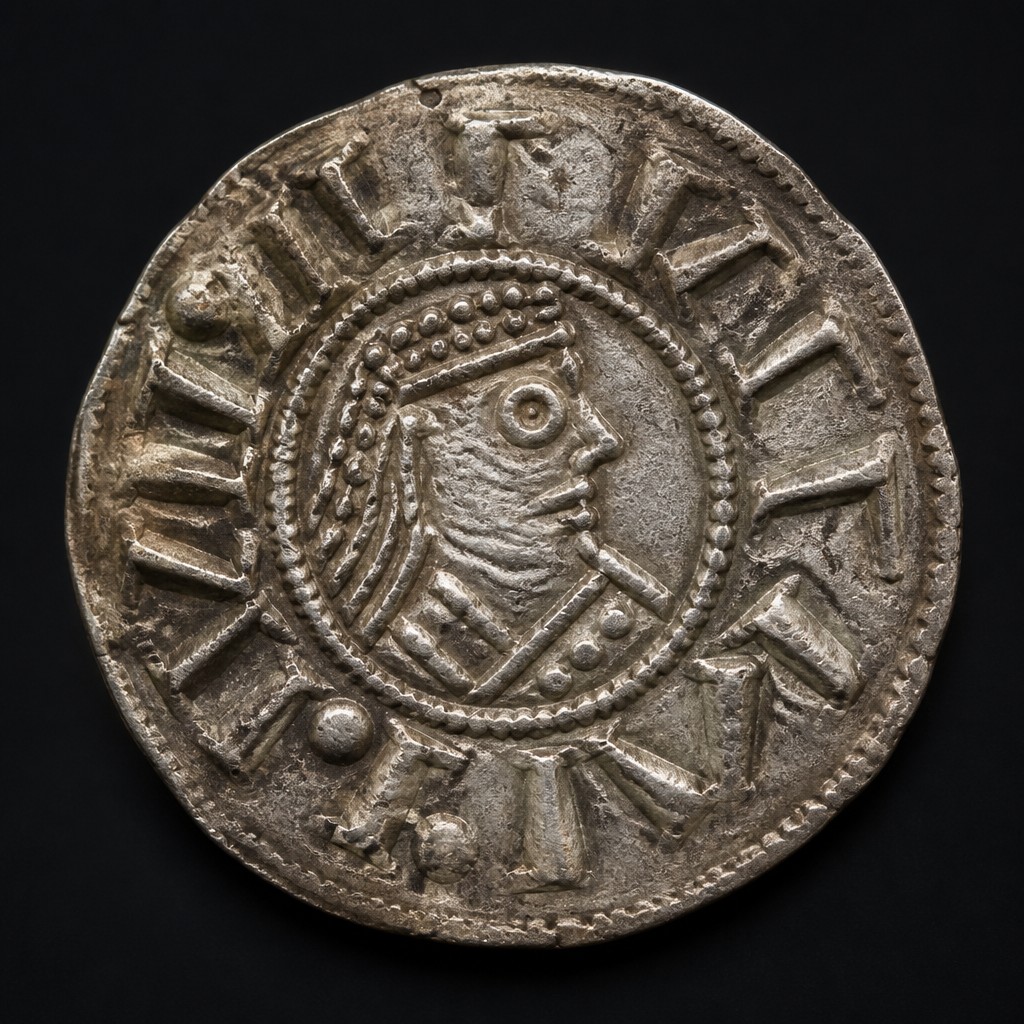
Viking Silver Penny of York
Silver penny struck by Norse rulers of the Viking Kingdom of York, blending Christian and pagan imagery such as crosses, swords, and Thor's hammers.
British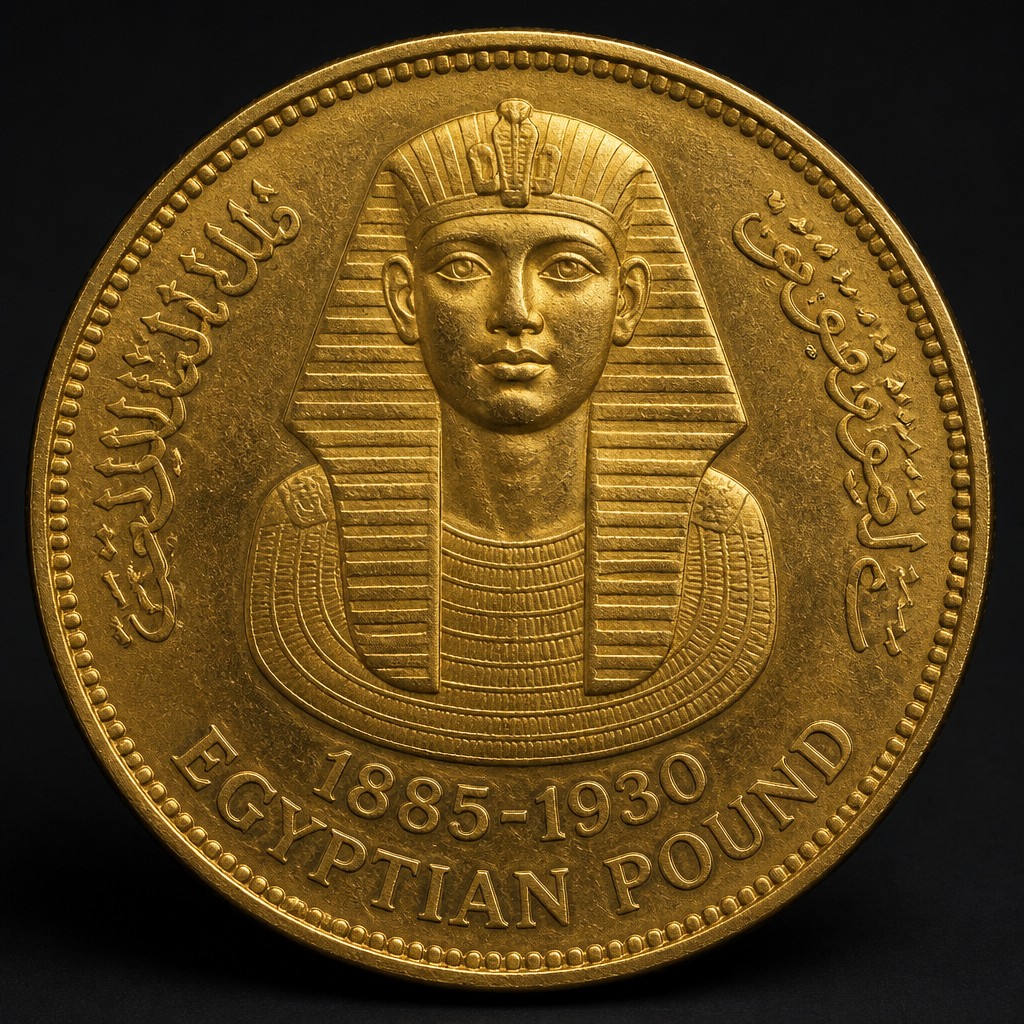
Egyptian Pound (gold)
Egypt's principal gold coin, struck from the Khedivate through the Sultanate and early Kingdom era, carrying the ruler's portrait or tughra and Arabic legends.
Africa & Oceania