
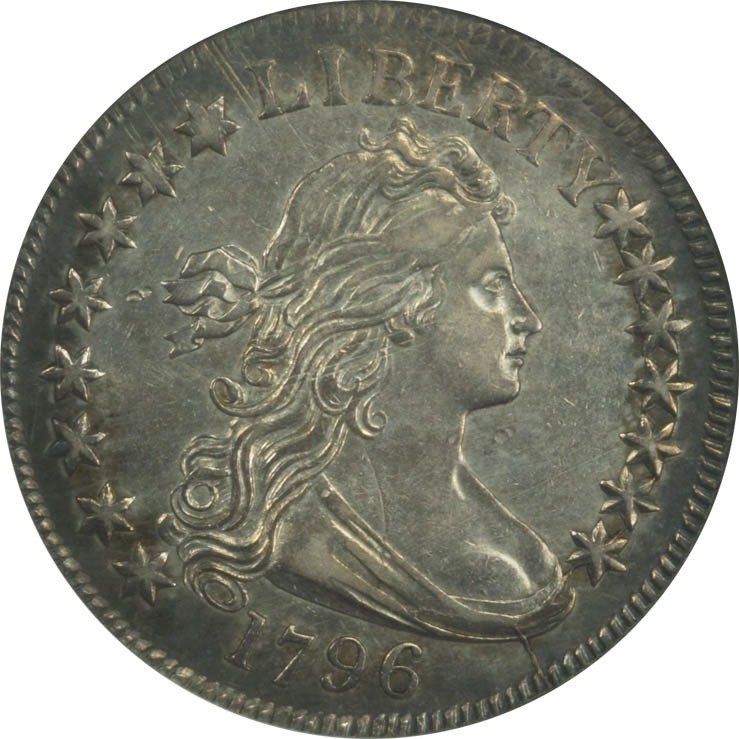
Draped Bust Half Dollar
Early U.S. silver fifty-cent piece of 1796–1807. The pictured 1796 Small Eagle with 15 stars is among the rarest of all American coins.
- Country
- United States
- Denomination
- 50 cents
- Metal
- Silver
Got a coin like this?
Identify any coin from a photo, free.
Overview
The Draped Bust Half Dollar is an early United States fifty-cent coin struck from 1796 through 1807. Its obverse carries a right-facing bust of Liberty with flowing, curled hair, based on a Gilbert Stuart drawing and engraved by Mint Chief Engraver Robert Scot. The design appears across several early denominations of the period, from the half dime to the dollar.
The series divides into two reverse types. The first, struck only in 1796 and 1797, shows a small, naturalistic eagle perched within an open wreath — the so-called "Small Eagle" reverse. The example shown here is a 1796 with fifteen obverse stars and the small eagle reverse, one of the most celebrated rarities in American numismatics. From 1801 the reverse changed to a large heraldic eagle bearing a shield.
History & Background
The half dollar was authorized by the Coinage Act of 1792, but production of the Draped Bust type did not begin until 1796. The very first half dollars, dated 1796 and 1797, were struck in tiny numbers at the fledgling Philadelphia Mint — combined mintage for the two years is generally cited at only a few thousand pieces. Because the young Mint struggled with equipment and silver supply, these early halves are exceedingly scarce today.
The number of obverse stars reflected the Union at the time. The 1796 issue is known with both 15 stars (for the fifteen states) and 16 stars (after Tennessee's 1796 admission); the pictured coin shows the 15-star arrangement. After 1797 the Mint suspended half dollar production, resuming in 1801 with a redesigned heraldic-eagle reverse that continued through 1807. In 1807 the Draped Bust design gave way to John Reich's Capped Bust half dollar.
How to Identify
The obverse shows Liberty facing right with loosely curled hair and drapery at the bust, the word LIBERTY above and the date below. Stars flank the portrait — count them, as fifteen or sixteen stars are diagnostic of the 1796–1797 issues. The pictured coin has fifteen stars and the date 1796.
The reverse of the pictured type is the Small Eagle: a slender, lifelike eagle standing within an open wreath, encircled by UNITED STATES OF AMERICA. This differs sharply from the later 1801–1807 reverse, which shows a broad heraldic eagle clutching a shield, arrows, and an olive branch. There is no stated denomination on the coin face; the value was expressed on the edge.
The coin is struck in early U.S. standard silver (about 89% fine), roughly 32.5 mm in diameter and about 13.5 grams. Rather than a reeded edge, it carries a lettered edge reading FIFTY CENTS OR HALF A DOLLAR. These specifications, together with the flowing-hair bust and small-eagle reverse, define the type.
Value & Collectibility
The 1796–1797 Small Eagle half dollars are blue-chip rarities. Even heavily worn, honest examples trade in the tens of thousands of dollars, and higher-grade or finer-detail pieces reach well into six and seven figures at auction. The 15-star and 16-star 1796 varieties are among the most sought-after U.S. type coins in existence.
The later 1801–1807 heraldic-eagle Draped Bust halves are far more affordable, though still scarce and valuable relative to common silver, with prices rising steeply by grade and die variety. Because coins of this caliber are prime targets for counterfeits, tooling, and altered dates, any example — especially a 1796 or 1797 — should be authenticated and graded by a reputable third-party service. Treat all figures here as general context, not firm prices.
Frequently asked questions
Why is the 1796 Draped Bust Half Dollar so valuable?
The 1796 and 1797 half dollars were struck in only a few thousand pieces combined, making them true rarities. Even worn examples are worth tens of thousands of dollars, and fine specimens can reach six or seven figures.
What is the difference between the Small Eagle and Heraldic Eagle reverse?
The Small Eagle reverse (1796–1797) shows a slim, natural eagle within an open wreath. The Heraldic Eagle reverse (1801–1807) shows a large eagle with a shield, arrows, and olive branch. The pictured 1796 coin has the Small Eagle reverse.
Why does the coin have 15 stars?
The stars represented the states in the Union. The 1796 issue exists with 15 stars for the fifteen states and 16 stars after Tennessee's admission. The pictured coin shows the 15-star arrangement.
Is the Draped Bust Half Dollar made of silver?
Yes. It was struck in early U.S. standard silver of about 89% fineness, weighing roughly 13.5 grams and measuring about 32.5 mm across.
Where is the denomination on the coin?
There is no denomination on the faces. The value appears on the lettered edge, which reads FIFTY CENTS OR HALF A DOLLAR.
Draped Bust Half Dollar guides
In-depth guides for identifying, valuing, and collecting Draped Bust Half Dollar.
Other coins you may enjoy
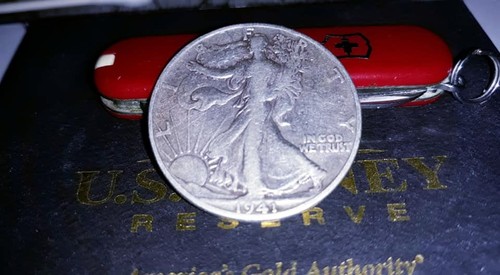
Walking Liberty Half Dollar
1916–1947
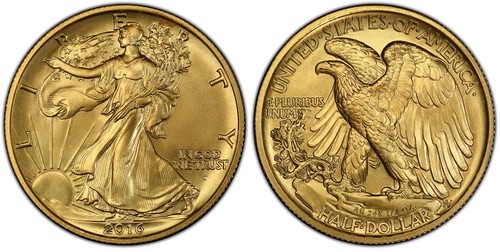
Walking Liberty Half Dollar Centennial Gold
2016
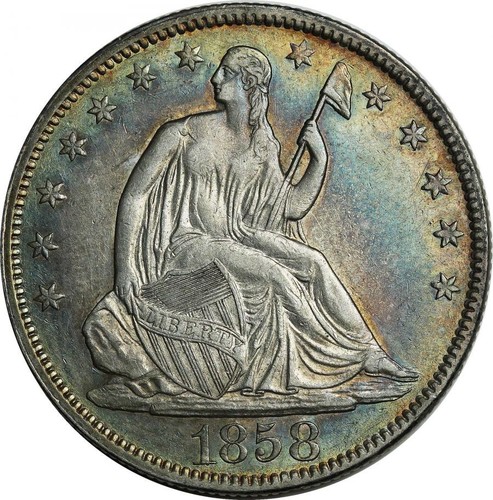
Seated Liberty Half Dollar
1839–1891
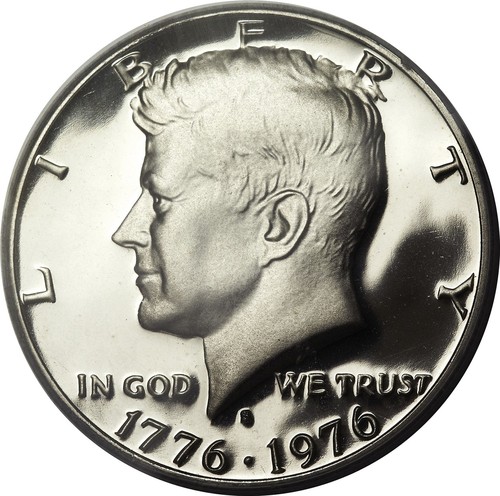
Kennedy Half Dollar Bicentennial
1976
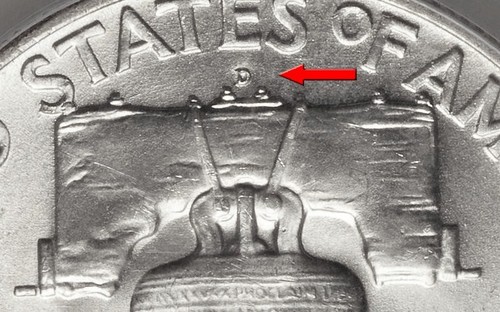
Franklin Half Dollar
1948–1963
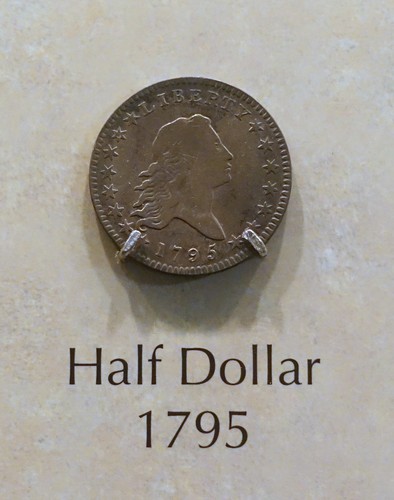
Flowing Hair Half Dollar
1794–1795
Kennedy Half Dollar 50th Anniversary High Relief
2014
Capped Bust Half Dollar
1807–1839