
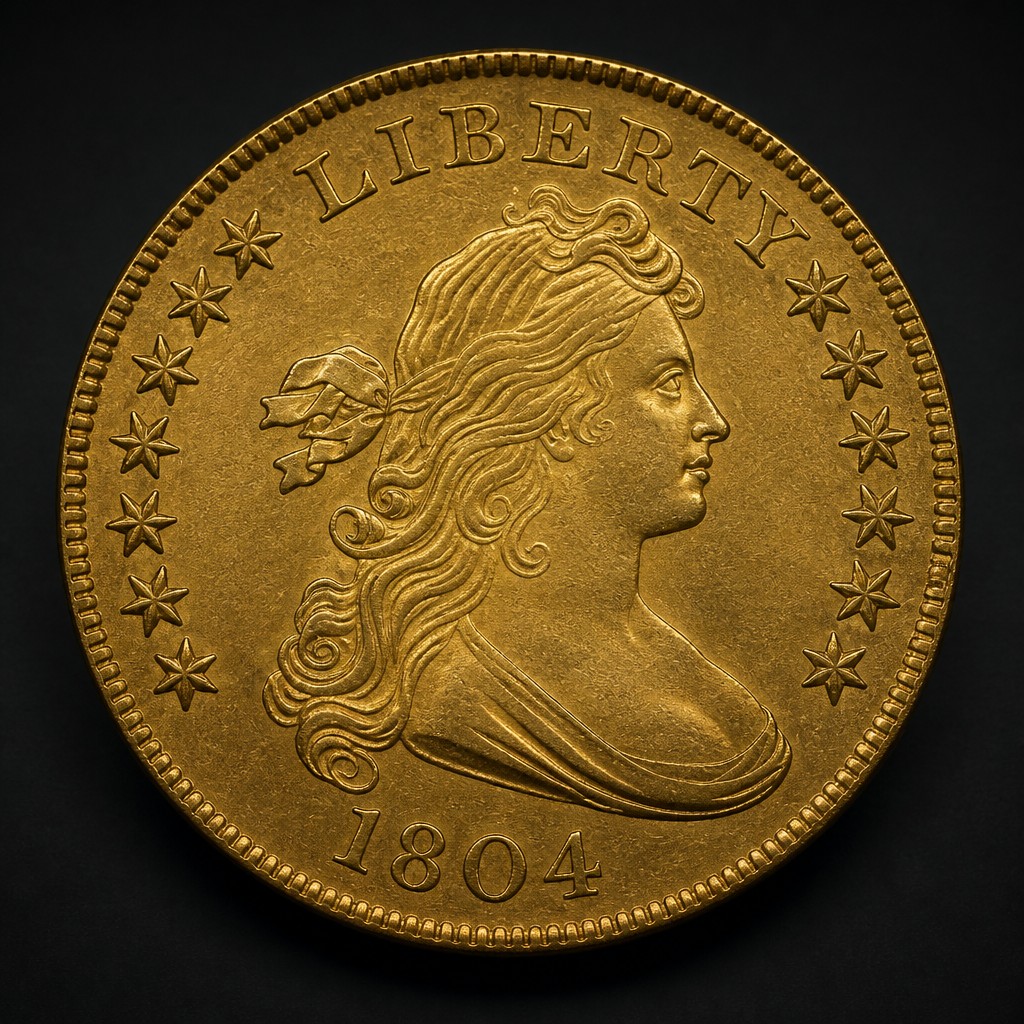
1804 Draped Bust Eagle
The final date of the original ten-dollar gold eagle series before a 33-year production halt, later followed by a small number of 1834 diplomatic-gift restrikes made using a similarly dated die.
- Country
- United States
- Denomination
- Eagle ($10)
- Metal
- Gold (.9167)
Got a coin like this?
Identify any coin from a photo, free.
Overview
The 1804 Draped Bust Eagle is the last date struck in the original run of U.S. ten-dollar gold coins before the Mint stopped producing eagles for over three decades. As the closing chapter of the earliest eagle design, it carries extra historical weight for collectors assembling a type set of early American gold.
The date is also famous for a second reason: in 1834, the Mint struck a small number of coins using dies bearing a similarly rendered 1804 date, intended as diplomatic gifts presented in special proof sets to foreign heads of state, alongside the now-legendary 1804 silver dollar. These later pieces are distinguished from genuine 1804-struck coins by specialists through subtle differences in the numeral punches used for the date.
Because of this dual history, both the coin's status as the final year of the type and its connection to the famous 1834 diplomatic proof sets, the 1804 eagle holds a special place in the story of early American gold coinage.
History & Background
By 1804, the U.S. Mint had been striking eagles since 1795 using variations of Robert Scot's draped-bust design with a heraldic eagle reverse. Rising international gold prices relative to silver made the coin's bullion value increasingly exceed its face value, leading the Mint to halt eagle production after 1804; the denomination would not be struck again until 1838.
Three decades later, in 1834, the Mint prepared special proof coin sets, including specimens dated 1804, to be presented as diplomatic gifts to foreign rulers such as the King of Siam and the Sultan of Muscat, part of an effort to formalize trade relations. These sets famously also included the equally celebrated 1804-dated silver dollar, which, like the eagle, was not struck for circulation in 1804 in the same manner as the coins in these later proof sets.
The overlapping history of genuine 1804-struck circulation eagles and the later 1834 presentation pieces has made the date a subject of careful study by numismatic researchers, who distinguish the two by close examination of the date's numeral punches and other die characteristics.
How to Identify
The obverse shows Liberty in profile facing right, wearing a soft cap inscribed LIBERTY, with stars around the border and the date 1804 below.
The reverse depicts a heraldic eagle with a shield on its breast, an olive branch and arrows in its talons, and a banner above reading E PLURIBUS UNUM, encircled by UNITED STATES OF AMERICA.
Two die varieties of the date exist, generally described by numismatists as differing in the style of the final numeral in the date; distinguishing a genuinely circulation-era 1804 strike from the later 1834 presentation-piece variety requires close comparison of these date punches and is a task best left to specialists and professional grading services, given the significant value difference and the risk of misattribution.
Value & Collectibility
As the final date of the original eagle series, the 1804 issue is desirable to type collectors regardless of variety, and typical examples of the more common circulation-strike variety trade at a premium over other dates in the series, generally in the mid five figures and up for presentable circulated grades.
The rarer variety associated with the 1834 diplomatic proof sets is exceptionally rare and, when it appears at auction, can bring prices in the high six figures or more, reflecting both its extreme scarcity and its connection to a celebrated moment in numismatic history.
Because attribution between varieties is technical and consequential to value, buyers should rely on coins that have been certified and attributed by a major professional grading service rather than relying on the date alone.
Frequently asked questions
Why is 1804 significant for the eagle denomination?
It was the last year of the original eagle series before production was halted for over three decades, and it is also linked to famous 1834 diplomatic presentation coins.
What are the 1834 diplomatic proof sets?
Special proof coin sets, including pieces dated 1804, presented as gifts to foreign rulers like the King of Siam, made using dies with a similar date years after 1804 itself.
How do experts tell the two varieties apart?
Specialists examine subtle differences in the style of the date's numeral punches and other die characteristics, a task generally requiring professional attribution.
Is every 1804 eagle extremely valuable?
The more common circulation-strike variety is valuable but obtainable by advanced collectors, while the rare variety tied to the 1834 diplomatic sets is an extraordinary rarity worth vastly more.
Other coins you may enjoy
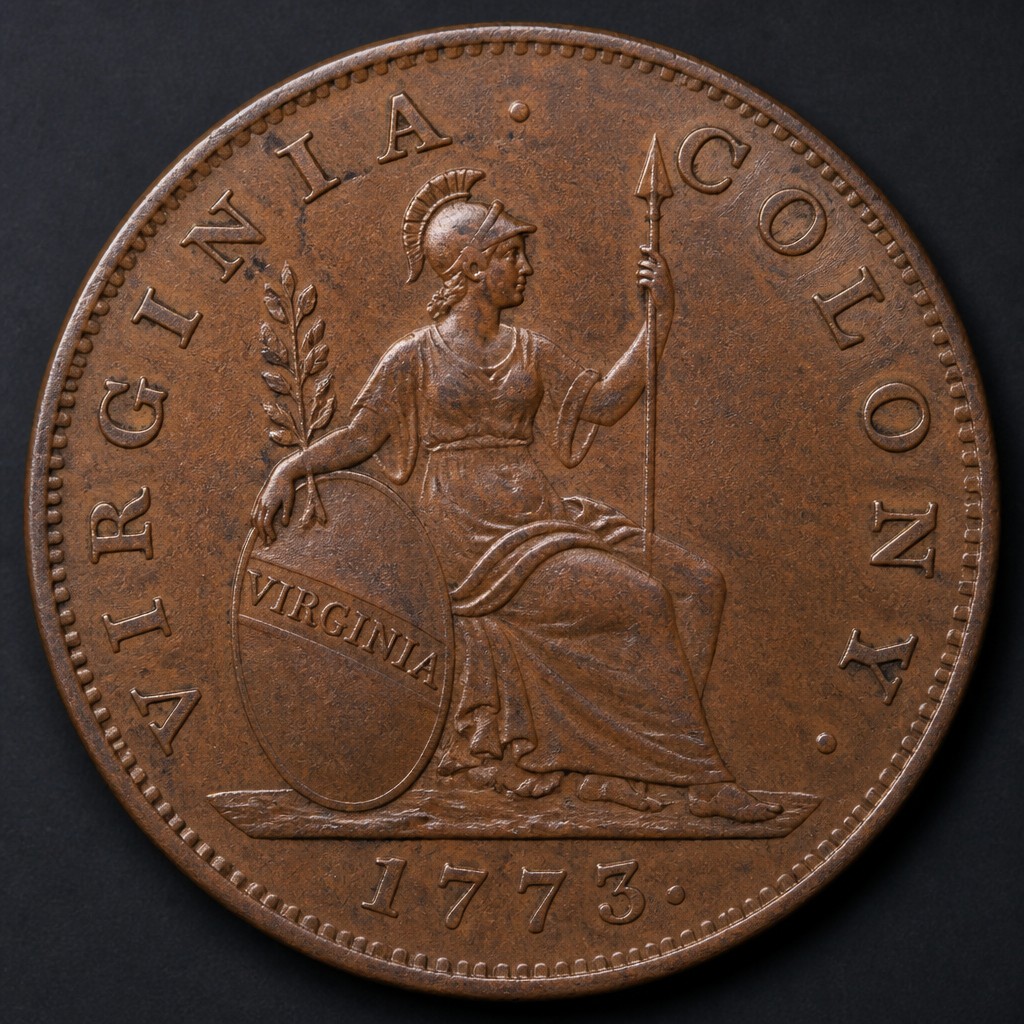
Virginia Halfpenny
1773
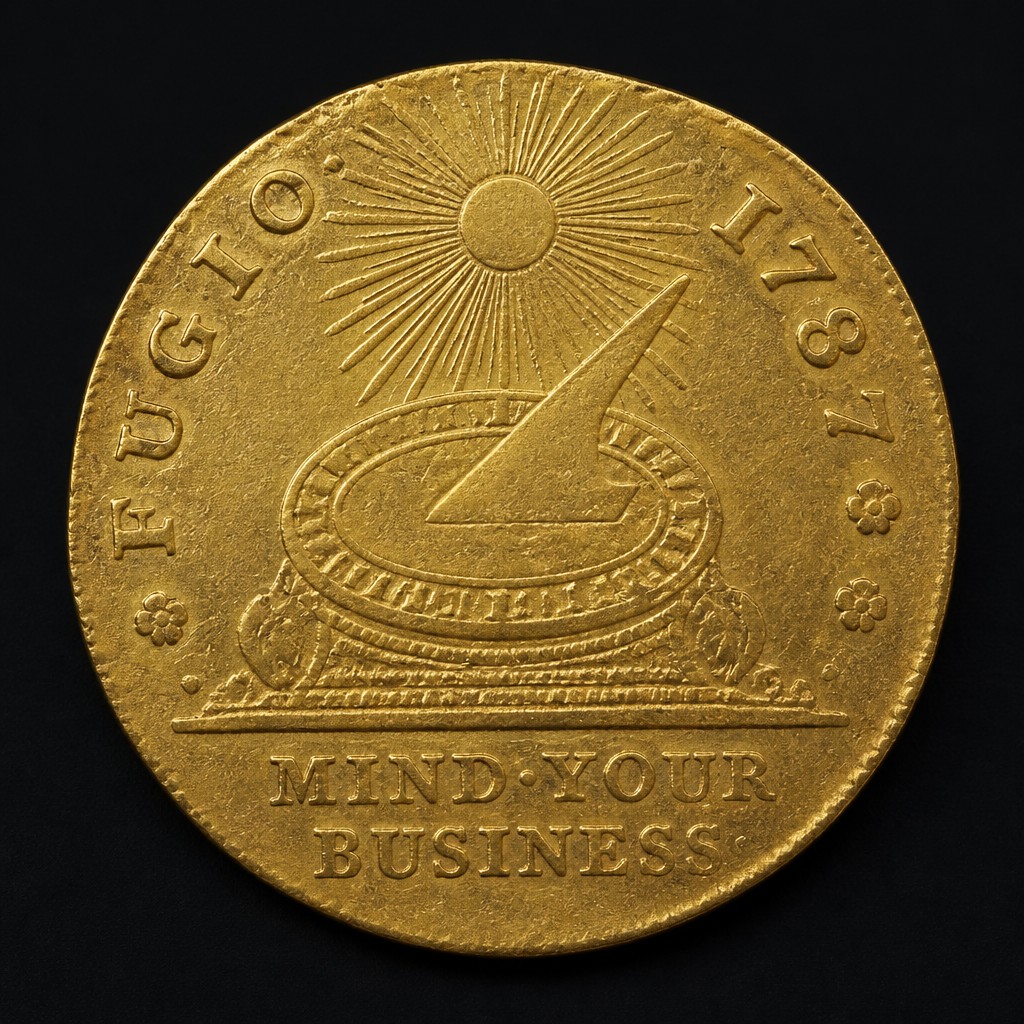
Brasher Doubloon
1787
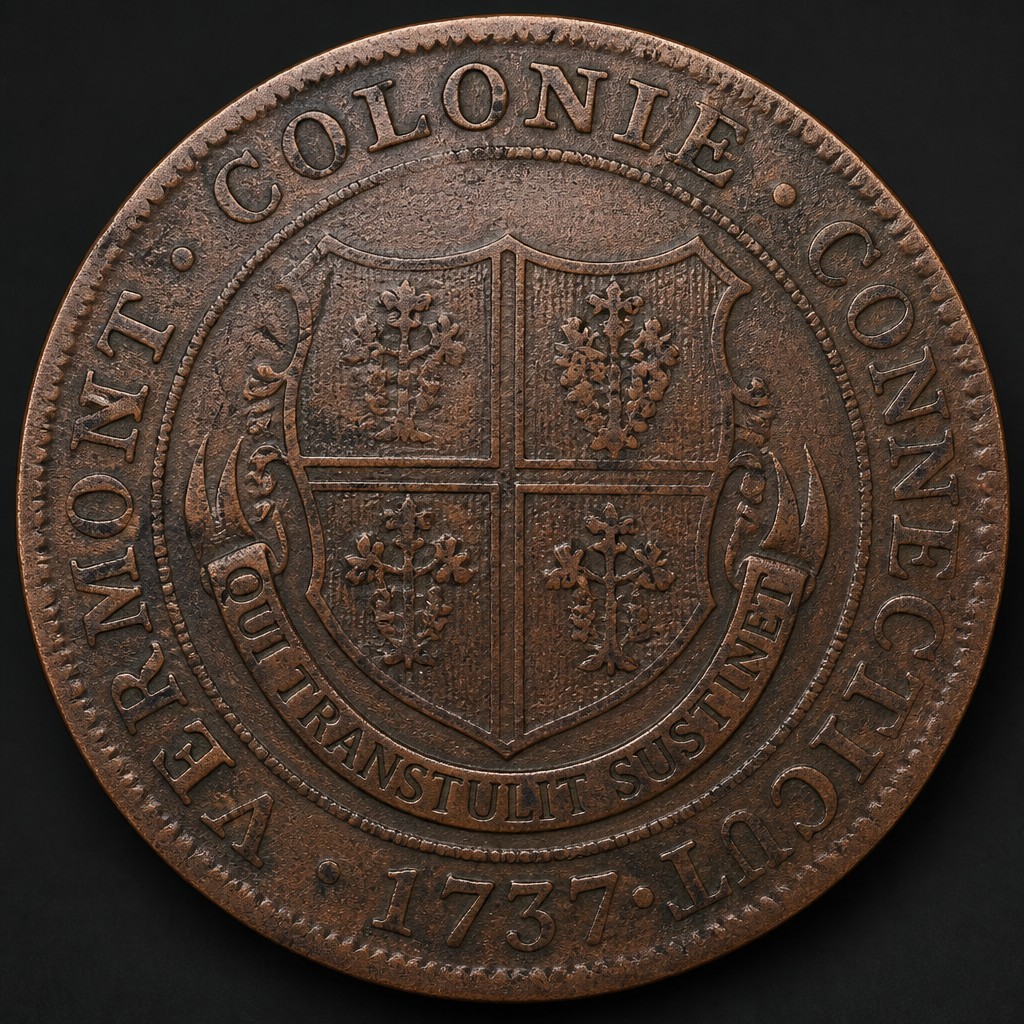
Higley Copper
1737–1739
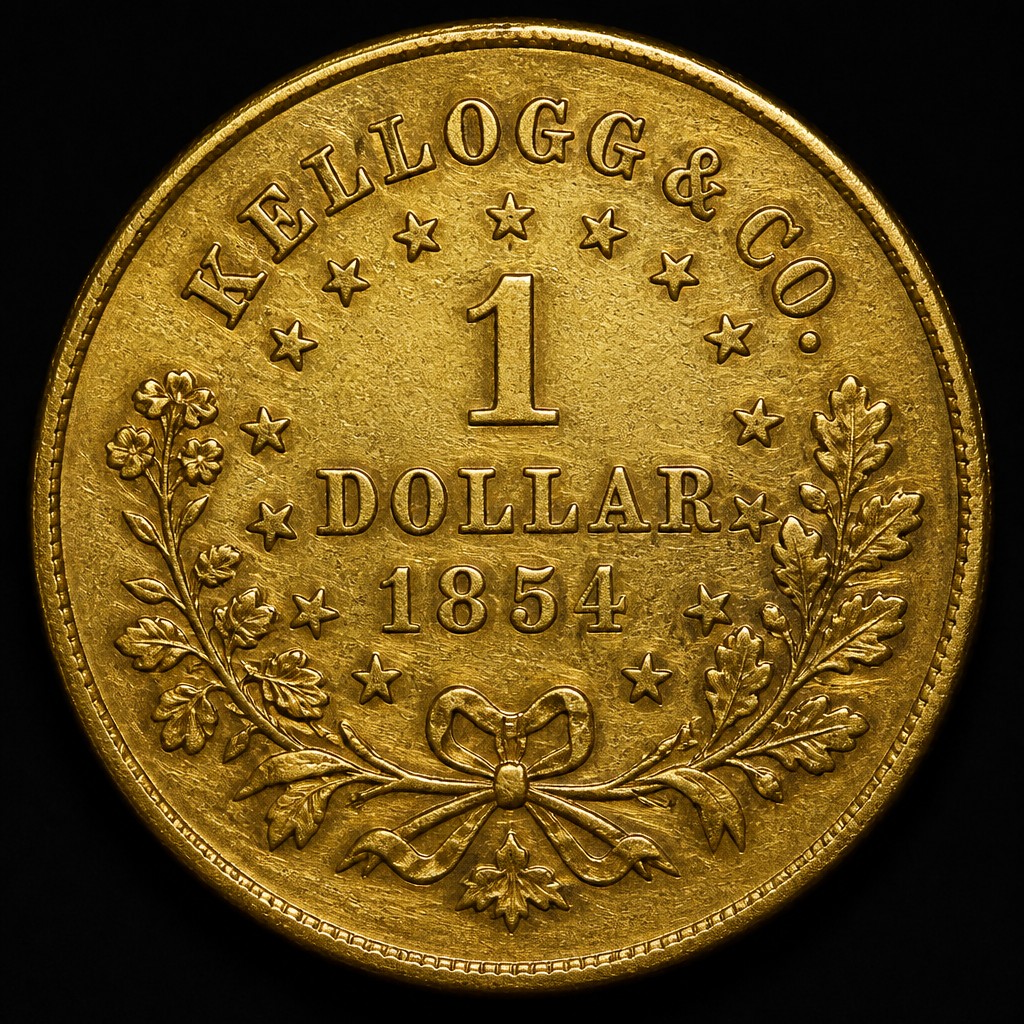
Kellogg & Co. Gold Piece
1854–1855
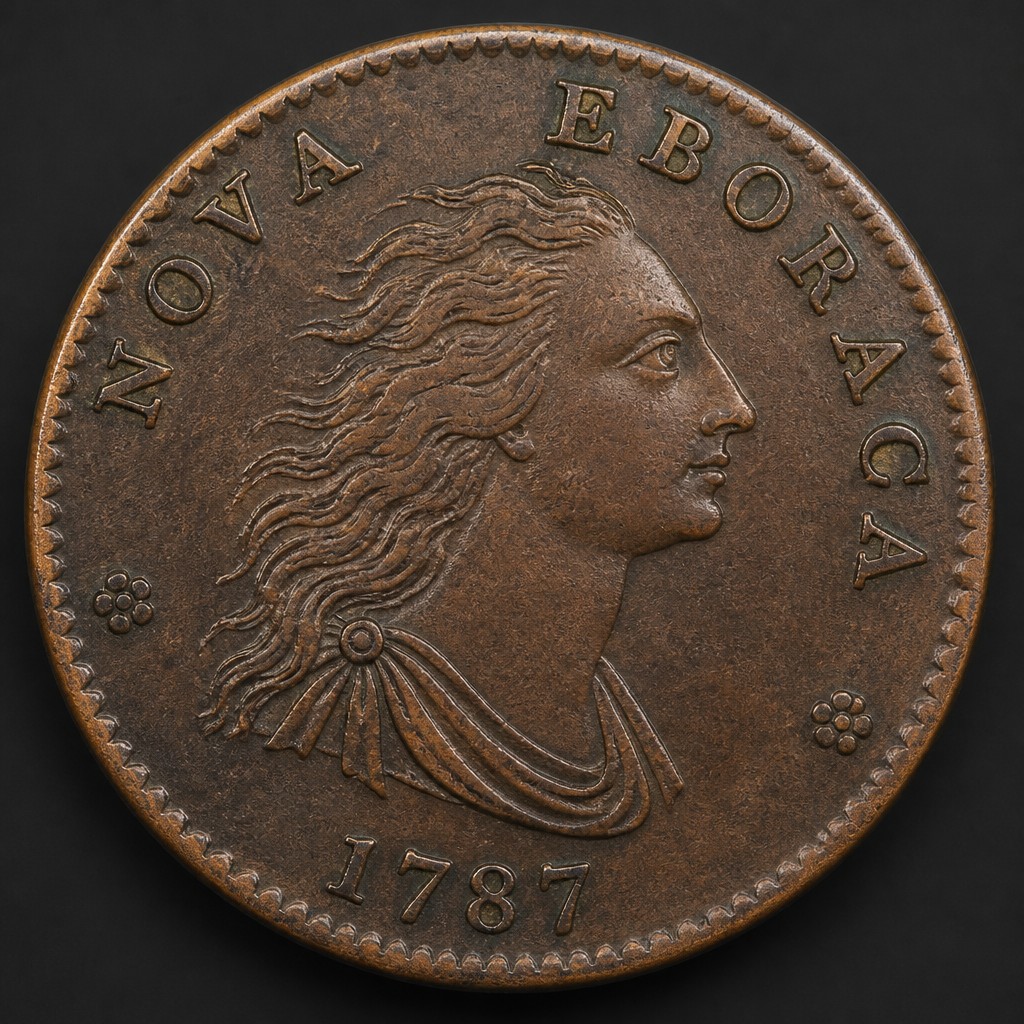
Nova Eborac Copper
1787
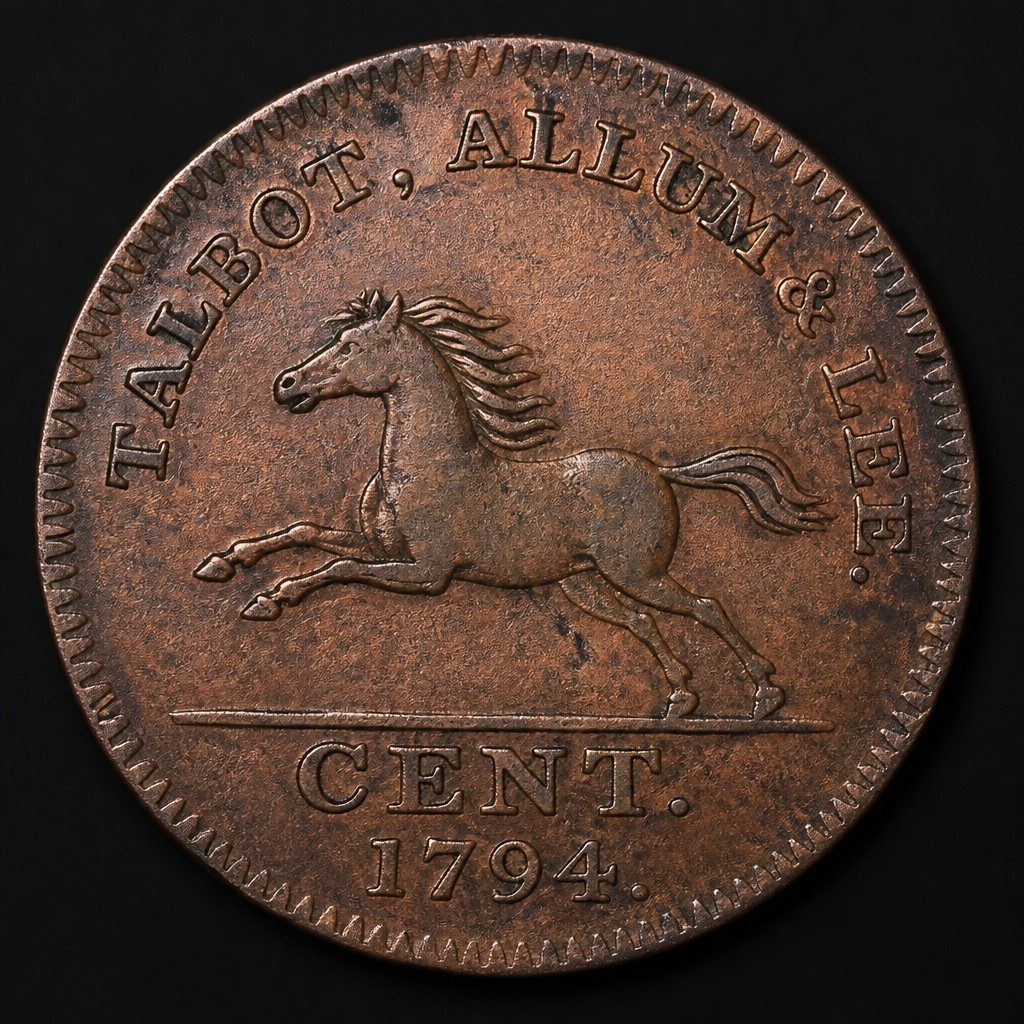
Talbot, Allum & Lee Cent
1794–1795
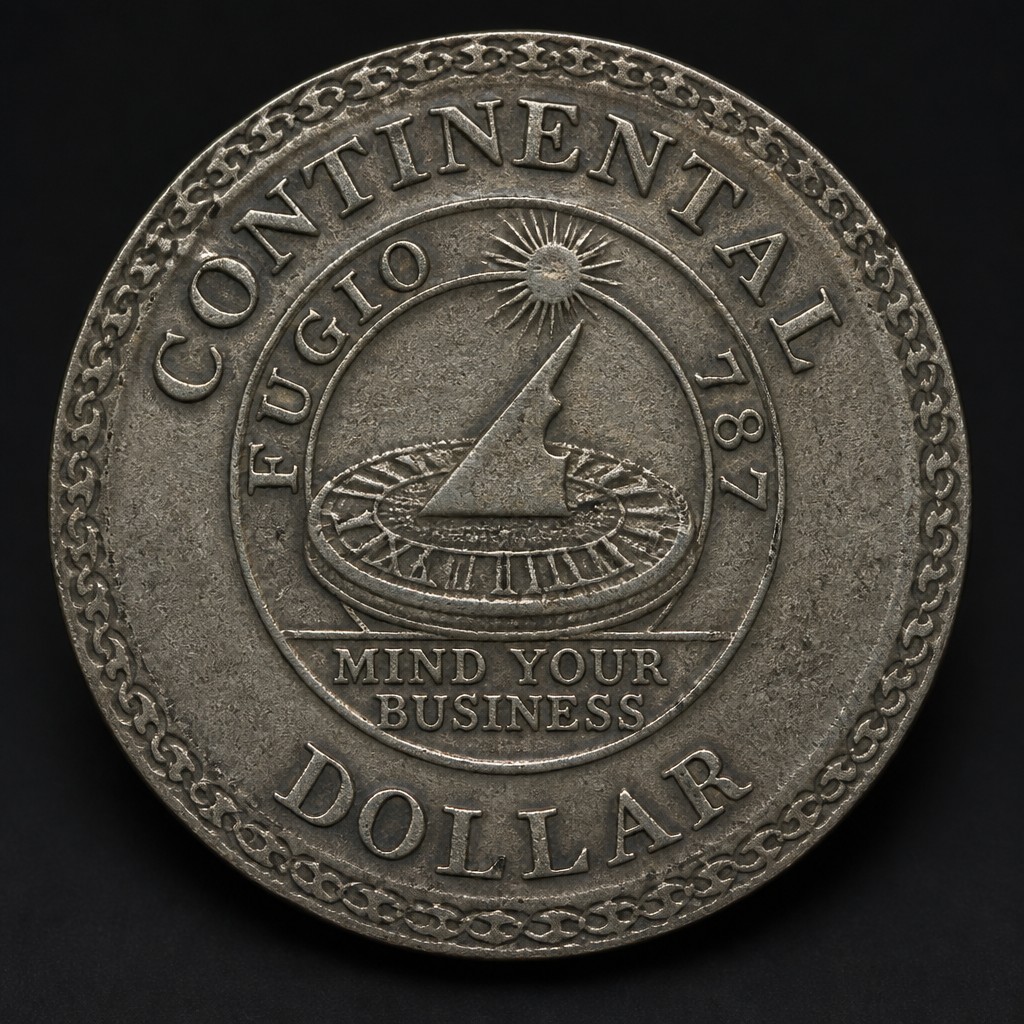
Continental Dollar
1776
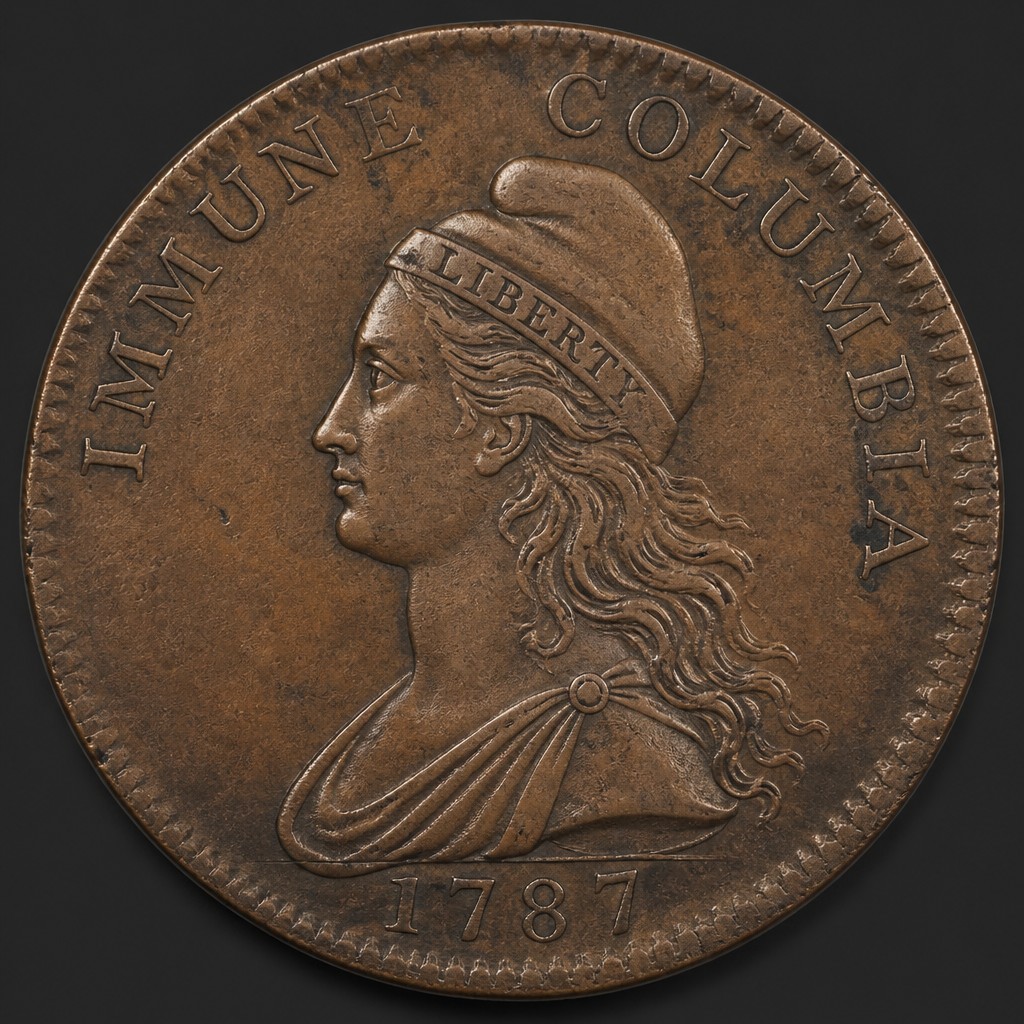
Immune Columbia Copper
circa 1785–1787
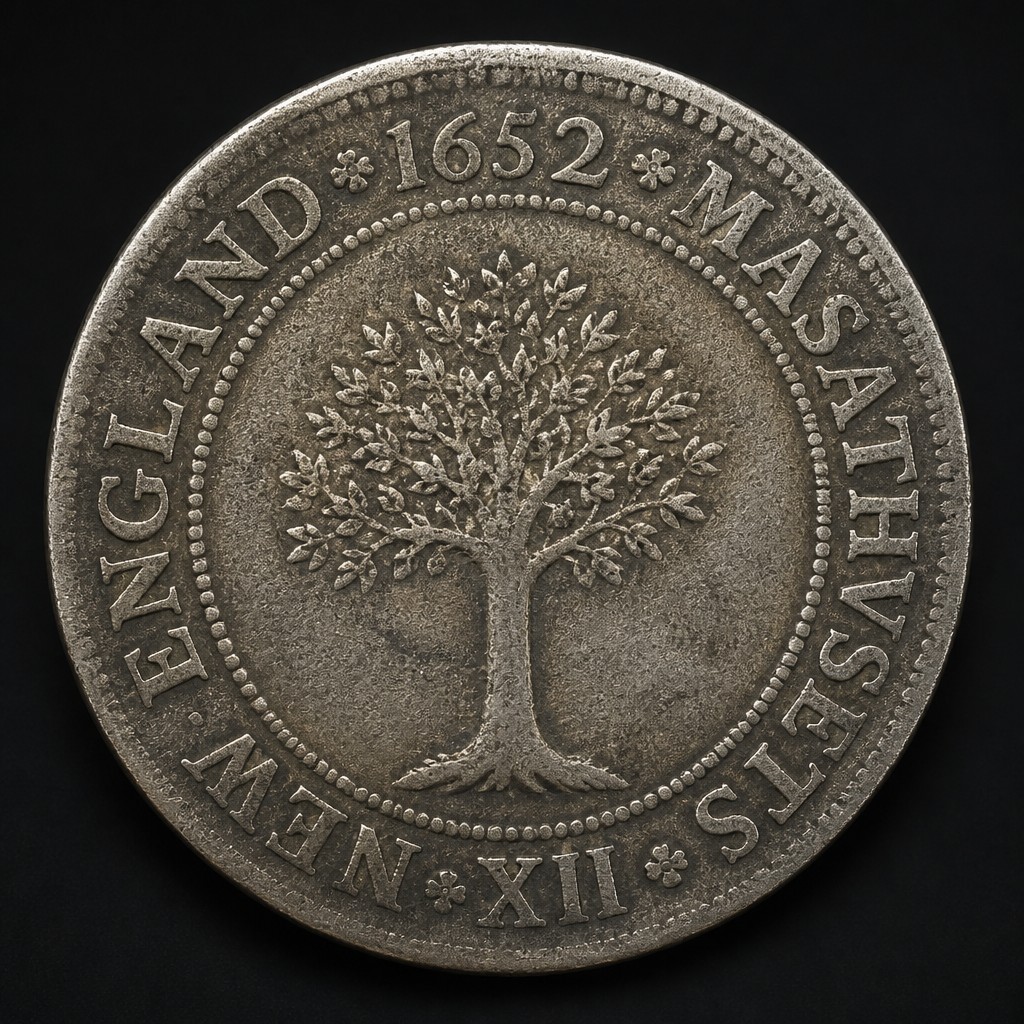
Massachusetts Oak Tree Shilling
Dated 1652, struck circa 1660–1667
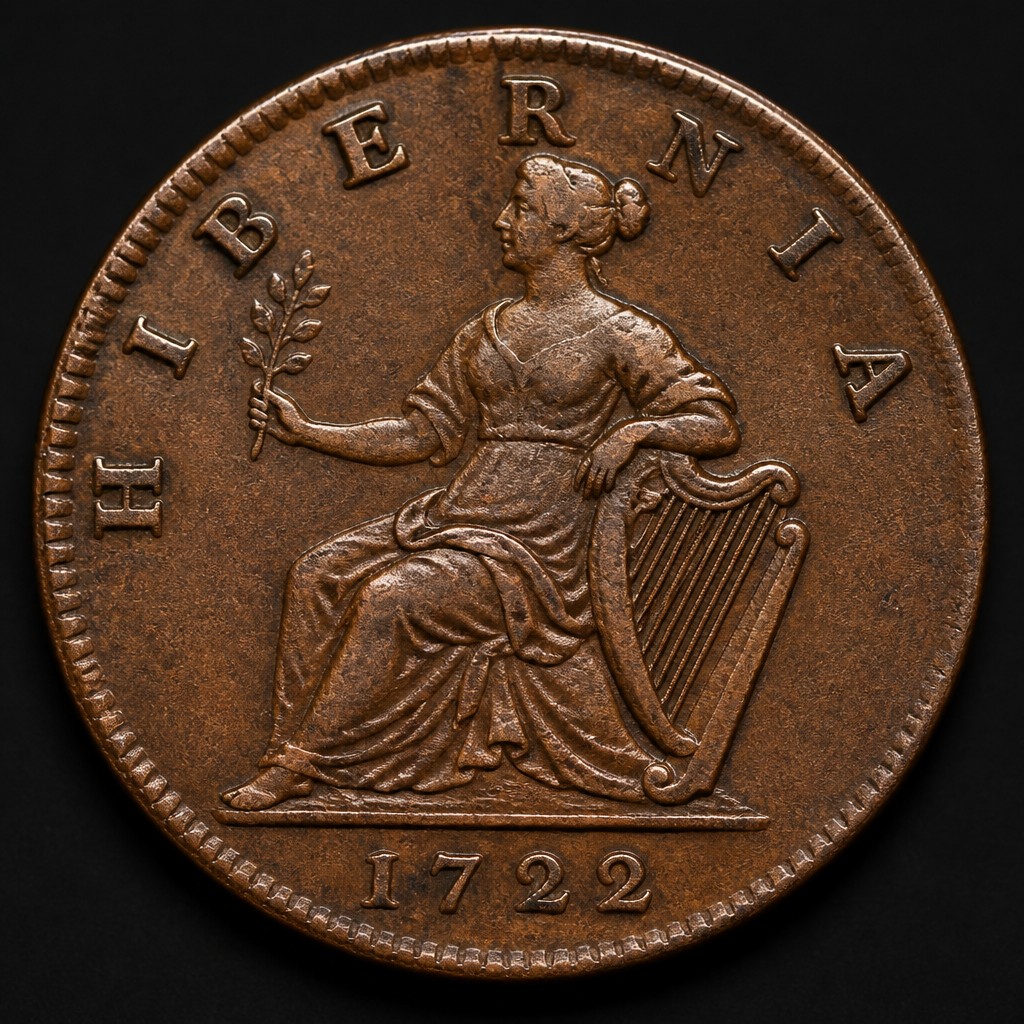
Wood's Hibernia Halfpenny
1722–1724
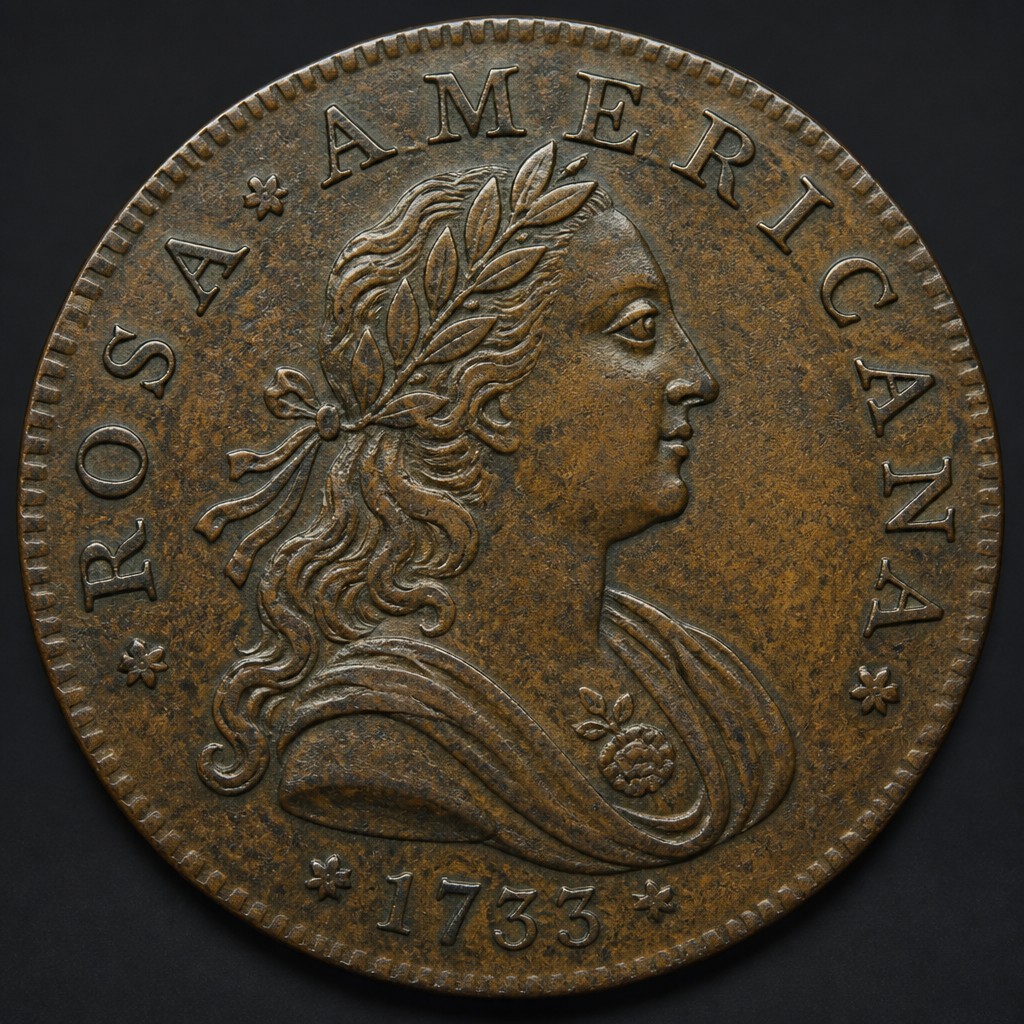
Rosa Americana Coinage
1722–1724 (with pattern issues dated 1733)
Massachusetts Willow Tree Shilling
Dated 1652, struck circa 1653–1660