
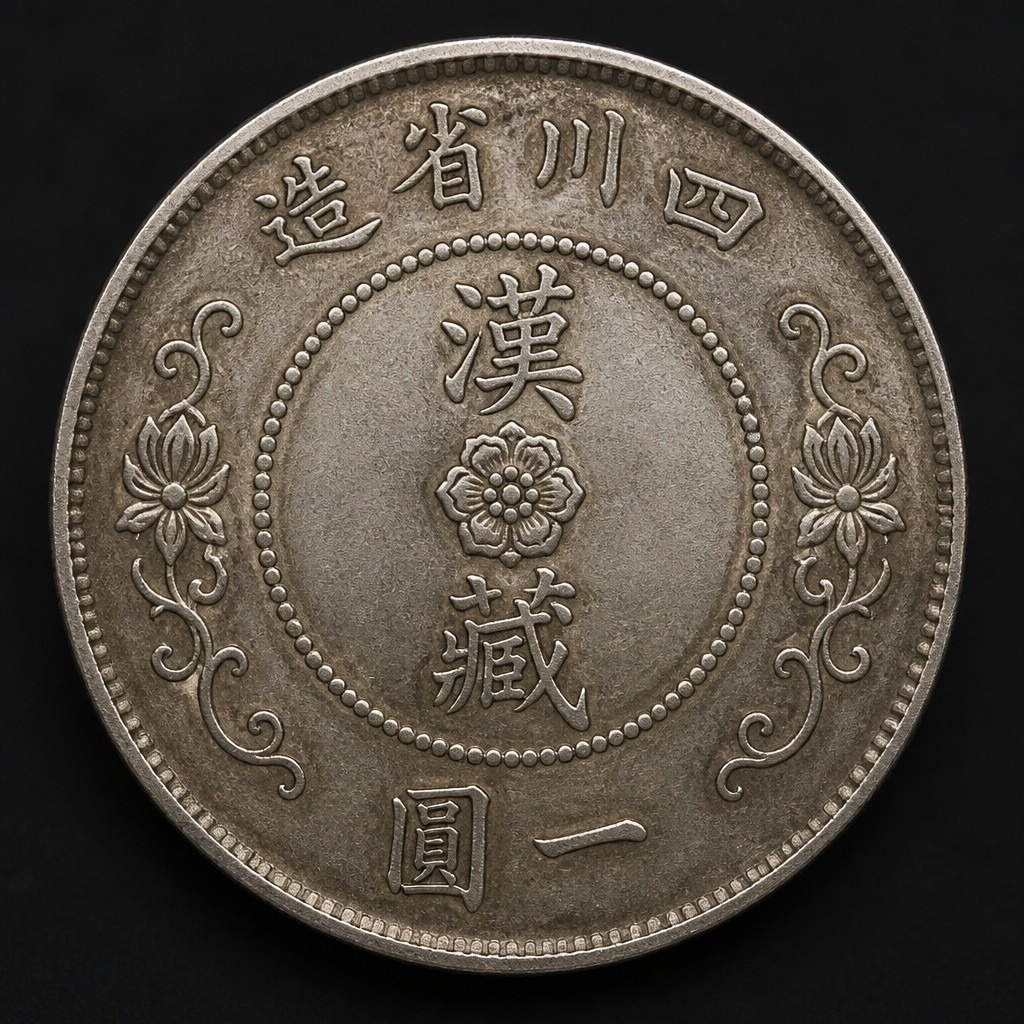
Chinese Szechuan Rupee (Tibet-related)
Silver rupee struck by China's Szechuan provincial mint to compete with British Indian rupees circulating in Tibet, blending a Chinese ruler's portrait with an Indian-style coin format.
- Country
- China (Szechuan Province)
- Denomination
- One Rupee
- Metal
- Silver
Got a coin like this?
Identify any coin from a photo, free.
Overview
The Szechuan Rupee was a silver coin produced by Chinese provincial authorities specifically to counter the widespread circulation of British Indian rupees in Tibet, a region where Indian currency had become dominant for trade due to British commercial influence. It is a distinctive hybrid coin, adopting the size, weight, and general appearance of the Indian rupee while substituting Chinese design elements.
Collectors of Chinese and Tibetan numismatics find this coin especially interesting as a rare example of a Chinese-issued coin deliberately modeled on a foreign coinage system for geopolitical and commercial reasons, reflecting the Sino-British rivalry for economic influence in Tibet.
History & Background
By the late 19th century, British Indian rupees had become the dominant currency for trade in Tibet, a consequence of British trade agreements and commercial expansion from India. Concerned about foreign currency exerting economic and political influence so close to its own territory, Chinese authorities in Szechuan province had rupee-format coins struck at the Chengdu mint specifically for circulation in Tibet, intended to compete with and displace the British coin.
The design imitated the general format of the Indian rupee, a portrait bust and denomination in a similar layout, but replaced Victoria's portrait with a bust generally understood to represent a Chinese imperial figure. Production continued, with only modest changes, for several decades into the early 20th century, spanning the transition from Qing rule to the early Republic of China.
How to Identify
Obverse: a bust in profile, generally understood as a generic or symbolic Chinese imperial figure, deliberately echoing the format of the British Indian rupee's Victoria portrait.
Reverse: Chinese characters and decorative motifs identifying the coin's origin and denomination, along with floral or border elements, differing from the Indian rupee's British Empire imagery while matching its general layout and size.
The coin is struck in silver, closely matching the diameter and weight of the contemporary British Indian rupee to ensure seamless commercial substitution in Tibetan trade, with a milled edge. Because it was deliberately designed to resemble the Indian rupee at a glance, careful examination of the portrait style and reverse legends, rather than overall size alone, is necessary to distinguish it confidently from genuine British Indian rupees.
Value & Collectibility
Genuine Szechuan Rupees are a specialized but recognized collecting niche within Chinese and Tibet-related numismatics, with values influenced by date, specific type or variety, striking quality, and overall condition. As with many coins tied to political-rivalry currency, well-preserved and clearly authentic examples attract solid collector interest.
Because the series was produced over multiple years with subtle variety differences, specialist reference works and careful comparison are useful for confirming a specific issue and its relative scarcity.
Frequently asked questions
Why does a Chinese coin look like an Indian rupee?
It was deliberately designed to match the British Indian rupee's size and format so it could compete with and replace that currency in Tibetan trade.
Where was it minted?
At the Chengdu mint in Szechuan (Sichuan) province.
Whose portrait is on it?
A generic or symbolic Chinese imperial-style bust, intentionally echoing the position of Queen Victoria's portrait on the Indian rupee.
Why was it needed?
British Indian rupees had become the dominant trade currency in Tibet, and Chinese authorities wanted a competing coin to counter that influence.
Is it rare?
It is a specialized collecting area; specific dates and varieties range from relatively available to quite scarce.
Other coins you may enjoy
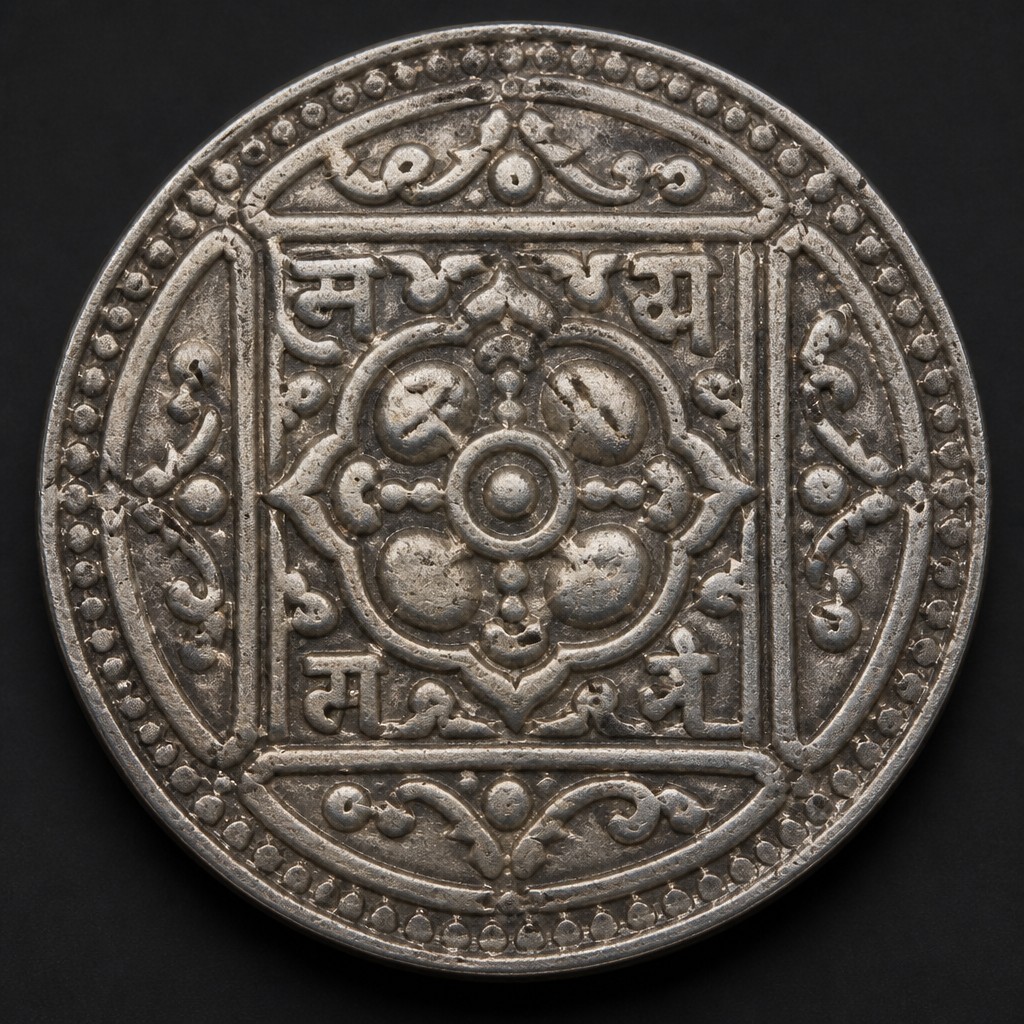
Nepal Silver Mohar
c. 16th–19th century
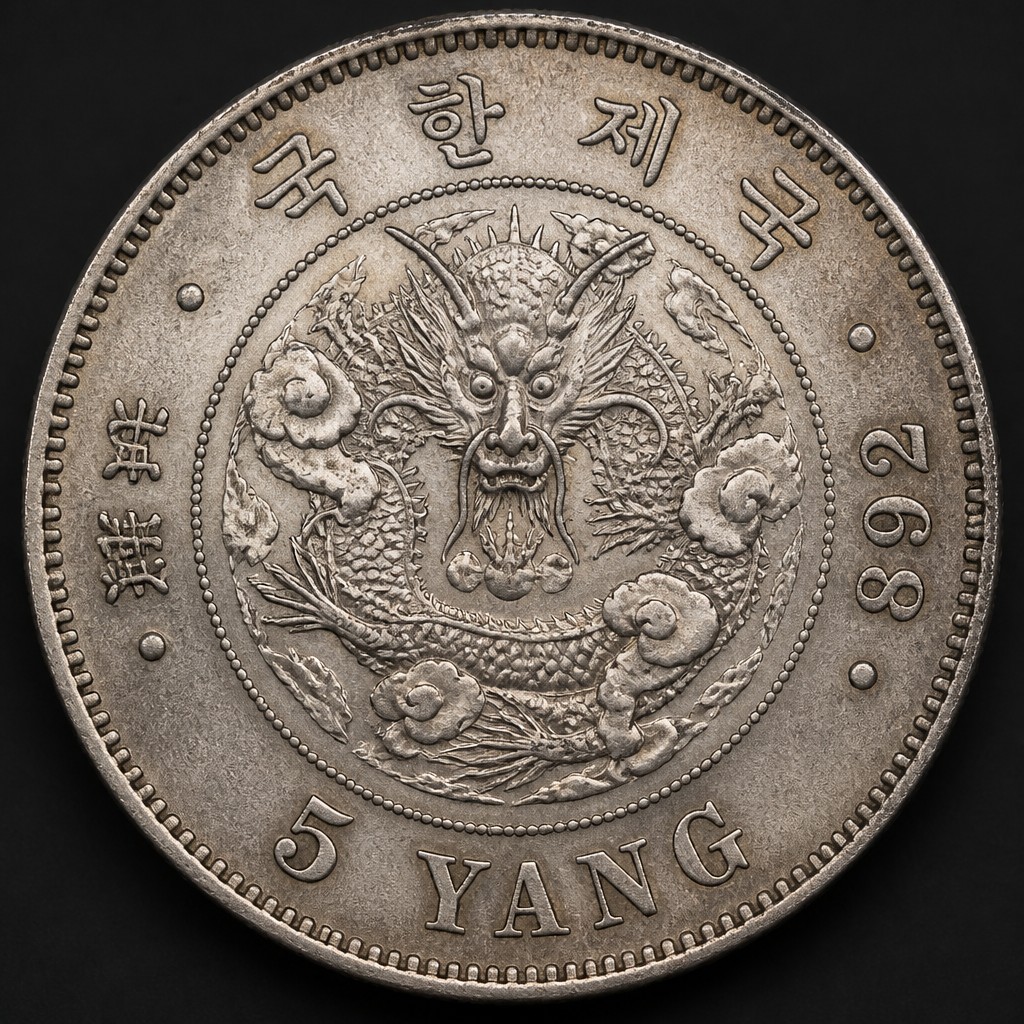
Korean 5 Yang Silver Dollar (1892)
1892
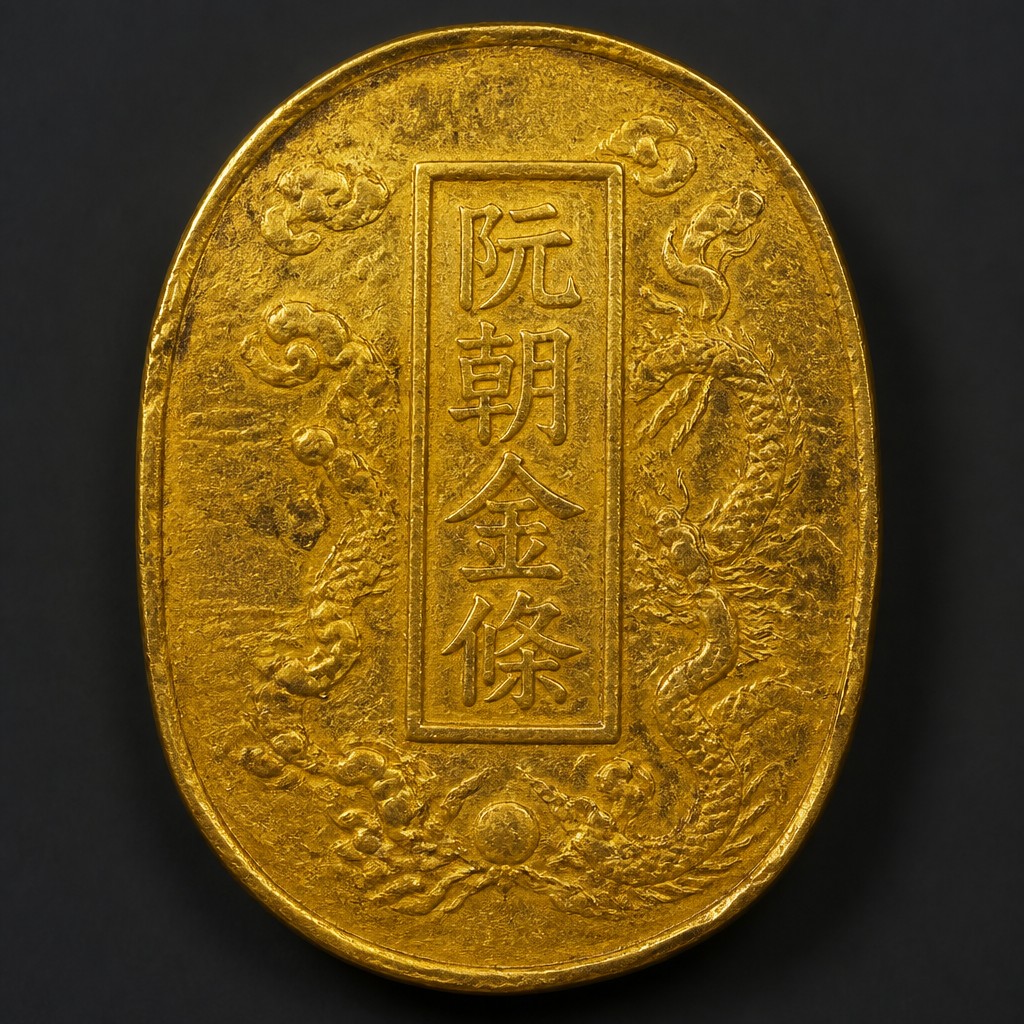
Nguyen Dynasty Gold Bar (Vietnam)
19th century
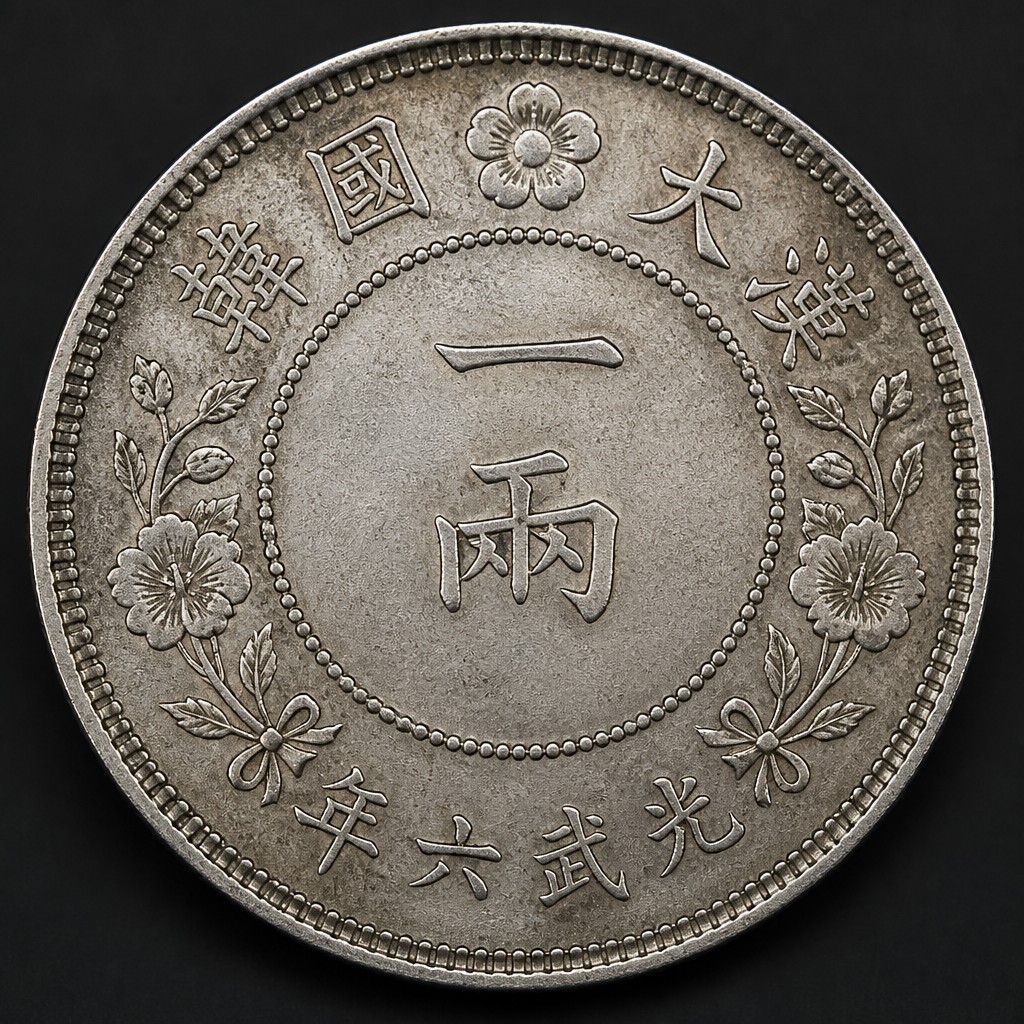
Korean 1 Yang Silver (Joseon/Great Han Empire)
1892–1902
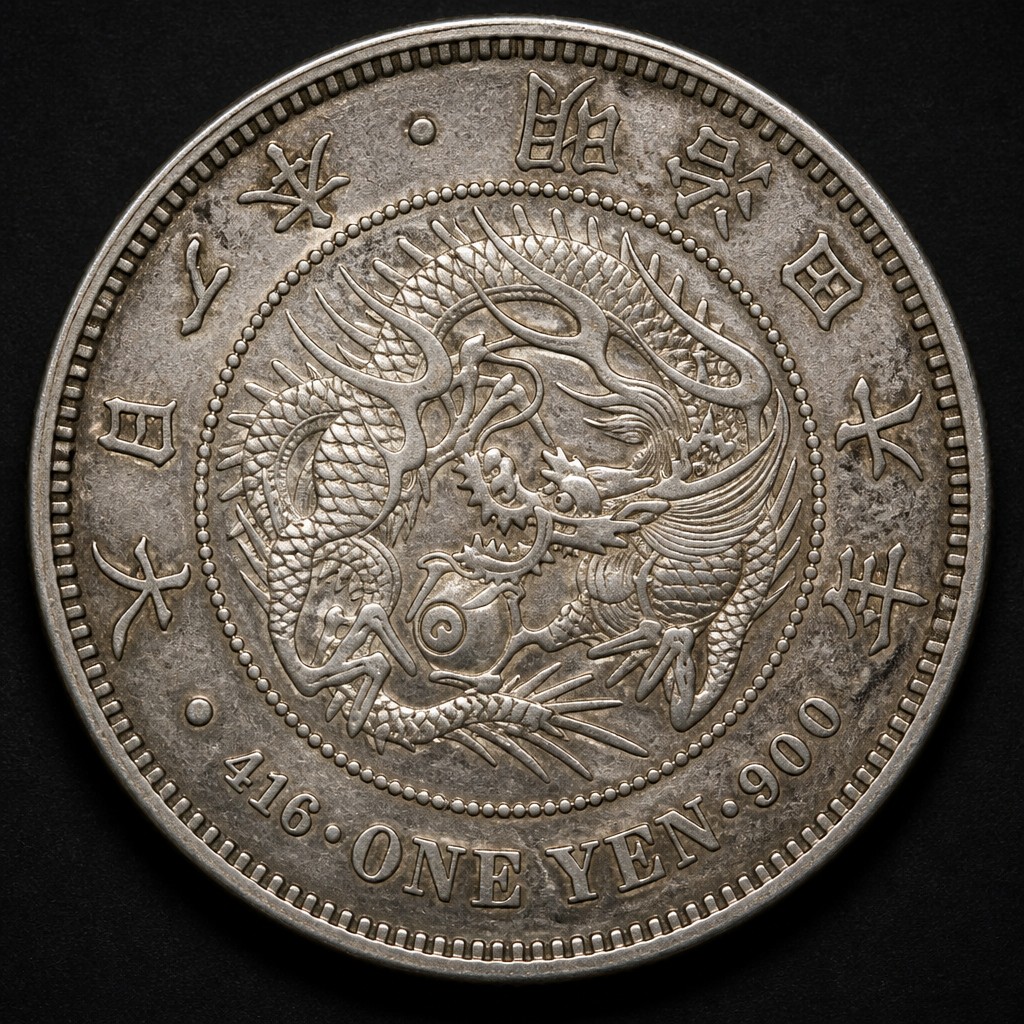
Japanese 1 Yen Silver 'Dragon' Trade Dollar
1870–1914 (trade dollar variant 1875–1877)
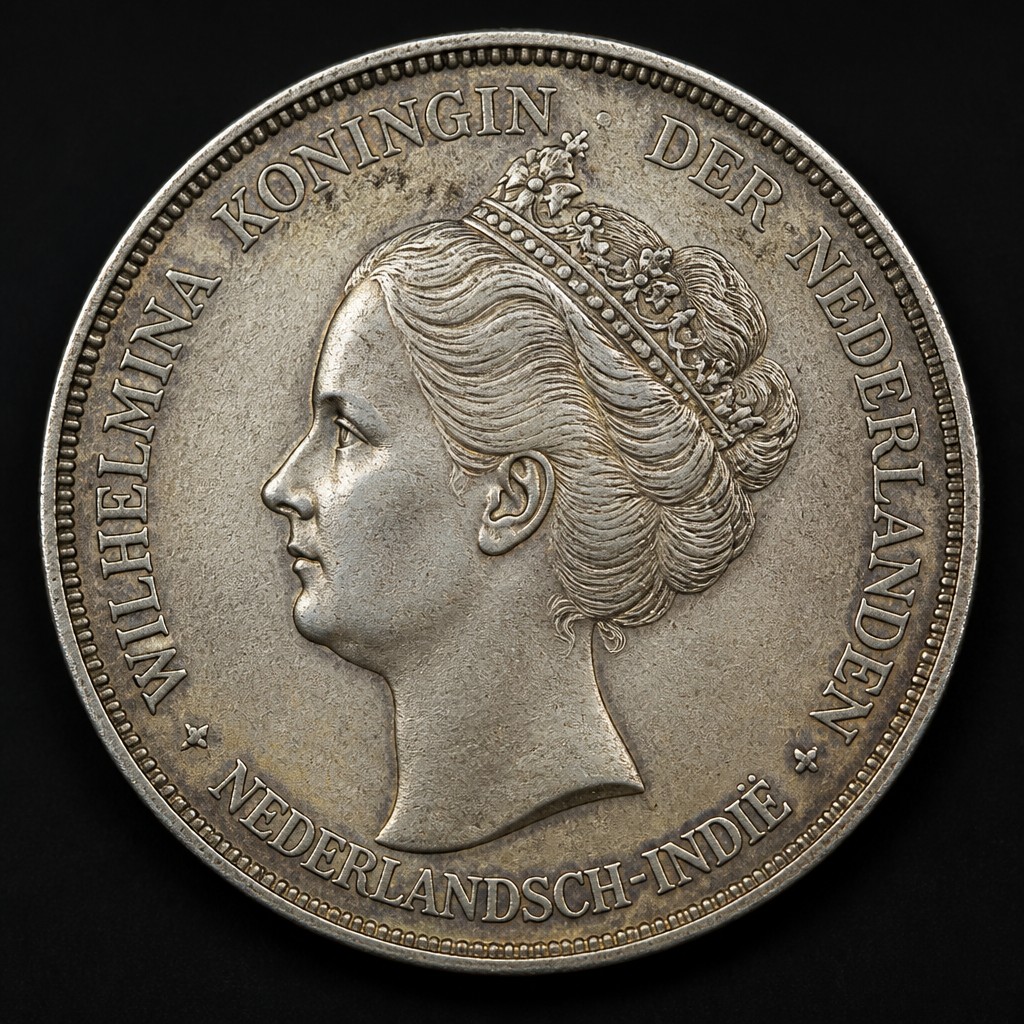
Netherlands East Indies Gulden (Wilhelmina)
1897–1945
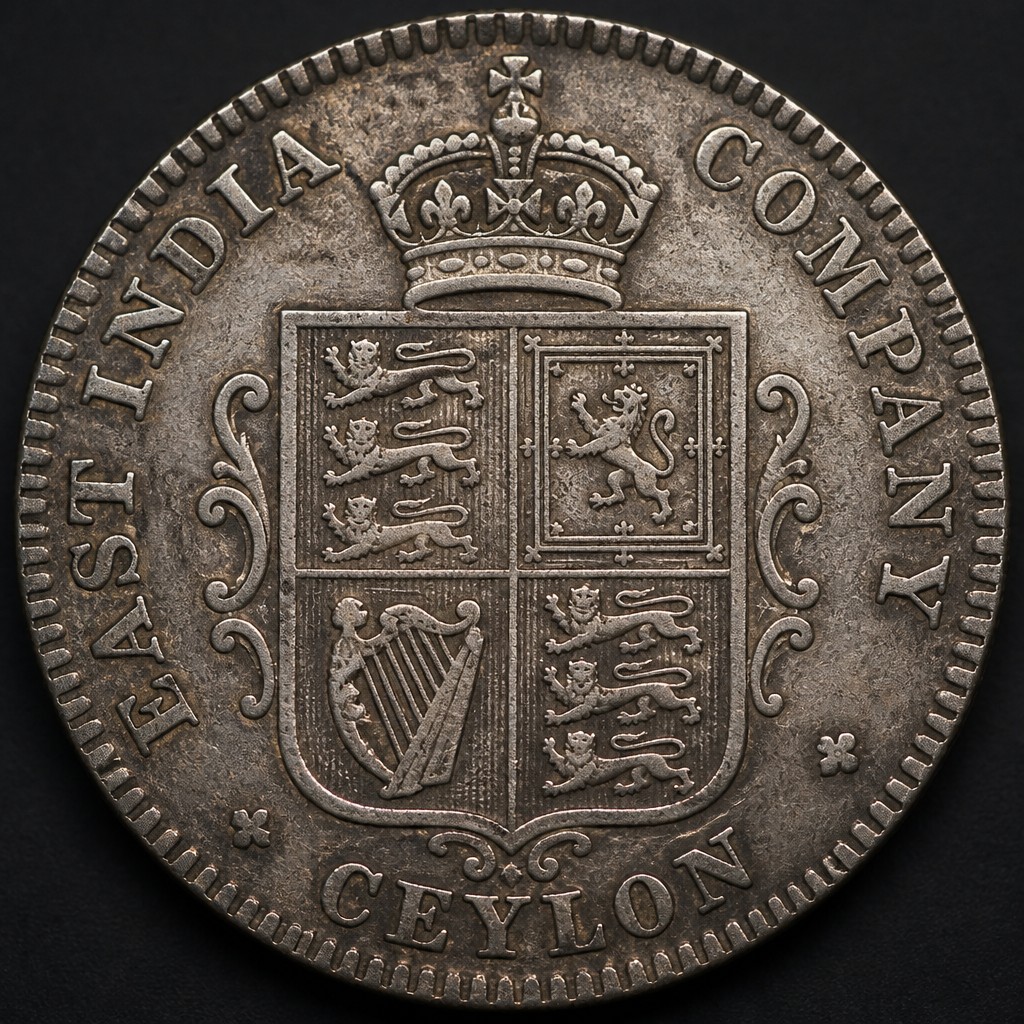
Ceylon (Sri Lanka) EIC Rixdollar
c. 1802–1821
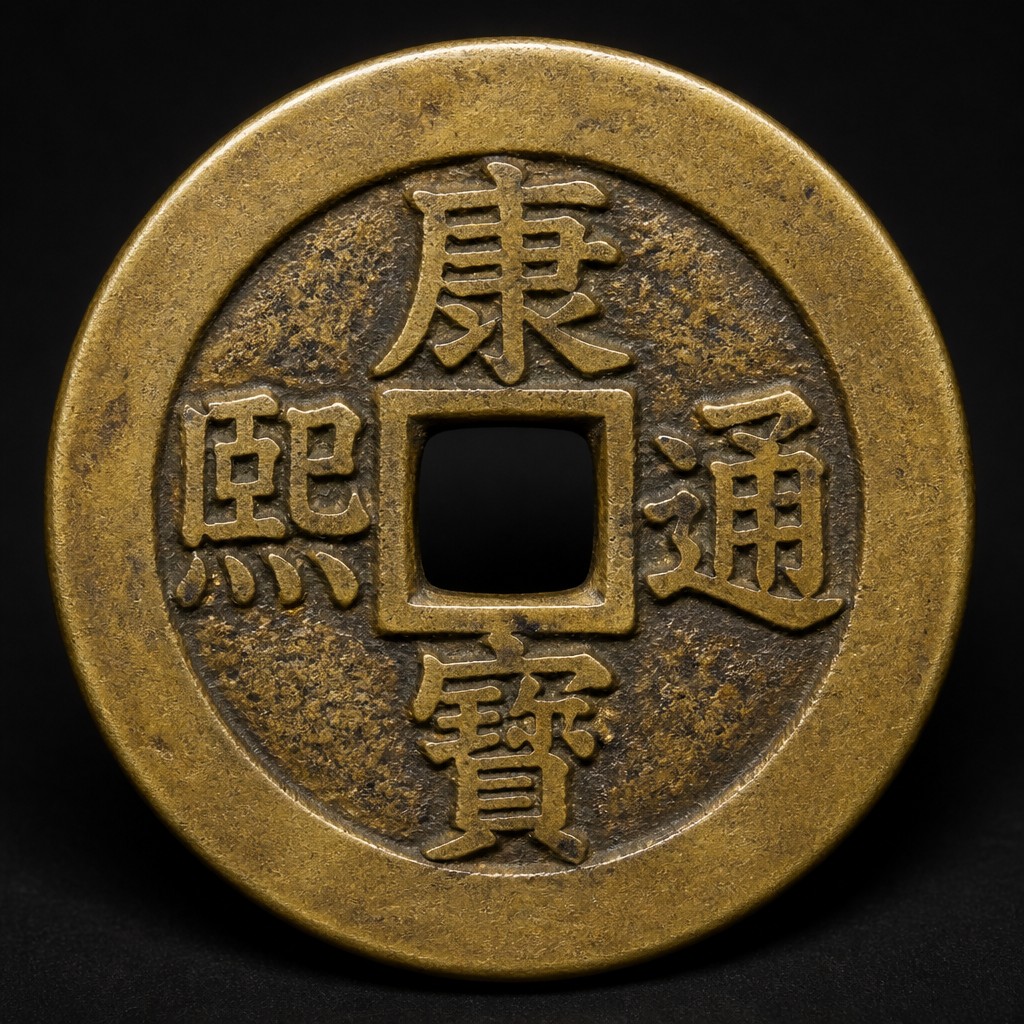
Chinese Cash Coin (Qing Dynasty 'Kangxi Tongbao')
1662–1722
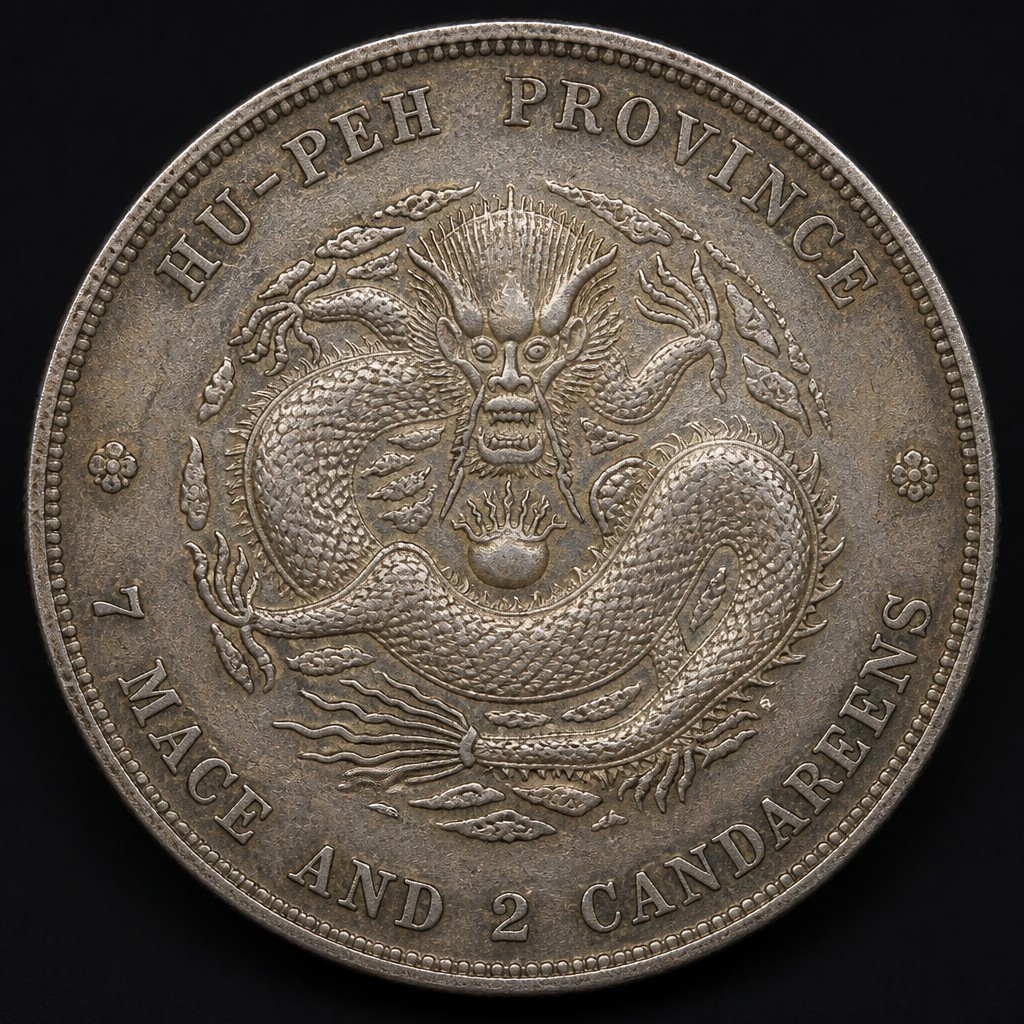
Chinese Hupeh Province Dragon Dollar
c. 1895–1909
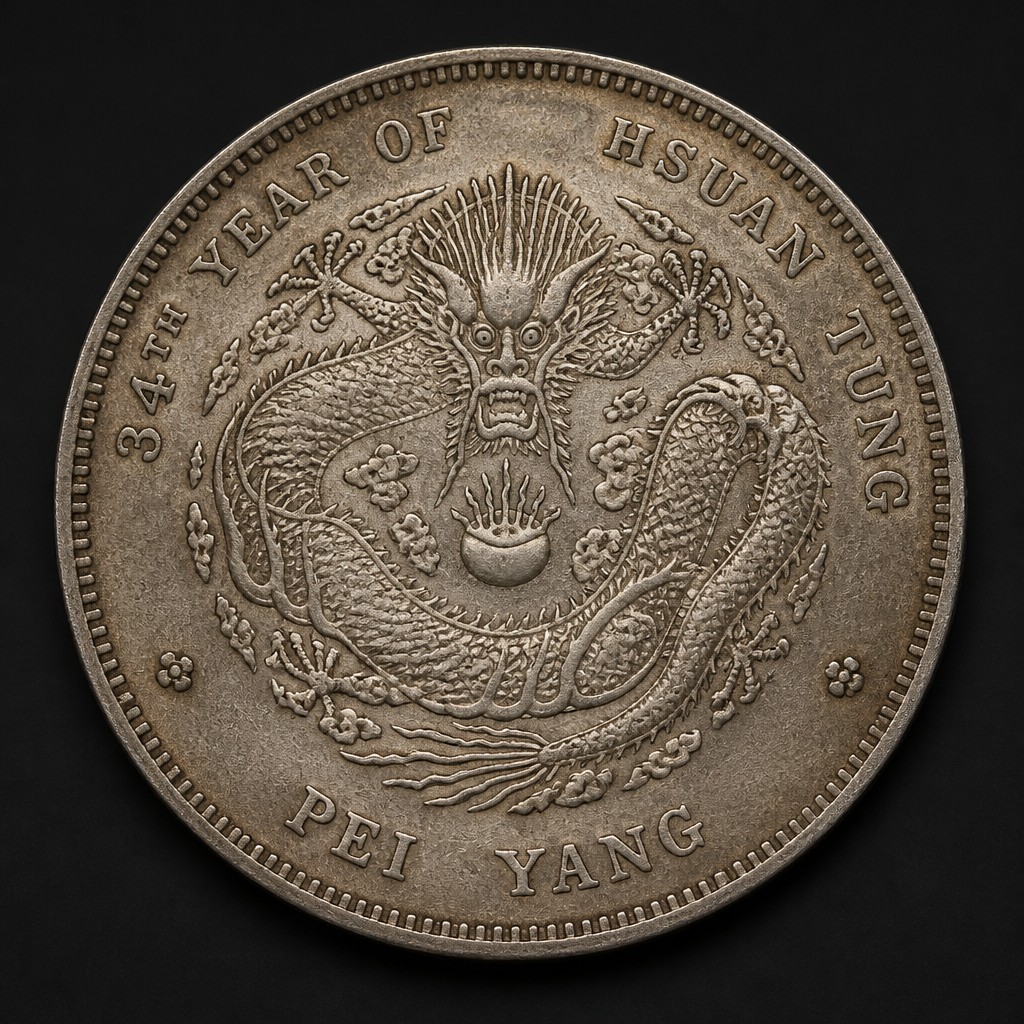
Chinese Empire Silver Dollar (Hsuan Tung Dragon)
1909–1911
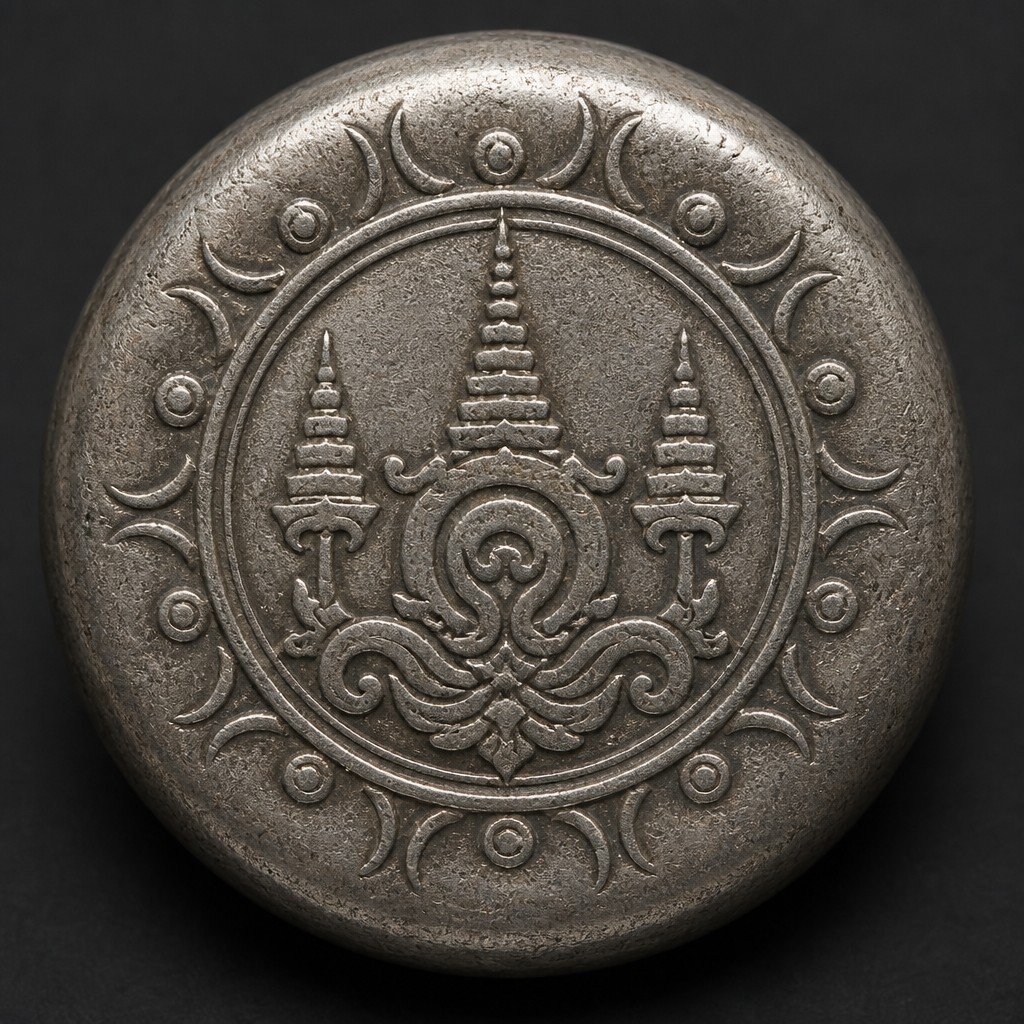
Thailand (Siam) Silver Baht 'Bullet Money' (Pod Duang)
c. 13th century – late 19th century
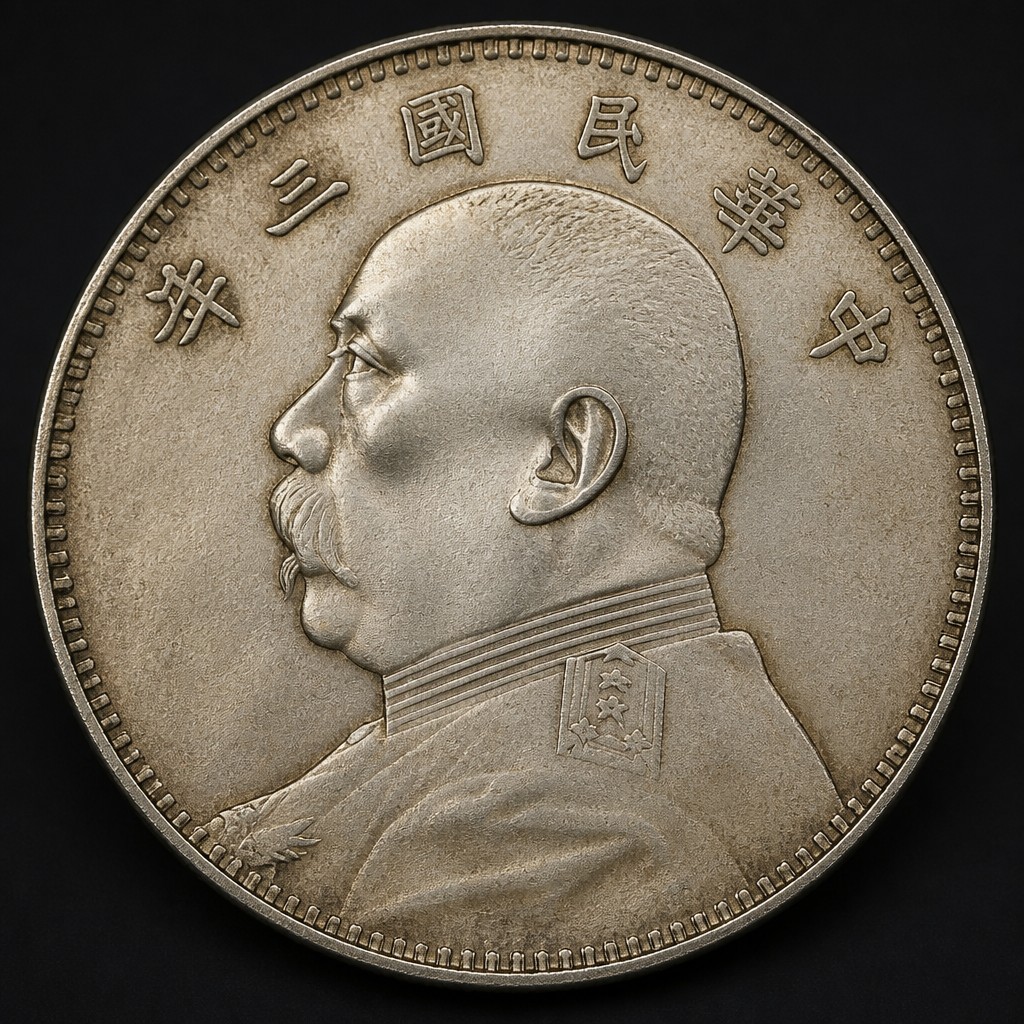
Yuan Shikai 'Fatman' Dollar (1914)
Dated 1914, struck into the early 1920s