
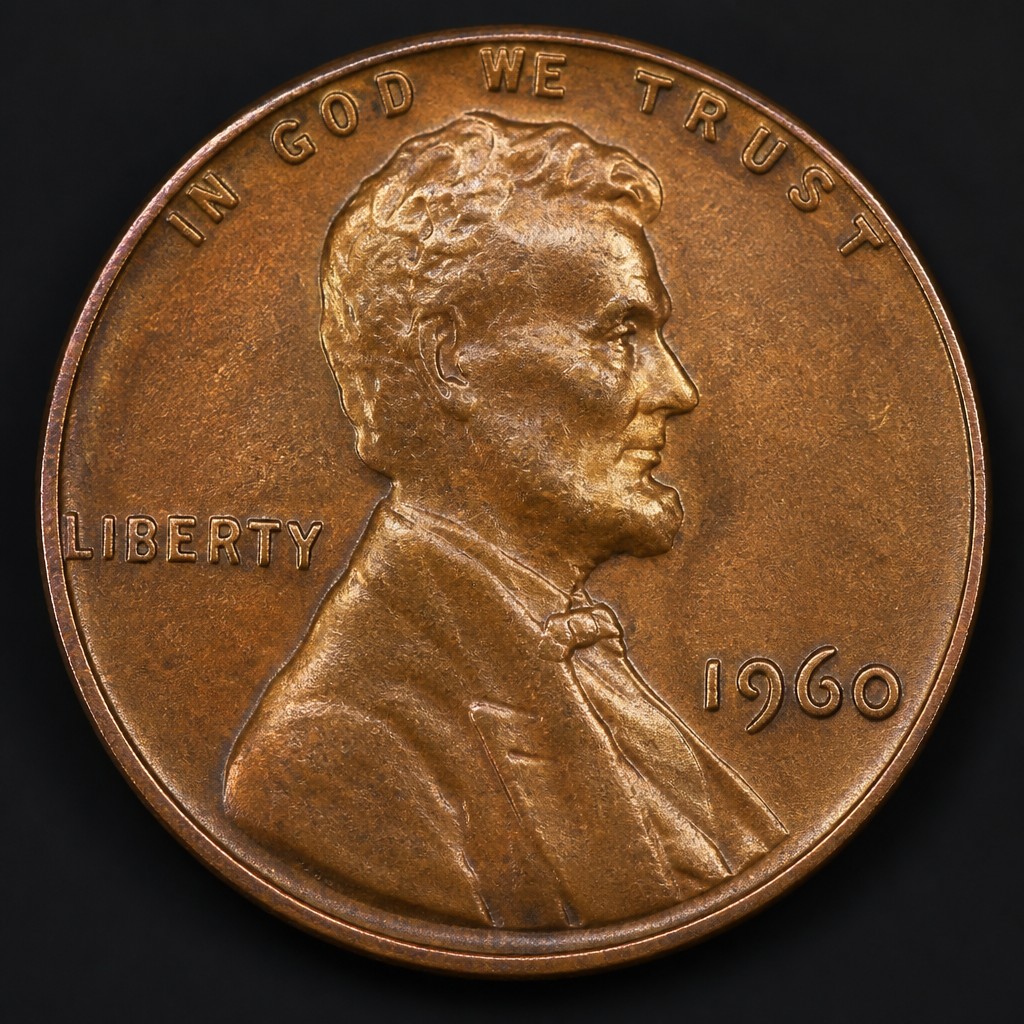
1960 Large Date over Small Date Lincoln Cent
A date-size variety of the 1960 Lincoln cent in which large and small date logotypes were both used during the year, with some pieces showing evidence of one date style impressed over the other.
- Country
- United States
- Denomination
- 1 cent
- Metal
- Bronze (95% copper, 5% tin and zinc)
Got a coin like this?
Identify any coin from a photo, free.
Overview
In 1960, the U.S. Mint used two distinctly different date logotype sizes for the Lincoln cent, commonly referred to as the Large Date and Small Date varieties, produced at both the Philadelphia and Denver mints. The Small Date features noticeably smaller, more delicate numerals compared to the bolder, larger digits of the Large Date style, and the difference is significant enough to be visible without magnification once a collector knows the distinction.
Some specimens show characteristics suggesting one date size was impressed with traces of the other underneath, adding a layer of die-variety interest beyond the simple large-versus-small date distinction that defines the bulk of the collecting interest in this date.
The 1960 date varieties are especially well known because the Small Date from Philadelphia is considerably scarcer and more valuable than its Large Date counterpart, making this one of the most actively pursued date-size varieties in the entire Lincoln Memorial cent series.
History & Background
By 1960, the Lincoln cent had featured the Lincoln Memorial reverse since 1959, replacing the long-running wheat ears design. During the changeover to a new date logotype punch that year, both a small and a large numeral style were used, apparently reflecting an early production run with the smaller digits followed by a switch to bolder, larger digits partway through the year at Philadelphia, with Denver producing predominantly the large date style with a small date also known.
The exact administrative reasoning for the mid-year change is not fully documented, but it fits a broader pattern of Mint punch and logotype adjustments seen periodically throughout the twentieth century whenever date lettering tools were revised or replaced.
Collectors and researchers identified the disparity in mintage between the scarce Philadelphia Small Date and the far more common Large Date shortly after the coins were released, and the variety quickly became one of the most popular date-size distinctions for modern Lincoln cent collectors to pursue.
How to Identify
The obverse shows Lincoln's portrait with IN GOD WE TRUST above, LIBERTY to the left, and the date to the right; the reverse depicts the Lincoln Memorial building with UNITED STATES OF AMERICA and ONE CENT.
To identify the date size, compare the numerals directly: the Small Date shows noticeably thinner, more compact digits, with the 9 in particular appearing narrower, while the Large Date shows bolder, taller, more widely spaced numerals. This comparison is most reliable when done side by side with a confirmed example of each type.
The coin is struck in standard bronze, 19mm diameter, with a plain edge, and mintmarks (D for Denver, none for Philadelphia) appear beneath the date, which is also relevant since scarcity differs distinctly between the Philadelphia and Denver issues for each date size.
Collectors should be careful to identify the correct mint alongside the date size, since the Philadelphia Small Date is the key variety of real significance, while Denver's Small Date and Large Date are both much more common and carry little to no premium over each other.
Value & Collectibility
The Philadelphia 1960 Small Date cent is the standout variety of real value, trading at a significant premium over the common Large Date in circulated grades and commanding especially strong prices in choice and gem uncirculated red condition due to relatively limited surviving high-grade examples.
The Denver Small Date and Large Date cents are both common and generally trade for only modest premiums over face value even in uncirculated condition, since Denver's mintage of both varieties was far larger.
As with all copper Lincoln cents, full original red color versus toned brown or spotted surfaces makes a substantial difference in value, and buyers should confirm mint and date-size attribution carefully before paying a premium, since misattributed common Denver coins are sometimes mistakenly represented as the scarcer Philadelphia issue.
Frequently asked questions
Which 1960 cent variety is valuable?
The Philadelphia (no mintmark) 1960 Small Date cent is the scarce and valuable variety; the Large Date from Philadelphia and both date sizes from Denver are common.
How do I tell Small Date from Large Date?
Compare the numerals directly to reference images; the Small Date has noticeably thinner, more compact digits, especially visible in the 9, compared to the bolder Large Date.
Does the mintmark matter for this variety?
Yes, significantly. The valuable Small Date variety is specifically the Philadelphia issue with no mintmark; Denver Small Date coins are common and not the key variety.
What grade should I look for to maximize value?
Full original red, high-grade uncirculated examples of the Philadelphia Small Date bring the strongest prices, while circulated or cleaned examples are worth considerably less.
Other coins you may enjoy
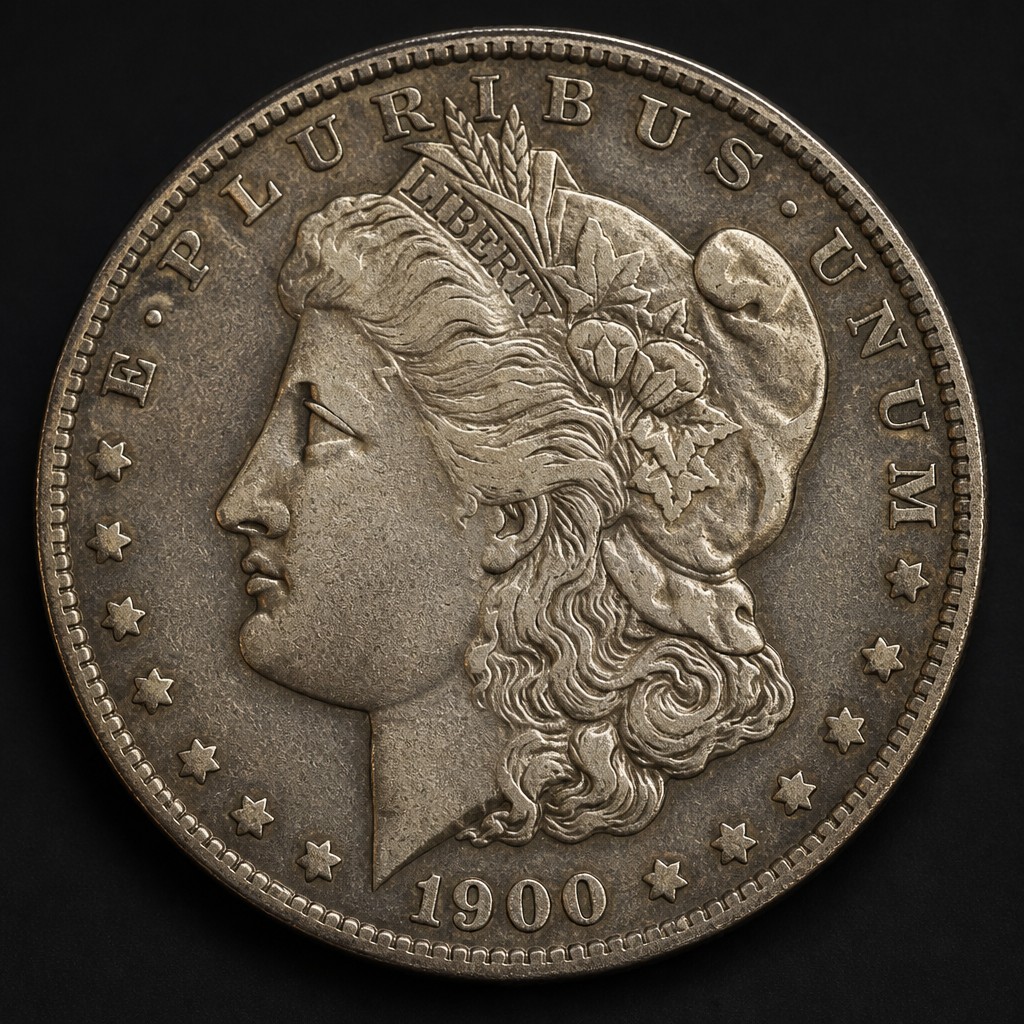
1900-O/CC Morgan Dollar
1900
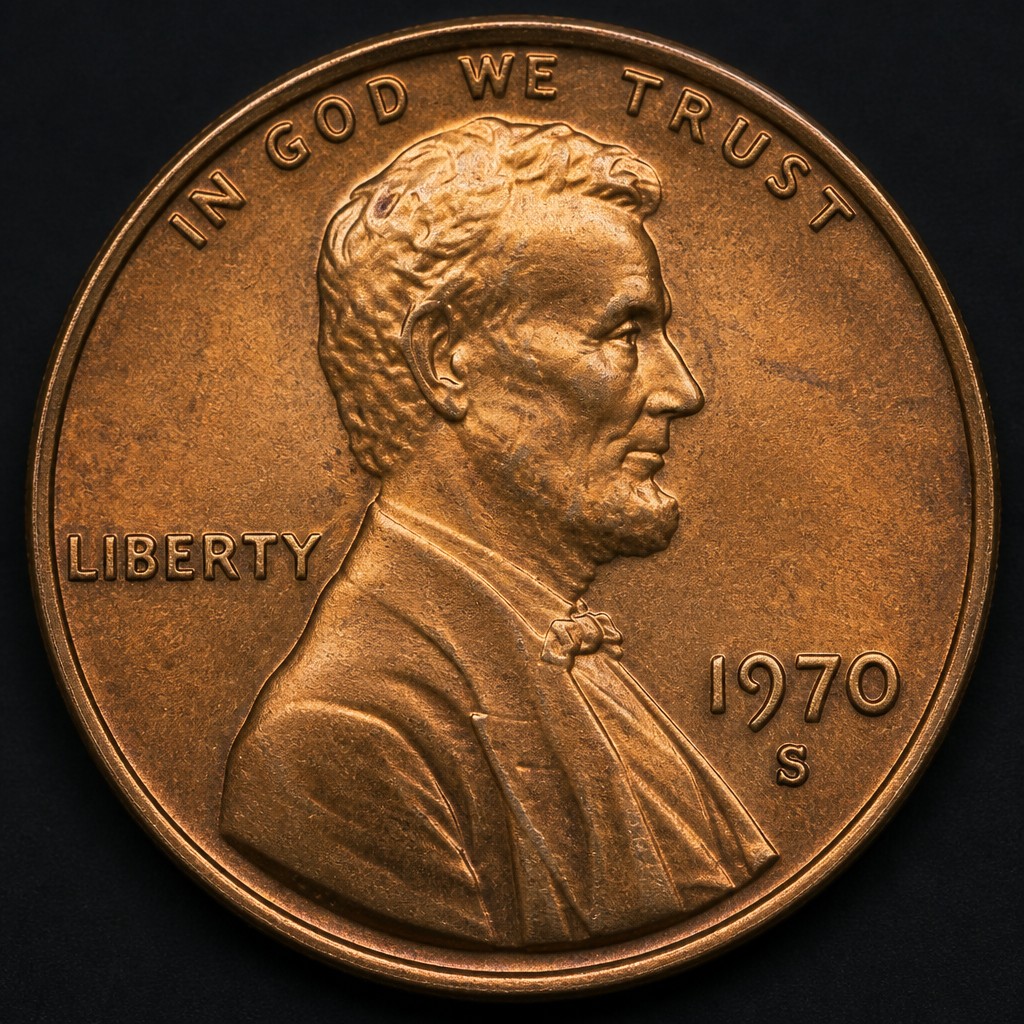
1970-S Small Date Lincoln Cent
1970
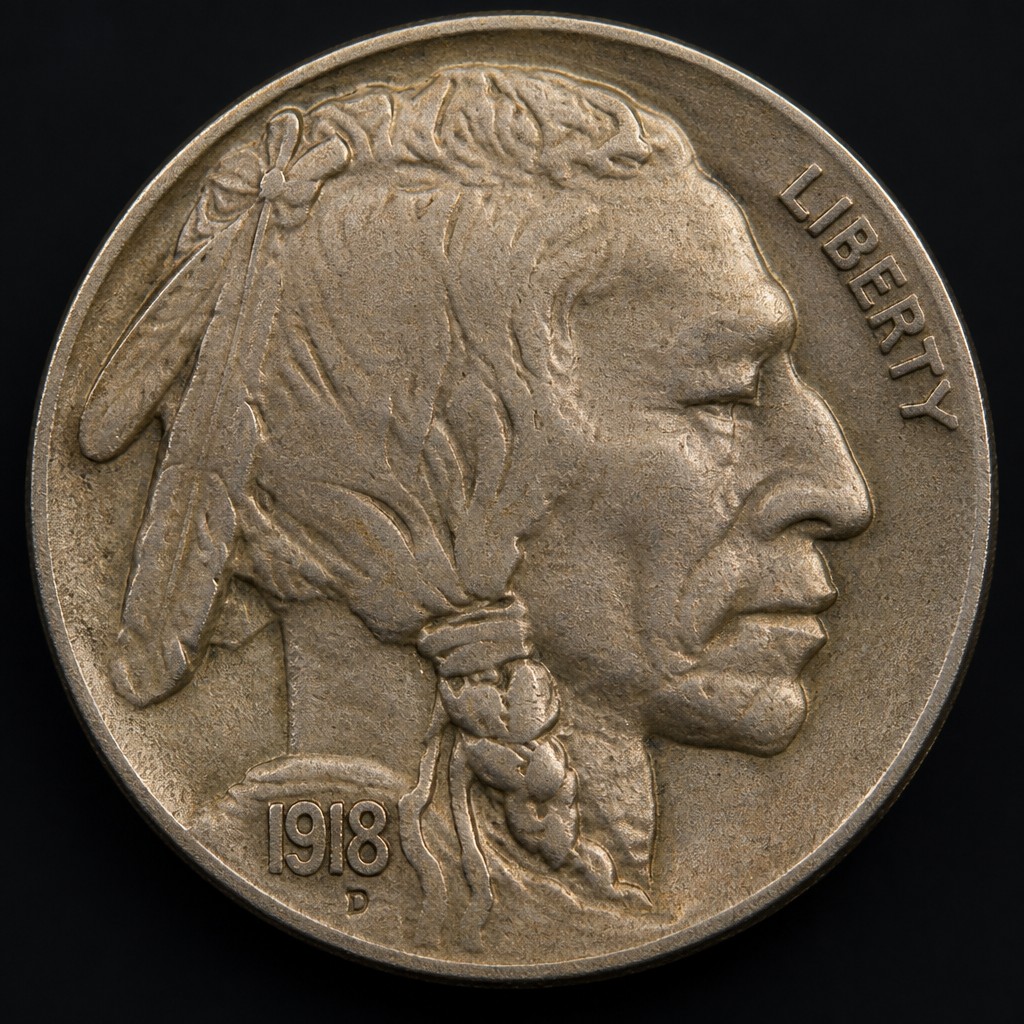
1918/7-D Buffalo Nickel
1918
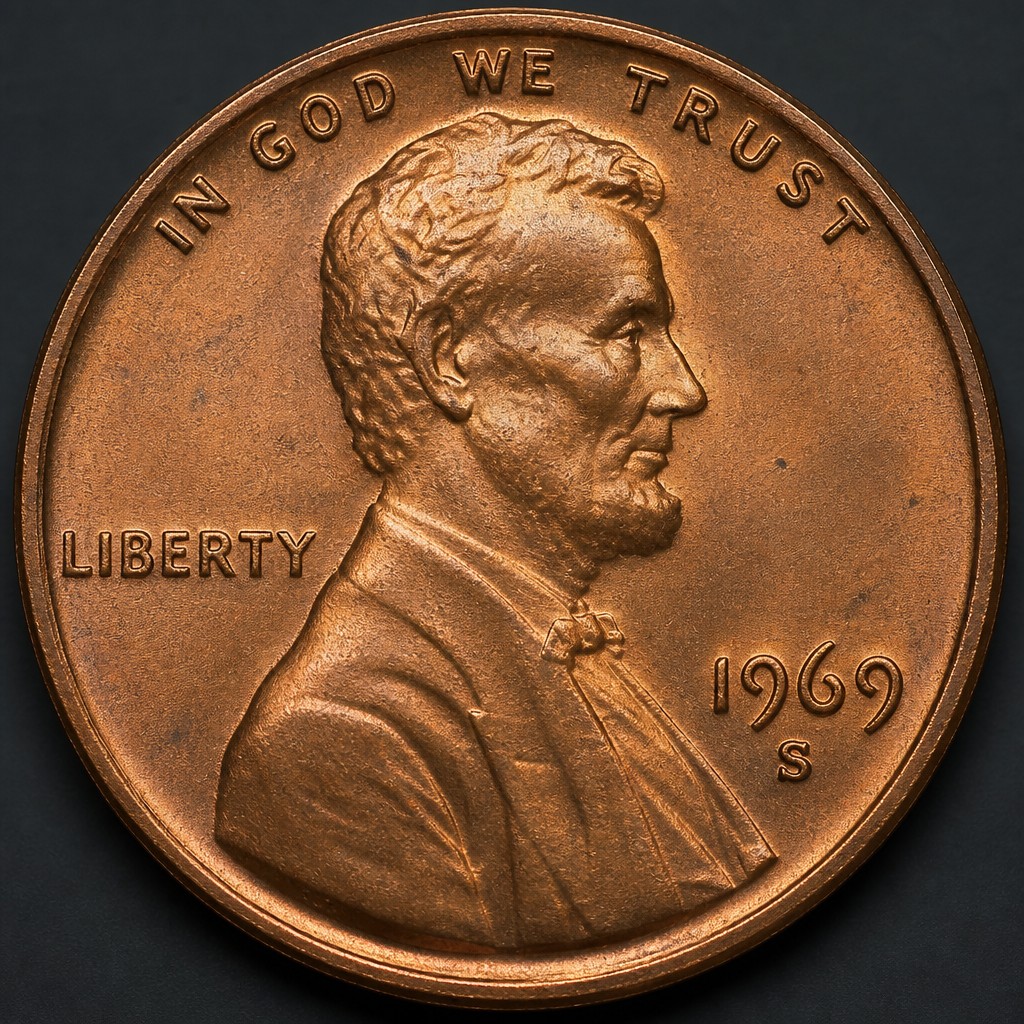
1969-S Doubled Die Obverse Lincoln Cent
1969
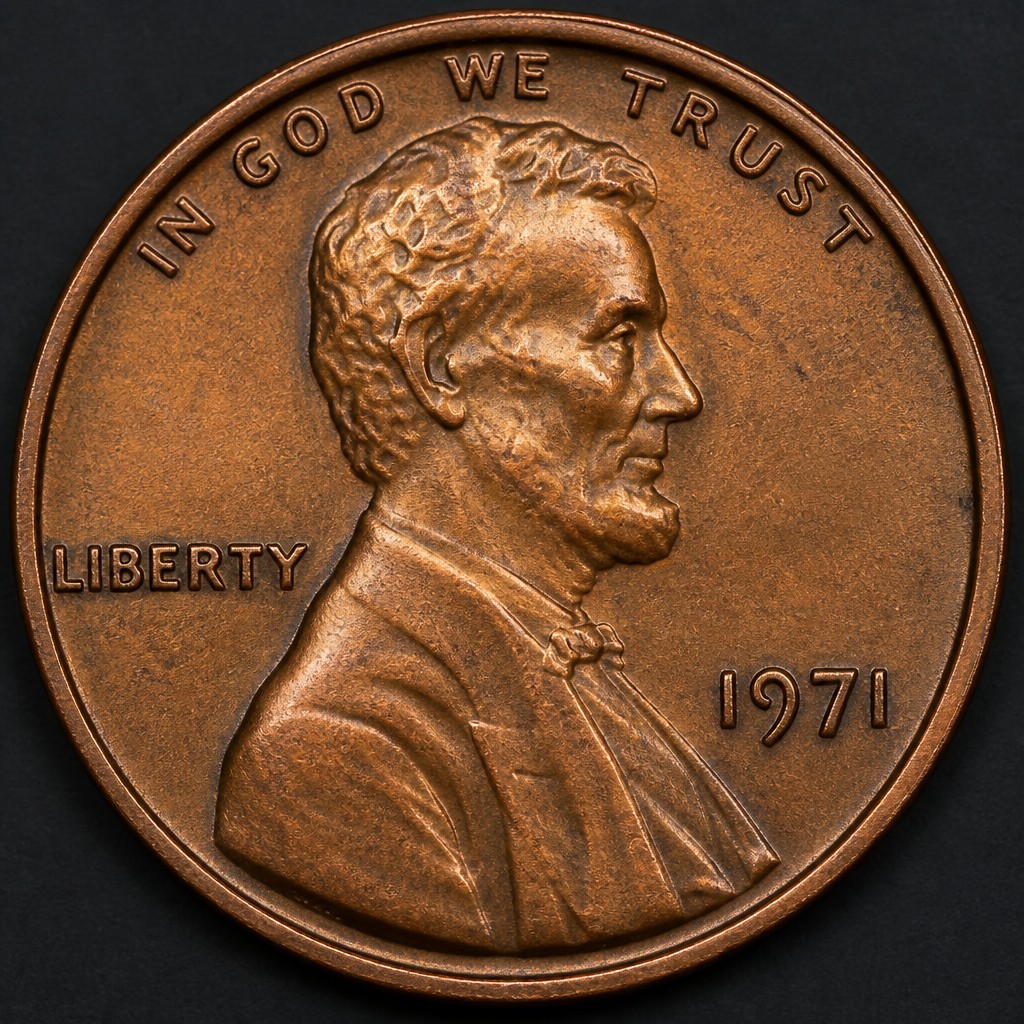
1971 Doubled Die Obverse Lincoln Cent
1971
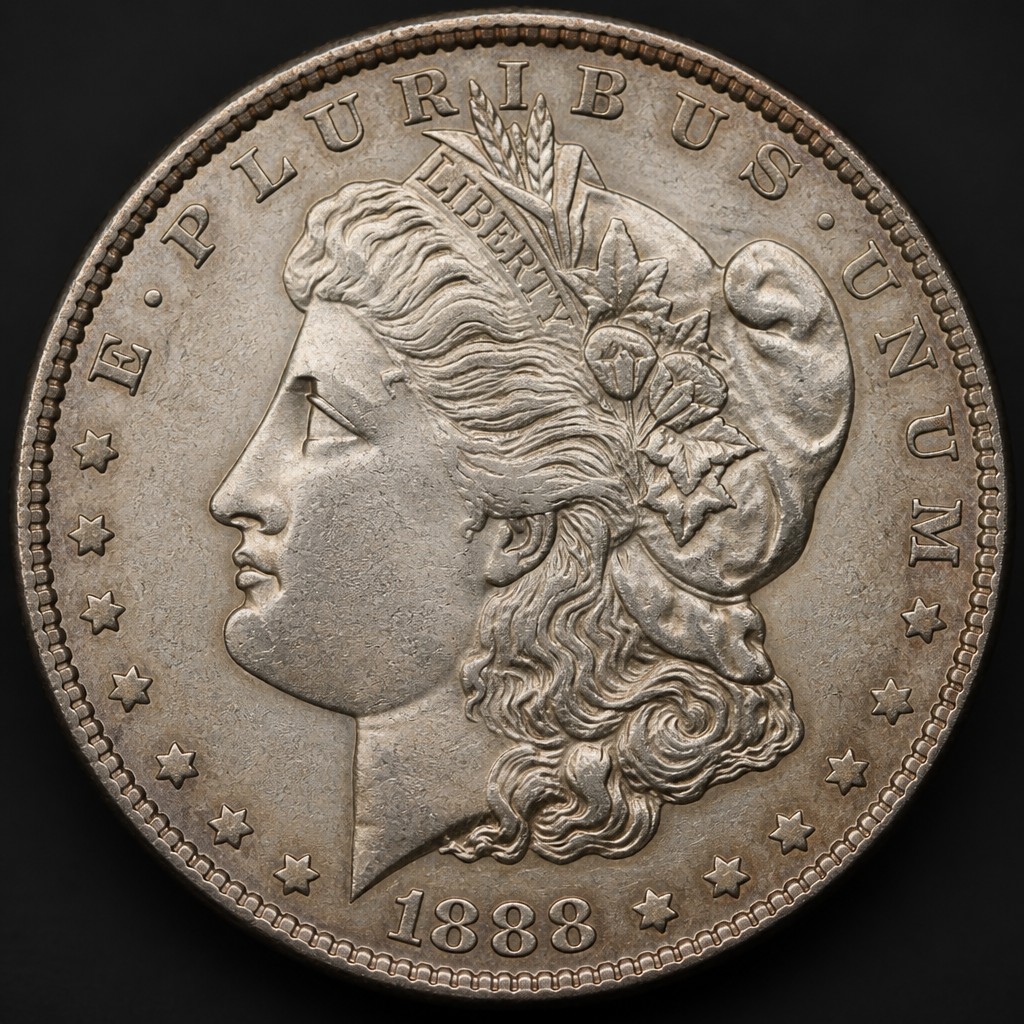
1888/7 Morgan Dollar Overdate
1888
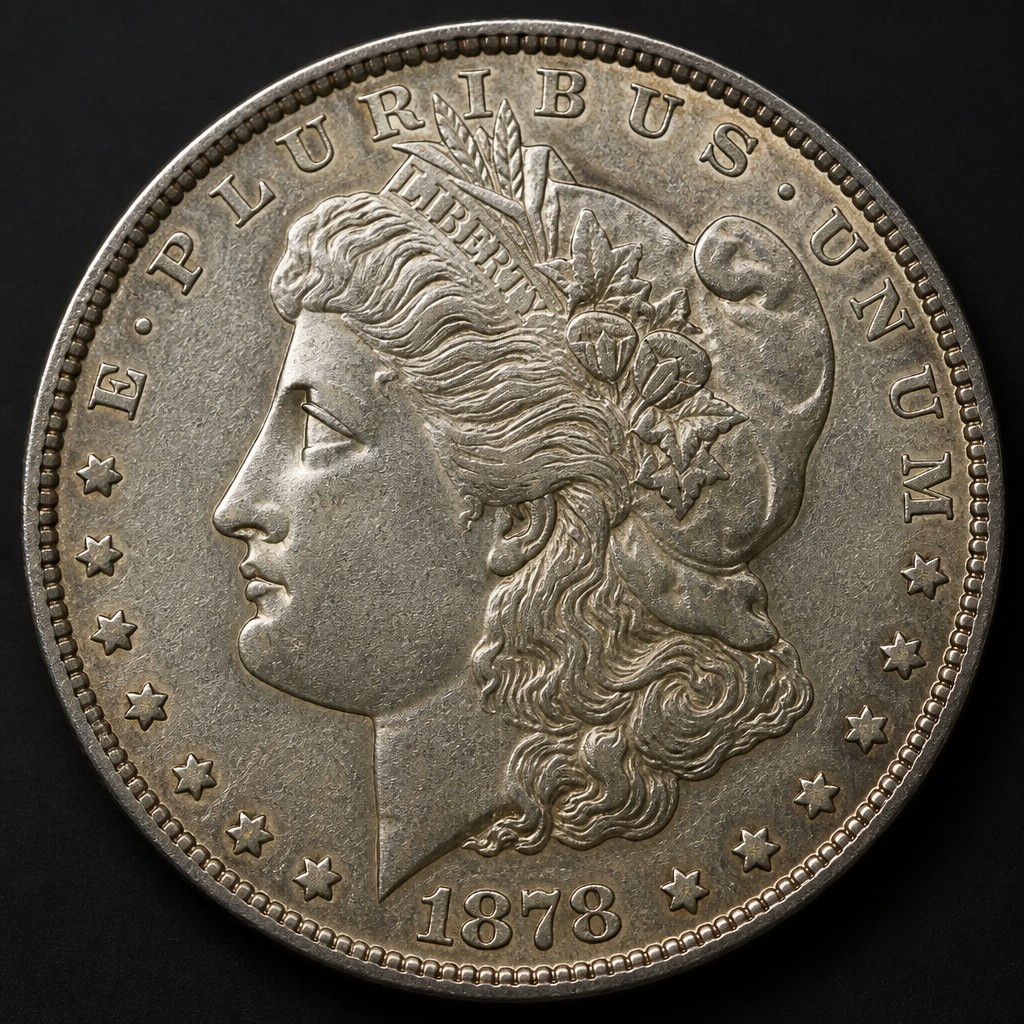
1878 7/8 Tail Feathers Morgan Dollar
1878
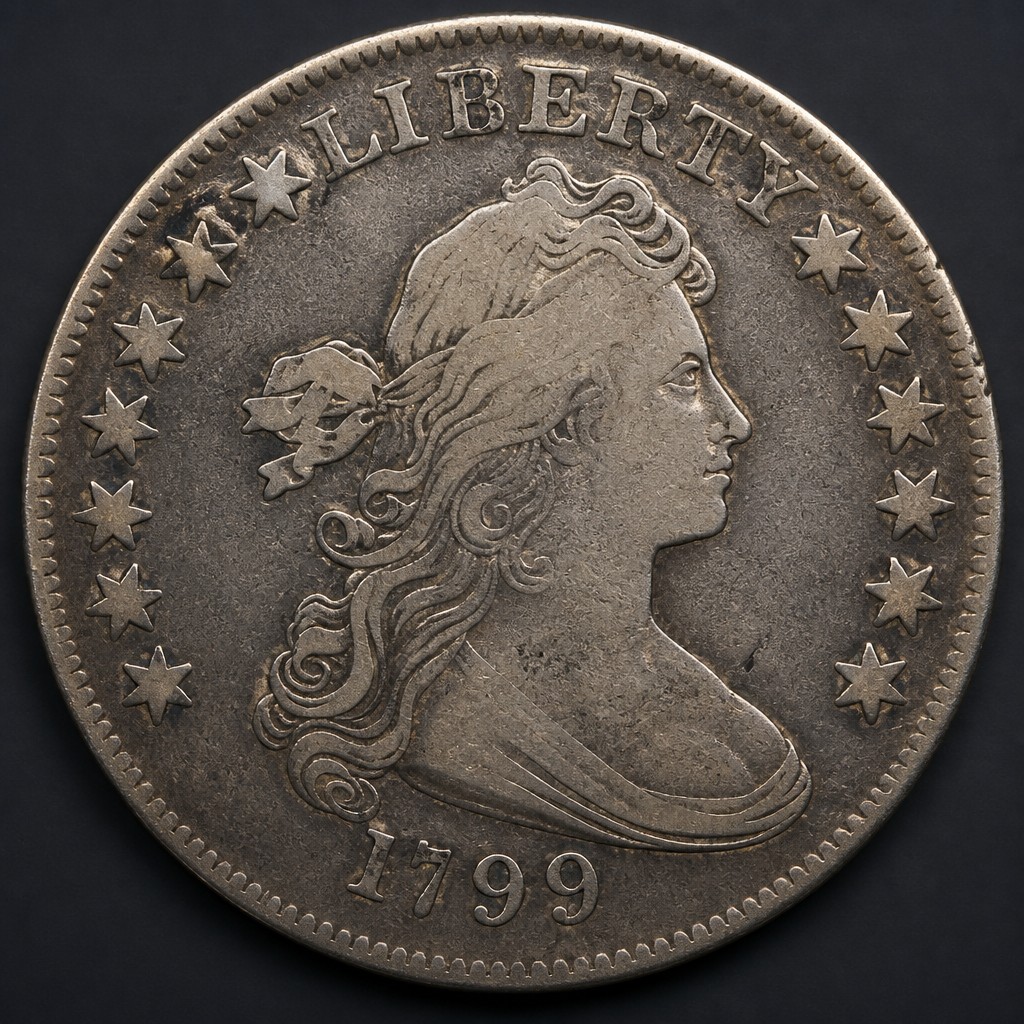
1799/8 Draped Bust Silver Dollar Overdate
1799 (die dated over 1798)
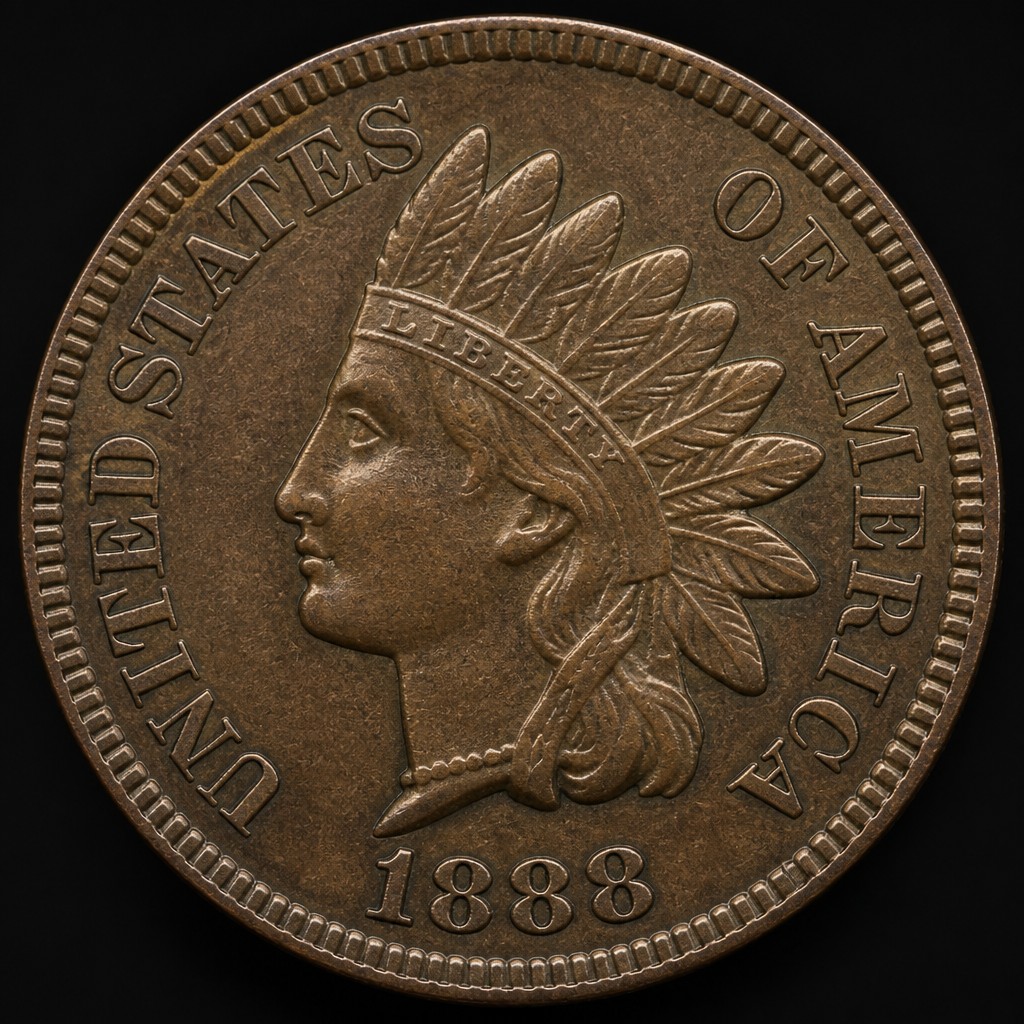
1888/7 Indian Head Cent Overdate
1888
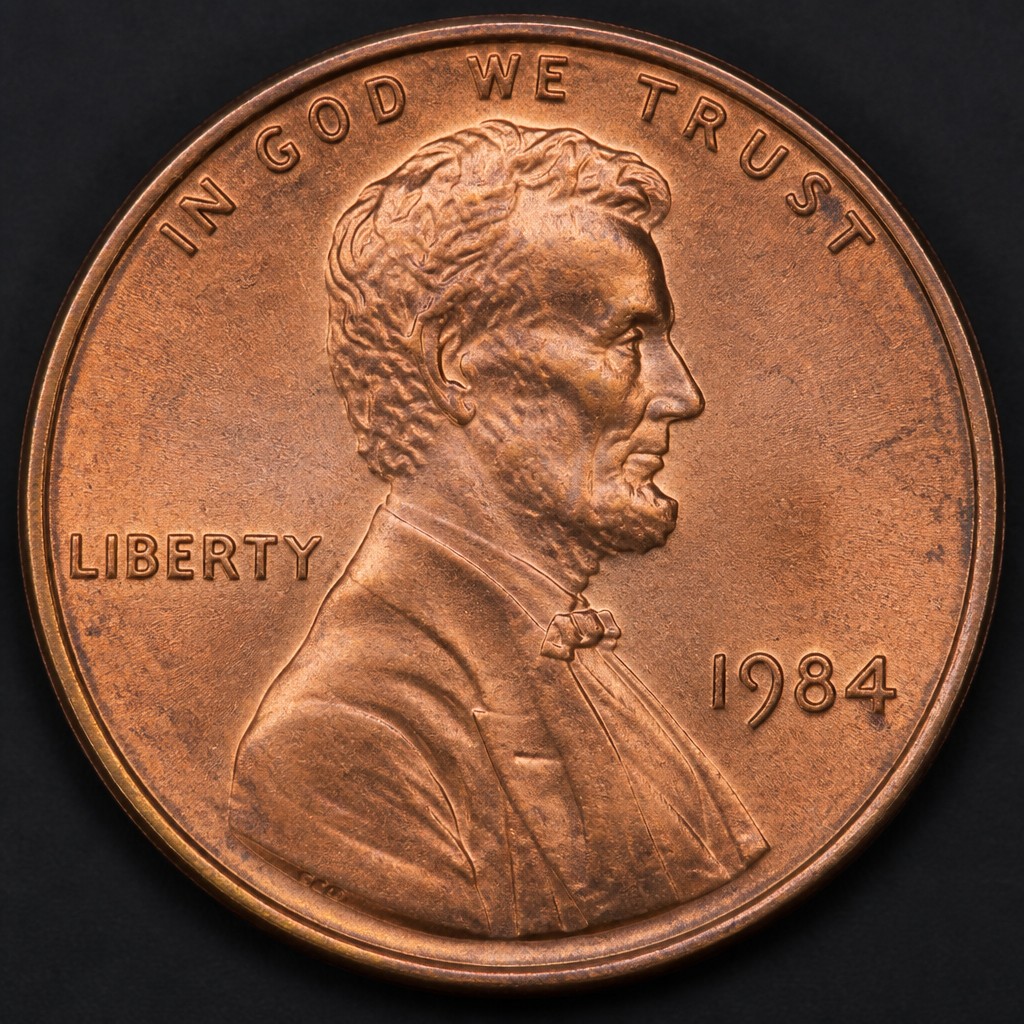
1984 Doubled Ear Lincoln Cent
1984
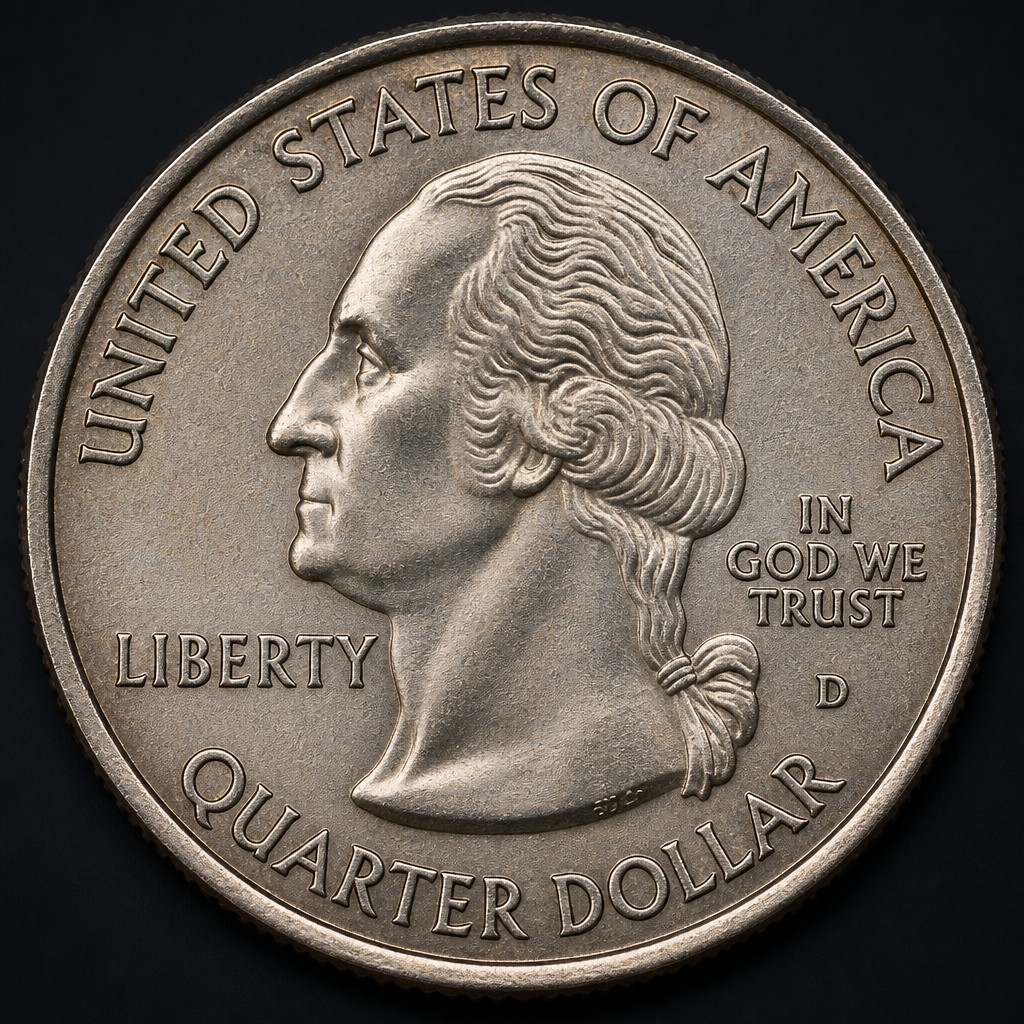
2004-D Wisconsin State Quarter Extra Leaf
2004
1873 Doubled Die Two-Cent Piece
1873