
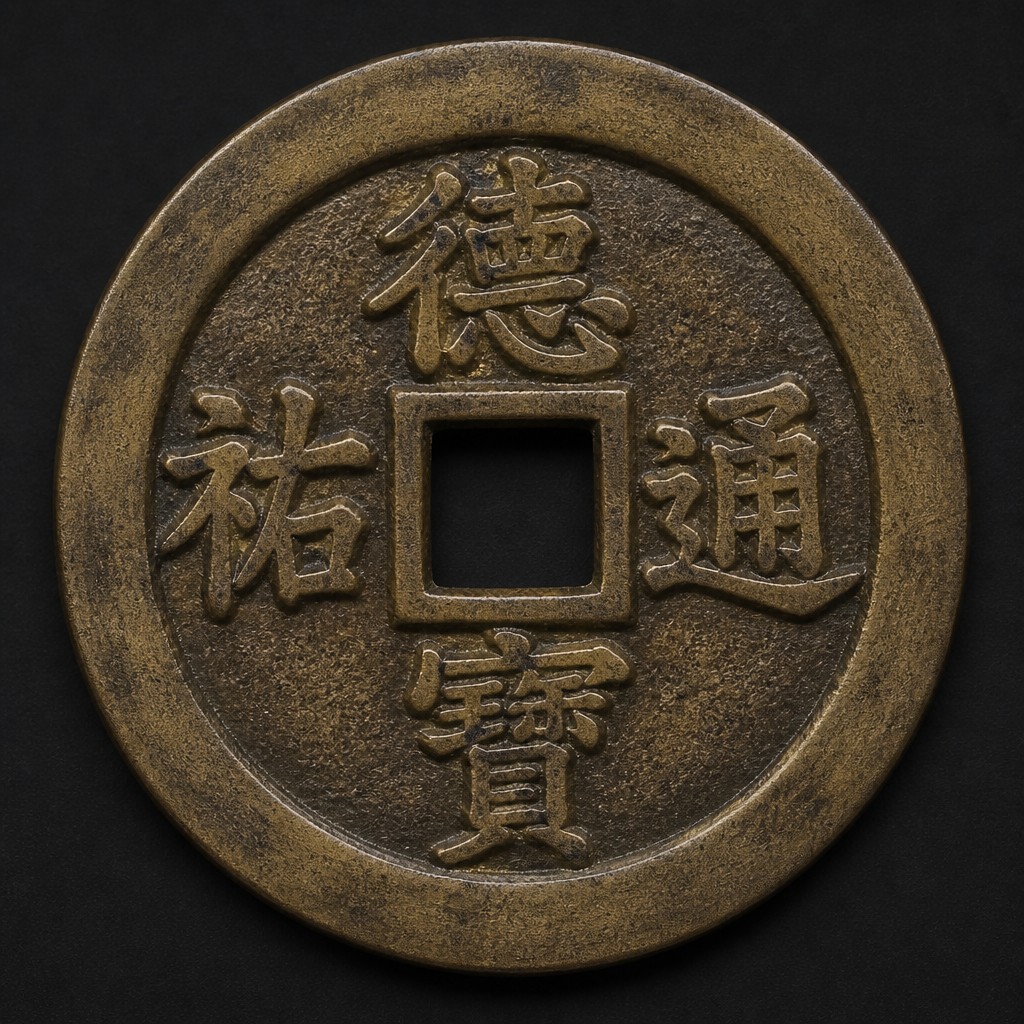
Vietnamese Tu Duc Thong Bao (cash coin)
A cast bronze or zinc cash coin issued under Emperor Tự Đức of Vietnam's Nguyễn Dynasty, round with a square center hole in the traditional East Asian style.
- Country
- Vietnam (Nguyen Dynasty)
- Denomination
- 1 van (and larger multiples such as 6 van, 10 van, 60 van)
- Metal
- Cast bronze, brass, or zinc alloy
Got a coin like this?
Identify any coin from a photo, free.
Overview
The Tự Đức Thông Bảo is a cast cash coin issued in Vietnam during the long reign of Emperor Tự Đức, the fourth ruler of the Nguyễn Dynasty. Like Chinese, Japanese, and Korean cash coins, it follows the classic round-with-square-hole format that allowed coins to be strung together on cords for handling in bulk.
These coins were produced in enormous variety over Tự Đức's 36-year reign, ranging from small everyday 1-văn pieces in bronze or brass to unusually large, heavy zinc pieces valued at multiples such as 6, 10, or even 60 văn. This range makes the series a favorite among collectors of Vietnamese cash for its sheer diversity of size, metal, and calligraphy style.
Because cash coinage of this type was cast rather than struck, quality varies considerably from crude, worn dies to sharp, well-centered examples, and specialists often collect by mint variety and calligraphic style rather than by date alone.
History & Background
Emperor Tự Đức reigned from 1847 to 1883, a turbulent period marked by internal rebellions and growing French colonial pressure that would eventually lead to the French conquest of Vietnam. Coinage bearing his reign title, "Tự Đức Thông Bảo," was cast throughout this period to serve the everyday cash economy alongside older coins still in circulation from previous reigns.
As the government's finances came under strain from war indemnities and military campaigns, it turned to issuing larger, high-denomination zinc cash pieces that carried a face value far exceeding their metal content, a form of fiat currency that led to inflation and public distrust. These oversized zinc pieces, some several centimeters across, are a distinctive hallmark of the late Tự Đức period and reflect the fiscal difficulties of the dynasty in its final decades of full sovereignty.
How to Identify
The obverse bears the four-character legend "Tự Đức Thông Bảo" (嗣德通寶) in Sino-Vietnamese (Hán) script, read top-bottom-right-left in the traditional cash coin order, surrounding a square central hole. The reverse is typically blank on small denomination pieces, or carries a denomination character or mint indication in Chinese or Vietnamese Nôm script on larger pieces.
Standard 1-văn pieces are small, roughly 22–24 mm in diameter, cast in bronze or brass with a yellowish or reddish tone. Larger denomination pieces, especially those valued at 6, 10, or 60 văn, are considerably bigger and often cast in zinc, which corrodes to a dull gray and is notably lighter and softer than bronze.
Collectors distinguish these from other Nguyễn-era cash (such as Gia Long, Minh Mạng, or Thiệu Trị issues) by the specific reign-title characters on the obverse; each emperor's cash bears his own era name. Casting seams, file marks on the edge, and varying calligraphy styles are normal and expected on genuine cast cash coins.
Value & Collectibility
Ordinary small bronze 1-văn Tự Đức cash coins are extremely common and inexpensive, often available for just a few dollars even in decent condition, since enormous quantities were cast over more than three decades. Value is driven far more by denomination, metal, and rarity of variety than by wear, since even lightly worn common types remain low in cost.
The large, high-denomination zinc pieces (6, 10, and especially 60 văn) are scarcer and more sought after, commanding noticeably higher prices in the tens to low hundreds of dollars depending on size, condition, and completeness, since zinc corrodes easily and intact examples are less common. Sharp casting, full legends, and freedom from heavy corrosion or pitting all add a premium.
As with most cast cash coinage, certification is uncommon, and collectors generally rely on comparative reference catalogs of Vietnamese cash to identify specific varieties and their relative scarcity.
Frequently asked questions
What does the square hole in the middle mean?
It follows the traditional East Asian cash coin format, allowing coins to be strung on cords for counting and carrying in bulk; it has no special symbolic meaning tied specifically to Vietnam.
Why are some Tu Duc cash coins much bigger than others?
Vietnam's government issued high-denomination zinc cash worth several times an ordinary coin's face value during periods of fiscal strain, resulting in unusually large pieces alongside small everyday bronze cash.
Is this coin made of pure copper?
No, most examples are a bronze or brass alloy, and higher-denomination pieces are often zinc, which is lighter, softer, and more prone to corrosion than bronze.
How can I tell it apart from Chinese cash coins?
The four-character reign-title legend is in Sino-Vietnamese script naming the Vietnamese emperor Tự Đức, distinct from the reign titles of Chinese emperors of the same general period.
Are these coins rare?
Standard small denominations are common and affordable; the oversized high-denomination zinc issues are noticeably scarcer and more valuable.
Other coins you may enjoy
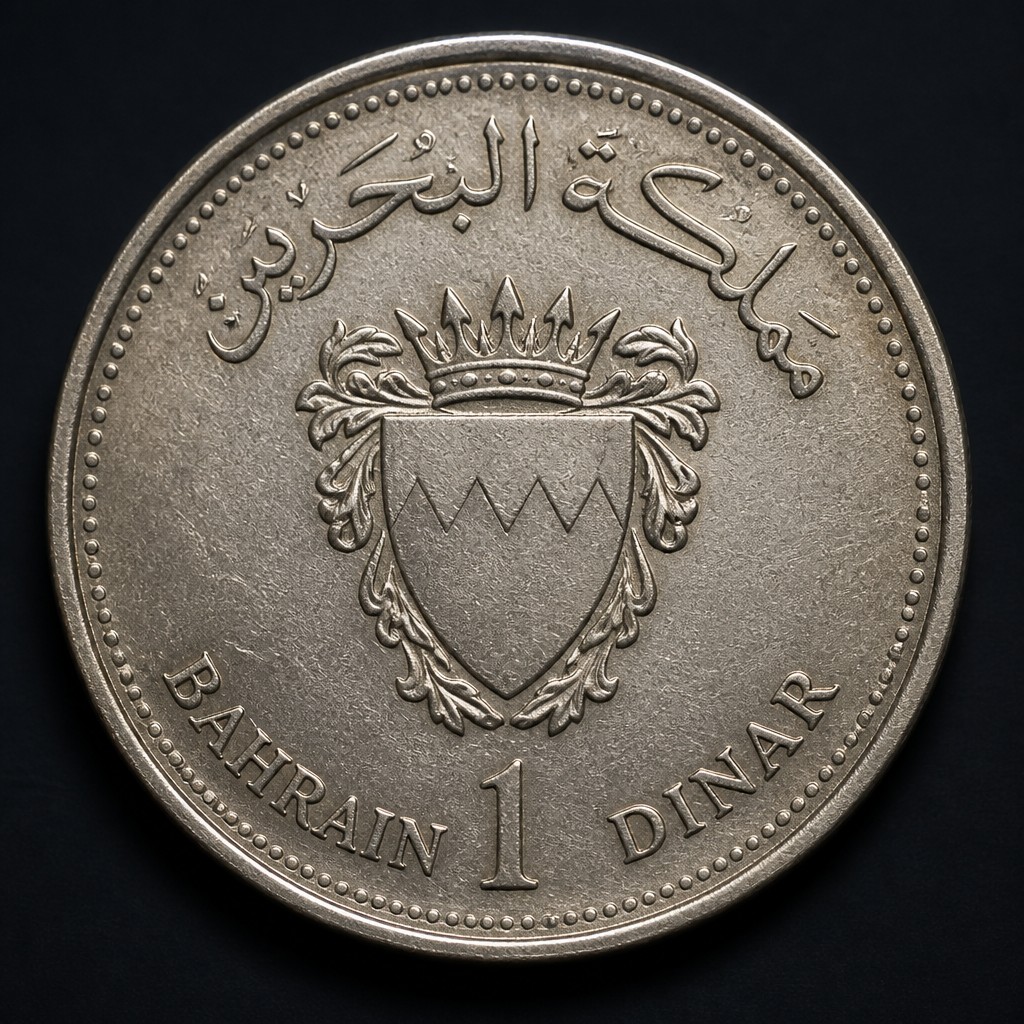
Bahraini Dinar
1965–present
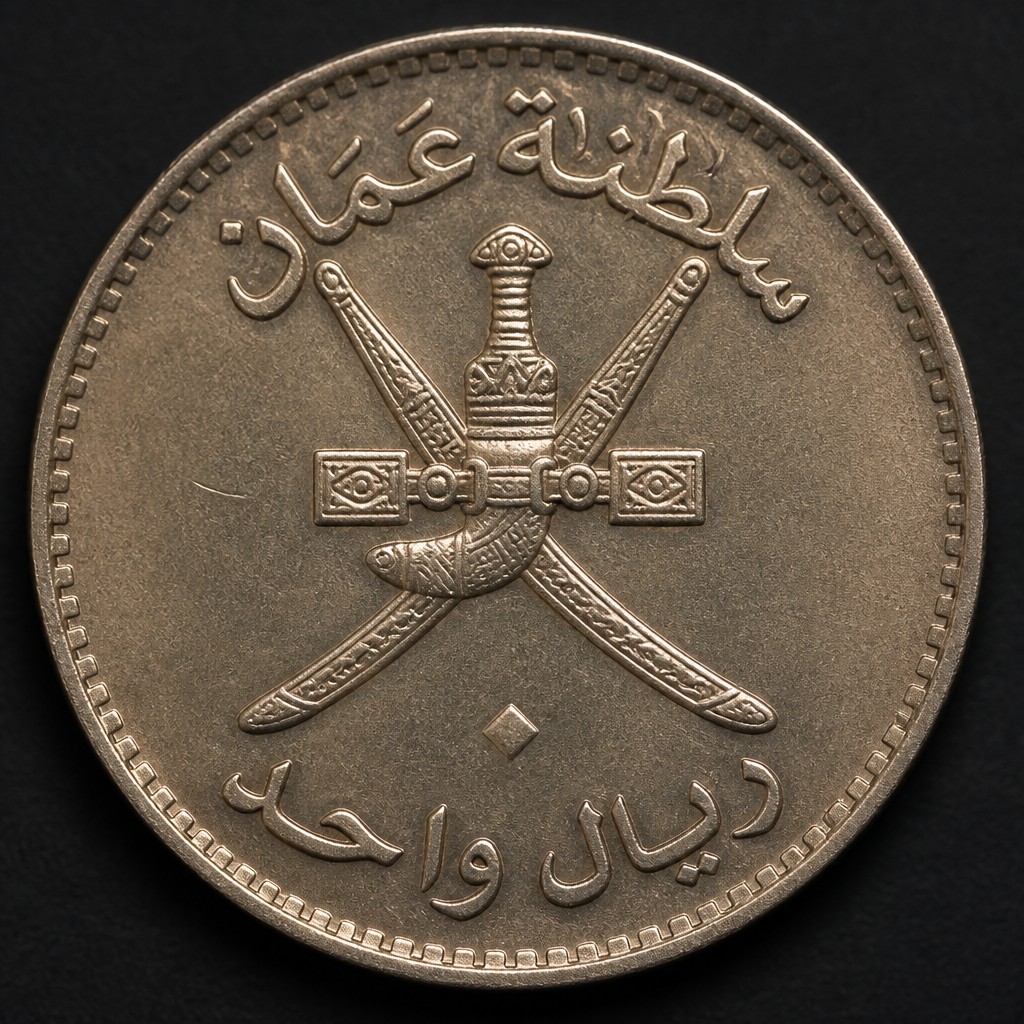
Omani Rial (Baisa Coinage)
1970–present
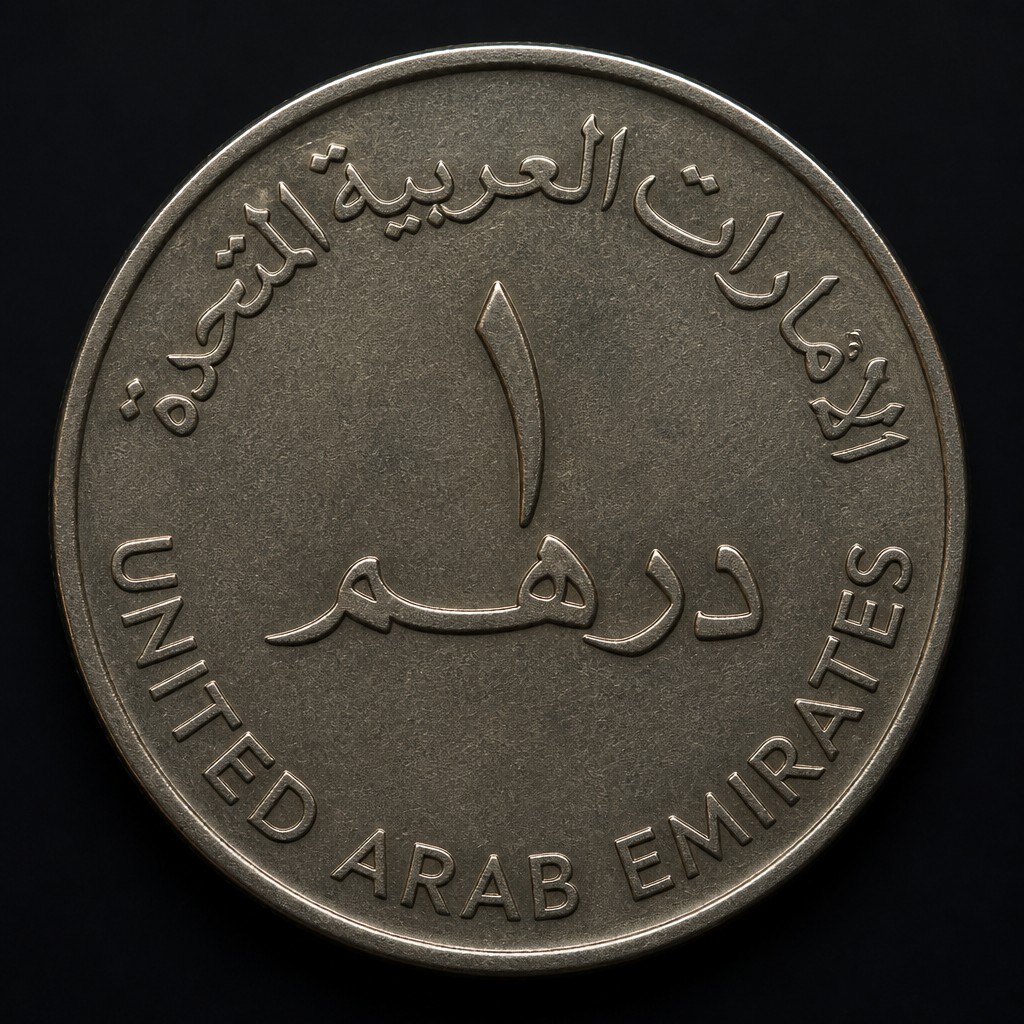
United Arab Emirates Dirham
1973–present
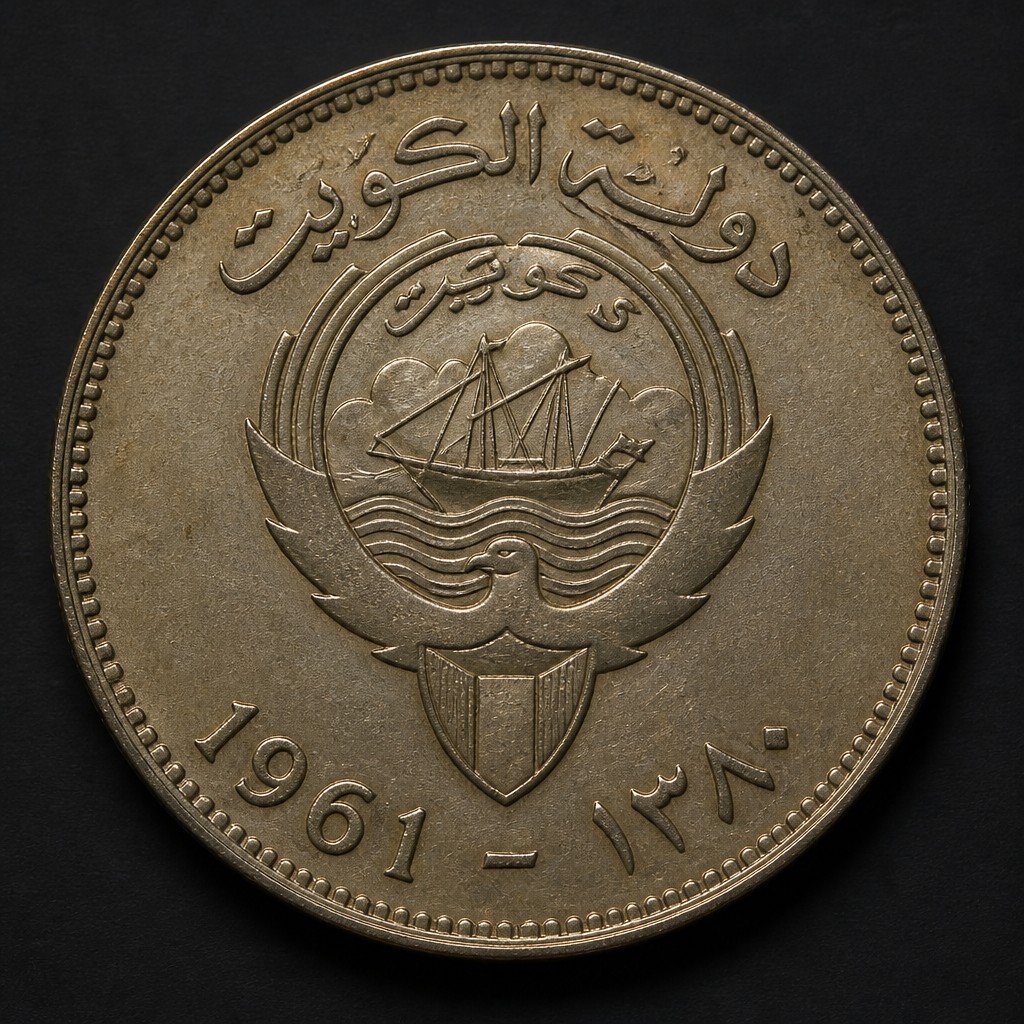
Kuwaiti Fils
1961–present
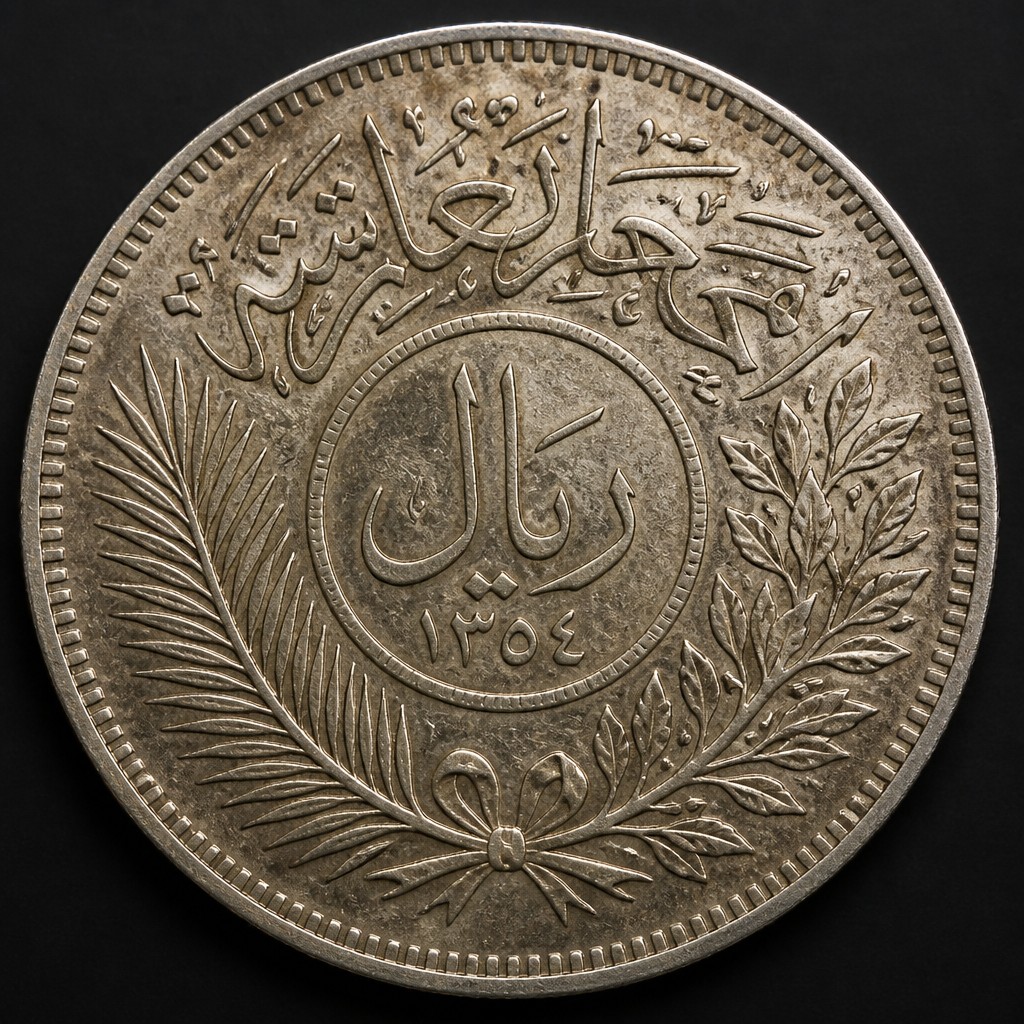
Saudi Arabian Riyal (silver)
1935 (Kingdom-wide standardization) and related issues
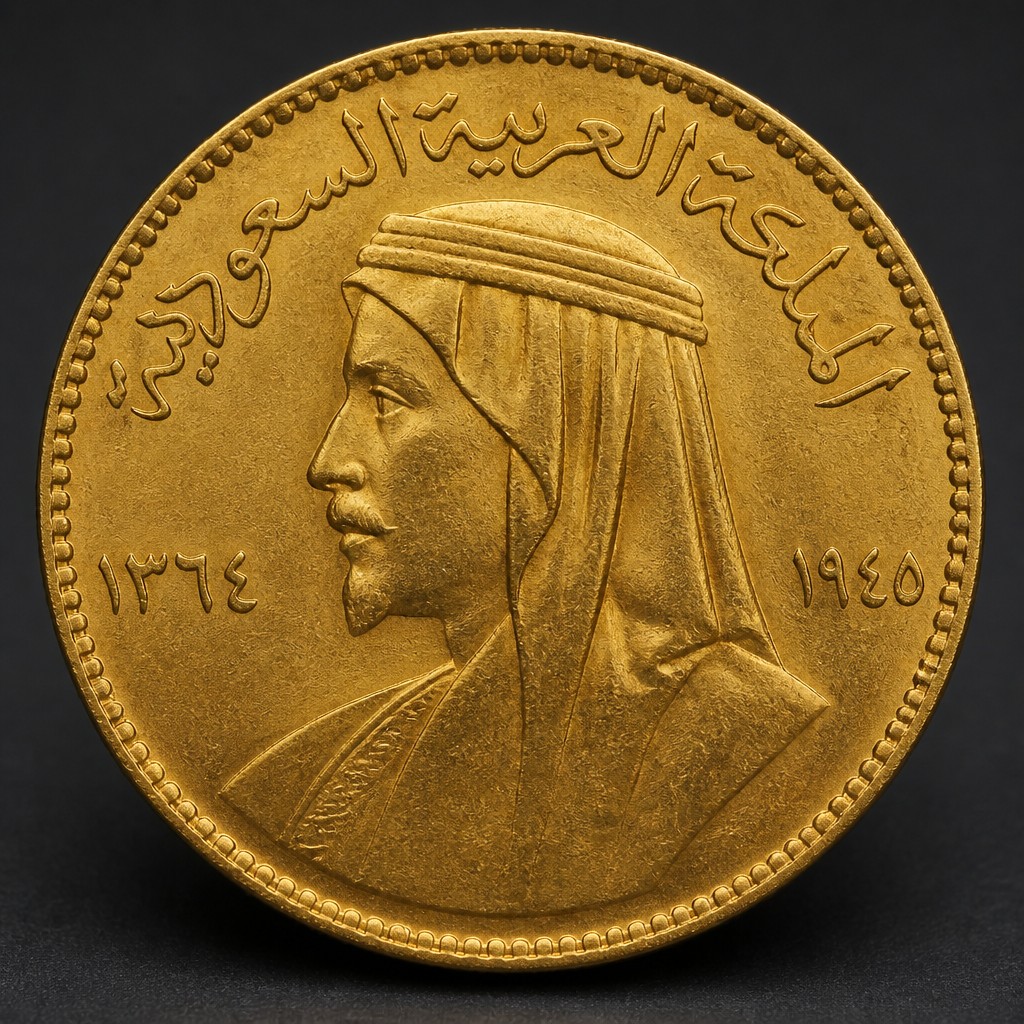
Saudi Arabian Gold Guinea (Sovereign)
1945 and later issues
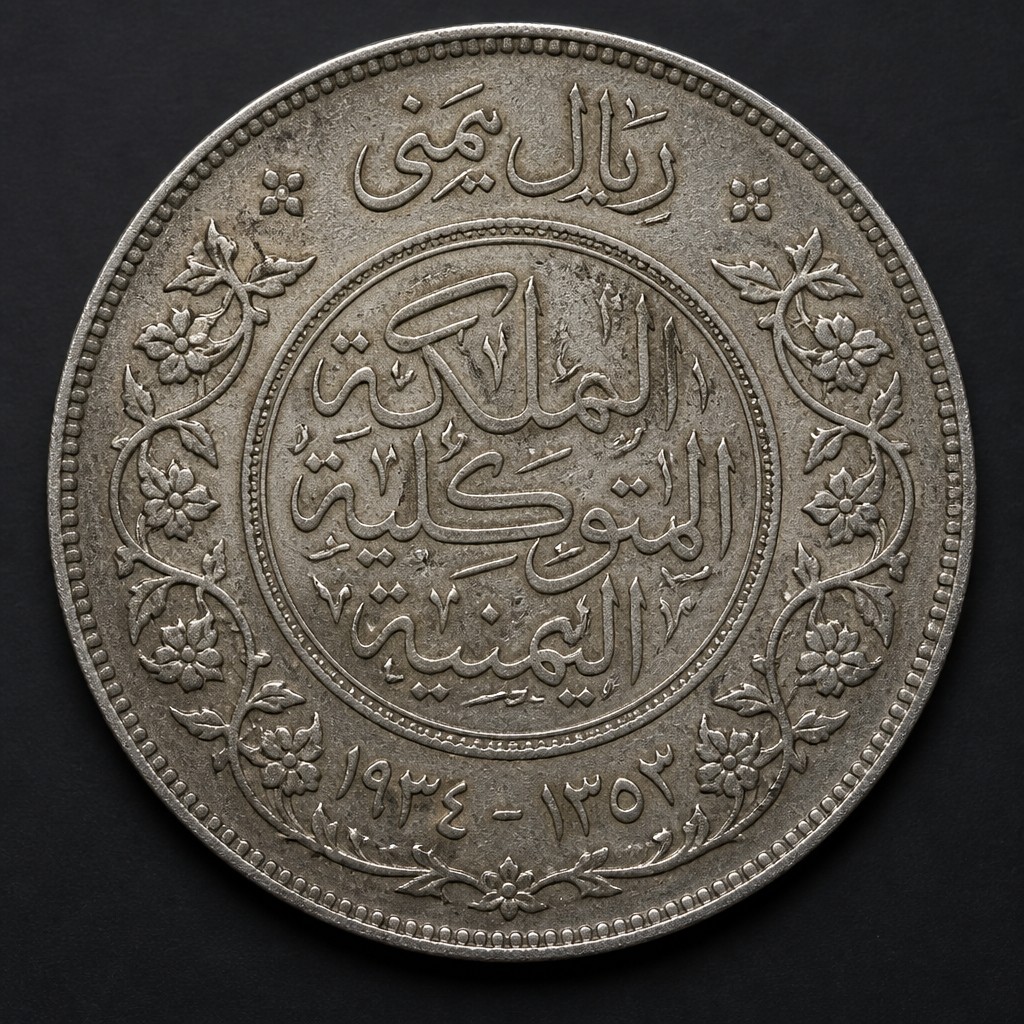
Yemeni Riyal (Ahmadi/Imadi Kingdom Coinage)
Early-to-mid 20th century
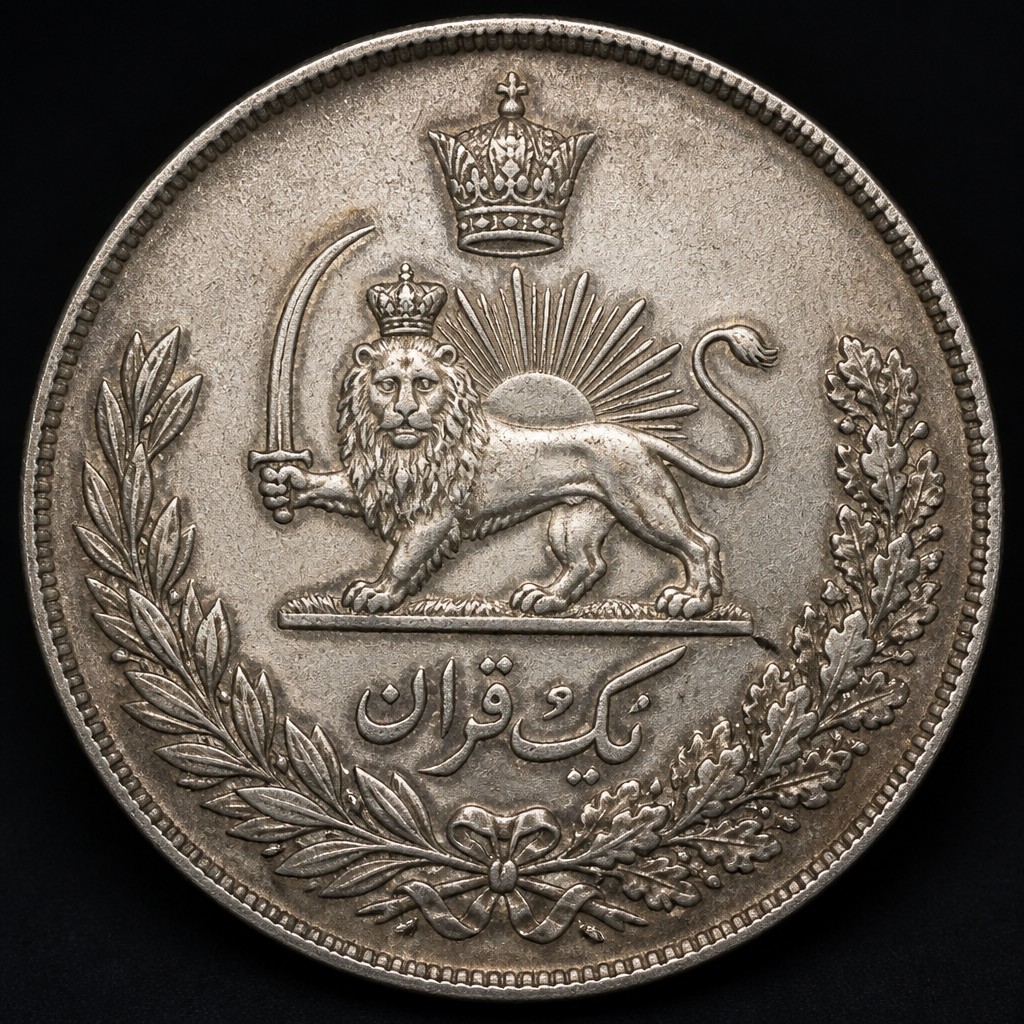
Persian Kran (Qajar silver)
Mid-19th century–1925
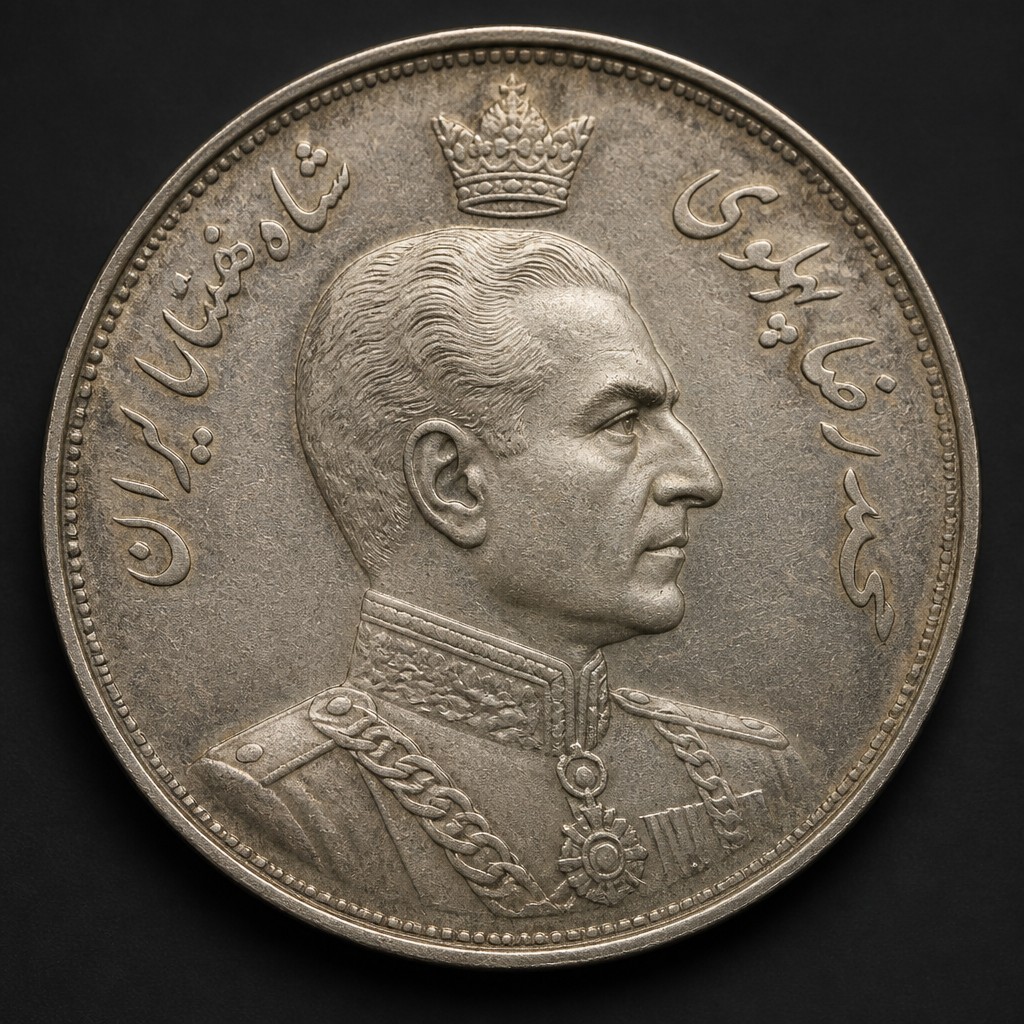
Iranian Rial
1932–present
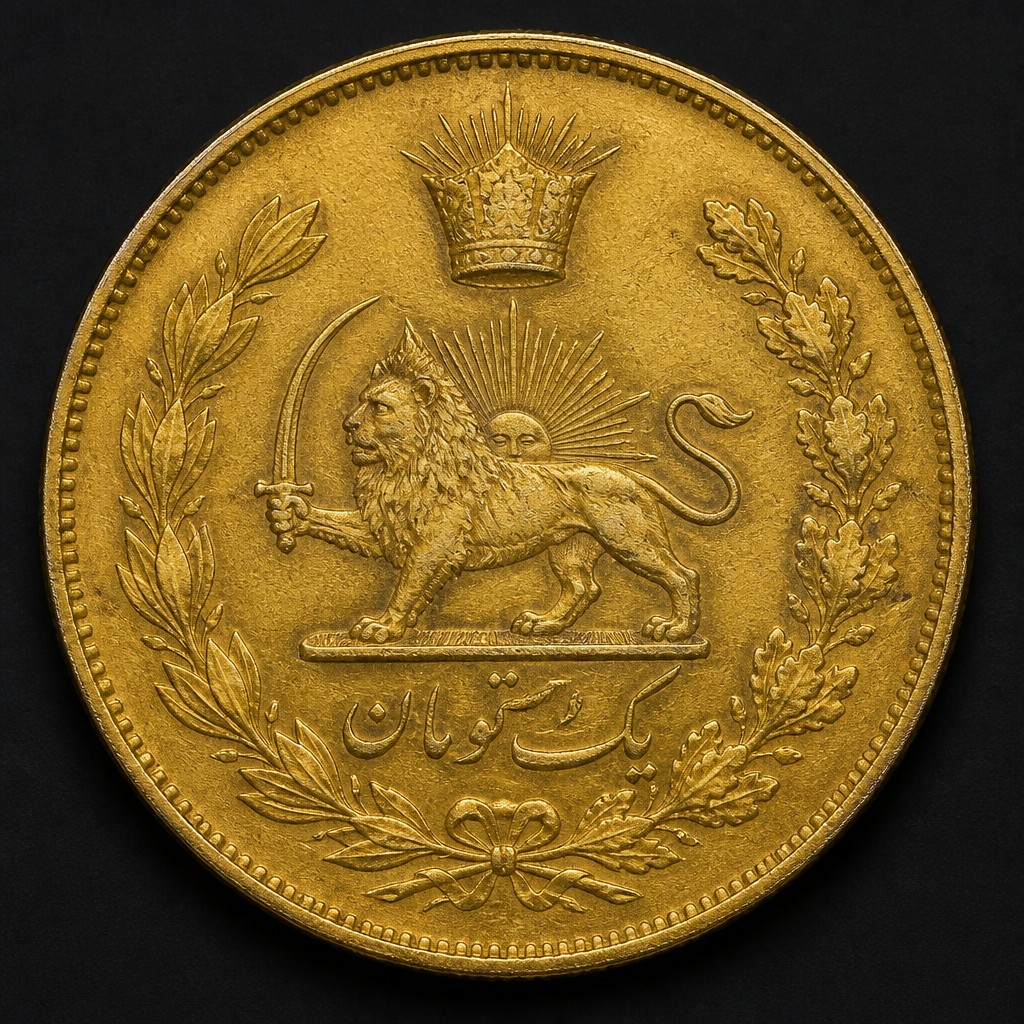
Persian Gold Toman (Qajar)
1796–1925
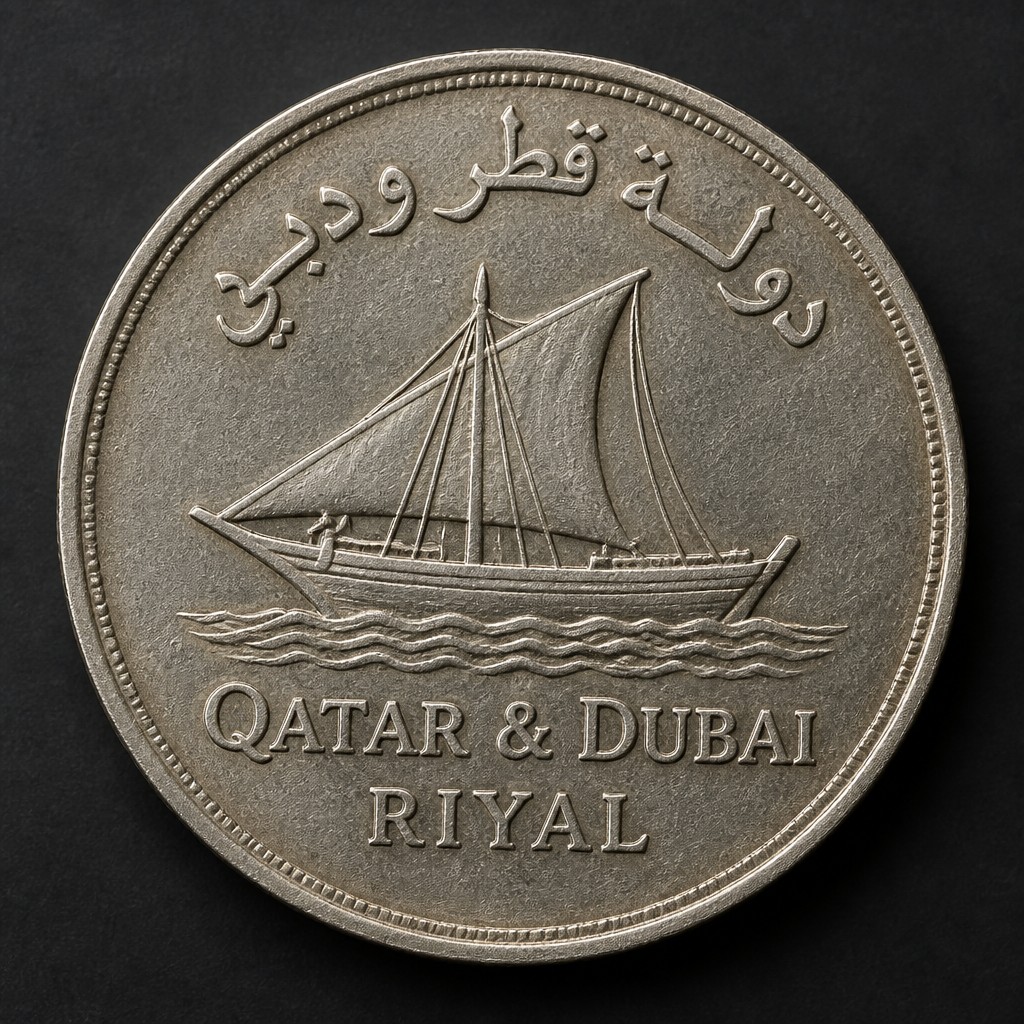
Qatar and Dubai Riyal
1966–1973
British India Rupee (Silver)
1835–1947