
Coin Encyclopedia
Search and identify coins from around the world — with country, denomination, metal, mint, history, and how to tell them apart.
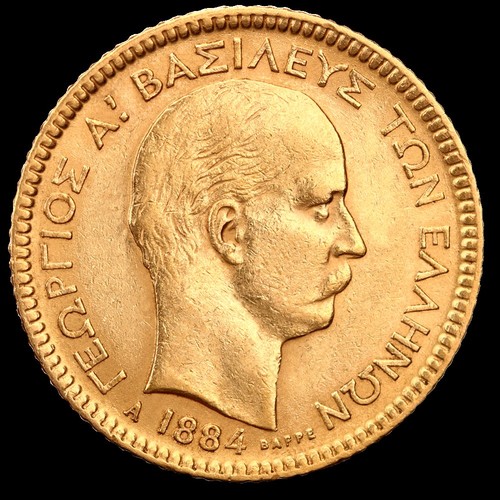
20 Drachmai
Greece's 1884 gold 20 Drachmai of King George I: a small Latin Monetary Union gold coin with the king's portrait and the crowned royal arms.
Modern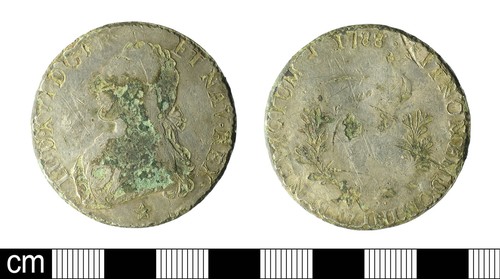
Contemporary Forgery of Louis XVI Ecu
A period-style counterfeit imitating a Louis XVI silver ecu: a copied royal portrait obverse and a copied standing-figure reverse dated about 1792.
Forgery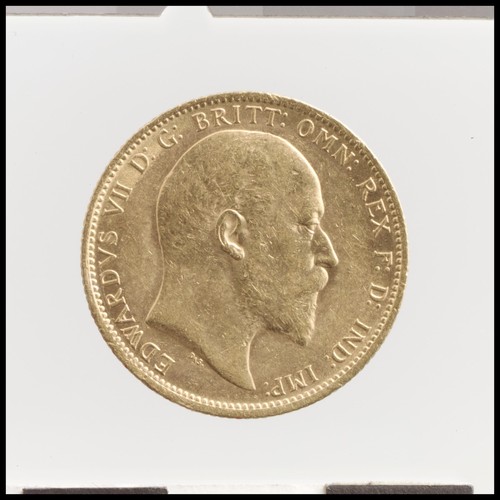
Gold Sovereign
The British gold sovereign: a one-pound gold coin. This 1817 George III example shows a laureate bust and a crowned heraldic shield of the royal arms.
World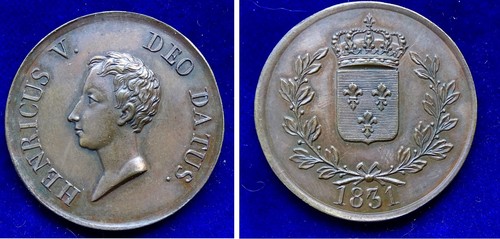
Henri V Five Francs
An 1831 French five-franc piece struck for the Legitimist pretender Henri V, showing his young profile and the royal fleur-de-lis shield.
World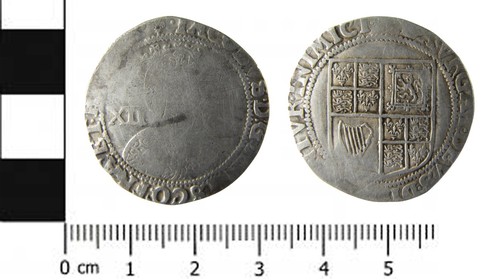
Shilling of Charles I
A hammered silver English shilling of King Charles I, showing his crowned left-facing profile with the value mark XII and a quartered royal shield.
World Coins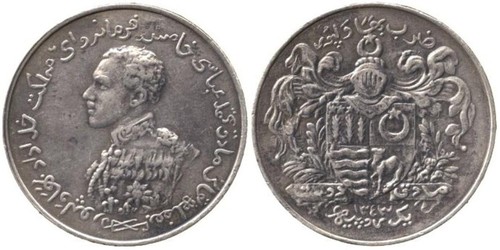
Bahawalpur Gold Coin
A gold coin or medallic piece linked to the princely state of Bahawalpur, its obverse bearing a uniformed royal portrait and its reverse an ornate coat of arms.
South Asia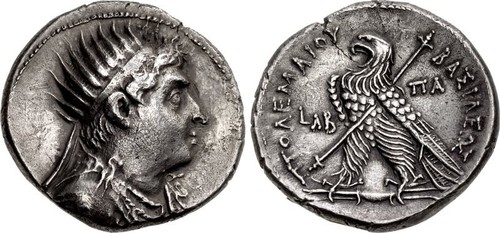
Tetradrachm of Ptolemy VIII
Silver tetradrachm of Ptolemy VIII of Egypt, c. 170-116 BC, with a diademed royal head on the obverse and an eagle on a thunderbolt reverse.
Ancient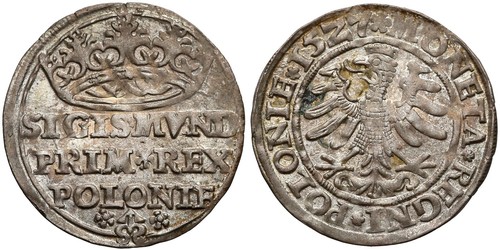
Grosz Koronny
A silver Crown grosz of the Kingdom of Poland, dated 1527, with a royal crown above a shield on one side and the Polish Eagle on the other.
Early Modern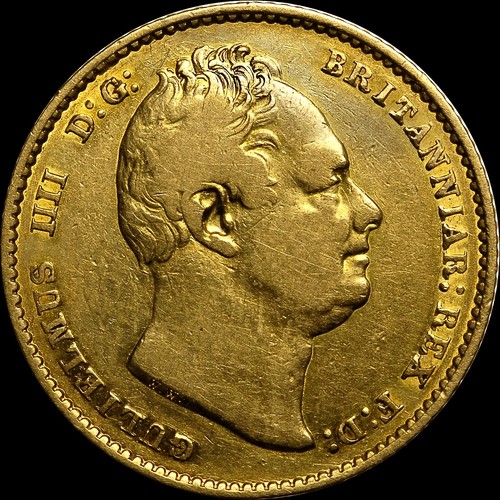
Sovereign of William IV
A 22-carat gold sovereign of William IV, with the king's bare head facing right and a crowned royal shield of arms on the reverse.
Milled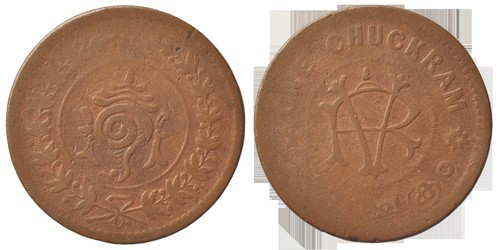
Travancore One Chuckram
Small copper one-chuckram coin of the princely state of Travancore, with the royal conch-shell emblem and a local-script denomination reverse.
Princely & Presidency States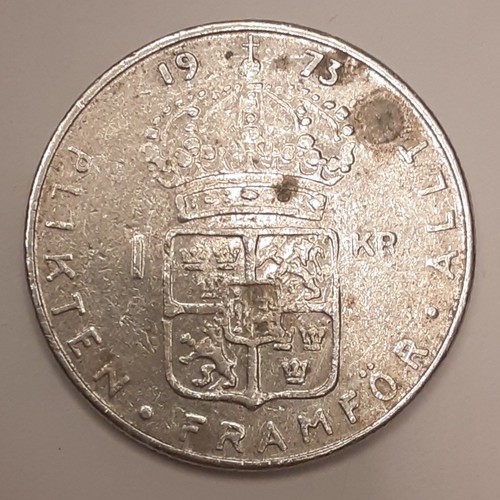
1 Krona (Gold)
A gold 1 krona of Sweden dated 1906, bearing the left-facing portrait of King Oscar II and the Swedish royal coat of arms with lions and three crowns.
Modern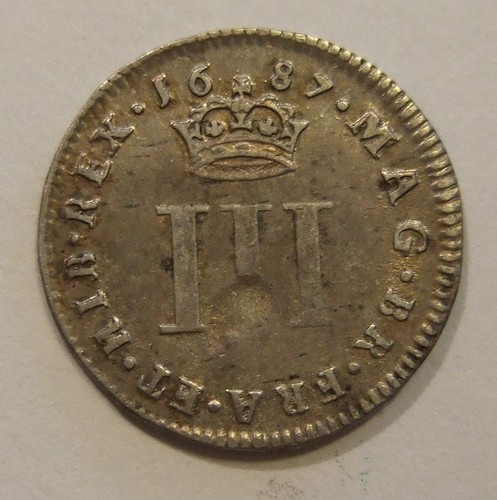
Maundy Three Pence
A tiny sterling-silver threepence tied to Britain's Royal Maundy tradition; the photographed 1687 coin shows James II's bust and a crowned Roman numeral III.
Maundy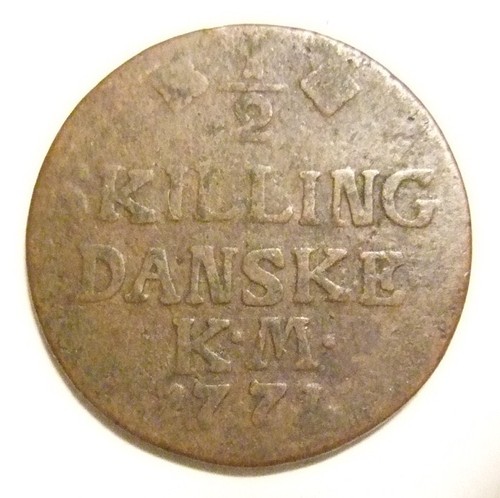
½ Skilling
A small copper Danish half skilling of 1771, showing a royal crown over the king's cipher and the value ½ SKILLING DANMARK K:M on the reverse.
Early Modern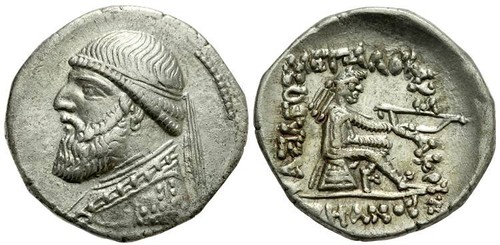
Parthian Drachm
Silver drachm of the Parthian (Arsacid) Empire, pairing a bearded royal profile with a seated archer holding a bow, struck in the era of Mithradates II.
Ancient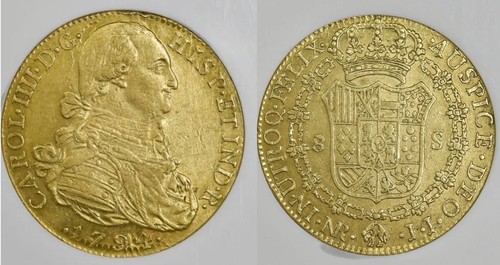
8 Escudos (Carolus)
The largest Spanish gold coin of the age, the 8 Escudos or doubloon, struck under the Habsburg Carolus rulers with the crowned quartered royal arms.
Early Modern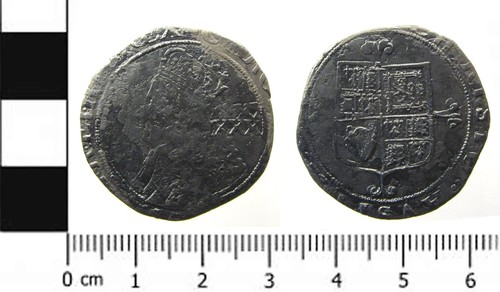
Charles II Half Crown
A milled silver half crown of Charles II, showing his laureate bust facing right and crowned royal-arms shields on the reverse.
Milled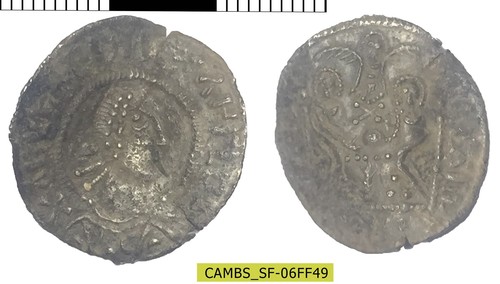
Penny of Alfred the Great
Hand-struck silver penny of Alfred the Great of Wessex, showing a right-facing royal bust and a cross-based reverse with a moneyer's inscription.
Medieval Coins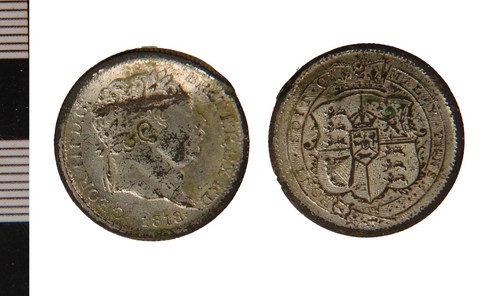
British Bank Token
Copper token of the late George III period bearing the king's left-facing bust and a quartered royal-arms reverse, dated 1819.
British Isles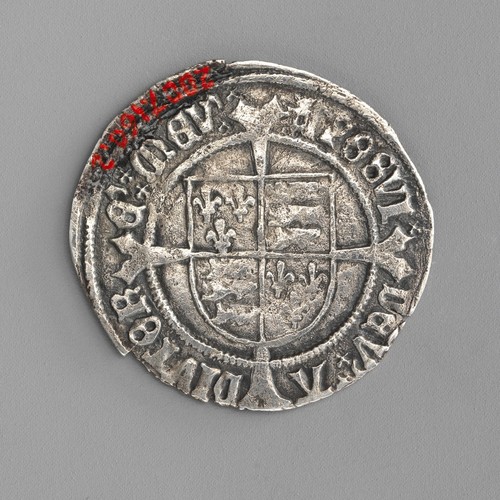
Groat of Henry VIII
A hand-struck Tudor silver groat (fourpence) of Henry VIII, showing the quartered royal arms within a circle and a long cross reverse.
Hammered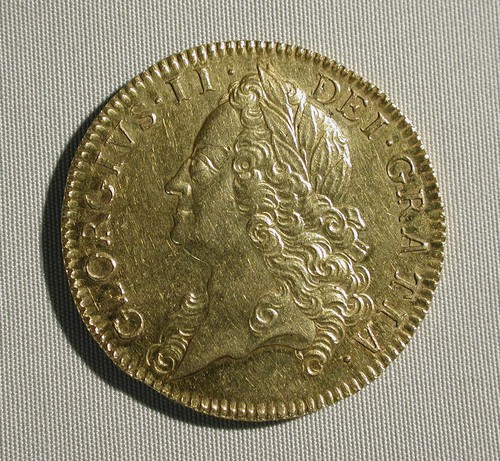
Five Guineas of George II
The largest English gold coin of George II's reign, showing his laureate profile and a crowned heraldic shield of the royal arms on the reverse.
Milled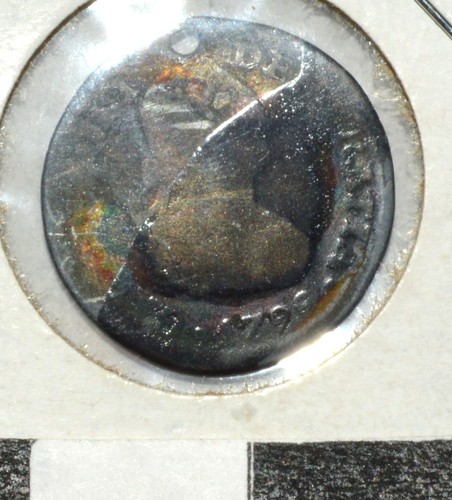
Spanish Colonial Half Real
The smallest milled silver coin of Spain's American empire: a tiny 1/2 real with a royal bust and the crowned arms between pillars.
Colonial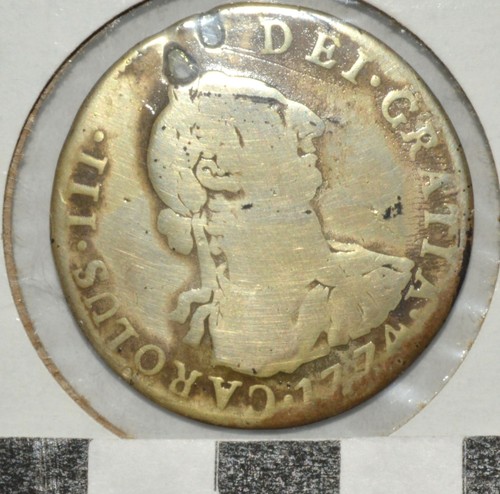
Spanish Colonial 4 Reales
A large silver colonial coin worth half a Spanish dollar, struck for Spain's American empire and bearing the crowned Spanish royal arms.
Colonial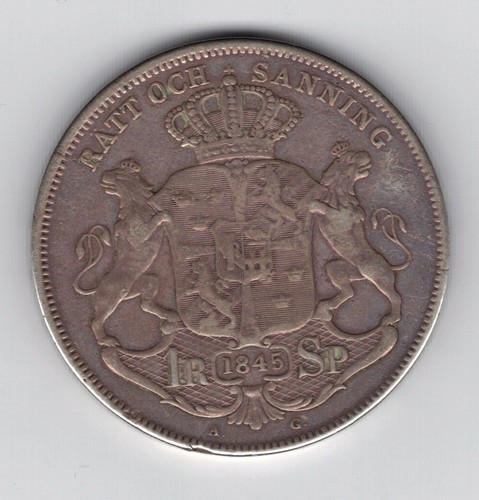
1 Riksdaler Specie
Large silver Riksdaler Specie of Sweden under King Oscar I, dated 1845, bearing his right-facing portrait, royal motto, and the Swedish coat of arms.
Modern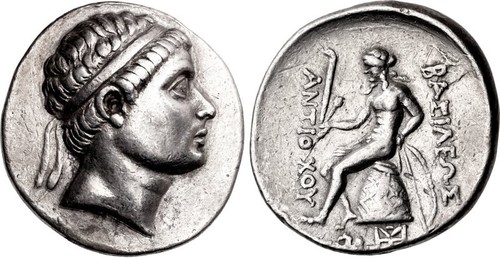
Antiochos Hierax Tetradrachm
Silver tetradrachm of the Seleucid prince Antiochos Hierax, c. 242-227 BC, with a diademed royal head and a reverse figure bearing shield and spear.
Ancient