
Coin Encyclopedia
Search and identify coins from around the world — with country, denomination, metal, mint, history, and how to tell them apart.
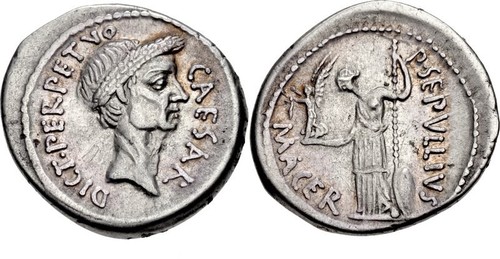
Julius Caesar Denarius
Silver Roman denarius of 44 BC bearing the bareheaded portrait of Julius Caesar, among the first Roman coins to show a living statesman's likeness.
Ancient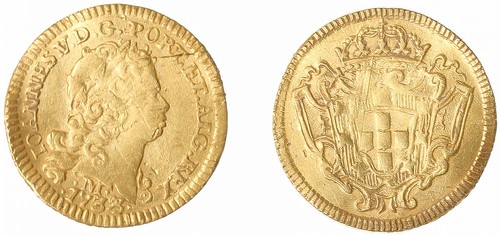
Half Escudo (800 Reis) of Joao V
A small Portuguese gold coin of King Joao V, valued at half an escudo (800 reis), with his laureate bust and a crowned Portuguese shield.
Colonial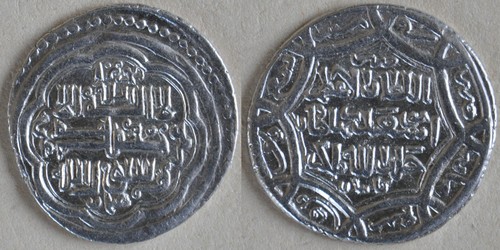
Ilkhanid Dirham of Abu Said
A hand-struck Mongol Ilkhanate silver dirham of Abu Sa'id Bahadur Khan, with the ruler's titles set in a cartouche and religious inscriptions in concentric bands.
Islamic (Medieval)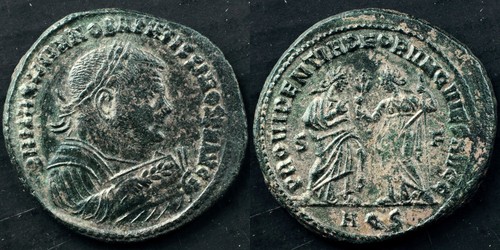
Follis of Maximian
A large silvered-bronze follis of the emperor Maximian, introduced with Diocletian's coin reform of the Tetrarchy around AD 294.
Ancient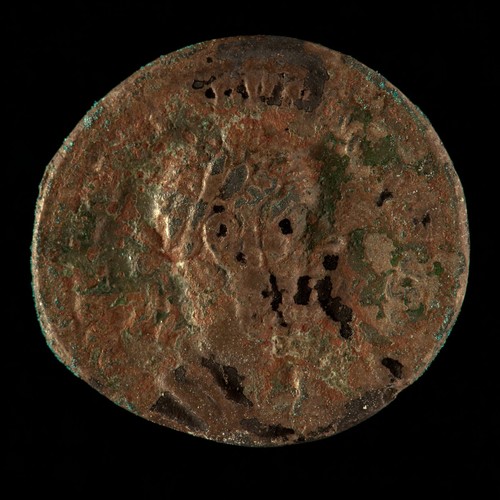
Denarius of Macrinus
Silver denarius of Macrinus (r. 217–218 AD), a bearded emperor portrait paired with a standing deity or personification on the reverse.
Ancient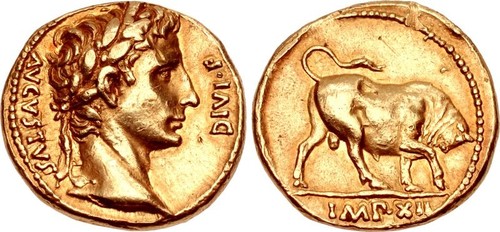
Aureus of Augustus
Roman imperial gold coin bearing the bare head of Augustus, first emperor of Rome, struck during his reign from 27 BC to 14 AD.
Ancient Coins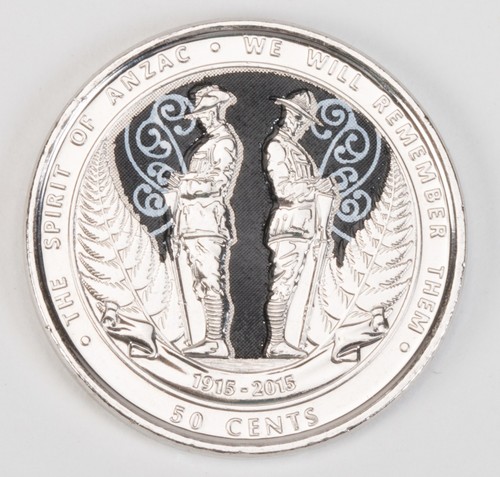
Spirit of ANZAC Commemorative 50 Cents
A 2015 Australian silver-finish 50-cent commemorative marking the centenary of ANZAC, with soldier imagery and 1915-2015 dating.
Commemoratives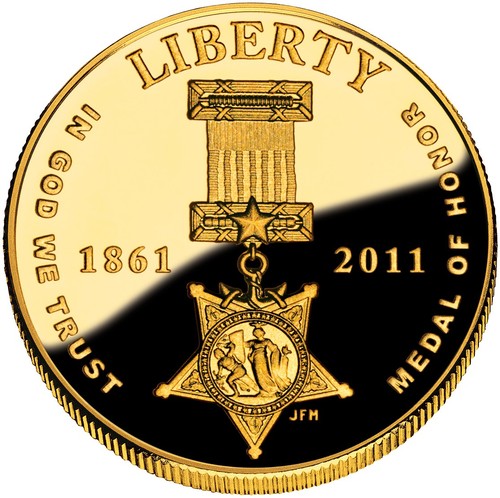
Medal of Honor Commemorative Half Eagle
US 2011 gold $5 commemorative honoring the Medal of Honor, showing the Army version of the medal above a Corinthian column.
Commemoratives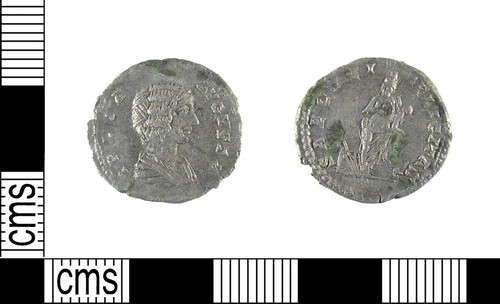
Denarius of Julia Domna
Roman silver denarius of the empress Julia Domna (193-217 CE), with her draped bust and a standing goddess or personification on the reverse.
Ancient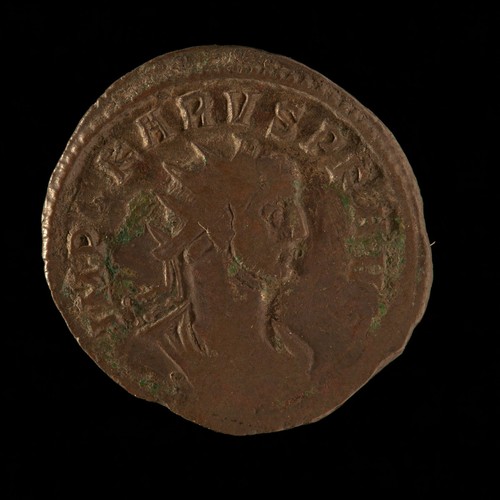
Antoninianus of Carus
Late-Roman bronze radiate of the emperor Carus (282-283 AD), showing his bearded, spiky-crowned head and a standing personification on the reverse.
Ancient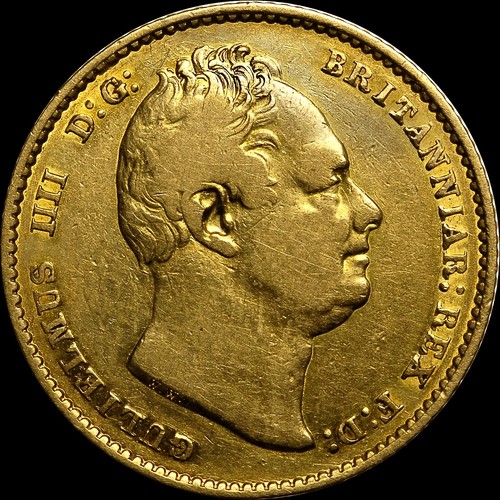
Sovereign of William IV
A 22-carat gold sovereign of William IV, with the king's bare head facing right and a crowned royal shield of arms on the reverse.
Milled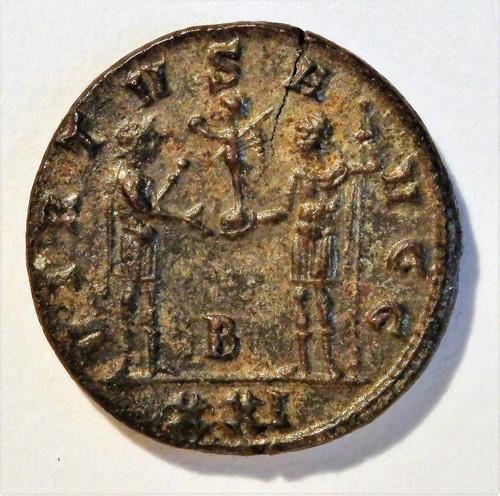
Antoninianus of Carinus
Bronze radiate coin of the emperor Carinus (283-285 AD), recognizable by his spiked crown and a standing or seated deity on the reverse.
Ancient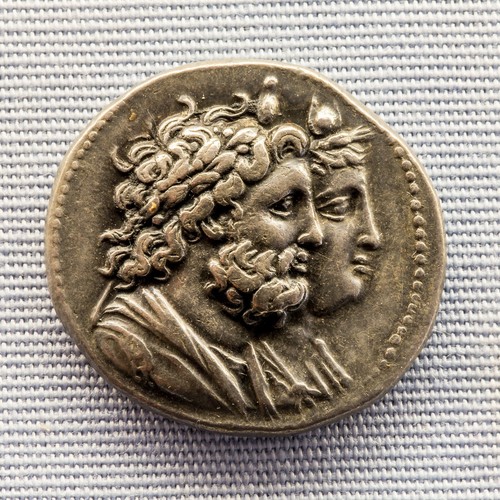
Tetradrachm of Ptolemy IV
Silver tetradrachm of Ptolemy IV Philopator, 221-204 BC, with the jugate busts of Sarapis and Isis on the obverse and an eagle on a thunderbolt on the reverse.
Ancient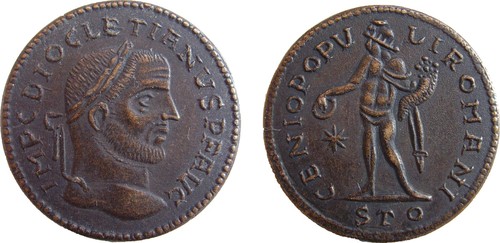
Follis of Diocletian
A large silver-washed bronze coin of the Tetrarchy, introduced by Diocletian's currency reform around AD 294 with a stern laureate portrait.
Ancient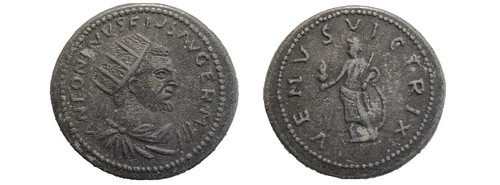
Antoninianus of Caracalla
The antoninianus introduced by Caracalla around AD 215, a radiate-crowned double denarius in debased silver that reshaped Roman coinage.
Ancient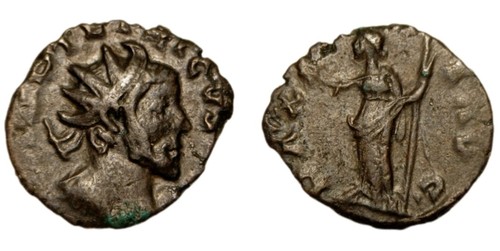
Antoninianus of Tetricus I
A billon antoninianus of the Gallic emperor Tetricus I (270–273 AD), showing his radiate portrait and a standing figure of Pax on the reverse.
Ancient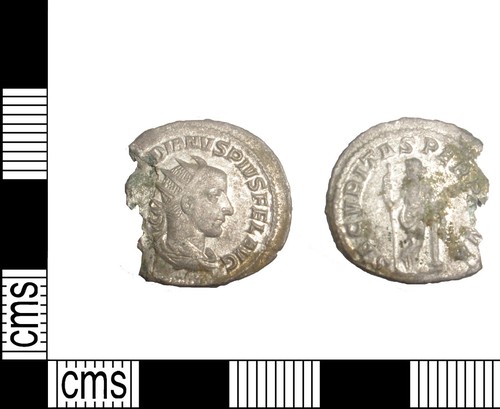
Antoninianus of Gordian III
Silver double-denarius of the young emperor Gordian III (238-244 AD), marked by his radiate crown and a standing deity on the reverse.
Ancient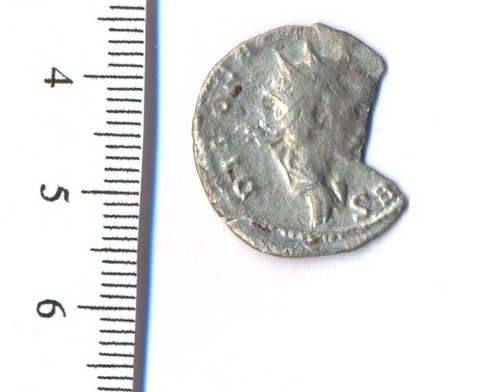
Antoninianus of Valerian II
Roman radiate coin of Valerian II, the young Caesar (c. 253-260 AD), showing his spiked crown and a standing figure on the reverse.
Ancient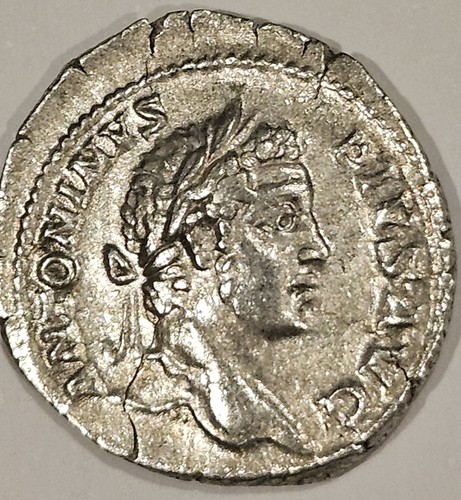
Denarius of Caracalla
A silver denarius of the Roman emperor Caracalla, struck 198–217 CE, showing his laureate right-facing bust and a Latin legend encircling the design.
Ancient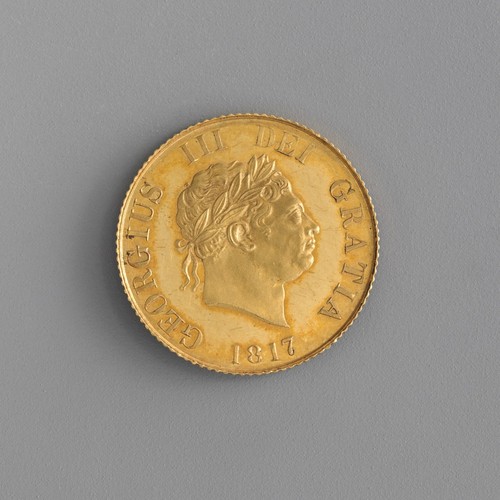
Half Sovereign of George III
British 22-carat gold half sovereign of George III, introduced in 1817 with a laureate bust and a crowned shield of arms; face value ten shillings.
Milled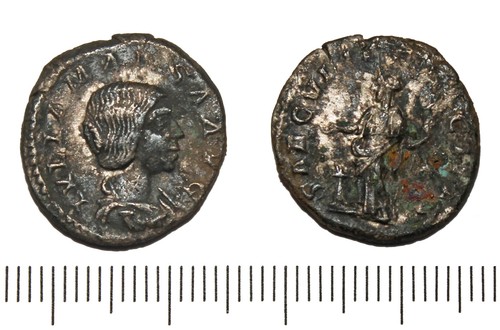
Denarius of Julia Maesa
Roman silver denarius struck for Julia Maesa (c. 218–222 CE), showing her draped bust with wavy hair and a standing deity on the reverse.
Ancient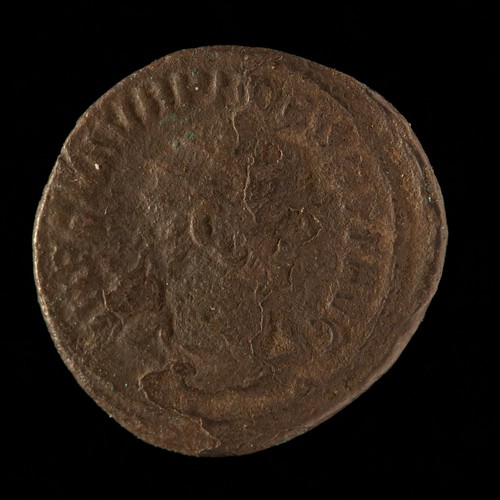
Antoninianus of Probus
Late Roman billon antoninianus of Emperor Probus (276-282 AD), identified by his radiate crown portrait on the obverse.
Ancient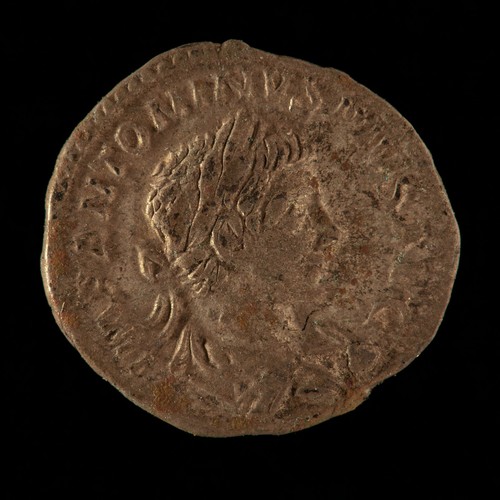
Denarius of Elagabalus
Silver denarius of the young Severan emperor Elagabalus (218–222 AD), with his laureate bust and a standing personified deity on the reverse.
Ancient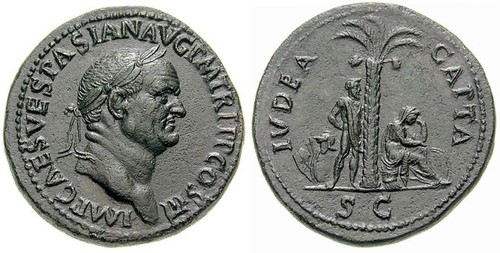
Sestertius of Vespasian (Iudaea Capta)
Large Roman bronze sestertius of Vespasian (AD 70–71) marking the conquest of Judaea, with a palm tree and mourning captives on the reverse.
Ancient