
Coin Encyclopedia
Search and identify coins from around the world — with country, denomination, metal, mint, history, and how to tell them apart.
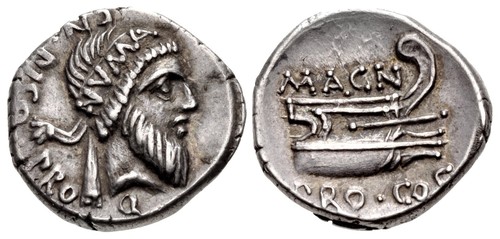
Numapis Denarius
A silver denarius of the Roman Republic (1st century BC) pairing a male portrait facing right with a ship or galley and lettering on the reverse.
Ancient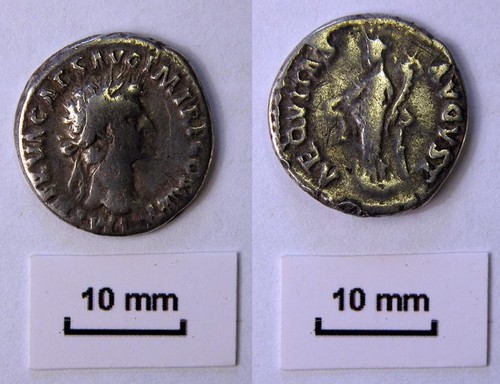
Denarius of Nerva
Roman Imperial silver denarius of Emperor Nerva (96-98 AD), with his laureate portrait and the legend IMP NERVA CAES AVG, and a seated Concordia reverse.
Ancient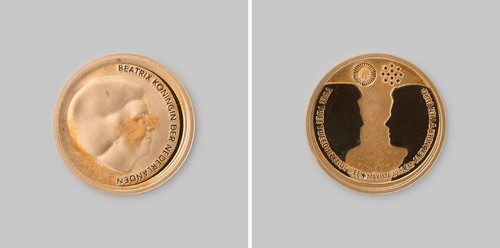
10 Euro (Royal Marriage)
A 2002 Netherlands gold 10 Euro commemorating the royal wedding, with Queen Beatrix on the obverse and the dual profiles of Willem-Alexander and Maxima on the reverse.
Commemorative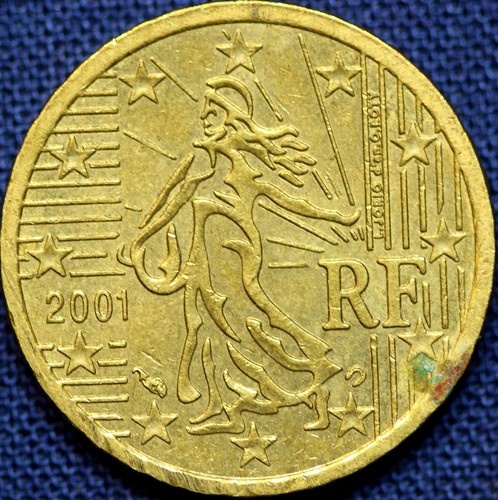
France 10 Cent Euro
France's gold-coloured 10 euro cent: the striding Sower for the French Republic on one side, a European map and the value 10 on the other.
Circulation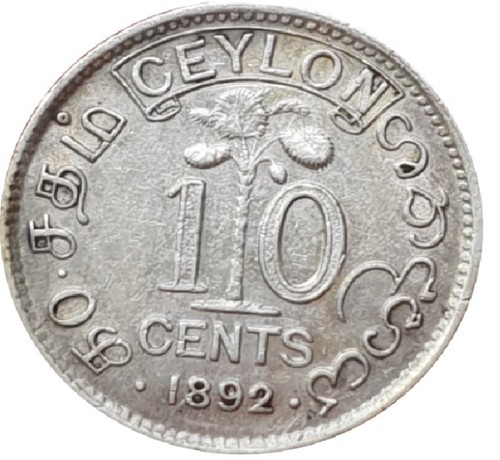
Ceylon 10 Cents (Cupronickel)
A wartime 1944 British Ceylon ten-cent piece in cupronickel, its obverse bearing the uniformed left-facing bust of King George VI and the legend GEORGE VI KING.
South Asia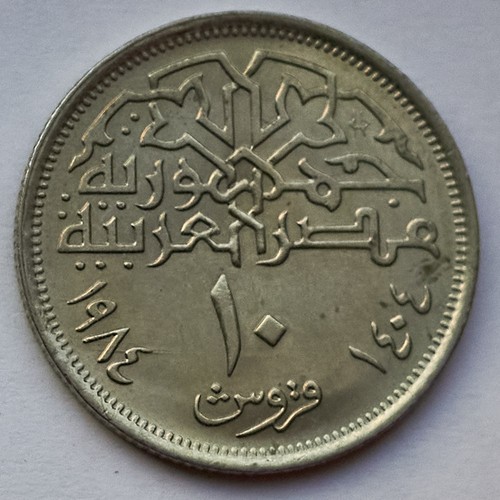
Egyptian 10 Piastres Commemorative
A cupro-nickel Egyptian 10 piastres commemorative dated 1984, showing a domed mosque on one face and Arabic legends throughout.
World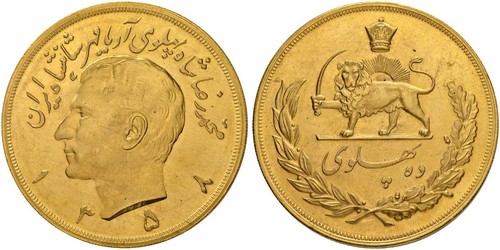
10 Pahlavi Gold Coin
A large gold coin of Imperial Iran valued at ten Pahlavi, showing Mohammad Reza Shah on the obverse and the crowned Lion and Sun on the reverse.
Persia / Iran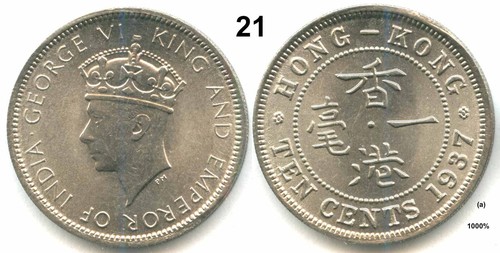
Hong Kong 10 Cents
A small silver 10-cent coin of British Hong Kong showing the crowned profile of King Edward VII, with 'HONG-KONG TEN CENTS' and Chinese characters on the reverse.
Circulation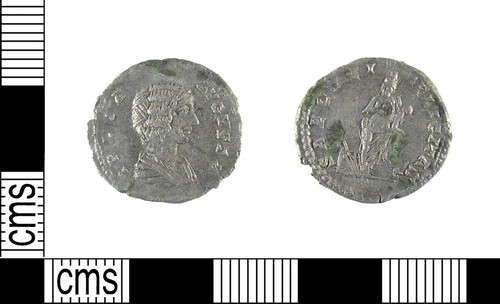
Denarius of Julia Domna
Roman silver denarius of the empress Julia Domna (193-217 CE), with her draped bust and a standing goddess or personification on the reverse.
Ancient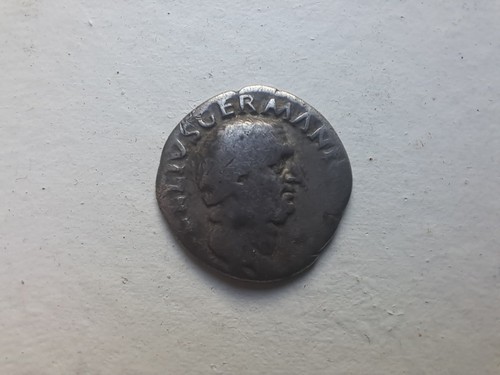
Denarius of Vitellius
A silver denarius of the emperor Vitellius, struck during his brief reign in AD 69, showing his heavy-jowled portrait with curly hair.
Ancient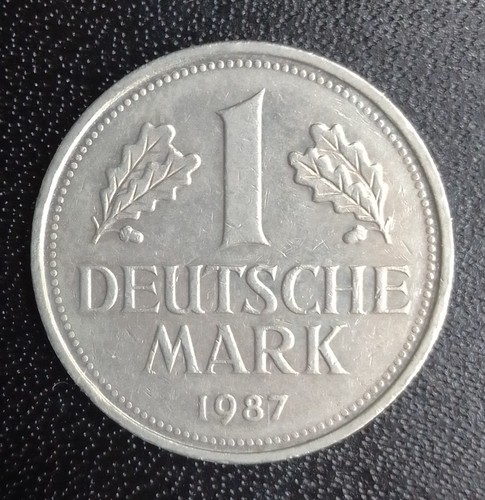
German 1 Deutsche Mark
The workhorse 1-Mark coin of West Germany and reunified Germany, showing a large numeral 1 framed by oak leaves and the words DEUTSCHE MARK.
Circulation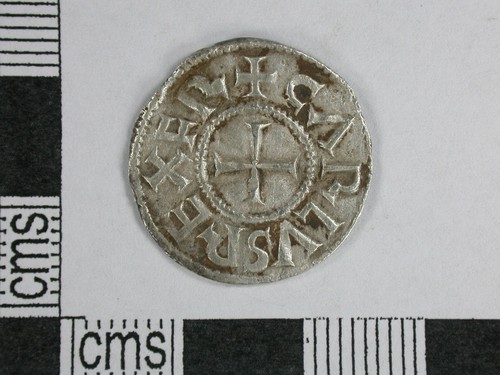
Denier of Charlemagne
A hand-struck silver denier of Charlemagne, king of the Franks: a central cross ringed by the CARLVS REX FR legend, with a royal monogram design on the reverse.
Medieval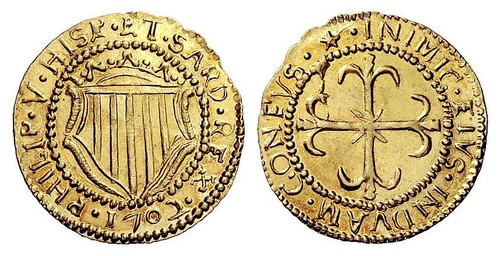
Scudo (Philip V)
A gold scudo struck for Spanish-ruled Sardinia under Philip V, bearing a crowned shield flanked by the Columns of Hercules and a cross reverse.
Early Modern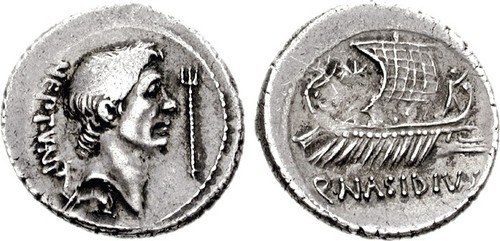
Nasidius Denarius
Roman Republican silver denarius struck for Sextus Pompey's admiral Q. Nasidius, showing Pompey the Great's head and a galley marked NASIDIVS.
Ancient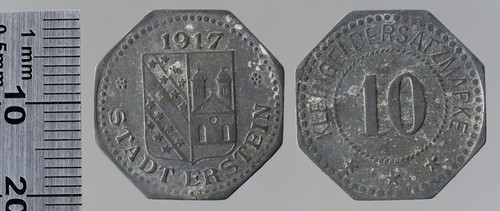
Erstein Notgeld 10 Pfennigs
A 1917 German emergency coin (Notgeld) for 10 Pfennigs from the town of Erstein, with the city coat of arms on one side and a large 10 on the other.
Token/notgeld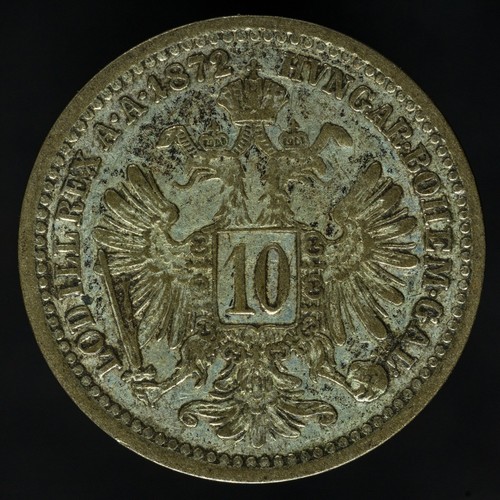
Austria-Hungary 10 Kreuzer
A small low-grade silver 10 Kreuzer of Emperor Franz Joseph I, pairing his laureate portrait with a crowned double-headed imperial eagle and a 10 value shield.
Circulation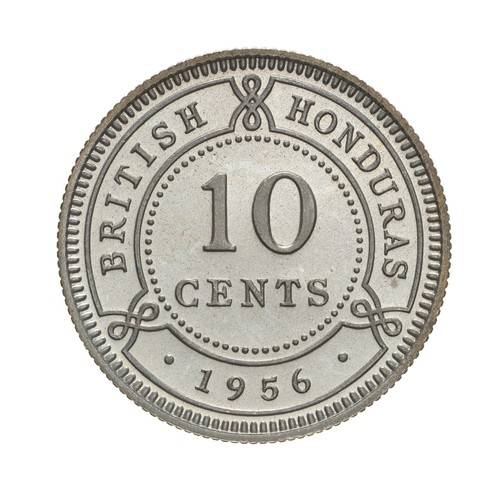
British Honduras 10 Cents
A silver-colored colonial 10 cents of British Honduras, with the Queen's portrait on the obverse and a plain 10 CENTS legend around BRITISH HONDURAS and the date.
Colonial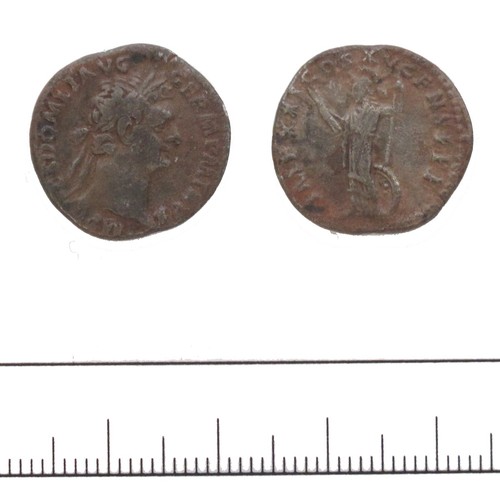
Denarius of Domitian
Silver denarius of the emperor Domitian (81-96 AD), with his laureate portrait on the obverse and, typically, the goddess Minerva on the reverse.
Ancient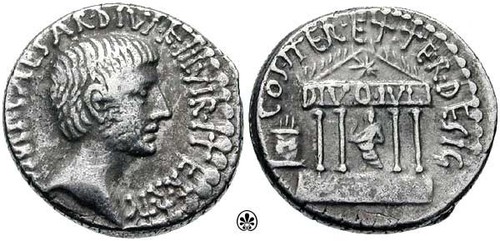
Denarius of Cordius
Roman Republican silver denarius struck by the moneyer Manius Cordius Rufus, with a right-facing head on the obverse and a standing figure and CORDIVS legend on the reverse.
Ancient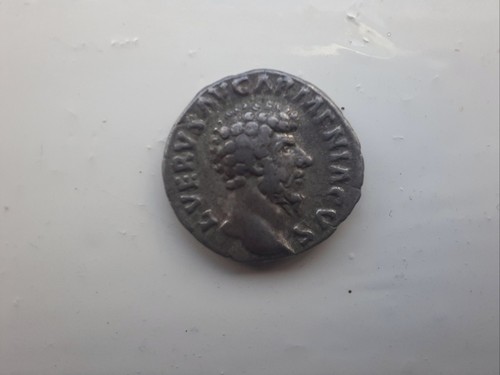
Denarius of Lucius Verus
A silver Roman denarius of the emperor Lucius Verus (161–169 AD), showing his curly-haired, bearded portrait facing right with a Latin legend.
Ancient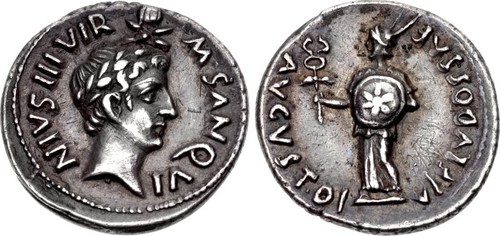
Denarius of M. Sanquinius
A silver denarius struck at Rome in 17 BC by the moneyer M. Sanquinius under Augustus, tied to the Secular Games, with a male portrait and a standing herald.
Ancient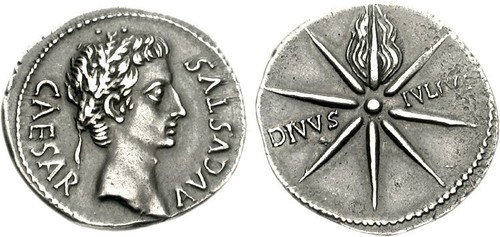
Denarius of Augustus
Silver denarius of Augustus (c. 19-18 BC) with his bare head and a comet-star of the deified Julius Caesar, inscribed DIVVS IVLIVS.
Ancient Coins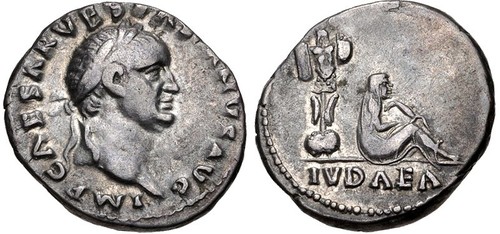
Denarius of Vespasian
Silver denarius struck under the emperor Vespasian (AD 69-79), founder of the Flavian dynasty, with his laureate portrait on the obverse.
Ancient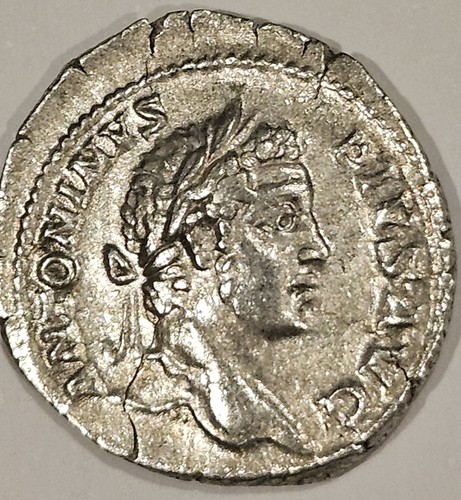
Denarius of Caracalla
A silver denarius of the Roman emperor Caracalla, struck 198–217 CE, showing his laureate right-facing bust and a Latin legend encircling the design.
Ancient