
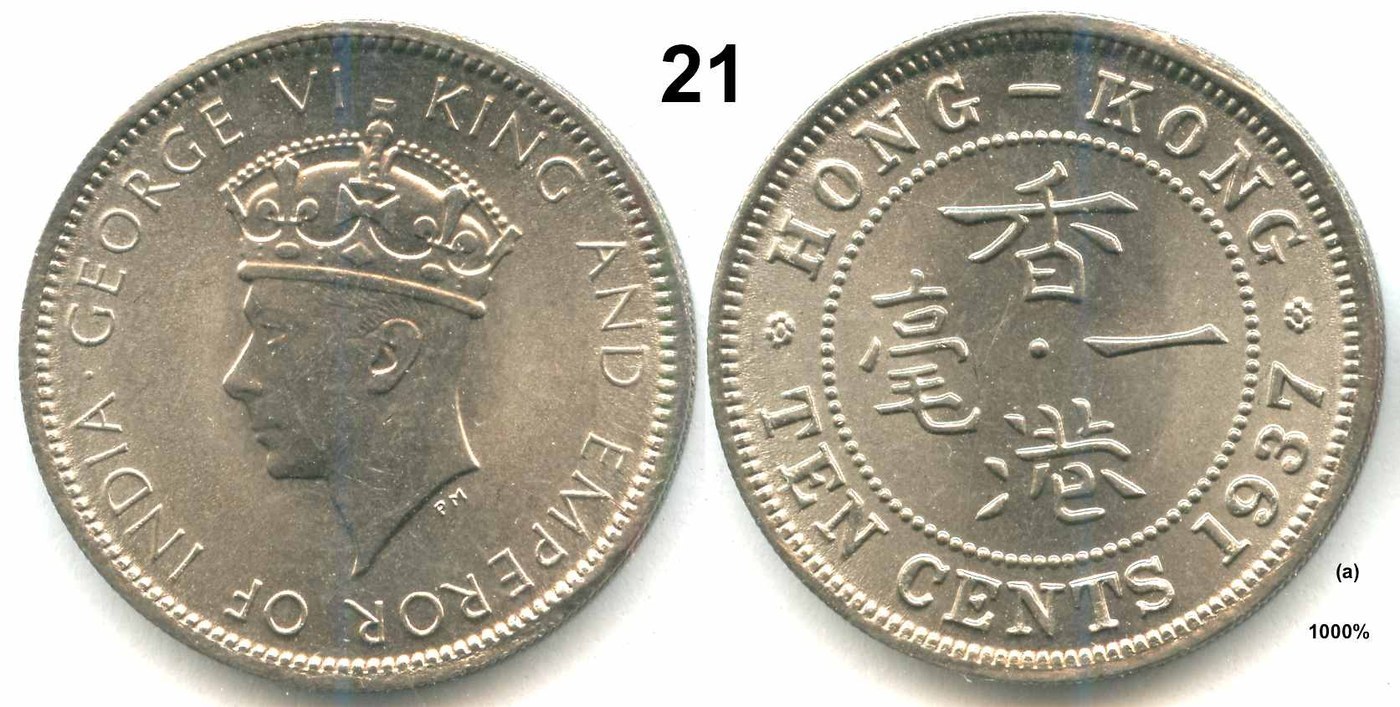
Hong Kong 10 Cents
A small silver 10-cent coin of British Hong Kong showing the crowned profile of King Edward VII, with 'HONG-KONG TEN CENTS' and Chinese characters on the reverse.
- Country
- British Hong Kong
- Denomination
- 10 Cents
- Metal
- Silver
Got a coin like this?
Identify any coin from a photo, free.
Overview
The Hong Kong 10 Cents is a small silver coin struck for the British colony of Hong Kong. The example shown carries the crowned profile portrait of King Edward VII on the obverse, paired with a reverse combining the English legend 'HONG-KONG TEN CENTS' with Chinese characters and a decorative surround. It is a low-denomination piece from the everyday coinage of the colony rather than a commemorative or bullion issue.
As a British colonial coin, the 10 cents blended the imperial tradition of a royal portrait with the practical needs of a Chinese-speaking commercial port. The Chinese inscription expresses the same value in local terms, reflecting the coin's role in daily trade where both English and Chinese conventions were in use.
The Edward VII silver 10 cents is a compact, thin coin. Its appeal to collectors rests on the combination of a recognizable British monarch's portrait, the bilingual colonial design, and its modest silver content, which together make it a tangible artifact of early twentieth-century Hong Kong.
History & Background
Hong Kong became a British colony in the nineteenth century and grew into one of Asia's busiest trading ports. To serve commerce there, Britain issued a distinct colonial coinage denominated in cents and dollars, sized and valued to sit alongside the silver trade coinage circulating across the region. The 10 cents was one of the small silver denominations in this system.
King Edward VII reigned from 1901 to 1910, and silver 10-cent coins bearing his crowned portrait were produced in the early years of that reign, generally dated in the first half of the 1900s. These followed earlier Hong Kong 10-cent coins struck under Queen Victoria and preceded later issues under King George V. The coins were struck at British imperial mint facilities and shipped out for use in the colony.
Across the decades the Hong Kong 10 cents evolved: the early pieces were small silver coins, while later generations of the denomination moved to base metals as silver was withdrawn from circulating small change. The silver Edward VII pieces belong to the earlier, precious-metal phase of that history.
How to Identify
Identify the coin first by its obverse: a crowned profile bust of King Edward VII with a Latin-style royal legend naming him as King and Emperor. The crowned, robed portrait is characteristic of British colonial silver of this reign and distinguishes it from the earlier Victoria issues, which show a diademed queen instead.
The reverse is the clearest confirmation of type. It carries the English wording 'HONG-KONG TEN CENTS' together with Chinese characters stating the same value and a decorative border. The pairing of an English colonial legend with Chinese script is the signature feature of Hong Kong's cent coinage and immediately separates it from ordinary British or other colonial coins.
Physically, expect a small, thin silver coin of low weight, struck in a fineness typical of colonial minor silver rather than sterling. The date appears as part of the reverse or legend arrangement. Because it is a tiny coin, worn examples can have soft portraits and weak legends, so read the surviving English and Chinese inscriptions together to confirm the denomination and colony.
Value & Collectibility
The Hong Kong silver 10 cents is generally an affordable collector coin, valued for its history and design rather than for a large bullion content, since each piece contains only a small amount of silver. Common, circulated examples are inexpensive, while coins with sharp detail, full legends, and attractive original surfaces bring higher premiums.
Condition is the main driver of value. Well-struck pieces with a clear Edward VII portrait, crisp Chinese characters, and clean fields are more desirable than worn, cleaned, or damaged coins. Particular dates and die varieties within the series can carry added interest for specialists.
Because values depend heavily on grade, date, and eye appeal, they are best confirmed against recent sales of comparable Hong Kong 10-cent coins. As a small silver colonial issue, it offers an accessible entry point for collectors of British Empire or Chinese-market coinage.
Frequently asked questions
What country issued the Hong Kong 10 Cents?
It was issued for British Hong Kong, a colony of Britain. The coin carries a British royal portrait on one side and Chinese characters with the English legend 'HONG-KONG TEN CENTS' on the other, reflecting the colony's bilingual commercial life.
Who is on the front of this coin?
This example shows King Edward VII, who reigned from 1901 to 1910. His crowned profile appears on the obverse with a Latin-style royal legend naming him as King and Emperor.
Is the Hong Kong 10 Cents made of silver?
The early Edward VII 10-cent coins are silver, struck in a fineness typical of colonial minor silver. They are small, thin coins, so each contains only a modest amount of silver.
What do the Chinese characters mean?
The Chinese characters state the coin's value and origin in local terms, matching the English 'HONG-KONG TEN CENTS.' The bilingual design helped the coin function in a port where both English and Chinese conventions were in daily use.
How can I tell it apart from a Victoria 10 cents?
Check the portrait and legend. A crowned male bust naming Edward VII marks this issue, while the earlier Hong Kong 10 cents shows a diademed Queen Victoria. Both share the bilingual reverse, so the obverse portrait is the deciding feature.
Hong Kong 10 Cents guides
In-depth guides for identifying, valuing, and collecting Hong Kong 10 Cents.
Other coins you may enjoy
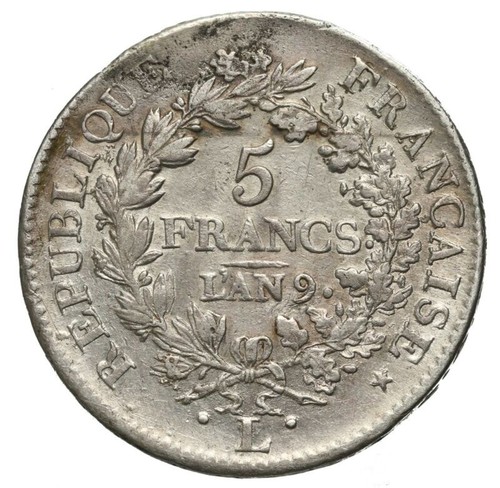
5 Francs (First Republic)
L'an 9 (1800–1801)
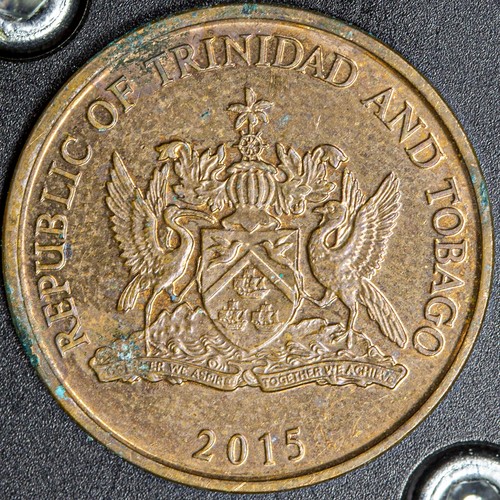
Trinidad and Tobago Dollar
2015
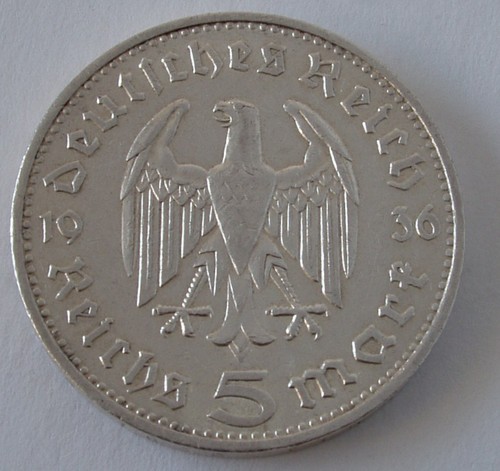
German 5 Reichsmark (Hindenburg)
1935–1936 (Hindenburg type with swastika)
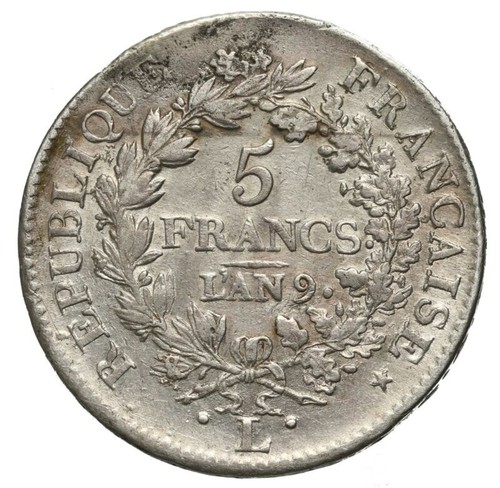
5 Francs Semeuse
1960–1969
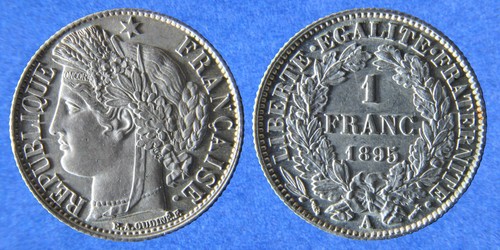
French Cérès 1 Franc
1849–1895
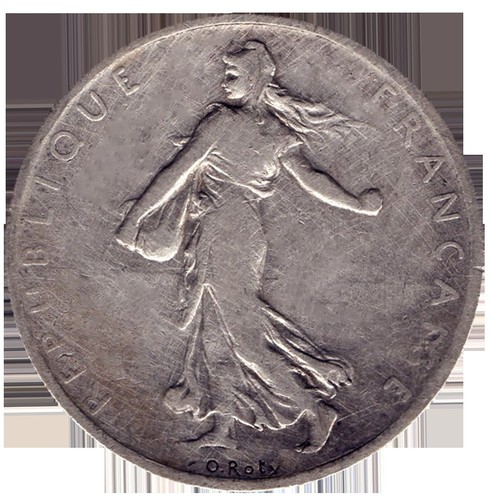
French Semeuse 2 Francs
1898–1920 (silver issues; pictured example dated 1899)
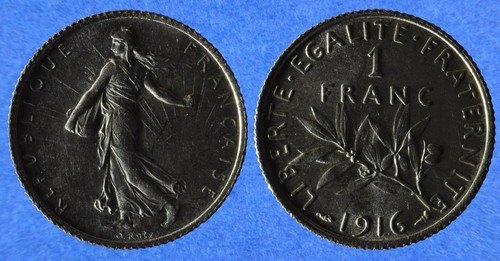
French Semeuse 1 Franc
1898–1920 (silver Semeuse 1 franc type)
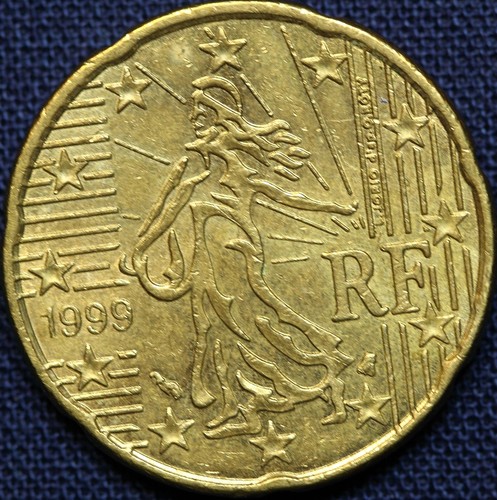
France 50 Cent Euro
1999–present
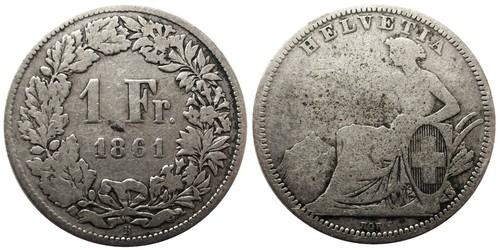
Swiss 1 Franc
1861
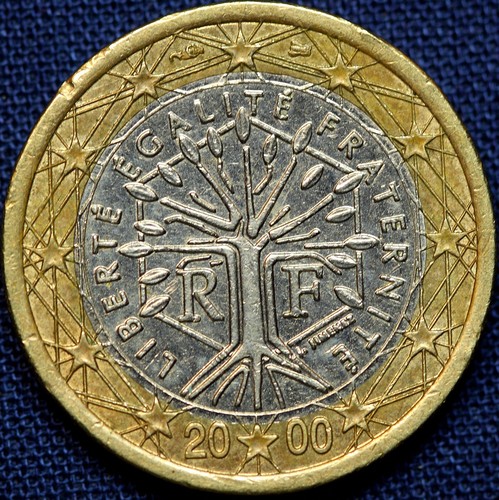
France 20 Centimes
1962–2001 (Fifth Republic, Marianne / Lagriffoul type)
Swiss 2 Francs
1860
Austria-Hungary 15 Kreuzer
1807