
How to Identify the Hong Kong 10 Cents
A collector's checklist for the silver Hong Kong 10 cents of Edward VII: portrait, bilingual reverse, size and metal, and authentication cautions.
Read the full Hong Kong 10 Cents encyclopedia entry →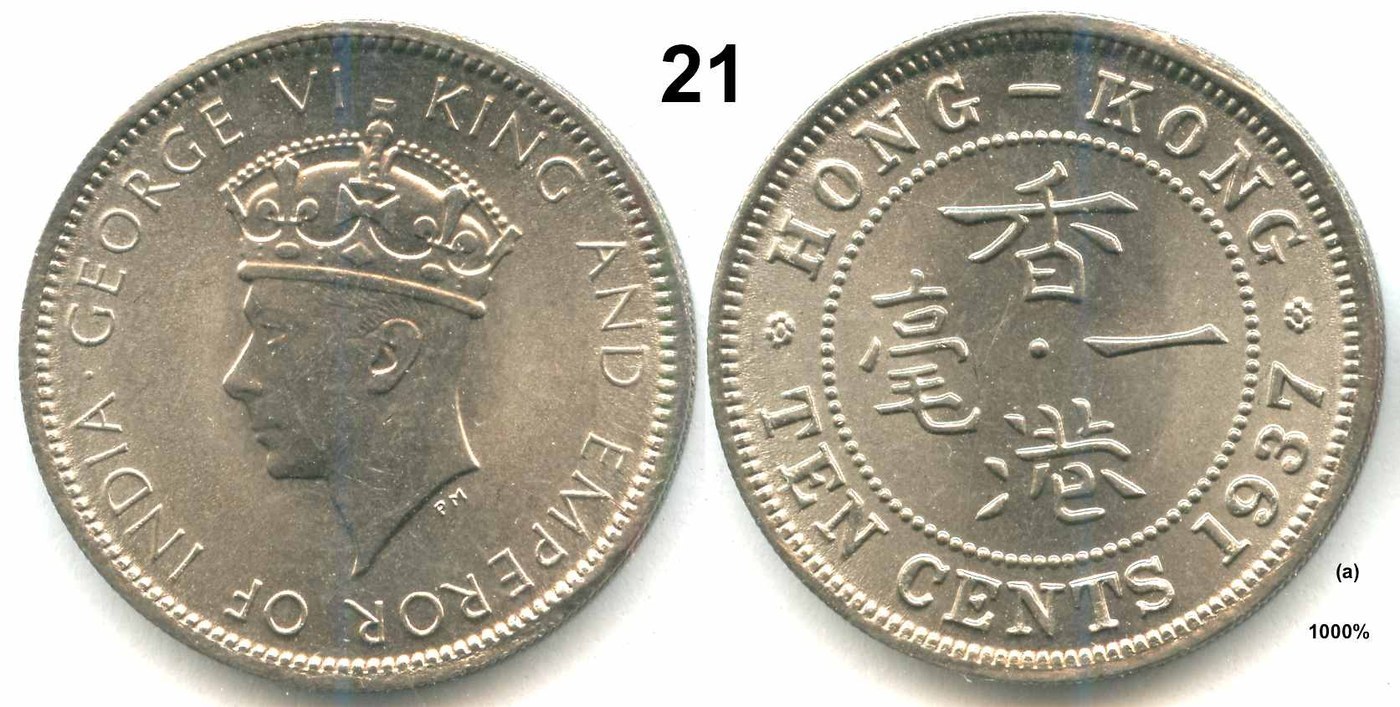
Begin with the obverse portrait, because it fixes both the issuing power and the reign. A genuine Edward VII 10 cents shows a crowned, robed male profile with a Latin-style legend naming Edward VII as King and Emperor. If the portrait is instead a diademed queen, you are holding the earlier Victoria issue; if it is a different king's bust, it belongs to a later reign. The monarch's portrait is the single most reliable diagnostic on colonial silver.
Next, read the reverse, which carries the type's signature. Look for the English wording 'HONG-KONG TEN CENTS' combined with Chinese characters giving the same value, framed by a decorative border. This English-and-Chinese pairing is specific to Hong Kong's cent coinage and separates the coin at a glance from plain British or other colonial silver that lacks Chinese script. Confirm both scripts are present before attributing the coin.
Check size and metal. This is a small, thin, lightweight silver coin, not a large crown or a thick base-metal piece. Genuine silver has a soft grey tone and rings differently from base-metal copies. Weigh and measure the coin and compare against published figures for the Hong Kong 10 cents; a piece that is too heavy, too light, or non-magnetic-testing inconsistent with silver deserves scrutiny.
Locate the date within the reverse or legend arrangement and match it to the Edward VII reign, roughly the first half of the 1900s. Because the coin is tiny, worn examples often have a soft portrait and faint legends, so use the surviving English and Chinese inscriptions together rather than relying on one weak feature. Note that the Hong Kong 10-cent denomination continued under later monarchs and in base metals, so the metal, portrait, and date must agree.
Finally, watch for alterations and fakes. Small silver colonials are sometimes cleaned, polished, or crudely cast; look for seam lines, a granular surface, unnaturally soft lettering, or a color that does not match honest silver toning. Because the coin is small and the numbers involved are low, expensive high-grade examples are the most likely targets for tampering, so have any high-value or doubtful piece reviewed by a specialist in British colonial or Chinese-market coinage.
Frequently asked questions
What is the quickest way to confirm this is a Hong Kong 10 cents?
Read the reverse. The English 'HONG-KONG TEN CENTS' alongside Chinese characters and a decorative border identifies the type. Combined with the Edward VII crowned portrait on the obverse, that confirms the specific issue.
How do I distinguish the Edward VII coin from later Hong Kong 10 cents?
Match the portrait to the metal and date. The Edward VII silver piece has his crowned male bust and an early-1900s date, while later 10-cent coins show different monarchs and were increasingly struck in base metals rather than silver.
Does the small size make it hard to identify when worn?
It can. On worn examples the portrait and legends go soft first. Use the English and Chinese inscriptions on the reverse together, and check size and metal, rather than depending on a single faint feature.
How can I spot a fake or cleaned example?
Look for edge seams, a grainy cast surface, mushy lettering, or a color inconsistent with natural silver toning, and verify the weight and diameter. For any valuable or suspicious coin, seek an opinion from a specialist in British colonial coinage.