
Coin Encyclopedia
Search and identify coins from around the world — with country, denomination, metal, mint, history, and how to tell them apart.
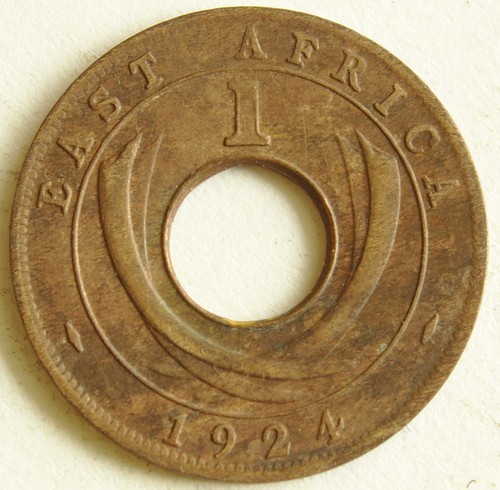
East African 1 Cent
A small holed copper 1 Cent of British East Africa dated 1924, with a crown and decorative rings on one face and the value framing the central hole on the other.
World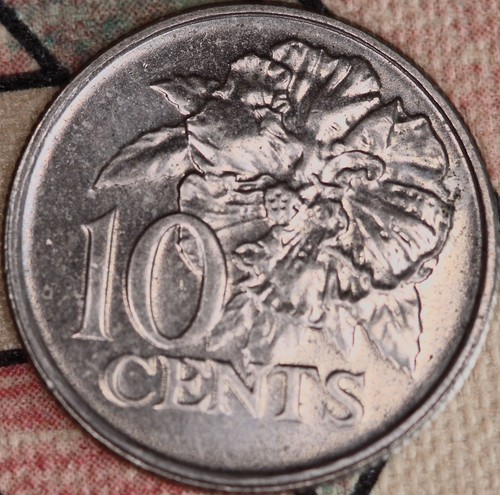
Trinidad and Tobago 10 Cents
A copper-nickel 10-cent coin of Trinidad and Tobago: the national coat of arms on the obverse and the denomination on the reverse.
Circulation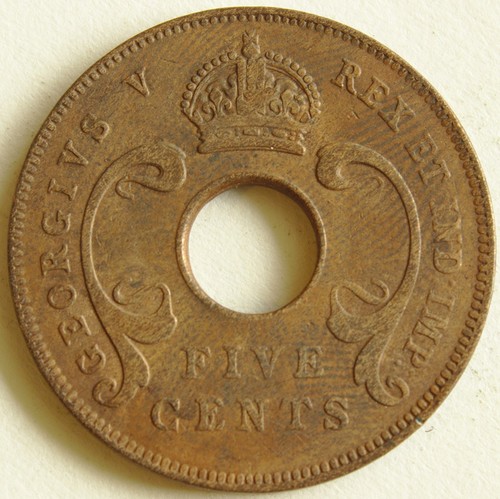
East African 5 Cents
A holed copper-nickel colonial coin with a crown above scrollwork and EAST AFRICA lettering, issued by the East African Currency Board.
World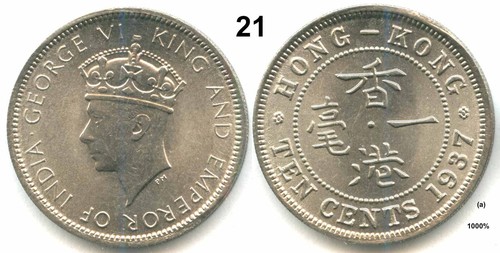
Hong Kong 10 Cents
A small silver 10-cent coin of British Hong Kong showing the crowned profile of King Edward VII, with 'HONG-KONG TEN CENTS' and Chinese characters on the reverse.
Circulation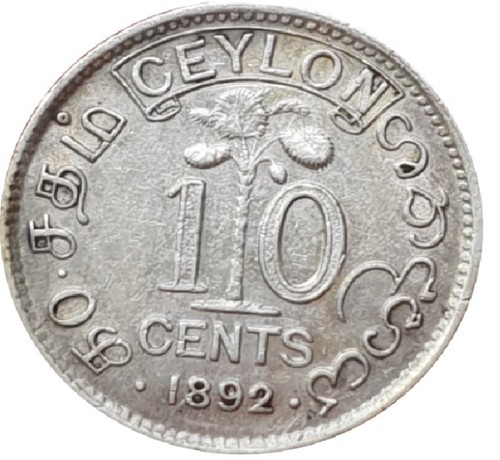
Ceylon 10 Cents (Cupronickel)
A wartime 1944 British Ceylon ten-cent piece in cupronickel, its obverse bearing the uniformed left-facing bust of King George VI and the legend GEORGE VI KING.
South Asia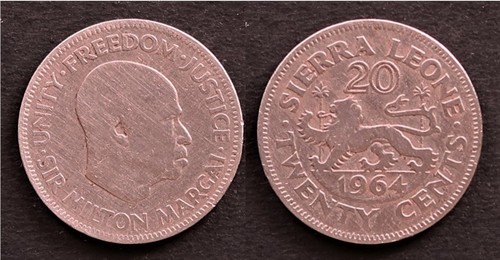
Sierra Leone 20 Cents
A 1964 Sierra Leone 20 cents from the country's first decimal coinage, showing a portrait profile on one side and the national coat of arms with its lion on the other.
World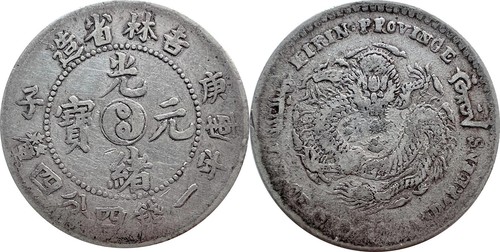
Guangxu Yuanbao 20 Cents
A machine-struck Qing silver 20 cents of the Guangxu era, with a coiled dragon on one face and a yin-yang (taiji) symbol on the other.
Circulation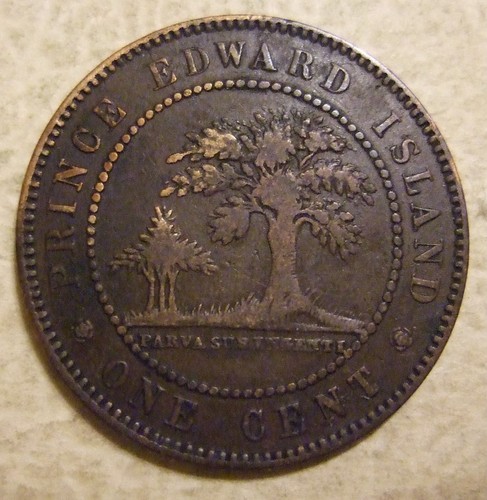
Prince Edward Island One Cent
Bronze one-cent coin struck in 1871 for the colony of Prince Edward Island, with Queen Victoria on the obverse and the island's name and date on the reverse.
Canadian & Provincial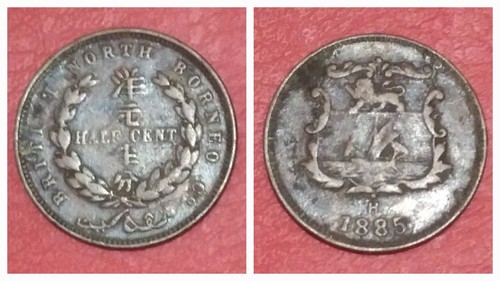
British North Borneo Half Cent
An 1885 copper half cent of British North Borneo: a bust in a laurel wreath on the obverse and the company arms with a heraldic supporter on the reverse.
Colonial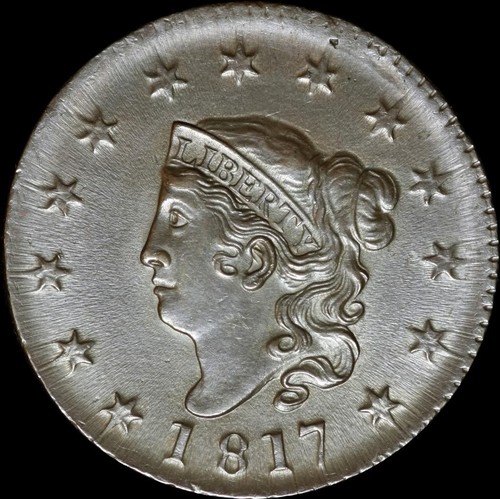
Coronet (Matron Head) Large Cent
A pure-copper U.S. one-cent piece from 1816–1839, showing Liberty in a beaded coronet on the obverse and ONE CENT inside a wreath.
Large Cent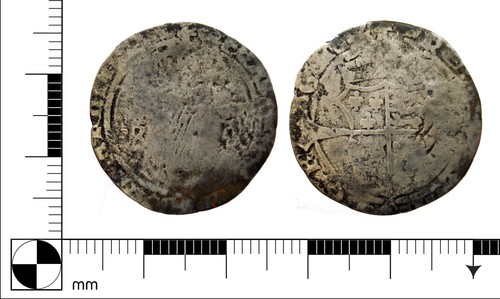
Medieval Coin
A worn hammered silver coin of the medieval era, with faded profile, legends, and a heraldic or emblematic reverse.
Hammered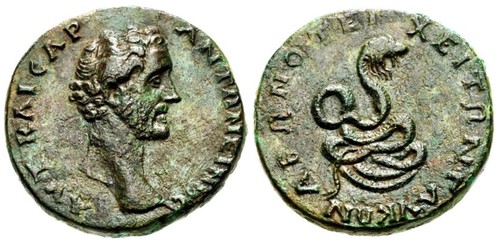
Glycon Bronze Coin
Roman provincial bronze of the 2nd century AD showing the snake-god Glycon: a bearded serpent head on one side and a coiled snake on the other.
Ancient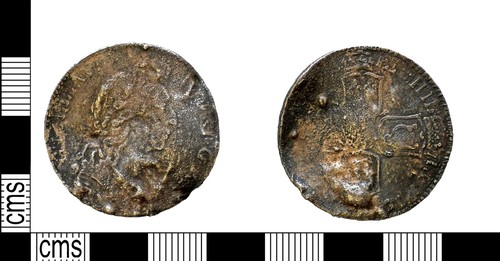
Ancient Roman Coin
An unattributed ancient bronze coin of the Roman Empire, showing a right-facing portrait head on the obverse and a figure or heraldic design on the reverse.
Ancient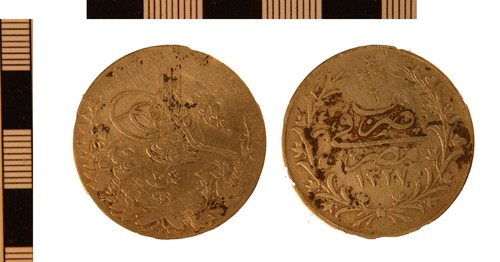
Ottoman Silver Coin
A silver coin of the Ottoman Empire bearing the sultan's tughra monogram amid floral ornament, with Arabic-script inscriptions on the reverse.
World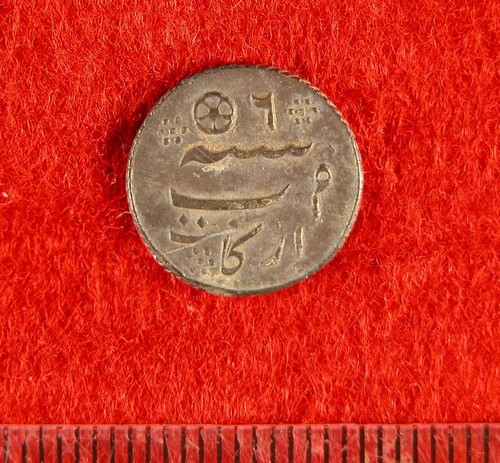
Indian Silver Coin
A silver coin of British India bearing Persian/Urdu calligraphy and a mint mark, in the Mughal-derived inscriptional style of Company-era coinage.
British India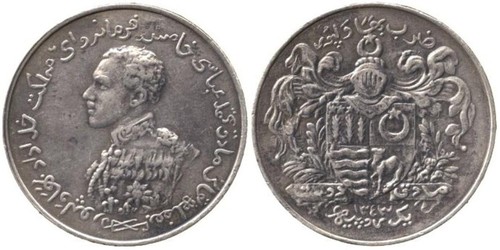
Bahawalpur Gold Coin
A gold coin or medallic piece linked to the princely state of Bahawalpur, its obverse bearing a uniformed royal portrait and its reverse an ornate coat of arms.
South Asia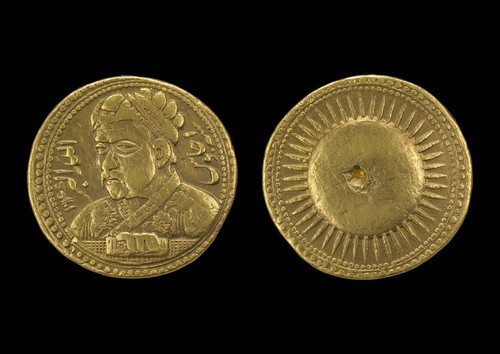
Unattributed Gold Coin
A gold-colored coin of uncertain origin: a portrait with East Asian calligraphy on one face and a radiating sunburst within a decorative border on the other.
Unknown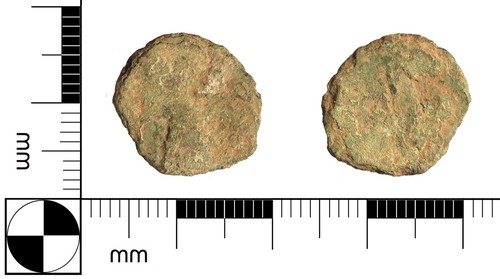
Unidentified Ancient Coin
A worn ancient bronze coin whose exact type is not yet identifiable — a right-facing profile portrait on one side and a faded design on the other.
Ancient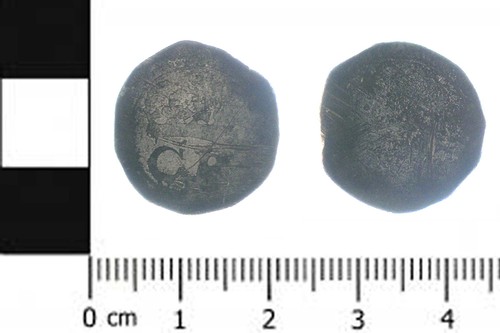
Scottish Coin (Uncertain)
A worn hammered copper-alloy Scottish coin, apparently of the reign of Charles I, showing a bearded profile and a heraldic reverse with lettering.
Hammered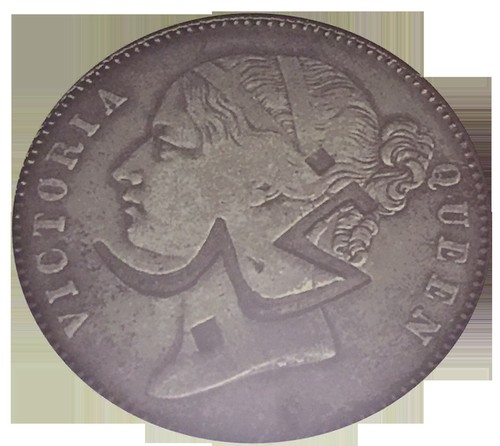
Najd Silver Coin
Silver trade coin catalogued to Najd, central Arabia, bearing a left-facing Victoria Queen bust and an 1862 date in the British India rupee style.
Arabia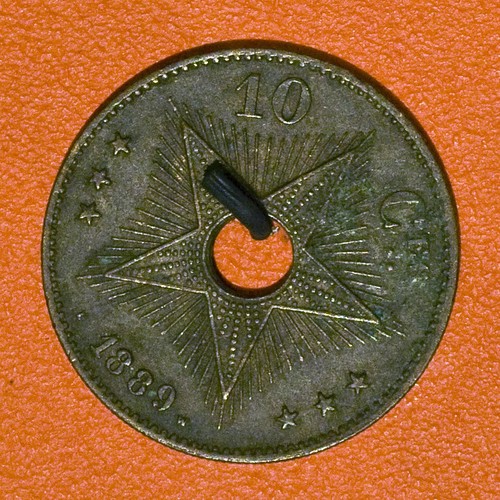
Congolese Commemorative Coin
An 1889 holed copper 10-centime coin of the Congo Free State, with a radiant five-pointed star, the value 10 C, and a ring of small stars.
World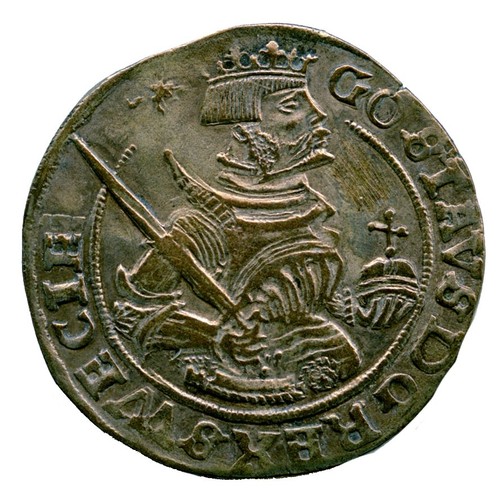
Gustav I Silver Coin
Early-Renaissance Swedish silver of Gustav I Vasa (r. 1523–1560), pairing a crowned armored royal bust with a crowned heraldic lion.
Medieval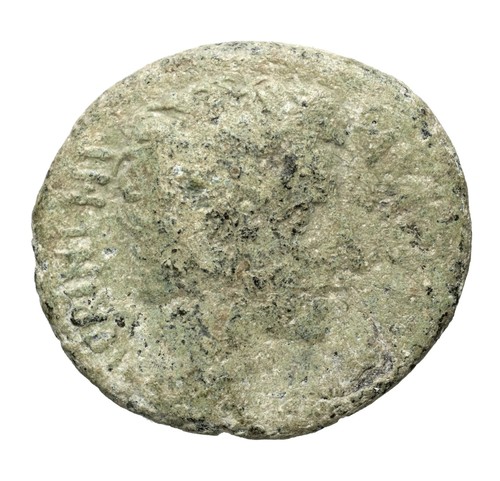
Bronze Coin of Corinth (Augustan)
A Roman colonial bronze struck at Corinth during the reign of Augustus, showing a laureate imperial portrait; the example here has a badly corroded reverse.
Ancient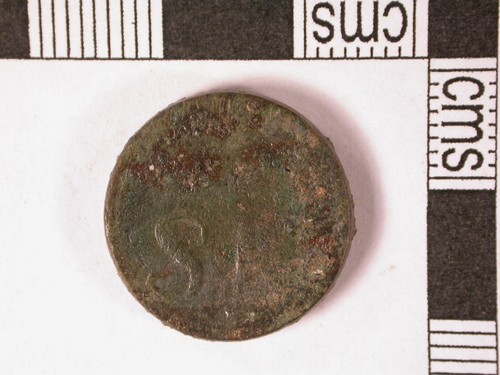
Coin Weight for Louis d'Or
A small bronze monetary weight used to verify a gold Louis d'Or on a balance, showing a worn royal profile and a heraldic reverse.
Token/weight