Najd Silver Coin
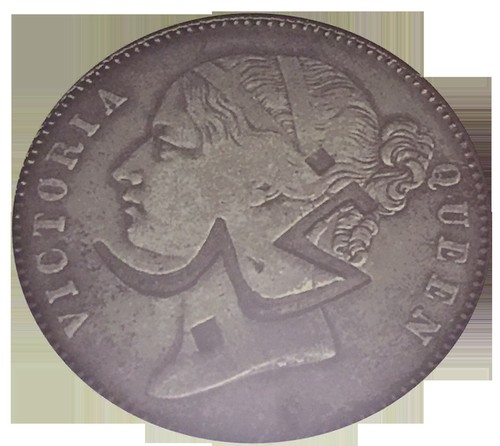
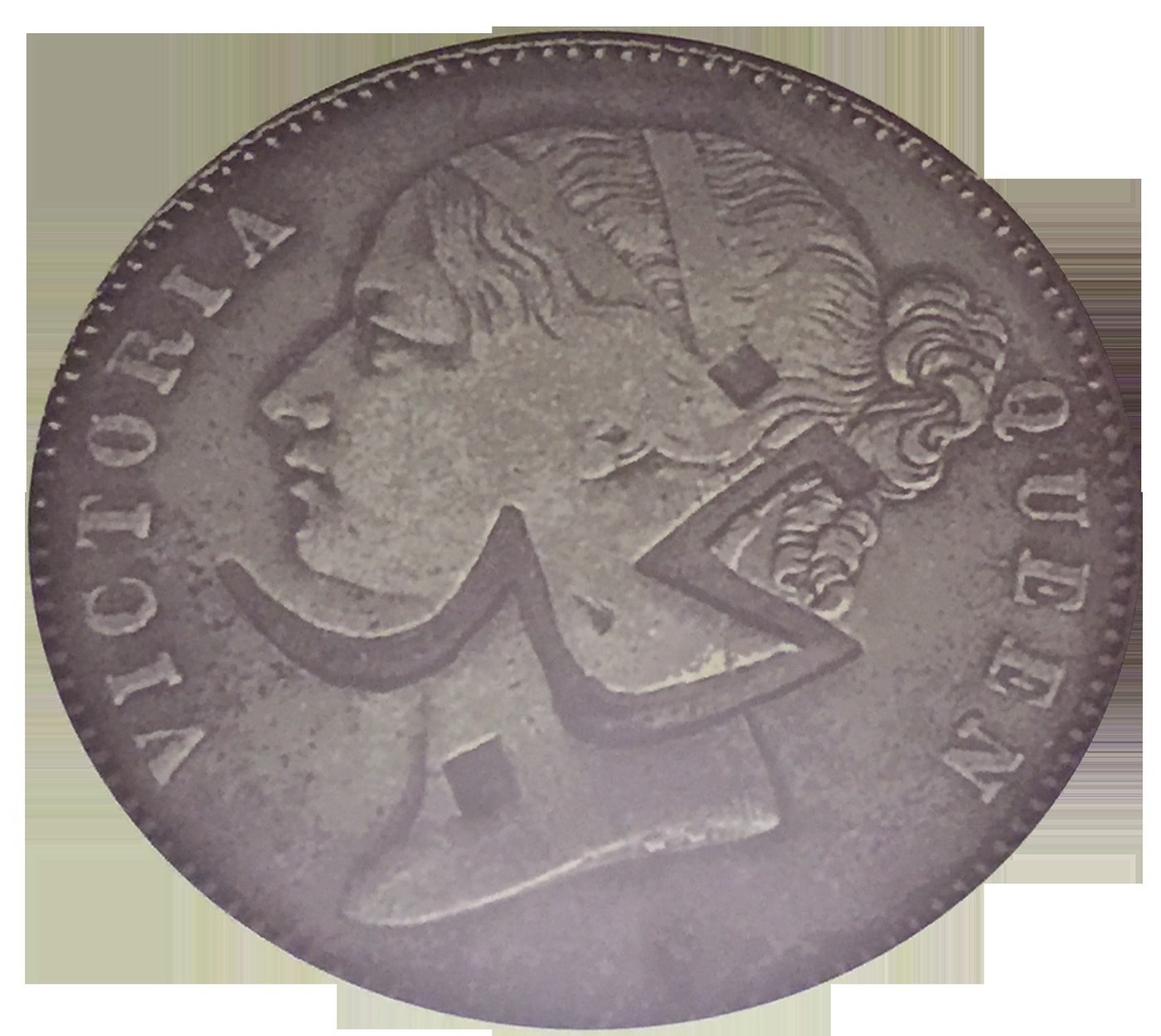
Silver trade coin catalogued to Najd, central Arabia, bearing a left-facing Victoria Queen bust and an 1862 date in the British India rupee style.
- Country
- Saudi Arabia
- Denomination
- Unknown
- Metal
- Silver
Got a coin like this?
Identify any coin from a photo, free.
Overview
The Najd Silver Coin is a silver trade piece associated with Najd (Nejd), the central Arabian heartland of what is now Saudi Arabia. The single side shown on the photographed example carries a left-facing draped bust and the Latin legend "VICTORIA QUEEN," with an 1862 date, matching the design of a British India silver rupee of the Queen Victoria type. Coins of this appearance circulated as trusted trade silver across Arabia long before the Saudi state issued its own coinage.
Because central Arabia produced little coinage of its own in the nineteenth century, the region relied on foreign and imitation silver for large transactions. Pieces catalogued under a "Najd" heading are typically British India rupees that saw heavy use there, or locally made Arabian imitations of those rupees struck to serve the same purpose. The example here should be read as trade silver in that tradition rather than as a state issue of a Najdi ruler.
History & Background
Through the nineteenth century Najd had no unified national mint, and everyday high-value commerce depended on imported silver. The two dominant trade coins across Arabia were the Maria Theresa thaler and the British India silver rupee, both prized for their consistent weight and fineness. A rupee bearing Queen Victoria's bust, first issued in 1862 with the "VICTORIA QUEEN" legend, was exactly the kind of coin that moved through Arabian markets, caravan routes, and Gulf ports.
Alongside genuine imported rupees, Arabian workshops sometimes struck their own imitations of the trusted designs so that trade could continue where official coin was scarce. Such pieces copied the recognizable Victoria portrait and legend while varying in style and quality of strike. Coins of this class are what a "Najd silver coin" label usually points to.
A distinct, state-issued Saudi coinage came only in the twentieth century, when Abdulaziz Ibn Saud consolidated Najd and the Hejaz and introduced riyal-denominated silver in the 1920s and 1930s. The piece shown here predates that national coinage and belongs to the earlier era of foreign and imitation trade silver.
How to Identify
The photographed coin shows a single side: a left-facing female bust, draped and diademed, ringed by the Latin legend "VICTORIA QUEEN," with an 1862 date. This is the obverse design of a British India Queen-type rupee. Note that despite catalogue notes suggesting Arabic script, the visible legend on this specimen is in Latin letters, not Arabic; do not expect an Arabic inscription on this face.
The coin is silver and, if it follows the standard rupee, would measure roughly 30-31 mm across and weigh in the neighborhood of 11.5-11.7 grams, with a reeded edge. The reverse is not shown here; a genuine British India rupee reverse reads "ONE RUPEE / INDIA" with the date inside a floral wreath. Arabian imitations often depart from that layout or show softer, less precise detail.
Strike quality is a key clue. Official mint rupees are crisp and evenly centered, while locally produced Arabian copies tend to look softer, with slightly irregular lettering and portrait modeling. Weight, fineness, edge, and the sharpness of the legends are the practical points to record before attributing the piece as an imported rupee or a Najdi imitation.
Value & Collectibility
Value depends entirely on what the specific piece turns out to be, so treat any figure as broad context. A genuine, common-date British India Victoria rupee in worn condition trades near its silver content, which is close to a third of an ounce of fine silver; higher grades bring modest collector premiums.
Arabian imitation or "Najd" trade pieces are collected as historical curiosities rather than bullion, and their value turns on eye appeal, silver content, and how clearly they can be tied to regional use. Well-made or clearly documented imitations can appeal to specialists in Arabian and trade-coin numismatics, while crude or heavily worn examples remain inexpensive. Because attribution shifts the value substantially, weighing the coin, testing the metal, and comparing it against reference examples are worthwhile before assigning a price.
Frequently asked questions
Is this really a Saudi or Najdi state coin?
No. It is trade silver associated with Najd, central Arabia, in the era before national Saudi coinage. The design shown is that of a British India Victoria rupee, either an imported example or a local Arabian imitation used for trade.
Why does it say VICTORIA QUEEN if it is a Najd coin?
British India rupees bearing Queen Victoria's bust circulated widely as trusted trade silver in Arabia. Coins catalogued to Najd are typically these rupees or Arabian copies of them, which reproduce the Victoria portrait and Latin legend.
Does the coin have Arabic writing?
The visible side on this specimen carries a Latin legend, VICTORIA QUEEN, not Arabic script. The reverse is not shown, but the pictured face does not display an Arabic inscription.
What does the 1862 date mean?
1862 is the first year of the British India Queen Victoria rupee design. On imitations the frozen date was often copied along with the rest of the design, so it identifies the type rather than proving the exact year of striking.
Is it made of real silver?
Coins of this class are silver. A standard rupee is roughly 91.7% fine and weighs about 11.5-11.7 grams, though Arabian imitations can vary in weight and fineness, so testing is advisable.
Najd Silver Coin guides
In-depth guides for identifying, valuing, and collecting Najd Silver Coin.