
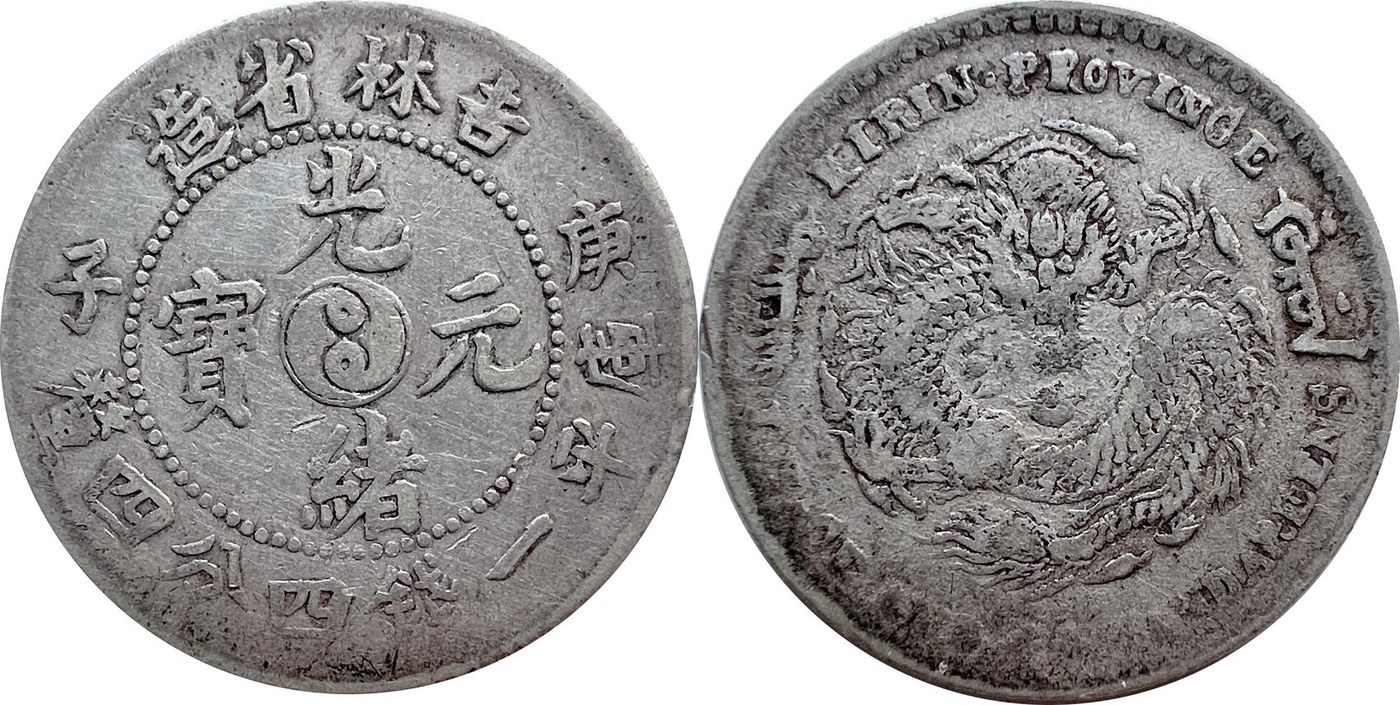
Guangxu Yuanbao 20 Cents
A machine-struck Qing silver 20 cents of the Guangxu era, with a coiled dragon on one face and a yin-yang (taiji) symbol on the other.
- Country
- China
- Denomination
- 20 Cents
- Metal
- Silver
Got a coin like this?
Identify any coin from a photo, free.
Overview
The coin pictured is a Guangxu Yuanbao (光緒元寶) silver 20 cents, a provincial fractional dollar of late imperial China struck during the reign of the Guangxu Emperor (r. 1875–1908). "Guangxu Yuanbao" translates roughly as "Guangxu-era treasure currency" and appears in Chinese characters as the coin's main legend. The example shown is dated 1900.
One face carries a coiled Chinese dragon surrounded by inscriptions and ornamental scrollwork, the hallmark motif of Qing machine-struck silver. The other face bears a yin-yang (taiji) symbol at the center, ringed by Chinese characters that include the mint and the denomination. The central taiji device is a distinctive feature associated with the Kirin (Jilin) provincial silver series.
The 20 cents was the middle of the provincial silver fractions, valued at one-fifth of a dragon dollar and equal to 1 mace 4.4 candareens in the traditional weight system. It was struck by steam-powered coining presses on machinery imported from the West, marking China's shift from cast cash to modern milled coinage.
History & Background
In the closing decades of the Qing dynasty, individual provinces began issuing their own machine-struck silver coinage to replace the ancient cast-cash system and to compete with the foreign trade dollars circulating in China's ports. From the 1890s onward, mints in provinces such as Kwangtung, Kirin, Fengtien, and others acquired Western coining equipment and produced dragon dollars and their fractions, including the 20-cent piece seen here.
Because coinage was provincial rather than fully centralized, the same denomination was struck to broadly similar standards but with local variations in legend, dragon style, and central devices. Coins bearing the yin-yang (taiji) center, like this one, are characteristic of the Kirin (Jilin) issues, which frequently used the taiji symbol and cyclical-character dates. The 1900 date falls in the turbulent final years of the dynasty, the era of the Boxer Uprising and mounting foreign pressure.
These silver fractions circulated widely as everyday money until the fall of the Qing in 1911–1912 and the currency reforms of the Republic that followed. The Guangxu dragon coinage is now among the most collected series of imperial Chinese numismatics, valued as tangible relics of China's transition to modern minting.
How to Identify
Look first for the dragon: a single coiled, front-facing or side-profile Chinese dragon fills one face, encircled by Chinese characters and fine ornamental beading or scrollwork. Above or around the dragon the legend reads Guangxu Yuanbao (光緒元寶), naming the emperor and marking it as silver currency.
Turn to the other face and check the center device. On this type a yin-yang (taiji) symbol sits at the middle, surrounded by Chinese characters that give the province/mint and the denomination. The denomination is expressed in the traditional weight form as 1 mace 4.4 candareens (庫平一錢四分四釐), the silver-weight equivalent of 20 cents. Many provincial issues also carry the value in English ("20 Cents") on the dragon side.
Confirm the physical characteristics: a small silver coin roughly 23–24 mm across, weighing on the order of 5–5.4 grams, with a reeded (milled) edge and the crisp, raised relief of a struck—not cast—coin. The taiji-centered reverse points specifically toward the Kirin (Jilin) provincial series; other provinces used plain fields, rosettes, or Manchu script instead, so the central symbol is a key attribution clue.
Value & Collectibility
Guangxu-era silver 20-cent pieces are collectible but were struck in quantity, so common, circulated examples remain accessible at the modest end of the world-coin market. Value is driven by province, die variety, date, and condition, and the range across the series is wide.
A worn, honestly circulated coin with clear dragon and legends sits at the affordable end, while sharply struck, high-grade, or scarcer provincial varieties can command a substantial premium. Attractive original toning and full detail in the dragon's scales add value; heavy wear, cleaning, rim damage, or bent flans reduce it.
Because the Guangxu dragon series is heavily counterfeited and often cleaned or artificially toned, treat any single price as a guideline and compare against recent sales of the same province and variety. For higher-value or uncertain pieces, third-party grading and authentication are strongly recommended before buying or selling.
Frequently asked questions
What does "Guangxu Yuanbao" mean?
Guangxu Yuanbao (光緒元寶) refers to "treasure currency" of the Guangxu era. Guangxu was the reign title of the Qing emperor who ruled from 1875 to 1908, and Yuanbao denotes a unit of currency, so the phrase marks the coin as Guangxu-period money.
Is this coin made of real silver?
Yes. The Guangxu Yuanbao 20 cents was struck in silver as a fractional dragon dollar, equal to 1 mace 4.4 candareens by weight. Genuine examples are small silver coins with a reeded edge and struck (not cast) relief.
What is the yin-yang symbol on the coin?
The circular symbol at the center of one face is the taiji, or yin-yang, emblem. On this denomination it is characteristic of the Kirin (Jilin) provincial silver issues, which often placed a taiji device in the center surrounded by the mint name and denomination.
What is the coin worth today?
Value depends heavily on province, variety, and condition. Common circulated examples are relatively affordable, while sharply struck high-grade or scarcer provincial varieties bring significant premiums. Because the series is widely faked, compare against recent sales of the same type and consider authentication.
How much was 20 cents worth in the Qing currency system?
The 20-cent piece was a fractional dragon dollar, worth one-fifth of the full silver dollar. In traditional weight terms it equaled 1 mace 4.4 candareens of silver.
Guangxu Yuanbao 20 Cents guides
In-depth guides for identifying, valuing, and collecting Guangxu Yuanbao 20 Cents.
Other coins you may enjoy
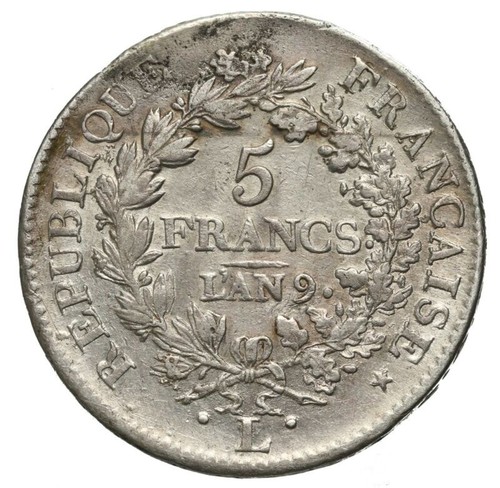
5 Francs (First Republic)
L'an 9 (1800–1801)
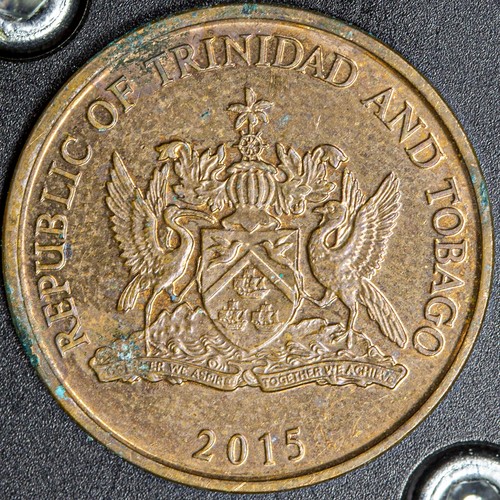
Trinidad and Tobago Dollar
2015
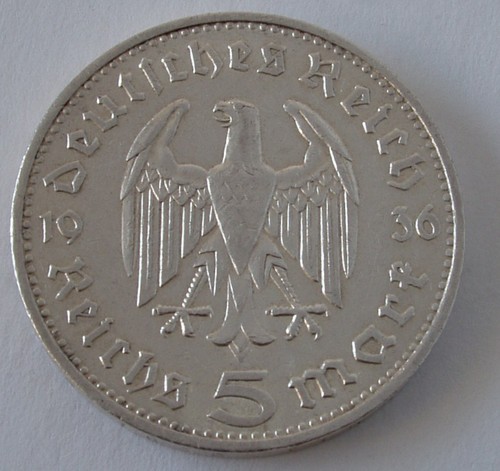
German 5 Reichsmark (Hindenburg)
1935–1936 (Hindenburg type with swastika)
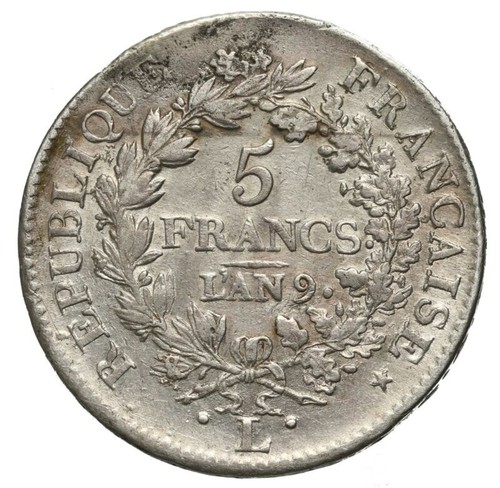
5 Francs Semeuse
1960–1969
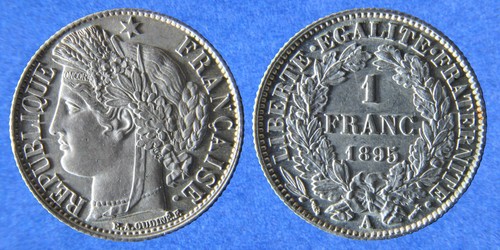
French Cérès 1 Franc
1849–1895
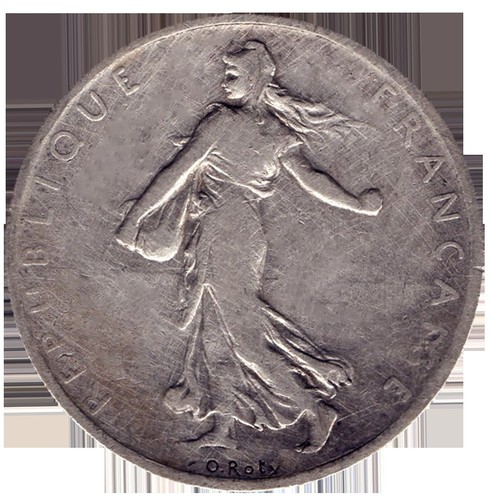
French Semeuse 2 Francs
1898–1920 (silver issues; pictured example dated 1899)
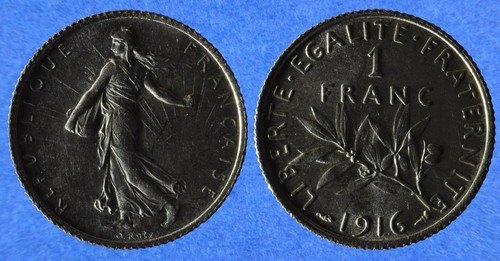
French Semeuse 1 Franc
1898–1920 (silver Semeuse 1 franc type)
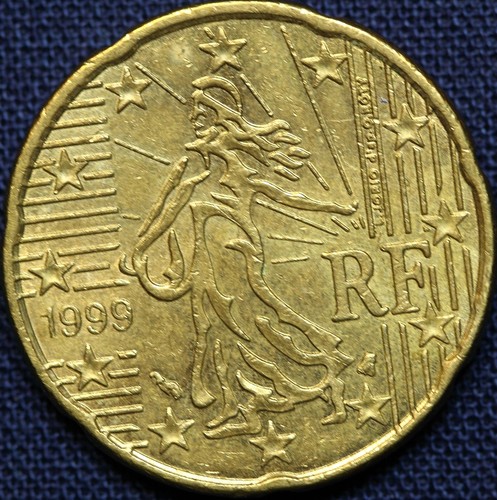
France 50 Cent Euro
1999–present
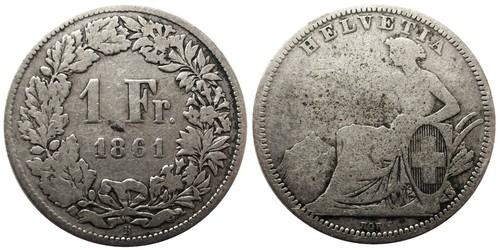
Swiss 1 Franc
1861
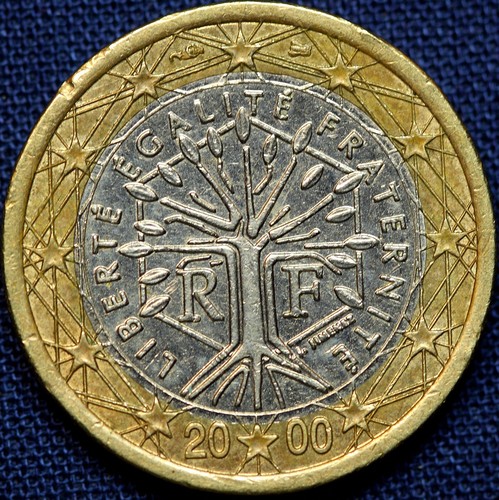
France 20 Centimes
1962–2001 (Fifth Republic, Marianne / Lagriffoul type)
Swiss 2 Francs
1860
Austria-Hungary 15 Kreuzer
1807