
Coin Encyclopedia
Search and identify coins from around the world — with country, denomination, metal, mint, history, and how to tell them apart.
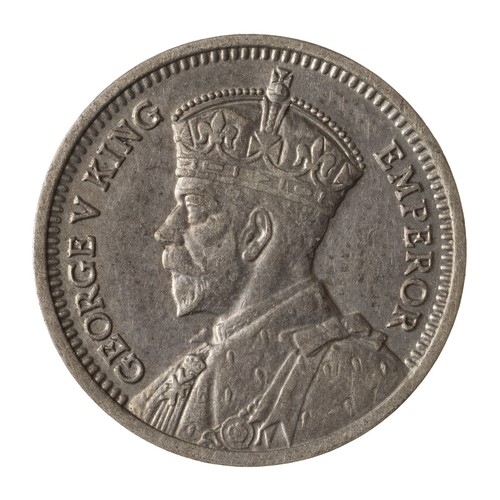
New Zealand Threepence
New Zealand's small silver threepence; this 1933 example carries the crowned bust of King George V with GEORGIVS V and his royal titles.
New Zealand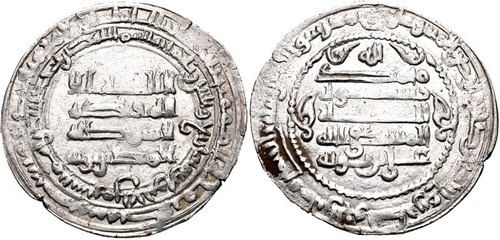
Buyid Silver Dirham
Broad, thin silver dirham of the Buyid (Buwayhid) dynasty, struck in Kufic Arabic with religious legends and marginal mint-and-date text.
Medieval Islamic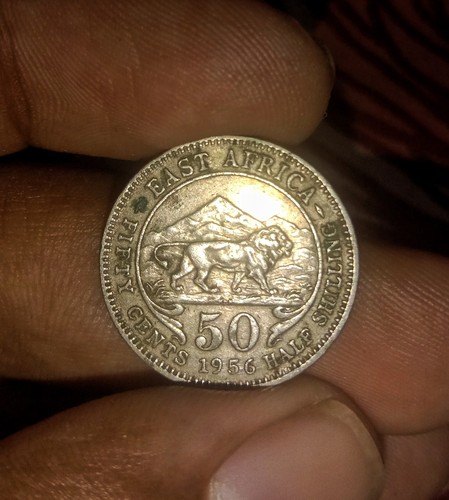
British East Africa Half Shilling
A small low-fineness silver coin of British East Africa bearing King George VI; the half shilling equalled fifty cents in the East African system.
World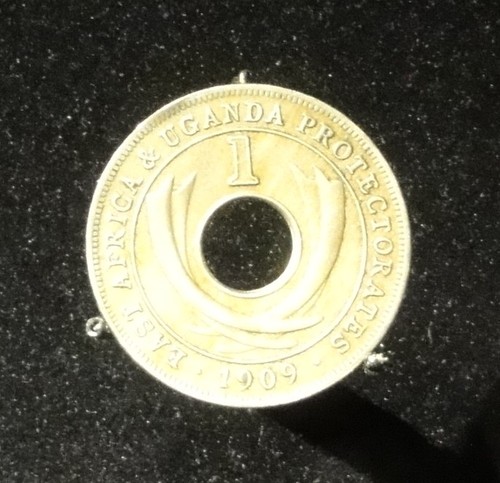
East Africa Protectorate 1 Cent
A small holed one-cent coin of the British East Africa Protectorate, struck in base metal with a crowned, portrait-free design around a central hole.
World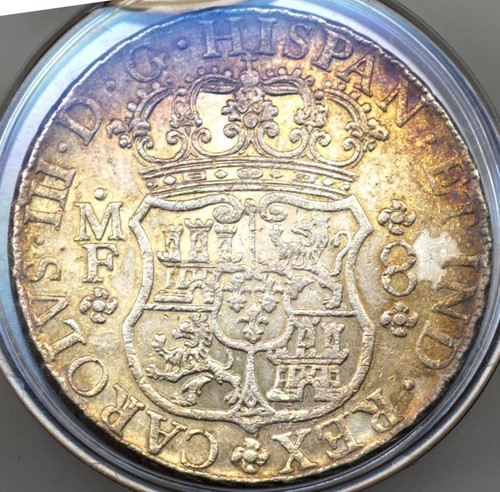
Pillar Dollar (Columnario)
Machine-struck Spanish colonial silver 8 reales showing two crowned globes between the Pillars of Hercules; a trusted world trade coin.
World Coins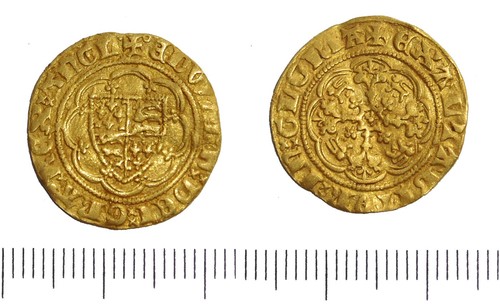
Edward III Quarter Noble
Small medieval English gold coin of Edward III, showing a crowned shield of arms on the obverse and an ornate floral cross design on the reverse.
Medieval Coins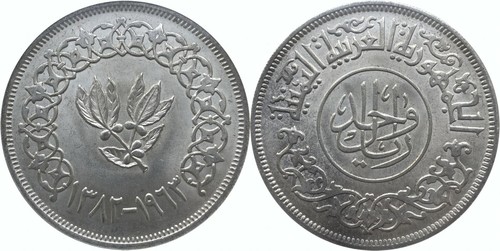
North Yemen 1 Rial
Silver 1 Rial of the Yemen Arab Republic (North Yemen), dated 1963, with a floral wreath obverse and an ornamental Arabic inscription on the reverse.
World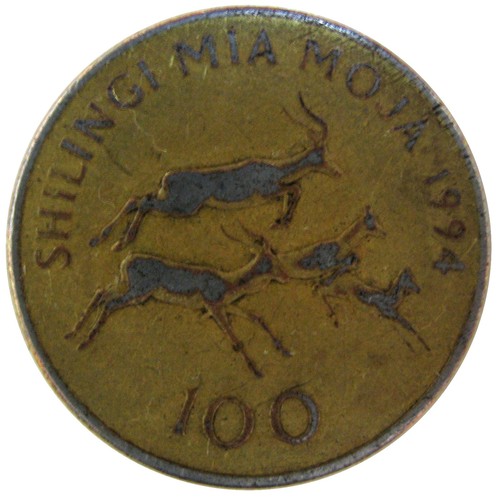
Tanzania 100 Shillings
A golden brass Tanzanian coin worth 100 shillings, showing a lively scene of running antelope with the Swahili legend SHILINGI MIA MOJA.
World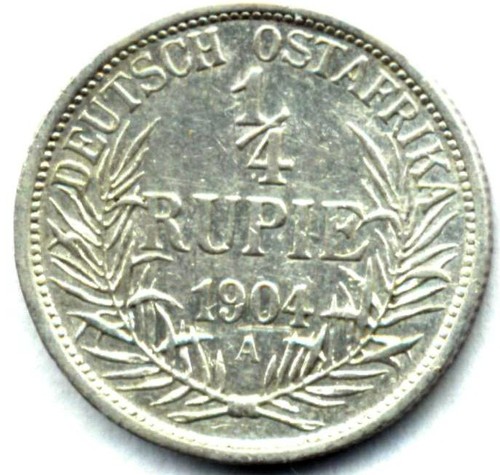
German East Africa 1/4 Rupie
A small colonial silver coin of German East Africa, inscribed DEUTSCH OSTAFRIKA and 1/4 RUPIE within a wreath, paired with the imperial eagle.
World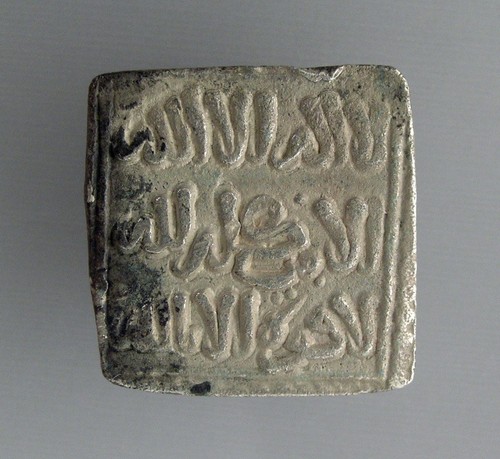
Almohad Silver Dirham
A distinctive square silver coin of the Almohad Caliphate, covered on both faces with geometric Arabic religious inscriptions.
World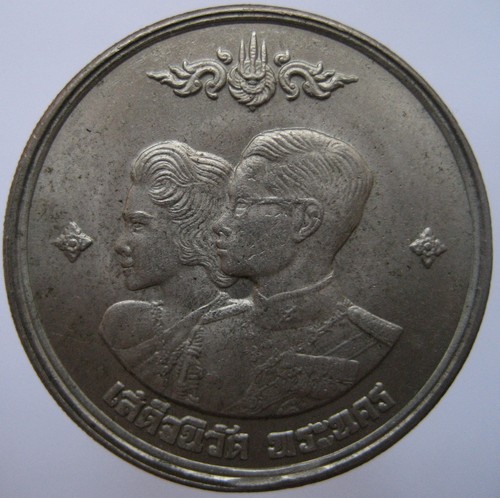
Thailand One Baht Commemorative
A 1961 Thai one-baht commemorative bearing the conjoined profiles of King Rama IX and Queen Sirikit, paired with the Thai royal arms on the reverse.
Southeast Asia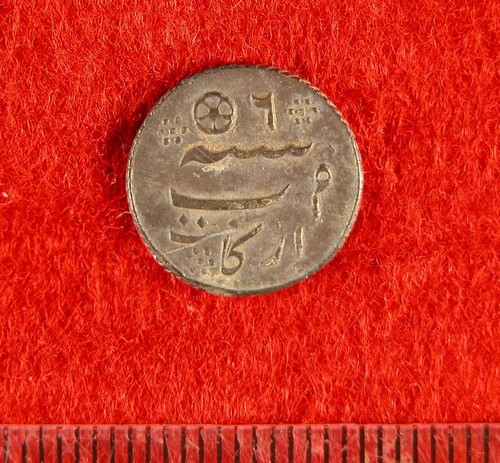
Indian Silver Coin
A silver coin of British India bearing Persian/Urdu calligraphy and a mint mark, in the Mughal-derived inscriptional style of Company-era coinage.
British India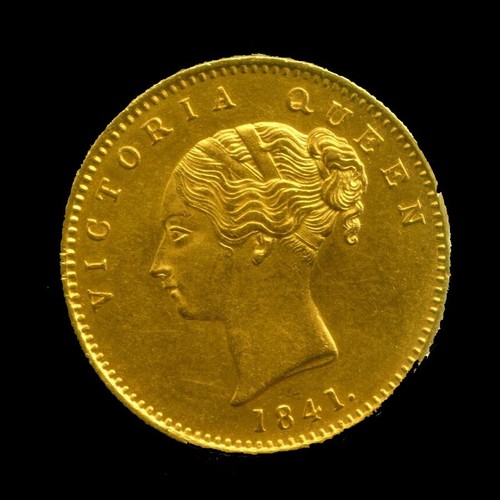
East India Company One Mohur
A machine-struck gold mohur of the East India Company bearing the young Queen Victoria, with a left-facing bust and the legend 'VICTORIA QUEEN', dated 1841.
British India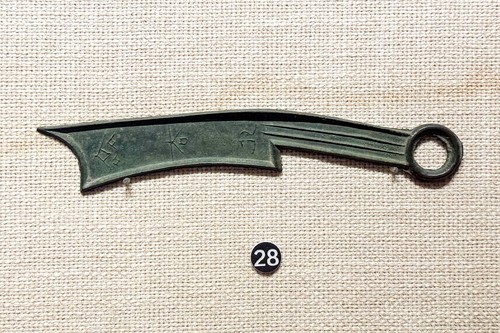
Qi State Knife Coin
A cast bronze knife-shaped coin of the ancient state of Qi, with Chinese characters running down the curved blade and a ringed handle terminal.
Ancient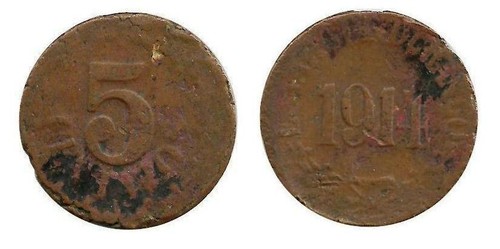
Durango 5 Centavos
A copper 5 centavos struck in the State of Durango during the Mexican Revolution, showing a large numeral 5 and the Mexican national eagle, dated 1914.
Revolutionary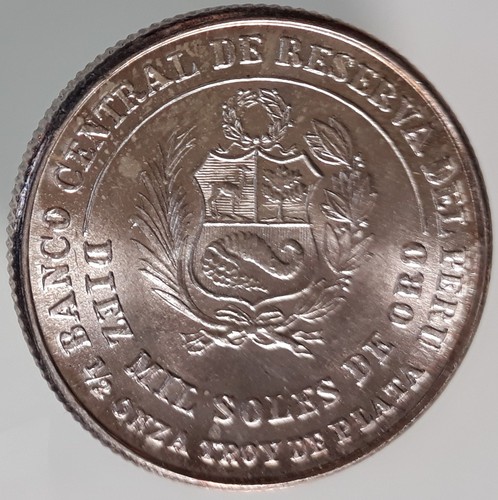
10,000 Soles de Oro
A large Peruvian silver coin of 10,000 soles de oro, its obverse bearing the national coat of arms with the vicuna, cinchona tree and cornucopia.
Circulation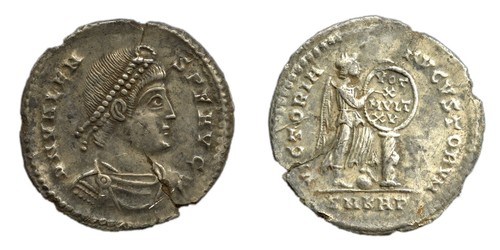
Arles Miliarensis
A late Roman silver miliarensis of the 4th century AD, with a diademed imperial portrait and an armed standing figure holding spear and shield.
Ancient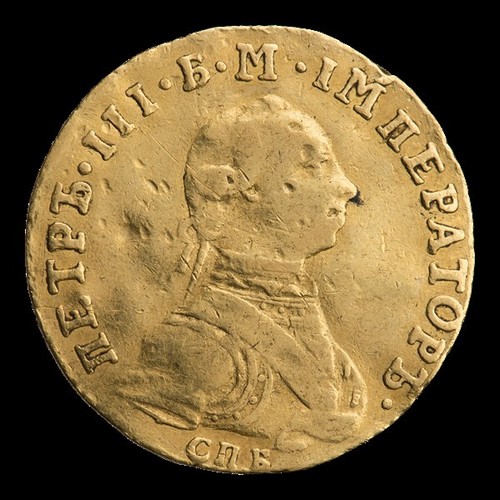
Imperial Chervonets
A small imperial Russian gold chervonets bearing the right-facing bust of Peter III with regalia and the crowned double-headed eagle, dated 1762.
Early Modern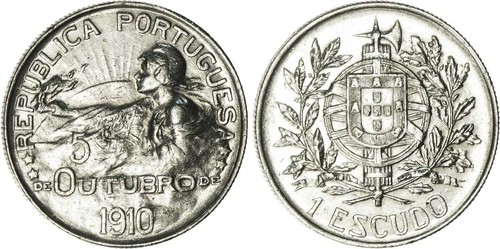
1 Escudo
Portugal's first silver escudo, struck in 1910 to mark the founding of the Republic, with an allegorical female head and the crowned national shield.
Modern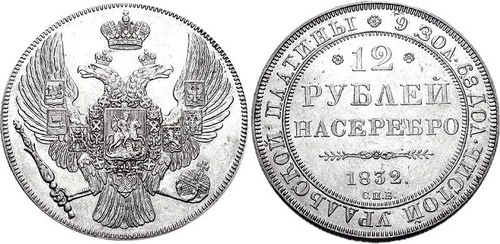
12 Roubles (Nicholas I)
A rare Imperial Russian platinum 12 Roubles of Nicholas I, showing the crowned double-headed eagle and a Cyrillic '12 РУБЛЕЙ' value in Ural platinum.
Modern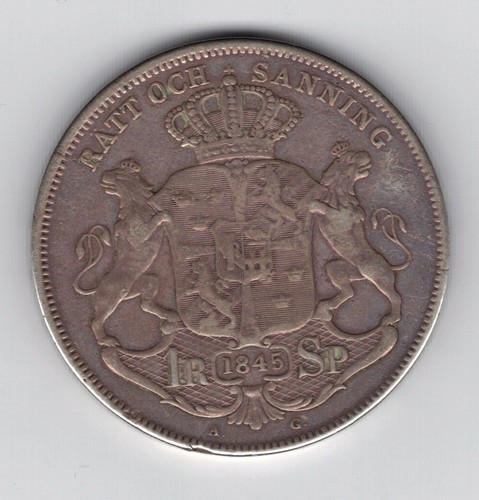
1 Riksdaler Specie
Large silver Riksdaler Specie of Sweden under King Oscar I, dated 1845, bearing his right-facing portrait, royal motto, and the Swedish coat of arms.
Modern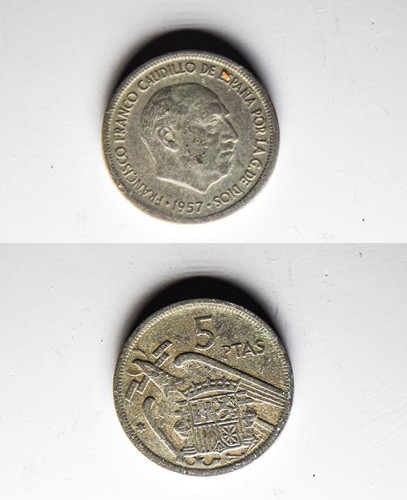
25 Pesetas (Franco)
Spain's common Franco-era 25 pesetas, a silvery copper-nickel coin bearing the national coat of arms and the value 25; dated 1957 but struck into the 1970s.
Modern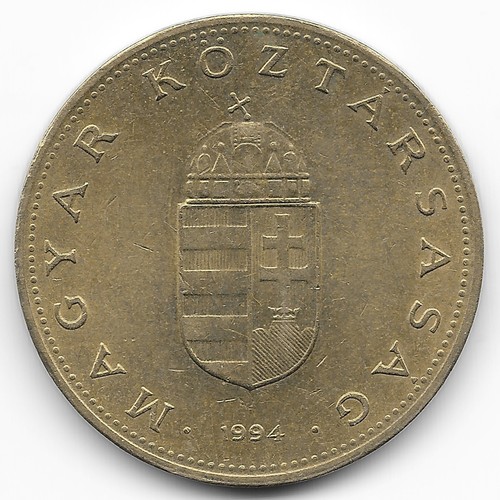
100 Forint (Commemorative)
A Hungarian bi-metallic 100 Forint commemorative pairing the national coat of arms with a bird of prey in flight, struck in a gold-toned ring and pale center.
Commemorative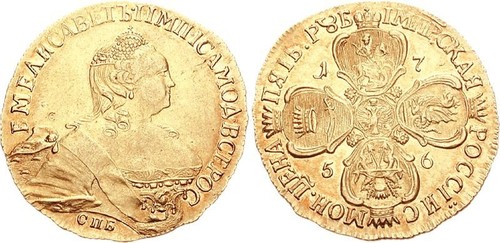
5 Roubles (Alexander III)
An Imperial Russian gold 5 Roubles of Alexander III, showing the tsar's bearded profile and the crowned double-headed eagle, struck in the late 1880s.
Modern