
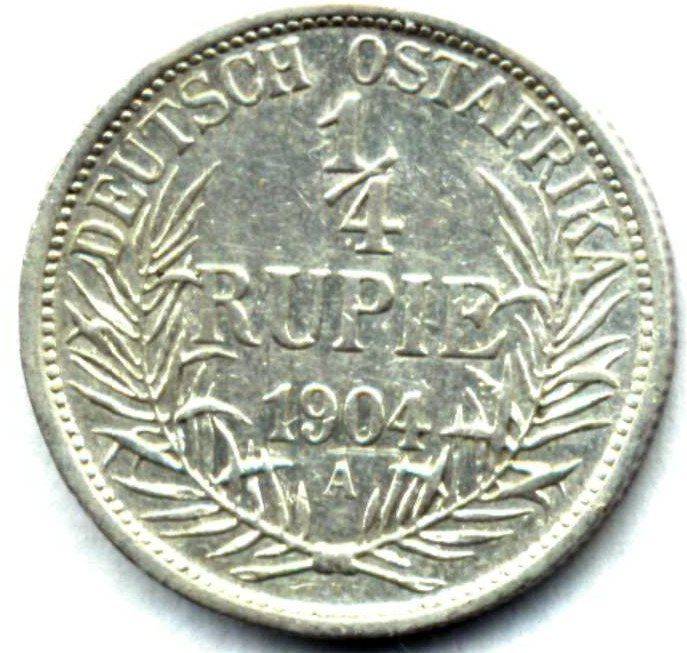
German East Africa 1/4 Rupie
A small colonial silver coin of German East Africa, inscribed DEUTSCH OSTAFRIKA and 1/4 RUPIE within a wreath, paired with the imperial eagle.
- Country
- German East Africa
- Denomination
- 1/4 Rupie
- Metal
- Silver
Got a coin like this?
Identify any coin from a photo, free.
Overview
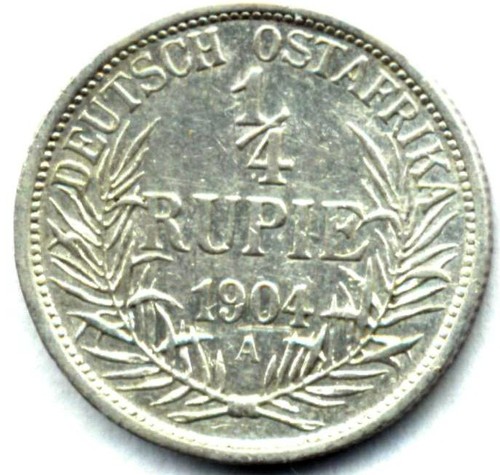
The German East Africa 1/4 Rupie is a small silver colonial coin struck for Deutsch-Ostafrika, Germany's East African colony covering territory in what is now mainland Tanzania and neighboring areas. The example here is dated 1904 and shows the value face, with the legend DEUTSCH OSTAFRIKA and the denomination 1/4 RUPIE enclosed by a laurel or oak wreath.
The coin belongs to the colony's Rupie currency system, in which one Rupie was divided into subunits and the silver Rupie was issued in fractions of one quarter, one half, and a full Rupie. As a quarter Rupie it is the smallest of the silver denominations, a modest, thin, pale-metal piece intended for everyday commerce in the colony.
The opposite face, not shown on this photograph, carries the German imperial crowned eagle (Reichsadler) that identifies the 1904-and-later type. The pairing of the wreathed value with the imperial eagle is the signature of this issue and distinguishes it from the colony's earlier Rupie coins.
History & Background
German East Africa was administered first by the German East Africa Company and then as a German imperial colony from the late 19th century until the First World War. To supply the colony with coin, silver Rupie denominations were introduced, initially under the company and later by the colonial administration, replacing reliance on foreign trade coins.
The earliest quarter, half, and one Rupie coins of the 1890s carried a uniformed bust of Kaiser Wilhelm II. In 1904 the coinage was redesigned around the value-in-wreath and imperial-eagle motifs seen on this piece, and the same period saw the colony's currency reformed so that the Rupie was divided into 100 Heller. Coins of this wreath-and-eagle type were struck across the years leading up to the war.
Striking took place at German mints, with mint letters used to distinguish the workshops that produced the coins. Production ended with the collapse of German colonial rule during the First World War, after which the territory passed to British administration and the Rupie coinage was superseded.
How to Identify
Identify this coin first by its legends. The value face reads DEUTSCH OSTAFRIKA (German East Africa) with the denomination 1/4 RUPIE and the date, all set within a wreath. The 1904 date on this example places it in the wreath-and-eagle series rather than the earlier bust type.
The reverse of the type shows the crowned German imperial eagle. Turning the coin should reveal this eagle; its presence together with the wreathed quarter-Rupie value confirms the 1904-and-later issue. Look near the design for a small mint letter, which identifies the German mint that struck the coin.
In hand the quarter Rupie is small, thin, and light, struck in silver of a colonial fineness rather than a heavy full-size crown. Its diameter is close to that of a small dime-to-nickel-size coin, and it is non-magnetic. Compare size and value carefully against the colony's half and one Rupie, which share the design family but are larger and carry higher denominations.
Value & Collectibility
As a small colonial silver coin, the German East Africa 1/4 Rupie carries both modest silver value and collector interest. Common, well-circulated examples of the 1904–1914 type are affordable and trade in the low tens of dollars in typical grades, with heavily worn pieces at the lower end of that range.
Value is driven mainly by date, mint, and condition. Some year-and-mint combinations are scarcer than others, and problem-free coins with clear detail and original surfaces command premiums; uncirculated or lightly circulated examples can bring considerably more than ordinary worn coins.
Because German colonial coins are actively collected and vary by date and mint mark, treat any single figure as a guide only. Confirm the exact date, mint letter, and grade against recent auction results and standard world-coin references, and be cautious of cleaned or damaged pieces, which sell at a discount.
Frequently asked questions
What country issued the 1/4 Rupie?
It was issued for German East Africa (Deutsch-Ostafrika), Germany's colony covering territory in what is now mainland Tanzania and neighboring areas, before the First World War.
Is the German East Africa 1/4 Rupie silver?
Yes. It is a small silver coin, the quarter denomination of the colony's silver Rupie series. It is struck in a colonial silver alloy rather than a high-purity sterling standard.
What is on the side not shown here?
The face not visible on this photo carries the crowned German imperial eagle (Reichsadler). That eagle, paired with the wreathed 1/4 RUPIE value, marks the 1904-and-later type.
How does the 1904 type differ from earlier ones?
The earliest 1890s quarter Rupie showed a uniformed bust of Kaiser Wilhelm II. The 1904 redesign replaced the bust with the value-in-wreath and imperial-eagle motifs seen here.
Is my 1/4 Rupie valuable?
Most circulated examples are modest, worth in the low tens of dollars, but value depends on date, mint mark, and condition, with scarcer combinations and high-grade coins bringing more.
German East Africa 1/4 Rupie guides
In-depth guides for identifying, valuing, and collecting German East Africa 1/4 Rupie.
Other coins you may enjoy
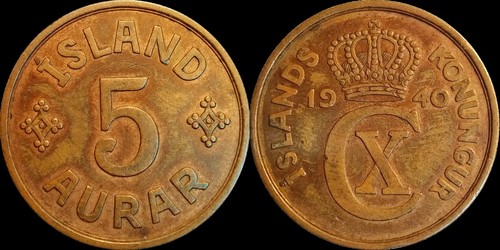
5 Aurar
1926-1942
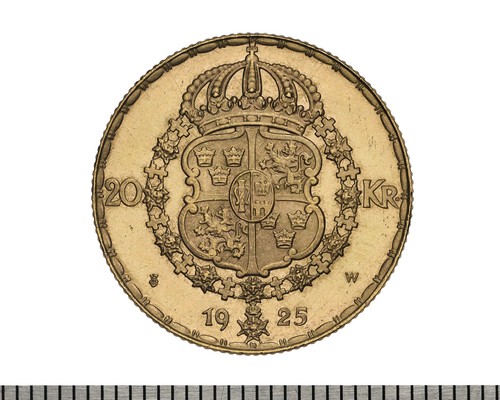
20 Kronor
1925 (denomination struck 1873-1925)
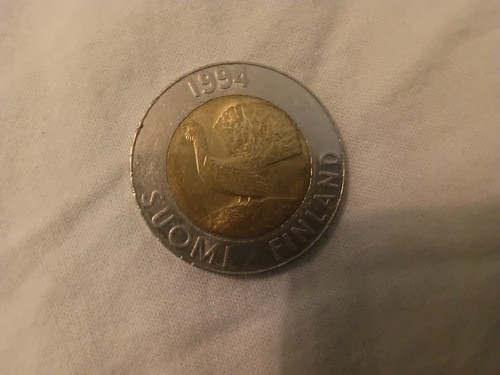
10 Markka
1993–2001
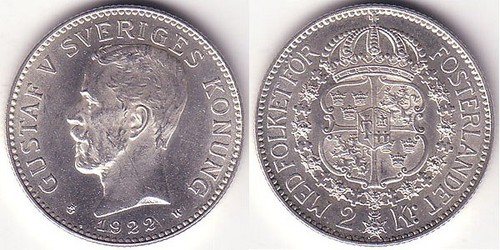
2 Kronor
1910-1940 (this example dated 1922)
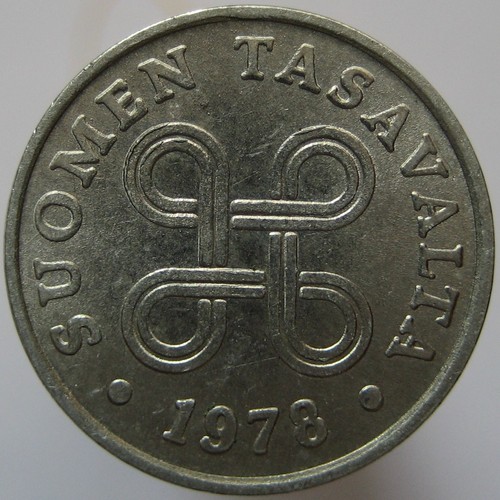
1 Penni
1969–1979
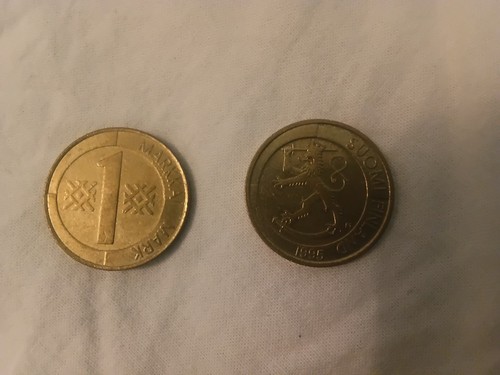
1 Markka
1993–2001
Kenya 5 Shillings
Bimetallic issues (2005–2010)
Kenya 20 Shillings
Modern issue (late 1990s–2000s)
South Africa Farthing
1923-1960
Kenya 10 Shillings
Republic of Kenya, bimetallic issues (mid-1990s to c. 2010)
Gold Sovereign
1817–present
Henri V Five Francs
1831