
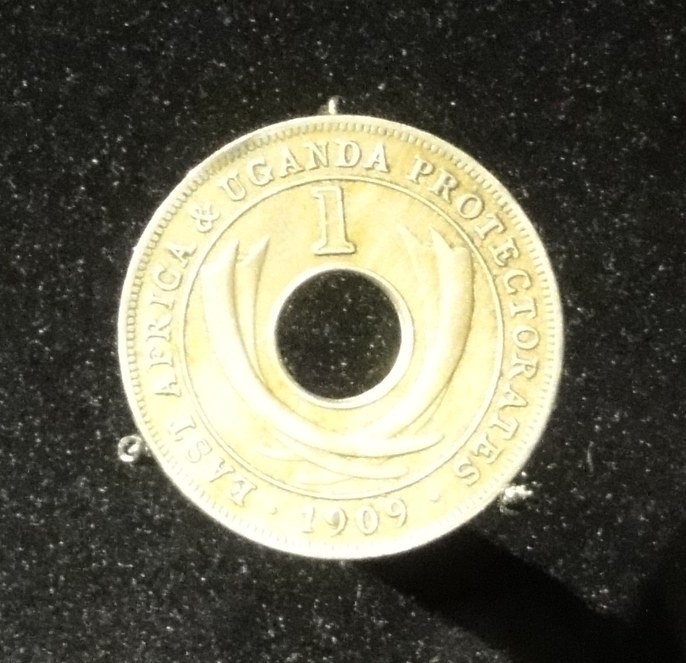
East Africa Protectorate 1 Cent
A small holed one-cent coin of the British East Africa Protectorate, struck in base metal with a crowned, portrait-free design around a central hole.
- Country
- East Africa
- Denomination
- 1 Cent
- Metal
- Brass
Got a coin like this?
Identify any coin from a photo, free.
Overview
The East Africa Protectorate 1 cent is a small, low-value colonial coin struck for the British East Africa Protectorate, the administration that governed the territory that later became Kenya. It belongs to a fractional-cent series minted in the early twentieth century for everyday small change.
As seen on the coin, the piece has a distinctive central hole surrounded by a geometric, ornamental design and inscriptions. It carries no royal portrait; instead it uses a crown and lettering that name the protectorate and state the value. This holed, portrait-free format made the coin easy to recognize and, according to accounts of the period, acceptable across the region's diverse communities.
The example here is dated 1909 and is a base-metal piece rather than a precious-metal coin. It represents the lowest tier of the protectorate's coinage, below the higher cent and rupee denominations then in use.
History & Background
The British East Africa Protectorate was established in the 1890s over the coastal and interior lands that would become Kenya. Its currency was based on the rupee divided into 100 cents, a system shared with neighboring Indian Ocean trade economies. To supply the smallest change, the protectorate issued fractional-cent and one-cent coins in the first decade of the 1900s.
These small denominations were produced with a central hole and no monarch's portrait. The holed format kept the coins light and inexpensive to strike, while the absence of a portrait suited a population that included large Muslim communities. A coin dated 1909 falls within the reign of King Edward VII, though the design names the protectorate rather than depicting the king.
The protectorate's cent coinage continued into the reign of King George V before the territory was reorganized as the Colony of Kenya and, later, its coinage was folded into the broader East African currency arrangements. The early holed cents are survivors of this short-lived protectorate coinage.
How to Identify
The clearest identifier is the central hole. A genuine East Africa Protectorate 1 cent has a hole punched through the middle, framed by a geometric ornamental design and by inscriptions that reference the East Africa Protectorate and the value. There is no bust or portrait of a monarch on either face.
Read the legends and numerals. The coin names the protectorate and states the one-cent value, and the date, such as 1909, appears among the inscriptions. This wording separates it from the later Kenya and East Africa (EAST AFRICA) coinages, and from British East Africa or Zanzibar pieces of similar size.
The coin is small, thin, and struck in a base-metal alloy with a yellowish to brownish tone consistent with brass. Expect a lightweight, holed disk rather than a heavy or silvery coin. Wear, corrosion, and toning are common on surviving examples, so inspect the design and lettering around the hole to confirm the type and date.
Value & Collectibility
As a small base-metal colonial coin, the East Africa Protectorate 1 cent is a modest, affordable collectible rather than a high-value rarity. Worn examples typically trade for low amounts among collectors of British colonial or East African coinage.
Condition and date drive most of the premium. Coins with sharp, undamaged designs, clean surfaces, and a full readable date bring more than heavily worn, corroded, or holed-edge pieces. Certain dates or minor varieties within the short series can be scarcer and command more, so the year matters.
Because values vary with grade and demand, treat any single figure as a rough guide. Check recent auction results and world-coin listings for the specific date and condition, and be cautious of coins that have been cleaned or environmentally damaged, which reduces collector value.
Frequently asked questions
Why does this coin have a hole in the middle?
The protectorate's smallest coins were made with a central hole. The holed format kept the coins light and cheap to produce and, along with the portrait-free design, suited the region's diverse communities.
Is the East Africa Protectorate the same as Kenya?
It is the predecessor. The British East Africa Protectorate governed the territory that was later reorganized as the Colony of Kenya, so this coin is an early forerunner of Kenyan coinage.
Why is there no king's portrait on the coin?
The fractional and one-cent coins were issued without a monarch's bust. A crown and inscriptions were used instead, a format considered suitable for a population that included large Muslim communities.
What is the coin made of?
It is a base-metal piece with a yellowish-brown, brass-like appearance, not silver or other precious metal. It was the lowest-value coin in the protectorate's cent series.
Is my 1909 East Africa Protectorate cent valuable?
Most are modest, affordable collectibles rather than rarities. Value depends heavily on condition and date; clean, sharp examples with a readable date are worth more than worn or corroded ones.
East Africa Protectorate 1 Cent guides
In-depth guides for identifying, valuing, and collecting East Africa Protectorate 1 Cent.
Other coins you may enjoy
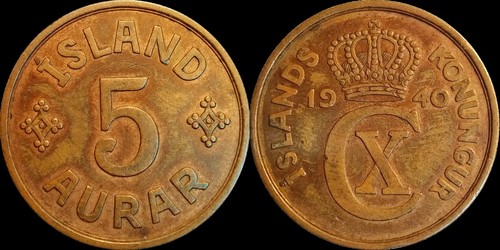
5 Aurar
1926-1942
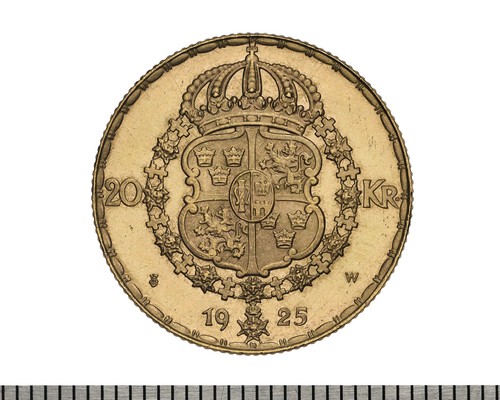
20 Kronor
1925 (denomination struck 1873-1925)
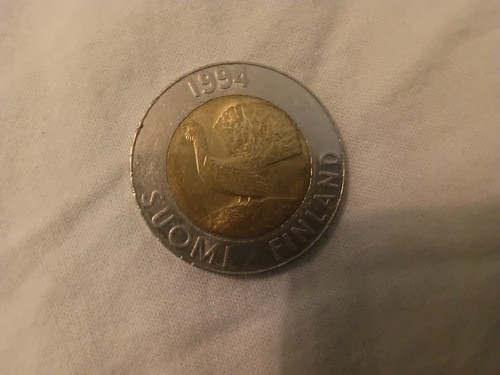
10 Markka
1993–2001
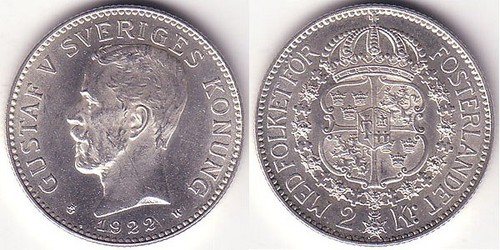
2 Kronor
1910-1940 (this example dated 1922)
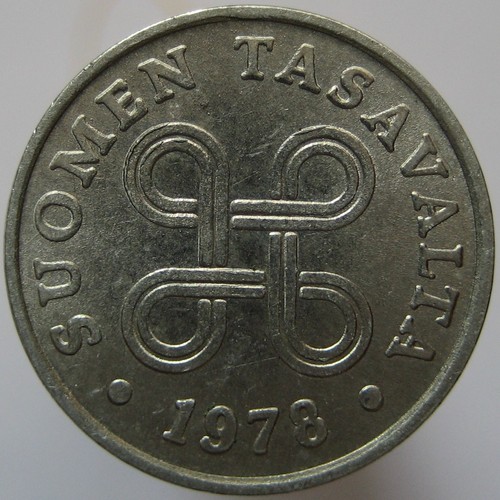
1 Penni
1969–1979
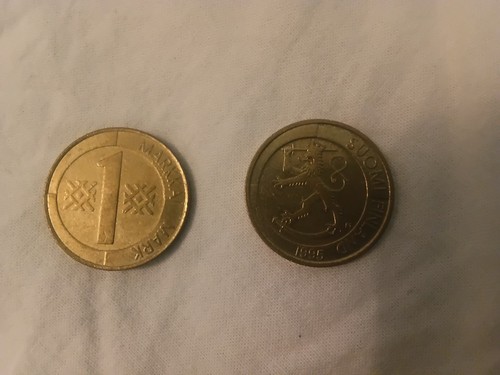
1 Markka
1993–2001
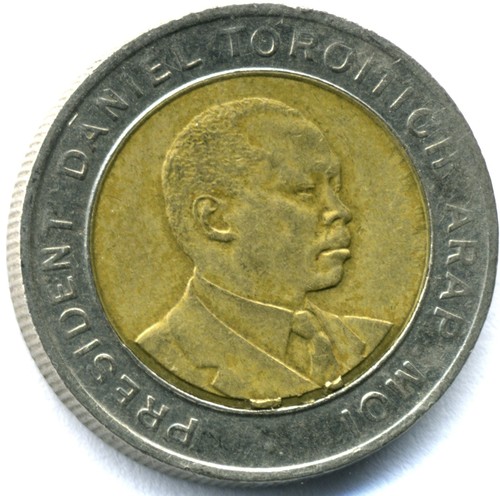
Kenya 5 Shillings
Bimetallic issues (2005–2010)
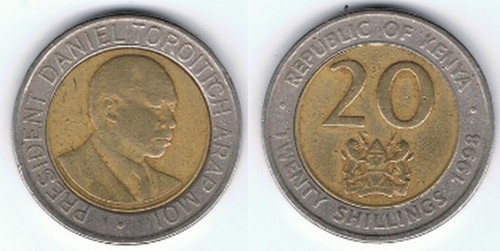
Kenya 20 Shillings
Modern issue (late 1990s–2000s)
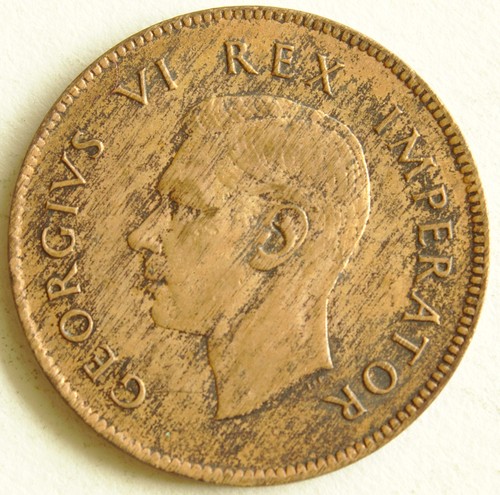
South Africa Farthing
1923-1960
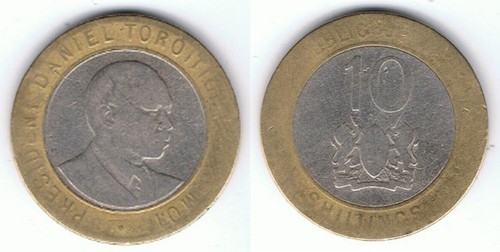
Kenya 10 Shillings
Republic of Kenya, bimetallic issues (mid-1990s to c. 2010)
Gold Sovereign
1817–present
Henri V Five Francs
1831